
Review · JAKARTA
From Jakarta : Volcano, Tea & Rice Fields, Hot Spring
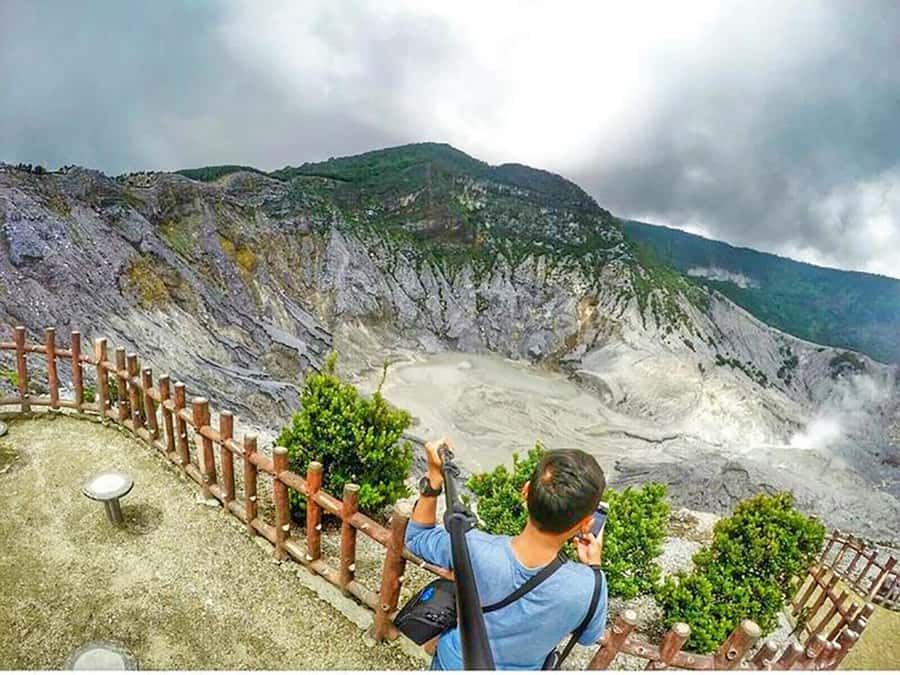
Tangkuban Parahu is the star here: an active volcano where you can stand close to a sulfur-scented crater, see smoke rise, and sometimes hear the ground rumble. I like that the day adds real local flavor, especially honey pineapple and mangosteen tasting, rather than stopping at a viewpoint and calling it a tour. I also like the mix of tea fields, rice paddies, coffee, and hot springs.
The catch is the road time. You can spend five to six hours in the car during this 12-hour outing, and weekend traffic may push your return past 8 pm. That makes this a strong choice for a private, full-day introduction to the Bandung area, but a poor fit if you have a flight or tight evening plans.
Key Points Before You Book
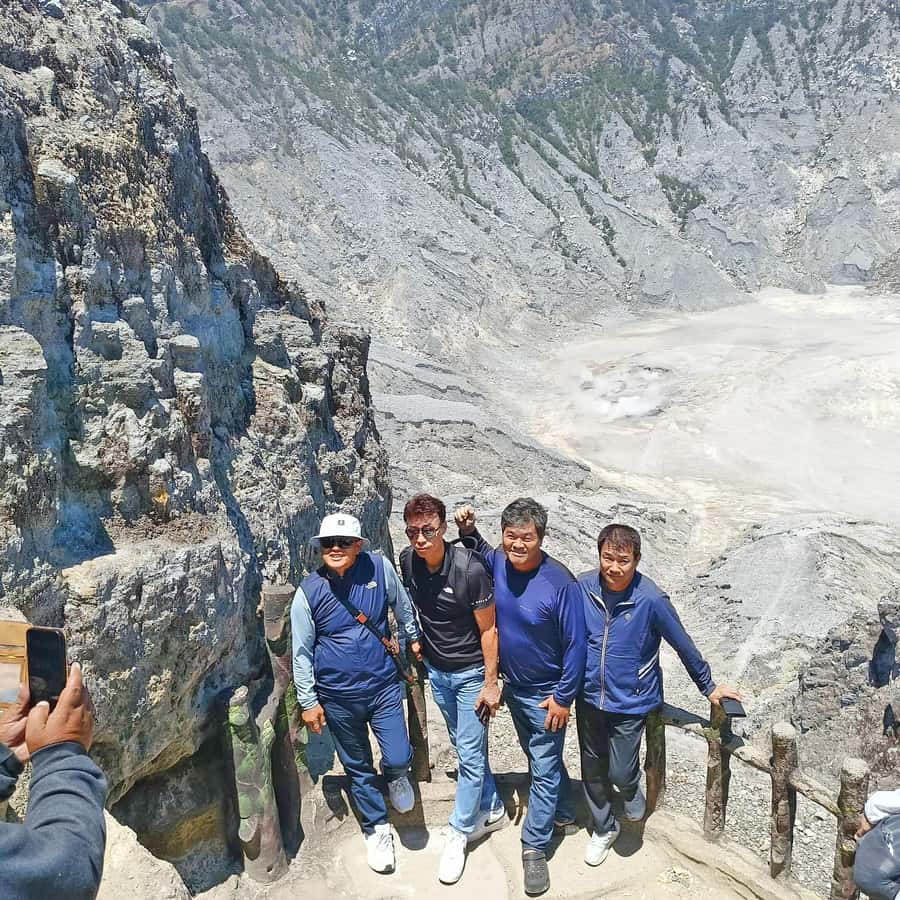
- Tangkuban Parahu Volcano: Walk close to an active crater, smell sulfur, watch smoke, and hear occasional rumbles.
- A real taste of West Java: Try honey pineapple, mangosteen, other tropical fruits, local food, and Luwak coffee.
- Private transport from Jakarta: A private group, air-conditioned vehicle, driver, guide, tolls, parking, and entrance fees are included.
- A relaxing finish: Sari Ater Hot Spring offers warm sulfur water, with time to swim or soak your legs.
- Good guide reports: Budi, Samir, Nabila, and Enok are specifically praised for care, conversation, English, and local explanations.
- A very long day: Pickup starts between 7 and 7:25 am, with an expected return around 7 to 8 pm.
Why This Jakarta to Bandung Day Trip Works
This is not a quick Bandung highlights tour. It is a long countryside day that links several small experiences into one private outing. You leave Jakarta for Subang and Bandung, then move from fruit stalls to farmland, volcano slopes, coffee, tea, and hot water.
I like that variety. You get more than a single scenic stop, and the changes in scenery help the drive feel purposeful. You also avoid arranging several separate taxis, tickets, and short tours. At $135 per person, the value depends heavily on your group size, but the package covers a lot: hotel pickup and drop-off, an air-conditioned vehicle, guide, bottled water, lunch, tolls, parking, taxes, fruit tasting, and all listed entrance fees.
The main tradeoff is simple. You pay for convenience and range, not for a slow, in-depth stay at one place. If you want a quiet volcano walk or hours among the tea plants, this schedule may feel brisk. If you have only one free day from Jakarta and want to see a very different side of Java, the broad mix makes good sense.
More Hot Spring Trips in Indonesia:
- Jakarta: Volcano, Tea/Rice Fields, Hot Spring, Local Food
★ 4.9 · 515 reviews - Active Volcano, Rice Field, Hot Spring, Fruit market, Tea Plantation with Lunch
★ 5.0 · 513 reviews - Bandung: White Crater, Scenic Tea Plantations & Hot Spring
★ 4.9 · 122 reviews
The Early Start and the Long Road North
Pickup begins promptly between 7 and 7:25 am at your Jakarta hotel. Wait in the lobby about five minutes before your scheduled time. The guide is confirmed with the hotel concierge and carries a sign with your name, which is useful in a large hotel or a busy morning pickup.
The drive to Subang and Bandung takes about 2.5 to 3 hours before the day’s main visits. You should expect more driving later, with about three hours for the return to Jakarta. This is one reason a private vehicle matters. You can ask for a pause, keep your own group together, and avoid sharing the day with strangers.
The schedule can stretch on weekends. You are expected back around 7 to 8 pm, but traffic can add time. I would not book a flight, train, dinner reservation, or important appointment for the same evening. Bring a jacket, since the volcano and highland areas can feel cooler than Jakarta.
Honey Pineapple, Mangosteen, and Bandung’s Fruit Stop
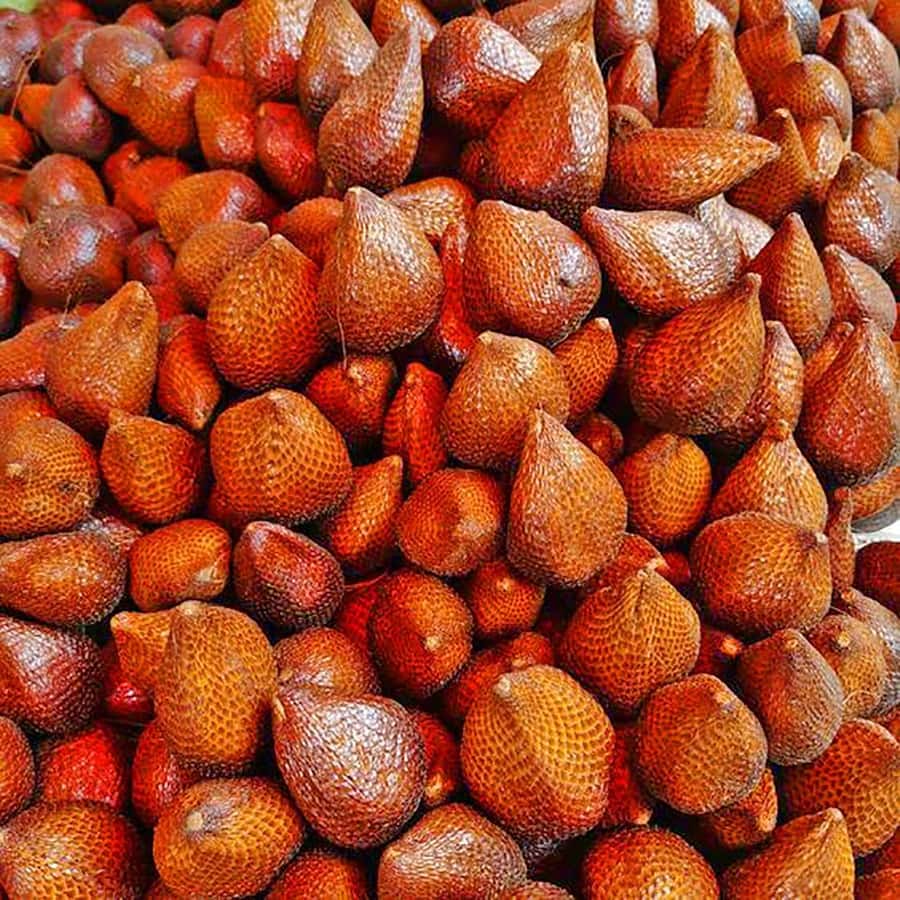
One of the most enjoyable early stops is Bandung’s large fruit market. The focus is on tasting, not simply looking at piles of produce. Your guide can introduce you to honey pineapple, a particularly sweet local variety, along with mangosteen and other tropical fruits.
The honey pineapple is a small but memorable detail. It is picked by the guide before the return trip, so you may get another taste later in the day. The fruit stop also gives you an easy first look at everyday food culture, without requiring a formal cooking class or a long restaurant visit.
You may also be offered durian. That came up as an extra tasting during one outing, but it should not be treated as a guaranteed part of the schedule. If you have never tried it, this is the sort of optional food encounter that can make a day in Java more personal. If you dislike strong smells or unfamiliar textures, you can simply stick with pineapple and mangosteen.
The market can be lively and informal. This is not a polished food hall, so expect a practical local stop rather than a carefully staged tasting room. That is part of its appeal, but it also means the exact fruit selection can vary.
Rice Fields and a Look at Village Work
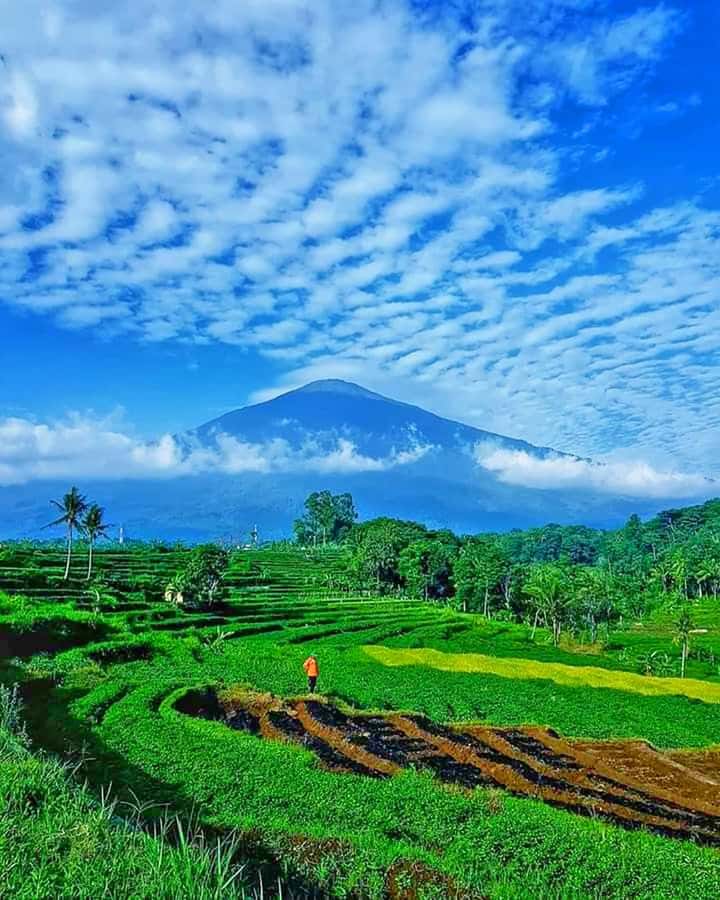
The route pauses by rice fields, where you can watch farmers working and take photographs. This stop adds context to the scenery. The paddies are not just a green backdrop for a picture. They show the rural work that supports communities outside the city.
Your time here is likely best used for a short walk, photos, and questions for your guide. The supplied schedule does not give a fixed length for the rice-field stop, so do not expect a long farm visit or a hands-on planting session. Instead, think of it as a useful pause between the road and the volcano.
I like this part because it slows the day down before the busier attraction. It also gives you a chance to see a more ordinary side of Java, not only famous viewpoints and paid attractions.
A few more tea experiences around Indonesia worth a look
- Bandung: White Crater Hotspring Tea Plans And Lunch Included
★ 4.9 · 419 reviews - Bandung Tour Volcano, Hotsprings, Mud, Tea, Lunch all Included
★ 5.0 · 91 reviews - Bandung: Volcano Crater, Onsen Hot Springs, Mud Bath & Tea
★ 4.9 · 38 reviews - Volcano, Hot Spring, Tea Factory, rice fields and Coffee Tour
★ 5.0 · 25 reviews
Tangkuban Parahu, the Main Attraction
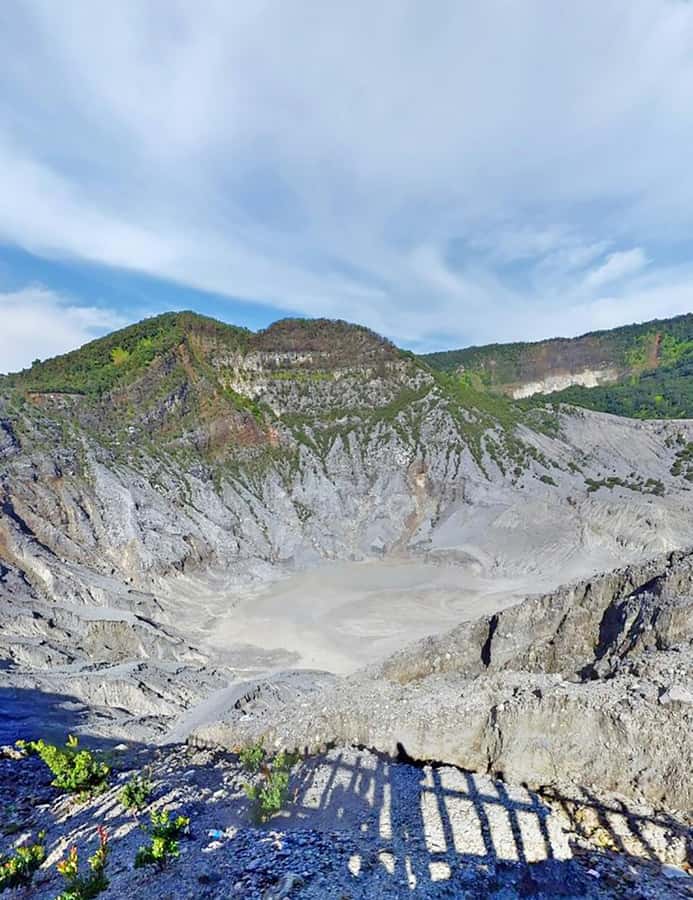
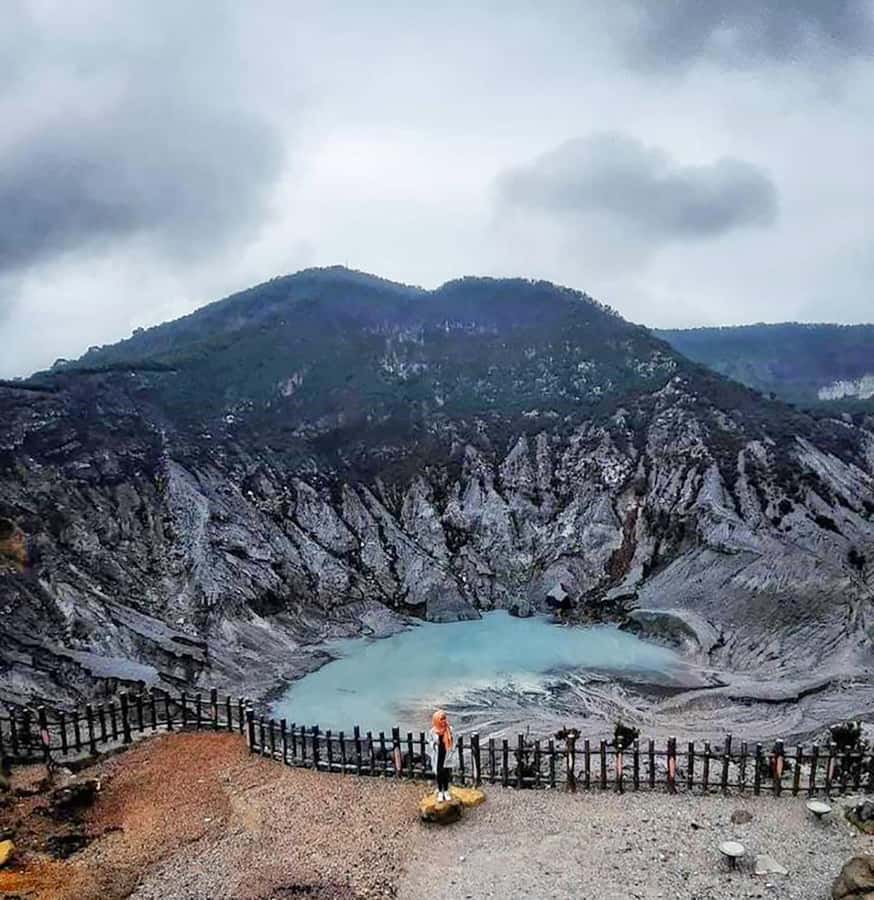
Tangkuban Parahu is the centerpiece of the trip, with about two hours listed for a guided visit and photo stop. The volcano sits in a forested highland area, and the experience is direct: you get close to the crater and take in the smell of sulfur.
You may see smoke rising, bubbling mud, and other signs of volcanic activity. An occasional rumble adds a little drama, though volcanic conditions can change. The exact amount of smoke or bubbling is not guaranteed, so come for the setting and active crater rather than a promise of a particular eruption display.
The sulfur smell can be strong. Bring the jacket requested for the tour, and wear shoes suitable for walking around an outdoor volcanic site. The available information does not specify the walking distance or surface conditions, so comfortable footwear is the sensible choice.
This is also the point where the guide can add the most value. Budi is praised for being kind and well prepared. Nabila is noted for clear English and for explaining the stops with stories and background. If you are assigned Samir as driver, expect a friendly, patient presence, with the practical help that matters during a long day. Enok is also specifically praised for making the experience enjoyable and explaining local details.
The crater visit is not a wilderness trek. It is a guided sightseeing stop with admission included. That makes it accessible to a wider range of visitors, and the tour is listed as wheelchair accessible, though you should confirm how much of the crater area suits your particular chair.
Coffee, Civets, and the Luwak Stop
At Kopi Luwak Cikole, you spend about an hour learning about coffee production and tasting Luwak coffee. The stop includes the chance to buy coffee products, so it has a clear shopping element as well as an educational one.
Luwak coffee is associated with coffee beans that pass through the digestive system of the Asian palm civet before processing. The tour description focuses on production and tasting, but it does not provide details about animal welfare standards or the conditions at this particular site. If that issue matters to you, ask direct questions before buying anything.
The tasting is a good chance to compare a famous Indonesian product with more familiar coffee. I would treat the purchase as optional. You do not need to buy coffee to get value from the stop, and prices or products are not specified in the tour details.
The coffee visit also breaks up the volcano day nicely. After sulfur and open air, an indoor or more sheltered tasting stop gives you a change of pace before lunch and the hot springs.
Lunch in Bandung and Local Flavors
Lunch is served at a local restaurant and is included in the price. The available information does not name the restaurant or set out a menu, so you should not book this tour expecting a specific signature dish.
What you can count on is a proper meal break during a demanding day. That matters because the trip combines an early start, highland stops, and several hours on the road. The guide can help you understand what you are eating and may point out local flavors beyond the fruit tasting.
One visitor had the chance to try durian alongside the regular program. Again, this should be viewed as a possible extra rather than a promised stop. The strength of the food side is its local character, not a formal gourmet meal.
Tea Plants and Highland Views
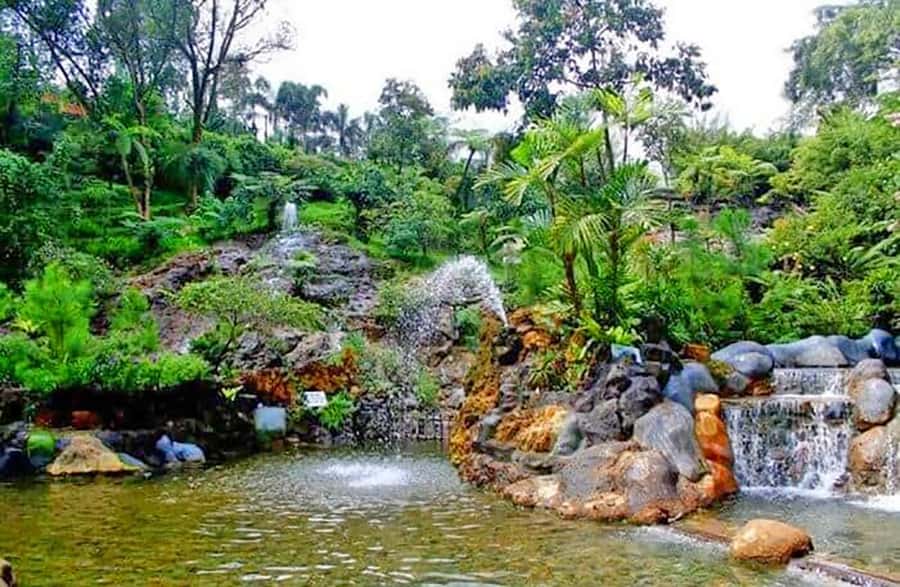
The tour includes a tea plantation in the active volcano area, where you learn about tea’s history, cultivation, varieties, and harvesting. This is a useful complement to the coffee stop. Coffee is treated as a product to taste and buy, while the tea visit gives you more of a growing and farming story.
You will have time for photographs among the tea plants. The setting offers a calmer visual contrast to the dark volcanic crater and the busy fruit market. It is also a good place to ask about how tea is picked and processed, since the visit is designed around explanation rather than a quick photo stop.
The schedule lists the tea plantation within the overall route but does not give it a separate fixed duration. That means the exact time may depend on traffic and how the day unfolds. If tea fields are your main reason for booking, ask the provider how much time is normally assigned there.
Sari Ater Hot Spring and the Day’s Best Pause
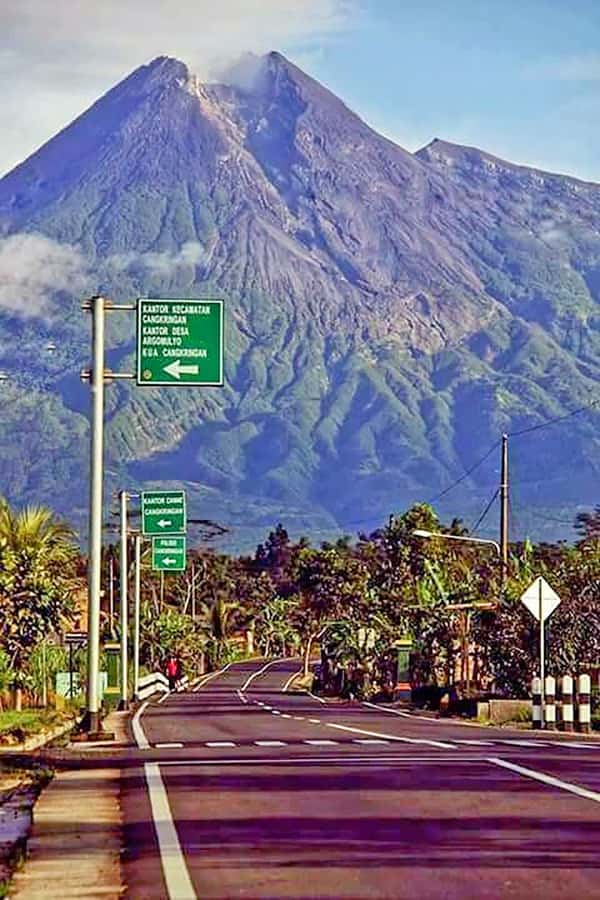
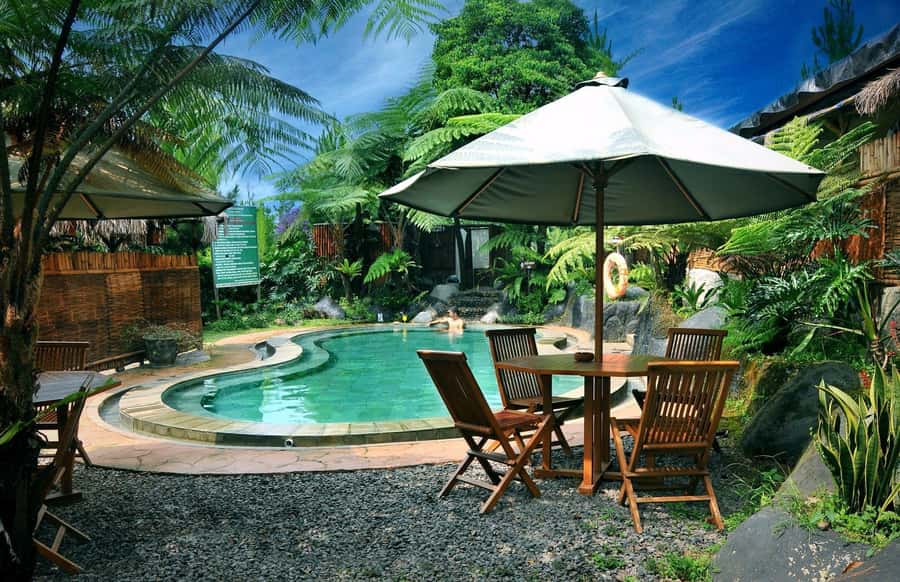
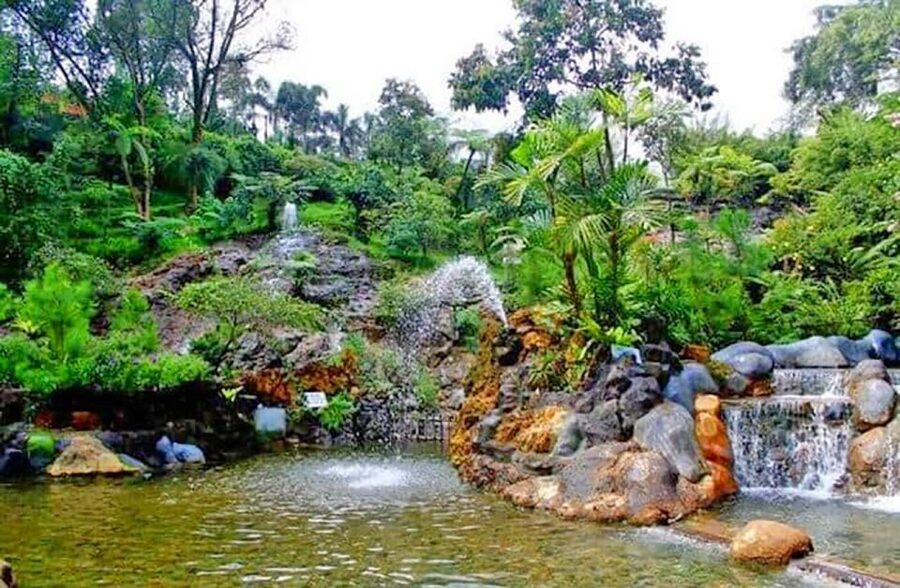
Sari Ater Hot Spring receives about two hours, making it one of the longer stops after the volcano. The warm, sulfur-infused water is meant for relaxing, and you can swim or simply soak your legs.
This is where the day changes from sightseeing to recovery. After a volcanic site, fruit market, coffee tasting, lunch, and tea fields, a hot spring gives you a chance to slow down before the drive back. One recorded experience specifically appreciated the private thermal baths, though the general tour details describe hot-spring access rather than guaranteeing a private pool for every booking.
A local body massage is also part of the described experience. Since massage arrangements can affect the flow of your visit, confirm the details with the provider if this is especially important to you. The same applies to swimwear and changing arrangements, which are not specified here.
You should not expect the hot spring to erase the long return drive, but it is a sensible final stop. Give yourself enough time to dry off, change, and gather your belongings before leaving for Jakarta.
Guides, Drivers, and the Private Group Advantage
The tour is conducted in English with a private group. That is a major advantage on a 12-hour route. You do not have to match the pace of a large bus, and your guide can spend more time answering your questions or adjusting the rhythm of stops.
Several names are associated with particularly strong service. Budi is described as kind and well prepared. Samir is praised for friendly conversation, patience, and help throughout the day. Nabila is noted for excellent English and lively explanations, while Enok is praised for making the country easier to understand through the stops.
The exact guide depends on availability, so do not assume you will receive a particular person unless the provider confirms it. The driver and guide may be separate roles, as in the experience involving Samir and Nabila. That arrangement is useful because one person can focus on the road while the other handles explanations and visits.
Is $135 a Fair Price?
For one person, $135 is not a low-cost day trip in Java. But the comparison changes when you consider what is included and the distance covered. You receive private hotel transport from Jakarta, an air-conditioned vehicle, a guide, bottled water, lunch, fruit tasting, volcano admission, other entrance fees, tolls, parking, and local taxes.
You are also paying to avoid the work of arranging a Bandung-area route from Jakarta. The day reaches places that are awkward to connect by public transport, especially when you want the volcano, plantation areas, fruit stop, and hot spring in one outing.
The price makes the most sense for couples, families, or small groups that value a private vehicle. Solo travelers should think harder about the cost, since the price is listed per person. Tipping is not compulsory, but you can offer it as appreciation if the guide and driver take especially good care of you.
Free cancellation up to 24 hours before departure and the option to reserve now and pay later add useful flexibility. Those terms are helpful for a weather-sensitive outdoor day, but they do not change the central issue: this is a long, road-heavy excursion.
Who Should Book This Experience?
I would choose this tour if you want one organized day outside Jakarta and prefer variety over a slow visit. It suits you if you like volcanoes, local foods, rural scenery, coffee, tea, and warm water, all in the same outing.
It is also a good fit for families or small private groups that want hotel pickup and a guide who can explain the details in English. The wheelchair-accessible listing may help some visitors, though you should confirm the practical access at the crater, plantation, and hot spring.
I would hesitate if you dislike long car journeys, want a late start, or have an evening flight. I would also think twice if your main goal is a serious hike, since the supplied schedule describes sightseeing and guided visits rather than a demanding trail.
FAQ
What time does pickup begin in Jakarta?
Pickup begins promptly between 7 and 7:25 am. You should wait in your hotel lobby about five minutes before the scheduled time.
How long is the tour?
The full experience lasts about 12 hours. The return to Jakarta is expected around 7 to 8 pm, although weekend traffic can make the day longer.
Is transportation included?
Yes. Hotel pickup and drop-off, an air-conditioned vehicle, tolls, parking fees, bottled water, and local taxes are included.
Is lunch included?
Yes. Lunch at a local restaurant is included, along with fresh local fruit tasting.
Is the tour conducted in English?
Yes. The tour has a live English-speaking guide. Specific guides associated with the experience include Budi, Nabila, Enok, and Samir, subject to availability.
Can I swim at the hot spring?
The experience includes time at Sari Ater Hot Spring, where you can swim or soak your legs in warm sulfur-infused water. A local body massage is also described as part of the experience, but you should confirm the exact arrangements.
Should You Book This Jakarta Volcano Tour?
Book it if you want a private, carefully arranged day that shows you more than Bandung’s headline attraction. The strongest combination is the close volcano visit, the surprisingly good fruit tasting, the tea and rice-field scenery, and a hot spring stop before the long ride home.
Skip it if you need a relaxed schedule or cannot spare the full day. The road time is real, and the return may stretch beyond 8 pm on weekends. For the right visitor, though, the $135 cost buys convenience, variety, and a direct introduction to West Java without the hassle of arranging each stop yourself.
Just added around Indonesia
- Yogyakarta: Prambanan Tour, Sukuh Temple & Tea Plantation★ 5.0 · 3 reviews
- Volcano, Hot Spring, Mud Bath & Tea plantation all included★ 5.0 · 5 reviews
- Private Half-Day Tea Village Discovery with lunch in Yogyakarta★ 5.0 · 3 reviews
- Full-Day Adventure: Tea Plantation & the Mystical Dieng Plateau★ 5.0 · 6 reviews
- TULA Wellness Taiwan Tea Ceremony★ 5.0 · 3 reviews
- Tea Tree Spa at Holiday Inn Resort Baruna Bali★ 5.0 · 2 reviews
- Taman Safari and Tea Plantation Tour at Puncak★ 5.0 · 2 reviews
- Private Trip Malang/Surabaya : Tour Tea Plantation Wonosari★ 5.0 · 5 reviews
Spa & Hot Springs, compared.
Volcano, Tea/Rice Fields, Hot Spring, Local Food
Read our review →
White Crater, Scenic Tea Plantations & Hot Spring
Read our review →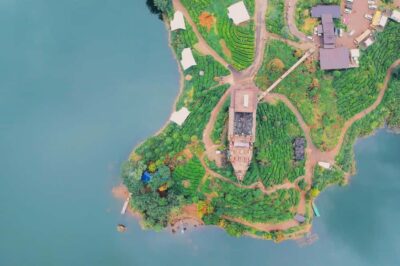
Volcano Crater, Onsen Hot Springs, Mud Bath & Tea
Read our review →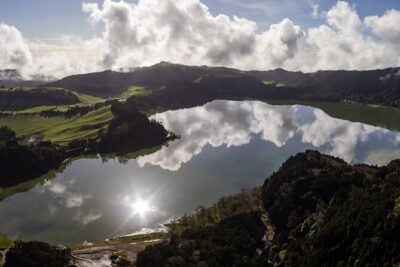
Full-Day Furnas Tour: Hot Springs, Traditional Lunch & Tea
Read our review →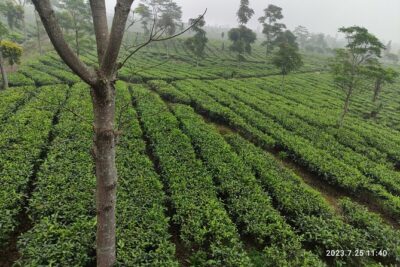
Volcano, Hot Spring, Tea Factory, rice fields and Coffee Tour
Read our review →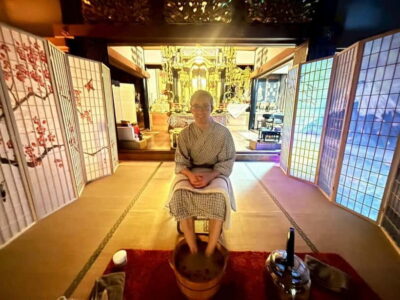
Osaka Temple Head Spa &Matcha Facial – Refresh & Glow〈90min〉
Read our review →
Nara Deer Park, Uji Matcha, & Hot Spring Full-Day Tour from Osaka
Read our review →
Furnas in a Private Evening – Tea, Cozido Dinner and Hot Springs
Read our review →Browse the lists this tour appears in