

Review · SA PA
Sapa: Half Day Treck To Visit Y Linh Ho , Lao Chai, Ta Van
Sapa’s best views are not found from a café window. They unfold slowly on foot, as rice, corn, and potato fields step down the hills toward villages. I like that this trek leaves the town behind for less-touristy paths, and I like the local guide’s role in explaining Hmong culture, customs, and daily work instead of simply pointing at the scenery. The main catch is the trail itself: mud, slopes, and uneven ground demand good fitness, especially after rain.
The experience also gets the practical details right. You meet your guide at your Sapa hotel, stop for lunch at a local restaurant, and return by shuttle bus. At $21 per person, that is strong value for six hours, though you should be ready for a proper mountain walk rather than a gentle sightseeing stroll.
Key points to know before you go
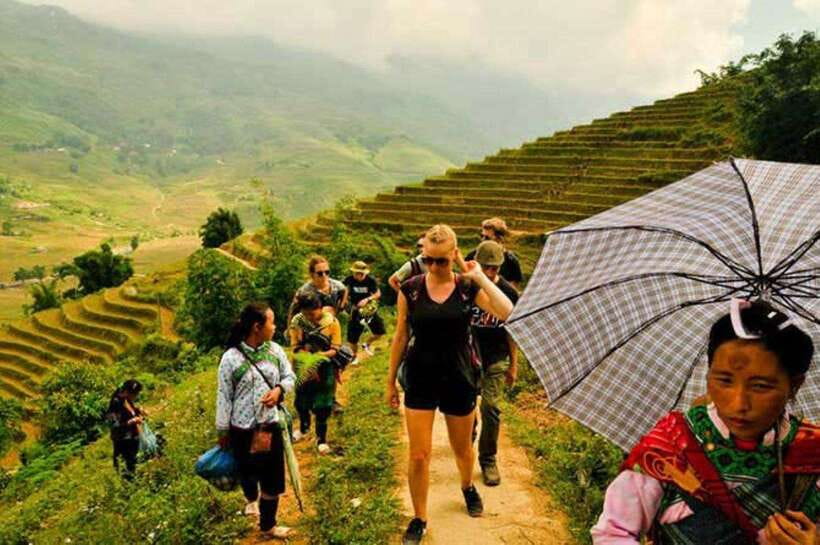
- Six hours on hilly village trails: Expect a moderate to challenging trek with climbs, descents, and uneven ground.
- Three well-known Sapa area names: The experience is marketed around Y Linh Ho, Lao Chai, and Ta Van, while the route details also refer to Lai Chai village.
- A local guide adds meaning: You learn about ethnic minority communities, customs, family life, and farming as you walk.
- A waterfall breaks up the trek: It gives you a place to rest, take photographs, and catch your breath.
- Lunch and hotel return are included: You eat at a local restaurant, then ride a shuttle bus back to Sapa.
- Small groups keep things manageable: The group is limited to 10 people, with English and Vietnamese guide options.
Why this six-hour Sapa trek is worth your time
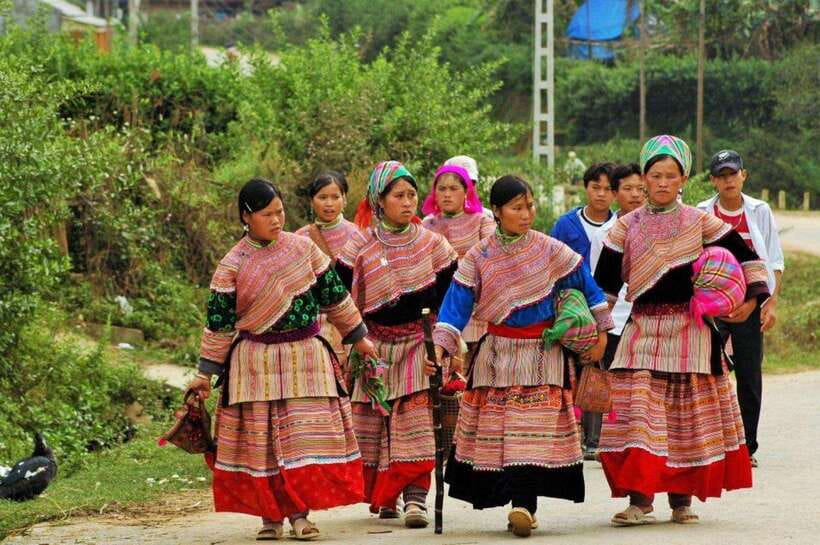
Sapa is famous for its stepped rice fields, but the town itself can feel busy and built for short visits. This walk gives you a better sense of the area beyond the central streets. You begin in Sapa, then move into farmland and villages where the views are not the only point of interest.
I like tours that connect scenery with everyday life. Here, the terraces are not just a pretty backdrop. Rice, corn, and potatoes are part of the working countryside, and your guide explains how local people live and farm in the hills. That small amount of context changes what you see. A field becomes part of a family’s routine, not just a good photograph.
The group size also matters. With no more than 10 participants, you should have a better chance to hear the guide and ask questions. It is still a group walk, so your pace will not be entirely your own, but the limit is far more comfortable than a large coach excursion.
The price is another strong point. For $21, you get a local guide, a six-hour walking experience, lunch, and transport back to your hotel. Drinks are not included, so bring water or budget for something to drink. The value is best if you want an active day and would otherwise need to arrange a guide, meal, and return transport separately.
Other tea experiences people book around Sa Pa:
- From Sapa: 1-Day Guided Trek to Lao Chai & Ta Van with Lunch
★ 4.9 · 416 reviews - Half Day Sapa Trekking to Visit Lao Chai – Ta Van
★ 4.7 · 126 reviews - One Day Sapa Trekking to Lao Chai and Ta Van Villages
★ 5.0 · 80 reviews
Leaving Sapa for Y Linh Ho and the hill villages
Pickup takes place at your hotel in Sapa, though the exact time can change based on your hotel’s location. From there, the walk begins through Sapa town, giving you a look at daily life before the route moves into the countryside.
The first part helps you get your legs moving. You are not dropped directly beside a viewpoint and asked to take a few photos. You gradually leave the built-up area, then reach the fields and village paths beyond town.
The route is described using Y Linh Ho, Lao Chai, and Ta Van, with Lai Chai also named in the detailed route information. Since several village names are associated with this experience, I would confirm the precise order with the provider when you book. The important point is that the walk links rural communities around Sapa rather than staying within the town.
As you go, the guide discusses local customs and habits. This is where the activity gains much of its value. A walk through a village can otherwise become a quick parade of houses and terraces. With a local English or Vietnamese-speaking guide, you have a better chance of understanding what you are seeing and asking about the people who live there.
Rice terraces, cornfields, and fresh mountain air
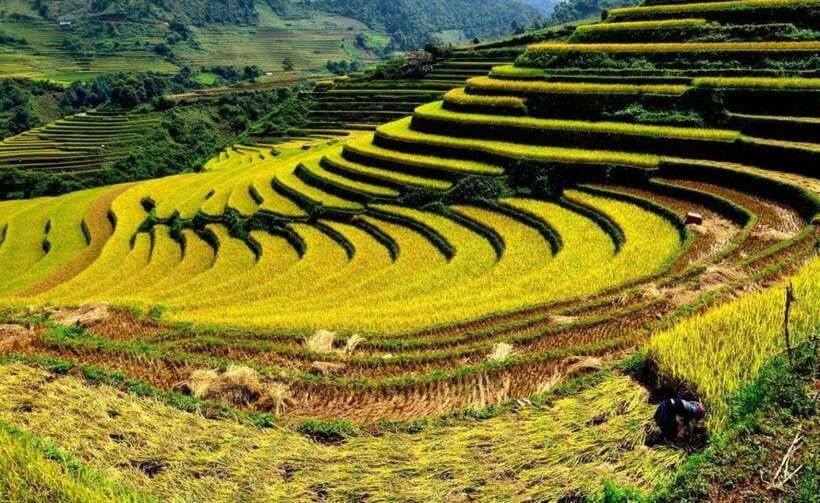
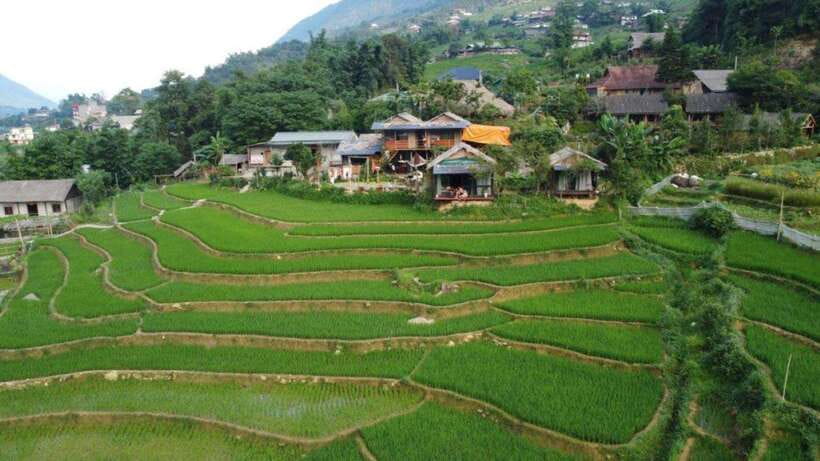
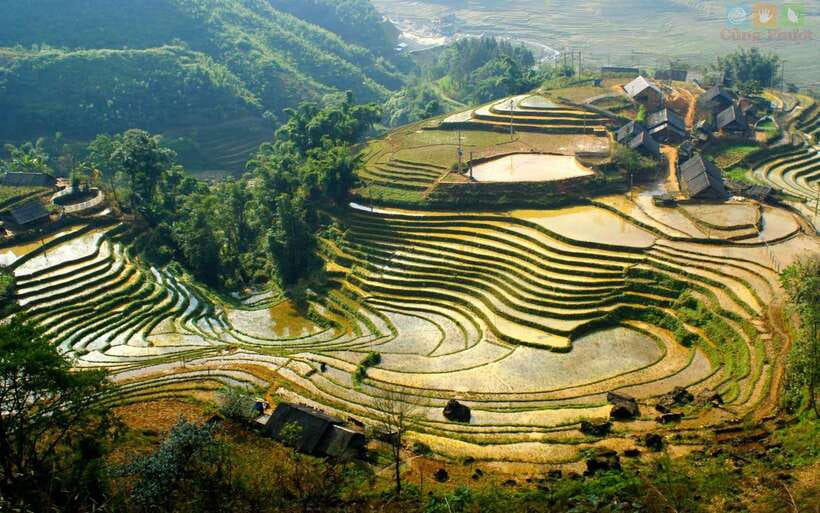
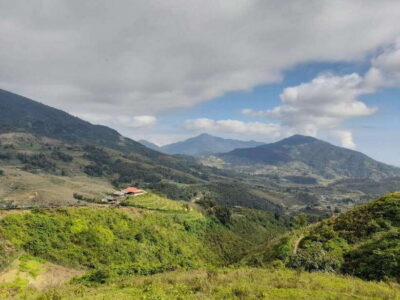
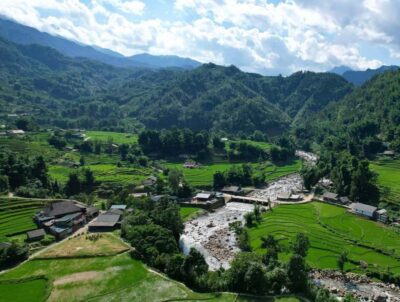
The route includes terraced rice, corn, and potato fields on paths described as less touristy. The scenery changes with the season and weather, so you should not expect identical views on every departure. Still, the basic appeal is clear: open hills, layered fields, village paths, and wide views across northern Vietnam.
The terraces are especially impressive because of their scale. You see one set of fields after another, shaped into the slopes rather than laid across flat ground. In clear weather, the views can stretch across several folds of the hills. In rain or cloud, the mood becomes quieter, but the path may also turn slippery.
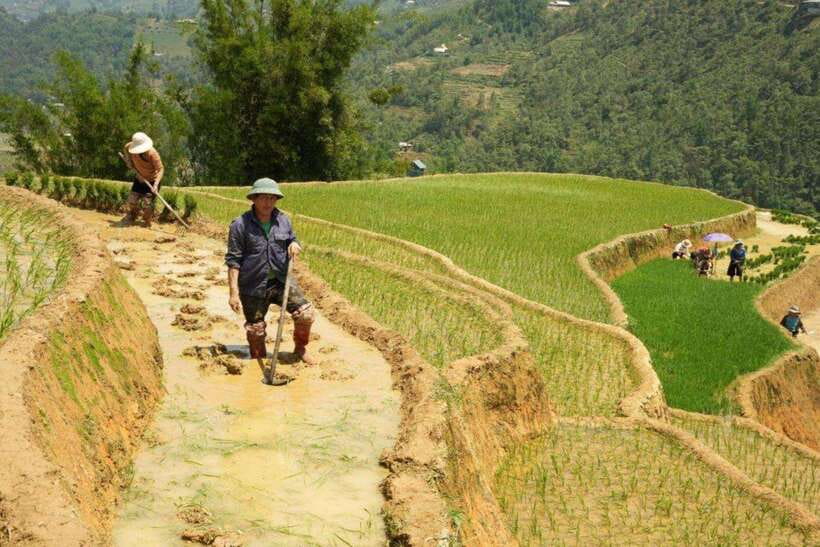
One recent departure took place on a rainy day, and the guide helped with the slick sections. That is useful to know. Rain does not simply make the views less clear. It changes the physical demands of the trek. Shoes lose grip, mud collects on the trail, and downhill sections can require care.
Bring comfortable shoes with a firm sole. Hiking shoes are preferable to smooth trainers, though the activity information only requires comfortable footwear. A hat, sunscreen, camera, and water are also recommended. You should keep your hands free where possible, since balance matters on rough or wet ground.
The rules are simple but important: do not smoke, litter, or touch plants. The trail passes through working farmland, so treating fields and village areas with care is part of being a good visitor.
Meeting local families and learning about Hmong life
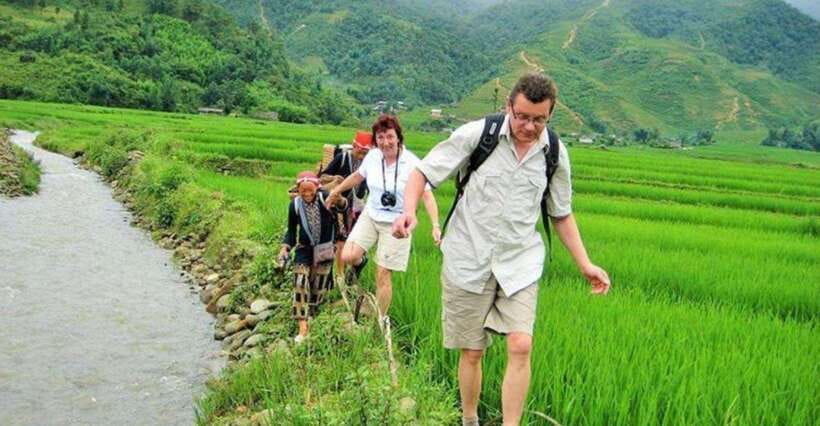
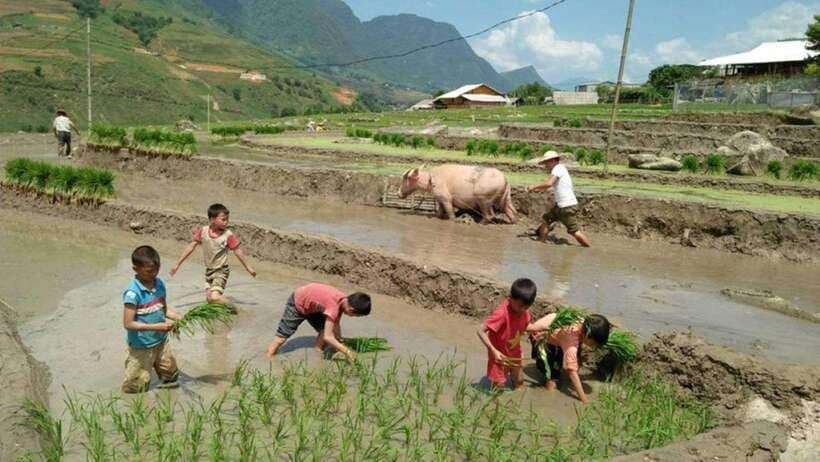
The village sections are not designed as museum displays. You walk through inhabited places and get a closer look at how ethnic minority communities live in the Sapa area. One guide described in the feedback was a local Hmong guide who shared stories about personal history, family, and daily life. Guide assignments can change, so do not assume you will have that exact guide, but a local perspective is central to the experience.
This is the kind of cultural contact I value most when it is handled with respect. You are not simply looking at traditional clothing or photographing a house. You hear about customs and habits while moving through the place where those customs belong.
There is one social issue to prepare for. Some local women may try to sell you goods along the route. Buying something can support families and villages, but repeated offers may feel uncomfortable if you are not interested. Decide before you go how you want to respond. A polite, clear no is usually better than stopping to negotiate if you do not plan to buy.
You should also be mindful with photography. The supplied information promises photo stops and scenic views, but it does not state that every person or household may be photographed. Ask permission before taking close-up pictures of people, particularly children or anyone working.
Same place, a different pot:
- Trek Adventure in Ta Van Village, Lao Chai
★ 5.0 · 36 reviews - Sapa: Y Linh Ho – Lao Chai, and Ta Van Trekking Day Tour
★ 5.0 · 25 reviews - 1 Day Sapa Tour Explore Y Linh Ho And Lao Chai And Ta Van Village
★ 5.0 · 18 reviews - Easy Trek in Sapa mountain : Y Linh Ho – Lao Chai – Ta Van
★ 4.8 · 16 reviews
The waterfall stop and a well-timed rest

A waterfall provides a natural pause during the walk. You can relax, take photographs, and enjoy a change from the open terraces and village paths. It is also a useful point to judge how your body is handling the route.
The waterfall is not presented as a major attraction with facilities or a long visit. Think of it as a scenic rest stop rather than a destination that fills the day. Weather will affect the water, the rocks, and the comfort of the stop. In wet conditions, be careful around slippery ground and avoid treating the photo opportunity as a reason to step onto unsafe surfaces.
This pause matters because the route can be demanding. The walk includes altitude, hills, and changes in elevation. Even people who walk often on flat ground may find Sapa’s slopes tiring. Take the breaks offered by the guide, drink water, and avoid setting a pace that leaves you struggling early in the day.
Local lunch after the hard part
Lunch comes after the trek at a local restaurant. That timing works well. You can focus on the walk first, then sit down for a proper meal instead of carrying a full picnic or searching for food after returning to town.
The meal gives you a chance to try local cuisine and replenish your energy. Vegetarian options are available if you request them in advance. Drinks are not included, so remember to carry water and check whether you want to buy anything extra with lunch.
The exact dishes are not specified, so you should not book this expecting a named regional specialty or a cooking demonstration. The strength of the meal is convenience and local setting. After several hours on the trail, a seated lunch is a welcome part of the day.
Shuttle return to Sapa and the practical details
After lunch, a shuttle bus takes you back to your hotel in Sapa. That return transfer is more useful than it may sound. After a moderate or challenging walk, you will probably be ready to rest rather than walk another distance to find transport.
The full activity lasts about six hours, but pickup time can vary with hotel location. Keep part of your day open rather than scheduling a tight connection immediately afterward. Weather can also cause the experience to be rescheduled or canceled, particularly when trails become unsafe.
The activity allows free cancellation up to 24 hours before departure for a full refund, and you can reserve now and pay later. Those terms help if your Sapa plans are still shifting, though the main decision is physical rather than financial.
The language options are English and Vietnamese. The small group limit is 10 people. Children under eight, pregnant women, people with mobility impairments, and people with heart problems should not take this trek.
Who should book this Sapa walk
You should book it if you want to spend a day outdoors, see the terraces from ground level, and learn about village life from a local guide. It is particularly well suited to people with a moderate level of fitness who are comfortable with hills and uneven paths.
You will get the most from it if you enjoy walking more than checking off viewpoints. The route is active, and the scenery comes as part of the effort. You should also be comfortable with changing weather, basic trail conditions, and the possibility of sales approaches along the way.
I would not choose it for a relaxed family outing with young children or for anyone with a heart or mobility concern. It is also a poor fit if you need smooth paths, guaranteed dry weather, or a gentle pace with little elevation change.
The published rating is 4.3 from five ratings, with especially strong praise for the guides, scenery, meal, hotel pickup, and support on difficult paths. One Canadian participant described the walk as suitable for moderate fitness, while another highlighted the physical demands of altitude and elevation. Those details match the sensible way to view this experience: rewarding, affordable, and active, but not effortless.
Should you book the Y Linh Ho, Lao Chai, and Ta Van trek?
Book this experience if you want a good-value introduction to rural Sapa and are prepared to work for the views. The local guide, village access, waterfall stop, lunch, and shuttle return give you a lot for $21.
Skip it if you want a short stroll or have difficulty with steep and slippery ground. Wear proper shoes, bring water and sun protection, request a vegetarian lunch in advance if needed, and leave room in your schedule for weather changes. For fit visitors who want more than a town walk, this is a practical way to see Sapa’s terraces and meet the people who live among them.
FAQ
How long does the Sapa trek take?
The experience lasts six hours, including the guided walk, breaks, lunch, and shuttle return to your hotel in Sapa.
Where does the trek start and finish?
Pickup is from your hotel in Sapa, and you return to your hotel by shuttle bus after lunch. Pickup time may vary according to your hotel’s location.
Which villages does the route visit?
The experience is described around Y Linh Ho, Lao Chai, and Ta Van. The detailed route also refers to a visit to Lai Chai village, so confirm the exact village order with the provider.
Is lunch included?
Yes. Lunch at a local restaurant is included. Vegetarian meals are available if you request one in advance, while drinks are not included.
How difficult is the walk?
It is a moderate to challenging trek with hills, elevation changes, and uneven paths. Good physical condition is recommended, and the trail may become slippery in rainy weather.
What should I bring?
Bring comfortable shoes, a hat, sunscreen, water, and a camera. Smoking, littering, and touching plants are not allowed.
Just added around Sa Pa
- 2-Day Motorbike Tour to Mu Cang Chai Loop from Sapa★ 5.0 · 2 reviews
- Sapa – Lao Chai -Ta Van full day trekking★ 3.5 · 3 reviews
- 1 Day Sapa Tour Explore Y Linh Ho And Lao Chai And Ta Van Village★ 5.0 · 18 reviews
- Sapa: Full-Day Trekking Tour to Lao Chai and Ta Van Village★ 4.7 · 3 reviews
- Sapa to Waterfall, Green Tea Farm with motorbike driver★ 4.5 · 2 reviews
- From Sapa: Cat Cat & Sin Chai Villages Private Trekking Tour★ 4.4 · 5 reviews
- Full Day Trekking Lao Chai-Ta Van and Cat Cat Village★ 4.8 · 8 reviews
- From Sapa: Y Linh Ho, Lao Chai & Ta Van Trek Day Tour★ 3.8 · 6 reviews
Sa Pa Tea Experiences, compared.
Half Day Sapa Trekking to Visit Lao Chai – Ta Van
Read our review →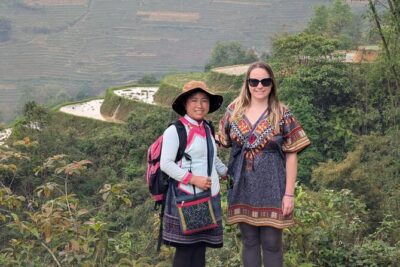
One Day Sapa Trekking to Lao Chai and Ta Van Villages
Read our review →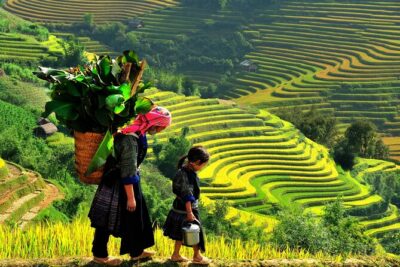
Y Linh Ho – Lao Chai, and Ta Van Trekking Day Tour
Read our review →
1 Day Sapa Tour Explore Y Linh Ho And Lao Chai And Ta Van Village
Read our review →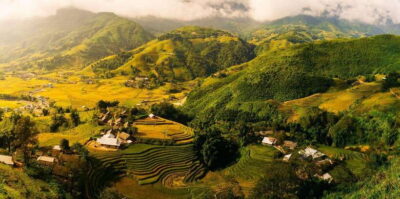
Easy Trek in Sapa mountain : Y Linh Ho – Lao Chai – Ta Van
Read our review →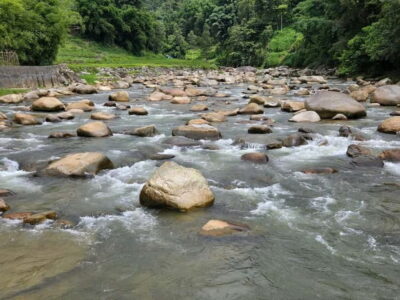
2 Night Lao Chai-Ta Van Homestay- Trekking & Fansipan Visit
Read our review →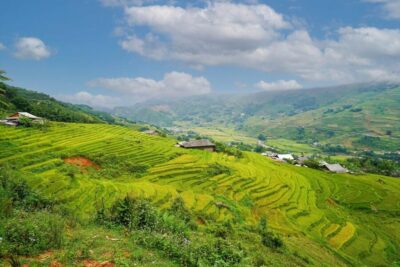
Full Day Trekking Lao Chai-Ta Van and Cat Cat Village
Read our review →Browse the lists this tour appears in