
Review · MAURITIUS
Tea and Culture Route
Mauritius has more to offer than beaches, and this private day trip shows you why. You move from the island’s largest water reserve to Hindu shrines, a giant Shiva statue, a tea factory, and an old sugar estate that now produces agricultural rum. The most memorable parts are likely to be Grand Bassin and the Bois Cheri tea stop, where culture, scenery, and local products come together.
I like the flexibility of a private vehicle and the chance to ask questions as you go. I also like that the tour connects Hindu traditions with two important Mauritian industries, tea and sugar-cane rum. The main drawback is that the schedule is fairly full, and the short stop at Vacoas may feel less rewarding than extra time at Grand Bassin or Bois Cheri.
Key points to know before booking

- A private tour for up to three people: You travel with your own group and a professional driver-guide, rather than joining a large coach.
- Grand Bassin is the cultural centerpiece: See the sacred lake and giant Shiva statue, described as unique in the southern hemisphere.
- Bois Cheri includes tea tasting: Try Mauritian vanilla tea along with flavored, green, and herbal teas.
- Saint-Aubin adds a rum and sugar story: Learn how an agricultural estate developed into a producer of rum, tea, local goods, and ecological tourism.
- Vacoas is scenic but brief: The ten-minute stop gives context about Mauritius’s water supply, though you may prefer more time elsewhere.
- Plan for extra costs: Lunch, entrance tickets, drinks, alcoholic drinks, and gratuities are not included in the listed price.
A cultural route beyond the coast
The Tea and Culture Route is designed for you to see a different side of Mauritius. Starting from Trou d’Eau Douce, you spend roughly six to seven hours traveling through the island’s southern and central areas with a private driver-guide.
The route has a clear theme. Water, faith, tea, sugar cane, and rum are not random stops. Together, they explain several parts of daily life and local identity in Mauritius. Your guide can connect the sites as you go, which matters because some stops are more interesting when you understand their background.
The tour requires at least two people and allows up to three people per group at a listed price of $111.58. For a couple or a small family, that can be a useful arrangement. You are paying for a private vehicle, hotel pickup and drop-off, and a full day of guiding, rather than simply purchasing separate admission to a tea factory and distillery.
The exact travel time depends on traffic and the time of day. That is worth keeping in mind. Six to seven hours sounds generous, but road conditions can affect how long you remain at each attraction. Several departure times are available, so you can choose one that fits your stay.
A few more tea experiences around Mauritius worth a look
- Mauritius: Tea and Sugar Plantation Guided Tour with Lunch
★ 4.8 · 116 reviews - Wild South: Full-Day tour incl Rhumerie St Aubin, Bois cheri Tea factory & Lunch
★ 4.5 · 14 reviews - Mauritius: Tea, Rum and Vanilla Route with Lunch and Pickup
★ 4.8 · 12 reviews
Mare aux Vacoas and the island’s water supply
The first stop is Mare aux Vacoas, the largest lake in Mauritius and the main water reserve serving the nation and people living in the upper Plaines Wilhems. You have about ten minutes here, with no admission charge.
This is a quick orientation stop rather than a full attraction. The value lies in understanding the practical side of the island. Mauritius is often presented through its coastline and resorts, but a water reservoir shows the infrastructure that supports life away from the beach.
You should not expect a long walk or an extended visit. One of the strongest practical suggestions from the tour feedback is to consider skipping Vacoas if you would rather spend more time at Grand Bassin or Bois Cheri. If you enjoy scenic pauses and geographic context, the stop makes sense. If you want more time for cultural sites and tastings, it is the easiest place to shorten.
Grand Bassin and the giant Shiva statue
Grand Bassin is the emotional center of the route. This sacred lake is an important Hindu site, and the giant Shiva statue gives the visit an immediate sense of scale. The statue is described as unique in the southern hemisphere.
You have around 30 minutes here. That is enough for a focused visit, though it is not a long religious or historical tour. Your guide explains Hindu culture on Mauritius, helping you understand the meaning of the lake and the importance of the shrines around it.
I would pay close attention here rather than treating the stop as a quick photo break. The purpose is not only to see a large statue. It is to learn how Hindu traditions became part of Mauritian life and how sacred places are used and respected.
Dress and behavior should be appropriate for a religious site. The supplied tour details do not set out a formal dress code, so the safest approach is modest clothing and a respectful manner. Ask your guide before taking photographs in sensitive areas.
This is also the stop most likely to benefit from extra time if Vacoas is removed. Thirty minutes gives you a taste of the site, but a private tour offers some flexibility. Ask your driver-guide how much time the day’s traffic and schedule allow.
Bois Cheri, where tea becomes part of the story
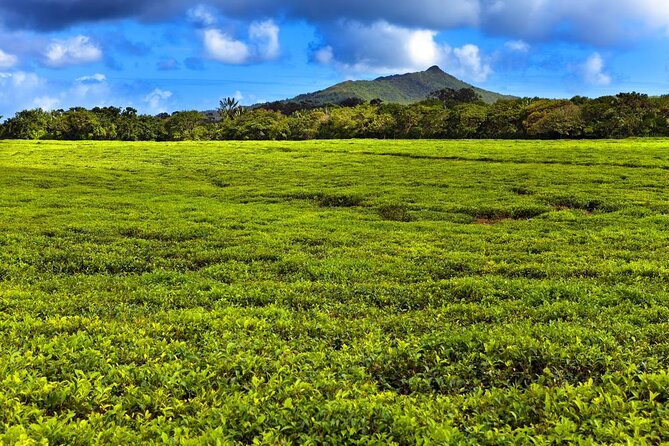
Bois Cheri is the most substantial stop, with about one hour devoted to the factory, plantation, and tea museum. Your guide leads you through the tea production area and explains the company’s past, its stories, and the role tea production plays in Mauritius.
This stop works well because it combines several activities. You see how tea is connected to the island’s agriculture, hear about the history of Bois Cheri, and visit a museum focused on tea production in Mauritius. The panoramic view over the south adds a scenic reward without turning the stop into a separate sightseeing detour.
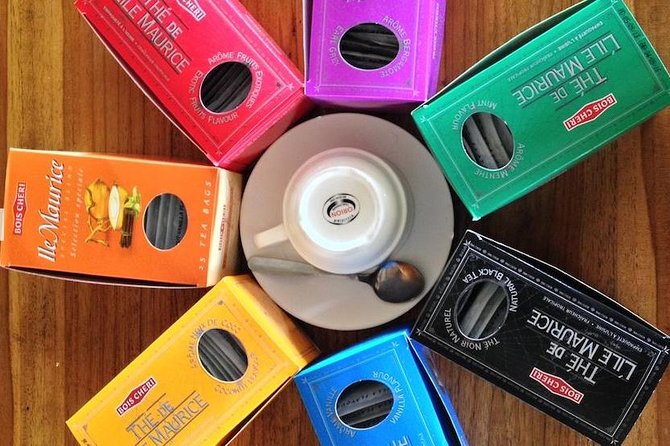
The tasting is a major reason to book the route. Bois Cheri produces Mauritian vanilla tea, flavored teas, green teas, and herbal teas. You may sample them during the visit, giving you a chance to compare local flavors rather than simply buying a packaged souvenir.
Tea tasting also makes the stop more useful for shoppers. If you find a tea you like, you can look for it after the visit, though the supplied information does not specify which products are included in the admission or whether purchases are part of the tour price.
The factory admission is not included in the listed tour cost. That is important when comparing this experience with a beach day or a sightseeing drive. You pay for the private transport and guide, then handle the entrance fee separately.
One hour may feel short if you want a slow museum visit, a full factory explanation, tea tasting, and time for the view. This is another place where asking about the schedule can help. If you are especially interested in tea, request more time here if traffic and the day’s route permit.
The strongest praise connected with the tour centers on the tea and rum tastings, and that makes sense. These are hands-on parts of the day. You are not only looking at buildings or taking photographs. You are sampling products tied to Mauritius’s agricultural past and present.
Same place, a different pot:
- The Gorgeous South of Mauritius: Full-day tour incl Tea Factory & Crocodile park
★ 4.0 · 10 reviews - Southern Treasures: Bois Cherri Tea Factory & 23-Colored Earth
★ 4.5 · 9 reviews - Tea Route: Lake, Forest, Tea Plantation & 3 Course Lunch
★ 3.6 · 7 reviews - Full Day Guided Tea Route Mauritius: Including Lunch
★ 5.0 · 7 reviews
Amma Tookay Temple and a local story of survival
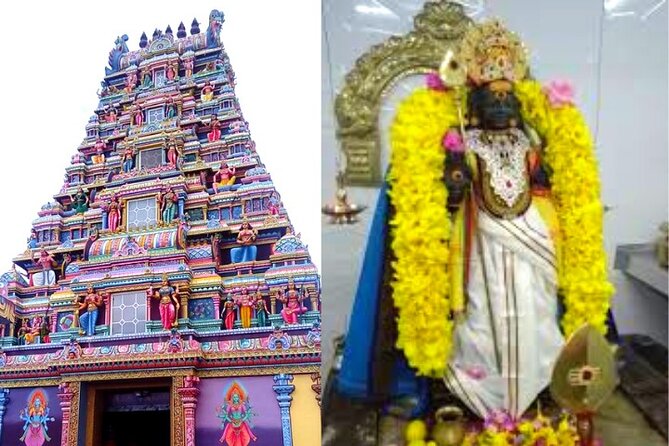
The Amma Tookay Hindu Temple receives about 20 minutes. It is a smaller, more personal stop than Grand Bassin, with a story shaped by storms, relocation, and local effort.
The original temple built by hired workers used bamboo and straw. A cyclone destroyed it, but a statue remained. The story continues with the move of the sugar camp to Riche-Bois and the later rebuilding of the temple by local planter Narainsamy Thungapen, with help from residents. The rebuilt structure used wood and tin sheets.
This history gives the temple a different character from Grand Bassin. Grand Bassin presents Hindu culture on a major scale. Amma Tookay shows how religious life can also grow from the work and decisions of a local community.
The stop is free and brief. You will not have time for an extended historical lecture, but your guide can help explain the story and the place’s importance. This is a good moment to ask questions about how temples developed alongside plantations and immigrant communities in Mauritius.
Because it is an active religious site, treat it as more than a sightseeing stop. Follow your guide’s instructions and avoid rushing through the visit. The story is one of the reasons this stop belongs on a cultural route, even though it lacks the scale of the Shiva statue.
Saint-Aubin and eight generations of rum production
The last major stop is Saint-Aubin, where you spend about an hour. The estate has been associated with sugar cane since 1819, while agricultural rum production began in 2003. Its family connection goes back to Jean Baptiste Guimbeau, who settled in Mauritius in 1793 and created the Saint-Aubin family business in 1819.
That gives the visit a useful historical frame. Sugar cane came first, then the business expanded into tea, agricultural rum, local products, and ecological tourism. You get to see how an old agricultural enterprise adapted over time instead of relying on a single crop.
Alcoholic drinks are available for purchase but are not included. You should budget for this if rum tasting is one of your main reasons for booking. The tour information does not specify exactly which tasting or admission elements are included, so confirm the arrangement with the provider before departure.
The distillery works best as a counterpoint to Bois Cheri. At the tea factory, the emphasis is on leaves, flavors, and plantation production. At Saint-Aubin, sugar cane is turned into rum and becomes part of a broader story about farming and family business.
The hour-long visit should give you enough time to learn the basic story and consider purchases. If you do not drink alcohol, the stop still has value through its agricultural history, but it will not be as appealing as it is for someone interested in Mauritian rum.
What the private format changes
A private tour is not automatically better than a group tour, but it is useful on a route with several different kinds of stops. You can ask about Hindu customs at Grand Bassin, request more detail about tea production, or discuss Mauritius’s sugar industry without waiting for a busload of people to finish taking photographs.
The group limit is three people, which suits couples, friends, or a small family. Children must be accompanied by an adult. Most people can participate, and a vegetarian option is available if you advise the provider at booking.
Hotel pickup and drop-off are included. This removes the need to arrange separate transport between Trou d’Eau Douce and the central and southern stops. It also makes the day easier if you do not want to drive on unfamiliar roads.
The trade-off is that your time is still shaped by traffic and the fixed order of the day. Private does not mean unlimited. The route covers several sites, and the short Vacoas stop shows that the schedule has to keep moving.
If Arun is your guide, you can expect a friendly and informative approach based on the strongest feedback attached to this experience. Since guide assignments can change, it is best not to book solely on the assumption that he will lead your tour.
Is $111.58 good value for three people?
At $111.58 per group of up to three, the price is attractive for a private full-day outing, especially for two or three people sharing the cost. It covers a professional driver-guide and hotel pickup and drop-off, which are the main practical expenses on a route spread across the island.
You still need to allow for admission charges, lunch, soft drinks, alcoholic drinks, and gratuities. Tea factory admission is specifically not included, and the tour’s general terms also exclude entrance tickets. Saint-Aubin is listed with free admission, but drinks are available to buy.
The value depends on what you want from the day. If you want a relaxed beach outing with no extra spending, this is not the simplest choice. If you want cultural explanations, a private car, tea tasting, a rum stop, and several distinct sights, the cost is reasonable for a small group.
Lunch is not provided, so plan to eat either during a suitable break or after the tour. The exact lunch arrangement is not stated, so ask the provider how the schedule handles it before you set out.
Timing, weather, and small practical matters
The experience lasts approximately six to seven hours, but transfer times are not fixed. Traffic can change the length of the day, so avoid scheduling another important activity immediately afterward.
Several tour times are offered, giving you some control over your day. Pickup is available, and confirmation is sent at booking. The tour requires good weather. If poor weather causes cancellation, you are offered another date or a full refund.
You can cancel for a full refund if you do so at least 24 hours before the start time. Changes or cancellations made less than 24 hours before departure are not accepted for a refund.
Bring room in your schedule for the tea and rum stops. You may want to taste products, browse local goods, or buy something to take home. Also keep some money available for entrance fees, drinks, and tips if you are pleased with the service.
Who should book the Tea and Culture Route?
I would recommend this tour to couples and small groups who want to connect Mauritius with more than its coastal resorts. It suits you if you enjoy religious sites, agricultural history, scenic viewpoints, and local drinks in one day.
It is also a good fit if you want a guide rather than a self-drive route. The cultural explanations are important at Grand Bassin and Amma Tookay, while the tea and rum stops make more sense when someone explains how these industries developed.
You may want another tour if your priority is long, unhurried visits. The route contains five stops, and Vacoas takes time that some people would prefer to give to Grand Bassin or Bois Cheri. It is also less suitable if you do not care about tea, rum, religious sites, or plantation history.
Should you book it?
Book this experience if you want a compact, private introduction to Mauritius’s Hindu culture and agricultural traditions. The best parts are the Shiva statue at Grand Bassin, the tea tasting at Bois Cheri, and the rum and sugar story at Saint-Aubin.
Before booking, ask about the current admission charges, lunch timing, and whether the route can spend less time at Vacoas. If you are traveling with two other people, the group price offers solid value. If you want a slow day with long visits at each site, expect the schedule to feel brisk.
FAQ
How long does the Tea and Culture Route last?
The tour lasts approximately six to seven hours. Transfer times can vary depending on traffic and the time of day.
What is included in the tour price?
A professional driver-guide and pickup and drop-off at your hotel are included. The tour is private for your group.
Are entrance tickets included?
No. Entrance tickets are not included in the listed price. Admission to the Bois Cheri Tea Factory and Tea Museum is specifically listed as not included.
Is food included?
No. Lunch is not included. A vegetarian option is available if you advise the provider when booking.
Can I taste tea and rum during the tour?
At Bois Cheri, you may sample Mauritian vanilla tea, flavored teas, green teas, and herbal teas. Alcoholic drinks at Saint-Aubin are available to purchase but are not included in the tour price.
What happens if bad weather cancels the tour?
The experience requires good weather. If it is canceled because of poor weather, you can choose another date or receive a full refund.
Just added around Mauritius
- Tea Route: Lake, Forest, Tea Plantation & 3 Course Lunch★ 3.6 · 7 reviews
- The Gorgeous East: Bois Cheri Tea factory, Rhumerie St-Aubin, Mahebourg & Lunch★ 4.0 · 5 reviews
- The East Discovery Tour: Bois-Cheri Tea Factory, Blue-Bay Marine Park & Lunch★ 4.0 · 3 reviews
- The Tea Story with Lunch★ 3.5 · 3 reviews
- Southern Treasures: Bois Cherri Tea Factory & 23-Colored Earth★ 4.5 · 9 reviews
- Tea Experience in the Exotic South of Mauritius Private tour.★ 4.5 · 6 reviews
- Full Day Guided Tea Route Mauritius: Including Lunch★ 5.0 · 7 reviews
- Ile aux Aigrettes – Tea Route – Gris Gris Private Guided Tour (Min. 2 persons)★ 5.0 · 5 reviews
Mauritius Tea Experiences, compared.

Mauritius: Tea and Sugar Plantation Guided Tour with Lunch
Read our review →
Wild South: Full-Day tour incl Rhumerie St Aubin, Bois cheri Tea factory & Lunch
Read our review →
Mauritius: Tea, Rum and Vanilla Route with Lunch and Pickup
Read our review →
The Gorgeous South of Mauritius: Full-day tour incl Tea Factory & Crocodile park
Read our review →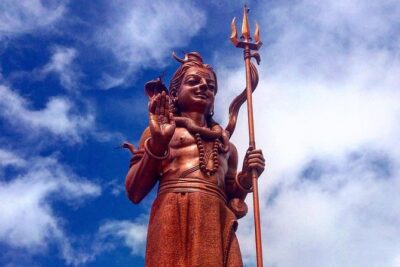
Southern Treasures: Bois Cherri Tea Factory & 23-Colored Earth
Read our review →
Full Day Guided Tea Route Mauritius: Including Lunch
Read our review →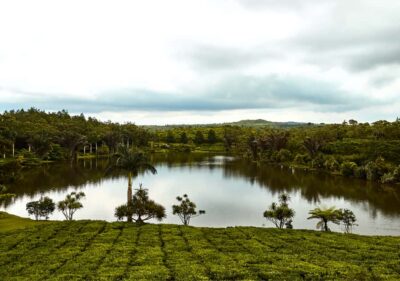
Tea Route: Lake, Forest, Tea Plantation & 3 Course Lunch
Read our review →
Tea Experience in the Exotic South of Mauritius Private tour.
Read our review →Browse the lists this tour appears in