
Review · INDIA
Varanasi: Sunrise Boat Ride with Masala Tea – Arti Ceremony
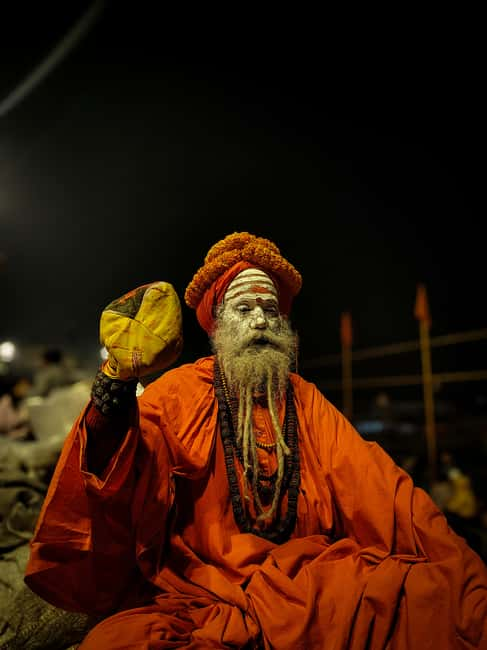
Varanasi is at its most striking from the Ganges just after dawn. This experience takes you from Assi Ghat to Manikarnika Ghat, with the city slowly appearing along the riverbank as you pass temple steps, bathing ghats, shrines, and morning rituals. A cup of masala tea before boarding adds a welcome local touch.
I like the broad river views and the chance to hear the stories behind roughly 55 ghats in one morning. I also like the personal side of the outing: guides such as Sanjay or Sanji have been praised for patience, clear explanations, and answering questions beyond the boat ride. The main caution is that the promised morning Arti ceremony may not take place, and some departures have included only a short boat ride with brief commentary.
Key points to know
- Sunrise from the Ganges: The boat gives you a wide view of Varanasi that is hard to get from the crowded river steps.
- Assi Ghat start: The morning begins at one of the city’s best-known ghats, with tuk-tuk transport included.
- Arti and havan may vary: The experience includes a look at these Hindu rituals when they are scheduled, but a morning Arti is not guaranteed.
- About 55 ghats: The route links many of Varanasi’s riverside landmarks before reaching Manikarnika Ghat.
- Sensitive cremation site: Manikarnika is an active cremation ghat, so you should approach it quietly and respectfully.
- Good value at $29: The price is attractive if you want transport, a guide, tea, and the boat in one package, but the value depends on the boat duration and guide quality.
Why the Ganges is the main event
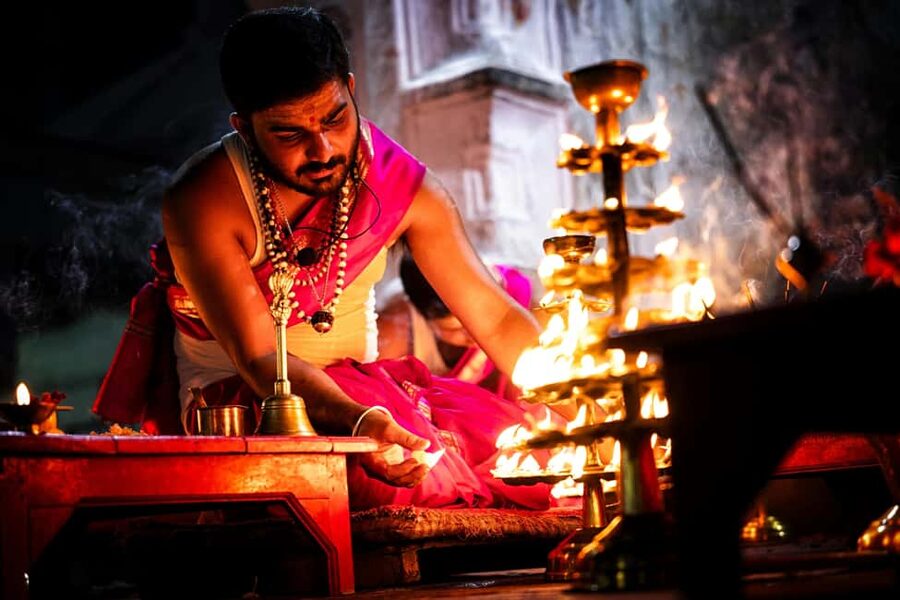
The best reason to book this outing is the view from the water. From a boat, you see Varanasi as a long line of stone steps, shrines, balconies, and temple fronts rather than as a maze of narrow streets. At sunrise, the light changes by the minute, and the river gives you room to take it all in.
You will not just be looking at the city. The guide points out the different ghats and explains what happens at them. That matters in Varanasi, where a set of steps can serve as a bathing place, a prayer site, a landing point, a cremation ground, or several of these at once.
The boat ride is listed as weather dependent. That is sensible on the Ganges, but it also means you should treat the river portion as subject to conditions. One important point is duration. The route is described as passing about 55 ghats, yet one account found the actual boat ride short. If a long cruise is your main goal, ask about the expected time on the water before departure.
A few more tea experiences around India worth a look
- Varanasi: Sunrise walking tour with Chai & Arti Ceremony
★ 4.4 · 9 reviews - Great Ocean Road Tour Plus Koalas, Forest Walk and Morning Tea
★ 4.5 · 1,068 reviews - Morning Sightseeing Cruise: 10:30am-12pm (90min)
★ 4.5 · 973 reviews
Starting at Assi Ghat before sunrise
The meeting point is Assi Ghat, at the southern end of the main line of Varanasi’s riverfront ghats. The outing begins early, when the light is soft and the city is beginning its day. You get there by tuk-tuk, which is included in the package.
That tuk-tuk transfer is useful because Varanasi’s lanes can be confusing, particularly before sunrise. It is not a substitute for a private air-conditioned car, which is specifically not included. If you need a cool, private vehicle for the whole outing, this is not that kind of arrangement.
Assi Ghat is a fitting place to begin. It is one of the city’s major riverfront gathering points and gives you an immediate sense of how closely daily life is tied to the Ganges. The experience is not limited to a hotel pickup and a quick ride to the boat. You begin at a place where ritual and ordinary morning activity meet.
Wear shoes that you can remove or clean easily, and keep your belongings close during the tuk-tuk and ghat portions. The information provided does not specify group size, exact departure time, or boat type, so confirm those details when booking if they matter to you.
Tea, havan, and the Arti question
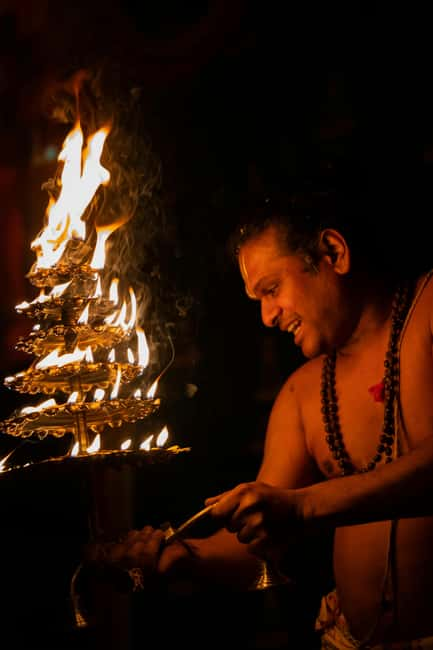
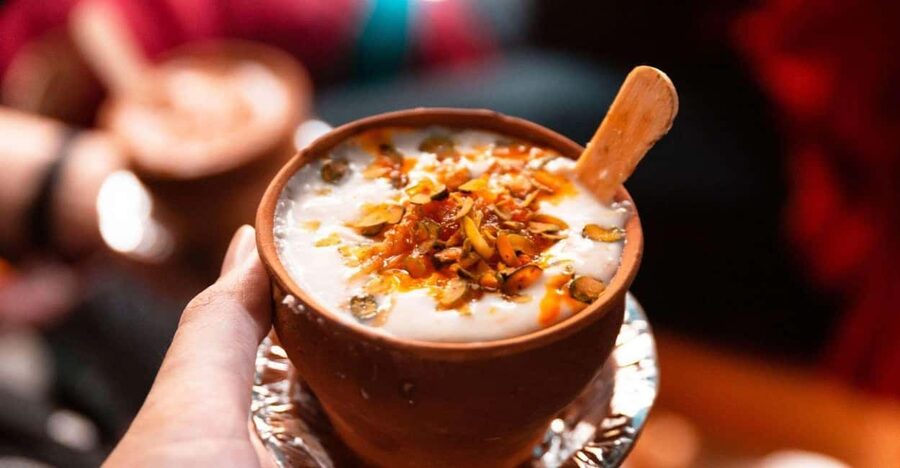
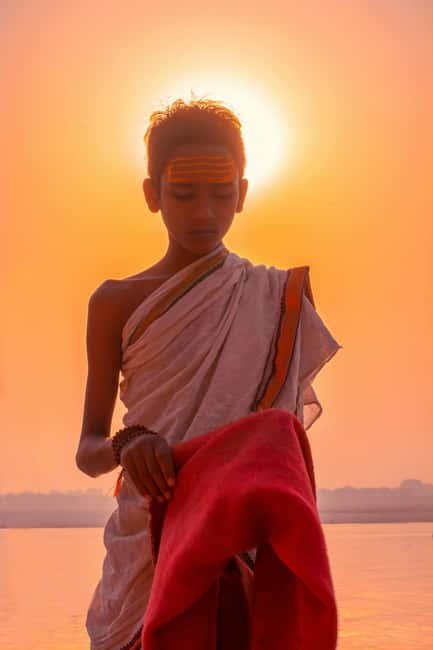
Before boarding, you may watch an Arti ceremony and havan, then drink traditional Indian masala tea. Havan is a Hindu fire ritual, while Arti involves offering light as part of worship. Seeing either can give the morning a stronger sense of place than simply arriving at the river for photographs.
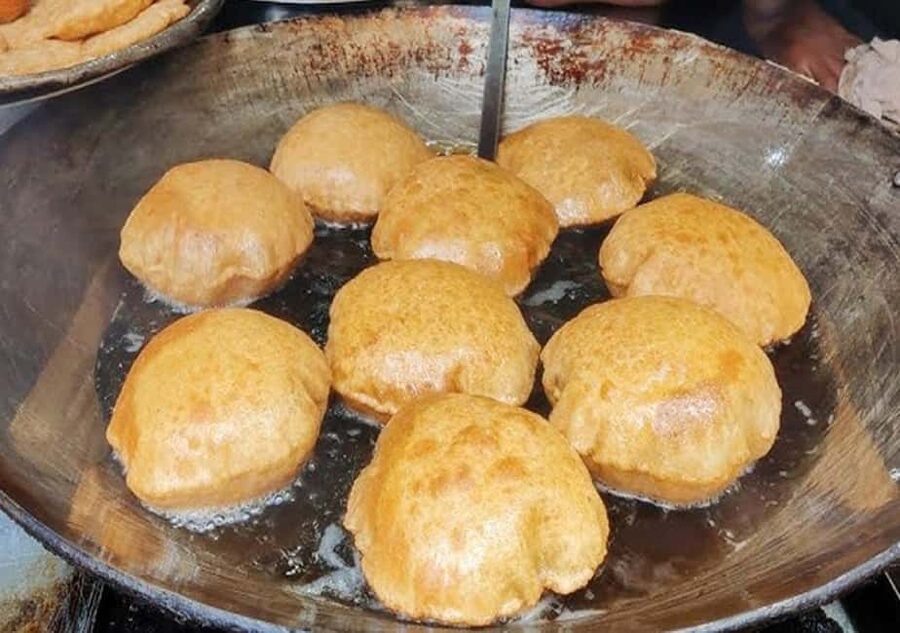
The tea is a small detail, but I like it. A warm cup of spiced chai beside the river makes the early start easier and gives the guide a natural moment to explain what you are seeing. If you choose the relevant option, a traditional jalebi-kachori breakfast is also available. The listing treats masala tea and breakfast as selected options, so check exactly what your booking includes.
Here is the important qualification: do not book this solely for a guaranteed morning Arti. The experience description includes an Arti ceremony, but one departure did not have one. The explanation given was that the main Arti is usually held in the evening, and a separate visit around 7 p.m. had provided that ceremony on the previous day.
That does not make the morning outing pointless. It does mean the wording needs careful reading. A morning havan or other ritual may be available, but the famous evening river ceremony is a different experience. If Arti is your priority, plan to see it separately in the evening rather than assuming this sunrise departure will provide it.
Cruising past roughly 55 ghats
Once you board, the river becomes the center of the morning. The route takes you past about 55 of Varanasi’s principal ghats before reaching Manikarnika. From the boat, you can see how each stretch of riverfront has its own purpose and mood.
The wide view helps you understand the city’s layout. On foot, you tend to notice one ghat at a time. From the river, you can see the full sequence of steps and structures, with the old city rising behind them. This is also the best position for photographs of the ghats at sunrise, though you should keep your camera away during sensitive ritual moments.
Your guide is meant to provide stories about the ghats and monuments along the bank. The quality of this part depends heavily on the guide and the language match. The available guide languages are English, German, Italian, and Spanish. Sanjay, also referred to as Sanji, received especially warm praise for being polite, patient, and willing to continue answering questions after the boat ride.
There is a real difference between a guide who names each ghat and one who explains why it matters. If your guide gives only short descriptions, you may feel that the boat ride is more scenic than informative. One Spanish-speaking participant found the guide spoke only a little Spanish and felt the explanations were sparse. If you need detailed commentary in a particular language, confirm the guide language in advance.
Same place, a different pot:
- Munnar Tea Trail Tour with Factory Experience ( By Munnar Info)
★ 5.0 · 458 reviews - Village Vibes: Cansaulim Coastal E-Bike & Japanese Tea Tour
★ 5.0 · 292 reviews - Munnar Tea valley Tour ( By Munnar Info)
★ 5.0 · 83 reviews - Tea planation walking In Munnar- (by Munnar Info)
★ 5.0 · 53 reviews
Reaching Manikarnika Ghat respectfully
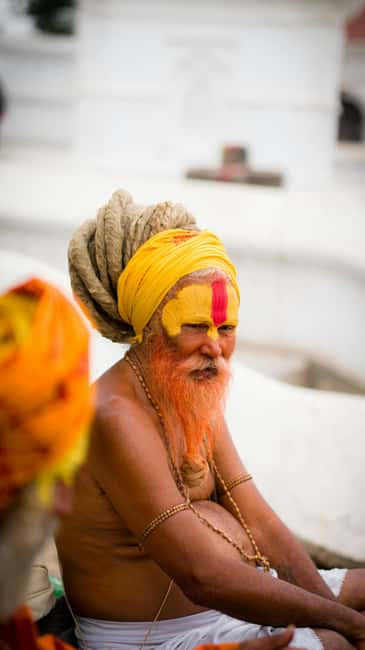
Manikarnika Ghat is the most sensitive stop on the route. It is one of Varanasi’s active cremation grounds and is treated as a sacred place in Hindu culture. The visit offers a chance to understand an important part of the city, but it is not a normal sightseeing stop.
You may see cremation activity from a distance, including from a higher point near the temple area. The exact access and viewing position can vary. One account described seeing the ceremony from the top of the temple, at a distance, and then receiving additional explanations from another guide associated with Manikarnika.
That limited view can be a good thing. Cremations are private religious rites, not performances. You should not photograph people, stare, or expect to get close. Keep your voice low and follow the guide’s instructions. If you want a long cultural explanation of Hindu funeral customs, ask direct questions, but understand that the visit may remain brief.
This stop is most valuable when you approach it with humility. It gives context to Varanasi’s role as a sacred city, but it may also feel too quick if you want a detailed discussion of death, cremation, and Hindu beliefs. The experience can introduce the subject, while a longer walking visit or separate cultural talk would be better for sustained study.
The return to Assi Ghat
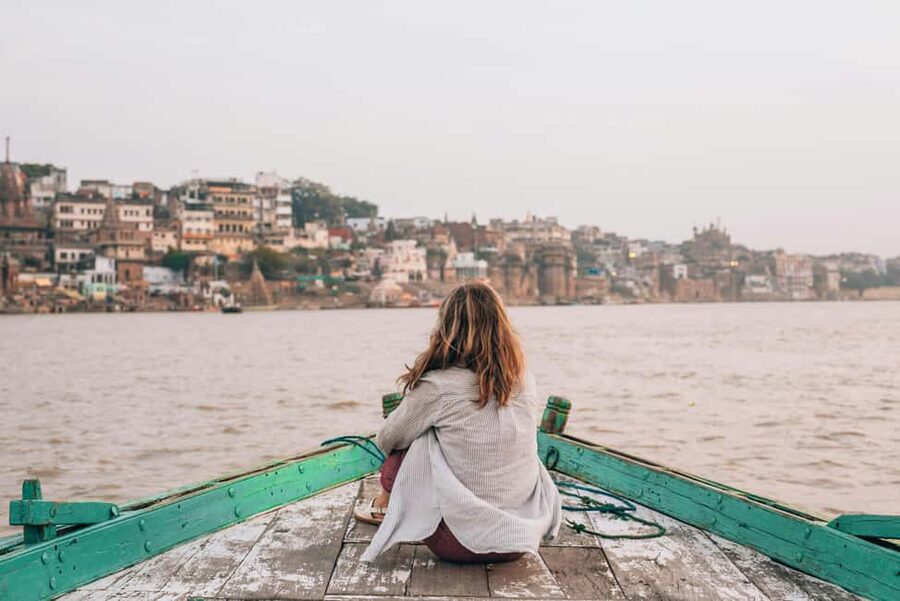
After Manikarnika, the boat gradually returns toward Assi Ghat. The return gives you another look at the riverfront, now with more daylight. You may notice details that were hard to see during the first pass, including small shrines, river steps, and activity along the bank.
The return is also a chance to ask the guide about anything that was unclear. This is where a patient guide can make a large difference. Sanjay or Sanji was praised for handling many questions and continuing with an informative walk after the main river portion. That kind of flexibility adds value, particularly if you want more than photographs.
The package includes visits to Assi Ghat, Ganga Ghat, and Manikarnika Ghat. The wording does not define Ganga Ghat as one specific additional stop, so do not assume a separate long walking visit unless the guide confirms it. The central structure is clear: tuk-tuk transfer, riverfront ritual or tea, boat ride, Manikarnika visit, and return to Assi Ghat.
What the $29 price really covers
At $29 per person, this is a reasonable way to bundle several first-day Varanasi experiences. You receive a professional escort, tuk-tuk transport, taxes with GST, the Manikarnika and Assi Ghat visits, and the boat ride when weather permits. Masala tea and the jalebi-kachori breakfast depend on the option selected.
The value is strongest if you want help with orientation. Varanasi can be confusing at first, and a guide can connect the ghats, rituals, monuments, and cremation traditions in a single morning. The boat also gives you a view that is difficult to arrange as efficiently on your own.
The value is weaker if you expect a long cruise, extensive historical teaching, or a guaranteed Arti ceremony. One booking was priced at €88.71, which felt far too high for the service received. That may reflect a different package, date, currency conversion, or booking channel, but it is a useful warning: compare the final price and inclusions carefully. At the stated $29 rate, the outing is much easier to recommend. At a much higher price, you should expect stronger language support and more detailed commentary.
A private air-conditioned car is not included. Personal expenses are also extra. If you select breakfast or tea, confirm that those items appear in your chosen option rather than assuming every package includes them.
Who will get the most from this morning
I would suggest this experience to a first-time visitor who wants a guided introduction to Varanasi without arranging separate transport, a boat, and a ghat walk. It also suits photographers who want the city’s riverfront in early light, provided they follow the rules around religious ceremonies.
It works well for people who want a broad overview rather than an academic lecture. You will see a large section of the riverfront, hear stories about the ghats, and visit one of the city’s most important cremation sites. A good guide can then help you decide which parts of Varanasi deserve more time later.
It is less suited to anyone who requires a private vehicle, a guaranteed morning Arti, or a long and highly detailed boat commentary. Pregnant women are specifically advised not to take this experience. The early start, tuk-tuk transport, steps, and boat boarding may also require care, although the supplied information does not give a detailed accessibility assessment.
The guide language matters. English, German, Italian, and Spanish are offered, but the quality of the explanation may still vary. If Spanish is essential, confirm that the guide is comfortable speaking it at length, not merely able to manage basic conversation.
Practical ways to make the morning better
Arrive ready for an early start and bring a light layer. The morning air by the river can feel different from the warmer conditions later in the day, though no specific weather forecast is provided with the booking.
Keep your expectations clear. Think of this as a guided introduction to Varanasi from the river, not a full study of Hindu ritual. You will see important places and receive context, but the amount of detail can depend on the guide and the time available.
Ask about three things before you set off:
- How long will the boat remain on the Ganges?
- Is an Arti ceremony actually scheduled that morning?
- Does the selected price include masala tea, breakfast, and the boat?
If the Arti is not taking place, use the tea and havan portion as a chance to ask questions. If the guide is strong, the morning can still become a useful lesson in how Varanasi functions.
At Manikarnika, put your phone away unless the guide clearly says photography is permitted. The best souvenir from this stop is understanding, not a close-up image.
Should you book this Varanasi boat ride?
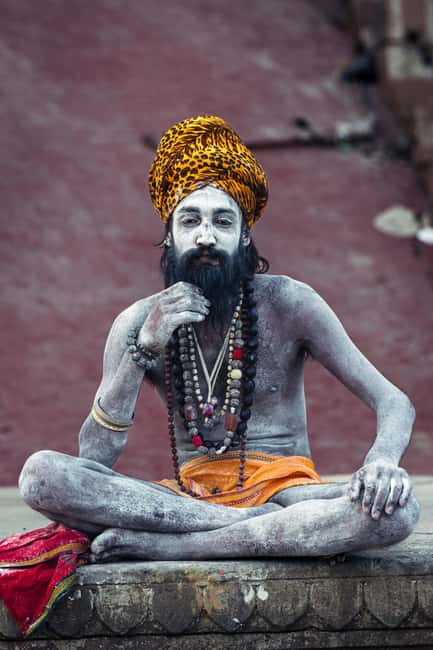
Book it if you want an affordable, well-organized first look at Varanasi, especially if the $29 price includes your preferred options. The sunrise river view, the run past roughly 55 ghats, and the chance to ask a local guide about Manikarnika make it worthwhile.
I would not book it on the promise of a guaranteed morning Arti or a long, richly detailed boat lecture. Those parts may be limited or may not happen as expected. Confirm the language, inclusions, boat duration, and Arti schedule first.
For many visitors, this is a sensible opening morning in Varanasi. It gives you the big picture from the Ganges, introduces the city’s most sacred riverfront sites, and leaves you better prepared to explore the ghats on your own later.
FAQ
Where does the experience begin?
The outing starts at Assi Ghat in Varanasi. Tuk-tuk transportation is included.
Is the Arti ceremony guaranteed in the morning?
No. The experience includes an Arti ceremony and havan when scheduled, but a morning Arti did not take place on one departure. The main Arti may usually occur in the evening.
Is masala tea included?
Traditional Indian masala tea is included if you select the applicable option. A traditional jalebi-kachori breakfast is also available as a selected option.
What places does the tour visit?
The experience includes Assi Ghat, Ganga Ghat, and Manikarnika Ghat. It also includes a Ganges boat ride when weather conditions allow.
Which languages are available?
The listed guide languages are English, German, Italian, and Spanish.
Is the experience suitable for pregnant women?
No. The supplied tour information states that it is not suitable for pregnant women.
Just added around India
- Varanasi: Sunrise walking tour with Chai & Arti Ceremony★ 4.4 · 9 reviews
- Heritage Tour : Private Boat, Havelis, City Walk & High Tea★ 5.0 · 6 reviews
- Full Day Food Tour Of Delhi with a chef. Includes Tea Tasting★ 5.0 · 20 reviews
- The Old Delhi Sundowner – Kite Flying and High Tea★ 5.0 · 4 reviews
- Tea Tasting Session at India’s oldest tea boutique Sancha Tea/Aap Ki Pasand★ 5.0 · 4 reviews
- High Tea At The Atrium Restaurant, Imperial Hotel, New Delhi★ 5.0 · 16 reviews
- Tea Farm Tourism★ 5.0 · 8 reviews
- Tea plantation walk and stay in valley view Room (By Munnar Info)★ 4.0 · 2 reviews
Cruises & Boat Tours, compared.

Afternoon Tea Sightseeing River Cruise in Oxford
Read our review →
Oxford: Sightseeing River Cruise with Afternoon Tea
Read our review →
Adelaide: River Torrens Popeye Devonshire Tea Cruise
Read our review →
Melbourne City Cruise with Tea, Coffee, and Commentary
Read our review →
Full-Day Tour w/Tea Experience,Buffet Lunch & Cruise
Read our review →
Browse the lists this tour appears in