
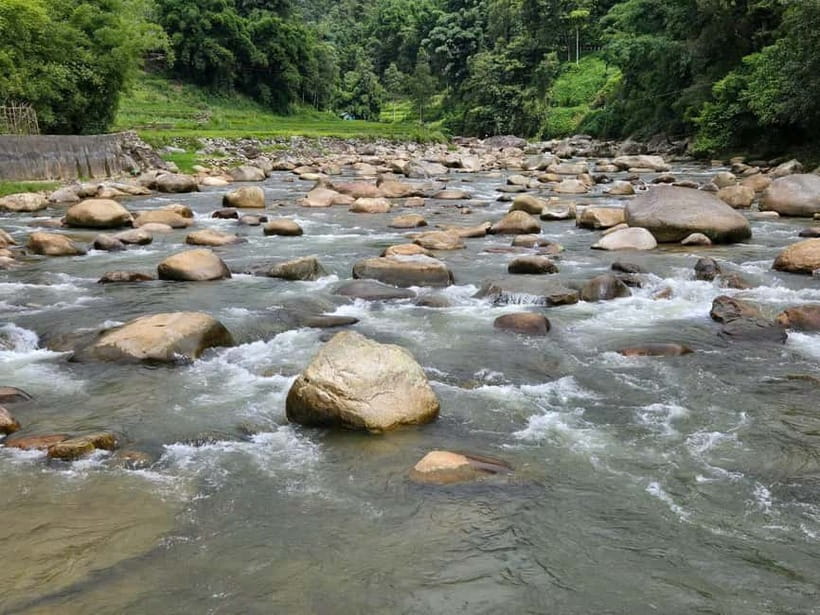
Review · SA PA
2 Night Lao Chai-Ta Van Homestay- Trekking & Fansipan Visit
This trip gives you two very different ways to see Sapa: on foot through the Muong Hoa Valley, and from 3,143 meters above sea level at Fansipan if you add the cable car. The best part is not a quick photo stop, but sleeping in Lao Chai and Ta Van, where the trip slows down around family meals and mountain paths.
I like the long walks through rice terraces, streams, a waterfall, and bamboo forest. I also like the chance to meet Black Hmong and Day families rather than returning to Sapa each night. The main concern is consistency: two people found that their group was changed without warning, with shorter walking days, paid-for water, and bags they had to carry themselves.
Key points
- Two homestay nights: Sleep first in Lao Chai San, a Black Hmong village, then in Ta Van among a different local culture.
- The strongest walking: The route from Y Linh Ho through Muong Hoa Valley follows terraces, the Muong Hoa Stream, a waterfall, and a suspension bridge.
- A practical Hanoi connection: The round-trip limousine bus takes about 5.5 hours each way, with three short breaks.
- Fansipan is optional: You can replace part of the final morning trek with a cable-car visit to the 3,143-meter summit, but the 850,000 VND fare is extra.
- Meals are built in: The price includes three lunches, two dinners, and two breakfasts, including a picnic lunch on the second day.
- A real fitness test: This is not a gentle village stroll. The program is unsuitable for people with low fitness and wheelchair users.
From Hanoi to Sapa by morning limousine
Your trip begins at 6:15 am at 204 Tran Quang Khai Street in Hanoi, though the exact meeting point can depend on the option you book. The drive to Sapa takes about 5.5 hours, with three short breaks and a complimentary bottle of water.
The route gives you a look at the Red River Delta before the mountains arrive. That matters because Sapa is not a quick hop from Hanoi. You spend much of the first day getting there, and the return journey also takes most of the final afternoon and evening.
The transport is described as a limousine bus, but you should keep your expectations practical. One person who was 1.85 meters tall found the seats difficult for sleeping and described the bus as small. The trip is manageable, but taller people may want to bring a small neck pillow and avoid assuming limousine means spacious.
You reach Sapa at about 1 pm, meet a company representative, receive the day’s instructions, and have lunch. From there, a minibus or car transfers you toward the walking route. The tour includes an English-speaking guide in Sapa, and guide Soa was singled out for being friendly and able to explain local life and answer questions clearly.
A few more tea experiences around Sa Pa worth a look
- From Sapa: 1-Day Guided Trek to Lao Chai & Ta Van with Lunch
★ 4.9 · 416 reviews - Half Day Sapa Trekking to Visit Lao Chai – Ta Van
★ 4.7 · 126 reviews - One Day Sapa Trekking to Lao Chai and Ta Van Villages
★ 5.0 · 80 reviews
Y Linh Ho and the long walk to Lao Chai San
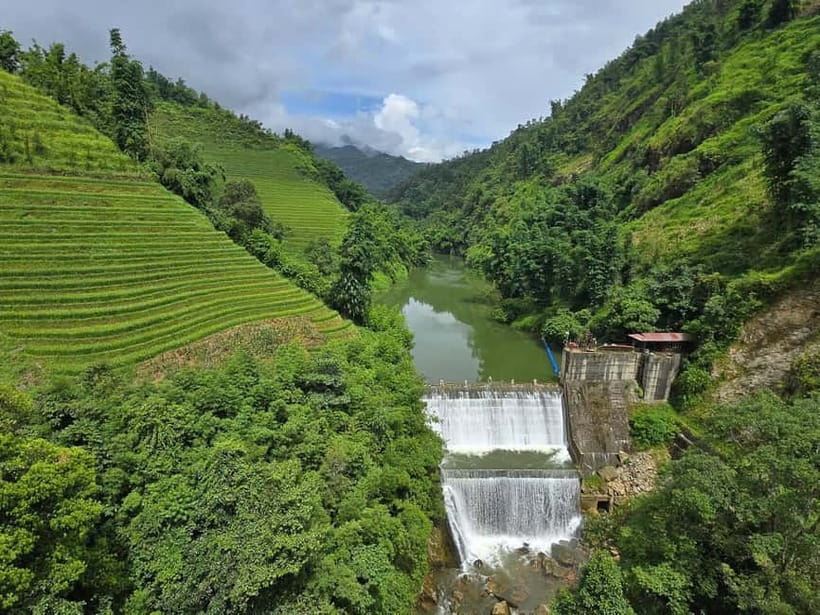
The first trek begins around 2:30 pm from Y Linh Ho. You walk toward Lao Chai San, a Black Hmong village, passing through rice terraces and following the Muong Hoa Stream.
This is the part of the trip for which you should bring proper shoes. The route includes uneven paths, a climb toward the homestay, and natural surfaces that can become more demanding in wet weather. Comfortable trekking shoes are specifically recommended, along with sun cream, insect repellent, a hat, sunglasses, and warm layers.
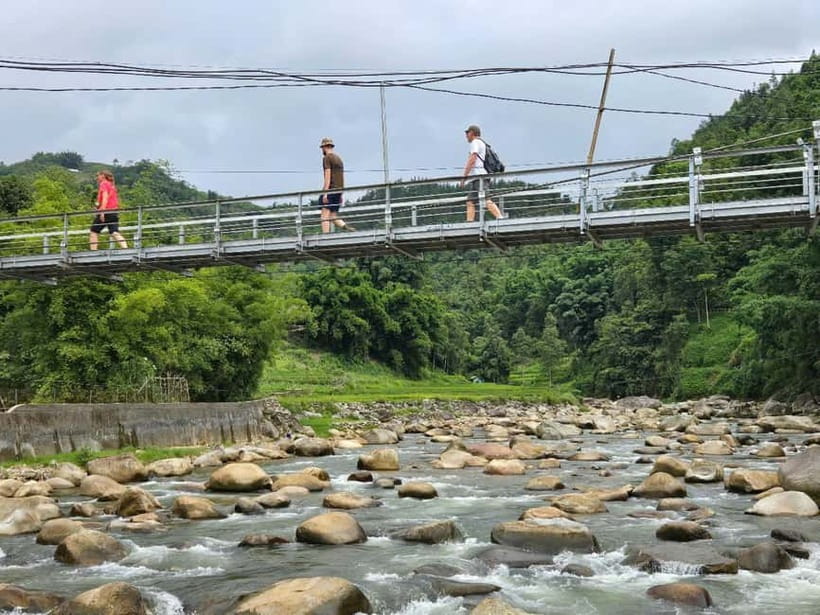
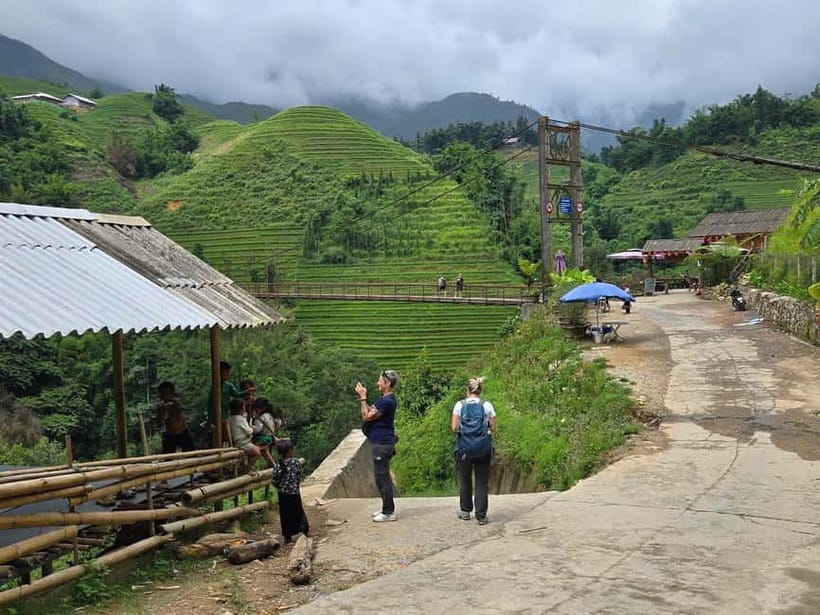
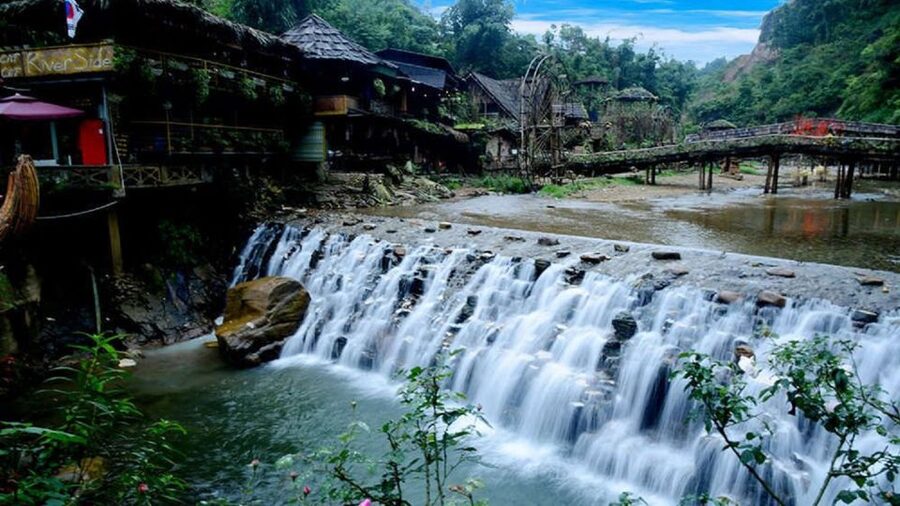
The route includes a suspension bridge and a waterfall, giving the afternoon more variety than a simple walk between villages. You also pass local people and have repeated views across the terraces. The scenery is the star here, but the walking gives it meaning: you see how villages, streams, and cultivated slopes fit together rather than viewing Sapa from a road.
The first day is called a long trek, so do not judge the tour only by its low price. You need enough energy for the walk after a morning on the bus. People with a low level of fitness may find the combination tiring, especially if they are carrying their own luggage.
A Black Hmong homestay and dinner with the host
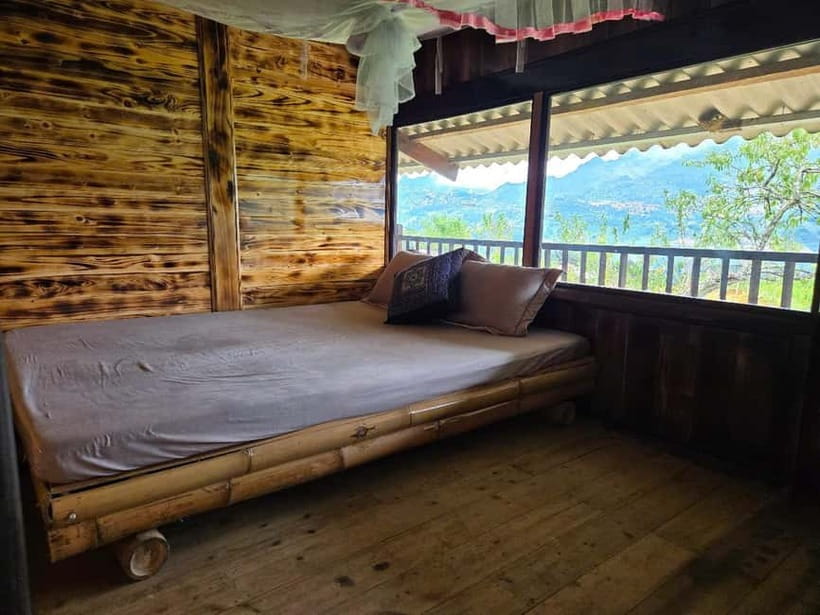
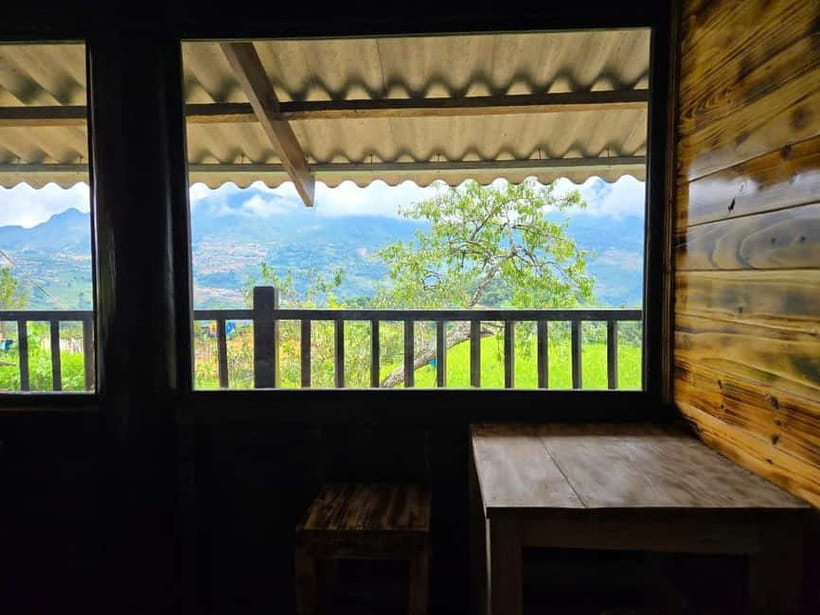
By the end of the afternoon, you reach a homestay in Lao Chai San. Accommodation is a single mattress in a shared homestay setting, not a private hotel room. A private room is not included, so ask about availability and extra cost before you go if privacy matters to you.
Dinner is prepared with the host, and you may join the cooking. That small option is worth taking if you want more than a bed and a meal. It gives you a natural reason to talk with the family and learn about Black Hmong customs from your guide and hosts.
The evening is intended to be quiet. There is no formal nightlife program, which is part of the appeal. After a long walk, you can eat, talk, and rest in the mountain village instead of rushing back to Sapa.
The homestay experience is also where you should set realistic expectations. A local home is valuable for cultural contact, but it will not offer the same privacy or facilities as a conventional hotel. Bring medication you need, a warm layer, and a little patience with shared sleeping arrangements.
Lao Chai to Ta Van through Muong Hoa Valley
Day two starts with breakfast, described as pancakes with honey and fruit. After eating, your guide leads you through more of the Muong Hoa Valley, with rice terraces, a stream, village paths, and opportunities to meet local people.
The second day is meant to be another substantial walk, with a picnic lunch prepared by the guide. You are expected to reach Ta Van at about 3 pm. This gives you a full day outdoors and a better chance to understand the area than a short, packaged viewpoint visit.
Here, the tour’s advertised program needs a little caution. Two people were moved into a cheaper group without warning and found that their second day lasted only about 2.5 hours. Their breakfast was also later than expected, at about 9 am rather than 6:45 am. If the walking distance is the main reason you are booking, confirm the day’s route and departure time with the local operator at the start.
That issue does not mean every departure follows the shorter plan. It does mean you should ask direct questions: How long will we walk today? Are we in the correct trekking group? Will the guide carry anything? Is water supplied? Clear answers can prevent a mismatch between the advertised route and the day you receive.
Same place, a different pot:
- Trek Adventure in Ta Van Village, Lao Chai
★ 5.0 · 36 reviews - Sapa: Y Linh Ho – Lao Chai, and Ta Van Trekking Day Tour
★ 5.0 · 25 reviews - 1 Day Sapa Tour Explore Y Linh Ho And Lao Chai And Ta Van Village
★ 5.0 · 18 reviews - Easy Trek in Sapa mountain : Y Linh Ho – Lao Chai – Ta Van
★ 4.8 · 16 reviews
Ta Van homestay, stream time, and a second local meal
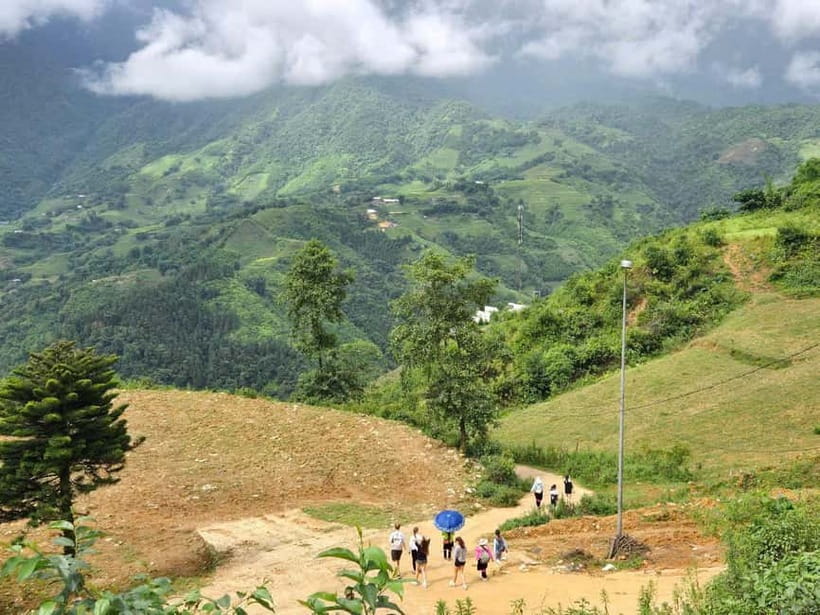
Ta Van gives you a second homestay and a change in local culture. The program describes the village as home to Day people, allowing you to compare the setting and hospitality with the Black Hmong homestay in Lao Chai.
After arriving, you can rest, swim in a nearby stream, or sit with a beer and look across the mountains. Drinks are not included, so keep some Vietnamese dong with you. Personal spending money is also useful for small purchases and refreshments.
Dinner is cooked by the host. Like the first evening, this is a chance to keep the cultural side of the trip personal and simple. You are not just checking off a village name. You are spending the night in the area, eating food prepared there, and waking up close to the walking route.
One practical point is important: several people had to carry large bags themselves, despite expecting otherwise. Pack light. A small backpack is much easier on steep paths and suspension bridges than a full suitcase. The supplied information does not promise porter service, so you should assume you are responsible for your luggage unless the guide tells you otherwise.
Giang Ta Chai and the final morning
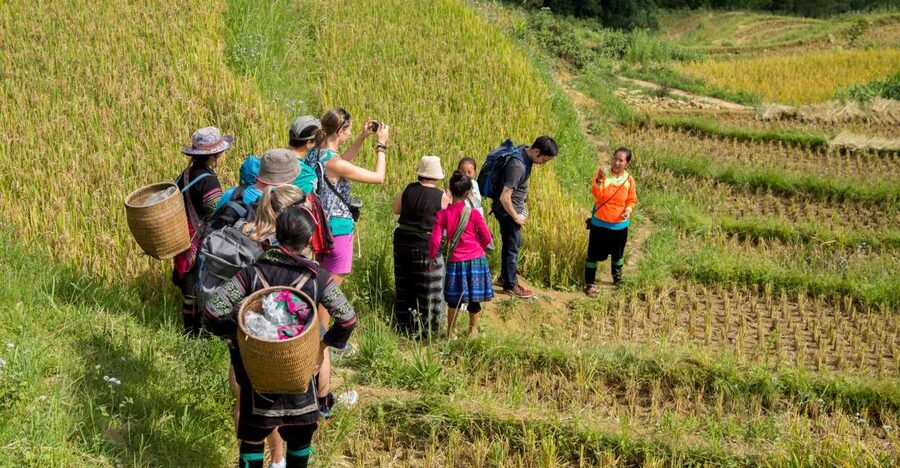
Breakfast is served at about 7:30 am on the final morning. You then walk through rice paddies and bamboo forest toward Giang Ta Chai village.
The route includes a panoramic view of Giang Ta Chai and a crossing of the Giang Ta Chai Suspension Bridge. This is a good final walk because it combines cultivated fields, forest, village views, and a clear physical landmark. It also gives you one more chance to ask your guide about village life before returning to Sapa.
A bus collects you near the bridge and takes you back to Sapa for lunch and a shower. That return to town is useful. After two nights outdoors, you will appreciate having time to wash and change before the long ride south.
The standard program then sends you back to Hanoi by limousine bus. There are three short breaks, and dinner is at your own expense. Arrival is around 9 pm at 204 Tran Quang Khai Street, after which you make your own way to your hotel.
This is a long final day. You walk in the morning, return to Sapa, eat and shower, then sit on a bus for several hours. I would not schedule an early flight or important appointment the next morning unless you are comfortable with a late arrival and a tiring journey.
Adding Fansipan by cable car
Fansipan, at 3,143 meters, is offered as an alternative to the final morning trek. After breakfast at Ta Van, a car and guide take you to the Fansipan cable-car station. You visit the peak, then return by car to the restaurant for lunch and the trip back to Hanoi.
The cable car is optional and costs 850,000 VND per person. It is not covered by the tour price, even though other entrance tickets are included. Check the total cost before booking so the optional add-on does not surprise you.
This option suits you if reaching Vietnam’s highest peak matters more than another village walk. It also changes the character of the final day. Instead of the rice paddies, bamboo forest, and Giang Ta Chai Suspension Bridge, you get a high mountain visit with much less walking.
You should also note the timing. The Fansipan version still includes the return to Sapa, lunch, and the long bus journey to Hanoi. It is not a relaxed summit day. The cable car makes the ascent easier, but the overall schedule remains tight.
What the $110 price really covers
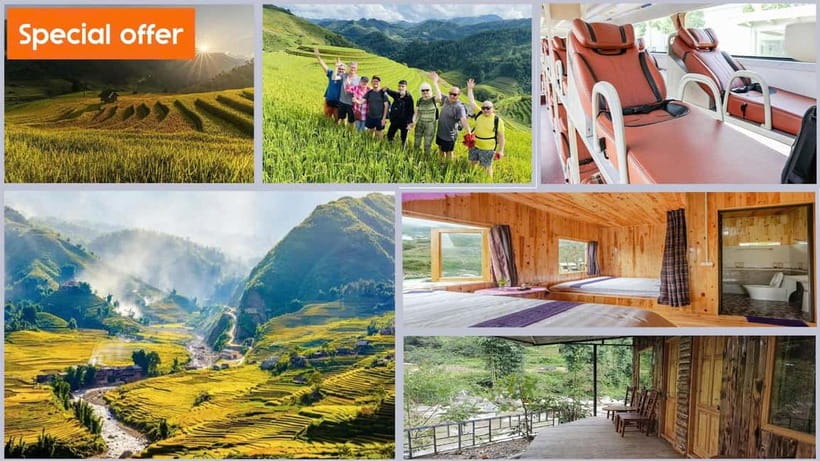
At $110 per person, the package includes a lot of the costly basics: round-trip transport from Hanoi, local transfers in Sapa, an English-speaking guide, two homestay nights, all listed meals, and entrance tickets.
The meal allowance is three lunches, two dinners, and two breakfasts. That covers the main food during the scheduled program, but drinks are extra, and dinner on the return journey to Hanoi is not included. Carry some cash for water, beer, snacks, and that final meal.
The strongest value is the combination of transport and two nights in villages. Booking the bus, local transfers, guide, food, and accommodation separately would take more planning. You also avoid returning to Sapa after the first day, which gives the walking route a more natural rhythm.
The price is less convincing if you are promised an intensive trek but receive a shorter route. The two accounts of group changes and missing water are the main warning signs. At the start, confirm that your group, walking plan, and inclusions match what you paid for.
Holiday departures cost an additional 700,000 VND per person, paid directly to the guide. The listed dates are April 30, May 1, September 1 to 3, December 24, December 31, and January 1.
Who should book this Sapa trip?
I would choose this trip if you want an active introduction to Sapa without arranging every transfer yourself. It fits people who enjoy walking, shared homestays, local meals, and basic mountain accommodation more than polished hotels.
It is also a good match if you want both cultural contact and classic Sapa scenery. The route includes Black Hmong and Day communities, rice terraces, streams, a waterfall, suspension bridges, and bamboo forest. The two-night structure gives you more time than a day trip from Hanoi.
I would think twice if you need a private room, fixed walking distances, hands-off luggage service, or a carefully controlled small group. You should also reconsider if you have a low fitness level or need wheelchair access, since the tour is specifically unsuitable for both.
Bring your passport or ID, trekking shoes, warm clothes, a scarf, hat, sunglasses, sun cream, insect repellent, and any medication you require. Pets are not allowed. A small bag is a better choice than a large one.
Should you book it?
Book this experience for the homestays and the walking route, not simply for a Fansipan checklist. The most rewarding parts are the streamside paths, terrace views, shared meals, and nights in Lao Chai and Ta Van.
Before departure, confirm the exact group, expected walking time, luggage arrangements, and water provision. If those details are clear, the $110 price is fair for a three-day Sapa experience with transport from Hanoi. If the operator cannot confirm them, choose another option or be prepared for a shorter and less demanding trek than advertised.
FAQ
How long does the bus ride from Hanoi to Sapa take?
The limousine bus takes about 5.5 hours each way and makes three short breaks. The return bus reaches the Hanoi meeting point at about 9 pm.
Where does the tour start in Hanoi?
The stated meeting point is 204 Tran Quang Khai Street at 6:15 am. The meeting point may vary according to the option booked, so check your booking details.
Where do you sleep during the tour?
You spend one night at a homestay in Lao Chai San and one night at a homestay in Ta Van. The included accommodation is a single mattress. A private room is not included.
Which meals are included?
The package includes three lunches, two dinners, and two breakfasts. Drinks are not included, and you pay for dinner during the return trip to Hanoi.
Is the Fansipan cable car included?
No. The Fansipan cable car is optional and costs 850,000 VND per person. A car and guide take you to the cable-car station after breakfast in Ta Van.
Do I need to be fit for this experience?
Yes. The program includes long treks through terraces, streams, village paths, and bamboo forest. It is not suitable for people with a low level of fitness or wheelchair users.
Can I cancel the booking?
You can cancel up to 24 hours in advance for a full refund.
Just added around Sa Pa
- 2-Day Motorbike Tour to Mu Cang Chai Loop from Sapa★ 5.0 · 2 reviews
- Sapa – Lao Chai -Ta Van full day trekking★ 3.5 · 3 reviews
- 1 Day Sapa Tour Explore Y Linh Ho And Lao Chai And Ta Van Village★ 5.0 · 18 reviews
- Sapa: Full-Day Trekking Tour to Lao Chai and Ta Van Village★ 4.7 · 3 reviews
- Sapa to Waterfall, Green Tea Farm with motorbike driver★ 4.5 · 2 reviews
- From Sapa: Cat Cat & Sin Chai Villages Private Trekking Tour★ 4.4 · 5 reviews
- Sapa: Half Day Treck To Visit Y Linh Ho , Lao Chai, Ta Van★ 4.3 · 5 reviews
- Full Day Trekking Lao Chai-Ta Van and Cat Cat Village★ 4.8 · 8 reviews
Hiking & Trekking, compared.
Hiroshima Local guided Hiking Tour&Open-air Tea Ceremony
Read our review →
Half Day Sapa Trekking to Visit Lao Chai – Ta Van
Read our review →
One Day Sapa Trekking to Lao Chai and Ta Van Villages
Read our review →
Tuk-Tuk Safari Liptons seat,Tea Fields Hike,TeaFactory Tour
Read our review →

Sapa 2 days 1 night trekking Lao Chai Ta Van – Fansipan mountain by cable car
Read our review →
Browse the lists this tour appears in