
Review · INDONESIA
Yogyakarta: Prambanan Tour, Sukuh Temple & Tea Plantation
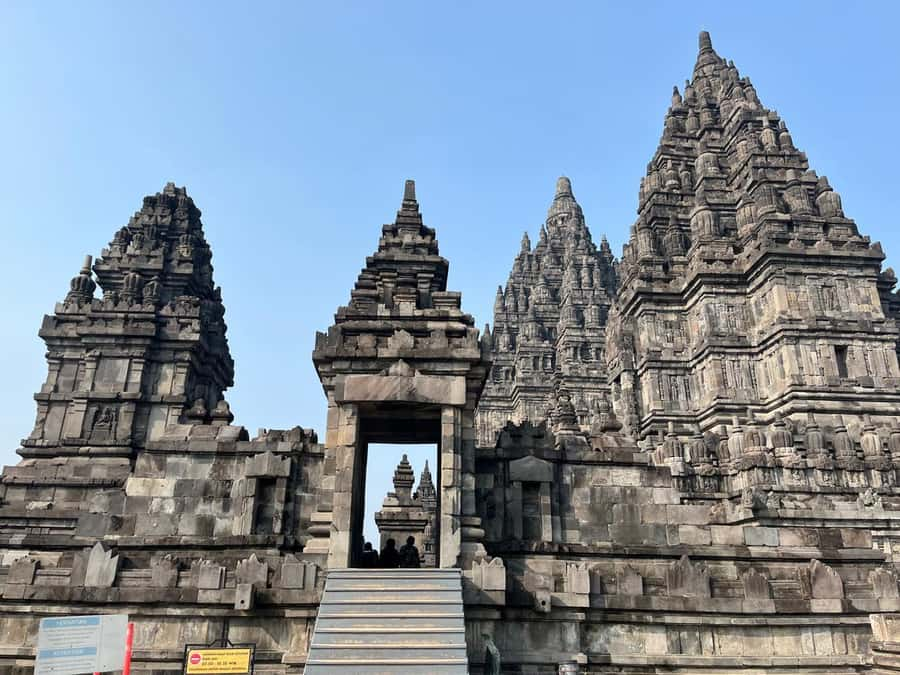
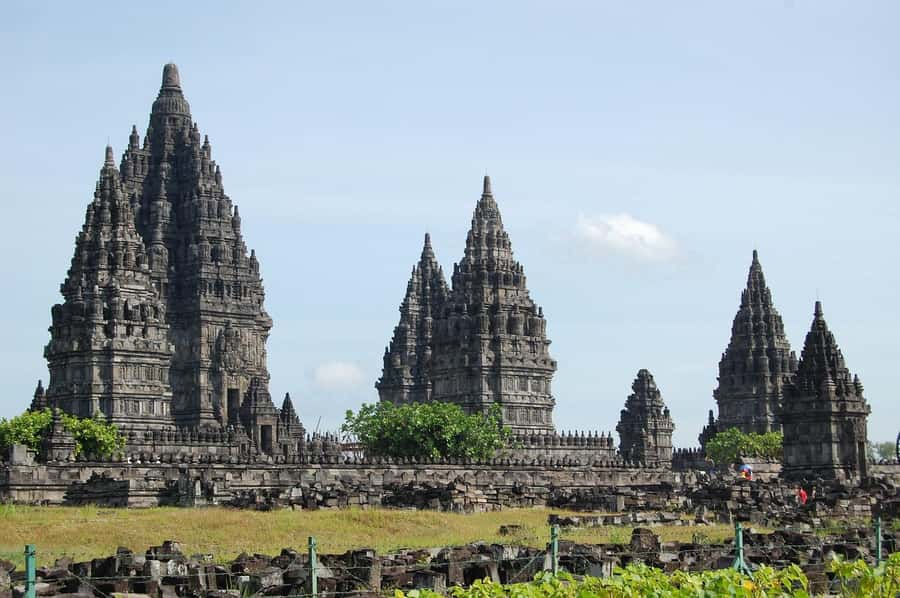
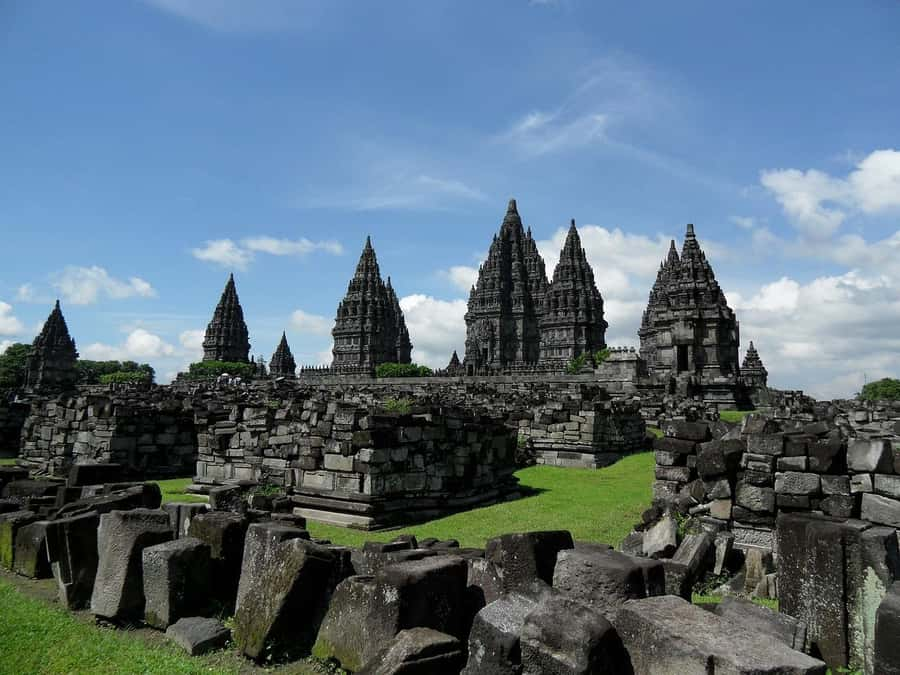
Prambanan is the star here: a grand ninth-century Hindu temple complex with three main shrines dedicated to Brahma, Shiva, and Vishnu. I like that this trip adds Sukuh Temple, a much less familiar site, instead of stopping at Java’s best-known monument. The tea plantation and tasting also give the day a welcome change of pace.
I like the practical setup, with hotel pickup, transport, mineral water, parking, and a local Prambanan guide included. I also like the human touch: Andy is praised for careful driving, traffic handling, and adjusting the day when extra stops make sense. The catch is that temple entrance fees and meals are not included, so the $95 price is not the final cost.
Key points to know before booking
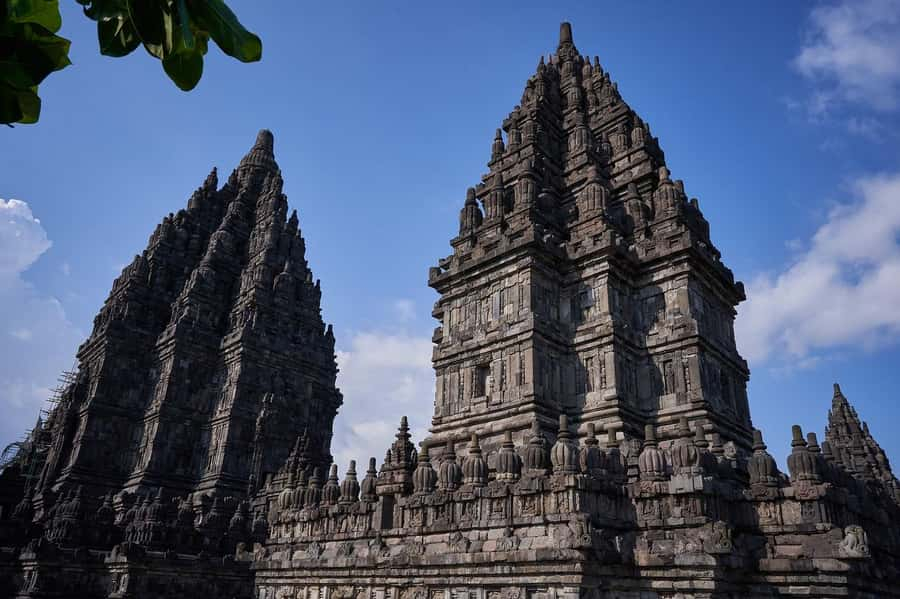
- Prambanan brings the major historical focus: See the three central Hindu shrines and learn about the ninth-century temple and its Ramayana story.
- Sukuh offers a different kind of temple visit: Its unusual design gives you a contrast with Prambanan rather than more of the same.
- The tea plantation breaks up the monuments: You can see how tea is grown and taste it during the visit.
- Hotel transfers simplify a full day: Pickup and drop-off in Yogyakarta, transport, parking, and mineral water are covered.
- Andy has earned praise for driving: His traffic navigation, punctuality, flexibility, and helpful manner are valuable on a road-based outing.
- Budget for extras: Entrance tickets, food, and a tip for the driver are separate from the advertised $95 price.
Why Prambanan deserves the first look
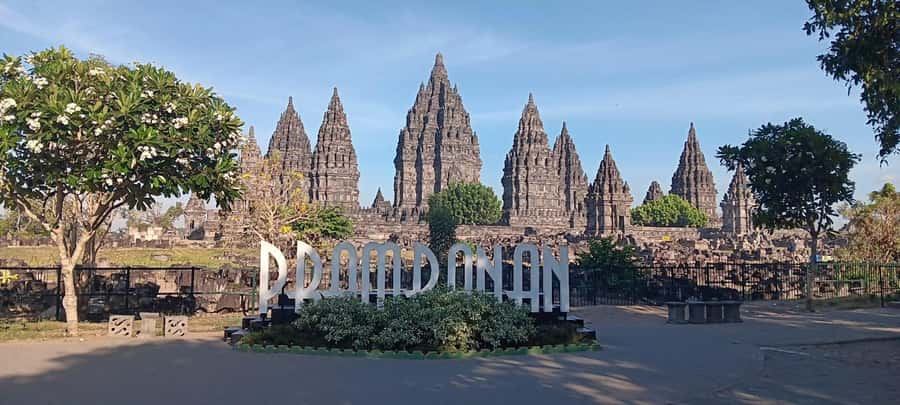
Prambanan is the reason most people choose this trip. The temple was built in the ninth century by King Sanjaya, according to the tour information, and is presented as Indonesia’s highest Hindu temple. Its main group centers on Brahma, Shiva, and Vishnu, giving the visit a clear religious structure rather than a jumble of old stone buildings.
Your local guide explains the site as you walk through it. That matters at Prambanan because the tall towers, carved surfaces, and scattered ruins can otherwise become a quick photo stop. With context, you can connect each main shrine to the Hindu tradition and understand why the complex was built on such a grand scale.
The Ramayana is another key part of the visit. The story is linked with the temple’s carvings and gives you a way to read the artwork instead of simply looking at it as decoration. Ask the guide to point out the Ramayana scenes and explain how the story fits the temple complex.
The tour description also presents Prambanan through both Hindu and Buddhist connections, linking the temple’s creation to a king associated with Hindu belief and a wife connected with Buddhism. That explanation is part of the interpretation offered on the tour. If religious history interests you, this is a good subject to ask about directly, since Java’s old temples reflect a period when different traditions existed close together.
More Tea Plantation Tours in Indonesia:
- Active Volcano, Rice Field, Hot Spring, Fruit market, Tea Plantation with Lunch
★ 5.0 · 513 reviews - Bandung : White Crater, Tea Plantation Tour Guide Bandung
★ 4.7 · 15 reviews - From Jakarta: Safari Park, Tea Plantation & Jaksa Waterfall
★ 3.9 · 8 reviews
What your Prambanan visit includes
An English-speaking local guide is included for Prambanan. The guide is there to explain the temple’s history and design, not just lead you from one gate to another. The supplied information does not give the guide’s name, so you should confirm that detail when booking if having a named guide matters to you.
You should expect the temple entrance fee to be paid separately. This is the main cost to remember when comparing the $95 price with other day trips. The tour covers transportation and parking, but the ticket itself is not bundled into the advertised rate.
Bring a camera, as recommended, but also bring cash. Cash is useful for entrance fees, food, and tipping the driver. Since meals are not included, you should plan to pay for your own food during the day, although the exact meal stop is not specified.
The schedule is not listed with a fixed number of hours. That gives the driver some flexibility, but it also means you should ask for the expected pickup time and approximate return time before departure. One strong point from the available feedback is the driver’s flexibility with adding or changing stops. That can help if traffic or your pace changes the plan.
Sukuh Temple gives the day a sharper contrast
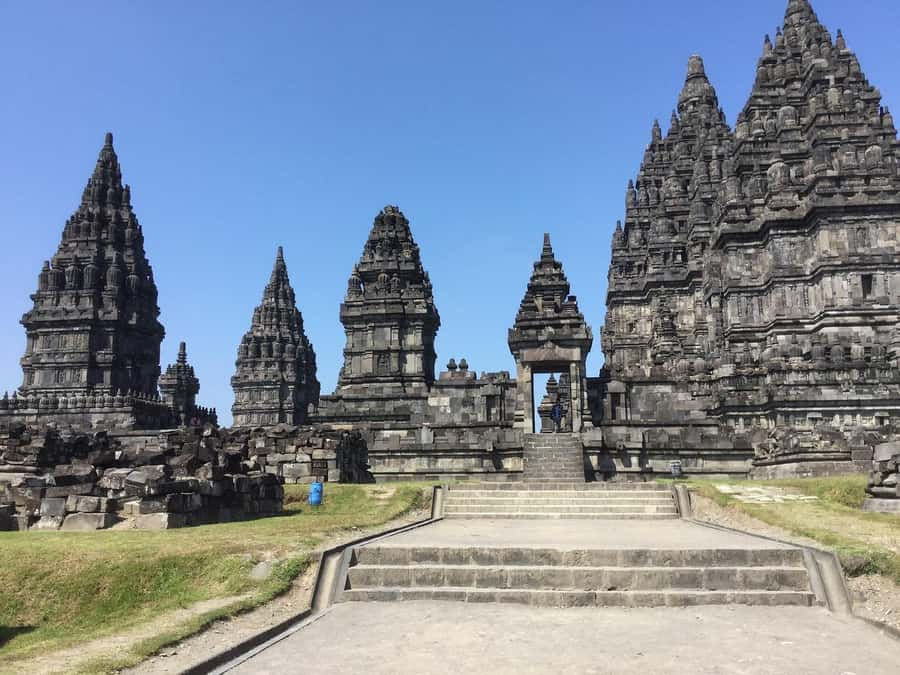
After Prambanan, the route continues to Sukuh Temple, described as an exotic Hindu temple. This is not simply a second stop with the same look and feel. Sukuh is valued here for its unusual character, making it a useful contrast with Prambanan’s grand central shrines.
The supplied details do not specify the exact carvings, admission cost, or time spent at Sukuh, so you should not book this expecting a tightly described museum-style visit. Instead, think of it as the more distinctive stop for people who want to see a less familiar side of Java’s temple culture.
I like the pairing. Prambanan gives you the major monument and the guided explanation. Sukuh gives the day a more unusual second chapter. If you only want the most famous sights and a short route, the added stop may feel like extra road time. If you enjoy comparing temples and seeing places beyond the standard headline attraction, Sukuh makes the $95 outing more appealing.
Ask the guide to explain what makes Sukuh different from Prambanan. The tour description calls it Hindu, so the visit can help you compare the religious setting, design, and atmosphere of the two sites. Do not assume that the same story applies equally to both temples.
A tea plantation and tasting change the rhythm
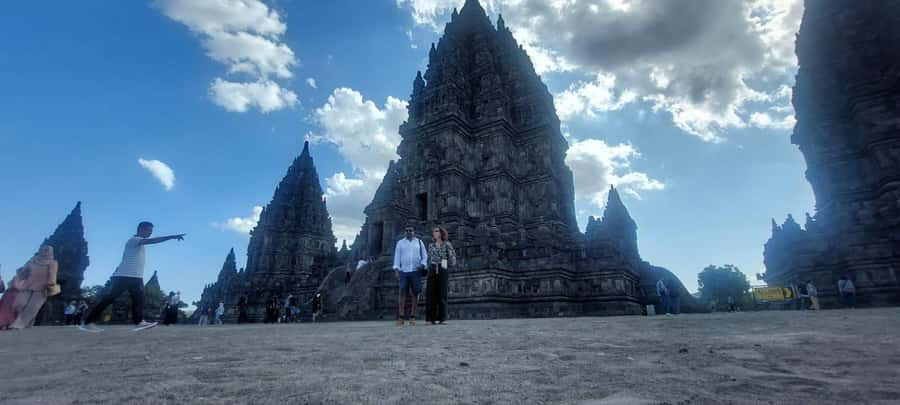
The final major stop is a tea plantation, where you can see the growing area and taste tea. This is a simple but smart addition to a temple-heavy day. After stone monuments and historical explanations, a working agricultural stop gives you something practical and sensory to focus on.
The tasting is included in the description of the experience, but the exact tea, tasting format, and length of the stop are not specified. You should treat it as an included activity, while asking the operator if you want precise details before booking.
I like the balance this creates. The temples ask you to look closely and listen. The tea stop gives you time to slow down and try something connected with Java’s farming traditions. It also gives photographers a different subject from carved stone and temple towers.
Do not expect the plantation to replace a full food tour. Meals are excluded, and the tea tasting is the only refreshment activity specifically mentioned. If you need a substantial meal during the day, carry cash and confirm when a food stop is planned.
A few more tea experiences around Indonesia worth a look
- Jakarta: Volcano, Tea/Rice Fields, Hot Spring, Local Food
★ 4.9 · 515 reviews - Bandung: White Crater Hotspring Tea Plans And Lunch Included
★ 4.9 · 419 reviews - Bandung: White Crater, Scenic Tea Plantations & Hot Spring
★ 4.9 · 122 reviews - Bandung Tour Volcano, Hotsprings, Mud, Tea, Lunch all Included
★ 5.0 · 91 reviews
The road experience matters as much as the monuments
This is a private-style road outing built around hotel pickup and return in Yogyakarta. Transportation, parking fees, and mineral water are included, which removes several small costs and practical chores. You do not need to arrange separate transport to Prambanan, Sukuh, or the plantation.
The driver can make a big difference on a day with several stops. Andy is specifically praised for attentive driving, excellent traffic navigation, punctual service, and genuine helpfulness. Another strong point is flexibility with changing the plan and adding stops. Those details are especially useful in Java, where road conditions can affect how much time you have at each site.
The available information does not state the vehicle type, group size, or exact tour duration. Ask about these before paying if they are important to you. A small private group would make it easier to adjust the day, but the supplied details do not promise a particular group size.
The route may also feel demanding if you prefer a slow, single-site visit. You are combining two temples with a plantation, and the attraction of the trip comes from that variety. The benefit is a fuller picture of the area. The tradeoff is less time at each individual stop than you might have on a temple-only outing.
What the $95 price really covers
At $95 per person, the value depends on how much you would otherwise spend arranging transport and a guide. The price includes hotel pickup and drop-off, transport, parking fees, mineral water, and a local guide at Prambanan. Those inclusions make the cost easier to justify for anyone who wants a ready-made day from Yogyakarta.
The price does not cover temple entrance tickets, meals, or a tip for the driver. That means you should add those expenses to your working budget. The tour is not an all-inclusive day, but the main transport and guiding costs are handled.
I see the best value for two types of visitor. First, it suits someone staying in Yogyakarta who wants to combine famous Prambanan with a less familiar temple. Second, it works for anyone who values a driver who can handle traffic and adjust the day without making you organize every detail yourself.
It may be less attractive if you only want to visit Prambanan and return quickly, or if you are trying to keep the day’s extra costs very low. In that case, the second temple and plantation add interest but also add time and separate entrance costs.
Small details that make the day easier
Bring a camera and cash. Those are the only specific items listed, but they cover the two obvious needs: photography and separate payments. Comfortable clothing and shoes are sensible for temple visits, though the tour information does not give a formal dress code or footwear requirement.
Confirm the pickup time, expected return time, temple ticket prices, and meal plan before you leave. The tour description does not provide those details, and knowing them will help you judge the day more accurately.
English is the listed tour language. The Prambanan visit includes a local guide, while the driver handles transportation between stops. If you want detailed explanations at Sukuh or the tea plantation as well, ask whether the same guide accompanies you for the whole route.
The booking terms are flexible: you can reserve and pay later, and cancellation is allowed up to 24 hours in advance for a full refund. That is useful when your Yogyakarta schedule is still shifting. It also gives you room to check the practical details before committing.
Who will get the most from this tour
I would choose this trip if you want variety in one day. You get a major Hindu monument, a less conventional temple, and a tea plantation rather than three similar stops. The mix works well for first-time visitors who want a broad introduction to the area.
It also suits you if driving in Java feels stressful. Andy’s praised traffic handling and willingness to adjust the route are meaningful advantages. A good driver can save time and reduce the mental work of getting between several places.
History-focused visitors will enjoy the Prambanan explanation, especially the three main shrines and Ramayana connection. The tour is less suitable if you need a highly detailed archaeological program at every stop, since only the Prambanan guide service is clearly specified.
Families and mixed-interest groups may also find the plan useful. One person can enjoy temple history, another can focus on photography, and the tea plantation gives the group a change of setting. Still, the lack of a stated duration means you should confirm the pace if young children or older relatives are joining.
My call on the Prambanan and Sukuh combination
I would book this tour if you want more than a standard Prambanan visit and prefer having transport, parking, hotel transfers, and local guidance arranged together. The strongest practical reason to choose it is the driver service, especially if Andy is assigned to your trip. His flexibility and traffic navigation can make a multi-stop day much easier.
Before booking, ask for the total expected cost after temple tickets and meals, the planned schedule, and whether the guide accompanies you beyond Prambanan. If those details fit your budget, the mix of major temple, unusual temple, and tea tasting makes this a well-rounded day from Yogyakarta.
FAQ
Where does the tour take place?
The tour starts and ends at your hotel in Yogyakarta and visits Prambanan Temple, Sukuh Temple, and a tea plantation.
What is included in the price?
The $95 price includes hotel pickup and drop-off, transportation, a local guide at Prambanan, mineral water, and parking fees.
Are temple entrance tickets included?
No. Entrance fees for the temples are not included and must be paid separately.
Are meals included?
No. Meals are not included in the tour price.
Is a guide provided at Prambanan?
Yes. A local English-speaking guide is included at Prambanan to explain the temple’s history.
What language is available?
English is the listed tour language.
Should I bring cash?
Yes. Cash is recommended for entrance fees, meals, and tipping the driver.
Can I cancel the tour?
You can cancel up to 24 hours in advance for a full refund. You can also reserve and pay later.
Just added around Indonesia
- Volcano, Hot Spring, Mud Bath & Tea plantation all included★ 5.0 · 5 reviews
- Private Half-Day Tea Village Discovery with lunch in Yogyakarta★ 5.0 · 3 reviews
- Full-Day Adventure: Tea Plantation & the Mystical Dieng Plateau★ 5.0 · 6 reviews
- TULA Wellness Taiwan Tea Ceremony★ 5.0 · 3 reviews
- Tea Tree Spa at Holiday Inn Resort Baruna Bali★ 5.0 · 2 reviews
- Taman Safari and Tea Plantation Tour at Puncak★ 5.0 · 2 reviews
- Private Trip Malang/Surabaya : Tour Tea Plantation Wonosari★ 5.0 · 5 reviews
- Jakarta: Waterfalls, Volcano, White Crater, Tea, Hot Spring★ 4.5 · 3 reviews
Tea Plantation Tours, compared.
Thousand Island Lake and Pinglin Tea Plantation
Read our review →
Furnas Volcano & Tea Plantation With Traditional Lunch, East Tour
Read our review →
Thousand Island Lake and Pinglin Tea Plantation from Taipei
Read our review →
Furnas: Volcano Wonders, Tea Plantation & Waterfall Tour
Read our review →
Chiang Rai: 7 Major Sites, Golden Triangle & Tea Plantation
Read our review →
Mauritius: Tea and Sugar Plantation Guided Tour with Lunch
Read our review →
Browse the lists this tour appears in