
Review · ELLA
Tea Plantation Tour in Ella, Sri Lanka
Tea picking is the heart of this experience. At Uva Halpewatte Tea Factory, you are handed a basket and a small mottu, then shown how to gather the tender leaves. You may also wear the traditional wraparound clothing used by tea pluckers. The work looks simple until you try it.
I like two things most: the chance to work beside an experienced local plucker such as Maria or Marietta, and the clear introduction to Ceylon tea grades, from OP and BOP to FBOP. The mountain views from the Sky Café add a fine setting. The main drawback is that the one-hour visit can feel rushed, especially if you expect a full factory tour.
Key points to know before you go
- Tea picking is required: The plantation visit includes a hands-on picking session, not just a walk through the fields.
- Local workers add real context: Maria and Marietta have helped visitors understand the skill and effort behind each basket of leaves.
- The Ganesh blessing comes first: A small kovil near the plantation provides a brief cultural moment before the work begins.
- Tea tasting covers four grades: You learn basic differences between teas such as black, green, and white varieties, along with grades including OP, BOP, and FBOP.
- The visit is short: Allow about 40 minutes to one hour, with tours available from 8:00 a.m. to 4:30 p.m.
- Factory access may vary: Some sessions focus mainly on the fields and tasting, while a more detailed manufacturing visit may require an extra fee.
Why tea picking is the real attraction
Ella is surrounded by tea country, but seeing rows of bushes from a road is not the same as handling the leaves. This experience gets you close to the work. You receive a basket and a mottu, then learn which part of the plant should be picked.
The task is usually described as taking the top young leaves. In practice, it takes care and speed. You soon understand why a skilled picker can work steadily for hours while a first-time picker struggles to keep pace. That physical lesson gives the visit more value than a simple explanation inside a factory room.
You can choose to wear a wraparound saree or sarong during the picking session. The clothing is part of the presentation, but it also helps you see how the work is done in traditional dress. Treat it with respect rather than as a costume prop. The most useful part is watching a skilled picker demonstrate the movement, then trying it yourself.
Maria and Marietta are mentioned as especially helpful local tea pickers. Their presence gives the session a human scale. Instead of thinking only about tea as a packaged drink, you begin to notice the hands, posture, stamina, and repetition behind it.
More Tea Plantation Tours in Sri Lanka:
- Tea Fields & Factory Tour
★ 5.0 · 67 reviews - Tuk-Tuk Safari Liptons seat,Tea Fields Hike,TeaFactory Tour
★ 4.8 · 46 reviews - Galle Day Tour and Tea Plantation from Bentota & Other Places
★ 5.0 · 19 reviews
A short visit to the Ganesh kovil
Before picking begins, the group takes part in the customary worship of Lord Ganesh at a small kovil close to the plantation. It is a brief stop, not a long temple visit, but it gives the activity a local rhythm.
This detail matters because the tour is not only about production. Tea is also tied to work, faith, and community life in the hill country. You are asked to join a custom before entering the fields, which makes the start feel more connected to the place than a standard commercial demonstration.
The experience does not provide a long religious explanation, so do not expect a full cultural tour. Still, the stop is a worthwhile part of the hour. Dress and behave respectfully, and follow the guide’s instructions.
What happens at Uva Halpewatte Tea Factory
The meeting point is Uva Halpewatte Tea Factory on Badulla Road in Hela Halpe, Ella. The site is surrounded by tea fields and sits at a high point above Ella, with the Sky Café offering views from about 300 meters above ground and 1,300 meters above sea level.
The presentation usually begins with an explanation of tea, its origins, and how Ceylon tea developed into a major Sri Lankan product. One guide, Sallay, is praised for keeping the talk lively and clear. Nari is also described as a strong guide who explains the work in a way that helps you appreciate the effort involved.
The information covers the main stages of tea production: growing, harvesting, drying, storing, and grading. You are introduced to black, green, and white tea, along with terms such as OP, BOP, and FBOP. These letters can seem like factory jargon, but they help explain why teas from the same broad region can taste and look different.
There is an important point to clarify. The experience is promoted through a tea factory, but the plantation session itself may focus mainly on the outdoor fields, followed by tasting. Some people expect to see the full machinery and manufacturing process and find that the factory portion is limited. A separate factory visit may require another payment.
If the manufacturing process is your main reason for coming, ask at the entrance exactly what your ticket includes. If you mainly want to pick tea, meet a local worker, and learn the basic grades, the shorter format works better.
Tea tasting: useful, but keep expectations sensible
The tasting is intended to show how different tea grades and styles suit different tastes. Four teas are served, and you can compare them after learning the names and classifications.
This is a valuable part of the visit when the guide explains what you are drinking. Ask about the difference between the teas, how black tea differs from green or white tea, and what the grades indicate. The tasting gives you a reason to pay attention to details you might normally ignore, such as strength, color, aroma, and finish.
The tasting does not always receive the same care as the picking session. In some cases, the four cups may already be prepared and sitting out, with limited explanation. That can make the final part feel less lively than the field visit.
I would not book this experience solely for a polished tea tasting. Think of it as a practical introduction that finishes with several samples. If you want to buy tea, the on-site shop offers tea at what has been described as reasonable pricing, though one account warns that some products may be priced high for Sri Lanka. Check labels and prices before buying.
A few more tea experiences around Sri Lanka worth a look
- Uva Halpewatte Tea Factory Tour in Ella Sri Lanka
★ 5.0 · 653 reviews - Nuwara Eliya: Tea Factory and Pickle Waterfalls Tuk Tuk Tour
★ 4.7 · 113 reviews - From Colombo: Kandy, Pinnawala and Tea Factory Full-Day Trip
★ 4.4 · 99 reviews - Ella: Tea Factory, Train, and Nine Arch Day Tour with Pickup
★ 4.8 · 98 reviews
The Sky Café and the views above Ella
The Sky Café is one of the setting’s strong points. From the mountain-top position, you look across green tea estates and the surrounding countryside. It is a natural place to pause after picking, especially if the weather is clear.
The height gives the visit a wider view than the field itself. You see the tea bushes as part of the larger hill country rather than as isolated rows. The view also makes the short stop feel more like a proper Ella activity instead of a quick educational display.
Weather matters here. Rain can arrive suddenly and may stop the outdoor portion halfway through. The activity requires good weather, so a cancellation can lead to a new date or a full refund. If rain threatens, allow some flexibility in your schedule and avoid booking this as the only fixed event of the day.
How long the tour really takes
The stated duration is about one hour, though some sessions finish in roughly 40 minutes. Tours operate from 8:00 a.m. to 4:30 p.m., Monday through Sunday.
There is no fixed start time shown for every departure, and one person found that a partially started group was used rather than waiting for the next session. That may save time, but it can also mean missing the opening explanation. Arrive ready to begin and confirm when the next complete tour starts if the introduction matters to you.
The small group limit is 10 people. That is a useful size for a hands-on activity. You should be able to hear the guide and watch the tea-picking demonstration without standing far back.
The tour takes place near public transportation, but the supplied information does not give a detailed transfer plan. Check the route from your accommodation in Ella before setting out. The activity ends back at the factory meeting point.
Is $25 good value?
At $25, the experience is reasonably priced if you treat it as a short combination of tea education, field work, tasting, and views. The tea picking alone gives the tour something you cannot get from a standard factory display.
The value drops if you expect a long tour through every stage of production. A one-hour visit cannot provide a detailed look at plantation life, factory machinery, tea history, and an extended tasting all at once. Some sessions give more attention to the outdoor work than to the manufacturing rooms.
I see the price as fair for someone who wants a memorable Ella activity without committing half a day. It is also a useful choice for passionate tea drinkers who want to understand the labor behind the drink. If you are comparing it with a longer plantation or factory program, confirm whether machinery access and a full production explanation are included.
Who will enjoy this most
This tour suits you if you enjoy hands-on activities and want more than a photo stop. The picking session is the main reason to choose it, and the practical lesson about stamina makes the experience stay with you.
It also suits tea drinkers who want to understand grades and flavor differences. The four-tea tasting is basic, but the terms OP, BOP, and FBOP give you a starting point for reading tea labels later.
Families and casual sightseers may enjoy the simple structure, though children should be able to follow instructions and take part in a moderate physical activity. The experience is not designed for anyone seeking a long, slow plantation walk or a detailed industrial tour.
You should also be comfortable with outdoor conditions. Tea fields can be wet, and rain may interrupt the session. A moderate level of physical fitness is advised.
Practical tips for a better visit
Wear clothing that you can move in and do not mind getting damp. If you choose the traditional saree or sarong style, ask how it should be worn and follow the local worker’s example.
Bring patience for the timing. Tours run during the factory’s opening hours, but the exact start may not be fixed. If you arrive after a group has begun, ask whether you can join from the beginning of the next session.
Use the guide’s knowledge by asking direct questions. Ask how the four teas differ, what each grade means, and which leaves should be picked. The experience is much stronger when you treat the visit as a conversation rather than waiting for a long scripted talk.
Do not confuse this activity with a sightseeing tour of Ella Rock, Nine Arch Bridge, or Ravana Falls. Those places are not part of the visit. You remain at the tea factory and its nearby fields.
The booking includes a mobile ticket, and confirmation is received at the time of booking. Free cancellation is available until 24 hours before the start time. Within 24 hours, changes and refunds are not accepted. Poor weather is treated differently, with a new date or full refund offered if the activity is canceled.
Should you book the Halpewatte tea experience?
Book it if you want to pick tea yourself, meet a skilled local picker, and gain a clearer sense of how much work sits behind a cup of Ceylon tea. The combination of the Ganesh kovil, field session, four-tea tasting, and Sky Café views gives the hour a pleasant variety.
Skip it if your priority is a long factory tour with detailed machinery demonstrations. The manufacturing portion may be limited or require an additional fee, and the tasting may feel under-explained.
For most visitors with an interest in tea, the $25 price is sensible. Just set your expectations correctly: this is a short, hands-on plantation introduction, not a full-day study of Sri Lanka’s tea industry.
FAQ
Where does the tea plantation tour begin?
The tour begins at Uva Halpewatte Tea Factory on Badulla Road in Hela Halpe, Ella, Sri Lanka.
How long does the experience last?
The tour takes about 40 minutes to one hour. The stated duration is approximately one hour.
What are the operating hours?
The factory operates Monday through Sunday from 8:00 a.m. to 4:30 p.m.
Is tea picking part of the tour?
Yes. Participation in the tea-picking session is required as part of the plantation visit. You receive a basket and a small mottu for the activity.
Can I wear traditional tea-picker clothing?
You may choose to wear the traditional wraparound saree or sarong style during the tea-picking activity.
Does the tour include tea tasting?
Yes. The experience includes a tasting of four tea grades and an introduction to different types and grades of Ceylon tea.
Is the full tea manufacturing process included?
Not always. Some visits focus mainly on the outdoor plantation, picking session, and tasting. A separate factory visit may require an additional fee.
Can I cancel for a refund?
You can cancel at least 24 hours before the start time for a full refund. Cancellations or changes made less than 24 hours before the start time are not refunded or accepted. If poor weather causes the activity to be canceled, you are offered another date or a full refund.
Just added around Sri Lanka
- Tuk Tuk safari and Picnic in The Tea Plantation from Ella,Haputale & Bandarawela★ 5.0 · 7 reviews
- Tea Experience Tour in Haputale with Lunch at a Village house★ 5.0 · 19 reviews
- Trekking & Picnic in The Tea Plantation From Ella, Haputale & Bandarawela★ 5.0 · 4 reviews
- Nandana Tea Walking Tour in Sri Lanka★ 5.0 · 16 reviews
- Nuwara Eliya: All Inclusive Horton Plains & Tea Plucking Day Trip★ 4.5 · 10 reviews
- Explore Nuwara Eliya | Experience the Best Tea in the World★ 4.5 · 3 reviews
- Tea Plucking and Tea Factory Visit from Nuwara Eliya.★ 3.5 · 3 reviews
- Tea Tasting in Nuwara Eliya★ 5.0 · 2 reviews
Tea Plantation Tours, compared.
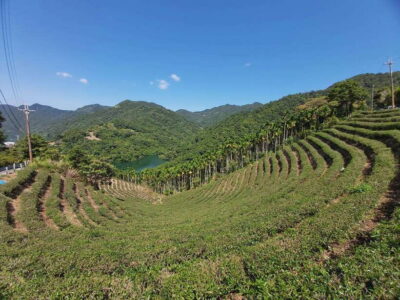
Thousand Island Lake and Pinglin Tea Plantation
Read our review →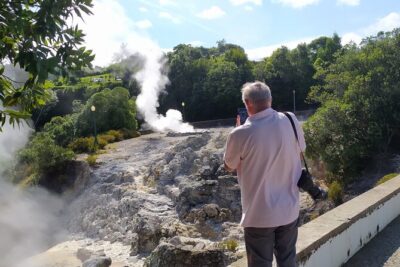
Furnas Volcano & Tea Plantation With Traditional Lunch, East Tour
Read our review →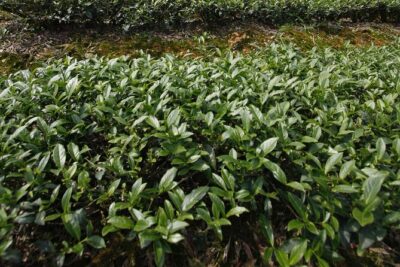
Thousand Island Lake and Pinglin Tea Plantation from Taipei
Read our review →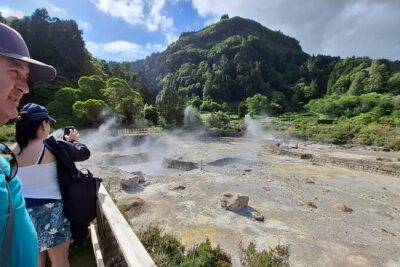
Furnas: Volcano Wonders, Tea Plantation & Waterfall Tour
Read our review →
Chiang Rai: 7 Major Sites, Golden Triangle & Tea Plantation
Read our review →
Mauritius: Tea and Sugar Plantation Guided Tour with Lunch
Read our review →
Wadmalaw Island Wine Tasting and Tea Garden Trip
Read our review →Browse the lists this tour appears in