
Review · SA PA
Half Day Sapa Trekking to Visit Lao Chai – Ta Van
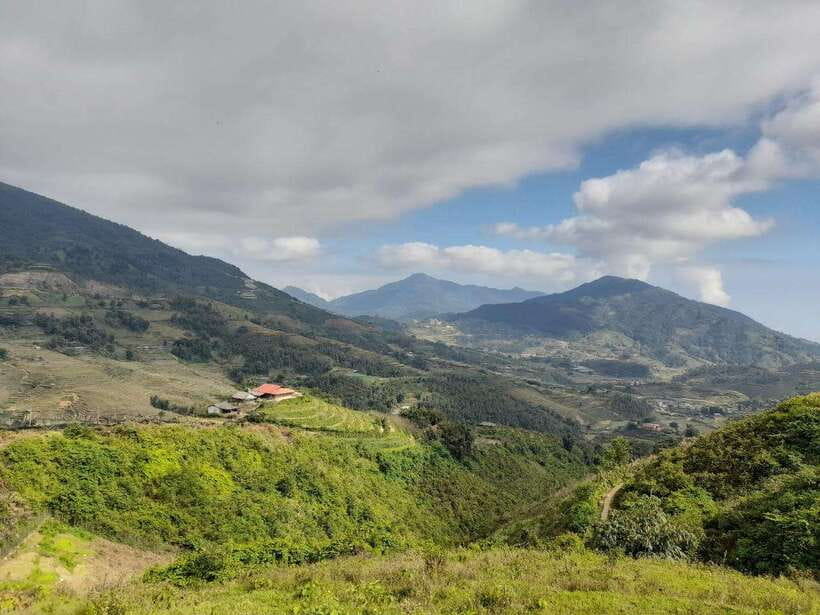
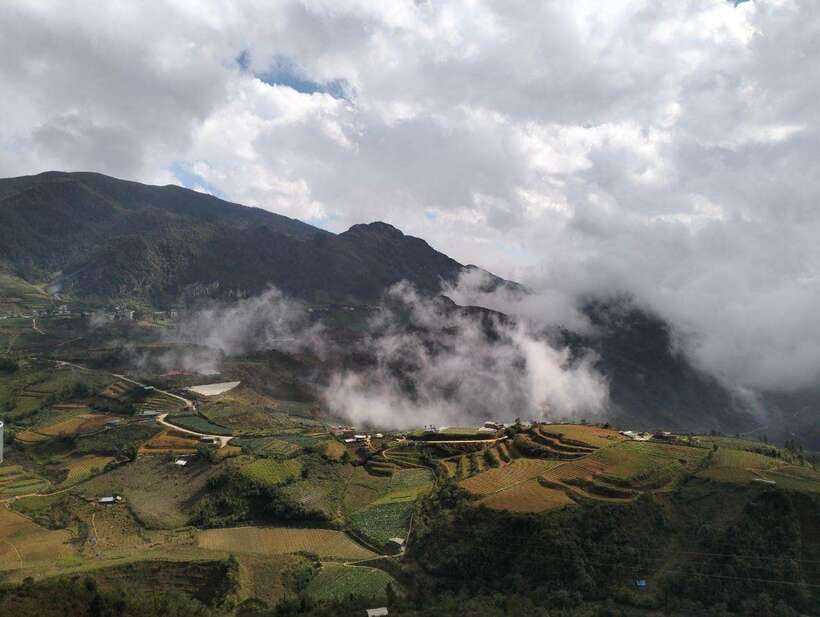
Sapa’s best half-day escape is not a quick photo stop at a roadside viewpoint. It is the walk down into the Muong Hoa Valley, where rice terraces, mountain scenery, and village paths replace the town’s traffic and souvenir shops. You pass through Y Linh Ho, Lao Chai, and Ta Van, meeting Black Hmong and Dzay communities along the way.
I like two things here: the route gives you a real four-hour walk without taking up a full day, and the local guide adds personal detail about farming, customs, and village life. Guides such as Soso, Sua, Tung, and Song have been praised for clear English and friendly help on slippery ground. The main caution is simple: this is a mountain trek, not a paved village stroll. Mud, uneven tracks, heat, and steep sections can make the 9-kilometer route tiring.
Key points at a glance
- A 9-kilometer valley walk: The route runs from Y Linh Ho through Lao Chai and ends at Ta Van, with about four hours on foot.
- Two distinct ethnic communities: You learn about Black Hmong life in Lao Chai and Dzay culture in Ta Van.
- Big views without a full-day commitment: The morning schedule gets you back to Sapa around noon.
- Local guides make the difference: Guides including Soso, Sua, Song, Tung, and Ku have been singled out for cultural insight and practical help.
- Expect real mountain paths: Muddy, wet, slippery, steep, and uneven sections are possible, especially after rain.
- Souvenir sellers may walk with you: Local women and children can approach along the route, so be ready to set polite boundaries.
Why this Sapa trek works so well in half a day
Many Sapa outings focus on transport and viewpoints. This one gets you walking through the valley itself. After hotel pickup around 8:10 to 8:20 in the morning, a bus takes you out from Sapa toward Y Linh Ho, where the trek begins.
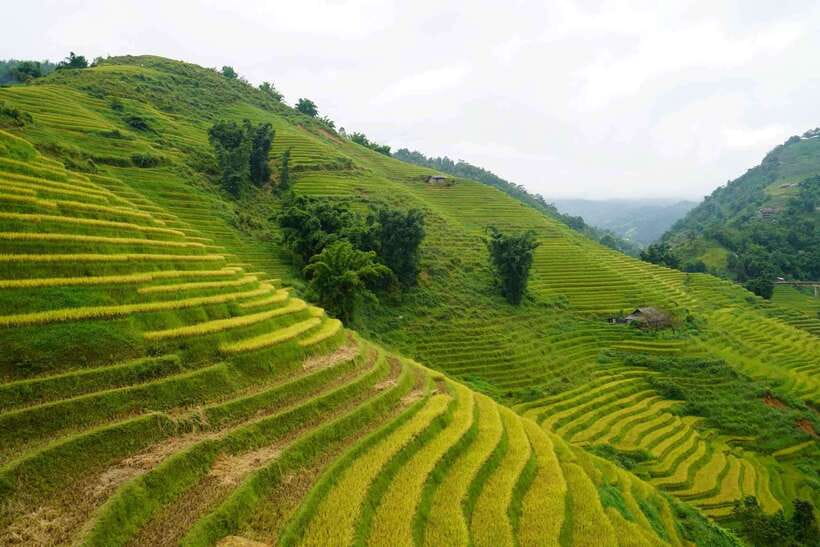
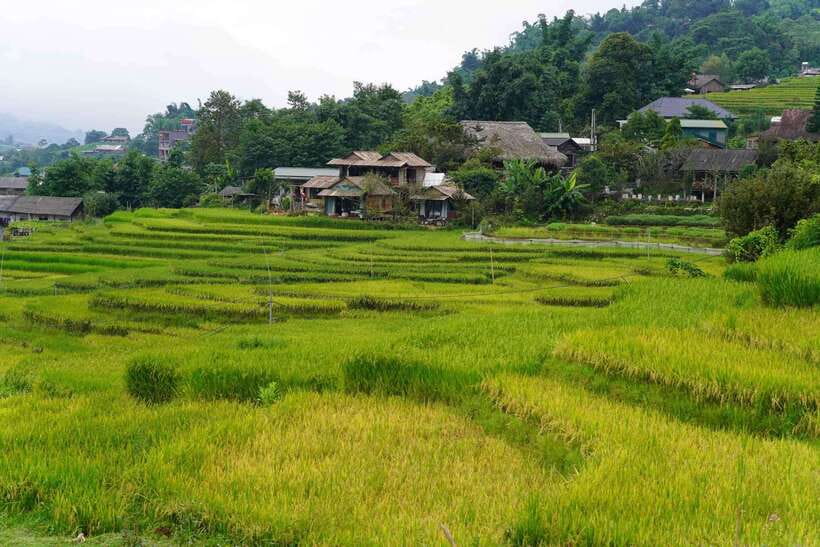
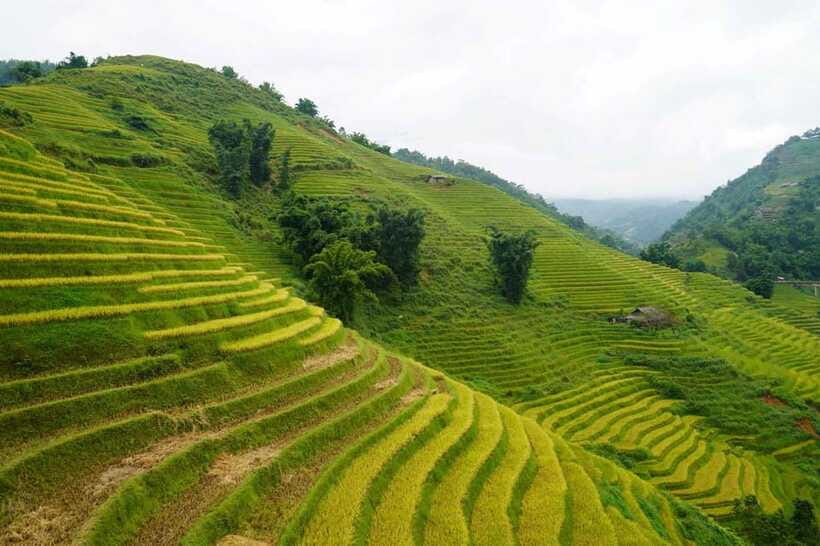
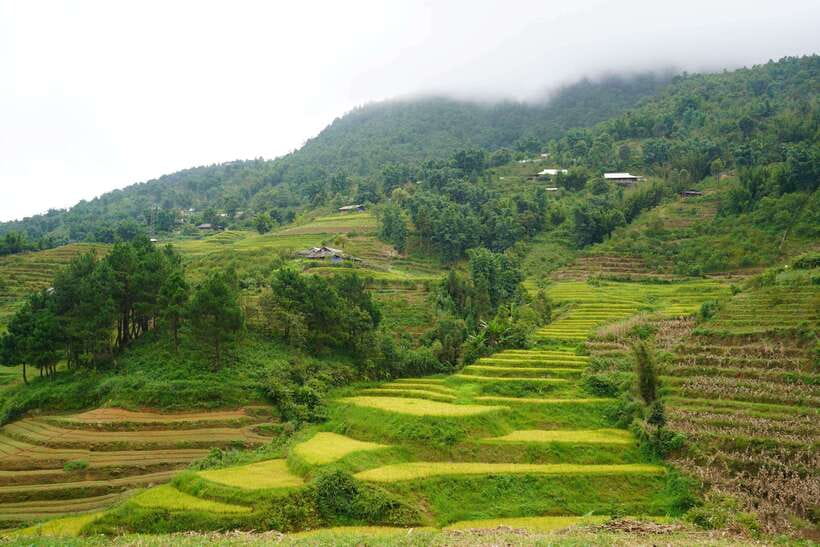
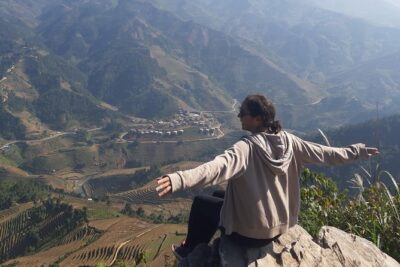
The route follows paths through rice fields and along Muong Hoa Stream. You gradually move through the valley rather than simply stopping at one viewpoint, so the scenery changes as you walk. One minute you may be looking across stepped fields toward the Hoang Lien Son mountains. The next, you are passing homes, farm plots, and village lanes.
The timing is a major advantage. The walking portion lasts about four hours, and the full activity takes roughly 270 minutes. A bus collects you at Ta Van Bridge around 11:30, bringing you back to Sapa at about noon. If you have only one night in town, this is a useful way to see the countryside without giving up an entire day.
The morning departure also helps with heat. Even so, August conditions can be hot, and one account described the walk as physically demanding in extreme heat. Wear sun protection and bring water, since drinks are not included.
A few more tea experiences around Sa Pa worth a look
- From Sapa: 1-Day Guided Trek to Lao Chai & Ta Van with Lunch
★ 4.9 · 416 reviews - One Day Sapa Trekking to Lao Chai and Ta Van Villages
★ 5.0 · 80 reviews - Trek Adventure in Ta Van Village, Lao Chai
★ 5.0 · 36 reviews
Starting at Y Linh Ho beside Muong Hoa Stream
The first section leads toward Bản Ý Linh Hồ, usually written as Y Linh Ho. The stop includes time for photographs and a guided visit. You begin to see the valley from below, with terraces cut into the hillsides and the stream running through the low ground.
This is where the route starts to feel rural. The ground may include village roads, dirt paths, and farm tracks. You should not expect the smooth, maintained footing found on an urban walking tour. In wet weather, the surface can become muddy and slick.
Your guide is important from the start. A local guide can explain how people use the fields and point out details that are easy to miss from a bus window. Sua, one guide praised for her warmth, has taken visitors through her own fields and explained farming practices. That kind of personal connection gives the walk more meaning than a series of scenic stops.
Allow time for photographs, but keep your feet moving. The best views come from the route itself, and the valley changes as you descend and cross between villages.
Lao Chai and the Black Hmong valley
The walk continues to Lao Chai, home to Black Hmong residents. Here you get another guided visit and a longer look at village life. The setting is one of the route’s strongest points: broad terraces, mountain slopes, waterways, and scattered homes create the classic Sapa view.
The cultural side is just as important as the scenery. Your guide may discuss clothing, farming, family life, and local customs. Guides from nearby villages have been praised for explaining their own experiences rather than delivering a generic speech. Soso, in particular, has been noted for explaining village life in strong English and taking groups along quieter paths.
You may also have a chance to see local craftwork. Some people appreciate the opportunity to buy handmade goods directly from villagers. Others find the selling pressure distracting, especially when several women walk beside the group for part of the trek.
My advice is to decide before you start whether you want to shop. A friendly but firm no, thank you is usually the easiest response if you are not buying. You can also ask your guide for help if the attention becomes uncomfortable. Buying something is not required for the tour, and you should not feel obliged to do so.
The Lao Chai section can feel intimate, but it is not untouched or free from tourism. That is part of the honest picture. You are visiting working communities where selling crafts is an important source of income. The experience is more rewarding when you treat the people you meet as residents going about daily life, not as scenery.
Ta Van and the Dzay community
From Lao Chai, you continue toward Ta Van, a village associated with the Dzay ethnic group. This is the final walking section and includes a break, more photographs, and a guided visit.
Ta Van gives the route a useful contrast. You have already learned about Black Hmong life in Lao Chai, and now you can hear about another local community. Guides often explain differences in customs and daily routines, which is one reason this tour works better with a local guide than with a self-guided map.
The path into Ta Van may run through fields, village streets, and uneven mountain tracks. Some sections are easy enough for a reasonably fit walker, but rain can change the day. Several people have described wet, muddy, and slippery paths. Local women sometimes walk alongside visitors and offer a helping hand on difficult patches, though they may also hope you will buy their goods.
The scheduled walking distance is about 9 kilometers. The preparation notes also refer to a 5-kilometer trek, so you should plan for the longer figure. Four hours on rough ground can feel much more strenuous than 9 kilometers on a paved path.
At Ta Van Bridge, the bus collects the group for the ride back to Sapa. The transfer takes about 45 minutes, with an expected arrival near noon. That final bus ride matters if you want a shower, lunch, or an afternoon activity in town.
Same place, a different pot:
- Sapa: Y Linh Ho – Lao Chai, and Ta Van Trekking Day Tour
★ 5.0 · 25 reviews - 1 Day Sapa Tour Explore Y Linh Ho And Lao Chai And Ta Van Village
★ 5.0 · 18 reviews - Easy Trek in Sapa mountain : Y Linh Ho – Lao Chai – Ta Van
★ 4.8 · 16 reviews - Full Day Trekking Lao Chai-Ta Van and Cat Cat Village
★ 4.8 · 8 reviews
The guides are the heart of the experience
The tour provides an English or Vietnamese-speaking guide. Names associated with especially positive experiences include Soso, Sua, Song, Tung, Ku, Somg, and Tran. You cannot assume a particular person will lead your departure, but the pattern is clear: a local guide can add far more than directions.
A good guide helps you manage the terrain, explains farming and village life, and answers questions about culture without turning the walk into a classroom. Guides have also helped visitors over muddy stretches and adjusted their pace when needed.
Language ability varies by individual, but several guides have been praised for strong English. Tung was described as engaging and easy to understand, while Soso was appreciated for explaining how she learned English through contact with visitors. Those personal stories make the cultural information feel grounded.
If your group is small, you may be able to keep a steady pace and stop more easily for photographs. One small group had four people and found that arrangement especially comfortable. The exact group size is not stated, so do not book expecting a private walk unless that is clearly arranged separately.
How difficult is the 9-kilometer walk?
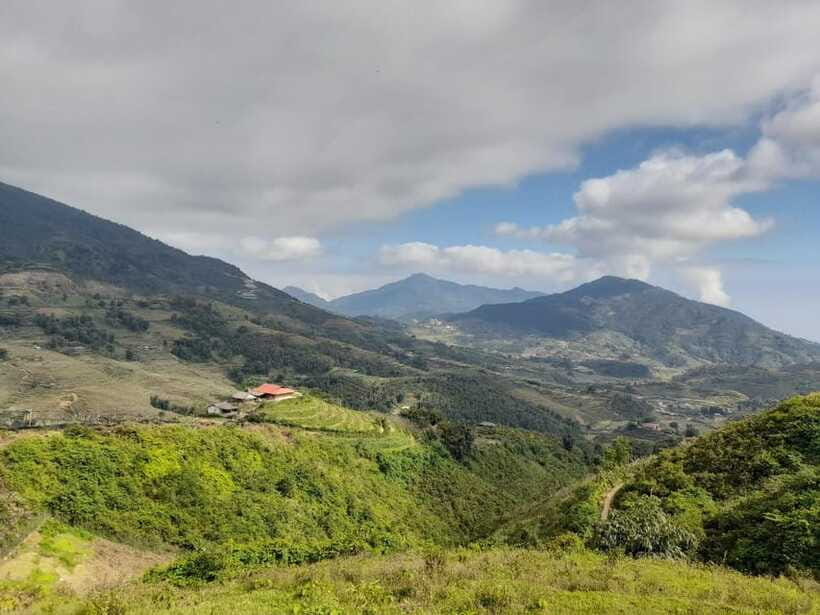
You need a reasonable level of fitness, but you do not need to be an experienced mountain hiker. The route is described as doable, though the terrain can be steep, muddy, slippery, and uneven. Fitness matters more than speed. A slower walker may manage the route, but should expect to take longer over rough patches.
Good footwear is the most important preparation. Hiking shoes are recommended, and rubber boots may be useful after rain. Sports shoes are listed as acceptable, but ordinary smooth-soled sneakers are a poor choice on wet dirt.
Bring:
- Sun hat and sunglasses
- Sunscreen
- Camera
- Hiking shoes or sturdy sports shoes
- Comfortable sportswear and hiking pants
- A small first aid kit
Pack lightly. The morning instructions specifically suggest preparing a light pack, and you will appreciate having both hands free on muddy or steep sections. Bring water and any snack you need, since beverages and personal expenses are not included.
The walk is not suitable for wheelchair users. It also may not suit anyone who wants a completely gentle outing, since even the shorter Sapa route includes real mountain paths.
Weather changes the whole day
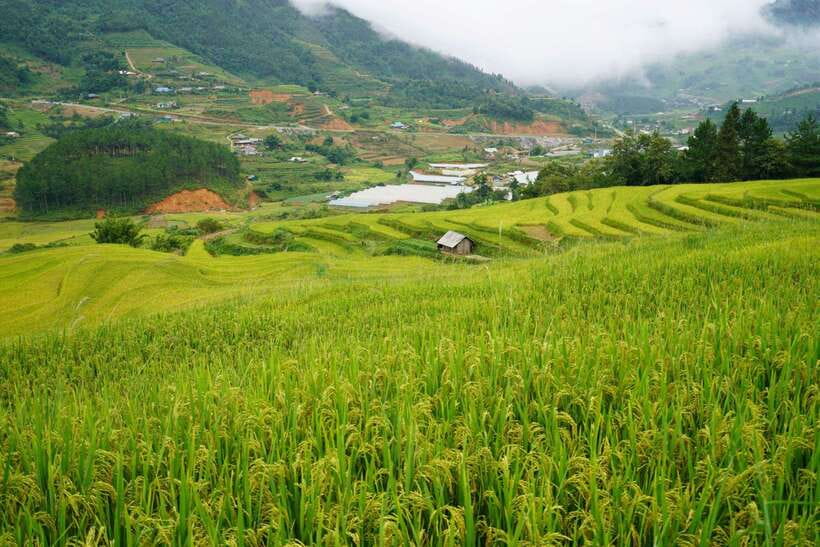
Sapa weather can shift the character of this outing. In clear conditions, the terraces, stream, villages, and Hoang Lien Son views are the main event. Clouds can hide the high peaks, while rain makes the path more difficult.
A cloudy or rainy day does not make the village visits pointless, but it can reduce the big views and make the trek slower. One departure lost part of the planned route after a delayed start, so punctual pickup matters. If the bus arrives late, the schedule has little spare time because the group needs to reach Ta Van for the return transfer.
The best approach is to treat the weather as part of the mountain setting rather than a guarantee. Wear quick-drying clothes, protect your camera, and use footwear you can get muddy. If the forecast looks cold and wet, think honestly about your comfort. One person chose not to go in cold rain and received a partial refund from the operator, but you should not assume that outcome.
Is the $22 price good value?
At $22 per person, the tour is a strong value if you want transport, a local guide, and a substantial walk without arranging each part yourself. The price covers the air-conditioned bus from Sapa to Y Linh Ho, the transfer from Ta Van back to Sapa, the guide, and entrance fees to the stated sites.
That removes several practical headaches. You do not need to find transport to the trailhead, work out where the route ends, or negotiate every village entrance. The bus also lets you save your energy for the walk.
The price does not cover drinks, insurance, VAT, or personal spending. It also does not include purchases from local sellers. If you want lunch, make your own plan for after returning to Sapa. One person mentioned a delicious lunch during the wider experience, but lunch is not part of the listed inclusions, so do not count on it here.
For a family that wants a scenic morning, the value is especially good. You get culture, countryside, and exercise in one compact outing. For a strong hiker seeking remote trails and a quieter route, a longer private trek may be a better use of time.
Who should book this Sapa morning trek?
I would choose this experience if you have limited time in Sapa and want more than a viewpoint. It suits couples, families with active older children, and adults who can handle several hours on uneven ground.
It is also a good first introduction to the area. You see three named places, learn about two ethnic communities, and return to town by lunchtime. The route gives you a clear taste of Sapa without demanding an overnight stay in a village.
Think twice if you dislike mud, sales approaches, or changing weather. You should also be cautious if you have poor balance, limited mobility, or little tolerance for hills. The word half-day describes the schedule, not the effort.
Free cancellation is available up to 24 hours before departure, and you can reserve while paying later. Those terms help if the weather forecast is uncertain, though you should still check the current conditions before setting out.
Should you book it?
Book this trek if you want genuine valley scenery, local cultural context, and a manageable morning schedule. The strongest parts are the guide-led walk through rice terraces, the contrast between Lao Chai and Ta Van, and the chance to hear directly about village life.
Skip it if you want a polished path, guaranteed sunshine, or a completely private cultural encounter. Mud and souvenir selling are real parts of the experience. With sturdy shoes, a light pack, modest expectations, and a willingness to walk at mountain pace, the $22 price buys an unusually full morning in the Sapa area.
FAQ
How long does the Sapa trek take?
The activity lasts about 270 minutes, or four and a half hours. The walking portion lasts about four hours, followed by a bus ride back to Sapa.
How far is the trek?
The stated trekking distance is about 9 kilometers. The preparation information also mentions 5 kilometers, so you should plan and pack for the longer distance.
Where does the tour begin?
Hotel pickup takes place in Sapa, usually around 8:10 to 8:20 in the morning. The bus then takes you toward Y Linh Ho, where the walking route begins.
Which villages does the route visit?
The route goes through Y Linh Ho, Lao Chai, and Ta Van. Lao Chai is associated with the Black Hmong community, while Ta Van is home to Dzay residents.
What languages does the guide speak?
Guides are available in English and Vietnamese. Several guides have been praised for clear English, but a particular guide cannot be guaranteed.
Is lunch included?
No. Beverages and personal expenses are not included, and lunch is not listed among the inclusions. You should plan to eat after returning to Sapa.
What shoes should I wear?
Wear hiking shoes or sturdy sports shoes with good grip. Rubber boots may be useful in wet conditions because the paths can become muddy and slippery.
Is the trek suitable for wheelchair users?
No. The experience is not suitable for wheelchair users because the route includes uneven, steep, muddy, and slippery mountain paths.
Can I cancel the booking?
You can cancel up to 24 hours in advance for a full refund. The reserve-now-and-pay-later option also allows you to keep your plans flexible.
Just added around Sa Pa
- 2-Day Motorbike Tour to Mu Cang Chai Loop from Sapa★ 5.0 · 2 reviews
- Sapa – Lao Chai -Ta Van full day trekking★ 3.5 · 3 reviews
- 1 Day Sapa Tour Explore Y Linh Ho And Lao Chai And Ta Van Village★ 5.0 · 18 reviews
- Sapa: Full-Day Trekking Tour to Lao Chai and Ta Van Village★ 4.7 · 3 reviews
- Sapa to Waterfall, Green Tea Farm with motorbike driver★ 4.5 · 2 reviews
- From Sapa: Cat Cat & Sin Chai Villages Private Trekking Tour★ 4.4 · 5 reviews
- Sapa: Half Day Treck To Visit Y Linh Ho , Lao Chai, Ta Van★ 4.3 · 5 reviews
- Full Day Trekking Lao Chai-Ta Van and Cat Cat Village★ 4.8 · 8 reviews
Hiking & Trekking, compared.
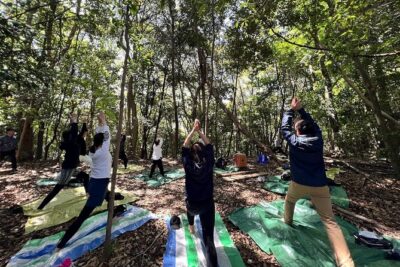
Hiroshima Local guided Hiking Tour&Open-air Tea Ceremony
Read our review →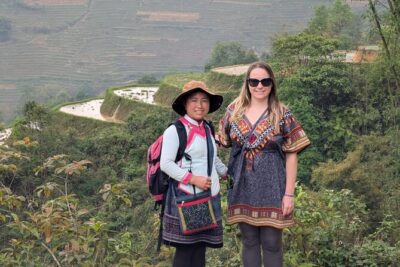
One Day Sapa Trekking to Lao Chai and Ta Van Villages
Read our review →
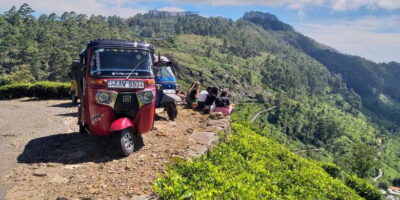
Tuk-Tuk Safari Liptons seat,Tea Fields Hike,TeaFactory Tour
Read our review →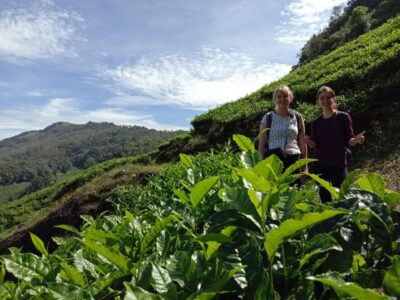

Sapa 2 days 1 night trekking Lao Chai Ta Van – Fansipan mountain by cable car
Read our review →
Browse the lists this tour appears in