
Review · ISTANBUL
Istanbul: World Teas & Turkish Tea Brewing, Tasting Workshop
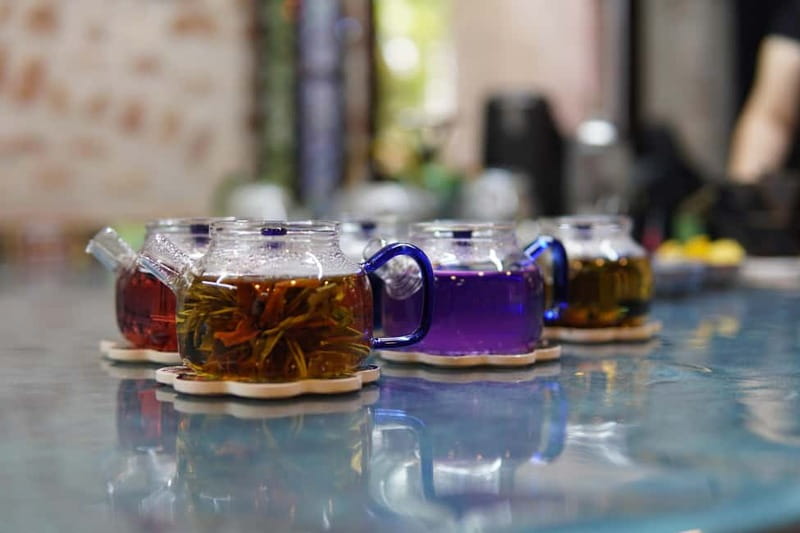
Istanbul’s tea culture gets a hands-on introduction here. You do not simply sip a glass of Turkish tea. You compare five teas from Turkey and beyond, brew them in different ways, and see how water temperature, steeping time, and equipment change the taste. The setting is a spacious, high-ceiling atelier near Galataport and Galata Tower, with other creative work taking place around you.
I like the contrast between the Turkish double teapot and the Chinese gaiwan. I also like the final blending session, since you leave with a personal tea mixture rather than only a pleasant memory. The main consideration is that 90 minutes goes quickly, especially if you want long explanations, many questions, and time to buy extra tea afterward.
Key points to know before booking
- Five tea styles in one sitting: Taste Chinese green tea, Turkish black tea, English breakfast tea, white tea, rooibos, and other infusions depending on the session’s selection.
- Two brewing traditions: Learn the Turkish double teapot method and Chinese gaiwan brewing, then taste the difference for yourself.
- A real Turkish tea ritual: Drink from thin-waisted glasses and learn how strong tea gets its familiar rabbit blood color.
- Small groups matter: The maximum is 10 people, and some sessions may be much smaller, even one guest with the instructor.
- A useful souvenir: Create a tea blend matched to your taste and take it home as a gift.
- A calm break in central Istanbul: The workshop takes place near Galataport and Galata Tower, with tea, Turkish delight, and other treats included.
Why this tea workshop is more than a tasting
Many Istanbul tea stops give you a glass of black tea and little explanation. This workshop slows the process down. You look at the leaves, smell the dry tea, watch it brew, and compare the finished cup. That makes the session useful even if you already drink tea every day.
The strongest part is the link between tea and daily life. Turkish tea is not presented as a museum object. You learn how it is served in homes and cafés, why the glass has its narrow waist, and how the double teapot helps produce a concentrated brew that can be diluted to taste.
The international selection adds a second layer. Chinese green tea, white tea, English breakfast tea, rooibos, and herbal infusions do not all behave the same way. The workshop uses those differences to show why one brewing method cannot suit every leaf.
I would not book this as a replacement for a full Turkish food tour or a long history lecture. It is a focused indoor activity built around tasting and conversation. But for a quiet pause between sightseeing, it offers more substance than a standard café visit.
More Turkish Tea Experiences in Turkey:
- Istanbul Highlights: Guided Tour with Turkish Tea or Coffee
★ 5.0 · 278 reviews - Antalya: Old Town Walking Tour with Turkish Tea and Baklava
★ 4.8 · 101 reviews - Antalya: Old Town Walking Tour incl. Turkish Tea and Baklava
★ 4.5 · 37 reviews
Finding the atelier between Galataport and Galata Tower
The studio is in a bright, high-ceiling space located between two useful Istanbul reference points: Galataport and Galata Tower. The meeting point is diagonally to the right of Arada Beyrut Cafe and directly across from Lavander Cafe.
That landmark-based description is important. In a busy central district, cafés are easier to spot than a workshop entrance, so arrive with those two names ready. The space is not described as a traditional tea house. It is a creative atelier, with other forms of art and making visible around you.
I like that setting. You are not shut away in a formal classroom, yet the room is described as calm and spacious. It gives the session a relaxed feel and leaves enough room for brewing equipment, cups, teapots, and the tea blending materials.
The location also makes the workshop easy to pair with nearby sightseeing. You can place it alongside time at Galataport or around the Galata Tower area, but keep the 90-minute start time in mind. This is not an activity to squeeze in if you are already racing across the city.
The opening tasting: five teas, five different personalities
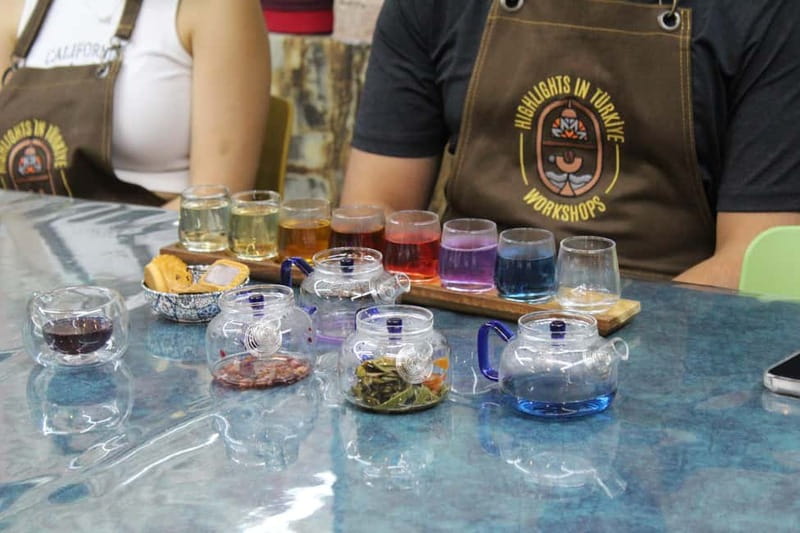
The workshop begins with a selection of premium teas from around the world. The exact lineup can vary, but the stated range includes Chinese green tea, Turkish black tea, English breakfast tea, white tea, rooibos, and other tisanes.
That range is well chosen for comparison. Green and white teas tend to show delicate aromas and lighter textures. Turkish black tea gives you the stronger, more familiar character associated with everyday tea drinking in Turkey. English breakfast tea offers another dark, robust style, while rooibos and herbal drinks show that not every cup starts with a traditional tea leaf.
Your guide encourages you to compare rather than simply rank the cups. Pay attention to color, scent, bitterness, sweetness, and how long the flavor stays in your mouth. One of the useful lessons is that a tea you usually ignore may taste very different when brewed with more care.
The hosts are a major part of this session. Zeynep is described as energetic and especially strong at explaining Turkish family tea customs. Kamran has led sessions focused on tea culture around the world. Abdullah combines tea instruction with historical context and may add a short look at Turkish coffee if time allows.
Other named instructors include Togrul, Melek, Islam, Daryn, and Ilham. The guide roster can change, but the repeated pattern is clear: the experience depends heavily on the person leading your session. That is normal for a small workshop, and it also means the conversation can feel personal rather than scripted.
Turkish double teapot and the thin-waisted glass
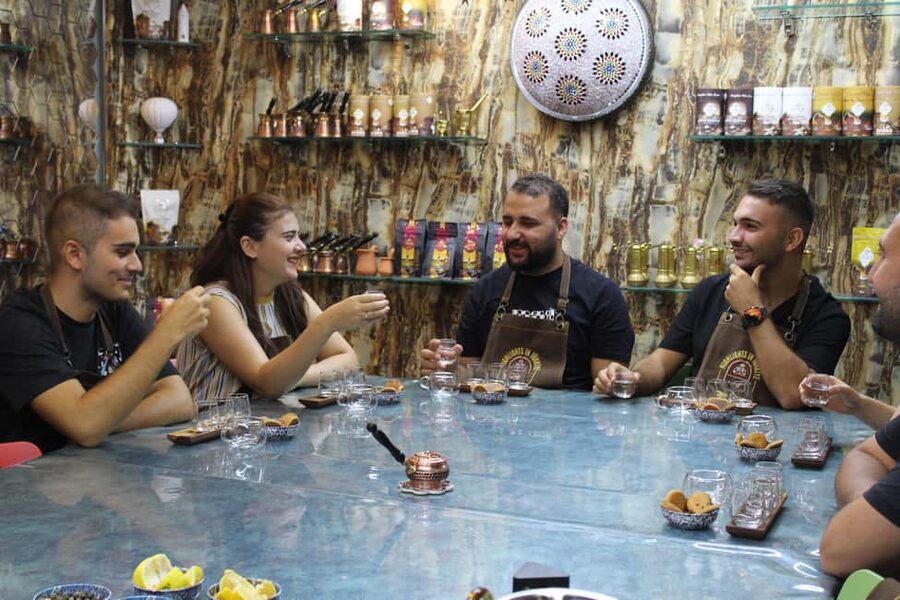
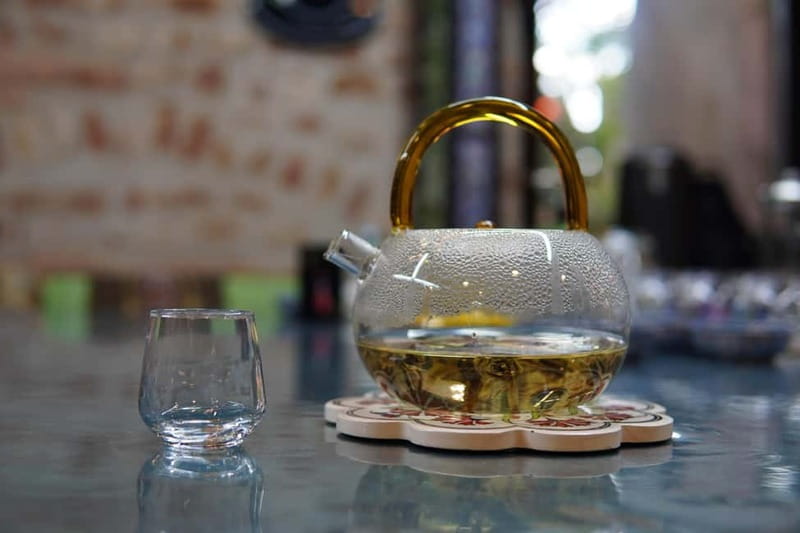
The Turkish part of the workshop centers on two familiar objects: the stacked double teapot and the narrow-waisted glass.
The lower pot holds hot water. The upper pot holds concentrated tea. When you pour, you control the strength by adding more or less hot water from the lower section. This is why Turkish tea can be served to different people at the same table with different levels of intensity.
The glass is not just decorative. Its slim middle makes the amber-red color easy to see, while the small size encourages repeated servings. The tea is usually held by the rim or saucer because the glass itself can become hot. The workshop explains the cultural meaning behind this serving style and lets you drink from an authentic thin-waisted glass.
The phrase rabbit blood refers to the deep reddish color associated with well-brewed Turkish tea. Seeing the color develop in front of you makes the expression easier to understand than hearing it in a guidebook.
This section is especially useful if you plan to drink tea in Turkish homes, cafés, or restaurants later in your trip. You will recognize the stacked pot and understand that the pale or dark color is partly a matter of personal preference, not simply a sign of good or bad tea.
More Tea Tastings in Turkey:
- Full Day Tour In Uzungol Lake with Turkish Tea Tasting
★ 4.0 · 21 reviews - World Teas and Turkish Tea Brewing & Tasting Workshop in Istanbul
★ 5.0 · 5 reviews - Rize: Ayder Highland Village & Tea Tasting Private Day Trip
★ 5.0 · 5 reviews - Networking Turkish Tea Tasting in Istanbul – Sip & Connect
★ 5.0 · 3 reviews
Chinese gaiwan brewing and the value of comparison
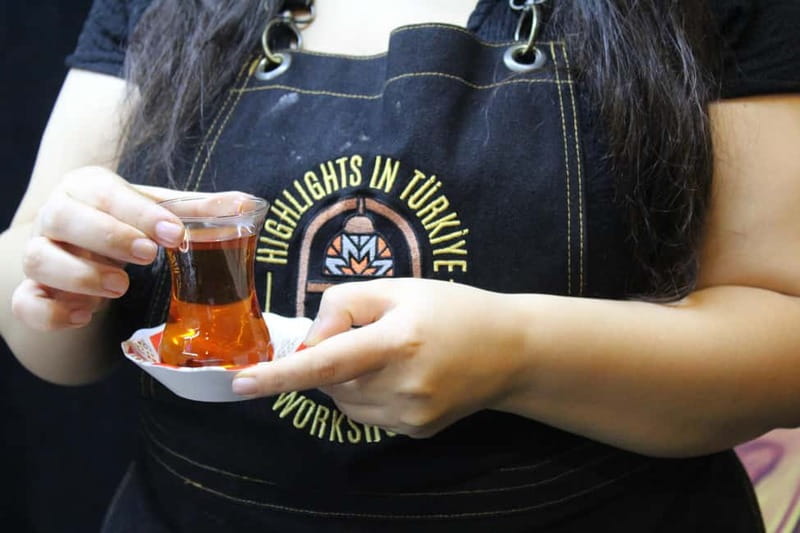
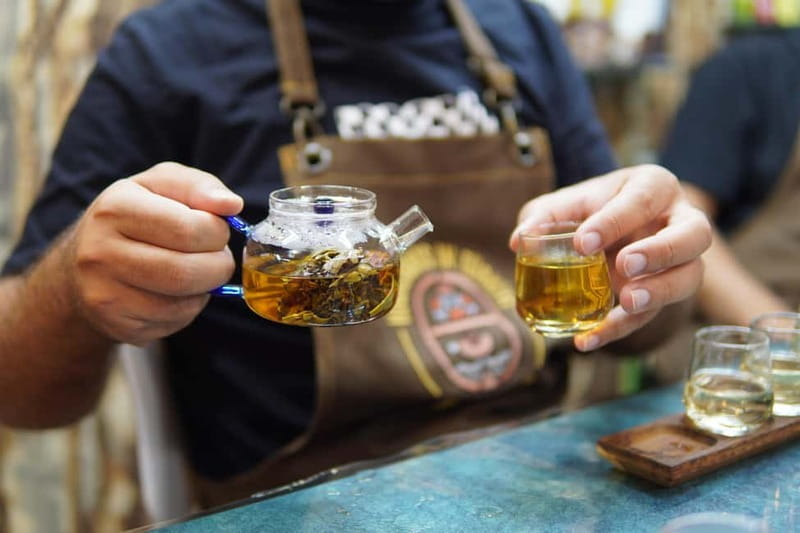
The Chinese side of the workshop uses a gaiwan, a small lidded bowl used for brewing and pouring tea. It looks simple, but it requires a different rhythm from the Turkish double teapot.
Instead of making a large pot of concentrated tea for dilution, the gaiwan allows close control over the leaf, water, and steeping time. Small changes can produce a noticeably different cup. This is where the workshop’s practical teaching works best: you see that brewing equipment shapes the drink.
The comparison between the two methods gives the session a clear purpose. Turkish tea is tied to generous serving and repeated glasses. Gaiwan brewing puts more attention on short infusions and subtle changes in the leaf. Neither method is presented as universally better.
I would pay close attention here if you normally brew tea with one mug and a tea bag. You may leave with a better sense of why some teas taste flat, harsh, or overly bitter at home. The lesson is not to buy expensive equipment. It is to match the method to the tea.
The Chinese teas also broaden the session beyond Istanbul. The workshop connects China, India, Turkey, England, and other tea traditions through taste and preparation. That makes the history easier to remember because each point arrives with a cup in your hand.
Snacks, Turkish delight, and a relaxed pace
Tea tastings are served with snacks, including Turkish delight and other treats. This matters because the sweetness gives your palate a break between stronger or more bitter teas.
Do not expect a meal. The food is there to support the tasting, not replace lunch or dinner. If you schedule this near mealtime, plan to eat separately. The workshop’s value comes from the number of teas and the instruction, not from the quantity of food.
The atmosphere is another advantage. The atelier is described as calm, and the small group limit of 10 allows questions without turning the session into a lecture hall. Some bookings may be especially intimate. One session was conducted with a single guest and the instructor, which allowed a more personal pace.
That small-group design is useful for beginners. You can ask why one tea tastes bitter, how strong Turkish tea should be, or what to look for when buying tea later. It also helps experienced tea drinkers, since the guide can spend more time on brewing details instead of covering only the basics.
The tradeoff is that the experience may feel less uniform from one session to another. A lively guide can turn it into a long conversation. A quieter group may move through the planned tasting more directly. The available information does not promise the same instructor every time, so book this for the format and subject rather than for one specific host.
Making a personal tea blend to take home
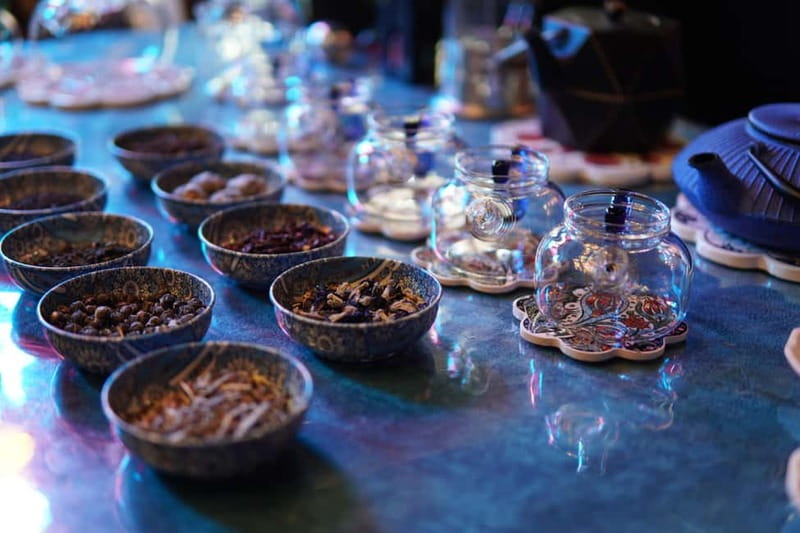
The last stage is the most personal. You create a tea blend suited to your own taste and take it home as a special gift.
This is a small but smart ending. After tasting several styles, you have a better idea of what you like. You may favor a strong black tea, a light floral note, a softer green tea, or something without the same intensity. The blending session turns that preference into a simple souvenir.
The take-home blend is included. Keep in mind that bringing home additional tea beyond the included gift may cost extra. One participant specifically noted this distinction, so do not assume every packet or loose tea on display is part of the $33 price.
I like this souvenir more than a standard packaged product because you have a hand in choosing it. It also extends the workshop beyond Istanbul. When you brew the blend later, you can try to repeat the methods shown in the atelier and see how much the equipment and steeping time change the result.
The activity does not state the size of the take-home gift, so I would treat it as a tasting souvenir rather than a large supply for your whole trip.
Is $33 a fair price for 90 minutes?
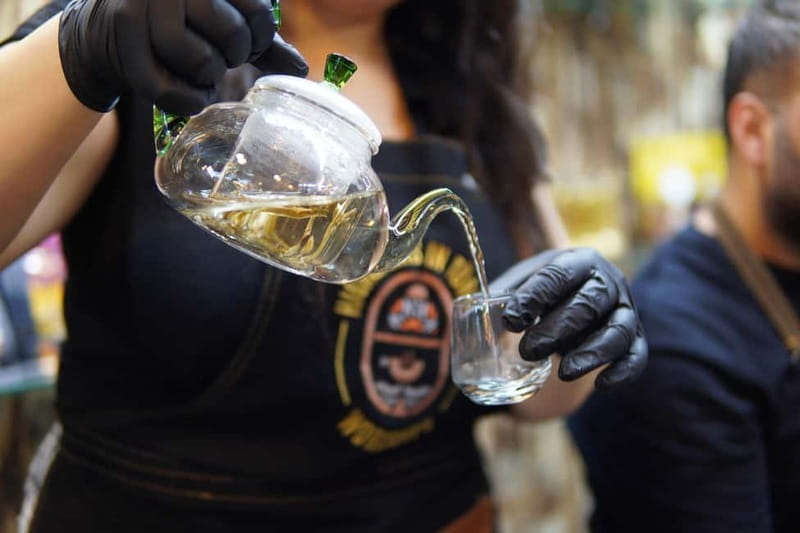
At $33 per person, this is not the cheapest way to drink tea in Istanbul. A café glass costs far less. But a café does not give you five international teas, brewing equipment, instruction in two traditions, snacks, and a personal blend to take home.
The price makes the most sense if you value explanation and hands-on practice. You are paying for the small group, the host’s time, the range of teas, and access to equipment you may not otherwise use. It is also a practical indoor activity if you need a break from sightseeing.
The value is weaker if you only want to sample Turkish black tea or buy tea as a souvenir. You can do both elsewhere for less. The workshop earns its price through comparison and context, not through a large meal or a long tour of Istanbul.
At 90 minutes, the format is compact. You can fit it into a day around Galataport or Galata Tower, but I would not schedule another fixed appointment immediately afterward. A session with many questions can use the full time, and the tea blending activity works better when it is not rushed.
Who will enjoy this Istanbul tea experience?
I would recommend it most strongly to:
- People who already love tea and want to compare brewing methods.
- First-time visitors who want a clear introduction to Turkish tea customs.
- Couples or friends seeking a quiet activity away from the street.
- Solo visitors who enjoy small-group instruction and conversation.
- Anyone looking for a useful, lightweight souvenir.
- Visitors with a spare 90 minutes near Galataport or Galata Tower.
It is also a good choice for an afternoon when the weather makes outdoor sightseeing less appealing, though the provided details do not promise a particular indoor scheduling advantage.
You may want to skip it if you dislike tasting several drinks in a short period or if your main goal is Turkish coffee. A few guides have added a brief look at the sand method of Turkish coffee when time allowed, but coffee is not the main subject. The workshop is about tea.
Language should be straightforward for most English-speaking visitors. The listed teaching languages are English and Turkish, and the session is designed for a maximum of 10 participants. The supplied activity information also describes support in Russian, but the formal language listing names English and Turkish, so confirm your preferred language when booking if that matters to you.
Booking details that affect your plans
The price is $33 per person, and the stated duration is 90 minutes. Starting times depend on availability.
You can reserve now and pay later, which helps if your Istanbul schedule is still changing. Free cancellation is available up to 24 hours in advance for a full refund. Those terms are useful in a city where ferry times, traffic, and sightseeing queues can alter a day’s plan.
The meeting point is a studio near recognizable cafés, not a major monument entrance. Give yourself enough time to locate Arada Beyrut Cafe and Lavander Cafe before the start. Arriving early is especially sensible if you want the full tasting and blending session.
Should you book this tea workshop?
Book it if you want to understand why Turkish tea is served the way it is, not just drink another glass of it. The double-teapot demonstration, thin-waisted glass, international tasting, and custom blend give the 90 minutes a clear shape.
I would give it a stronger recommendation to tea drinkers than to casual sightseers. The price is fair for instruction, small-group attention, snacks, and the take-home blend, but less attractive if you only want a quick local drink.
If you have time near Galataport or Galata Tower, this is a thoughtful way to slow down. Choose it for the Turkish tea culture, the comparison with Chinese brewing, and the chance to leave with something you made yourself.
FAQ
How long does the Istanbul tea workshop last?
The workshop lasts 90 minutes.
How much does the experience cost?
The listed price is $33 per person.
How many teas will I taste?
You will taste five premium teas from around the world. The selection can include Chinese green tea, Turkish black tea, English breakfast tea, white tea, rooibos, and other infusions.
Which brewing methods are taught?
The workshop teaches Turkish double-teapot brewing and Chinese gaiwan brewing.
Do I drink from traditional Turkish tea glasses?
Yes. The experience includes tea served in authentic thin-waisted Turkish glasses, along with an explanation of the tradition and the tea’s rabbit blood color.
Is a take-home gift included?
Yes. You create a personal tea blend and take it home as a special tea gift. Additional tea to take home may cost extra.
Where is the meeting point?
The atelier is between Galataport and Galata Tower, diagonally to the right of Arada Beyrut Cafe and directly across from Lavander Cafe.
What languages are available, and how large is the group?
The listed teaching languages are English and Turkish. The group is limited to 10 participants.
More Food and Drink Tours in Turkey
- Jakarta: Volcano, Tea/Rice Fields, Hot Spring, Local Food
★ 4.9 · 515 reviews - Private Tea Ceremony and Sake Tasting in Kyoto Samurai House
★ 5.0 · 163 reviews - SF’s Chinatown: Tea & Dim Sum Food Tour – Includes full meal, 3hr
★ 5.0 · 153 reviews - Twinings 2-Hour Tea Tasting Masterclass in London
★ 5.0 · 105 reviews
More Breweries in Turkey
- Arashiyama Bamboo, Temple, Monkeys, or Secret Sake Brewery
★ 4.8 · 886 reviews - Unlock Chinese Tea: Culture, Science, Tasting & Hands-on Brewing
★ 5.0 · 12 reviews - Tea Tasting & Brewing Experience
★ 5.0 · 10 reviews
Just added around Turkey
- Trabzon: Uzungöl Private Tour & Explore The Nature & Tea★ 5.0 · 2 reviews
- Full Day Tour In Uzungol Lake with Turkish Tea Tasting★ 4.0 · 21 reviews
- Networking Turkish Tea Tasting in Istanbul – Sip & Connect★ 5.0 · 3 reviews
- World Teas and Turkish Tea Brewing & Tasting Workshop in Istanbul★ 5.0 · 5 reviews
- Rize: Ayder Highland Village & Tea Tasting Private Day Trip★ 5.0 · 5 reviews
- City Of Side:Turkish Bath with Traditional Turkish Tea★ 4.0 · 14 reviews
- Antalya: Frame Glass Painting Workshop with Turkish Tea★ 5.0 · 8 reviews
- Card Game and Afternoon Turkish Tea with Local Grandma★ 5.0 · 7 reviews
Turkish Tea Experiences, compared.
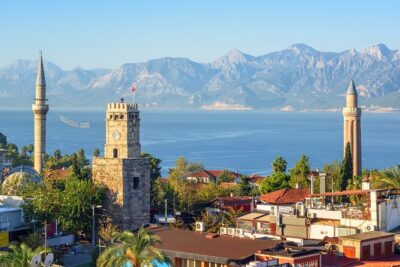
Antalya: Old Town Walking Tour incl. Turkish Tea and Baklava
Read our review →
Full Day Tour In Uzungol Lake with Turkish Tea Tasting
Read our review →
City Of Side:Turkish Bath with Traditional Turkish Tea
Read our review →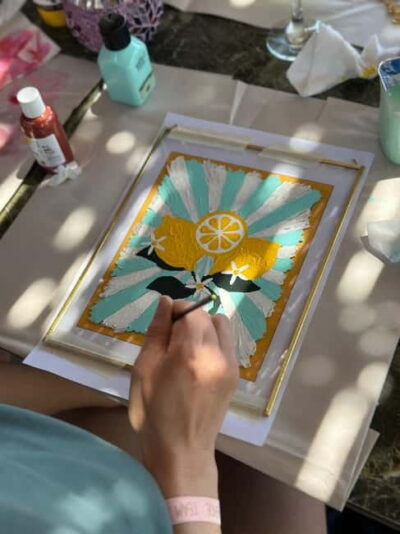
Antalya: Frame Glass Painting Workshop with Turkish Tea
Read our review →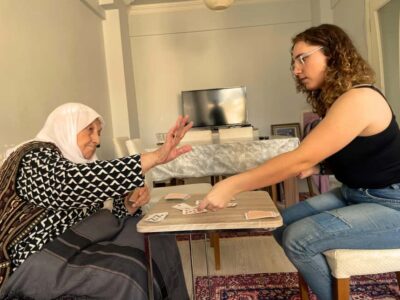
Card Game and Afternoon Turkish Tea with Local Grandma
Read our review →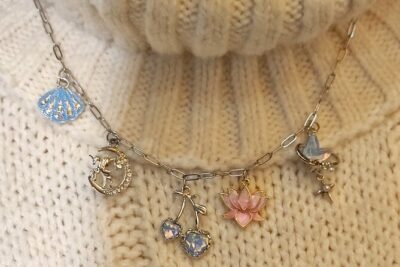
Handmade Charm Jewelry Workshop in Galata with Turkish Tea
Read our review →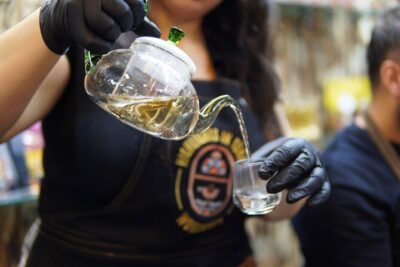
World Teas and Turkish Tea Brewing & Tasting Workshop in Istanbul
Read our review →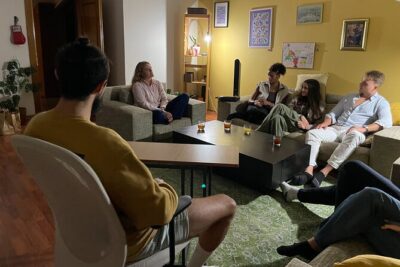
Networking Turkish Tea Tasting in Istanbul – Sip & Connect
Read our review →Browse the lists this tour appears in