
Review · SHANGHAI
Unlock Chinese Tea: Culture, Science, Tasting & Hands-on Brewing
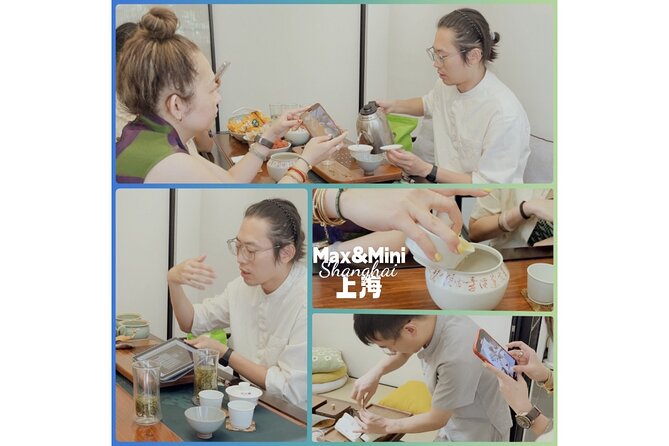
Chinese tea becomes much easier to understand when you taste it side by side instead of simply hearing names in a shop. In this small Shanghai workshop, Max leads you through tea history, processing, flavor, and etiquette, then puts a gaiwan or clay pot in your hands so you can brew for yourself.
I like two things right away: the session connects tea to Chinese culture without losing the practical side, and the tasting lets you compare several teas rather than settle for one ceremonial cup. The main consideration is the price, $72 per person, which is fair for a small, hands-on class but more than a quick tea tasting.
Key points to know
- Max leads every session: You get one consistent guide, an English-speaking tea and Chinese culture specialist with a training background.
- Small groups matter: The maximum is seven people, with some sessions available as one-on-one experiences.
- Six tea categories are covered: You learn how green, black, oolong, and other tea types differ in processing and taste.
- You brew the tea yourself: Practice with tea ware such as gaiwans and clay pots, rather than only watching a demonstration.
- Tea snacks are part of the lesson: Expect snacks and seasonal fruit, with an explanation of how food fits a tea session.
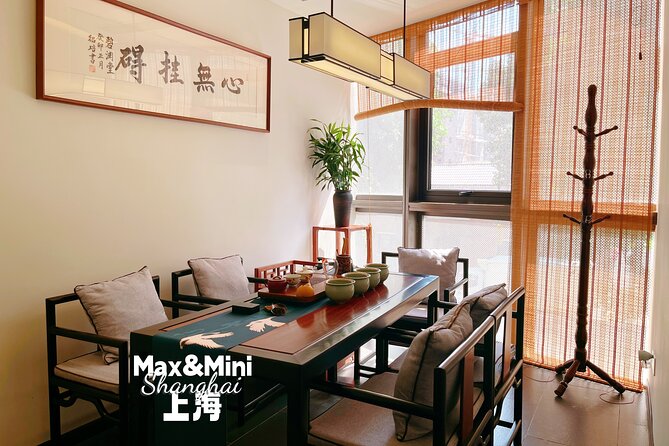
- The setting is practical: A private, air-conditioned tea room near Shanghai’s Old Town provides a comfortable place to sit, taste, and ask questions.
Why this Shanghai tea workshop works
Many tea activities give you a pretty pot, a few sips, and a short explanation. This one aims for something more useful: by the end, you should understand what you are tasting and feel more comfortable brewing Chinese tea at home.
The format combines a short cultural lesson with tasting and practice. That balance matters. Tea can become a blur of unfamiliar names, but comparing cups and handling the equipment gives the information a clear shape.
Max is the sole guide, so the tone is personal rather than scripted. His earlier work as a PayPal environmental, social, and governance lead and senior trainer also helps explain the teaching-focused format. He is not simply pouring tea. He explains, answers questions, and adjusts the session for beginners or people who already know their way around Chinese tea.
The workshop lasts about two and a half hours. That is enough time for more than a quick introduction, though it also means you should not book it if you want a brief stop between sightseeing appointments.
More Tea Tastings in China:
- Tea Tasting and Pairing Concept Workshop
★ 5.0 · 57 reviews - Biking Real Shanghai& Tea Tasting Experience
★ 4.5 · 45 reviews - Private Shanghai City and Zhujiajiao Combo Tour with Boating, Tea Tasting, Lunch
★ 5.0 · 15 reviews
Meeting Max near Shanghai’s Old Town
The meeting point is 宁海招待所, also shown as China, Shanghai, Huangpu District, Nan Che Zhan Road, Lane 149, No. 100, postal code 200011. The activity starts and finishes at this same location.
The setting is close to Shanghai’s Old Town, which gives the outing a useful local context. You are not being rushed from one famous sight to another. Instead, you spend the time in a tea house room set up for learning, with air conditioning and brewing equipment ready for use.
Be careful with the address. The English and Chinese versions are both provided, and the Chinese address may be more useful to show a taxi driver or use in a map app. Since the experience ends where it begins, you can plan another nearby activity afterward without arranging a second pickup.
The room is private and cozy rather than grand. That is a plus if you want to ask basic questions without feeling awkward. It may be less appealing if you are looking for a large traditional tea-house performance or a sightseeing tour with several stops.
From herb to everyday drink
The cultural section traces tea’s movement from an herbal substance to one of China’s everyday drinks. You hear how tea developed through different Chinese dynasties and how its place in daily life changed over time.
This historical frame gives the tasting more meaning. Green tea is not simply one flavor, black tea is not just a stronger version, and oolong is not a single fixed style. Each category reflects choices made during production, and those choices affect the color, aroma, body, and finish in your cup.
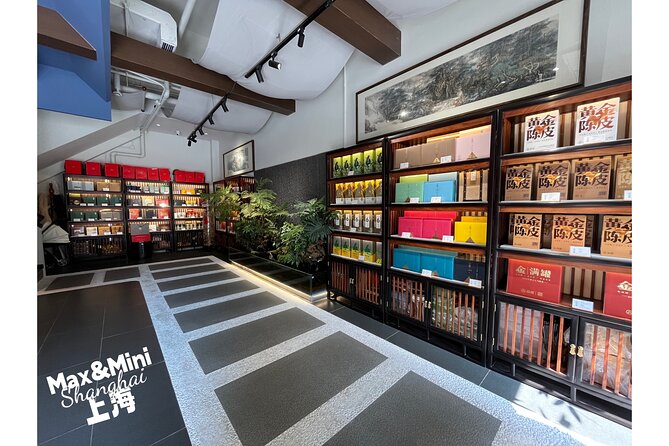
The workshop uses visual aids to explain these categories and their processing. That is useful for anyone who has stood in front of a Chinese tea shelf and wondered why the packages seem to offer an entire vocabulary lesson.
The aim is not to turn you into a tea scholar in one afternoon. It is to give you a working map. You learn the broad differences among China’s six major tea categories, then connect those differences to actual samples.
Tasting several teas side by side
The tasting is the heart of the activity. You sample several Chinese teas selected to show typical features, then compare their profiles.
A side-by-side tasting teaches more than a single cup. You can notice how one tea may seem light and fresh while another has a deeper or more roasted character. You also begin to separate aroma from taste and strength from quality, two points that are easy to confuse when you are new to tea.
The exact selection may vary, but the experience covers the major Chinese categories, including green, black, and oolong tea. The material also refers to five different teas and to six types, so you should think of the session as a broad tasting rather than a fixed flight with a guaranteed number of cups.
Max explains what to look for and gives you a basic way to assess each tea. This is especially helpful if you want to buy tea later in your trip. You may not leave with expert-level tasting skills, but you should have better questions to ask and a clearer idea of what you enjoy.
The pace also leaves room for questions. That makes the workshop a better fit for curious beginners than for anyone who wants a silent, highly formal tea ceremony.
A few more tea experiences around China worth a look
- Tea Tasting & Brewing Experience
★ 5.0 · 10 reviews - Arashiyama Bamboo, Temple, Monkeys, or Secret Sake Brewery
★ 4.8 · 886 reviews - Istanbul: World Teas & Turkish Tea Brewing, Tasting Workshop
★ 4.8 · 29 reviews - World Teas and Turkish Tea Brewing & Tasting Workshop in Istanbul
★ 5.0 · 5 reviews
The science behind processing and flavor
Tea leaves do not become green, black, or oolong tea by accident. Processing changes the final cup, and this workshop explains that link in plain terms.
The science portion helps answer practical questions. Why do teas from the same plant taste so different? Why can one tea be delicate while another is bold? What role does the crafting process play in aroma and color? You will explore those issues through the visual material and the samples in front of you.
I like this approach because it turns technical information into something you can test with your own senses. Instead of memorizing a list of tea names, you can connect the production method to what you see and taste.
The class is also useful for people who already have some brewing experience. One attendee with substantial tea knowledge received room to exchange ideas rather than being treated as a complete beginner. That suggests the session can adapt reasonably well, though the small-group format is still centered on teaching the fundamentals.
Brewing with a gaiwan and clay pot
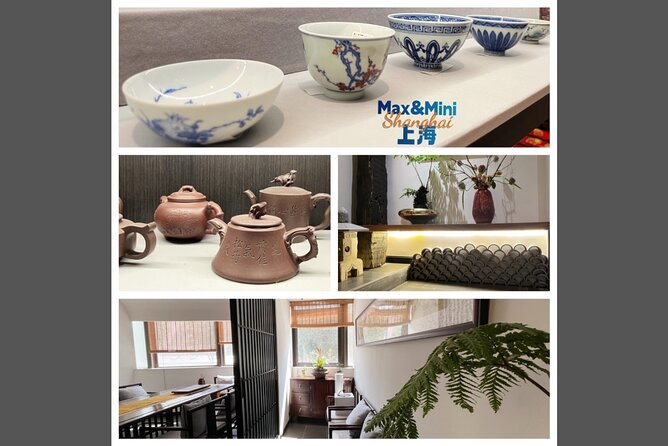
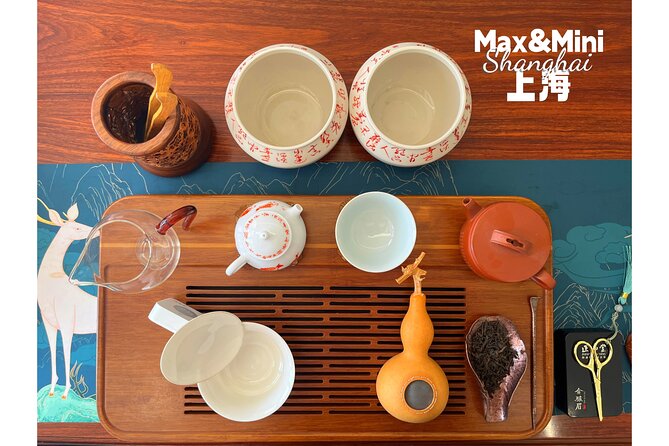
After the tasting, you get to practice. The equipment includes traditional tea ware such as a gaiwan and clay pots, and Max explains how to use them and handle the basic etiquette.
A gaiwan is a lidded bowl used for brewing and pouring tea. It can look simple, but handling hot water, leaves, lid, and cup takes a little coordination. Practicing in the room is far more useful than buying one in Shanghai and trying to work it out alone.
The clay pot gives you another brewing method to compare. The point is not to create a perfect ceremony for photographs. It is to help you understand how Chinese tea is prepared and to give you a repeatable method you can use at home.
This practical section is one of the strongest reasons to book the class. You are not only told what Chinese tea culture means. You take part in a small piece of it, with Max correcting mistakes and answering questions as you go.
Expect the session to be friendly rather than stiff. The information is serious, but the approach is interactive and intended to be enjoyable.
Tea snacks, seasonal fruit, and the social side
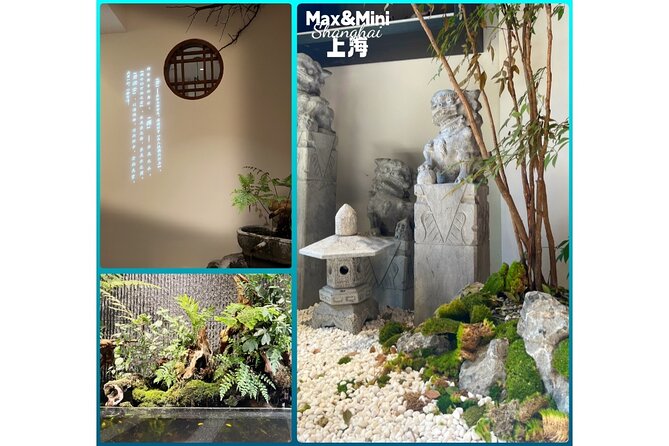
Tea in China is not only about the liquid. Snacks are included, with seasonal fruit such as pomelo mentioned as one example.
The food gives you another way to understand tea culture. A snack can change how a tea tastes, and offering food helps turn a tea session into a social occasion rather than a technical tasting. Max also explains what people may eat alongside tea, so the snacks function as part of the lesson instead of a random extra.
Do not book this expecting a full meal. The snacks are there to support the tea experience, not replace lunch or dinner. If you have dietary restrictions, the available information does not specify alternatives, so ask in advance.
The air-conditioned room is another practical advantage. Shanghai can be hot and humid, and a cool indoor setting makes a two-and-a-half-hour class much easier to enjoy.
Is $72 a fair price?
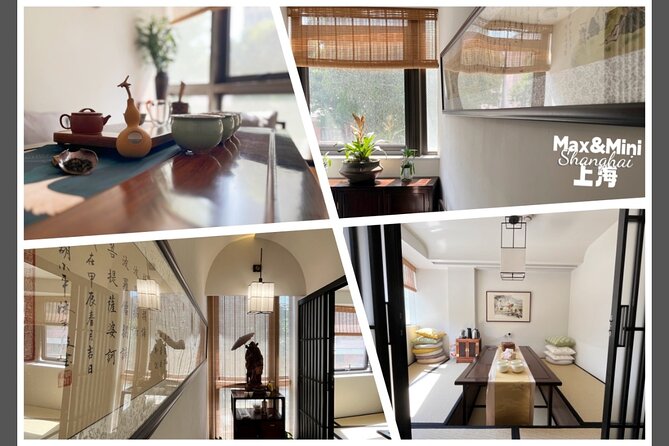
At $72 per person, this is not the cheapest way to taste tea in Shanghai. You can certainly buy a cup or sample tea in a shop for far less.
The value comes from the instruction and the small group. Your fee covers a private tea room, several tastings, snacks, historical and scientific explanation, traditional tea ware, and guided practice. With a maximum of seven people, you should have a real chance to ask questions and handle the equipment.
The price looks especially reasonable if you want to understand tea beyond the souvenir level. It is less compelling if you only want to drink tea in a pleasant room or take a short break from sightseeing.
Group discounts are available, which may help if you are booking with friends or family. Some sessions have also been conducted one-on-one, but you should not assume that every booking will be private. The stated maximum is seven people.
Who will enjoy this most?
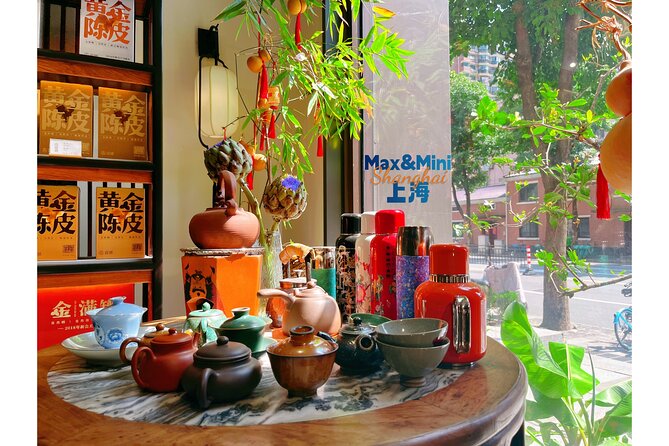
I would choose this activity if you fit one of these descriptions:
- You are new to Chinese tea and want a clear introduction.
- You enjoy food and drink experiences that explain the culture behind them.
- You want to learn how to use a gaiwan or clay pot.
- You are planning to buy tea in China and want better tasting vocabulary.
- You already know a little about tea and enjoy asking detailed questions.
- You want a quiet indoor activity near Shanghai’s Old Town.
Families may also find the learn-by-doing format more engaging than a lecture, though the provided information does not set a minimum age. People who dislike sitting for a long explanation may find the session slow, even though tasting and brewing break it up.
The activity is also a good choice for a rainy or hot afternoon. You stay in one air-conditioned room, so the experience does not depend on good weather.
Practical details before booking
Confirmation is provided when you book, and mobile tickets are accepted. The experience is near public transportation, but the supplied details do not identify a specific subway exit or bus stop, so allow time to match the Chinese address carefully.
Service animals are allowed. The group maximum is seven people, and the activity returns to the starting point.
Tips for Max are not included. If you appreciate the teaching and personal attention, you can tip at your discretion.
Cancellation is flexible up to a point. You receive a full refund if you cancel at least 24 hours before the start time. Cancellations or changes made within 24 hours are not refunded or accepted, and the cut-off follows Shanghai local time.
Should you book this tea experience?
Book it if you want more than a decorative tea ceremony. The strongest parts are Max’s personal teaching, the comparison of several tea styles, and the chance to brew with traditional equipment yourself.
Skip it if you want a fast tasting, a large sightseeing itinerary, or the lowest possible price. For everyone else, $72 buys a focused cultural lesson with snacks, practical skills, and enough time to make Chinese tea feel less mysterious. It is a particularly good choice early in a Shanghai visit, since what you learn can improve every tea shop, meal, and market stop that follows.
FAQ
Where does the tea workshop meet?
It meets at 宁海招待所, China, Shanghai, Huangpu District, Nan Che Zhan Road, Lane 149, No. 100, postal code 200011.
Where does the activity finish?
The activity ends at the same meeting point where it begins.
How long does the experience last?
The workshop lasts approximately two hours and 30 minutes.
How many people can join?
The maximum group size is seven people.
Who leads the workshop?
Max leads the sessions. He is a certified English guide specializing in Chinese culture and tea.
What kinds of tea will I taste?
You will taste several Chinese teas and learn about China’s six major tea categories, including green, black, and oolong tea.
Is brewing equipment provided?
Yes. The private tea room includes practice tea ware, including gaiwans and clay pots.
What is included with the tea tasting?
Chinese tea, snacks, seasonal fruit such as pomelo, and use of the private air-conditioned tea room are included. Tips for the host are not included.
More Workshops in China
- Beijing: Dumpling Making Workshop with Meal and Tea
★ 4.7 · 69 reviews - Beijing: Temple Of Heaven+Tai Chi Class+Tea Ceremony
★ 5.0 · 8 reviews - Beijing Hands-On Culture Tour: Tea, Instrument, Calligraphy
★ 5.0 · 6 reviews - Xi’an Chinese Calligraphy Workshop: Ink Art & Tea Tasting
★ 5.0 · 4 reviews
More Food and Drink Tours in China
- Shanghai 3-Hour Afternoon Tea Tasting and Dessert Tour
★ 4.9 · 15 reviews - 3-hour Morning/Afternoon Tea Tasting on Maliandao Street & Dimsum
★ 5.0 · 7 reviews - Puer Tea Picking and Tasting | 6 Hour Morning Trip
★ 5.0 · 7 reviews - Xi’an Noodle Making and Tea Tasting Experience
★ 5.0 · 6 reviews
Just added around China
- Xi’an Chinese Calligraphy Workshop: Ink Art & Tea Tasting★ 5.0 · 4 reviews
- Xi’an Noodle Making and Tea Tasting Experience★ 5.0 · 6 reviews
- Half-day Tour: Largest Tea Plantation & Amazing Xianggong Hill★ 5.0 · 9 reviews
- Xi’an Calligraphy & Tea Ceremony – Dive into Ink & Brush Artistry★ 5.0 · 4 reviews
- Full-day Tour: Spectacular Sunrise, Tea Plantation & Sunset★ 5.0 · 3 reviews
- 3 hours Xi’an Mahjong Class with Local Tea★ 5.0 · 2 reviews
- Shanghai Mahjong Experience in Local Tea Bar★ 5.0 · 4 reviews
- Chinese Tea Ceremony Experience★ 5.0 · 3 reviews
Tea Tastings, compared.
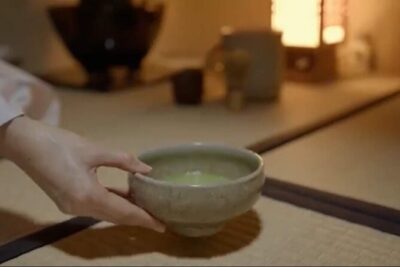
Private Tea Ceremony and Sake Tasting in Kyoto Samurai House
Read our review →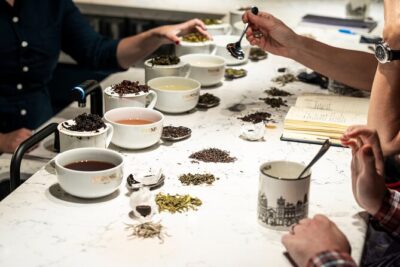
Twinings 2-Hour Tea Tasting Masterclass in London
Read our review →
Wadmalaw Island Wine Tasting and Tea Garden Trip
Read our review →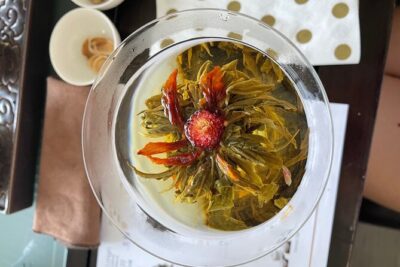
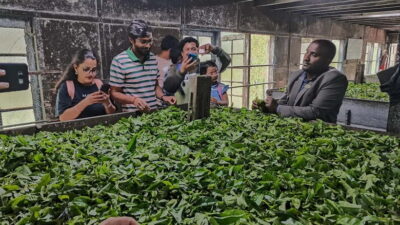
Matcha Experience with of Japanese Tea Tasting in Tokyo
Read our review →
World Teas & Turkish Tea Brewing, Tasting Workshop
Read our review →Browse the lists this tour appears in