
Review · JAKARTA
Jakarta :Volcano, HotSpring, Tea Factory, RiceField, &Coffee
Tangkuban Perahu is the headline, but the best part of this long day is how much rural West Java you see along the way. You move from Jakarta’s city streets into rice fields, rubber trees, tea gardens, and mountain villages, with stops that make the scenery feel more real than a quick volcano visit would.
I like the private car and guide, since you can ask questions, adjust the pace, and request a local meal. I also like the mix of food, farming, industry, and nature: pineapple tasting, a working tea factory, a sulfur crater, luwak coffee, and a hot spring all fit into one outing.
The trade-off is clear: this is a very long day, with roughly three hours of road travel to Bandung and back. Traffic can stretch the schedule, and the volcano trek requires steady walking. Still, for a first look at the countryside beyond Jakarta, the variety is hard to beat.
Key points at a glance
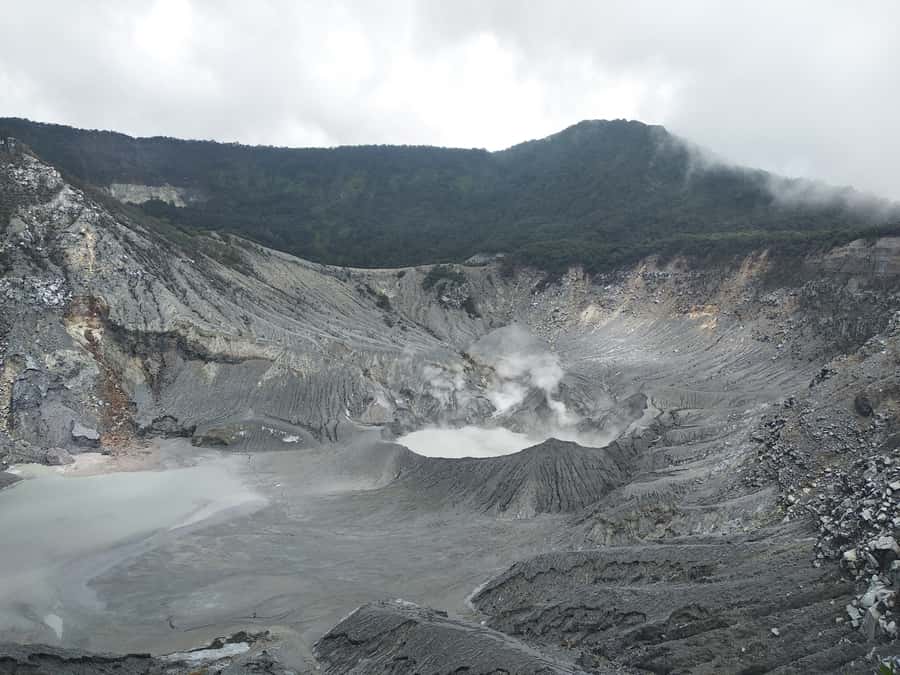
- Tangkuban Perahu crater: Walk beside an active volcano, smell the sulfur, and watch steam rise from the crater.
- Tea production in Ciater: See how black tea moves from picked leaves to packaged product, then walk through the plantation.
- Private touring: Hotel pickup, a private car, an English-speaking guide, tolls, parking, and entry fees are included.
- West Java food stops: Taste fresh pineapple and learn about luwak coffee, with the coffee drink itself paid separately.
- Hands-on rural views: Stop by rice fields and see farmers at work rather than only passing through by car.
- Sari Ater finish: Soak your feet in warm sulfur water before the drive back to Jakarta.
Why this Jakarta day trip works
Jakarta can feel like a world apart from the farming country and volcanic highlands of West Java. This outing gives you a practical way to connect the two without arranging several separate transfers, tickets, and local guides.
The route is not built around one grand attraction. Instead, it strings together several modest but worthwhile stops. You see how tea is made, watch rural activity near rice paddies, taste fruit grown in the region, and visit a volcano that still releases sulfur fumes. That variety gives the day a useful sense of place.
I especially like that the route includes working agriculture. A pineapple tasting can sound like a small stop, but it gives you a reason to pause and notice what grows in the highlands. The rice-field visit adds another layer, letting you see local farmers and daily work rather than only taking mountain photographs.
This is also a private tour, not a shared minibus outing. That matters on a 12-hour day. You can ask your guide to explain customs, farming, or Indonesian food, and the guide can help manage the timing when weather or traffic changes the plan.
More Tea Factory Tours in Indonesia:
- Volcano, Hot Spring, Tea Factory, rice fields and Coffee Tour
★ 5.0 · 25 reviews - Sunrise Sunan Ibu,Kawah Putih,Volcano,Tea factory,Hot spring
★ 5.0 · 5 reviews - Uva Halpewatte Tea Factory Tour in Ella Sri Lanka
★ 5.0 · 653 reviews
The long ride from Jakarta into West Java
Hotel pickup and drop-off inside Jakarta are included. If you arrive by cruise ship, pickup takes place at the passenger arrival gate at Tanjung Priok, where the guide waits with a sign bearing your name.
Expect the road portion to take about three hours in total for the outward and return journeys. That is a rough guide rather than a guarantee. Traffic is a major factor, so I would not book this on a day when you have a tight evening flight, train, or dinner reservation.
The drive is part of the experience. As the route reaches the highland area, you pass rice paddies, rubber plantations, tea plantations, villages, and roadside views. A good guide can turn these stretches into a moving lesson about local life. Neti, one of the guides associated with this experience, has been praised for keeping conversation lively while explaining Indonesian culture and history. Drivers including Fandi, Afandi, and Robbie have also received strong praise for calm, careful driving.
Bring a jacket. Highland air can feel cooler than Jakarta, and the volcano area may be misty or damp. Comfortable shoes are more important than stylish ones, especially if you choose the longer crater walk.
Pineapple tasting and the first look at rural Subang
The first short stop is at a fruit-growing area known as Fruit Paradise. You have time for photographs, local snacks, and a taste of fresh pineapple from West Java.
This is a brief stop, listed at about 15 minutes, so think of it as a taste and photo break rather than a full farm visit. The pineapple is the point. Fresh local fruit gives you a quick connection to the crops grown in the region, and it breaks up the drive before the more substantial visits begin.
The route then passes through Subang Regency, with another short pause for views and photographs. You may see rice fields, rubber trees, tea plants, and village life from the road. This section is most valuable if you pay attention to the changes in terrain instead of treating it as simple transport between attractions.
Rice fields and everyday work
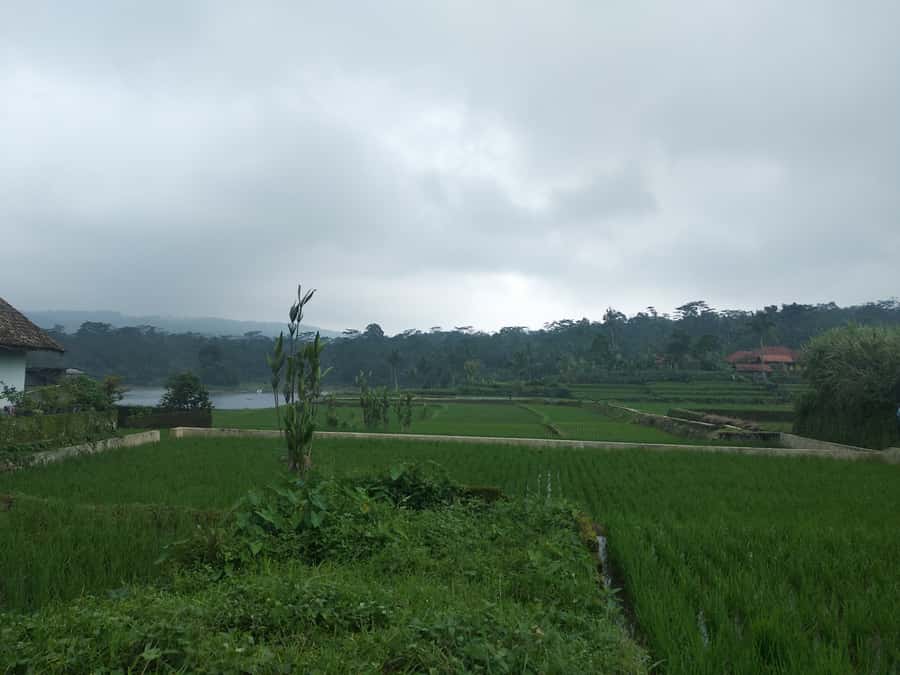
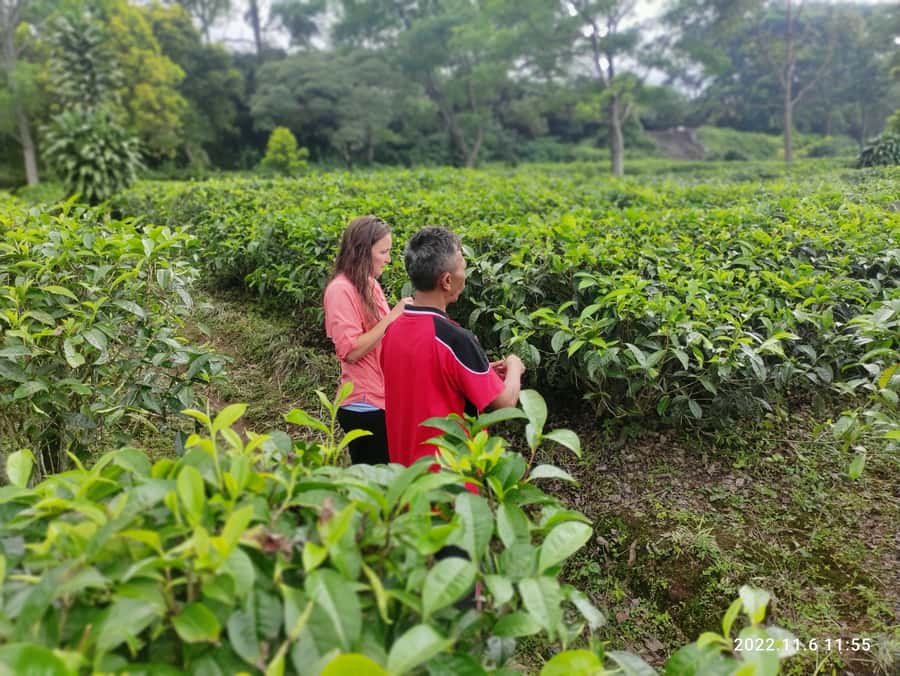
The rice-field stop is one of the most worthwhile details in the program. You get closer to local farmers and see some of the activity that supports rural life in Java.
The exact farming work will depend on the season and the time of day. The available information does not promise a particular crop stage or a hands-on activity, so I would treat this as an observation stop, not a farming workshop.
You should also respect the setting. Ask your guide where you may walk and take photographs, and avoid stepping into planted fields unless clearly invited. The value here is not a staged show. It is a chance to notice the small routines and working spaces that a passing car cannot reveal.
More Coffee Stops in Indonesia:
- Istanbul Highlights: Guided Tour with Turkish Tea or Coffee
★ 5.0 · 278 reviews - Melbourne City Cruise with Tea, Coffee, and Commentary
★ 4.3 · 189 reviews - Coffee – Wine – Tea Da Lat’s Agricultural Treasures Tour
★ 4.8 · 63 reviews - Explorer Border road and Nature ( Tea and Coffee )
★ 4.7 · 21 reviews
Walking beside Tangkuban Perahu volcano
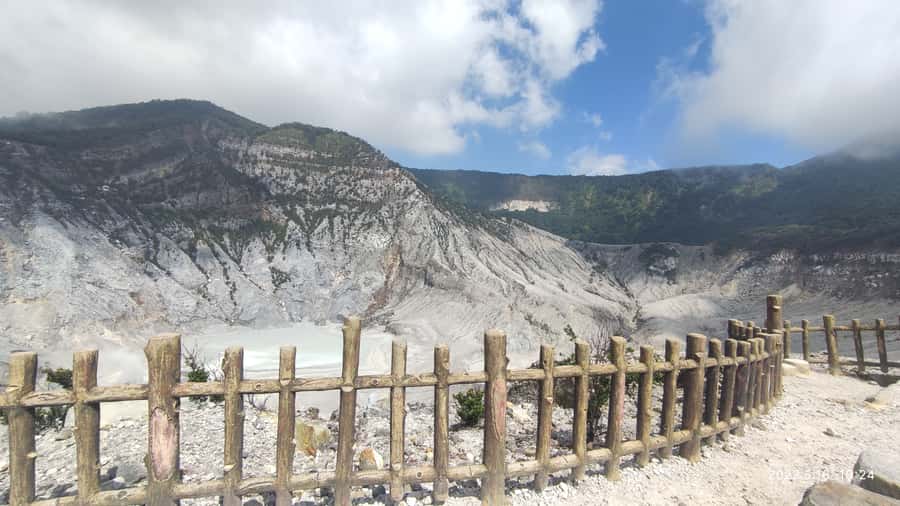
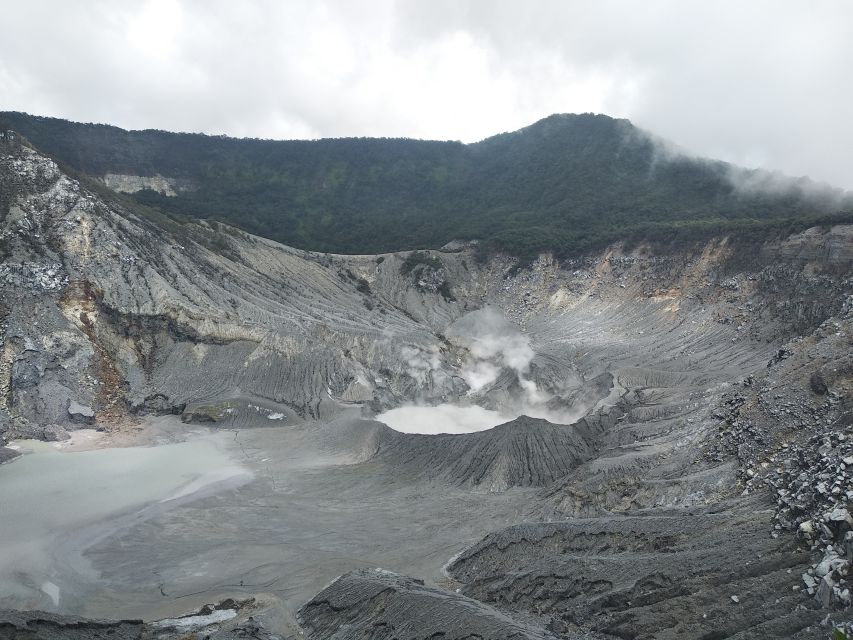
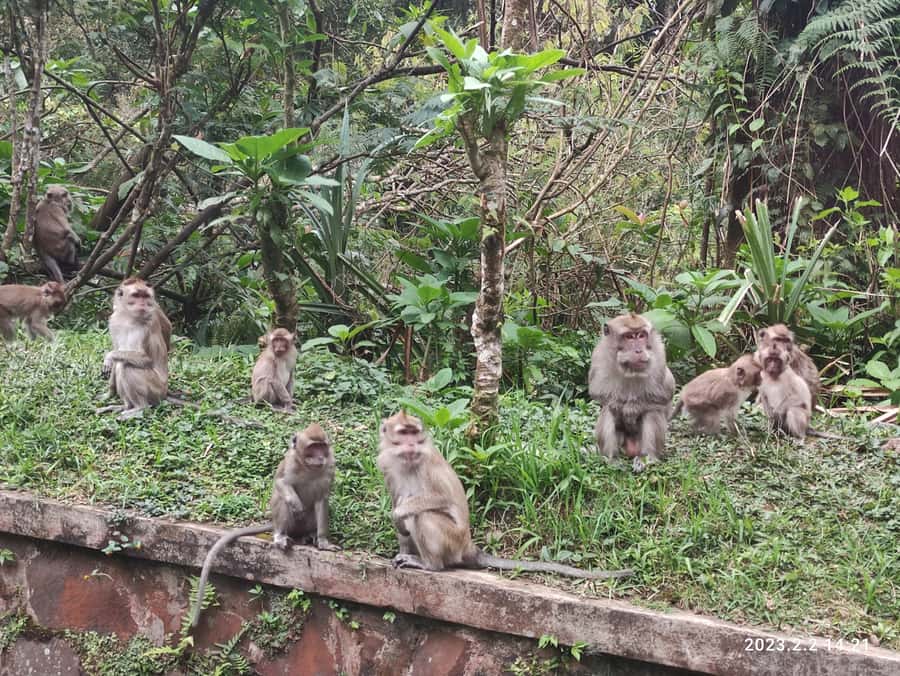
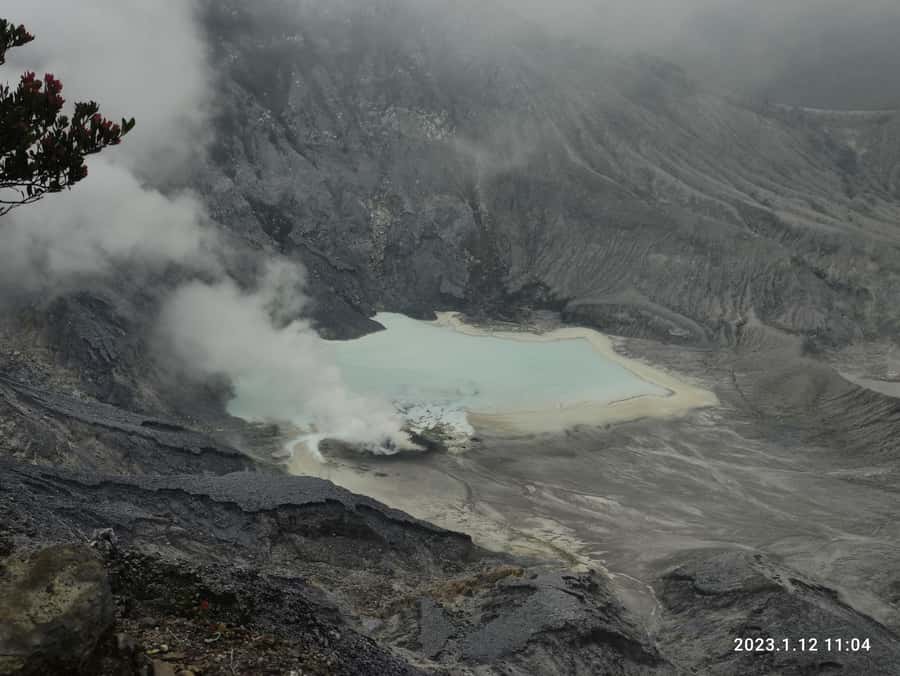
Tangkuban Perahu is the dramatic center of the day. The volcano is active, and at the main crater you can smell sulfur and watch fumes rise from the ground.
The standard volcano visit lasts about 80 minutes. You can walk along the main crater area and take in the views without committing to the longer route. The weather may affect what you see. Mist can cover the crater, and rain with thunder means the deeper walk is not allowed.
If conditions are safe and you want more exercise, you may trek toward the bottom of the crater. The round trip is about 3 kilometers. This is not a casual stroll in sandals, so wear proper walking shoes and comfortable clothing. The route gives you a closer look at the crater and broader views, but it is optional.
I like the safety rule here. A flexible guide may adjust the order of the day if the crater is hidden by mist, then return when visibility improves. One group had exactly that kind of weather change, with coffee used as a temporary alternative before the crater cleared. That is a good reminder to judge the day by the whole route, not by one cloudy stop.
People with respiratory problems or altitude sickness should think carefully before booking. The sulfur smell and walking conditions may not suit you. The tour is also not suitable for wheelchair users.
Lunch in Lembang
Lunch is scheduled in Lembang for about 70 minutes at an Indonesian restaurant. Lunch is not included in the price, so bring cash or be ready to pay for your own meal.
This is a useful pause after the volcano walk. You can ask the guide about local dishes and choose according to your appetite. The tour description does not promise a particular restaurant or menu, so I would not book this expecting a special tasting menu. The value is having time for a proper Indonesian meal rather than eating hurriedly in the car.
The private format helps here. If you have a food request, you can discuss it with the guide. One past outing included a requested nasi padang meal, showing that the schedule can sometimes be adjusted to suit the group.
Luwak coffee at Cikole
The coffee stop lasts about an hour and explains how luwak coffee is produced. You can learn why this Indonesian specialty is expensive and try the coffee, but the drink is not included in the tour price.
That extra charge is worth noting before you go. The stop is partly educational, so you can still learn about the process even if you decide not to buy a cup or any coffee products. Bring cash for personal spending and ask the price before ordering.
Luwak coffee is often presented as a rare Indonesian product, but the important thing for you is to listen carefully to the explanation and decide what you are comfortable purchasing. This is a commercial stop as well as a cultural one. It may suit coffee fans, while someone who dislikes coffee could find the hour less useful.
Ciater tea plantation and factory
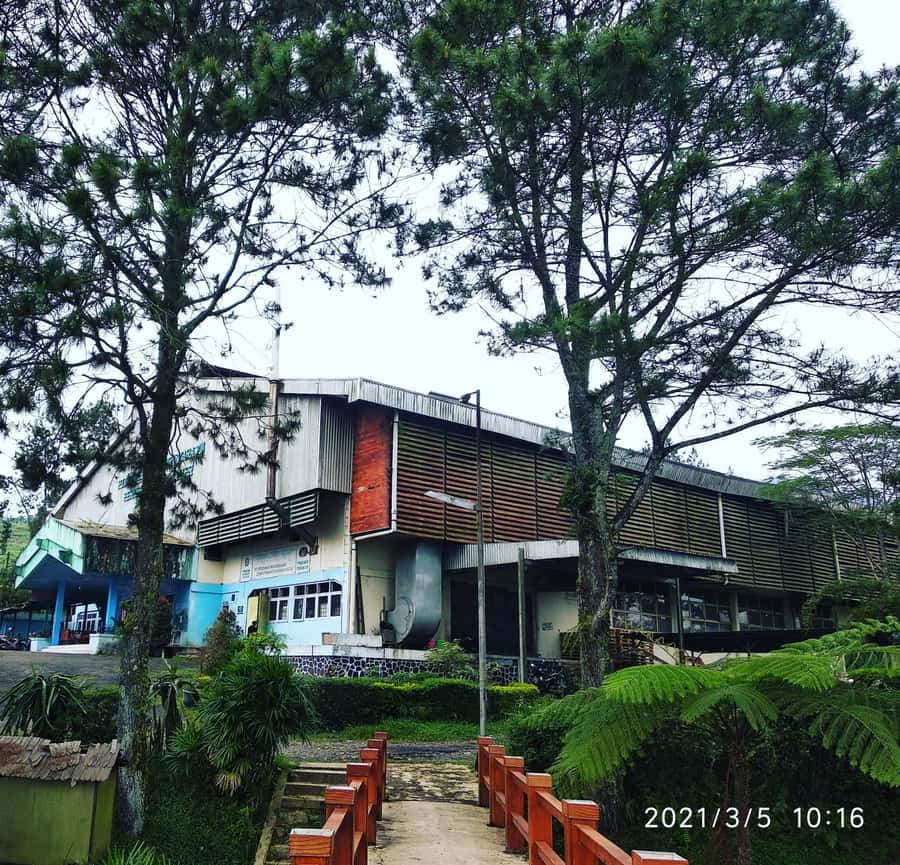
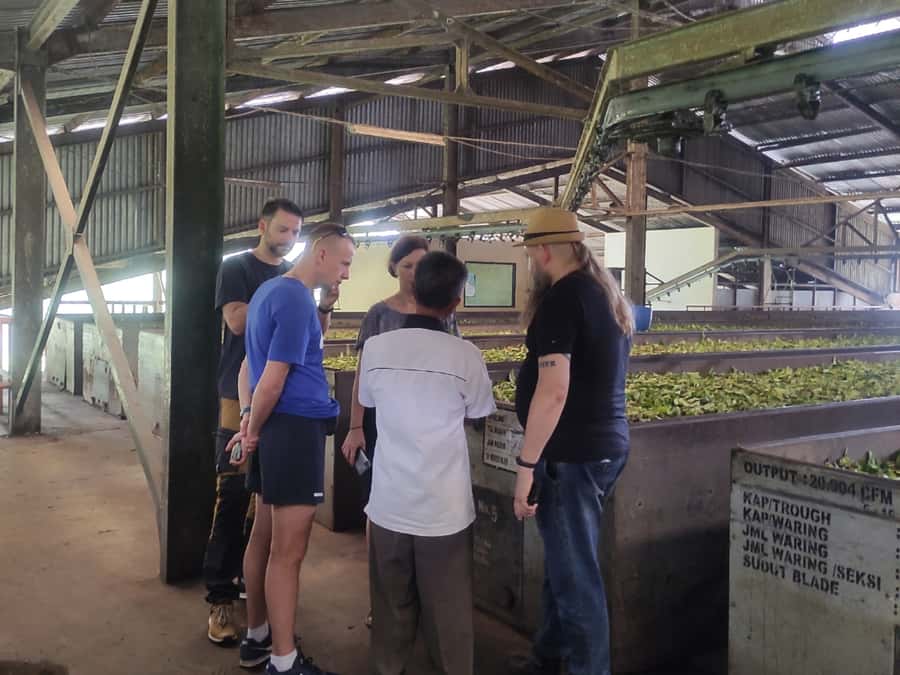
The tea visit is one of the strongest parts of the day. At Kebun Teh Ciater, you walk through a tea plantation, enjoy views across the valley, and visit a factory that produces black tea.
The factory tour explains the process from leaf picking through production and packaging. An officer provides the details, and tea is available to drink during the visit. That combination gives you both the outdoor setting and the industrial steps behind a familiar drink.
I find this more satisfying than simply stopping for a tea plantation photograph. You see the plants, then learn what happens after the leaves leave the field. The guide can also help connect the factory process with the farming views you saw earlier.
There is one scheduling point to watch: the tea factory may not be operating every Monday. The plantation visit may still be worthwhile, but the factory process is the part most affected. If seeing production is essential, check the operating day before you reserve.
Finishing at Sari Ater Hot Spring
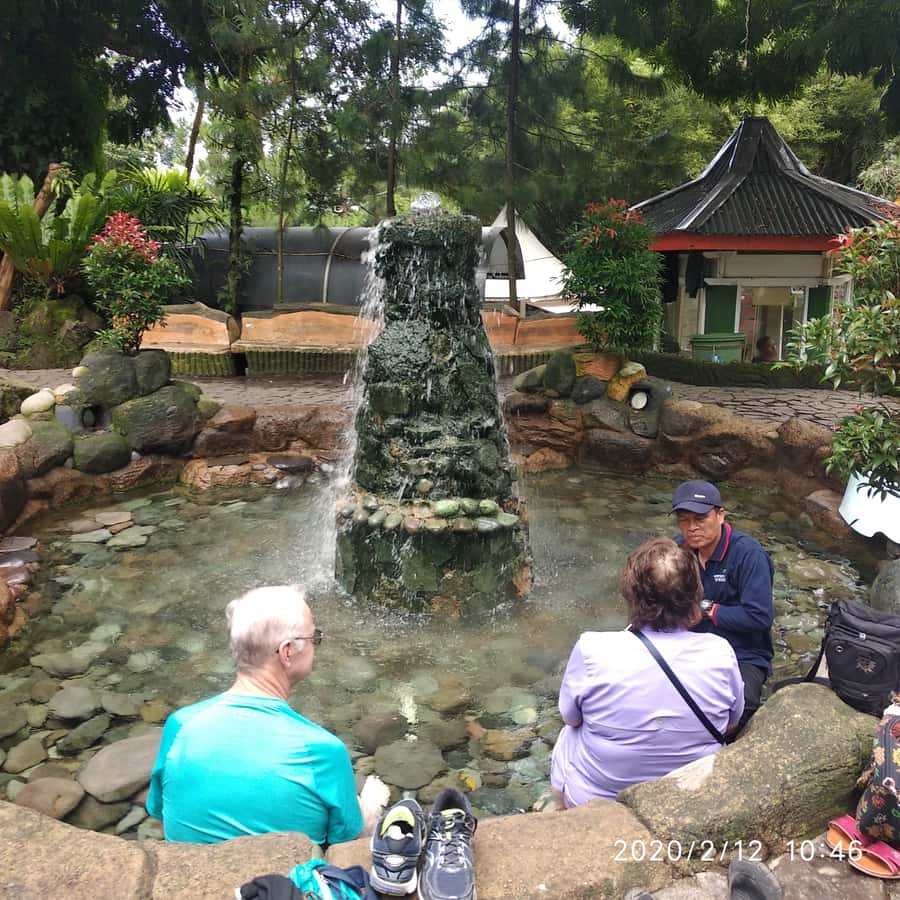
The final stop is Sari Ater Hot Spring, where you can walk around and soak your feet in warm sulfur water. The planned visit lasts about 40 minutes.
The description also lists swimming, but the central promise is a foot soak. Bring a towel and comfortable clothes. This is a simple way to end an active day, especially after the volcano walk and long hours in the car.
Do not expect a quiet private spa. This is a public hot spring stop, and the experience is best understood as a short local bath visit rather than a full wellness treatment. The sulfur water is the attraction, and the short stop gives you time to relax before returning to Jakarta.
What the $123 price includes
At $123 per person, the price is easiest to judge by the amount of transport and coordination included. You receive private hotel pickup and drop-off, a private car, an English-speaking guide, volcano and hot spring entry fees, tolls, parking, mineral water, pineapple tasting, and the tea factory visit with tea.
For a single person, that price may feel high compared with a shared bus tour. For two or more people, the private format makes more sense because you are paying for dedicated transport and guide time rather than simply buying a seat.
You still need to budget for lunch, the luwak coffee drink, and personal purchases. Cash is useful for these extras. The tour is not all-inclusive, but the main admissions and several small tastings are covered, which keeps the day’s costs fairly predictable.
The strongest value comes from variety and convenience. You could arrange separate transport to the volcano, tea region, and hot spring, but doing so would take more planning and may cost more once drivers, entry fees, and local help are added.
Who should book this experience?
I would recommend it to you if you want to see rural West Java but have limited time in Indonesia. It suits first-time visitors who want a broad introduction to farming, tea, volcanoes, fruit, coffee, and hot springs in one day.
It is also a good match if you prefer private touring. Guides such as Neti can explain the culture and history in English, answer questions, and help shape the day when weather changes. The private setup is especially useful for families or couples who do not want to follow a fixed shared-group pace.
I would hesitate if you dislike long drives, have limited mobility, or want a slow, restful day. The schedule is full, the road time is significant, and the crater trek can be demanding. People with respiratory issues or altitude sickness should not treat the sulfur crater as a minor stop.
The best approach is to think of this as a full West Java sampler. You will not spend half a day at each place, but you will come away with a much wider sense of the region than a simple volcano transfer would provide.
FAQ
Is hotel pickup included in Jakarta?
Yes. Hotel pickup and drop-off inside Jakarta are included. Cruise passengers can meet the guide at the passenger arrival gate at Tanjung Priok, where the guide will hold a sign with the passenger’s name.
How long does the tour last?
The tour lasts 12 hours. The total journey includes about three hours of travel between Jakarta and Bandung, with the remaining time spent at the stops.
Is this a private tour?
Yes. The tour uses a private group arrangement and does not combine your booking with other participants.
Is lunch included?
No. Lunch at an Indonesian restaurant in Lembang is not included. The lunch stop lasts about 70 minutes, and you pay for your own meal.
Do I have to trek to the bottom of the volcano crater?
No. The longer trek is optional. It takes about 3 kilometers round trip and depends on weather conditions. During rain with thunder, you may only walk along the main crater area.
Is luwak coffee included in the price?
No. The luwak coffee drink is not included. The visit includes an explanation of how the coffee is made, while the drink and other personal purchases are paid separately.
Should you book this tour?
Book it if you want one well-organized day outside Jakarta and are comfortable with a long drive. The combination of Tangkuban Perahu, tea production, rice farming, pineapple, coffee, and hot spring time offers real variety, while the private car and guide keep the complicated parts simple.
Skip it if your priority is a relaxed schedule, a quiet spa visit, or an in-depth volcano trek. For everyone else, this is a strong choice for seeing the countryside, especially when a flexible guide such as Neti can adjust the plan around mist, rain, and your interests.
Just added around Indonesia
- Yogyakarta: Prambanan Tour, Sukuh Temple & Tea Plantation★ 5.0 · 3 reviews
- Volcano, Hot Spring, Mud Bath & Tea plantation all included★ 5.0 · 5 reviews
- Private Half-Day Tea Village Discovery with lunch in Yogyakarta★ 5.0 · 3 reviews
- Full-Day Adventure: Tea Plantation & the Mystical Dieng Plateau★ 5.0 · 6 reviews
- TULA Wellness Taiwan Tea Ceremony★ 5.0 · 3 reviews
- Tea Tree Spa at Holiday Inn Resort Baruna Bali★ 5.0 · 2 reviews
- Taman Safari and Tea Plantation Tour at Puncak★ 5.0 · 2 reviews
- Private Trip Malang/Surabaya : Tour Tea Plantation Wonosari★ 5.0 · 5 reviews
Tea Factory Tours, compared.
Uva Halpewatte Tea Factory Tour in Ella Sri Lanka
Read our review →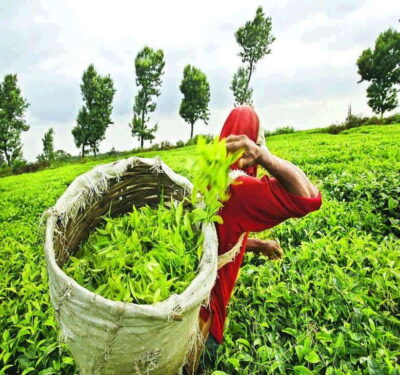
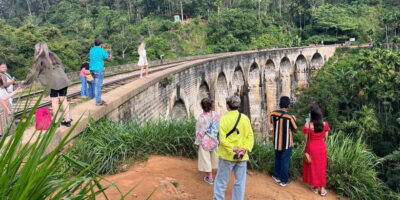
Tea Factory, Train, and Nine Arch Day Tour with Pickup
Read our review →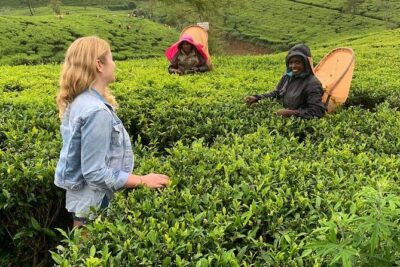

Ella Private Day Trip with Train Ride & Tea Factory-All Inclusive
Read our review →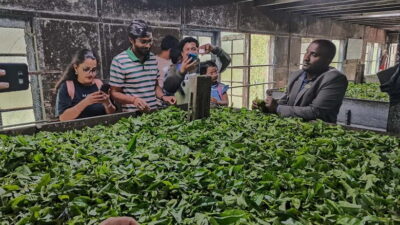
Nuwaraeliya Tea Factory and WaterFall Tour’s With DMJ Tours
Read our review →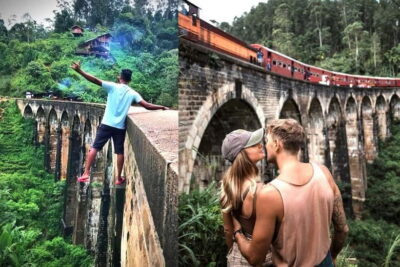
9 Arches Bridge, Little Adam’s Peak, Tea Factory
Read our review →Browse the lists this tour appears in