
Review · SRI LANKA
Tea Fields & Factory Tour
The most rewarding part of this Hatton experience is seeing the full path from leaf to teapot in one compact afternoon. You walk through the tea fields, meet the pluckers, try their technique, then follow the leaves into a working factory for withering, rolling, drying, shifting, testing, and packing.
I like the hands-on format, especially the chance to try plucking rather than simply pose among the bushes. I also like the clear connection between field, village, weighing station, and factory. The main consideration is timing: this is a three-hour visit beginning at 3:00 pm, so it offers a focused introduction rather than a long plantation excursion.
Key points
- A full leaf-to-teapot route: See tea picked, weighed, processed, tested, packed, and brewed.
- A chance to try plucking: You do more than watch the workers in the fields.
- A village and temple visit: The tour places tea work in its local setting.
- A small group of up to 10: The group limit should make questions and explanations easier.
- A practical afternoon schedule: The tour starts at 3:00 pm and ends back at the meeting point.
- Strong value at $20: The price covers fields, factory, local context, and tea tasting in about three hours.
Why this Hatton tea tour is different
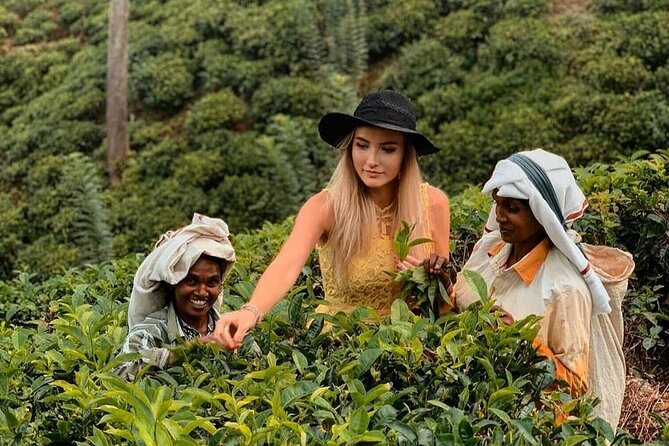
Hatton is one of the main centers of Sri Lanka’s Ceylon tea country, and this experience makes the tea process its main subject. You are not simply taken to a scenic viewpoint and handed a cup. The tour links several working stages, so you can understand how a small green leaf becomes the dry tea used in a pot.
That connection matters. Tea plantations can look simple from the outside: rows of clipped bushes covering the hills. The work behind those rows is less obvious. This visit gives you a closer look at the people who pick the leaves, the point where the harvest is weighed, and the factory steps that shape the final product.
The tour also includes a nearby pluckers village and temple. That adds useful context without turning the experience into a long sightseeing program. You see tea as part of daily life in Hatton, not as an isolated crop made for visitors.
The price is $20 per person. For that amount, you receive roughly three hours of guided activity, field access, a village visit, a factory walk-through, and freshly brewed tea. I consider that good value if you want to understand the working side of Sri Lankan tea rather than only take photographs of the hills.
More Tea Factory Tours in Sri Lanka:
- Uva Halpewatte Tea Factory Tour in Ella Sri Lanka
★ 5.0 · 653 reviews - Nuwara Eliya: Tea Factory and Pickle Waterfalls Tuk Tuk Tour
★ 4.7 · 113 reviews - From Colombo: Kandy, Pinnawala and Tea Factory Full-Day Trip
★ 4.4 · 99 reviews
Walking through the tea fields
The tour begins in the tea fields at Norwood, with the meeting point listed at RJR9+WC Norwood. The first task is to get among the plants and see where the process starts.
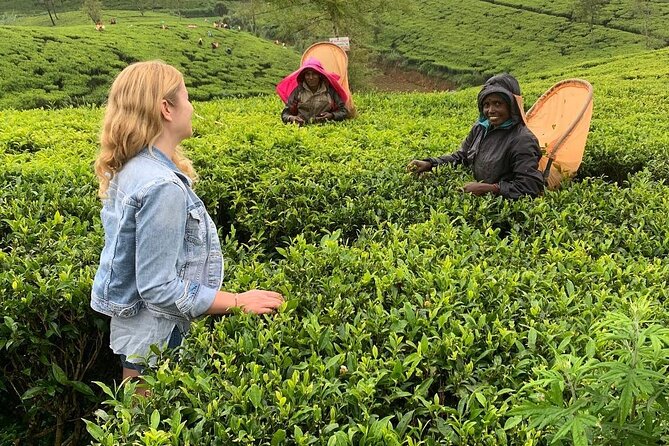
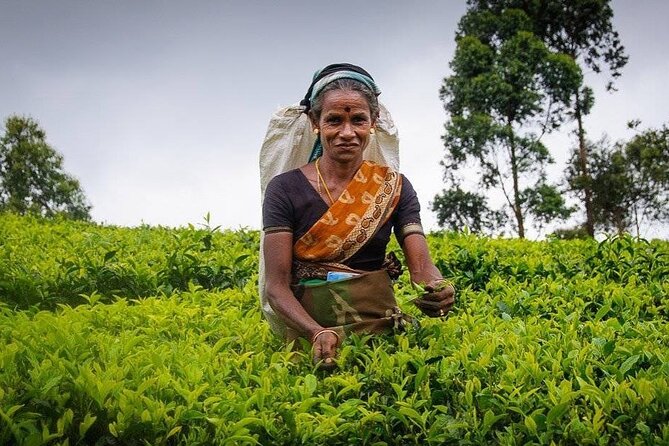
You meet the tea pluckers and learn how they work. The tour gives you a chance to try plucking yourself, which is one of its most useful details. It turns a familiar travel image into a physical skill. You can see that gathering tea is not just a matter of pulling random leaves from a bush.
The field visit also gives you time to ask questions before the factory stages become more technical. A clear explanation at this point helps you understand why the leaves need careful handling later.
I would treat this part as an educational walk, not a strenuous hike. The published information does not describe the distance or terrain, so you should not assume a long trek or a formal mountain walk. The activity is designed around seeing the tea plants and meeting the workers.
The timing may shape the feel of the field visit. Since the start is at 3:00 pm, you have an afternoon experience rather than a morning plantation outing. The exact order of the stops may vary, but the advertised route includes the fields, village, weighing station, and factory.
Meeting the pluckers and trying the technique
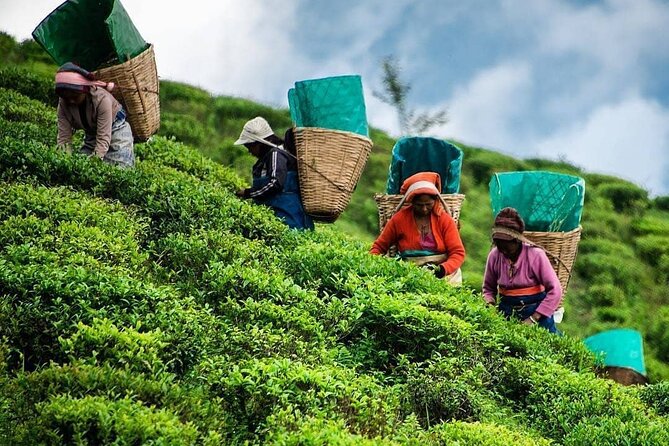
The chance to meet the pluckers gives the tour a human focus. You can learn directly about the technique used to gather the leaves, then try it under guidance.
This is also where the tour feels more grounded than a standard factory stop. A factory can explain machines and production stages, but it cannot show the careful work that begins among the bushes. Seeing the pluckers at work helps you connect the final cup with the people who handle the crop at its first stage.
The experience includes a visit to the pluckers village and temple. The supplied details do not promise a long cultural program or a formal temple presentation, so I would think of this as a short local stop that supports the tea story. It gives you a look at the community connected to the fields.
The visit should suit curious adults, families, and anyone who wants a more direct introduction to plantation life. The group limit is 10 people, which is small enough for the guide to explain the technique and help you make sense of what you are seeing.
From the weighing station to the factory floor
After the leaves are picked, you visit the weighing stations. This is a small but important part of the route. Weighing marks the point where the harvest is recorded before it moves into production.
For you, the value is in seeing that tea making is a chain of measured steps. The crop is not simply delivered to a factory and transformed without oversight. The weighing station connects field labor with factory work and helps explain how the harvest is handled.
The factory visit is the most technical section of the afternoon. It follows the processing stages in order:
- Withering: The leaves begin the process that prepares them for later handling.
- Rolling: The leaves are worked to shape and prepare them for the next stage.
- Drying: Heat removes moisture and helps create the finished tea.
- Shifting: The processed tea is sorted through the production system.
- Testing: The tea is checked before it is packed.
- Packing: The finished product is prepared for use or sale.
The exact machinery and presentation style are not specified, so I would expect an operating factory explanation rather than a museum display. The guide explains what each stage does, and you can see how the raw leaf changes as it moves through the building.
Several parts of the factory visit deserve extra attention. Withering and drying sound similar, but they serve different purposes in the process. Rolling is another stage that is easy to miss if you only buy tea in a shop. The tour gives each step a place in the larger sequence.
The testing stage also matters. It shows that tea production does not finish when the leaves are dry. Quality control comes before packing, which helps explain why tea factories need several separate work areas.
More Tea Plantation Tours in Sri Lanka:
- Tea Plantation Tour in Ella, Sri Lanka
★ 5.0 · 319 reviews - Tuk-Tuk Safari Liptons seat,Tea Fields Hike,TeaFactory Tour
★ 4.8 · 46 reviews - Galle Day Tour and Tea Plantation from Bentota & Other Places
★ 5.0 · 19 reviews - Ella’s Ceylon Tea Plantation and Factory Tour
★ 5.0 · 15 reviews
A clear explanation makes the factory worthwhile
The strongest part of this experience depends on the guide’s explanations. The published comments repeatedly praise the guide for being clear and for explaining the process from the plantation through production. One person described the factory section as especially fascinating, while another said the explanation of growing, picking, and processing was very clear.
I would set your expectations accordingly: this is best for someone who wants to learn, not just walk through a pretty plantation. The tour covers many stages in a short period, so a good explanation keeps the visit from becoming a blur of machinery and unfamiliar terms.
The guide also helps connect the factory to the field. Without that link, you might remember only a list of steps. With it, you can understand the reason for the weighing station, the role of the pluckers, and the changes the leaf undergoes before brewing.
The small maximum group of 10 supports this style of visit. You are more likely to hear the explanation and ask a question than in a large coach group. The tradeoff is that the tour may feel more structured than a private plantation visit, since the route must keep moving through several stages within three hours.
Tea tasting at the end
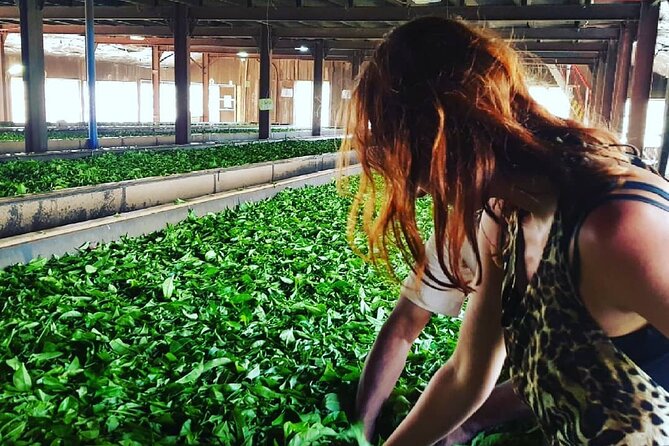
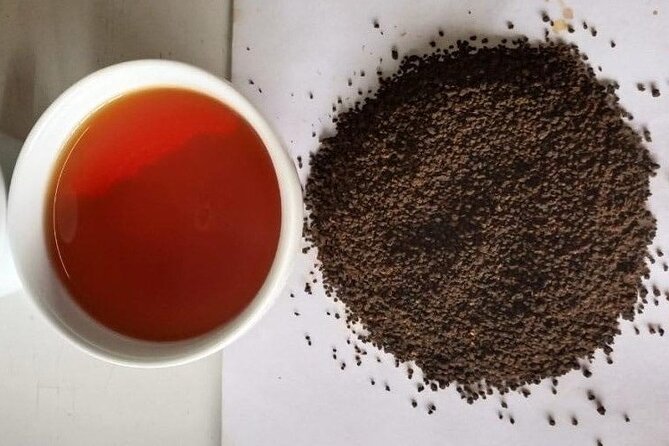
The final reward is freshly made and brewed tea. It is a simple finish, but it completes the story in the cup.
After seeing the fields and factory, you have a better sense of what you are tasting. The tea is no longer an abstract local product. You have followed it from the plant, through the hands of the pluckers, across the weighing station, and through factory processing.
The tasting is also a useful reason to choose this tour over a field walk alone. A plantation walk can give you views and photographs, but this activity includes the finished drink and explains how it came to be.
Do not expect a full meal or a broad tasting menu, since neither is included in the information provided. The advertised finish is freshly made and brewed tea, which is enough to bring the afternoon’s lesson together.
Time, meeting point, and group size
The tour starts at 3:00 pm and lasts about three hours. It ends back at the meeting point in Norwood, which keeps the plan simple if you are arranging your afternoon around it.
The meeting point is given as RJR9+WC Norwood, Norwood, Sri Lanka. You should check that location carefully before setting out, since the information does not provide a hotel pickup service or a more detailed transport plan.
The tour is near public transportation, another helpful point for planning. No specific route, fare, or travel time is supplied, so you will need to confirm how to reach the meeting point from your own base.
A maximum of 10 people keeps the experience on a smaller scale. Most people can participate, according to the supplied activity information. The exact physical demands are not stated, so anyone with concerns about walking conditions should confirm those details before booking.
The tour requires good weather. If poor weather causes cancellation, you are offered another date or a full refund. That matters in the tea country, where rain can affect field access and the comfort of an outdoor walk.
Is $20 good value?

At $20, this is a strong-value half-day-style activity, even though the actual duration is about three hours. You receive several connected experiences rather than one short stop: field access, contact with pluckers, a plucking demonstration and attempt, a village and temple visit, a weighing station, a factory tour, and tea tasting.
The value is especially good if you are already interested in tea production. You could visit a scenic plantation and learn little about the work. Here, the price pays for the explanation and the access to several stages of production.
The limitations are clear too. This is not a full-day plantation trip, and no transportation from your accommodation is listed. You also should not expect a private tour, since up to 10 people can join.
A perfect rating from 67 ratings and a 100 percent recommendation are encouraging signs, particularly because the strongest praise focuses on the explanation and the factory visit. Still, your satisfaction will depend on what you want. If you mainly want a relaxed scenic walk, the technical factory portion may feel like too much. If you want to understand Ceylon tea, the balance is right.
Who should book this experience?
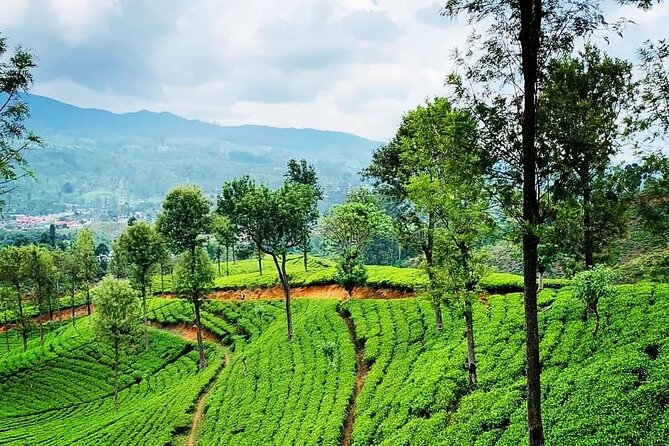
I would recommend it to first-time visitors to Hatton who want a practical introduction to tea. It also suits people who enjoy food and drink experiences, families looking for an activity with something to see and do, and photographers who want field and village scenes along with the usual factory details.
The tour is a good fit if you like asking questions. The process includes enough stages to reward curiosity, especially at the weighing station and factory. The small group limit gives the guide room to explain the work rather than simply point out the equipment.
You may want to choose another activity if you need a full day in the hills, private transport, or a detailed walking route. Those features are not included in the information provided.
The 3:00 pm start works well for a flexible afternoon, but it limits the schedule to a set window. Plan around the meeting point and allow enough time to reach Norwood. Confirmation is sent within 48 hours of booking, subject to availability, so do not leave the reservation to the last minute if your plans are fixed.
Should you book the Hatton tea fields and factory tour?
Book it if you want to understand how Sri Lankan tea moves from plant to cup. The best reasons are the chance to try plucking, meet the people who do the work, visit the village and temple, and see the full factory process before drinking freshly brewed tea.
The main drawback is its focused format. Three hours gives you a useful overview, not an extended plantation day, and you must arrange your own way to the Norwood meeting point.
For $20, I think this is an easy choice for tea lovers and curious visitors who value explanation over polished sightseeing. It offers a direct look at Hatton’s tea industry, with enough hands-on activity to keep the lesson from feeling like a lecture.
FAQ
Where does the tea tour start?
It starts at RJR9+WC Norwood, Norwood, Sri Lanka.
What time does the tour begin?
The start time is 3:00 pm.
How long does the experience last?
The tour lasts approximately three hours.
Where does the tour finish?
The activity ends back at the meeting point.
How many people can join?
The maximum group size is 10 people.
Is the tour available in poor weather?
The experience requires good weather. If it is canceled because of poor weather, you will be offered another date or a full refund.
Can I cancel for a full refund?
Yes. You can receive a full refund if you cancel at least 24 hours before the experience start time. Cancellations or changes made less than 24 hours before the start time are not refunded or accepted.
Just added around Sri Lanka
- Tuk Tuk safari and Picnic in The Tea Plantation from Ella,Haputale & Bandarawela★ 5.0 · 7 reviews
- Tea Experience Tour in Haputale with Lunch at a Village house★ 5.0 · 19 reviews
- Trekking & Picnic in The Tea Plantation From Ella, Haputale & Bandarawela★ 5.0 · 4 reviews
- Nandana Tea Walking Tour in Sri Lanka★ 5.0 · 16 reviews
- Nuwara Eliya: All Inclusive Horton Plains & Tea Plucking Day Trip★ 4.5 · 10 reviews
- Explore Nuwara Eliya | Experience the Best Tea in the World★ 4.5 · 3 reviews
- Tea Plucking and Tea Factory Visit from Nuwara Eliya.★ 3.5 · 3 reviews
- Explore Nuwara Eliya – Waterfall & Tea Factory Tour★ 5.0 · 2 reviews
Tea Factory Tours, compared.
Uva Halpewatte Tea Factory Tour in Ella Sri Lanka
Read our review →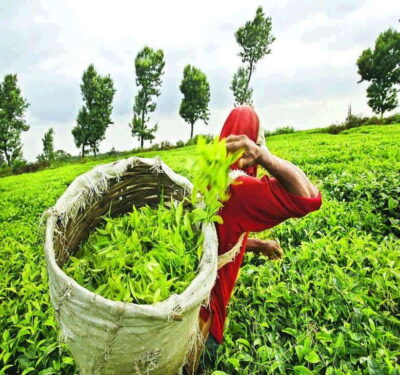
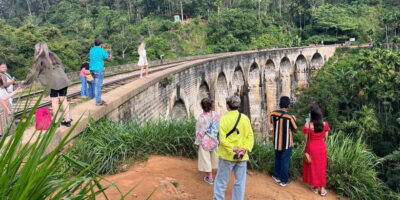
Tea Factory, Train, and Nine Arch Day Tour with Pickup
Read our review →
Ella Private Day Trip with Train Ride & Tea Factory-All Inclusive
Read our review →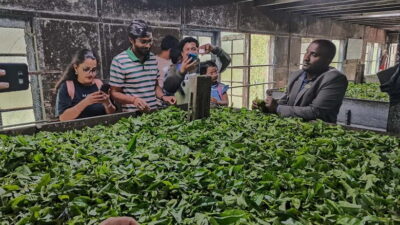

Nuwaraeliya Tea Factory and WaterFall Tour’s With DMJ Tours
Read our review →
9 Arches Bridge, Little Adam’s Peak, Tea Factory
Read our review →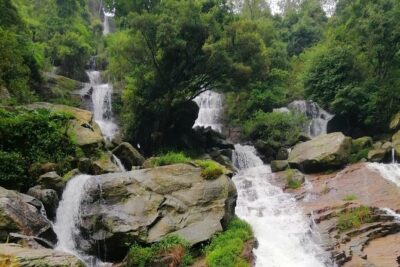
Browse the lists this tour appears in