
Review · TAIPEI
Taiwanese Baking Class with Oolong Tea Tasting in Taipei
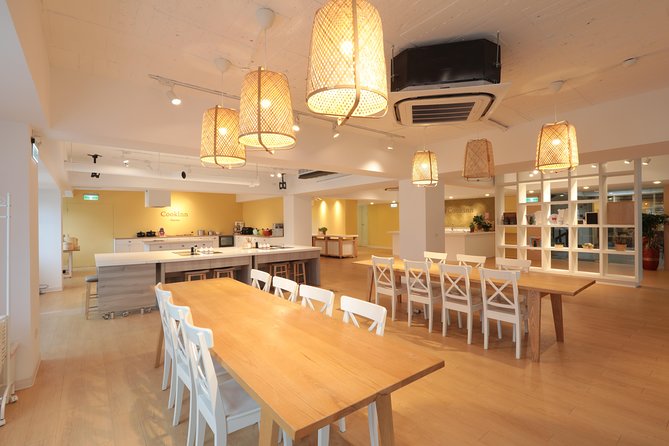
Taiwan’s most famous souvenir has a lucky meaning baked right into it. In this Taipei class, you make pineapple cakes and mung bean pastries, then sit down with Taiwanese oolong tea and the treats you prepared. The food carries a blessing, not just a sweet filling.
I like the small maximum of 10 people, which gives the instructor room to explain each step clearly. I also like the practical finish: recipes and a special box of pastries go home with you, so the afternoon keeps paying off after class.
The main thing to consider is the timing. The tour is described as roughly two to two and a half hours, and it begins at 2:30 pm. That makes it easy to fit into an afternoon, but you should leave enough room afterward rather than booking a tight evening plan.
Key points at a glance
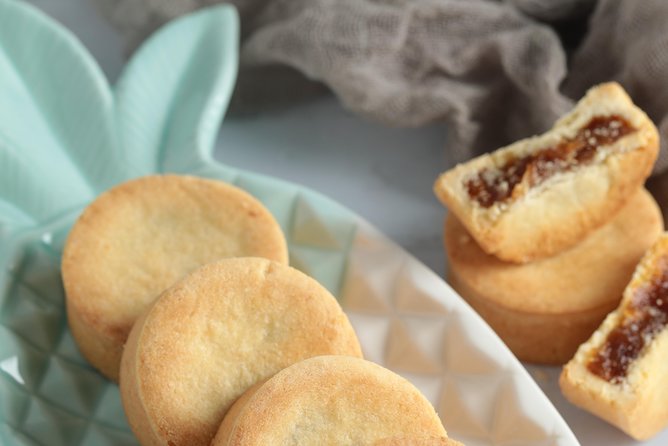
- Bake two Taiwanese classics: Make pineapple cakes and mung bean cakes connected with good fortune and prosperity.
- Learn the language of pineapple cakes: The Taiwanese pronunciation of pineapple, ong-lai, sounds like a wish for fortune and prosperity to arrive.
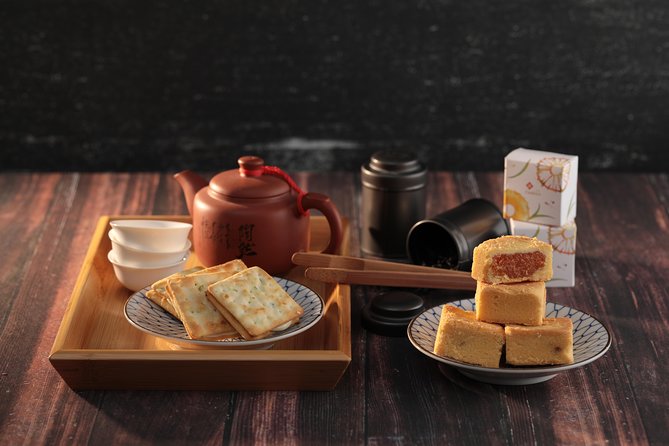
- Try scallion nougat crackers: Flaky savory scallion crackers meet milky-sweet nougat for a distinctive tea snack.
- Finish with oolong tea: The class ends with an introduction to Taiwanese tea culture and a traditional tea service.
- Take home a gift box: Your baked goods are packaged for you, along with recipes to help you remember the process.
- Expect a compact group: The class accepts no more than 10 people and meets at CookInn Taiwan’s Zhongshan classroom.
Why pineapple cakes mean more in Taiwan
Pineapple cakes are easy to find across Taipei, but their appeal is not only about taste. The Taiwanese pronunciation of pineapple, ong-lai, sounds like a phrase connected to fortune and prosperity coming your way. That makes the pastry a natural gift for family, friends, and anyone starting something new.
I like this cultural link because it gives the baking a purpose beyond producing a snack. You are learning why the pastry matters in Taiwanese life, then making one with your own hands. The result is a small edible blessing rather than a generic cooking souvenir.
Mung bean cakes add a second traditional pastry to the lesson. The class presents both as good-fortune pastries, giving you a broader look at Taiwanese baking than a single recipe would. If you are choosing between a market tasting and a hands-on class, this option gives you more insight into how the sweets are made and why they are shared.
The class also includes scallion nougat crackers, a different kind of Taiwanese treat. These use flaky, savory scallion crackers around a sweet, milky nougat center. That salty-sweet contrast makes them especially suitable with tea, and it breaks up the softer sweetness of the pineapple and mung bean cakes.
More Tea Tastings in Taipei:
- Taipei: Taiwan Traditional Breakfast & Market & Tea Tasting
★ 5.0 · 6 reviews - Private Tea Ceremony and Sake Tasting in Kyoto Samurai House
★ 5.0 · 163 reviews - Twinings 2-Hour Tea Tasting Masterclass in London
★ 5.0 · 105 reviews
Meeting at CookInn Taiwan in Zhongshan
The class begins at CookInn Taiwan’s Zhongshan classroom at 2:30 pm. The address is 2F, No. 66, Section 1, Chengde Road, Datong District, Taipei City, postal code 103. The venue is near public transportation, which matters in Taipei, where an easy train or metro connection can save more time than a taxi during busy periods.
Because the activity ends where it starts, you do not need to arrange a second pickup point. That makes the class simple to pair with nearby sightseeing before or after it. Still, give yourself enough time to locate the building and classroom, especially if you are not familiar with Taipei addresses.
The mobile ticket is useful for a quick check-in. Keep the booking confirmation available on your phone, and remember that the scheduled start is midafternoon. A light lunch beforehand makes sense, since snacks and pastries are part of the class, but this is not presented as a full meal.
The maximum group size is 10 people. That is small enough for a more personal lesson than a large demonstration, while still allowing you to meet other people interested in Taiwanese food. If you prefer private instruction, this is not advertised as a private class, so the small shared format is the better expectation.
Making pineapple cakes and mung bean cakes
The main lesson focuses on pineapple cakes and mung bean cakes. You learn how to make two pastries that are closely tied to Taiwanese gift-giving and auspicious wishes. The class format is hands-on, so you are not simply watching a baker prepare a finished product.
This is where the class earns much of its price. A packaged pineapple cake from a Taipei shop is easy to buy, but baking one yourself gives you a clearer sense of the work behind the neat shape, pastry shell, and filling. You also leave knowing more about the ingredient and its cultural message.
The supplied description does not give a step-by-step recipe or specify every technique, so I would not book this expecting a professional pastry course. It is better suited to someone who wants an accessible introduction, a memorable food activity, and recipes to keep. The focus is on making traditional treats and enjoying them, not on formal culinary certification.
You should also keep your expectations practical. Handmade pastries may not look identical to shop-bought versions, and the pleasure here comes from the process as much as the final appearance. One useful detail is that the finished pineapple cakes and scallion crackers are beautifully packaged for taking home, so presentation is treated as part of the experience.
The unusual appeal of scallion nougat crackers
The scallion nougat crackers may be the most surprising item in the class. They combine crisp, flaky scallion crackers with a soft, milky-sweet nougat center. It sounds unusual until you consider the role of salt in making sweet foods taste more balanced.
I like this inclusion because it expands the lesson beyond the pastries most people already associate with Taiwan. Pineapple cakes are familiar souvenirs. Scallion nougat crackers give you a more distinctive snack to discuss and remember, particularly when paired with tea.
The crackers are also a good reminder that Taiwanese sweets do not always fit a simple sweet or savory label. The mixture of scallion flavor, pastry crunch, and milk sweetness is intended to be enjoyed slowly with tea. If you prefer very plain desserts, this may be less immediately appealing. If you like contrasting flavors, it is one of the class’s more interesting parts.
The activity description says snacks and tea service are included. That means you should not need to arrange a separate tasting during the lesson, though you should not treat the class as a replacement for dinner. The food is tied to the baking lesson and tea pairing.
More Cooking Classes in Taipei:
- Xiao Long Bao, Beef Noodles & Boba Tea Cooking Class in Taipei
★ 5.0 · 159 reviews - Xiao Long Bao, Chicken vermicelli with mushroom and sesame oil, Tofu strips salad, Bubble milk tea. Taiwan Traditional Delicacies Experience-A (Taipei Cooking Class)
★ 5.0 · 79 reviews - Xiao Long Bao & Boba Tea Cooking Class in Taipei
★ 5.0 · 28 reviews - Xiao Long Bao, Pork thick soup, Bubble milk tea. Taiwan Traditional Light Meals Experience-B (Taipei Cooking Class)
★ 5.0 · 24 reviews
Oolong tea and the final tasting
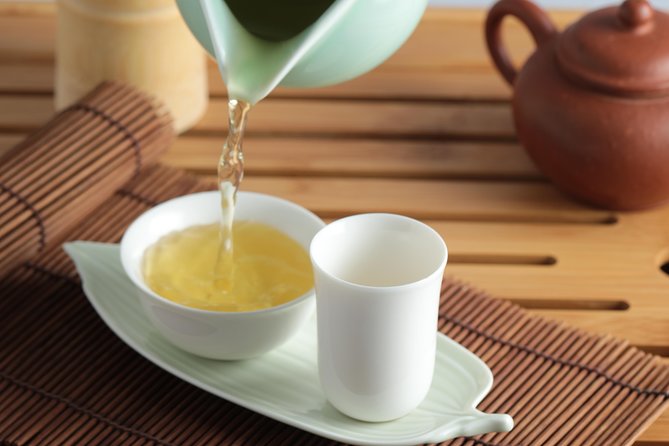
After the baking, the instructor introduces traditional Taiwanese tea culture. The featured drink is Taiwan oolong tea, known for a flavor shaped by the conditions where it is grown. The tea service gives the afternoon a slower finish after the practical work at the counter.
This closing section matters because pastries taste different when paired with tea. Oolong can provide a fragrant, balanced counterpoint to pineapple filling, mung bean sweetness, and milky nougat. You get time to enjoy what you made instead of rushing straight from baking to departure.
I would approach the tea lesson as an introduction rather than an expert seminar. The supplied information promises an introduction to traditional Taiwanese tea culture, but it does not specify a tea farm, a particular growing region, or a formal tasting curriculum. That is still enough for a first contact with Taiwan’s tea traditions, especially if you are already interested in food and local customs.
The tea service also gives the class a social rhythm. You work first, then sit down with the finished pastries. That change of pace makes the experience feel more like a cultural afternoon than a simple recipe lesson.
What you take home
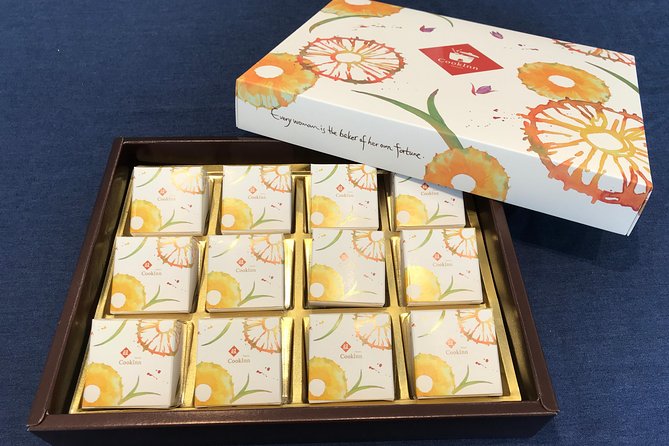
The take-home box is one of the strongest practical features. CookInn Taiwan prepares a special souvenir box so you can bring the good fortune home with you. Your baked pineapple cakes and scallion crackers are packaged for transport, and recipes are included.
This is useful in two ways. First, the box gives you something tangible to share with family or friends. Second, the recipes extend the value of the class, since you can try to recreate the pastries later rather than leaving with only a few finished samples.
The information provided does not state how many pieces are included or how long the pastries will keep. I would avoid planning to carry them around Taipei all day after class. If you are flying soon, pack the box carefully and check your airline and destination rules for bringing food home.
The packaging also makes the activity suitable for someone seeking a meaningful souvenir without buying another mass-produced item. The food was made during your own class, and its symbolism gives it a clear connection to Taiwan.
Is the $80 price fair?
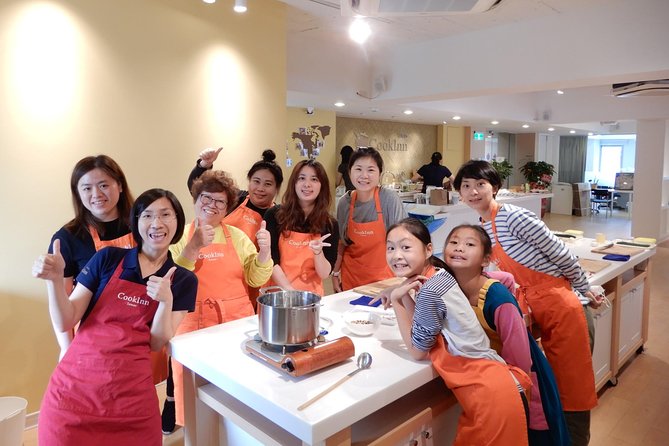
At $80 per person, this is not the cheapest way to taste pineapple cakes in Taipei. You can buy ready-made pastries for far less. The value comes from the combination of instruction, hands-on baking, snacks, tea service, recipes, and the take-home box.
I think the price makes sense if you enjoy food activities and want more than a quick purchase. You are paying for roughly 2 to 2.5 hours of organized time, a small class capped at 10 people, access to an instructor, and the chance to make traditional pastries yourself. The included gift box strengthens the value, especially if you would otherwise buy souvenirs separately.
The calculation is different if your main goal is simply to eat pineapple cakes. In that case, a bakery visit will cost less and take less time. This class is best understood as a cooking activity with edible results, not as a budget snack stop.
The tea service is another part of the price. You are not only preparing pastries; you are also learning how they fit into a Taiwanese tea setting. For someone building an itinerary around local food, that added cultural context may justify the cost.
Who will enjoy this Taipei class?
I would recommend the class to food-focused visitors who like to make something rather than only photograph or purchase it. It also suits couples, small groups, and solo participants who want a structured afternoon activity with a clear meeting point and end point.
Families may enjoy the lucky meaning behind pineapple cakes, though the provided information does not give an age requirement or say how the class is adapted for children. If you are booking for a child, confirm suitability with CookInn Taiwan first.
The class works well for someone who wants a souvenir with a story. You can explain that pineapple cakes are linked with a wish for fortune and prosperity, then share the pastries you made. That is more personal than handing someone a standard snack from a shop.
It is less suitable if you need a full meal, dislike sweet pastries, or want advanced professional training. The focus is traditional baking, tea, and a pleasant hands-on activity. It is not described as an intensive pastry-school lesson.
Timing, cancellation, and useful planning notes
The activity begins at 2:30 pm and ends back at the CookInn Taiwan classroom. The duration appears in the supplied details as both two hours and 2.5 hours, while the fuller description calls it a 2.5-hour class. I would plan for the longer figure and avoid a tight reservation afterward.
Confirmation is provided when you book, and the mobile ticket makes access straightforward. The activity is near public transportation, but the address is specific enough that you should check your route before leaving your hotel.
Free cancellation is available if you cancel at least 24 hours before the local start time. Cancellations or changes made less than 24 hours before the start are not refunded or accepted. The class may also be canceled if poor weather affects the activity or if the minimum number of participants is not reached. In either case, you are offered another date or experience, or a full refund.
The weather note is worth keeping in mind even though the class takes place indoors. The provider lists good weather as a requirement, so do not assume the class will operate in every condition. Check any update sent before your scheduled afternoon.
My recommendation
I would book this class if you want a small, hands-on food experience that combines Taiwanese pastry, good-fortune symbolism, and oolong tea. The strongest reasons are the group limit of 10, the clear cultural meaning behind pineapple cakes, and the useful take-home box with recipes.
I would skip it if you only want the lowest-cost way to sample Taiwanese sweets or if your schedule cannot spare a relaxed afternoon. At $80, the value depends on your interest in learning and making, not just eating.
For most food-focused itineraries, this is a thoughtful choice. You leave with pastries, a recipe, a tea experience, and a better understanding of why pineapple cakes are such an important Taiwanese gift.
FAQ
Where does the Taiwanese baking class take place?
The class takes place at CookInn Taiwan’s Zhongshan classroom at 2F, No. 66, Section 1, Chengde Road, Datong District, Taipei City, Taiwan 103.
What time does the class start?
The scheduled start time is 2:30 pm.
How long does the experience last?
The activity is described as approximately two hours in one section and 2.5 hours in the fuller description. Plan for about 2.5 hours.
What pastries will I make?
You will learn to make traditional Taiwanese pineapple cakes and mung bean cakes.
Is tea included?
Yes. The class includes a traditional Taiwanese tea service featuring Taiwan oolong tea.
Are snacks included?
Yes. Snacks and tea service are included as part of the activity.
What are scallion nougat crackers?
They are a Taiwanese snack made with flaky savory scallion crackers sandwiching a milky-sweet nougat center.
Will I receive food to take home?
Yes. A special souvenir box is included, and your finished treats are packaged for you to take home.
How many people can join the class?
The activity has a maximum of 10 participants.
Can I cancel for a full refund?
Yes, if you cancel at least 24 hours before the experience start time. Cancellations made less than 24 hours before the start are not refunded.
More Workshops in Taipei
- Xiao long bao, Pork thick soup, Bubble milk tea. (Taiwan Cooking Class)-B
★ 5.0 · 18 reviews - Xiao Long Bao, Chicken vermicelli with mushroom and sesame oil, Tofu strips salad, Bubble milk tea. Taiwan Traditional Delicacies Experience-A (Taipei Cooking Class)
★ 5.0 · 8 reviews - Xiao Long Bao, Chicken vermicelli with mushroom and sesame oil, Tofu strips salad, Bubble milk tea. Taiwan Traditional Delicacies Experience-A (Taipei Cooking Class)
★ 5.0 · 5 reviews - Pineapple Pastry with Egg Yolk, Longan Cake, High Mountain Oolong Tea. Taiwan Traditional Dessert Experience-D (Taipei Cooking Class)
★ 5.0 · 2 reviews
More Food and Drink Tours in Taipei
- Street Food Cooking Class in Taipei : Gua Bao/Lu Rou Fan/Boba Tea
★ 5.0 · 22 reviews - Arashiyama Bamboo, Temple, Monkeys, or Secret Sake Brewery
★ 4.8 · 886 reviews - Jakarta: Volcano, Tea/Rice Fields, Hot Spring, Local Food
★ 4.9 · 515 reviews - SF’s Chinatown: Tea & Dim Sum Food Tour – Includes full meal, 3hr
★ 5.0 · 153 reviews
Just added around Taipei
- Xiao Long Bao, Chicken vermicelli with mushroom and sesame oil, Tofu strips salad, Bubble milk tea. Taiwan Traditional Delicacies Experience-A (Taipei Cooking Class)★ 5.0 · 5 reviews
- Xiao Long Bao, Chicken vermicelli with mushroom and sesame oil, Tofu strips salad, Bubble milk tea. Taiwan Traditional Delicacies Experience-A (Taipei Cooking Class)★ 5.0 · 8 reviews
- Xiao long bao, Pork thick soup, Bubble milk tea. (Taiwan Cooking Class)-B★ 5.0 · 18 reviews
- Street Food Cooking Class in Taipei : Gua Bao/Lu Rou Fan/Boba Tea★ 5.0 · 22 reviews
- Taiwan Traditional Delicacies Experience, Xiao Long Bao, Chicken vermicelli with mushroom and sesame oil, Tofu strips salad, Bubble milk tea.★ 5.0 · 6 reviews
- Pineapple Pastry with Egg Yolk, Longan Cake, High Mountain Oolong Tea. Taiwan Traditional Dessert Experience-D (Taipei Cooking Class)★ 5.0 · 2 reviews
- Sip & Savor: Maokong Tea & Shenkeng Stinky Tofu Private Day Tour★ 4.5 · 9 reviews
- Taipei Fresh Market Tour and Colorful Bubble Tea Making★ 5.0 · 6 reviews
Tea Tastings, compared.
Private Tea Ceremony and Sake Tasting in Kyoto Samurai House
Read our review →
Twinings 2-Hour Tea Tasting Masterclass in London
Read our review →
Wadmalaw Island Wine Tasting and Tea Garden Trip
Read our review →
Matcha Experience with of Japanese Tea Tasting in Tokyo
Read our review →
World Teas & Turkish Tea Brewing, Tasting Workshop
Read our review →Browse the lists this tour appears in