

Review · KENYA
Tea Farm Experience at Riara Tea Farm And Factory Tour
Riara Tea Farm offers more than a quick photo stop among green rows. You see how tea moves from nursery to field, factory, grading room, and cup, while taking in views toward Nairobi, the Ngong Hills, the Yatta Plateau, and sometimes Mount Kenya. The working farm setting gives the visit a useful, human scale.
I like the farm’s practical approach to agriculture, with rain-fed tea, no pesticides sprayed on the plantation, hand-picking, and trees covering about 30 percent of the property. I also like the warm welcome, garden-grown lunch, and proper tea tasting. The main catch is important: the factory does not operate on Mondays, so you may only receive an explanation instead of seeing tea being processed.
Key points to know before you go
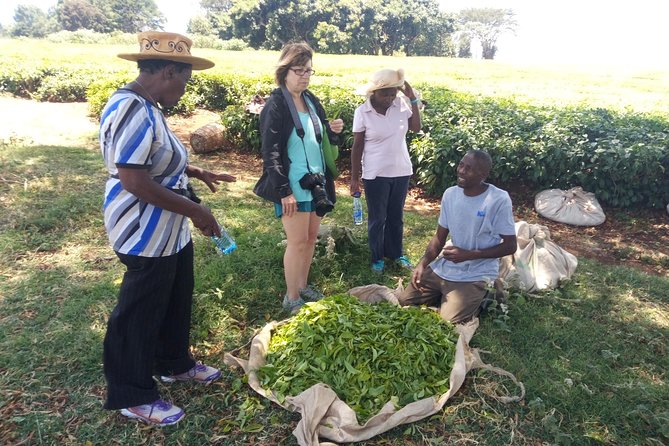
- See tea from nursery to package: Learn about planting, harvesting, processing, grading, and packing in one half-day visit.
- A working farm with a green focus: Rain-fed growing, hand-picking, fertile volcanic soil, and tree cover shape the experience.
- Big views beyond the tea rows: On a clear day, you may see Nairobi, the Ngong Hills, the Yatta Plateau, and Mount Kenya.
- Lunch comes from the farm setting: The meal includes ingredients from the garden, along with Kenyan tea, coffee, and bottled water.
- Plan around the factory schedule: Mondays are not the best choice if factory machinery and active processing are your priority.
- Good value for a full half-day: At $130 per person, the price covers transport from Nairobi, guides, food, drinks, and entry fees.
From Nairobi to Limuru in a morning

The experience begins with pickup in Nairobi County and a drive toward Limuru, a tea-growing area northwest of the city. The ride is part of the day rather than a minor transfer. As you leave the city, you get a sense of how quickly Nairobi gives way to agricultural country.
The full experience lasts about six hours, including transport, the farm visit, lunch, tea, and the return to Nairobi. That makes it a manageable choice if you want to add a rural day to a city stay without committing to an overnight trip.
Your driver and guide handle the road journey, while a professional guide leads the farm visit. The language listed for the tour is English. Since pickup and drop-off are included, you do not need to arrange a separate taxi or hire a car for the day.
The drive can also shape your first impression of the farm. You may see broad tea fields and neighboring farms before reaching Riara. Bring a phone or camera, since the morning light across the tea-growing area can be especially good for photographs.
More Tea Factory Tours in Kenya:
- Tea Farm Experience at Riara Tea Farm And Factory Tour
★ 5.0 · 11 reviews - Uva Halpewatte Tea Factory Tour in Ella Sri Lanka
★ 5.0 · 653 reviews - Nuwara Eliya: Tea Factory and Pickle Waterfalls Tuk Tuk Tour
★ 4.7 · 113 reviews
Walking through Riara’s tea fields
Riara Tea Farm is associated with one of Kenya’s national heroes, giving the property a connection to the country’s public life as well as its agricultural economy. The focus, though, is firmly on the farm itself and the work that keeps tea production going.
You can walk or hike around the property, taking in rows of tea, trees, birdsong, and the occasional chatter of monkeys. This is not a polished garden designed only for visitors. It is a working agricultural place, and that makes the visit more useful if you want to understand how tea is actually grown.
The farm sits on fertile volcanic soil. About 30 percent of the property is covered by trees, including indigenous trees. That tree cover gives the walk some shade and adds habitat for birds and other wildlife. You should think of this as a gentle farm walk rather than a formal wildlife outing. Birdsong and monkey calls are possible features, not guaranteed sightings.
The views are one of the strongest reasons to make the trip. From the farm, you can look across neighboring tea properties toward Nairobi, the Ngong Hills, and the Yatta Plateau. On a clear day, Mount Kenya may appear in the distance. Weather and visibility control what you see, so treat the mountain view as a bonus rather than a promise.
The open setting also helps explain the farm’s relationship to water. The tea is grown through rain-fed agriculture, which avoids drawing down underground water reserves or interfering with surface water flow. That is a small but important detail when you are trying to understand what sustainable farming means in practice.
Tea growing, hand by hand
The farm experience covers more than the finished drink. You learn about preparation in the nurseries, the early stages of growing, and the work of harvesting tea leaves. That wider view is valuable because a cup of tea hides a long chain of labor.
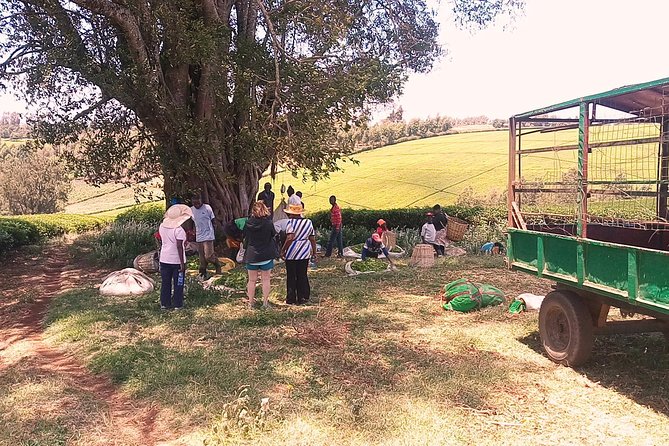
Tea is hand-picked at Riara rather than harvested by machine. For you, this means the explanation can include the human work behind the crop. For the farm, hand-picking supports employment, which is a direct part of its economic model.
The plantation does not use sprayed pesticides, according to the information provided for the experience. You can ask your guide how this affects the farm’s methods and daily work. It is best to treat this as a description of the farm’s stated practice, not as a claim that every part of Kenyan tea agriculture works the same way.
You may also hear about different tea varieties, including purple tea. Purple tea gives the discussion a useful twist because it shows that Kenyan tea is not limited to one familiar black-tea style. The tasting later in the day helps connect those growing methods and varieties to what you actually smell and drink.
Inside the factory and the full supply chain
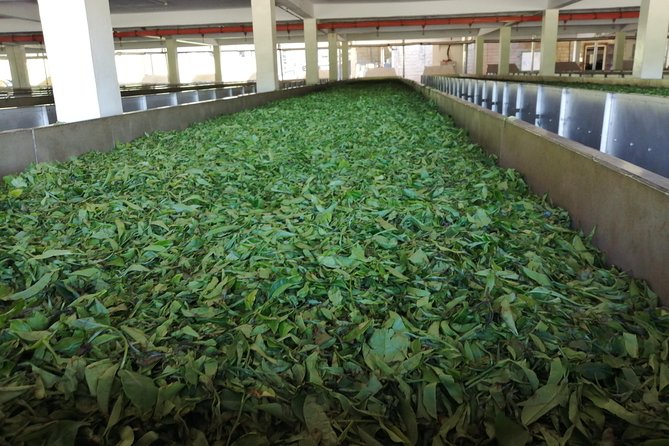
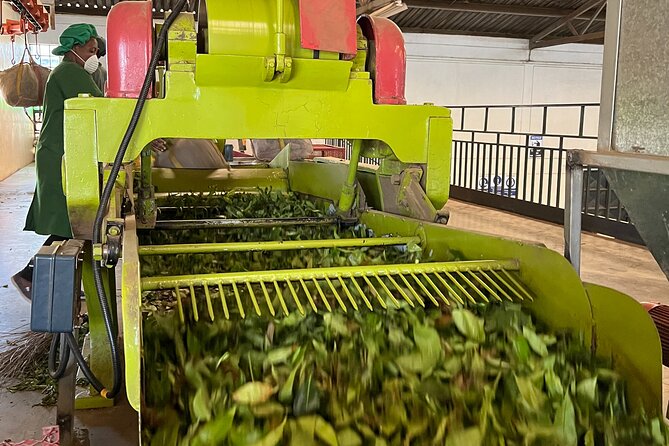
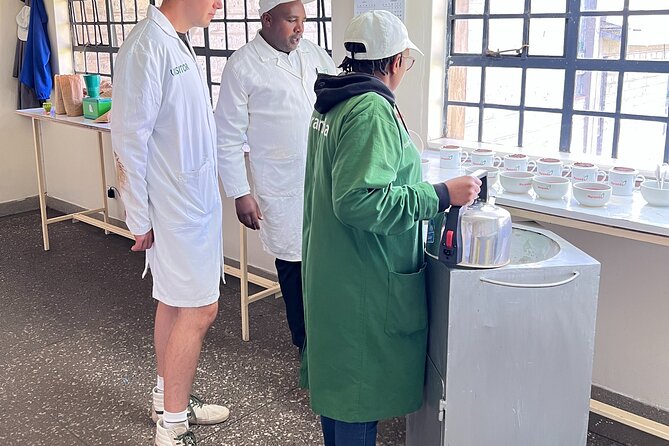
The factory portion is where the experience moves from agriculture to production. You can learn how tea is processed, graded, and packaged, and how the crop travels through the supply chain before it reaches a buyer.
Seeing these steps in one place helps you understand why factory work matters. A tea farm is not simply a field where leaves are picked and sold. The leaves need to be handled, processed, sorted, and packed in a controlled sequence. The guide’s explanation gives structure to that process.
There is one scheduling detail you should take seriously. The factory does not operate on Mondays. A factory worker may still explain the process, but you should not expect to see tea actively processed that day.
If the working factory is central to your interest, choose a different day of the week. If you mainly want the farm walk, views, tea tasting, lunch, and a discussion of production, Monday can still offer a worthwhile visit. Just know that the machinery and live processing will be missing.
This is the clearest limitation of the experience, and it is easy to avoid with basic planning. Confirm the operating day before booking if the factory is your main reason for going.
More Tea Plantation Tours in Kenya:
- Nairobi to Kiambethu Tea Farm Tour
★ 5.0 · 51 reviews - Private Day Trip to Kiambethu Tea Farm in Limuru from Nairobi
★ 5.0 · 31 reviews - Day Tour To Kiambethu Tea Farm in Limuru
★ 5.0 · 22 reviews - Nairobi: Tea Farm Day Trip with Lunch at kiambethu
★ 4.0 · 21 reviews
Tea tasting, purple tea, and lunch from the garden
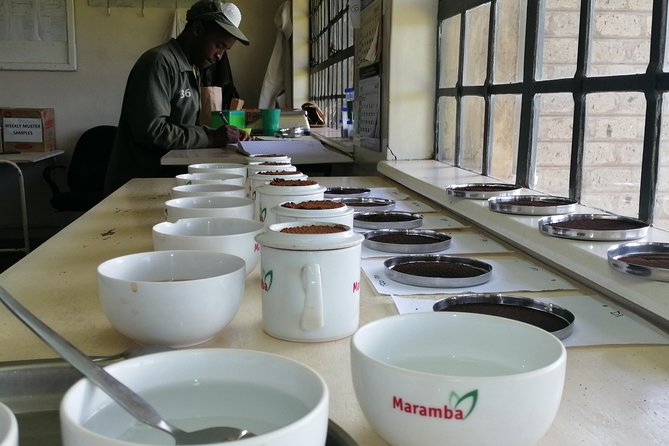
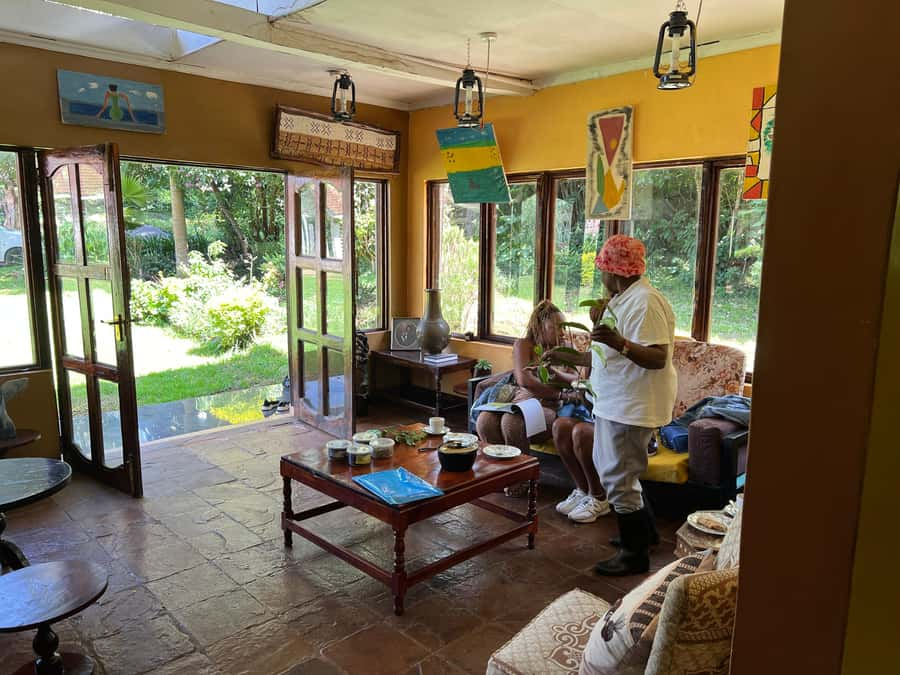
Tea tasting gives the visit a satisfying finish. You can try various blends and compare what you have learned in the field with what appears in the cup. Kenyan tea is served as part of the experience, along with coffee and tea listed among the included refreshments.
The tasting is not only about finding a favorite blend. It gives you a chance to notice how tea varieties differ after processing. Purple tea, in particular, adds an unusual point of comparison to the more familiar teas you may already know.
Lunch is included and uses ingredients from the farm’s garden. That detail matters because it keeps the meal tied to the place rather than treating lunch as an unrelated stop. The food is described as very good, with the garden ingredients adding a fresh connection to the agricultural setting.
Bottled water is also included. You do not need to budget separately for the meal, standard drinks, or farm entry fees. Tea products for sale are not included, so plan to pay extra if you want to take tea home.
A closer look at the green farming practices
I find the environmental details more convincing here because they connect to visible choices on the farm. Rain-fed agriculture reduces pressure on underground water and does not interfere with surface water flow. That does not make the farm a full lesson in environmental science, but it gives you a clear example of how water use shapes a growing operation.
The tree cover is another useful feature. With around 30 percent of the farm covered by trees, including indigenous varieties, the property is not simply a continuous block of tea. Trees provide shade and help create a calmer setting for the walk, while the birds and occasional monkeys add life to the visit.
Hand-picking also links environmental and social concerns. Mechanical harvesting might change the labor needs of a farm, while hand-picking creates jobs. You can see how a farming decision affects people as well as production.
The lack of sprayed pesticides on the tea plantation is an important part of the farm’s stated approach. Ask questions during the visit if you want to understand how the farm manages pests and protects the crop. The guides can give you more useful context than a general promise printed on a sign.
Is $130 a fair price?
The cost is $130 per person, which is not a bargain-priced farm outing. It can still offer fair value if you use the included services. The fee covers hotel pickup and drop-off, a driver and guide, a professional farm guide, lunch, bottled water, tea or coffee, and all entry fees and taxes.
That bundle matters in Nairobi, where arranging transport to a rural property can take time and add cost. You are paying for a six-hour experience rather than only for access to a field. The day includes transport, interpretation, food, views, a farm walk, and factory information.
The value is strongest for you if you want a guided explanation of the entire tea chain. It is weaker if all you want is a quick photograph among tea bushes, since you could spend less on a simple scenic stop elsewhere.
The price also makes the Monday issue more important. Paying $130 for the complete experience is easier to justify when the factory is operating. On a Monday, you still receive the farm visit and other inclusions, but one of the central activities becomes a talk rather than a live demonstration.
Who will enjoy this farm day most?
I would recommend Riara to you if you like food, agriculture, local business, and practical cultural experiences. It suits people who want to understand where a familiar drink comes from instead of simply buying a box of tea in a shop.
It also works well for visitors staying in Nairobi who want rural scenery without a long safari commitment. The six-hour schedule leaves room in your trip for other plans, though you should keep the day flexible because pickup, driving, and the farm program fill most of it.
Families and mixed-age groups may appreciate the combination of transport, a guided walk, lunch, views, and tasting. The information provided does not specify the walking distance or terrain, so ask the operator if mobility is a concern.
Photography fans have plenty to look for: tea rows, tree cover, farm activity, distant hills, Nairobi views, and possibly Mount Kenya. Still, the main strength is learning rather than staged scenery. You will get more from the visit if you listen to the farming and factory explanations.
Tea enthusiasts will want to check the day carefully. A working factory, several blends, and a discussion of purple tea make the visit more rewarding than a basic plantation photo stop.
Booking details worth keeping in mind
You can cancel up to 24 hours before the experience for a full refund. The reserve-now-and-pay-later option also lets you hold a place without paying at once, which is useful when your Nairobi plans are still shifting.
The tour is conducted in English. Pickup and drop-off are included in Nairobi County, but the exact pickup time depends on availability when you select your date.
Since the factory schedule is the main practical concern, ask about operating days before you commit. The information provided specifically warns that Mondays are inactive at the factory, so do not assume every day offers the same program.
Should you book the Riara Tea Farm visit?
Book it if you want a full picture of Kenyan tea, from nursery work and hand-picking to factory processing, grading, packing, and tasting. The farm’s rain-fed methods, tree cover, garden lunch, broad views, and welcoming family setting give the day more substance than a quick agricultural stop.
I would choose a non-Monday date whenever possible. That single choice gives you the best chance of seeing the factory in operation and makes the $130 price easier to defend.
Skip it if you only want a cheap view or if a working factory is essential and you cannot avoid Monday. For everyone else, Riara offers a thoughtful half-day outside Nairobi, with enough scenery, food, and useful detail to make the journey worthwhile.
FAQ
Where is Riara Tea Farm?
Riara Tea Farm is in Limuru, in Central Kenya, with pickup and drop-off provided in Nairobi County.
How long does the experience last?
The experience lasts six hours, including transport, the farm visit, food, tea, and the return to Nairobi.
How much does the tour cost?
The listed price is $130 per person.
Is hotel pickup included?
Yes. Hotel pickup and drop-off are included within Nairobi County.
Is lunch included?
Yes. Lunch is included, and the meal uses ingredients from the farm’s garden.
Is tea included?
Yes. Coffee and tea are included, and the experience includes tasting various tea blends. Tea products purchased to take home are not included.
What language is the tour conducted in?
The live tour guide language is English.
Does the factory operate every day?
No. The factory does not operate on Mondays. You can still receive an explanation from a factory worker, but tea may not be actively processed that day.
Can I see Mount Kenya from the farm?
You may see Mount Kenya on a clear day. The farm also has views toward Nairobi, the Ngong Hills, and the Yatta Plateau.
Can I cancel for a refund?
Yes. You can cancel up to 24 hours in advance for a full refund.
More Farms in Kenya
- Nairobi: Purple Tea Farm Gatura Greens Day Trip
★ 4.9 · 16 reviews - Kaimbethu tea farm tour and lunch package
★ 4.8 · 14 reviews - Purple Tea Farm Tour from Nairobi City – Specialty Tea Tasting
★ 4.5 · 12 reviews - Tea Farm Tour From Nairobi (Kiambethu).
★ 4.9 · 10 reviews
Just added around Kenya
- Agro-Tourism Tea Workshop in Nandi Hills★ 5.0 · 3 reviews
- Excursion to Kiambethu Tea Farm★ 5.0 · 6 reviews
- Purple Tea Farm Tour from Nairobi City – Specialty Tea Tasting★ 4.5 · 12 reviews
- Riara tea farm tour with lunch and tea tasting from Nairobi★ 5.0 · 3 reviews
- Kiambethu Tea Farm Tour & Lunch From Nairobi★ 5.0 · 7 reviews
- Tea Farm Experience at Riara Tea Farm And Factory Tour★ 5.0 · 11 reviews
- Day tour to Kiambethu tea farm in Limuru from Nairobi★ 4.5 · 2 reviews
- Tea Farm Tour From Nairobi (Kiambethu).★ 4.9 · 10 reviews
Tea Factory Tours, compared.
Uva Halpewatte Tea Factory Tour in Ella Sri Lanka
Read our review →
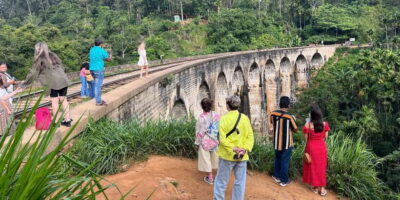
Tea Factory, Train, and Nine Arch Day Tour with Pickup
Read our review →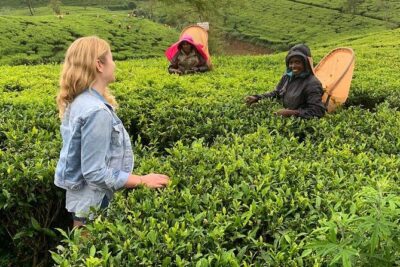

Ella Private Day Trip with Train Ride & Tea Factory-All Inclusive
Read our review →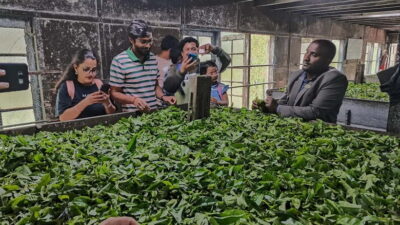

Nuwaraeliya Tea Factory and WaterFall Tour’s With DMJ Tours
Read our review →
9 Arches Bridge, Little Adam’s Peak, Tea Factory
Read our review →Browse the lists this tour appears in