
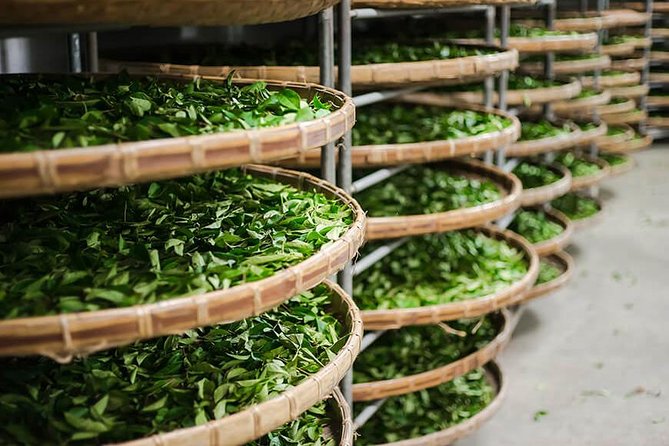
Review · TAIPEI
Tea of Taipei: Small-Group Tour with Taipei City Sightseeing
Taiwanese tea is the star here, not a side attraction. You ride the Maokong Gondola, see tea-growing country above Taipei, visit tea centers and plantations, then learn the careful steps behind a traditional brew in an old tea house. The day also brings mountain roads, lake views, and a look at Taipei beyond its city streets.
I like the way this tour links tea culture with scenery, and I like the small vehicle and limited group size, which make it easier to ask questions. Guides including Jeff, Summer, Henry, Fiona, and David have been singled out for clear explanations and warm company. The main drawback is the length: at roughly eight and a half hours, some of the travel and waiting can feel slow if tea is not a major interest.
Key points to know before booking
- Maokong by gondola: Enjoy a roughly 20-minute ride over wooded hills, with glass-bottom cabins sometimes available.
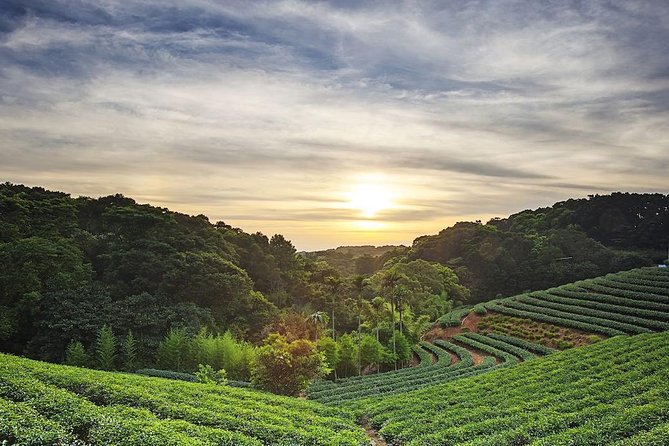
- Two tea areas in one day: Visit Maokong and the Bagua Tea Plantation area, one of northern Taiwan’s best-known tea-growing districts.
- Hands-on tea learning: Depending on the season, you may pick tea leaves and practice the steps of a Taiwanese tea ceremony.
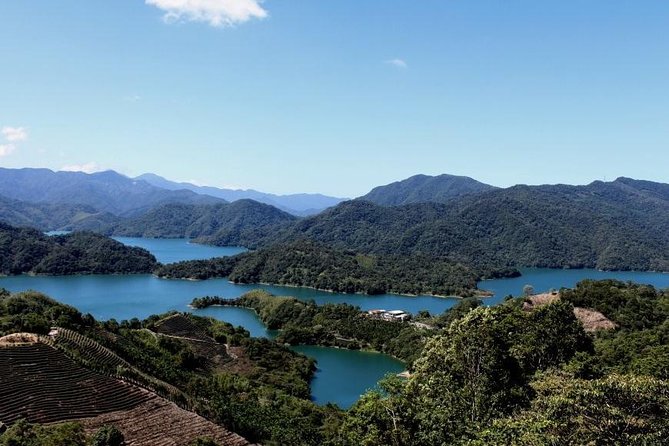
- Scenic Qiandao Lake stop: Pause above Thousand Island Lake for photographs of the reservoir and surrounding hills.
- Lunch costs extra: Your guide can suggest local food, but bring cash for the meal and any tea or pottery purchases.
- Weather matters: The gondola can close in poor weather, and the operator may change the route or offer another date.
A full day in Taipei’s tea country
This is a city escape without a long transfer to another part of Taiwan. You are picked up at your Taipei hotel around 9:00 a.m. in a minivan and head toward the hills around Maokong, where tea farms sit surprisingly close to the capital.
The tour is designed for a small party, with a stated maximum of six people. That matters here. Tea questions can be specific, and a smaller group gives the guide room to explain the difference between varieties, brewing methods, and local customs without turning the day into a lecture from a distance.
There is one logistical point worth checking before you pay. The published conditions say the tour needs at least six people to operate, while also giving a maximum of six. At the same time, departures have operated with very small groups. Solo visitors should confirm how the minimum is being handled for their chosen date.
The pace is generally relaxed rather than rushed. That suits the subject. Tea culture is built around attention to small details, and the day leaves time for views, conversation, and meals. If you prefer a tightly packed sightseeing schedule, the slower rhythm may test your patience.
More City Tours in Taipei:
- Melbourne City Cruise with Tea, Coffee, and Commentary
★ 4.3 · 189 reviews - Hyderabad Highlights Guided City Tour and Chai Experience
★ 5.0 · 19 reviews - Private Shanghai City and Zhujiajiao Combo Tour with Boating, Tea Tasting, Lunch
★ 5.0 · 15 reviews
Maokong Gondola and the hills above Taipei
The first major sight is the Maokong Gondola. The ride takes about 20 minutes and carries you above the wooded slopes toward Maokong, a tea-growing district known for mountain views and tea houses.
If a glass-bottom cabin is operating and you are comfortable with heights, it can add a little drama to the trip. The ride is short, but it changes your view of Taipei quickly. Instead of towers and traffic, you see forested slopes and the folds of the hills outside the center.
Weather can affect this part of the day. The gondola may close during poor conditions, and the operator reserves the right to change the route when needed. Keep that in mind if the cable-car ride is your main reason for booking. The tour still has other tea and sightseeing stops, but the exact order or transport may change.
At Maokong, your guide introduces the local tea-growing areas and explains how tea fits into Taiwanese life. This is a good point to ask practical questions about what you are drinking later. Taiwan produces several types of tea, and the difference is not simply a matter of color or strength.
The Maokong stop also gives you a chance to ask about local food cooked with tea. Lunch is not included, so your guide may point you toward a nearby place. One particularly useful tip from the day’s feedback is to carry cash for lunch in the village. The food suggestions can be part of the experience, especially if you want something more local than a standard city meal.
Tea history at the promotion center
The Taipei Tea Promotion Center for Tieguanyin and Baozhong provides a more structured introduction to Taiwanese tea. The scheduled stop is about 30 minutes, though the overall day includes additional tea-related visits and tastings.
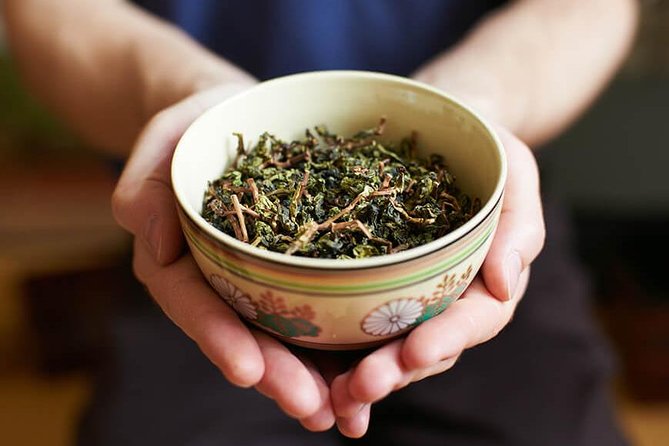
Here, you learn about Taiwan’s tea history and take part in traditional tea ceremonies. Tieguanyin and Baozhong are especially important in the Taipei area, so this stop helps connect the names on a tea menu with actual flavors and production traditions.
The teaching is practical rather than purely historical. You may learn how tea is measured, how water and steeping time affect the cup, and why the order of movements matters in a formal ceremony. The point is not just to drink more tea. It is to help you notice why one tea tastes lighter, floral, fuller, or more roasted than another.
The amount of tea served can vary. One departure included only three teas, which was less than expected for someone hoping for a broad tasting. If you are a serious tea enthusiast, ask the guide early how many varieties are planned that day. The tour offers a useful introduction, but it is not necessarily an all-day tasting flight.
Tea shops and centers may also sell tea, teapots, and cups. This can be a good place to buy something to take home, but do not feel pressured to shop. The value of this stop is the chance to taste with context, then decide for yourself what you actually like.
Bagua Tea Plantation and Thousand Island Lake
The route continues toward the Bagua Tea Plantation area. This is one of northern Taiwan’s most photographed tea-growing settings, with rows of tea on hills surrounded by forest.
The plantation is not just a quick shop visit. You see where the leaves grow and how the farms fit into the surrounding countryside. If you visit during the right season, you may have the chance to pick tea leaves. That activity is seasonal, so it should be treated as a possibility rather than a guarantee.
On the way, the tour makes a photo stop above Thousand Island Lake, also called Qiandao Lake. The name refers to the way the reservoir can appear to contain many small islands, especially in certain weather and light. The view is one of the day’s strongest reasons to leave Taipei.
Bring a phone or camera, but allow for changing conditions. Mist, cloud, or rain can soften the view, and the weather that affects the gondola can also affect the lake stop. Even when the panorama is not perfect, the quiet hills and reservoir offer a welcome change from the city.
This portion of the tour is also where the minivan becomes useful. Public transport would make the combination of tea areas, viewpoints, and old streets more awkward. Hotel pickup and drop-off in Taipei city save you from arranging several separate rides.
A few more tea experiences around Taipei worth a look
- From Taipei: Thousand Island Lake and Pinglin Tea Plantation
★ 4.7 · 519 reviews - Thousand Island Lake and Pinglin Tea Plantation from Taipei
★ 4.5 · 172 reviews - Xiao Long Bao, Beef Noodles & Boba Tea Cooking Class in Taipei
★ 5.0 · 159 reviews - From Taipei: Pinglin Tea Culture and Maokong Guided Day Tour
★ 4.8 · 104 reviews
The old tea house and the ceremony
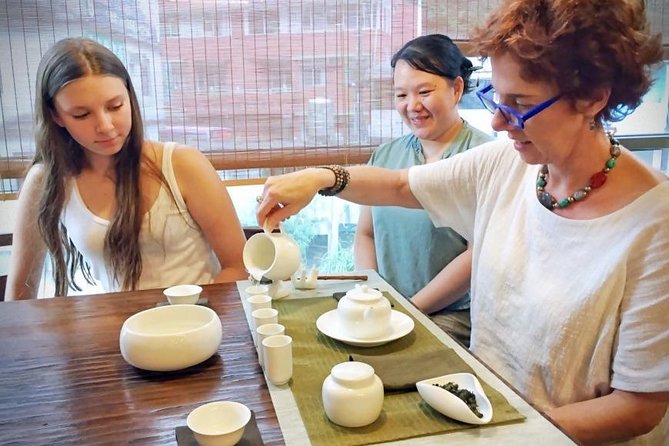
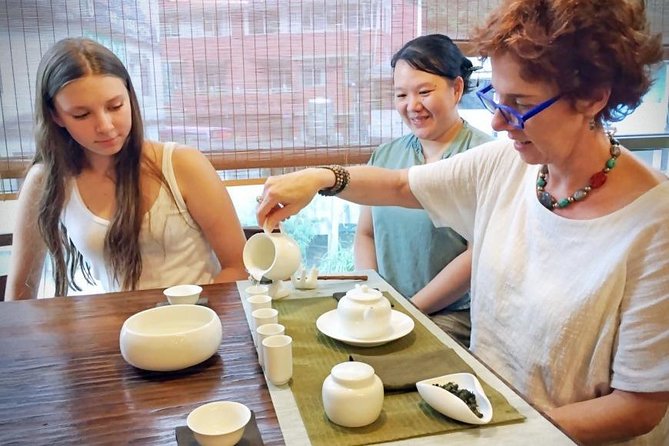
The final major experience takes place around Shihting Old Street, where you visit an old tea house and meet a tea ceremony expert. The setting is more intimate than the earlier promotion center. You sit down, drink tea, and watch the brewing process at close range.
This is the part I would value most if you want to understand tea as a social custom rather than just a farm product. The ceremony has a set order. Small actions matter, including how the teapot is handled, how the cups are arranged, and where your hands go during the process.
You also get a chance to practice. Do not worry about performing every step perfectly. The order can be surprisingly difficult to remember, especially the instruction not to cross your hands during the procedure. The practice turns a polite demonstration into something you will remember.
The tea master explains how to steep a good pot and why each stage is done. The best guides add context about Taiwanese traditions and answer questions without making the ceremony feel stiff. Summer, Henry, David, Fiona, Clare, Kylie, and other named guides have been praised for keeping this teaching friendly and easy to follow.
The old-street setting gives the final stop a sense of place. You are not simply placed in a hotel meeting room for a generic tasting. You are visiting a local area connected with tea, food, and older buildings, then ending the day with a quiet cup.
What the guides add
The guide can make or break a day that includes several stops and a fair amount of driving. The strongest reports point to guides who do more than recite facts. They answer questions about Taiwan, recommend food, help with photos, and adjust the pace when possible.
Jeff has been praised for combining professionalism with a friendly manner. Summer is noted for making the tea-making process fun while still explaining it clearly. Henry is described as especially attentive and well prepared for questions, while Fiona is praised for looking after different needs within the group.
Other named guides, including David, Clare, Kylie, Tina, Victoria, Yang, Billy, Gordon, Vincent, and Erik, have also received strong marks for organization, humor, and cultural explanations. That is useful because this tour covers several subjects at once: tea production, ceremony, food, scenery, and Taiwanese history.
A small group helps the guide tailor the day. If you want more tasting, ask. If you care more about photographs or local food, say so early. The day is not fully private, but the format allows more conversation than a large coach tour.
Is the $230 price fair?
At $230 per person, this is not a cheap way to spend a day in Taipei. The price includes hotel pickup and drop-off within Taipei city, transportation, the Maokong Gondola ticket, tea tastings, and tea ceremony instruction.
The value depends on how you would otherwise arrange the day. Reaching Maokong, a tea plantation, Qiandao Lake, and Shihting by yourself would require several transport plans and careful timing. The tour bundles those pieces and gives you an English-speaking guide to explain what you are seeing.
You are also paying for convenience and access, not just admission tickets. A guide who can recommend a lunch stop, explain tea customs, and help you compare different types of tea adds value that is hard to price separately.
Still, the cost is harder to justify if you only want a gondola ride and a scenic photograph. You can spend less on individual Taipei attractions. This tour makes the most sense for someone who wants a full cultural day, likes guided learning, and would rather not manage rural transport.
Lunch is extra, as are personal purchases. Bring cash for food, tea, and pottery. The exact lunch recommendation varies, but the food stop can be a welcome part of the day rather than an interruption.
Who should book this day?
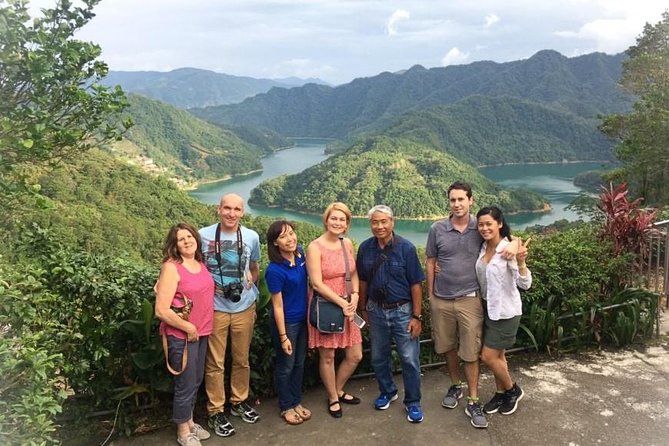
I would recommend it most strongly to tea drinkers, curious first-time visitors to Taiwan, and anyone with several days in Taipei who wants to see the countryside without changing hotels. It is also a good choice if you like learning by doing, since you may pick leaves and practice the ceremony yourself.
The tour suits people who enjoy moderate sightseeing with stops to sit, taste, and listen. It does not require you to be a tea expert. In fact, the day works well if you know little about Taiwanese tea and want a clear introduction.
You should think twice if you dislike long days, scenic drives, or repeated tea tastings. The itinerary includes quiet stretches and some downtime outside the main stops. Weather can also change the gondola and views, so you need to accept some flexibility.
Hotel pickup is offered only in Taipei city. The start time is around 9:00 a.m., and the return comes after the full day. Confirmation arrives when you book, while the precise pickup time and guide contact are provided about two days before departure.
Cancellation is free up to 24 hours before the start time. A late cancellation or a no-show, defined as arriving 15 minutes late, is charged in full. If bad weather or an insufficient number of bookings cancels the tour, you can choose another date or receive a full refund.
Final verdict: a strong choice for tea and scenery
Book this tour if you want more than a quick tea tasting. The best parts are the gondola ride, the green hills around Maokong, the Qiandao Lake viewpoint, and the hands-on ceremony at the old tea house.
I would not choose it simply because it is the easiest sightseeing option. The day is long, lunch is extra, tea tastings may be fewer than expected, and weather can alter the route. But for a visitor who wants Taiwanese tea explained by a local guide, served in its cultural setting, and paired with countryside views, the $230 price can be fair value.
FAQ
How long does the tour last?
The experience lasts about 8 hours and 30 minutes, including transportation and stops.
What time does the tour start?
The listed start time is 9:00 a.m. The exact pickup time is provided about two days before departure.
Is hotel pickup included?
Yes. Pickup and drop-off are included for hotels within Taipei city.
Is lunch included?
No. Lunch is not included. Your guide may recommend a local restaurant, and you should bring cash for the meal.
Is the Maokong Gondola ticket included?
Yes. Admission to the Maokong Gondola is included in the tour price.
Can I pick tea leaves?
You may have the chance to pick tea leaves if conditions and the season allow it. It is not guaranteed on every departure.
What happens if the gondola closes because of weather?
The Maokong Gondola may close in poor weather. The operator can alter the itinerary, and if the experience is canceled because of bad weather, you can receive a different date or a full refund.
How many people are in the group?
The published maximum is six people. The published conditions also state that at least six guests are needed for the tour to operate, so solo visitors should confirm the group arrangement before booking.
Can I cancel for a full refund?
Yes, if you cancel at least 24 hours before the experience begins. Cancellations or changes made less than 24 hours before departure are not refunded.
Just added around Taipei
- Xiao Long Bao, Chicken vermicelli with mushroom and sesame oil, Tofu strips salad, Bubble milk tea. Taiwan Traditional Delicacies Experience-A (Taipei Cooking Class)★ 5.0 · 5 reviews
- Xiao Long Bao, Chicken vermicelli with mushroom and sesame oil, Tofu strips salad, Bubble milk tea. Taiwan Traditional Delicacies Experience-A (Taipei Cooking Class)★ 5.0 · 8 reviews
- Xiao long bao, Pork thick soup, Bubble milk tea. (Taiwan Cooking Class)-B★ 5.0 · 18 reviews
- Taiwanese Baking Class with Oolong Tea Tasting in Taipei★ 5.0 · 4 reviews
- Street Food Cooking Class in Taipei : Gua Bao/Lu Rou Fan/Boba Tea★ 5.0 · 22 reviews
- Taiwan Traditional Delicacies Experience, Xiao Long Bao, Chicken vermicelli with mushroom and sesame oil, Tofu strips salad, Bubble milk tea.★ 5.0 · 6 reviews
- Taipei Fresh Market Tour and Colorful Bubble Tea Making★ 5.0 · 6 reviews
- Pineapple Pastry with Egg Yolk, Longan Cake, High Mountain Oolong Tea. Taiwan Traditional Dessert Experience-D (Taipei Cooking Class)★ 5.0 · 2 reviews
City Tours, compared.
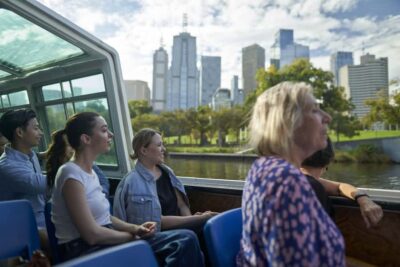
Melbourne City Cruise with Tea, Coffee, and Commentary
Read our review →
Private Shanghai City and Zhujiajiao Combo Tour with Boating, Tea Tasting, Lunch
Read our review →
City Of Side:Turkish Bath with Traditional Turkish Tea
Read our review →
Huong River Afternoon Tea Cruise Tour Along Hue City
Read our review →
Purple Tea Farm Tour from Nairobi City – Specialty Tea Tasting
Read our review →
Browse the lists this tour appears in