
Review · INDIA
Tea Pluckers’ Day
Darjeeling’s tea story makes the most sense when you leave town and walk among the bushes. This experience takes you to one working tea estate, where you can see plucking, follow estate paths, visit a factory, taste several teas, and eat lunch in the countryside. Sunny and Amit are among the guides named for this experience, and both bring a personal touch to the day.
I like the private transport and the chance to spend time in a working estate rather than simply buying a packet of tea in town. I also like the mix of tea culture and walking, including a possible forest hike, estate paths, and views toward the lesser Himalayan hills. The main point to check is the timing: the description presents it as a full day from breakfast to evening tea, but the listed duration is about five to six hours, and one account describes it as a half-day outing.
Key points at a glance
- One estate is selected for the day: Ging, Rangaroong, Poobong, Soom, Mim, Chamong, Tumsong, Ringtong, Phubsering, Turzum and Sungma, Tukvar, or Makaibari may be available.
- Tea is part of the meal plan: Packed breakfast, fresh fruit, organic Darjeeling tea, lunch, bottled water, and unlimited teas are included.
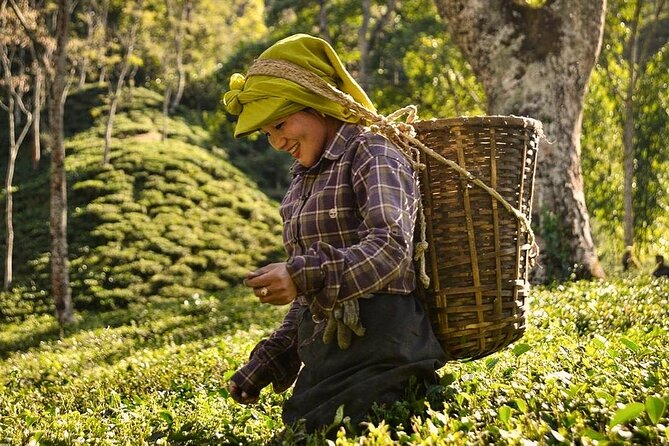
- The day goes behind the cup: Expect a garden walk, tea plucking, a factory visit, tea tasting, and a look at estate life.
- Private transport keeps the group together: Pickup is offered, and only your own group takes part.
- Walking is central: Walking sticks are available if needed, but you should be comfortable on estate paths.
- Sunday may be quieter: One account notes that tea pluckers have a day of rest on Sunday, which can affect what you see.
Why tea country is more interesting than a tasting room

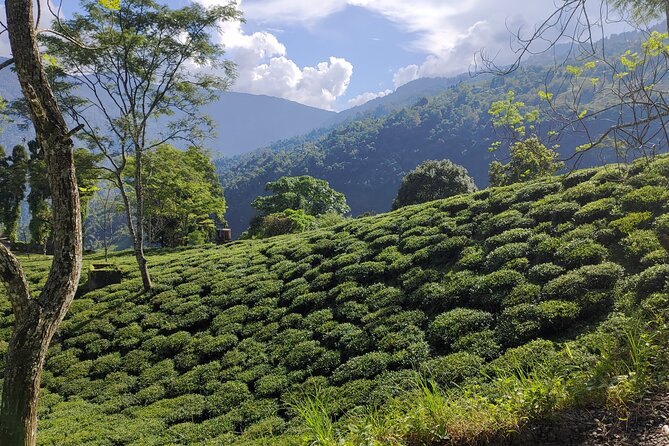
A Darjeeling tea tasting can tell you how a tea smells and tastes. This outing adds the work behind it. You see the steep hills where tea is grown, the rows of bushes that must be tended by hand, and the factory stage that turns fresh leaves into a finished drink.
That practical link is the heart of the experience. You are not only sampling first-flush or organic tea in a polished setting. You are also learning why skilled plucking matters and how a tea estate functions as a place of work and community.
The day begins around 8:30 am with pickup from your hotel. From there, private transport takes you away from Darjeeling town to one of the partner estates. The exact garden depends on real-time availability, so you should not book this expecting a guaranteed visit to a particular property.
That uncertainty is worth understanding before you pay. It gives the operator room to choose an estate that is open and suitable on the day, but it also means the experience can differ greatly from one booking to another. Ging Tea Estate, for example, offers heritage and community stops, while Tukvar is noted for broad mountain views and the option of hiking down toward the river.
A few more tea experiences around India worth a look
- Munnar Tea Trail Tour with Factory Experience ( By Munnar Info)
★ 5.0 · 458 reviews - Village Vibes: Cansaulim Coastal E-Bike & Japanese Tea Tour
★ 5.0 · 292 reviews - Munnar Tea valley Tour ( By Munnar Info)
★ 5.0 · 83 reviews
Breakfast, fresh fruit, and the first tea of the day
The early start is softened by a packed breakfast with fresh fruit and organic Darjeeling tea. Bottled water is also included. This is useful in the hills, where the drive and walking can stretch longer than expected.
The food is not presented as a separate cooking class or grand meal. It is practical fuel for a morning outdoors. If you are looking for a polished hotel-style breakfast, set your expectations accordingly. The value is that the meal travels with you and lets the day begin away from town.
Tea is served throughout the experience, and lunch is included. The description also promises unlimited teas, so this is a strong choice for anyone who wants to compare cups over several hours instead of treating tea tasting as a ten-minute stop.
Walking through a working tea estate
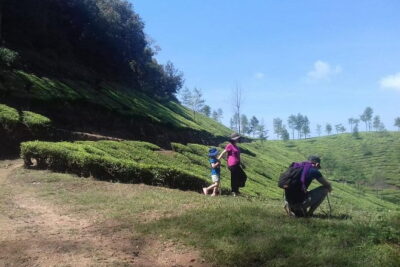
The garden walk gives you the clearest sense of place. You may see tea being plucked from the bushes, learn about planting, and walk between different parts of the estate. The terrain is not described as difficult, but the hills of Darjeeling make flat walking unlikely.
One account describes a gentle walk from a guest house to a tea factory, with a stop at a dispensary and school along the way. Those details matter because they show that an estate is more than a scenic plantation. It can include housing, public services, work areas, and community spaces.
You might also take a forest hike, depending on the estate and the day’s plan. Walking sticks are supplied if required. I would still wear sturdy shoes and bring a light rain layer, since the experience depends on good weather and the hills can change quickly.
Sunday deserves special attention. Tea pluckers may have a day of rest, so a Sunday visit could offer peaceful paths but less activity in the bushes. If watching active plucking is your main goal, ask about the best day before booking.
The estate choices, from Ging to Makaibari
You will not visit all thirteen locations. These are possible partner estates, with the final choice based on availability. Each one gives the day a slightly different character.
Ging Tea Estate was established in 1864 and is one of the heritage tea estates in the Lebong hills. Its appeal goes beyond tea plants. The route can include community stops such as a dispensary and school, making it a good choice if you want to understand how estate life works.
Rangaroong Tea Garden sits between the Senchal West Forest Range and Darjeeling town. It is described as one of the less explored gardens in the hills, so it may suit you if quiet paths matter more than a famous name.
Poobong Tea Garden dates from the mid-19th century and spreads below the Sukhia Pokhri range. The Poobong Tea Room is an additional attraction, though the supplied details do not say whether it is part of every booking. Treat it as a possible extra, not a guaranteed stop.
Soom Tea Garden has a triangular setting, reflected in the Lepcha meaning of its name. Cherry blossoms, pine, and rhododendron trees add variety to the tea setting. This is likely to appeal to you if woodland scenery is as important as the tea itself.
Mim Tea Estate belongs to the old Andrew and Yule Company, a Scottish-established firm. It is described as one of the prettiest villages in the district, giving the estate a strong village and heritage setting.
Chamong Tea Estate is one of the larger and more varied tea gardens listed. It produces organic teas and may be a good fit if you want a broad look at tea cultivation rather than a small, intimate garden.
Tumsong Tea Retreat combines a tea setting with heritage accommodation and a more restful feel. The details supplied do not promise an overnight stay, so think of it as a possible setting for the day rather than a lodging package.
Ringtong Tea Garden is known for careful plucking and the export quality of its tea. This could be the most relevant choice if you want to focus on the craft of selecting leaves.
Phubsering Tea Garden is one of the older estates in the hills and is associated with organic tea. It offers another heritage setting, though the exact activities will depend on what is operating on the day.
Turzum and Sungma Tea Factory offer a boutique tea focus through two small tea villages. If the factory process and finished teas are your priority, this option may be particularly appealing.
Tukvar Tea Garden brings mountain views and the possibility of hiking down toward the river after the tea experience. It sounds best suited to people who want scenery and a little more walking.
Makaibari Tea Garden combines nature, history, and heritage and is one of Darjeeling’s older organic estates. Its organic identity may interest you if farming methods matter as much as tasting notes.
The list gives you a useful sense of the range, but it also confirms why you should ask the operator which estate is planned before you set out. A forested garden, a factory-led visit, and a heritage estate do not feel identical.
Same place, a different pot:
- Tea planation walking In Munnar- (by Munnar Info)
★ 5.0 · 53 reviews - Munnar: Tea trail, Tea Factory, and Tea Tasting Tour
★ 4.9 · 47 reviews - Private Munnar Tea Trek
★ 4.6 · 38 reviews - Delhi Street Art Walk in Lodhi Art District with Chai & Food
★ 5.0 · 34 reviews
What happens inside the tea factory
The factory visit is where the day shifts from farming to production. You can expect an explanation of how leaves move from the bushes toward the finished tea, though the precise factory route will vary by estate and operating schedule.
This part matters because tea tasting makes more sense once you have seen the process. The experience is designed to show craftsmanship and skilled labor, not simply the final product. You may learn why leaves must be handled carefully and why plucking quality affects what reaches the cup.
Factory access is included at some listed estates and may be part of the day’s plan at others. Since the final garden is not fixed, ask directly whether the factory will be operating during your visit. Tea production is work, not a stage show, and some areas may be quiet or closed on a particular day.
Tea tasting without rushing the cup
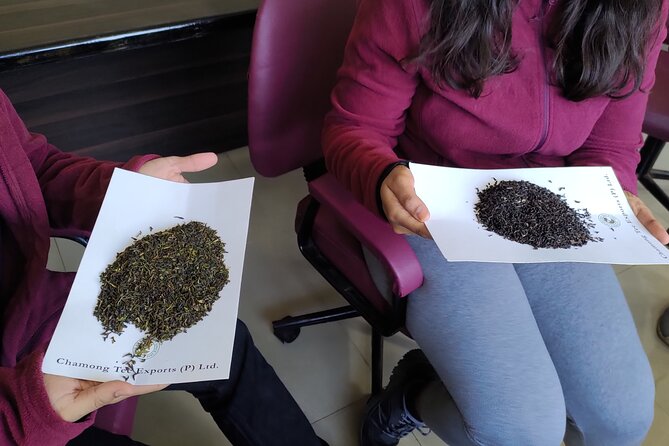
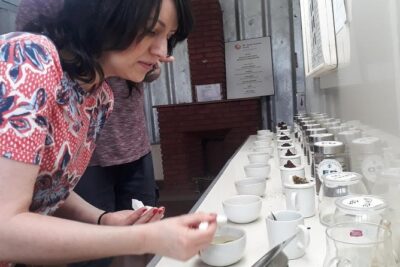
The elaborate tasting is one of the strongest reasons to choose this outing. You can compare teas after seeing where they grow and how they are made. Unlimited tea also means you are not limited to a single sample.
I would treat this as a learning tasting rather than a formal expert seminar. The supplied information promises an elaborate tea tasting but does not list the exact teas, number of pours, or tasting method. You will get more from it if you ask questions about flavor, plucking season, organic production, and the difference between estates.
The setting should also affect your expectations. This is not a city tea lounge. Your cup may come after a walk, a factory visit, or lunch in the open air. That is part of the appeal, but it also means the day has a working, flexible rhythm.
Lunch and the value of private transport
Lunch is included, along with bottled water and unlimited teas. One account describes lunch served al fresco at a guest house after a morning walk and factory visit. That suggests a relaxed countryside meal rather than a restaurant circuit.
The exact menu is not provided, so do not book this expecting a specified regional dish. The useful point is that you do not need to arrange lunch separately while you are far from Darjeeling.
Private transport is a real advantage here. The roads to the estates can take you away from town, and a private vehicle means you are not managing local connections between the garden, factory, and meal. It also keeps the experience limited to your own group, which makes it easier to ask questions or adjust the pace within the available time.
Pickup is offered, and the listed start time is 8:30 am. Confirm the pickup details when booking, especially if your hotel is outside the usual Darjeeling area.
Guides who make the day personal
The guide can shape this experience as much as the estate. Sunny is named as a guide who explained local customs and adapted the walk to the group. Amit is described as a guide who encouraged long conversations about tea, politics, music, and cultural life.
Those details suggest a conversational style rather than a scripted bus tour. If you enjoy asking questions and comparing everyday life in Darjeeling with your own home, you may get a lot from the day.
The private format helps here. You are not competing with a large group for every answer, and the guide can spend more time on the parts that interest you. The exact guide is not guaranteed, so Sunny and Amit should be viewed as examples of the staff rather than promises for your departure.
Price, time, and who gets good value
At $85.11 per person, the price is fair if you use the full package. It covers private transport, estate access, garden activities, factory visits where applicable, tea tasting, breakfast, lunch, bottled water, and tea throughout the day. Buying those pieces separately would be difficult, especially once you are outside town.
The value is weaker if you mainly want a quick photo stop or a short tea tasting. You are paying for several hours, transport into the hills, and a guided look at tea production. The outing makes the most sense for someone who wants context and countryside, not just a souvenir packet.
The timing needs careful reading. The tour is described as lasting five to six hours, yet the central description talks about breakfast to evening tea. A five-hour visit may include the core garden, factory, lunch, and tasting, but it is not the same as spending a full working day alongside estate staff.
I would allow the morning and early afternoon for the tour and avoid scheduling a tight connection afterward. Roads and estate visits can take longer than planned, and the itinerary is flexible by design.
Should you book Tea Pluckers’ Day?
Book it if you want a private, practical look at Darjeeling tea, with walking, factory work, tea tasting, and meals included. It is especially well suited to couples, families, and small groups who prefer a personal guide to a crowded sightseeing bus.
You should also book it if the estate setting matters to you. Ging’s school and dispensary stops, Tukvar’s mountain views, Soom’s trees, and Makaibari’s organic identity give the possible locations real variety.
Think twice if you require a fixed estate, a guaranteed active plucking demonstration, or a precise full-day schedule. Ask about the selected garden, Sunday operations, factory access, and expected return time before confirming.
For most tea lovers, the combination of private transport, country walking, lunch, and repeated tastings makes the $85.11 worthwhile. Just remember that the charm comes from a working estate and a flexible plan, not from a tightly staged attraction.
FAQ
What time does Tea Pluckers’ Day start?
The stated start time is 8:30 am, with pickup offered from your hotel.
How long does the experience last?
The listed duration is approximately five to six hours. The description also presents the outing as a day running from breakfast to evening tea, so confirm the expected return time when booking.
Will I visit a specific tea estate?
The final estate depends on real-time availability. Possible locations include Ging, Rangaroong, Poobong, Soom, Mim, Chamong, Tumsong, Ringtong, Phubsering, Turzum and Sungma, Tukvar, and Makaibari.
Is transportation included?
Yes. Private transportation and pickup are included.
What food and drinks are included?
The experience includes a packed breakfast with fresh fruit and organic Darjeeling tea, lunch, bottled water, and unlimited teas.
Is this a private tour?
Yes. Only your own group takes part in the activity.
Can I cancel for a full refund?
Yes, if you cancel at least 24 hours before the experience starts. Cancellations made less than 24 hours in advance are not refunded. Poor weather or failure to meet the minimum number of participants can lead to a new date or a full refund.
Just added around India
- Varanasi: Sunrise walking tour with Chai & Arti Ceremony★ 4.4 · 9 reviews
- Varanasi: Sunrise Boat Ride with Masala Tea – Arti Ceremony★ 4.5 · 4 reviews
- Heritage Tour : Private Boat, Havelis, City Walk & High Tea★ 5.0 · 6 reviews
- Full Day Food Tour Of Delhi with a chef. Includes Tea Tasting★ 5.0 · 20 reviews
- The Old Delhi Sundowner – Kite Flying and High Tea★ 5.0 · 4 reviews
- Tea Tasting Session at India’s oldest tea boutique Sancha Tea/Aap Ki Pasand★ 5.0 · 4 reviews
- High Tea At The Atrium Restaurant, Imperial Hotel, New Delhi★ 5.0 · 16 reviews
- Tea Farm Tourism★ 5.0 · 8 reviews
India Tea Experiences, compared.
Munnar Tea Trail Tour with Factory Experience ( By Munnar Info)
Read our review →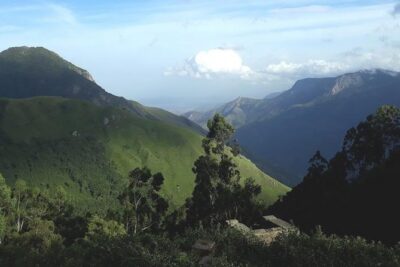
Tea planation walking In Munnar- (by Munnar Info)
Read our review →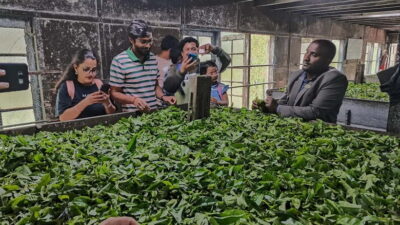

Delhi Street Art Walk in Lodhi Art District with Chai & Food
Read our review →
Amchong Tea Estate + Factory Visit (with Hi-tea only)
Read our review →
Old Delhi’s heritage, Spice market, Masala Chai & food sampling
Read our review →Browse the lists this tour appears in