
Review · HANOI
1 day Private tour Sapa trekking Y Linh Ho – Lao Chai – Ta Van (start from Sapa)
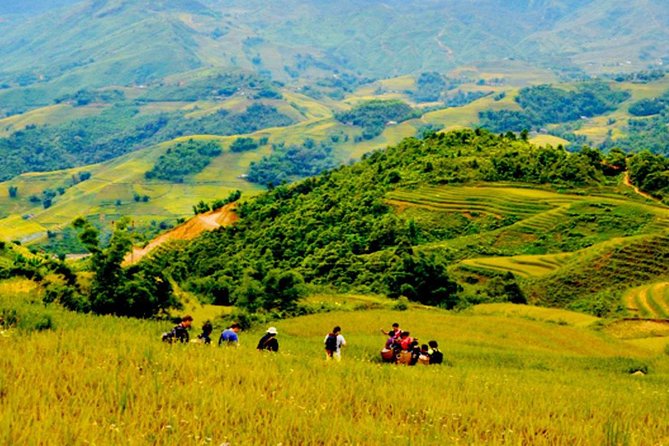
The best part of this private Sapa trek is the steady change in scenery and culture as you walk from town into the Muong Hoa Valley. You begin on a main road with wide views, then follow smaller paths through rice terraces to Y Linh Ho, a Black Hmong hamlet, before continuing beside the river to Lao Chai and Ta Van.
I like the chance to learn how rice moves from seed to dinner table, and I like the private format, which gives you room to ask questions about houses, clothing, family life, and local customs. The guides named Vu and Yen have been praised for being friendly and helpful. The main drawback is that the description is not fully clear about the schedule: it calls the trip one day, yet also mentions a night in Ta Van and includes breakfast and dinner while excluding accommodation.
Key points
- A 4-kilometer opening walk: Start with views over Sapa and the Muong Hoa Valley before leaving the main road.
- Three distinct communities: Visit Y Linh Ho, Lao Chai, and Ta Van, with Black Hmong and Giay cultural explanations.
- Rice terraces up close: Walk small paths through the fields and learn how rice is grown and harvested.
- Private guiding: Only your group takes part, making it easier to set the pace and ask direct questions.
- Local lunch by the river: A picnic lunch or meal at a small riverside refreshment restaurant is included.
- Important schedule check: Confirm whether your booking is a same-day trek or includes an overnight stay, since the details conflict.
From Sapa to the Muong Hoa Valley
This outing begins at about 9:00 AM with hotel pickup in Sapa. The supplied meeting information also lists Hanoi, so check the exact pickup point before paying. The route itself clearly describes a start in Sapa, not a same-day departure from Hanoi.
The first section follows the main road for roughly 4 kilometers. That may sound less exciting than the small trails ahead, but it serves a useful purpose. From higher ground, you get a broad view back toward Sapa and down into the Muong Hoa Valley. It is a good moment to understand the shape of the walk before the route drops into the fields.
Once you leave the road, the footing changes. You follow smaller paths through the rice terraces toward Y Linh Ho. The route is described as a trek, not a gentle pavement walk, so sensible shoes matter. The information does not give a distance for the full route, trail conditions, or a difficulty grade. If you have concerns about steep sections or muddy ground, ask the provider before departure.
The private format is useful here. Your guide can spend more time explaining what you are seeing instead of giving a set speech to a large group. You can also ask for a pause during the descent or take a little longer with the views.
A few more tea experiences around Hanoi worth a look
- Sapa 2 days 1 night trekking Lao Chai Ta Van – Fansipan mountain by cable car
★ 5.0 · 36 reviews - Sapa 2D1N Trekking to Giang Ta Chai Village from Hanoi by Bus
★ 3.5 · 4 reviews - From Hanoi: 2D1N Mu Cang Chai Private Trekking & Homestay
★ 5.0 · 4 reviews
Y Linh Ho and the Black Hmong Valley
Y Linh Ho is a small hamlet associated with the Black Hmong community. The first major cultural part of the walk begins here, after the open views from the road give way to terraces and village paths.
The appeal is not a staged show. The focus is on ordinary details: how local families live, how traditional houses are built, how clothes are made, and how people respond when someone becomes sick. These subjects give you a better sense of daily life than a quick photo stop would.
Your guide is especially important at this point. Customs and household practices can be easy to misunderstand when you are only looking from the outside. A good explanation helps you see the village as a living community rather than a backdrop for a walk.
You should also keep your expectations grounded. The tour does not promise a formal museum visit or a long craft workshop. Instead, you hear explanations and may visit local families as the route passes through the hamlet. That makes the experience more personal, but the exact homes and conversations can vary.
Walking Beside the Muong Hoa River
From Y Linh Ho, the route follows the river toward Lao Chai. This is one of the most appealing sections because the walk links the villages naturally. You are not being driven from one photo stop to another. You move through the valley and see the terraces, water, paths, and homes as part of one place.
The river also gives the route a clear sense of direction. You can settle into a steady walking rhythm while your guide fills in the local context. The description puts strong emphasis on rice cultivation, from sowing the seed to harvesting it and serving cooked rice at home. That lesson is worth paying attention to, since the terraces are not simply pretty scenery. They are working farmland and a central part of village life.
Rice cultivation also explains why the valley looks so carefully shaped. Each terrace has a practical job, and the pattern changes with the growing season. The tour details do not specify which stage of the crop you will see, so the exact appearance of the fields depends on the date of your visit.
Lao Chai: Homes, Clothing, and Local Customs
Lao Chai means old village in the local dialect, according to the tour description. Here, the cultural explanations become more focused. You may visit local families and hear about house construction, clothing techniques, and approaches to treating a sick person.
I like this part because it connects big subjects to things you can actually see. A house is not just an old-style building. Clothing is not only a colorful detail in a photograph. Each reflects choices shaped by family life, work, climate, and local tradition.
The stop also gives you a chance to ask direct questions. The guide can explain differences between communities living close together, rather than presenting the entire valley as if everyone follows the same customs. That distinction matters in Sapa, where several ethnic groups live within a relatively small area.
Lunch is served at a small local refreshment restaurant beside the river, and the inclusions also describe it as a picnic lunch. That wording is a little unclear, so confirm the exact meal arrangement. Either way, lunch is built into the day rather than left for you to arrange. The listing also includes breakfast and dinner, which makes sense only if an overnight portion is part of your booking, so ask for clarification before you set your plans.
Same place, a different pot:
- Vietnam Motorbike Tour to Ha Giang, Sapa, Mu Cang Chai – 8 Days
★ 5.0 · 20 reviews - Private transfer Hanoi <=> Mu Cang Chai One Way (Hotel pickup)
★ 5.0 · 17 reviews - Vietnam Tea Tasting – Giang Egg Coffee & Train Street Visit
★ 5.0 · 10 reviews - Hanoi Eco Tour: Ba Vi National Park Wonders & Tea Plantation
★ 4.7 · 7 reviews
Ta Van and the Giay Community
In the afternoon, you leave Lao Chai and continue to Ta Van, a village associated with the Giay people. The walk gives you a second cultural viewpoint after the Black Hmong community at Y Linh Ho and Lao Chai.
The guide is expected to take you into some family homes, where you can listen to local stories, enjoy green tea, and learn how Giay customs differ from those of nearby hill communities. The fact that these groups live close to one another makes the comparison especially useful. You are not looking at distant cultures in isolation. You are seeing how neighboring communities can share a valley yet maintain different traditions.
One guide named in the feedback is Yen, also referred to as Mama Yen. She was praised for sharing local life in a warm and personal way. Another named guide, Vu, was praised for being friendly and answering questions. You cannot assume either guide will lead your particular departure, but you can request confirmation of your guide’s name when booking.
The Ta Van portion may be the most important section for anyone considering an overnight stay. A private room with a shower and toilet was described in the supplied information as simple but pleasant at a Ta Van homestay. At the same time, accommodation is listed as not included. That is a clear point to settle before the trip, especially because the overview mentions spending the night in Ta Van.
The Return to Sapa and the Schedule Problem
After Ta Van, the route heads uphill to the main road, where a car collects you for the transfer back to Sapa. The stated itinerary ends after this return transfer, which makes the activity read like a one-day trek.
Yet other details point toward two days. The overview mentions a night in Ta Van. Breakfast and dinner are included. One piece of feedback describes two days with guide Yen and a private room in a homestay. The title and duration, however, say one day, and accommodation is specifically excluded.
Do not treat this as a minor wording issue. It changes what you need to pack, how much time to reserve, and the total cost. Contact Vietnam Blue Tours before departure and ask these exact questions:
- Is the booking a one-day trek with same-day return to Sapa?
- Is an overnight Ta Van stay available, and is it included in the quoted price?
- If the stay is included, what room and bathroom arrangement applies?
- Are breakfast and dinner part of this particular booking, or are they copied from a longer version of the trip?
- Does the guide meet you at a Sapa hotel, or is another meeting point used?
The activity price is listed as $58.98 per person. For a private outing, a local English-speaking guide, transport, and lunch, that can be good value if the service is truly limited to your group. The price is less easy to judge until the overnight question is answered. If accommodation and extra meals are not included, budget for them separately.
What the Private Format Really Gives You
Private does not automatically mean luxurious. Here, it means only your group participates. That can make a real difference on a walking route.
You can ask the guide to explain a farming technique twice, stop for a closer look at a house, or pause when the valley opens up. You are also less likely to feel rushed through a family visit. The guide can adjust the conversation to your interests, provided the route and local circumstances allow it.
The tradeoff is that the quality of the day depends heavily on the assigned guide. The names Vu and Yen come with positive descriptions, but guide assignment is not guaranteed. Ask who will lead your group and whether the guide is fluent enough in English for the cultural questions you want to ask.
The tour includes transportation, but the details do not say what type of vehicle is used or how long the transfers take. You should expect a vehicle to return you from the main road near Ta Van to Sapa, as that is how the route is described.
Food, Included Services, and What to Confirm
The listed inclusions cover a local English-speaking guide, transportation, a picnic lunch, tax, breakfast, lunch, and dinner. The overlap between picnic lunch and lunch suggests that the details may combine information from different versions of the route.
Accommodation is not included. This is the most important cost issue if you expect to sleep in Ta Van. Other expenses are also excluded unless specifically named. Bring money for anything outside the listed services, but the supplied information does not specify prices for drinks, extra food, or other purchases.
The cancellation terms are friendly if your plans change: you can receive a full refund when you cancel at least 24 hours before the start time. Cancellations or changes made inside that window are not refunded or accepted. Confirmation is normally issued at booking, though bookings made within five days of departure may take up to 48 hours and remain subject to availability.
Service animals are allowed, and the experience is near public transportation. The operator says most people can participate, but it does not provide a formal fitness rating. Since the route includes a 4-kilometer road section, a descent to the valley, small trails through terraces, and an uphill walk back to the main road, ask for current trail advice if you have mobility limits.
Who Will Get the Most from This Trek
I would choose this experience if you want Sapa scenery with real cultural explanation, not only viewpoints and photographs. It suits you if you are comfortable walking for much of the day and want to compare Black Hmong and Giay communities in the same valley.
The private setup works well for couples, families, or a small group with many questions. It is also a good choice if you want a guide to explain rice farming in plain terms rather than simply point at the terraces.
I would hesitate if you need a fixed, fully detailed schedule. The route itself is clear, but the one-day versus overnight information is not. I would also hesitate if you want a short walk with little climbing, because the listed route includes both a descent into the valley and an uphill return to the road.
Should You Book the Y Linh Ho to Ta Van Trek?
Book it if the confirmed plan matches what you want: a private day on foot from Sapa, local guiding, rice terraces, riverside walking, lunch, and time in three communities. The strongest features are the views, the chance to ask detailed questions, and the contrast between Black Hmong and Giay life.
Before booking, get the schedule in writing. The description combines a one-day return with an overnight Ta Van stay, and it lists meals that do not fit neatly with the stated exclusions. Once that point is settled, the $58.98 price can offer solid value for a private guided route through the Muong Hoa Valley.
FAQ
Where does the tour start?
The route description says your guide picks you up at your hotel in Sapa at about 9:00 AM. The meeting information also lists Hanoi, so confirm the exact pickup point with Vietnam Blue Tours before departure.
How long is the tour?
It is advertised as a one-day experience lasting approximately one day. However, the description also mentions spending a night in Ta Van, so confirm whether your booking is a same-day trek or an overnight version.
What villages are included?
The route includes Y Linh Ho, Lao Chai, and Ta Van. Y Linh Ho and Lao Chai are associated with the Black Hmong community, while Ta Van is associated with the Giay people.
Is accommodation included?
No. Accommodation is listed as excluded, although the description also mentions a night in Ta Van and includes breakfast and dinner. Ask the provider to confirm the arrangement for your booking.
What meals are included?
The listed inclusions name breakfast, lunch, dinner, and a picnic lunch. Because the itinerary describes lunch at a riverside refreshment restaurant, confirm which meals apply to your exact version of the tour.
Can I cancel for a full refund?
Yes, if you cancel at least 24 hours before the experience start time. Cancellations and changes made less than 24 hours before the start time are not refunded or accepted.
More 1-Day Tours in Hanoi
- From Sapa: 1-Day Guided Trek to Lao Chai & Ta Van with Lunch
★ 4.9 · 416 reviews - From Colombo: Kandy, Pinnawala and Tea Factory Full-Day Trip
★ 4.4 · 99 reviews - One Day Sapa Trekking to Lao Chai and Ta Van Villages
★ 5.0 · 80 reviews - Ella Private Day Trip with Train Ride & Tea Factory-All Inclusive
★ 5.0 · 61 reviews
Just added around Hanoi
- Hanoi: 3D2N Mu Cang Chai Visit All Attractions, Trek, Ethnic Life★ 5.0 · 3 reviews
- Vietnam Motorbike Tour To Sapa, Mu Cang Chai, Thac Ba-5 Days★ 5.0 · 5 reviews
- From Hà Nội ; Mu Cang Chai 3 Days 2 Nights By Car and Trekking★ 5.0 · 3 reviews
- Omkara Halong Indian Cruise from Hanoi with Afternoon Masala Chai★ 4.0 · 2 reviews
- Sapa 2D1N Trekking to Giang Ta Chai Village from Hanoi by Bus★ 3.5 · 4 reviews
- From Hanoi: 2D1N Mu Cang Chai Private Trekking & Homestay★ 5.0 · 4 reviews
- Bac Ha, Sapa and Mu Cang Chai Tour★ 5.0 · 6 reviews
- Hanoi Eco Tour: Ba Vi National Park Wonders & Tea Plantation★ 4.7 · 7 reviews
Hiking & Trekking, compared.
Hiroshima Local guided Hiking Tour&Open-air Tea Ceremony
Read our review →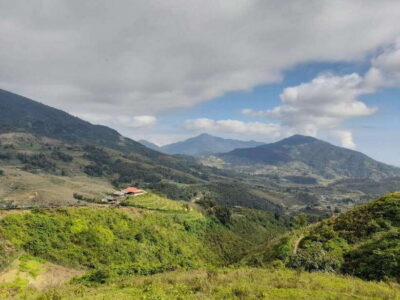
Half Day Sapa Trekking to Visit Lao Chai – Ta Van
Read our review →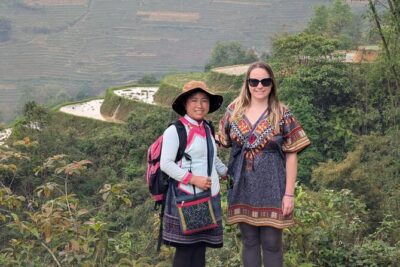
One Day Sapa Trekking to Lao Chai and Ta Van Villages
Read our review →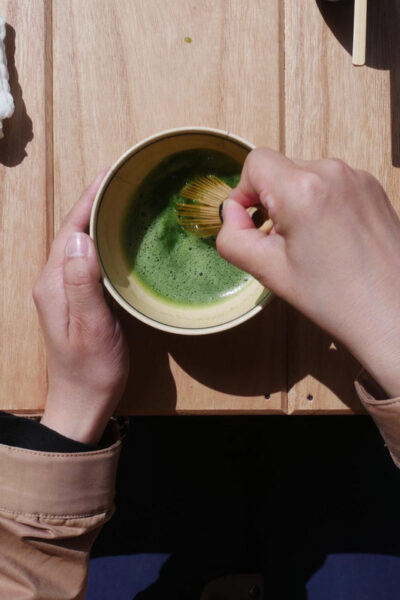
Tuk-Tuk Safari Liptons seat,Tea Fields Hike,TeaFactory Tour
Read our review →
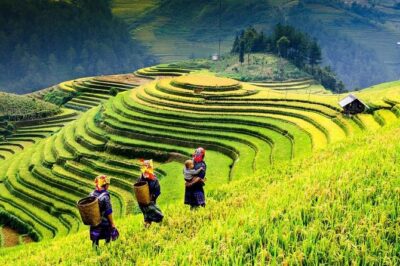
Sapa 2 days 1 night trekking Lao Chai Ta Van – Fansipan mountain by cable car
Read our review →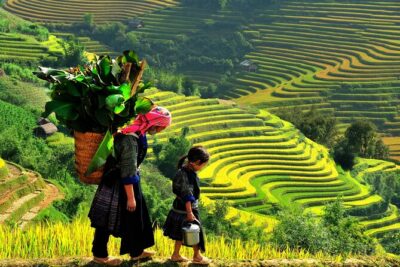
Browse the lists this tour appears in