
Review · HANOI
Vietnam Motorbike Tour To Sapa, Mu Cang Chai, Thac Ba-5 Days
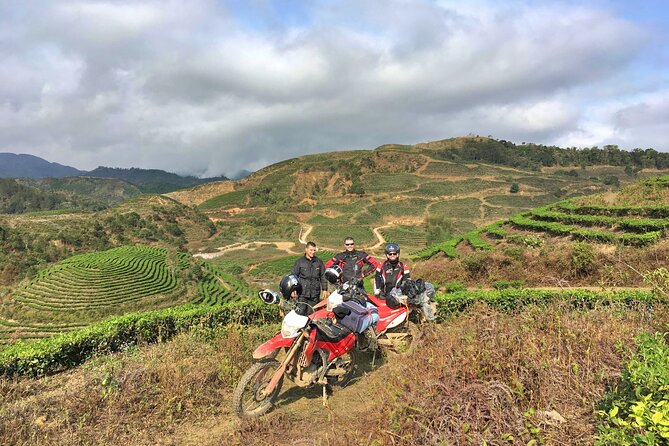
The best part of this five-day ride is how quickly it leaves Hanoi behind. You move from Red River rice fields to high mountain passes, terraced hills, remote villages, Sapa, and the quiet islands of Thac Ba Lake. It is a real road journey, not a string of quick photo stops.
I like the mix of challenging mountain riding and slower village time. I also like that fuel, helmets, riding gear, meals, and an English-speaking guide are included, while guides such as Duck have adjusted the pace to suit different riding abilities.
The main caution is the physical demand. Riding days can last up to 12 hours, the roads are mountainous, and one optional route includes river crossings. You need good fitness, comfort on a geared scooter, and a willingness to accept basic conditions at times.
Key points to know before you book
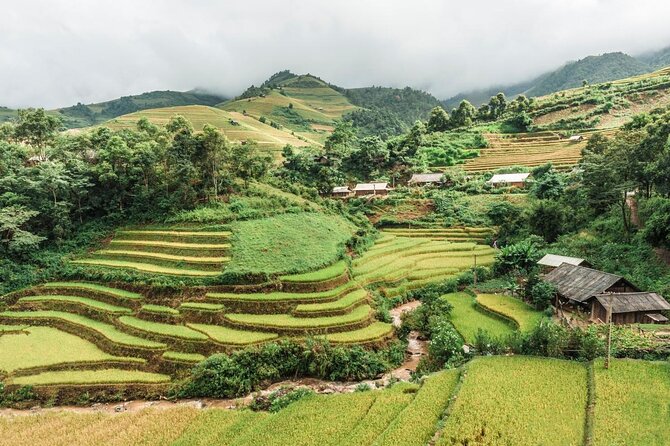
- Lung Lo Pass and Mu Cang Chai: Ride through a historic mountain route and some of northern Vietnam’s finest rice-terrace country.
- Tram Ton Pass: Cross Vietnam’s highest road pass, at more than 2,000 meters, before dropping into Sapa.
- Thac Ba Lake: Stay near a Dao village, take a boat among more than 1,300 islands and hills, and swim from an island.
- Local food and homestays: Breakfast, lunch, and dinner are included, with four nights of dinner and a mix of hotels and local stays.
- Private group format: Only your own group takes part, with a guide who can adjust the ride to your ability.
- Long, demanding days: The schedule includes rides of up to 12 hours, so this suits active riders more than casual sightseers.
Why this route is special
Northern Vietnam is best understood from the seat of a motorbike. On this route, the road itself is part of the attraction. You begin on flat farm roads outside Hanoi, then climb into the northwest through valleys, passes, river corridors, and highland settlements.
The route also avoids making Sapa the whole story. Sapa is the most famous stop, but Mu Cang Chai, the road through Lai Chau, and Thac Ba Lake give you a better sense of the region beyond its best-known mountain town.
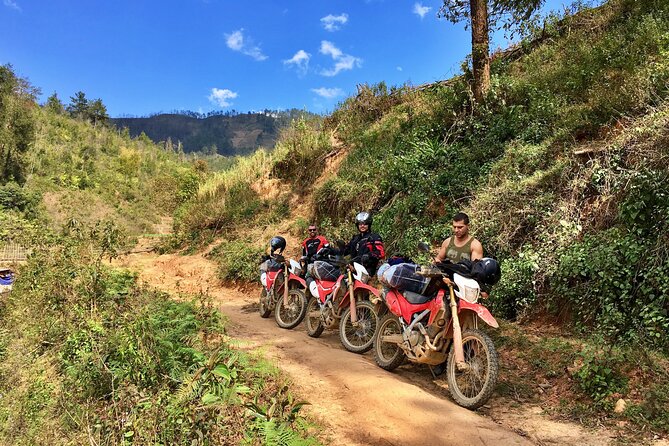
You will ride a 110cc or 125cc geared scooter. Manual dirt bikes of 150cc, 250cc, or 300cc are not included, so you should check what type of bike you want before paying. Gasoline, helmets, and riding gear are covered.
The private format matters. You do not join a large group with a fixed pace. The guide can let confident riders push on while giving less experienced riders room to settle in. That flexibility is especially useful on the longer mountain days.
Other tea experiences people book around Hanoi:
- Sapa 2 days 1 night trekking Lao Chai Ta Van – Fansipan mountain by cable car
★ 5.0 · 36 reviews - Vietnam Motorbike Tour to Ha Giang, Sapa, Mu Cang Chai – 8 Days
★ 5.0 · 20 reviews - Private transfer Hanoi <=> Mu Cang Chai One Way (Hotel pickup)
★ 5.0 · 17 reviews
Day 1: Leaving Hanoi for Phu Yen
The first morning begins at 7:30 at 841 Duong Hong Ha in Hanoi’s Hoan Kiem area. The ride starts on dyke roads and smaller routes beside the Red River, helping you avoid some of Hanoi’s heaviest traffic as you move toward Son Tay.
This opening stretch gives you a gentle change of scenery. Rice fields replace city streets, and the road passes through quieter countryside before reaching the foothills. There is a coffee stop near Son Tay, a useful pause before the route becomes more mountainous.
The overnight stop is Phu Yen District in Son La Province. Before checking into the hotel, the guide takes you around the valley and nearby villages. The timing is designed to catch the sunset, so Day 1 is not simply a long transfer from Hanoi.
The day can last about 12 hours. That includes stops, riding, and the valley excursion, but it still makes for a demanding start. I would not plan a late night in Hanoi before this tour. Get some sleep and arrive ready to ride.
Day 2: Lung Lo Pass and the Mu Cang Chai massif
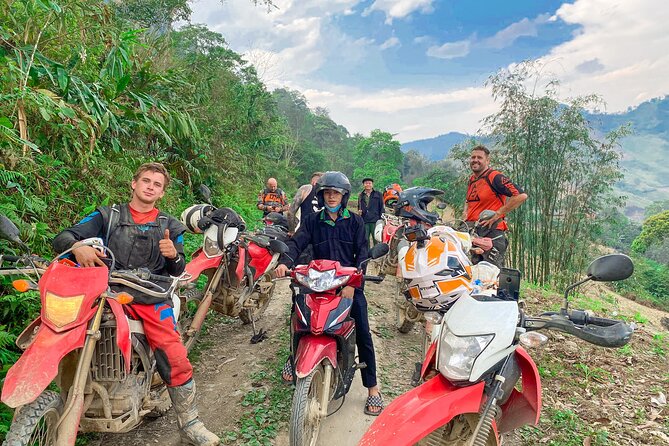
Day 2 brings the first major mountain riding. You cross Lung Lo Pass, a 15-kilometer route linked to the Vietnamese resistance during the First Indochina War and the 1954 Dien Bien Phu campaign. The pass was heavily bombed because it carried weapons, food, and supplies between the front lines and the rear.
That background gives the road extra meaning, but the main appeal is the ride itself. The pass leads toward Road 32 and the Mu Cang Chai area, where the mountains rise sharply and the road becomes more demanding.
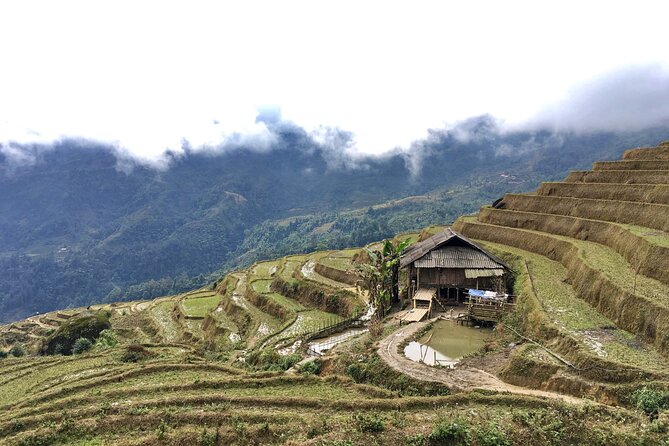
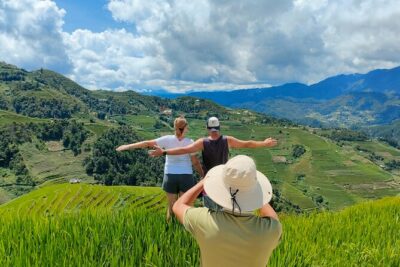
After lunch, you ride through the Mu Cang Chai massif. From the higher sections, the views reach across some of northern Vietnam’s most striking mountain country. The area is known for its sweeping rice terraces, especially when the fields are green or near harvest.
This is one of the days where the bike makes a real difference. A coach would keep you on larger roads and limit your stops. On a motorbike, you can pause at a viewpoint, slow through a village, and feel the changes in altitude and weather directly.
The ride is described as challenging but rewarding. Take that seriously. You may encounter steep roads, tight bends, and long periods in the saddle. The included 110cc or 125cc scooters are practical for the route, but they are not powerful dirt bikes. If you want a larger manual bike, you need to arrange that separately.
You spend the night in a hotel. The day lasts about 12 hours, so this is another early start and a full riding day rather than a relaxed sightseeing excursion.
Day 3: Than Uyen, Tram Ton Pass, and Sapa
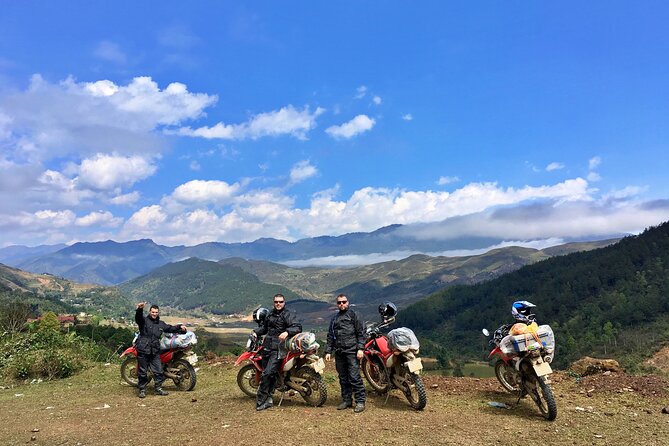
The third day follows the Fansipan mountain range through Than Uyen in Lai Chau Province. The mountain wall remains close to the road, giving the ride a grand scale before the climb toward Tram Ton Pass.
There is an optional back route for riders seeking a tougher challenge. It includes several river crossings. This option should appeal only if you are confident with the bike and ready for rougher conditions. Ask the guide about the day’s road conditions and your place in the group before choosing it.
The main route climbs from Binh Lu to Tram Ton Pass, the highest road pass in Vietnam. At more than 2,000 meters, the pass crosses into Lao Cai Province and offers broad views across the Fansipan range. The road then drops toward the Sapa valley.
This is likely the visual high point of the tour. The combination of altitude, winding roads, and open mountain views gives the day a strong sense of movement. You are not simply arriving in Sapa by transport. You earn the arrival through a long climb and descent.
Sapa itself is a mountain town known for rugged scenery and the presence of several ethnic communities. It was developed by the French as a summer retreat in the early 20th century, and its cooler setting still makes it a popular escape from northern Vietnam’s lowlands.
You spend the night at a hotel in Sapa. The schedule lists about eight hours for the day, shorter than the first two riding days but still substantial after the mountain roads. Sapa is the one place on the route where you may notice a stronger tourist presence, so the quieter villages and passes before it help keep the overall trip grounded.
Same place, a different pot:
- Vietnam Tea Tasting – Giang Egg Coffee & Train Street Visit
★ 5.0 · 10 reviews - Hanoi Eco Tour: Ba Vi National Park Wonders & Tea Plantation
★ 4.7 · 7 reviews - Bac Ha, Sapa and Mu Cang Chai Tour
★ 5.0 · 6 reviews - Sapa 2D1N Trekking to Giang Ta Chai Village from Hanoi by Bus
★ 3.5 · 4 reviews
Day 4: From Sapa to the islands of Thac Ba Lake
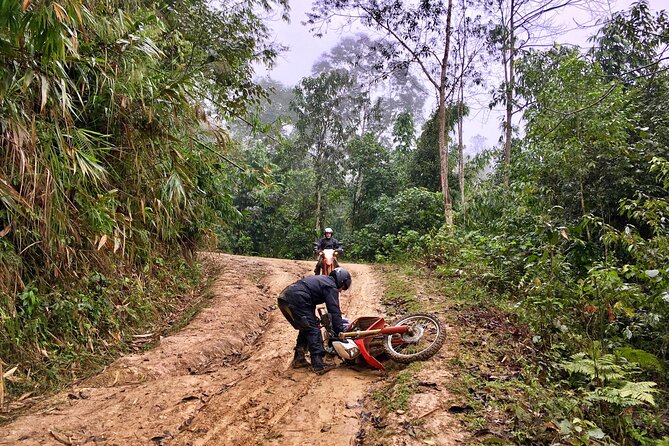
Day 4 begins with a descent from Sapa to Lao Cai City. There is a coffee stop beside the Nam Thi River, which forms part of the Vietnam-China border. From the riverbank, you can look across toward China while taking a break from the road.
The route then follows Road 70 before turning toward Luc Yen and Road 152. This section brings palm forests, high mountains, and deep valleys. It is a change from the high pass country around Sapa, with a gradual return toward lower elevations and larger waterways.
The destination is Vu Linh village, home to Dao people on the edge of Thac Ba Reservoir. Thac Ba is Vietnam’s biggest man-made lake, covering about 23,400 hectares and containing 1,331 islands and hills.
The lake is the center of the day. Its clear water reflects the surrounding forest, while caves such as Hum, Cau Cuoi, and Bach Xa add points of interest among the hills and islands. After lunch, you take a boat ride, stop at an island for swimming, and see how local villagers paddle across the reservoir.
This is a good contrast to the hard riding of the previous days. The boat moves at a slower pace, and the setting is quiet. You get time to notice the lake’s size and the way homes and villages relate to the water rather than simply passing through by road.
The overnight stay is with local hosts near the lake. Dinner is included, and the evening is described as lively, with generous drinking and a strong welcome. That can be a warm cultural exchange, but it is also worth remembering that you do not have to drink beyond your comfort level. You still need to ride the next morning.
Day 4 is listed as a full day rather than a fixed number of riding hours. It is likely to feel less tiring than the long mountain days because the boat and village time break up the road journey.
Day 5: Following the Red River back to Hanoi
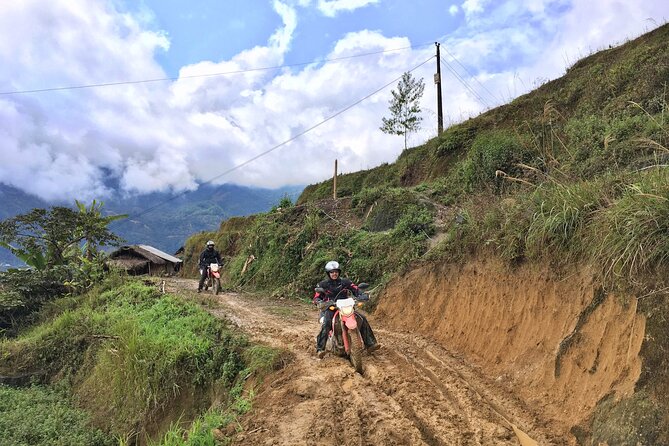
The final day leaves Thac Ba after breakfast and heads southeast on Highway 2. You pass through Phu Tho and follow the Red River along the dyke toward the point where it meets the Black River.
This is lowland Vietnam again, with broad agricultural areas and active farm work. If your timing matches harvest season, the countryside becomes a busy working scene, with fields and villages full of daily activity.
After crossing the Black River by bridge, you pass through Son Tay and return to Hanoi. The aim is to arrive before the afternoon rush, around 4 pm, though traffic can always affect the final stretch.
The final distance is listed as 180 kilometers. That is a substantial closing ride, even though the roads are less mountainous than earlier in the trip. Keep some energy in reserve and avoid treating the last day as a quick transfer.
The tour ends back at the Hanoi meeting point. Breakfast and lunch are included on this day, as are the meals throughout the rest of the tour according to the package details.
What the $834 price covers
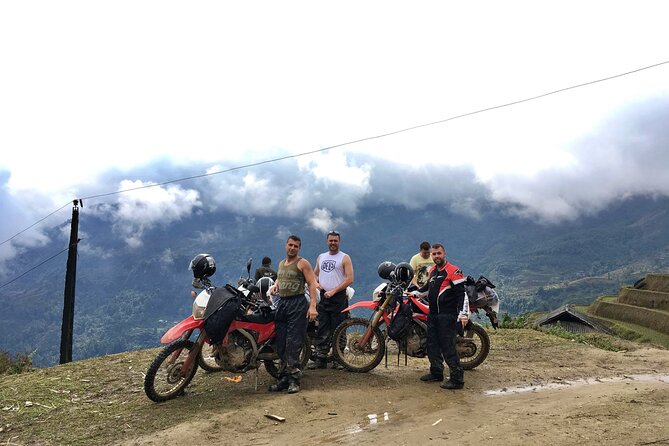
At $834 per person, this is not a budget motorbike rental with a guide added on. The price covers five days of organized riding, an English-speaking guide, fuel, helmets, riding gear, taxes, the included scooters, accommodation, and meals.
Breakfast is provided for five days, lunch for five days, and dinner for four. The combination of hotels and local homestays adds value because you are paying for both the logistics and the chance to stay in places that would be harder to arrange on your own.
The private format also helps explain the cost. Only your group participates, and the guide can adapt the pace rather than managing a large mixed group. For a family, a pair of friends, or a small private party, that can be worth more than choosing a cheaper shared ride.
The price does not include travel insurance, visas, flights, tips, personal spending, or larger manual dirt bikes. Insurance is particularly important for a motorbike tour. You should confirm that your policy covers riding the type of bike you will use.
Who will enjoy this ride most
I would recommend this tour to an active rider who wants scenery, local food, mountain roads, and time away from the standard northern Vietnam route. It is also a strong choice for a parent and adult child or a group of friends looking for a shared challenge.
You do not need to be an expert dirt-bike rider based on the available information, and the guide can adjust the ride to your ability. Still, you need good physical fitness and confidence on a geared scooter. The long days, mountain roads, optional river crossings, and changing conditions are not suited to someone seeking a soft-paced holiday.
The tour can work for less experienced riders if they are honest about their limits and follow the guide’s advice. Guides named in the experience include Mr. Dong and Duck, with Duck specifically described as someone who adapted the ride to the rider’s expectations and interests.
Practical details that matter
Pickup is offered, but the stated meeting point is 841 Duong Hong Ha, Chuong Duong Do, Hoan Kiem, Hanoi. Confirm the pickup arrangement when booking rather than assuming door-to-door collection.
Confirmation is provided at booking. The experience requires good weather, and a cancellation caused by poor weather offers either another date or a full refund.
The standard bike is a 110cc or 125cc geared scooter. Helmets and riding gear are included. Manual dirt bikes with 150cc, 250cc, or 300cc engines are not part of the package.
Cancellation terms are strict close to departure. Cancel at least six full days before the start for a full refund. Cancellations made two to six full days ahead receive 50 percent, while cancellations less than two full days before departure are not refunded. The local start time controls the cut-off.
Should you book this tour?
Book it if you want northern Vietnam as a road journey, not a collection of famous stops. The strongest reasons are the mountain passes, Mu Cang Chai’s terraces, the high route into Sapa, and the unusual finish at Thac Ba Lake with a boat ride and Dao village stay.
Think twice if you dislike long riding days, basic homestay conditions, group drinking customs, or uncertain mountain weather. The $834 price makes sense for a private, fully supported trip with fuel, meals, gear, accommodation, and a guide, but it is only good value if you will enjoy the physical work that makes the route special.
FAQ
Where does the motorbike tour start?
The stated meeting point is 841 Duong Hong Ha, Chuong Duong Do, Hoan Kiem, Hanoi. The start time is 7:30 am, and pickup is offered.
How long is the tour?
The tour lasts approximately five days and returns to the Hanoi meeting point on Day 5.
What type of motorbike is included?
The package includes geared scooters with 110cc or 125cc engines. Manual dirt bikes of 150cc, 250cc, and 300cc are not included.
Is fuel included?
Yes. Gasoline for the tour is included, along with helmets and riding gear.
Are meals included?
Yes. Breakfast and lunch are included for five days, and dinner is included for four days.
Does the tour include Sapa and Mu Cang Chai?
Yes. The route visits Mu Cang Chai on Day 2 and Sapa on Day 3, with mountain riding through Lung Lo Pass and Tram Ton Pass.
Does the tour visit Thac Ba Lake?
Yes. Day 4 includes Vu Linh village beside Thac Ba Reservoir, a boat ride, an island stop for swimming, and dinner with local hosts.
What happens if the weather is bad?
The experience requires good weather. If poor weather causes a cancellation, you are offered a different date or a full refund.
Just added around Hanoi
- Hanoi: 3D2N Mu Cang Chai Visit All Attractions, Trek, Ethnic Life★ 5.0 · 3 reviews
- From Hà Nội ; Mu Cang Chai 3 Days 2 Nights By Car and Trekking★ 5.0 · 3 reviews
- Omkara Halong Indian Cruise from Hanoi with Afternoon Masala Chai★ 4.0 · 2 reviews
- Sapa 2D1N Trekking to Giang Ta Chai Village from Hanoi by Bus★ 3.5 · 4 reviews
- 1 day Private tour Sapa trekking Y Linh Ho – Lao Chai – Ta Van (start from Sapa)★ 5.0 · 2 reviews
- From Hanoi: 2D1N Mu Cang Chai Private Trekking & Homestay★ 5.0 · 4 reviews
- Bac Ha, Sapa and Mu Cang Chai Tour★ 5.0 · 6 reviews
- Hanoi Eco Tour: Ba Vi National Park Wonders & Tea Plantation★ 4.7 · 7 reviews
Hanoi Tea Experiences, compared.
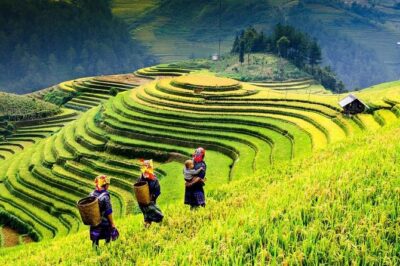
Sapa 2 days 1 night trekking Lao Chai Ta Van – Fansipan mountain by cable car
Read our review →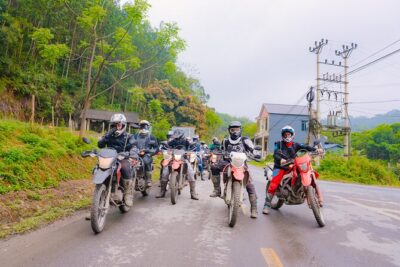
Vietnam Motorbike Tour to Ha Giang, Sapa, Mu Cang Chai – 8 Days
Read our review →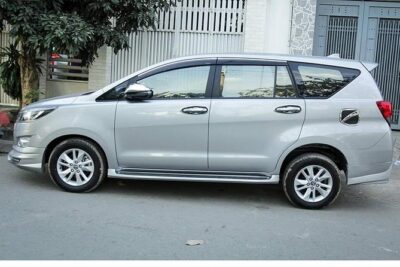
Private transfer Hanoi <=> Mu Cang Chai One Way (Hotel pickup)
Read our review →
Vietnam Tea Tasting – Giang Egg Coffee & Train Street Visit
Read our review →
Hanoi Eco Tour: Ba Vi National Park Wonders & Tea Plantation
Read our review →
Sapa 2D1N Trekking to Giang Ta Chai Village from Hanoi by Bus
Read our review →Browse the lists this tour appears in