
Review · HANOI
Sapa 2D1N Trekking to Giang Ta Chai Village from Hanoi by Bus
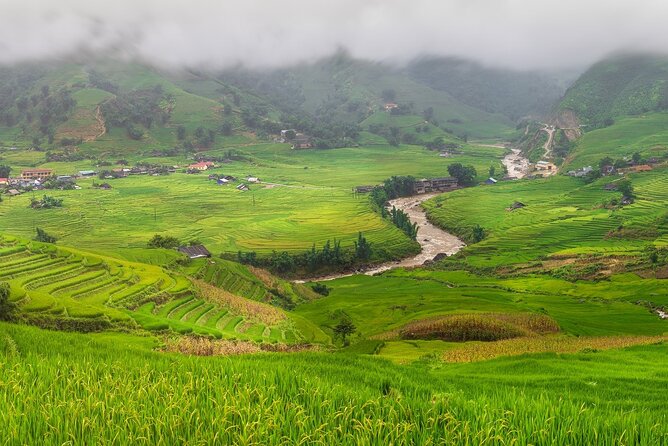
The best part of this trip is the change of pace: one morning you are leaving Hanoi by bus, and by afternoon you are walking beside rice terraces and the Muong Hoa Stream. I like the 9-kilometer first-day trek because it gives you real time in the countryside, not just a quick photo stop. I also like the overnight homestay, where simple rooms and family cooking replace the usual hotel routine.
The main catch is the schedule. The bus ride is long, the trekking is demanding, and the bungalow is basic. You also return to a bus station rather than your Hanoi hotel, and some travelers have found that booking directly in Vietnam can cost less than this $88.47 package.
Key points to know before booking
- A full first-day walk: You trek from Y Linh Ho through Lao Chai and onward to Ta Van for about 9km and 3.5 hours.
- A quieter village stay: Overnight accommodation is in a homestay or bungalow, with dinner and breakfast included.
- Two distinct ethnic communities: Ta Van is associated with Giay people, while Giang Ta Chai is home to Red Dao families.
- A practical bus connection: Round-trip transport between Hanoi and Sapa uses a modern air-conditioned bus.
- A real physical test: Rain can make the route dangerous, and the operator requires a moderate fitness level.
- A small-group feel: The maximum group size is 15 people, though the bus journey may still feel more commercial than the walk.
Why this two-day Sapa route works
Sapa is at its best when you leave the town behind. The town itself is a useful base, but the main reward lies farther out, where rice terraces follow the hills and villages sit along streams and footpaths.
This trip gives you that rural setting without requiring you to arrange separate buses, accommodation, meals, and guides. At $88.47 per person, the package covers the long-distance transport, guide, overnight stay, breakfast, dinner, and two lunches. That is a fair convenience price for a short visit, though it is not necessarily the cheapest way to organize the same journey.
I especially like the route because it is not just a viewpoint visit. You pass through Y Linh Ho, Lao Chai, and Ta Van on foot, then continue toward Giang Ta Chai the next morning. The villages are not treated as isolated attractions. They form part of a walking route through the Muong Hoa valley.
Still, keep your expectations practical. This is a fast two-day excursion from Hanoi, not a slow mountain holiday. A large part of day one is spent on the bus, and the walking begins after lunch. You get a strong taste of Sapa, but not much spare time for wandering in Sapa town.
A few more tea experiences around Hanoi worth a look
- Sapa 2 days 1 night trekking Lao Chai Ta Van – Fansipan mountain by cable car
★ 5.0 · 36 reviews - From Hanoi: 2D1N Mu Cang Chai Private Trekking & Homestay
★ 5.0 · 4 reviews - Hanoi: 3D2N Mu Cang Chai Visit All Attractions, Trek, Ethnic Life
★ 5.0 · 3 reviews
The early bus from Hanoi to Sapa

Pickup is scheduled between 6:00 and 6:30 a.m. from hotels in Hanoi’s Old Quarter. If your hotel is outside that area, you must go to the assigned meeting point, listed as 30 P. Lý Thái Tổ in Hoàn Kiếm.
The bus makes a rest stop on the highway toward Lao Cai at about 9:30 a.m., then another stop in Lao Cai around 11:00 a.m. You reach Sapa Town at roughly 1:30 p.m. The trip uses a modern air-conditioned bus, which matters on a journey of this length.
I would treat the bus as transport rather than part of the sightseeing. The day starts early, and the road time takes several hours. One positive detail from the supplied experiences is that the bus was reported as on time on one trip, while another departure was badly delayed during a Vietnamese holiday period. That makes holiday travel a risk, especially when your afternoon hike has a fixed start.
Once you arrive in Sapa, the guide collects the group for lunch at a local restaurant. Sapa Town is a good place to notice the traditional clothing associated with H’mong, Dzao, and Tay communities, though your time there is brief.
From Y Linh Ho to Lao Chai and Ta Van
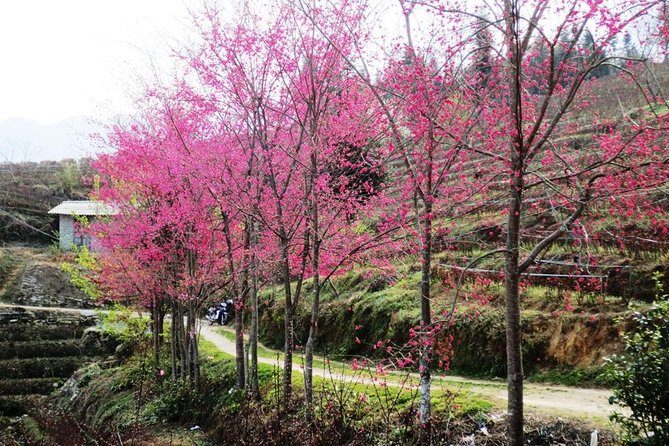
The first walk begins at about 2:30 p.m. The route passes through Y Linh Ho, then follows rice terraces and the Muong Hoa Stream toward Lao Chai, a Black Hmong village. You continue toward Ta Van, where Giay people live.
The stated distance is about 9km, with around 3.5 hours of walking. That is a serious afternoon, particularly after the morning bus journey. The route includes uneven ground and can become more difficult in wet weather, so trekking shoes are more useful than casual trainers.
The appeal is the gradual change in scenery. You move from open terraces to streamside paths and village areas, with views toward the Hoang Lien Son mountains. The trip description calls these aerial views, but you should understand that this means high hillside viewpoints rather than a ride or flight.
This is the part of the tour that gives the package its value. You are not simply driven to a village and returned to town. You spend a few hours walking through the countryside, with a guide who can provide context about local customs and traditional work such as weaving, carved silver, and hand-forged farm tools.
The timing can be tight. The group reaches Ta Van in the late afternoon, with homestay check-in planned around 5:45 p.m. If the bus runs late, the walk may feel hurried. During one holiday-period trip, guide Khoi was praised for staying calm and adjusting the schedule when the start was delayed. That sort of flexibility is useful here, since mountain routes and road traffic do not always follow the clock.
A night in a simple Ta Van homestay
The accommodation is described as a homestay or bungalow, not a standard hotel. Expect basic and simple facilities. The point is the setting and family meal, not polished rooms or hotel services.
Dinner is included, as are drinks with the meal only if you pay separately. Breakfast is provided the next morning. One food experience described the dinner as especially good, although the first meal did not suit every palate. That is a useful reminder that local food can be part of the adventure, but it may not match what you normally eat at home.
You can request a cooking class at 7:00 a.m. on day two, where you may learn to make dishes such as pho and nem cuon. This costs an extra $7 to $10 per person and is not part of the standard package. It is worth considering if food preparation interests you, but it also means an earlier start before the morning trek.
Solo travelers should note the $15 single-room supplement. The accommodation arrangement is not presented as a private hotel room by default, so ask about the sleeping setup when you book if privacy matters to you.
Same place, a different pot:
- Vietnam Motorbike Tour to Ha Giang, Sapa, Mu Cang Chai – 8 Days
★ 5.0 · 20 reviews - Private transfer Hanoi <=> Mu Cang Chai One Way (Hotel pickup)
★ 5.0 · 17 reviews - Vietnam Tea Tasting – Giang Egg Coffee & Train Street Visit
★ 5.0 · 10 reviews - Hanoi Eco Tour: Ba Vi National Park Wonders & Tea Plantation
★ 4.7 · 7 reviews
Bamboo forest and Giang Ta Chai on day two
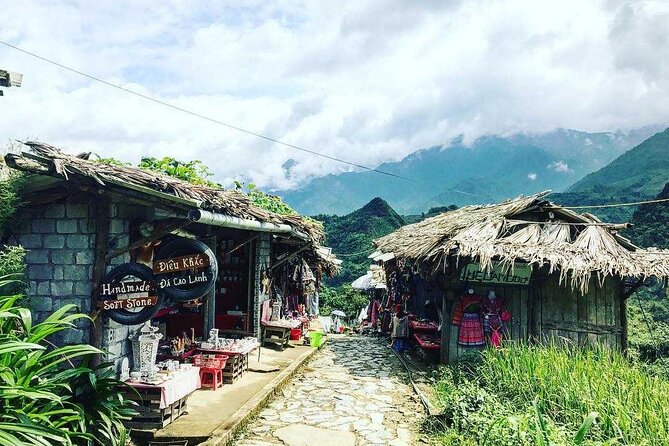
After breakfast at 8:00 a.m., you begin the second walk. The route covers about 4km and takes around two hours, making it shorter than day one but still active.
You walk toward rice paddies and stop for views over the surrounding hills. The route then enters bamboo forest before reaching a panorama point above Giang Ta Chai, a village associated with the Red Dao people. The community focus changes from the Black Hmong area around Lao Chai to the Red Dao culture around Giang Ta Chai, giving the trip useful variety.
The walk crosses or passes through the Giang Ta Chai Bridge area before reaching the main road at about 11:00 a.m. This section sounds gentler than the first day, but the route can still be slippery after rain. The operator specifically warns that the tour is unsuitable for children, older people, and anyone with low physical fitness because of the long walk and wet-weather risks.
After the trek, you return to the bungalow to shower and prepare for lunch. Pickup is planned for 1:30 p.m., followed by the bus journey back toward Hanoi. The package includes two lunches, although the exact meal timing can depend on the road schedule and group pace.
What the $88.47 price really covers
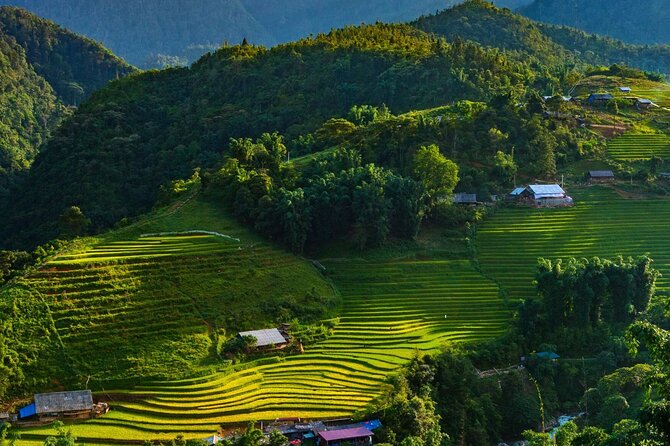
The price is strongest for people who want one booking to handle the major pieces. You receive:
- Round-trip Hanoi to Sapa bus transport
- Old Quarter hotel pickup
- English-speaking guide
- Lunches, breakfast, and dinner
- One night in a homestay or bungalow
- Guided trekking through several villages
If you arranged everything independently, you might save money, particularly on the tour itself. One dissatisfied customer reported that people who booked through a hotel shortly before departure paid around $30 to $50 less per person. That does not prove the same price will always be available, but it is a good reason to compare the direct local rate before paying.
The package can still be worth the extra cost if you value advance planning and want transport and accommodation connected in one reservation. It is less attractive if your schedule is flexible, you are comfortable bargaining in Vietnam, or you can book a bus and homestay directly.
Holiday pricing also needs attention. The listed price does not apply during national holidays, and an extra $20 may be requested in cash from the guide. Ask about this before departure so the final cost is clear.
Personal expenses, tips, drinks, the cooking class, and the single-room supplement are not included. Bring Vietnamese dong for small purchases and extra charges.
Guide quality and group size

The tour allows a maximum of 15 people. That is small enough for a walking group to remain manageable, though it is not a private hike. The guide’s role matters because the route, weather, and timing all require coordination.
The strongest guide detail available here is Khoi, who handled a delayed holiday departure with patience and adjusted the day without creating further trouble. Other feedback described the guide as funny and helpful, with the trip generally well organized. Those are modest but useful signs: the experience depends less on formal presentation and more on keeping the group moving, explaining the villages, and reacting sensibly when plans change.
A separate booking experience involved Carl Nguyen planning a wider Vietnam trip, including Sapa, Hanoi, Da Nang, and Hoi An. That indicates the wider operator can handle multi-stop planning, but it does not mean Carl will lead this particular trek. Confirm your guide’s name if that matters to you.
Because the operator appears to work through partner arrangements in some cases, the person selling the tour may not be the person running it on the ground. This is another reason to confirm the pickup point, bus details, accommodation, and final price.
What to pack for the mountain weather
Sapa weather changes quickly. Bring warm clothing, a scarf, hat or cap, and layers. The period from September through March is normally cold, but even warmer months can bring rain and slippery paths.
Your useful packing list is short:
- Trekking shoes with a firm grip
- Light rain protection
- Warm layer
- Sunglasses and sun cream
- Insect repellent
- Vietnamese dong
- Small overnight bag
Avoid bringing a large suitcase if possible. You are changing from bus travel to village walking, then staying in a basic homestay. A small bag is easier to manage.
Tell the operator about food requirements when booking. The provided information confirms that food requests can be submitted, but it does not promise a specific diet arrangement, so ask for confirmation rather than assuming.
Who should book this Sapa trek
I would recommend this trip to a reasonably fit visitor with only two days available from Hanoi. It suits you if you want terraces, village paths, local meals, and a homestay more than hotel comfort or a leisurely timetable.
It is also a good match if you prefer having transport and meals arranged. The bus and guide remove much of the planning work, while the small maximum group keeps the walking portion from becoming unwieldy.
I would not choose it for a relaxed family holiday. The operator does not allow children, older people, or people with low physical fitness to join because of the 9km first-day walk and wet-weather danger. It is also a poor fit if you dislike early starts, long bus rides, simple accommodation, or uncertain mountain weather.
The free cancellation policy gives you some protection if plans change, provided you cancel at least 24 hours before the start time. If poor weather forces cancellation, you are offered another date or a full refund. Changes made inside the 24-hour window are not accepted.
Should you book it?
Book this tour if your priority is seeing Sapa’s countryside quickly and you want the practical pieces handled for you. The two walks, especially the route through Y Linh Ho, Lao Chai, Ta Van, and Giang Ta Chai, offer much more substance than a short town visit.
Before paying, compare the direct local price and ask about holiday surcharges. Confirm the meeting point if you are outside Hanoi’s Old Quarter, and remember that there is no hotel drop-off at the end. You must make your own way from the final bus stop.
At $88.47, this is a convenient introduction to Sapa rather than a bargain guaranteed for every booking. If you are fit, flexible, and happy with basic lodging, it can pack a lot into two days. If you want more time in the mountains, book a longer stay instead of trying to stretch this tight schedule.
FAQ
How long is the Sapa trekking tour?
The experience lasts about two days and one night. It includes the bus journey from Hanoi to Sapa, trekking on both days, an overnight homestay or bungalow stay, and the return bus journey.
Where does pickup take place in Hanoi?
Pickup is available from hotels in Hanoi’s Old Quarter between 6:00 and 6:30 a.m. If your hotel is outside the Old Quarter, you must travel to the meeting point provided after confirmation.
How far is the first day’s trek?
The first day covers about 9km and takes around 3.5 hours. The route passes through Y Linh Ho, Lao Chai, and Ta Van.
How far is the second day’s trek?
The second day covers about 4km and takes around two hours. It includes rice paddies, bamboo forest, views over Giang Ta Chai, and the route toward the main road by the Giang Ta Chai Bridge.
What meals are included?
Breakfast, dinner, and two lunches are included. Drinks with meals are not included. A cooking class for dishes such as pho and nem cuon is available on request for an additional $7 to $10 per person.
What type of accommodation is provided?
You stay overnight in a homestay or bungalow. The facilities are basic and simple, and the accommodation is different from a standard hotel.
Is the tour suitable for children or people with limited fitness?
No. The operator states that children, older people, and anyone with low physical health should not join because of the long trek and the danger of rain.
Is hotel drop-off included in Hanoi?
No. The tour returns you to the bus station or meeting point area, and you must arrange your own transfer back to your hotel.
Just added around Hanoi
- Hanoi: 3D2N Mu Cang Chai Visit All Attractions, Trek, Ethnic Life★ 5.0 · 3 reviews
- From Hà Nội ; Mu Cang Chai 3 Days 2 Nights By Car and Trekking★ 5.0 · 3 reviews
- Vietnam Motorbike Tour To Sapa, Mu Cang Chai, Thac Ba-5 Days★ 5.0 · 5 reviews
- Omkara Halong Indian Cruise from Hanoi with Afternoon Masala Chai★ 4.0 · 2 reviews
- 1 day Private tour Sapa trekking Y Linh Ho – Lao Chai – Ta Van (start from Sapa)★ 5.0 · 2 reviews
- From Hanoi: 2D1N Mu Cang Chai Private Trekking & Homestay★ 5.0 · 4 reviews
- Bac Ha, Sapa and Mu Cang Chai Tour★ 5.0 · 6 reviews
- Hanoi Eco Tour: Ba Vi National Park Wonders & Tea Plantation★ 4.7 · 7 reviews
Hiking & Trekking, compared.
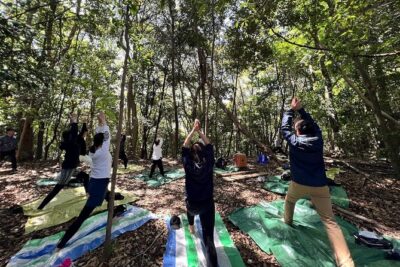
Hiroshima Local guided Hiking Tour&Open-air Tea Ceremony
Read our review →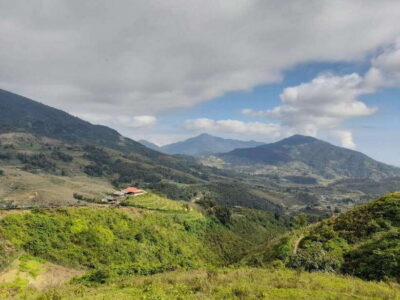
Half Day Sapa Trekking to Visit Lao Chai – Ta Van
Read our review →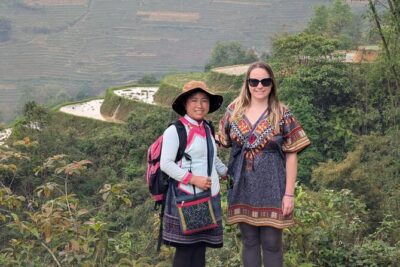
One Day Sapa Trekking to Lao Chai and Ta Van Villages
Read our review →
Tuk-Tuk Safari Liptons seat,Tea Fields Hike,TeaFactory Tour
Read our review →

Sapa 2 days 1 night trekking Lao Chai Ta Van – Fansipan mountain by cable car
Read our review →
Browse the lists this tour appears in