
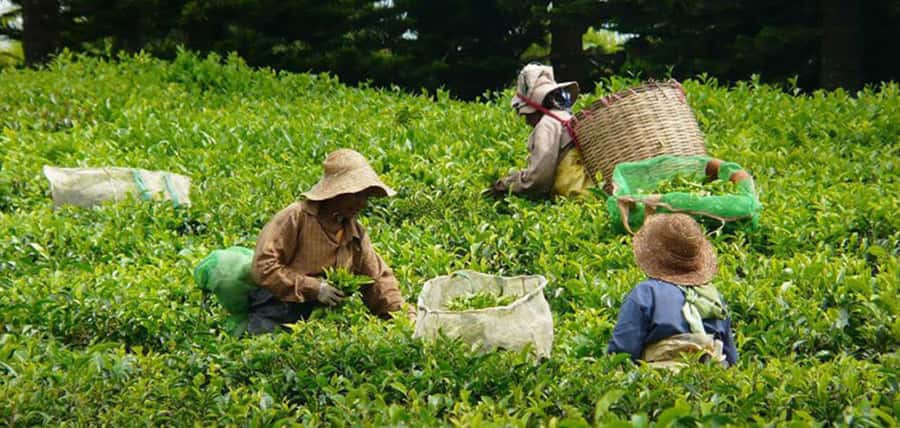
Review · MAURITIUS
Mauritius: Tea and Sugar Plantation Guided Tour with Lunch
Mauritius reveals its inland character on this private tea and sugar tour, where old colonial homes, working plantations, vanilla plants, rum, and a generous lunch fit into one well-planned day. I like the mix of learning and tasting, especially the tea stop at Bois Chéri and the vanilla-flavored dishes at Saint-Aubin.
I also like that your guide handles the driving and connects the stops with stories about Mauritian culture and plants. Guides named Ibrahim and Sailen have received especially warm praise for their calm manner, local knowledge, and willingness to answer questions. The main consideration is the price: $350 for up to two people is good value for a private six-and-a-half-hour outing, but costly if you are traveling alone.
Key points to know before booking
- Aubineaux begins the story: See a colonial house, old stables, camphor trees, endemic forest plants, and an essential-oil distillery.
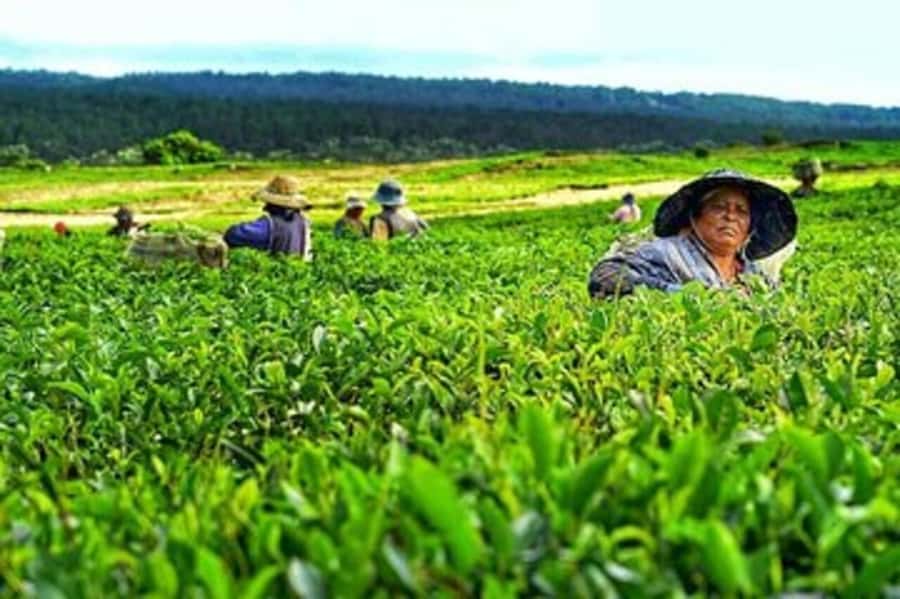
- Bois Chéri is the tea centerpiece: Tour the factory, walk among tea plants, visit the museum, and taste tea with biscuits.
- Saint-Aubin adds sugar, rum, vanilla, and lunch: The estate combines production, gardens, animals, tastings, and a three-course meal.
- Private transport makes the day easy: Hotel pickup and drop-off are included across Mauritius, with no need to arrange a rental car.
- Ask about Ibrahim or Sailen: Both are praised for their patience, island knowledge, safe driving, and personal touch.
- Allow six and a half hours: The route covers several estates, so it is a full inland day rather than a quick plantation stop.
Why Mauritius tea country is worth your time
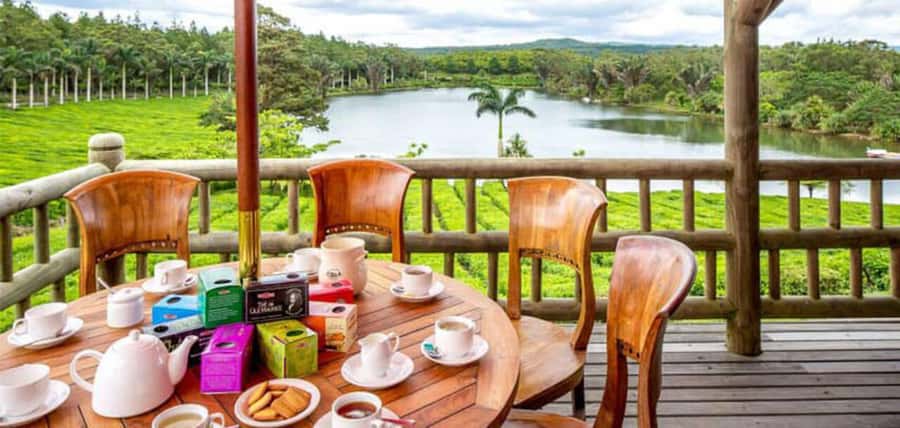
Mauritius is often sold through beaches and boat trips, but the island makes more sense once you see the industries that shaped daily life. Sugar cane remains part of the country’s identity, while tea production, rum, vanilla, and colonial estates show how agriculture, trade, and outside influence came together.
This tour gives you that wider picture without asking you to organize several separate visits. Your guide collects you from your hotel, drives between the estates, and explains what you are seeing along the way. That matters in Mauritius, where the three stops are spread across the island and a self-drive visitor could easily spend more time navigating than looking around.
The tour lasts 390 minutes, or six and a half hours. That is enough time for a proper visit at each estate, but you should not expect a slow, unstructured day. You will move from house to plantation, factory, museum, garden, tasting, and lunch in a steady sequence.
The private format is one of the strongest features. The price covers a group of up to two people, so couples get a personal guide rather than a coach outing. You can ask questions, pause to look at plants, and spend a little more time on subjects that interest you. If you are traveling with more than two people, confirm the final group price before booking.
More Tea Plantation Tours in Mauritius:
- Tea Route: Lake, Forest, Tea Plantation & 3 Course Lunch
★ 3.6 · 7 reviews - From Taipei: Thousand Island Lake and Pinglin Tea Plantation
★ 4.7 · 519 reviews - Active Volcano, Rice Field, Hot Spring, Fruit market, Tea Plantation with Lunch
★ 5.0 · 513 reviews
Aubineaux connects a colonial house to the tea trade
The first stop is Le Domaine des Aubineaux, a useful introduction to the island’s plantation past. You see a collection of photographs connected with colonial houses and the tea industry, which helps put the later factory visit into context.
The estate also includes a camphor tree garden and trees from Mauritius’s endemic forest. These details give the stop more variety than a simple house tour. You are not only looking at an old building. You are also seeing plant life tied to the island and hearing about the way estates used their land.
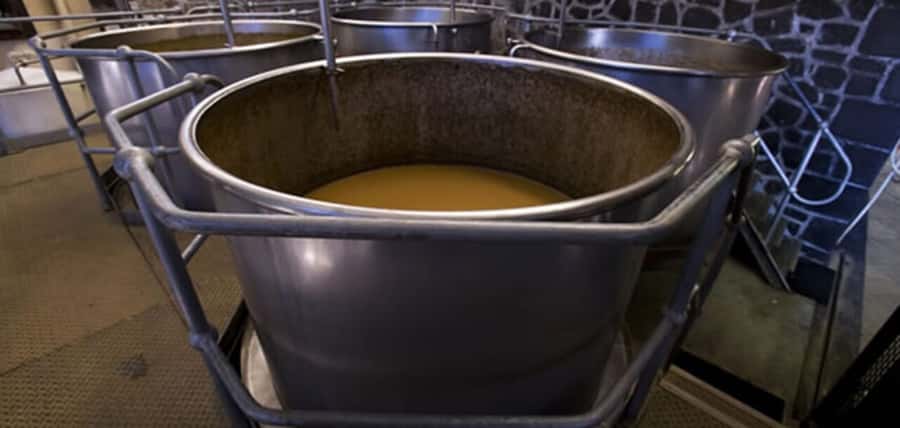
An old stable has been converted into a distillery, where you learn about the production of essential oils. This is a particularly nice touch because it broadens the tour beyond tea and sugar. You get a look at another way plants became useful products, with the setting itself showing how an old agricultural building can find a new purpose.
I would pay attention to your guide here. Ibrahim and Sailen are known for adding information about Mauritius’s plants, culture, and past rather than simply naming the buildings. That personal explanation is important because the photographs and rooms may mean little without context.
The stop also gives you your first taste of the day’s scenery, with tea fields and gardens around the estate. Bring comfortable shoes. You will be walking outdoors, and this is not a purely seated museum visit.
Bois Chéri explains how tea reaches your cup
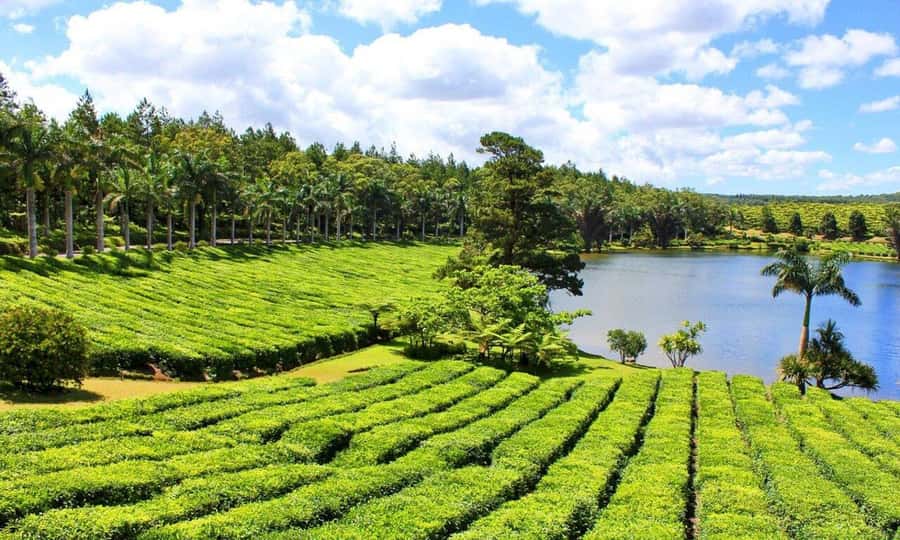
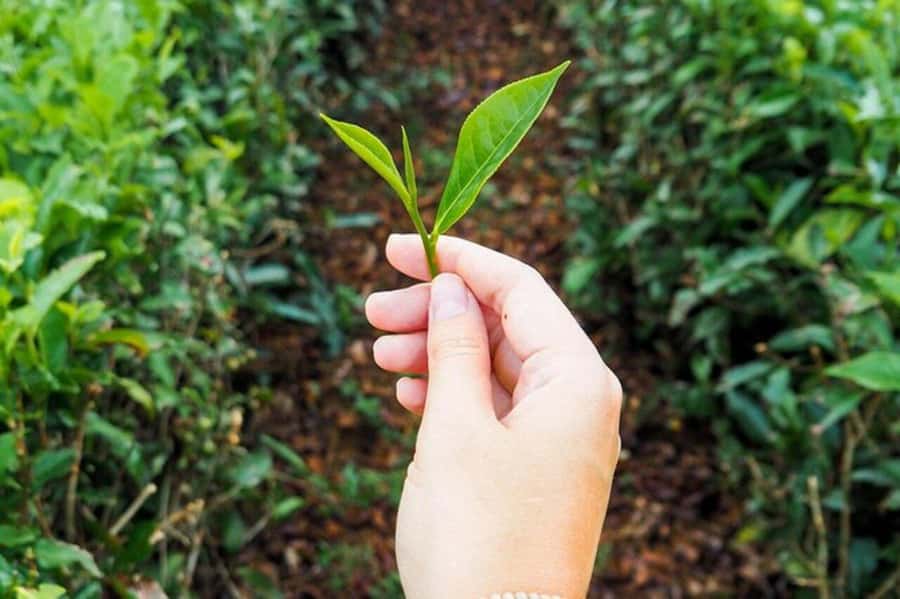
Bois Chéri is the main tea stop and the place where the production process becomes clear. You visit the factory, see old machines, and look at photographs, tables, and historical documents connected with the estate and tea making.
The machinery and documents help turn an everyday drink into a process you can follow. Your guide explains why tea production matters in Mauritius, while the factory shows the practical side of that work. The tour is especially useful if you have little experience with tea production and want more than a scenic walk through the plants.
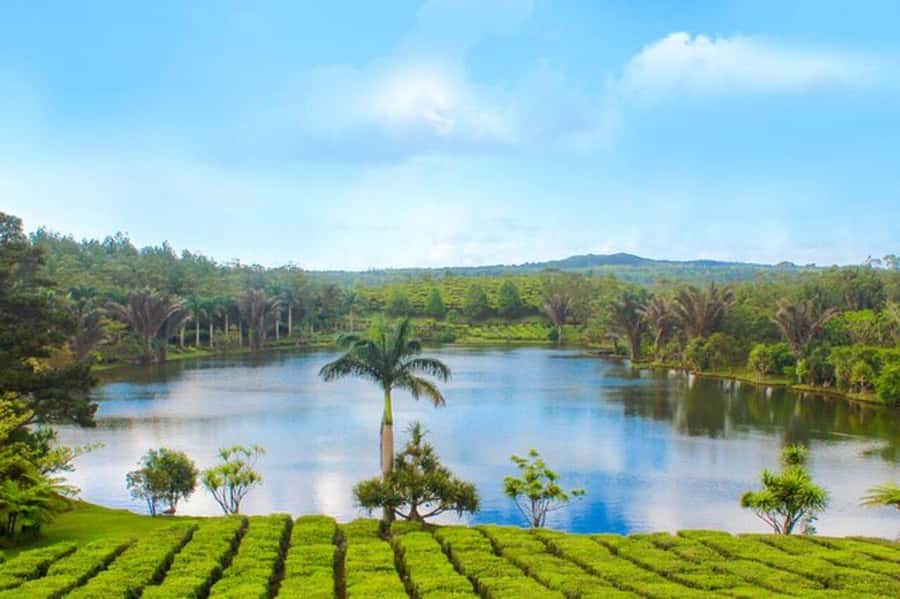
You also walk in the tea plantation. The rows of tea plants provide the classic view, but the walk is more valuable when your guide points out what you are seeing and explains the stories linked with Bois Chéri. A good guide can make the difference between a pleasant photo stop and a useful lesson.
The tea museum adds another layer. It gives you a look at the equipment, records, and development of the plantation, while the factory connects those older details to the production process. The pace should suit most visitors, though anyone with limited mobility may want to discuss the walking sections when booking. The activity is listed as wheelchair accessible, but several stops involve outdoor grounds and plantation paths.
The tasting at the chalet is a highlight. Tea is served with biscuits, giving you a simple way to compare the flavor with what you have just seen being made. It is not a formal food workshop, but it gives the visit a satisfying finish and makes the subject more memorable.
Bois Chéri is likely to be the most important stop for anyone booking specifically for tea. If tea is only one part of your interest, the factory, museum, plantation, and tasting still offer enough variety to keep the visit from feeling repetitive.
Saint-Aubin brings sugar, rum, vanilla, and lunch together
Le Domaine de Saint-Aubin changes the focus from tea to sugar cane and rum. You learn about the estate and the sugar cane used to make rum, then take part in a rum tasting.
The rum portion is worth approaching with realistic expectations. The tour includes tasting, but the amount of explanation can depend on the staff and the day. One visitor found the rum presentation less informative and more sales-focused than the tea visit. If you want a detailed lesson in distillation, ask your guide to explain the process and the products as you go.
The estate also includes a botanical walking trail with anthurium flowers and vanilla greenhouses. This is one of the most distinctive parts of the day. Vanilla is not just an ingredient on your plate here. You see where it grows, smell the plants, and connect the greenhouse to the meal that follows.
You can also visit the farm and see animals and birds, including fawns, chicks, and peacocks. That makes Saint-Aubin a good stop for families and for anyone who wants the day to include more than buildings and machinery. The combination of flowers, vanilla, farm life, and rum gives the estate a more relaxed feel than the factory visit at Bois Chéri.
Lunch is served on the grounds and includes three courses. The menu has received strong praise for its use of local ingredients and estate-grown vanilla. Dishes mentioned by name include vanilla chicken, vanilla bread, and palm heart salad. That gives you a more distinctive meal than a standard tourist lunch, and it ties the food directly to what you saw in the gardens.
The fixed menu is the one practical food issue to keep in mind. One person wanted more freedom to change dishes or order separately. If you have dietary restrictions, strong dislikes, or need a special menu, ask before booking rather than assuming the three-course meal can be changed on the spot.
A few more tea experiences around Mauritius worth a look
- Wild South: Full-Day tour incl Rhumerie St Aubin, Bois cheri Tea factory & Lunch
★ 4.5 · 14 reviews - Mauritius: Tea, Rum and Vanilla Route with Lunch and Pickup
★ 4.8 · 12 reviews - Full Day Guided Tea Route Mauritius: Including Lunch
★ 5.0 · 7 reviews - The Gorgeous East: Bois Cheri Tea factory, Rhumerie St-Aubin, Mahebourg & Lunch
★ 4.0 · 5 reviews
What the private guide adds to the day
The guide is not just a driver. The best part of this format is having one person connect the plantations, colonial buildings, food, plants, and island history.
Ibrahim is frequently praised for being calm, attentive, and easy to talk with. He has also been credited with making small stops feel personal, such as cutting a piece of sugar cane so visitors could taste it. That sort of moment gives you a direct connection to the crop rather than another explanation from behind a barrier.
Sailen is another guide worth requesting if he is available. He is praised for his broad understanding of Mauritian history, plants, and culture, along with friendly conversation and careful driving. He has also been described as willing to explain plants you might otherwise walk past and to offer useful local suggestions beyond the tour itself.
Christopher and Shilem have also guided this route. Since guide availability can change, do not assume a particular person is guaranteed. You can request Ibrahim or Sailen when booking, but the operator may assign someone else.
The language options are English and French. A private group allows the guide to adjust explanations to your interests, although the exact amount of time at each site still depends on opening hours and the day’s schedule.
Price, timing, and practical value
At $350 per group of up to two, this is not a budget plantation visit. For a couple, the cost works out to $175 each and includes hotel pickup, return transport, the guide, all three estates, lunch, tea tasting, and rum tasting.
That price makes more sense if you value comfort and a private setting. You avoid the cost and effort of renting a car, finding each estate, and coordinating several admissions. You also get a full day of interpretation rather than simply entering the sites on your own.
For one person, the value is weaker because the full group price still applies. A solo visitor who mainly wants to see tea fields may find a shorter shared tour more economical. For two people who want food, history, plants, and transport in one package, the price is easier to justify.
The listed duration is six and a half hours, but the actual feel depends on pickup location and traffic. Hotel pickup is available throughout Mauritius, so the drive from a distant resort can take a larger share of the day. Confirm your pickup time and allow some flexibility around the schedule.
The tour offers free cancellation up to 24 hours before departure and a reserve-now, pay-later option. Those policies are useful if your plans are still shifting. The activity is also listed as wheelchair accessible, though you should discuss the paths, gardens, and plantation surfaces in advance if this is important for your comfort.
There is one scheduling warning. An early-closing holiday schedule caused one visitor to miss part of the route, including the tea factory. If you book around New Year’s Eve or another public holiday, confirm that all three estates will be open on your date.
Who will enjoy this plantation tour most
I would recommend this experience to couples who want a full inland day and prefer a private guide to a large group. It also suits food lovers, garden fans, amateur historians, and anyone who wants to understand Mauritius beyond the coast.
Families can enjoy the animals, gardens, sugar cane, tea tasting, and varied stops. The six-and-a-half-hour length may be tiring for very young children, but the route has enough changes of scenery to avoid one long museum visit.
Tea enthusiasts should book it for the Bois Chéri factory, museum, plantation walk, and tasting. People more interested in local food may value Saint-Aubin most, especially the vanilla bread, vanilla chicken, and palm heart salad.
This is less suitable if you want a slow day at one estate, a dedicated rum masterclass, or a flexible restaurant meal with a large menu. It is also not the best choice if your main goal is beach time. The tour is busy, educational, and inland by design.
Should you book the Mauritius tea and sugar tour?
Book it if you want one private day that joins tea, sugar, rum, vanilla, colonial buildings, gardens, and local food. The strongest parts are the range of places, the included lunch, and the guide’s ability to add meaning to details you might otherwise miss.
I would request Ibrahim or Sailen, while understanding that availability is not guaranteed. I would also confirm the fixed lunch menu, check holiday opening hours, and ask how the walking sections work for your group.
Skip it if $350 feels too high for a couple, if you need a fully flexible meal, or if the rum portion is your main reason for going. For most couples seeking a practical, cultural day away from the beach, though, this is a well-filled itinerary with genuine local flavor and good private-tour value.
FAQ
How long does the tea and sugar plantation tour last?
The activity lasts 390 minutes, which is six and a half hours.
What estates are included?
The tour visits Le Domaine des Aubineaux, Le Domaine de Bois Chéri, and Le Domaine de Saint-Aubin.
Is hotel pickup included?
Yes. Pickup and drop-off at your hotel are included, with pickup available throughout Mauritius.
What languages are available?
The live guide service is available in English and French.
Does the tour include lunch and tastings?
Yes. A three-course lunch at Saint-Aubin, tea tasting with biscuits at Bois Chéri, and rum tasting at Saint-Aubin are included.
Is this a private tour?
Yes. The tour is arranged for a private group, with the listed price covering up to two people.
Just added around Mauritius
- Tea Route: Lake, Forest, Tea Plantation & 3 Course Lunch★ 3.6 · 7 reviews
- The Gorgeous East: Bois Cheri Tea factory, Rhumerie St-Aubin, Mahebourg & Lunch★ 4.0 · 5 reviews
- The East Discovery Tour: Bois-Cheri Tea Factory, Blue-Bay Marine Park & Lunch★ 4.0 · 3 reviews
- Tea and Culture Route★ 4.5 · 3 reviews
- The Tea Story with Lunch★ 3.5 · 3 reviews
- Southern Treasures: Bois Cherri Tea Factory & 23-Colored Earth★ 4.5 · 9 reviews
- Tea Experience in the Exotic South of Mauritius Private tour.★ 4.5 · 6 reviews
- Full Day Guided Tea Route Mauritius: Including Lunch★ 5.0 · 7 reviews
Tea Plantation Tours, compared.
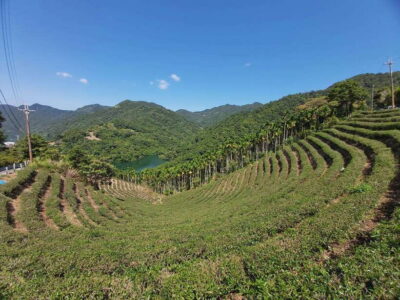
Thousand Island Lake and Pinglin Tea Plantation
Read our review →
Furnas Volcano & Tea Plantation With Traditional Lunch, East Tour
Read our review →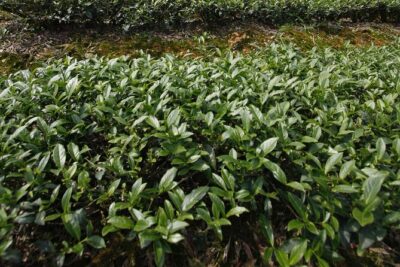
Thousand Island Lake and Pinglin Tea Plantation from Taipei
Read our review →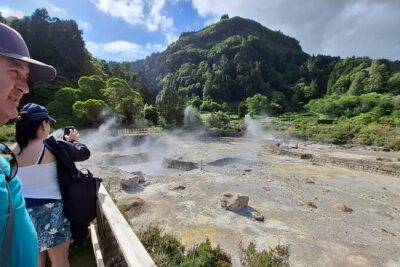
Furnas: Volcano Wonders, Tea Plantation & Waterfall Tour
Read our review →
Chiang Rai: 7 Major Sites, Golden Triangle & Tea Plantation
Read our review →
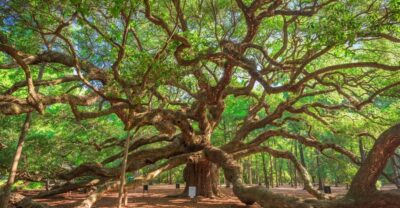
Wadmalaw Island Wine Tasting and Tea Garden Trip
Read our review →Browse the lists this tour appears in