
Review · TAIWAN
Tainan Culture Trip: Chinese Tea Ceremony_Oolong Tea
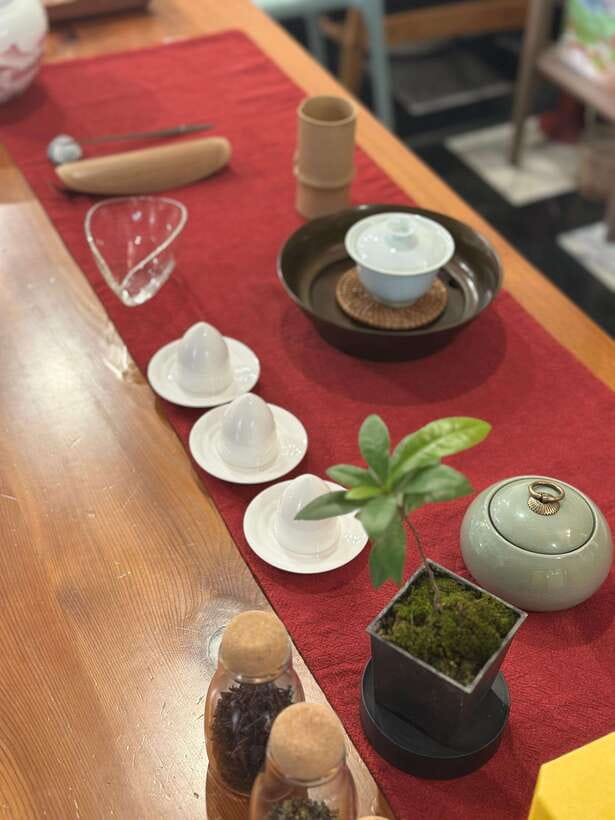
Oolong tea changes as you drink it. A first pour may smell floral or fruity, while later infusions can turn woody, roasted, or softer. At Tainan TOT House, King guides you through those changes while explaining the history, manners, tools, and customs behind a Chinese tea ceremony.
I like the private format, which gives you room to ask questions and set the pace. I also like the chance to compare at least four oolongs with different pots and three kinds of cups. The main consideration is the setting: the house front can look like an ordinary home, and you need to press the bell, avoid perfume, and put away your phone and camera during the ceremony.
Key points
- Four or more Taiwanese oolongs: Taste several teas and track how their aromas and flavors shift with each infusion.
- King’s personal teaching style: Learn in English from a host who also discusses Tainan, pottery, calligraphy, and local food suggestions.
- Two traditional brewing methods: Compare a Gaiwan with terracotta teapots and see how the vessel affects the ritual.
- Three cup styles: Notice how different shapes and textures change the way tea feels and smells.
- A private 90-minute visit: The $50 price covers a group of up to two people, making this a good option for a couple or tea-loving pair.
- A quiet cultural pause: The slow pace gives you a break from sightseeing and a practical introduction to Chinese tea customs.
What Happens Inside the Tainan TOT House
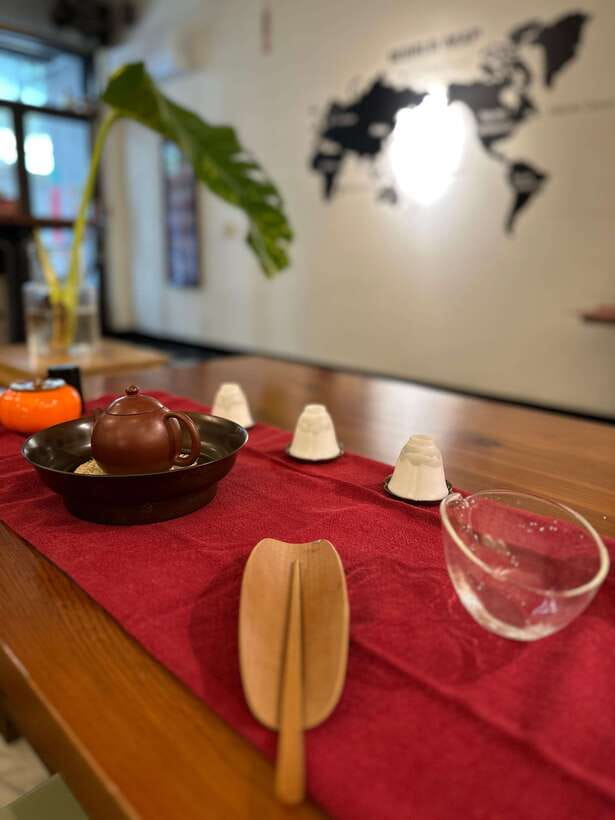
The experience begins at the TOT House in southern Taiwan. The entrance looks like a normal household rather than a shop or formal attraction, so do not walk past it expecting a large sign. Press the bell when you arrive.
That small detail matters. This is a personal tea session, not a public tasting room with a steady stream of groups. The private setting helps the ceremony feel calm and gives you direct time with King, your English-speaking host.
The full session lasts 90 minutes. That is enough time to taste several teas without turning the visit into an all-day lecture. You can ask questions as you go, and the format suits both a beginner who cannot tell one tea from another and a serious tea drinker who wants to compare Taiwanese oolongs.
The price is $50 per group of up to two people. For two people, that works out to $25 each for a private lesson and multiple tastings. It is not the cheapest drink you will have in Taiwan, but you are paying for instruction, several quality teas, specialty utensils, and personal attention rather than one cup served at a cafe.
A few more tea experiences around Taiwan worth a look
- From Taipei: Thousand Island Lake and Pinglin Tea Plantation
★ 4.7 · 519 reviews - Thousand Island Lake and Pinglin Tea Plantation from Taipei
★ 4.5 · 172 reviews - Xiao Long Bao, Beef Noodles & Boba Tea Cooking Class in Taipei
★ 5.0 · 159 reviews
Starting With Tea’s Place in Chinese Culture
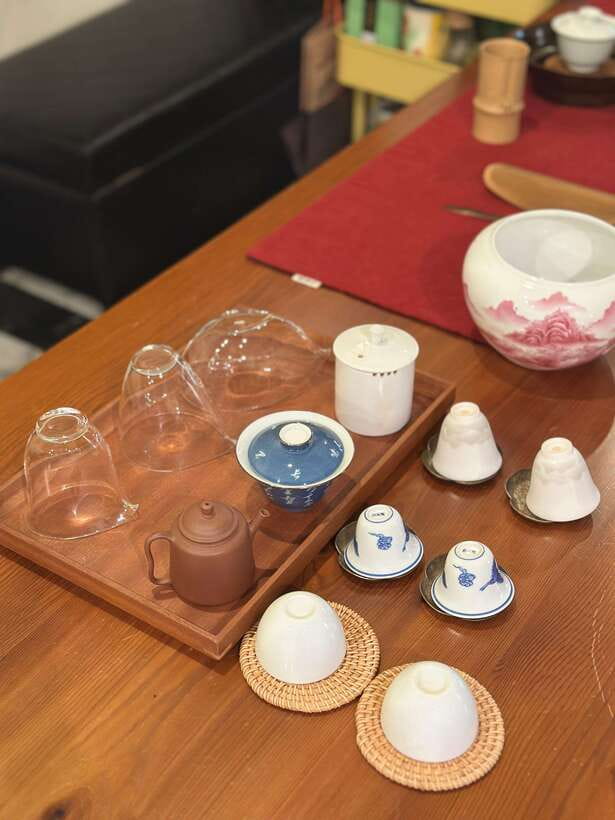
King first explains where Chinese tea comes from and why it matters beyond refreshment. You will hear about different tea types and the place tea holds in social customs, traditional medicine, daily routines, and formal rituals.
This background gives the tasting some shape. Instead of simply hearing that one tea is floral and another is roasted, you begin to see why tea preparation has such careful rules. The ceremony is a social act as much as a way to make a drink.
You will also learn what makes oolong different from other tea categories. Oolong sits between green and black tea in its processing, but this session focuses less on memorizing labels and more on noticing the range within Taiwanese oolong itself.
That range is one of the best reasons to book. Oolong is not one fixed flavor. Depending on the tea, you might notice flowers, fruit, wood, roast, sweetness, or a changing texture. The point is not to find one correct answer. It is to slow down and notice what happens from one infusion to the next.
Four Oolongs, Several Infusions, Many Small Changes
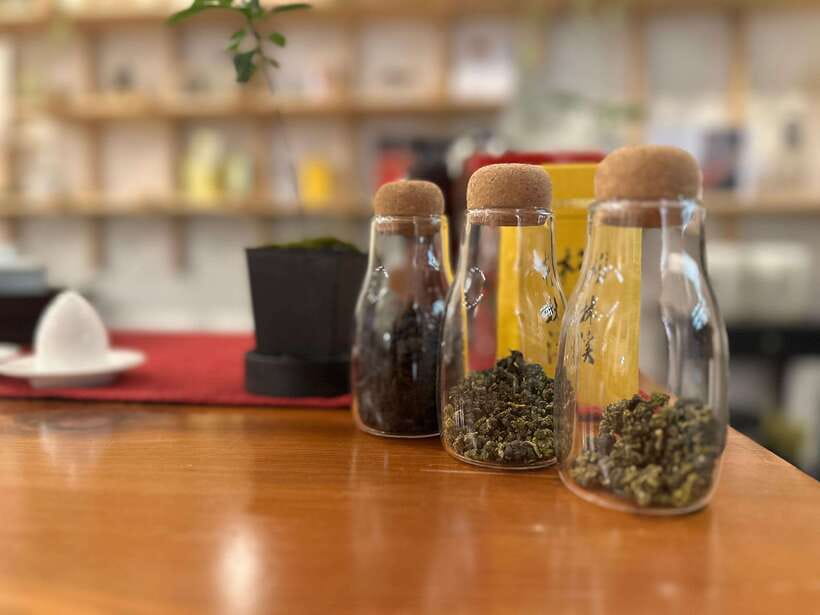
The tasting includes at least four kinds of oolong tea. Some sessions feature five, as one guest experienced, giving you a wider comparison across Taiwanese styles.
King prepares the teas in small quantities and encourages you to smell and taste them carefully. The first infusion may give you the clearest aroma, while later pours can reveal new notes or a different weight in the mouth. You are not simply drinking several cups in a row. You are watching the tea develop.
This is useful if you normally add milk, sugar, or lemon to tea. Here, the leaves and water do the work. You can pay attention to scent before drinking, the flavor at the front of your mouth, the aftertaste, and the way the next infusion changes.
The experience also teaches basic brewing skills. King shows you how to handle the tea and use the utensils, so you leave with more than a list of teas you enjoyed. You gain a starting point for making better tea at home.
Do not expect a formal score sheet or a technical examination. The session is relaxed and conversational. If you ask about flavor, brewing, Taiwanese tea, or Tainan, King has time to answer. That makes the ceremony accessible to people who are just beginning, while still giving tea enthusiasts enough material to explore.
Gaiwan and Terracotta Teapots
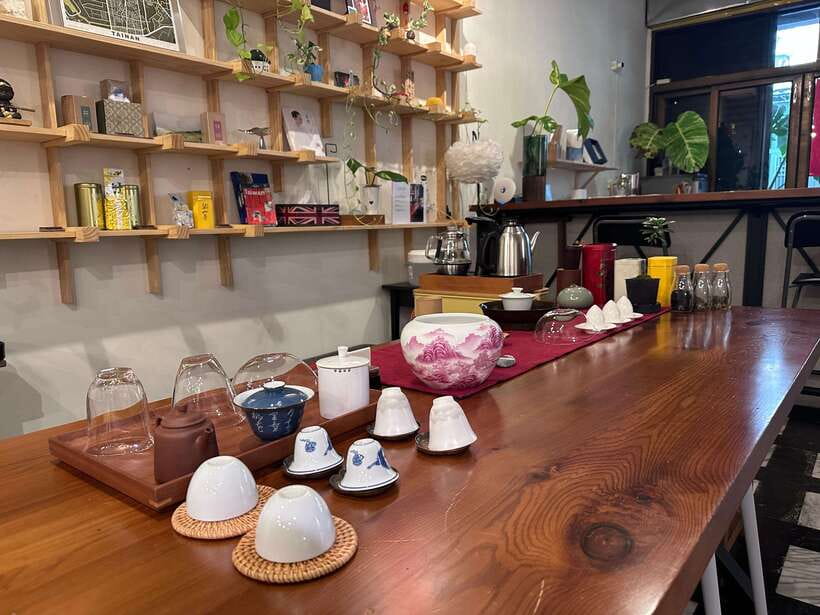
The utensils are not decoration placed around the tea. They are part of how the ceremony works.
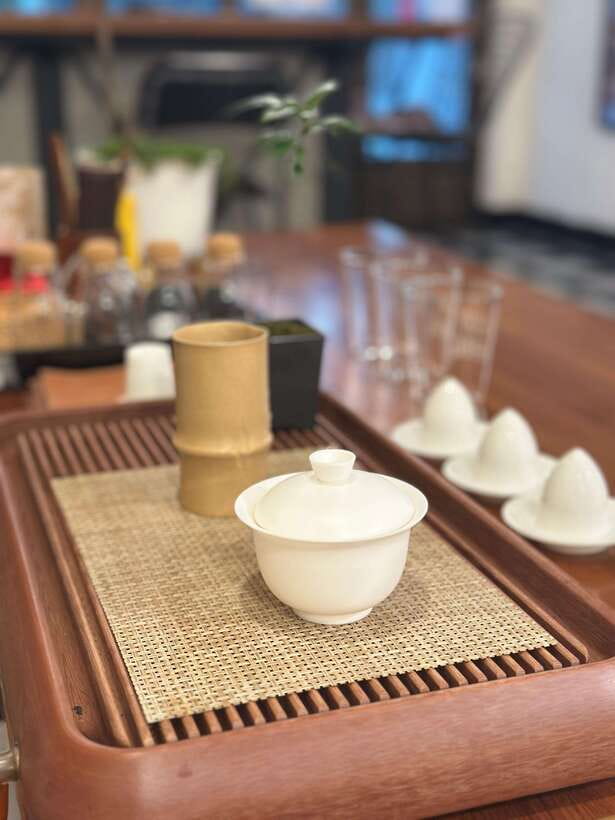
You will see and use at least two brewing tools: a Gaiwan and terracotta teapots. A Gaiwan is a lidded bowl used to brew and pour tea. Its simple shape lets you see the leaves and control the infusion. Terracotta brings a different look and feel to the process, with a more traditional sense of craft and touch.
King uses different brewing vessels with different teas. That lets you compare more than the leaves alone. The same tea can feel different when prepared in another pot or poured from a different vessel, and the act of brewing becomes easier to understand when you watch each step.
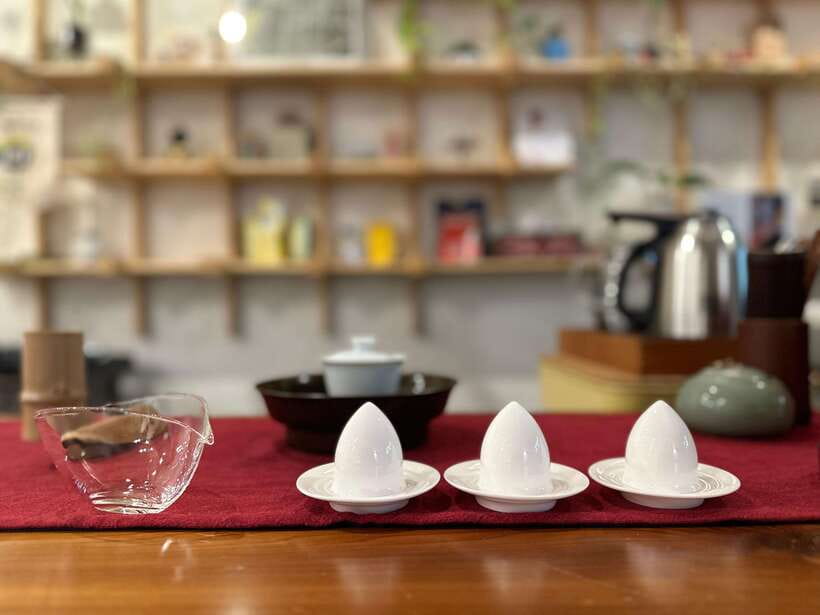
You will also handle at least three types of tea cups in different shapes and textures. This is a fine detail, but it makes the session more memorable. A narrow cup can direct aroma toward your nose, while a different surface or shape changes how the cup feels in your hand.
The ceramics also connect the drink to Taiwanese craft. One of the session’s appealing features is the attention given to the tools, including pottery and, at times, calligraphy. You are not asked to admire everything from a distance. The objects help you take part in the ceremony.
Same place, a different pot:
- From Taipei: Pinglin Tea Culture and Maokong Guided Day Tour
★ 4.8 · 104 reviews - Xiao Long Bao, Chicken vermicelli with mushroom and sesame oil, Tofu strips salad, Bubble milk tea. Taiwan Traditional Delicacies Experience-A (Taipei Cooking Class)
★ 5.0 · 79 reviews - Tea of Taipei: Small-Group Tour with Taipei City Sightseeing
★ 5.0 · 63 reviews - Pinglin Tea Culture & Maokong Day Tour from Taipei
★ 5.0 · 35 reviews
Tea Etiquette Without the Stiffness
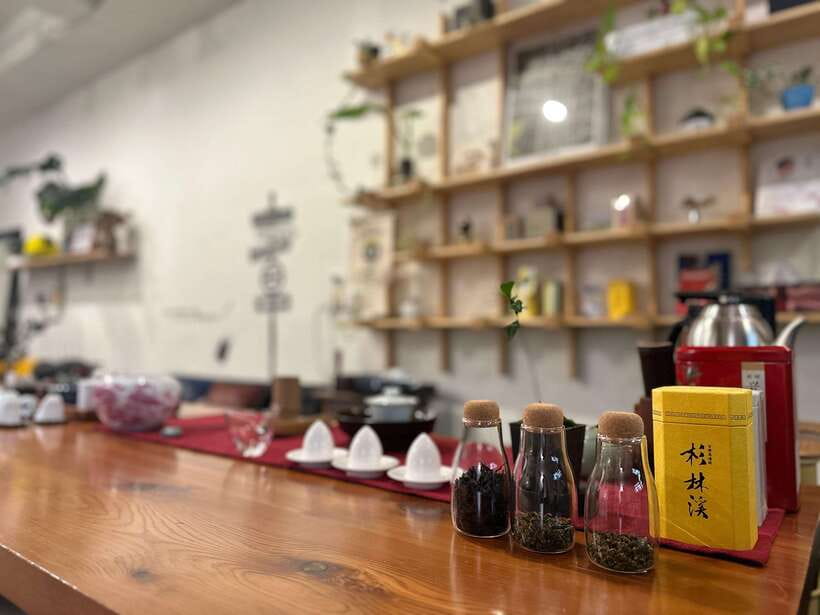
A Chinese tea ceremony has rules, but this session does not treat them as a test. King explains how to accept a cup, how to show thanks, and how to behave during the preparation and serving of tea.
You will learn the small courtesies that make the ceremony feel respectful. Some gestures are quiet and easy to miss if nobody explains them. Once you understand their purpose, the ceremony becomes easier to follow and less intimidating.
This is especially helpful if you plan to visit tea houses elsewhere in Taiwan. You will have a better idea of when to speak, how to receive tea, and how to show appreciation without copying gestures blindly.
The ceremony also asks you to put aside the habits of fast sightseeing. No phone use or video recording is allowed during the session. Smoking is not allowed, and strong perfume should be avoided because scent can interfere with the tea’s aroma.
Those rules may feel strict to some people, but they protect the main point of the experience. You cannot properly assess floral or fruity notes while checking messages or wearing heavy fragrance. Plan to be present for the full 90 minutes.
King’s Approach and Tainan Conversation
King is the person who gives this experience its shape. He teaches in English and combines tea instruction with conversation about Taiwan and Tainan.
His style is warm, friendly, and personal rather than formal. You can ask basic questions without feeling out of place, and tea enthusiasts can ask more detailed questions about flavor, brewing, and production.
The session can also reach beyond tea. King has shared suggestions for places to eat and things to see in Tainan, and he has discussed nearby temples and local customs. That makes this useful near the beginning of a visit, when you are still working out what to do in the city.
One guest who had only a short time in Tainan received help adjusting the session around a train departure. Do not assume every schedule change is possible, but it is sensible to contact King if your plans are tight. After booking, send a WhatsApp message or email to [email protected], as requested.
The conversation is part of the value. You are not only tasting oolong in isolation. You are learning how tea connects with daily life, local food, pottery, religion, and the wider culture of Taiwan.
A Calm Break From Sightseeing
Tainan can fill a day quickly with temples, historic buildings, food stops, and walking. This tea ceremony offers a slower counterpoint.
The deliberate movements of brewing, pouring, smelling, and tasting encourage you to focus on one thing at a time. You do not need meditation experience. The structure of the ceremony does the work for you.
I would place this experience in the middle or toward the end of a Tainan visit. Early in a trip, it can give you useful context for Taiwanese tea and local customs. Later, it can provide a quiet rest after a busy day on foot.
The session is not a substitute for seeing Tainan’s streets or temples. It takes place indoors and centers on tea, so people looking for a broad sightseeing tour may find it too narrow. Its strength is focus.
Who Will Get the Most From This Experience
This is a strong choice for:
- Couples or friends who want a private cultural activity.
- Tea beginners who want a clear and friendly introduction.
- Experienced tea drinkers interested in Taiwanese oolong.
- Visitors who enjoy ceramics, brewing tools, calligraphy, or traditional customs.
- People with a free 90-minute window in Tainan.
- Anyone who prefers conversation and hands-on learning over a large group tour.
It is less suitable for children under five. The quiet format, hot tea, and careful handling of cups and teapots may not hold the attention of very young children.
The information provided is also mixed on mobility. The activity is listed as wheelchair accessible, but it is also described as unsuitable for people with mobility impairments. If access is important for you, contact the provider before booking and confirm the entrance, seating, and restroom arrangements.
Planning the Visit
Transportation to and from the TOT House is not included, so you need to arrange your own way there. Meals are not included either, though the tea tasting itself provides several drinks.
The meeting point can be easy to miss because the front door looks like a normal home. Keep the address available, arrive ready to press the bell, and allow a little time to find the entrance.
Book for two if you can. The $50 group rate applies to up to two people, so the value improves when shared. A solo visitor still receives a private session, but the price per person is higher.
You can cancel up to 24 hours before the activity for a full refund, and the reserve-now, pay-later option keeps your plans flexible. Starting times vary, so check availability before arranging trains or other timed plans.
Wear a comfortable, low-scent outfit. Leave strong perfume at the hotel, silence your phone, and plan not to record. These are simple requests, but they help preserve the tasting conditions for everyone.
Should You Book the Tainan Oolong Tea Ceremony?
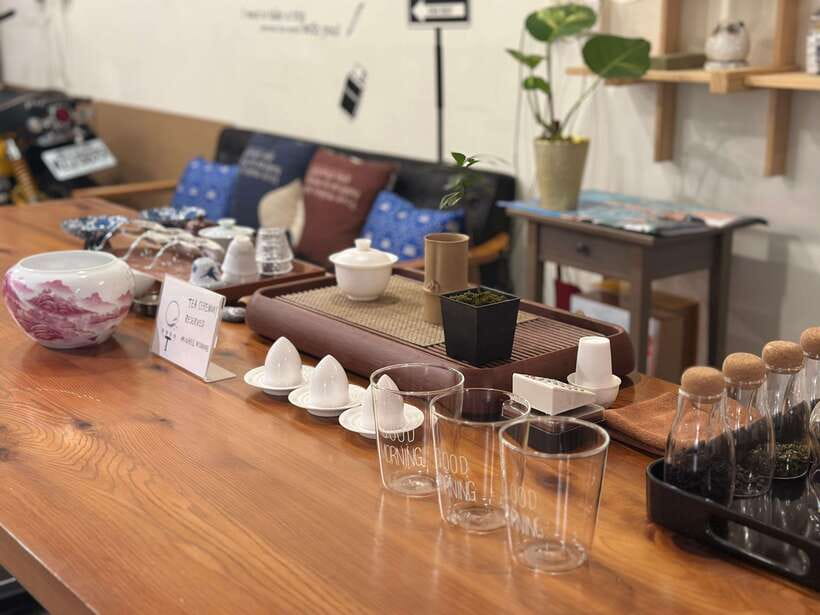
Book it if you want a personal introduction to Taiwanese tea rather than a quick drink and a photograph. The combination of four or more oolongs, different cups, a Gaiwan, terracotta teapots, etiquette, and local conversation gives the 90 minutes real substance.
I especially recommend it to people who are curious but not yet confident about tea. King explains the details without making the ceremony feel like school, and the private format lets you ask the questions you might avoid in a larger group.
Skip it if you want a full sightseeing tour, a meal, or a casual place where you can film and use your phone. This is a quiet, focused activity with clear rules.
For a pair sharing the $50 fee, it is a fair value and a thoughtful way to spend part of a Tainan day. You leave with a better sense of how oolong tastes, how tea etiquette works, and why the tools matter.
FAQ
Where does the Chinese tea ceremony take place?
It takes place at the TOT House, also called the Taiwan Oolong Tea House, in southern Taiwan. The front door looks like a normal household, so press the bell when you arrive.
How long does the tea ceremony last?
The experience lasts 90 minutes. Starting times vary, so check availability when booking.
How much does the experience cost?
The price is $50 per private group of up to two people.
How many teas will I taste?
The tasting includes at least four kinds of Taiwanese oolong tea. Some sessions may include five.
Is the ceremony conducted in English?
Yes. The instructor conducts the ceremony in English.
Can I record the tea ceremony?
No. Video recording is not allowed, and cellphone use is not permitted during the ceremony.
Is the activity suitable for children or people with mobility impairments?
The activity is not suitable for children under five. The information also says it is not suitable for people with mobility impairments, although it is listed as wheelchair accessible, so confirm access details with the provider before booking.
Just added around Taiwan
- Xiao Long Bao, Chicken vermicelli with mushroom and sesame oil, Tofu strips salad, Bubble milk tea. Taiwan Traditional Delicacies Experience-A (Taipei Cooking Class)★ 5.0 · 5 reviews
- Xiao Long Bao, Chicken vermicelli with mushroom and sesame oil, Tofu strips salad, Bubble milk tea. Taiwan Traditional Delicacies Experience-A (Taipei Cooking Class)★ 5.0 · 8 reviews
- Xiao long bao, Pork thick soup, Bubble milk tea. (Taiwan Cooking Class)-B★ 5.0 · 18 reviews
- Taiwanese Baking Class with Oolong Tea Tasting in Taipei★ 5.0 · 4 reviews
- Street Food Cooking Class in Taipei : Gua Bao/Lu Rou Fan/Boba Tea★ 5.0 · 22 reviews
- Taiwan Traditional Delicacies Experience, Xiao Long Bao, Chicken vermicelli with mushroom and sesame oil, Tofu strips salad, Bubble milk tea.★ 5.0 · 6 reviews
- Taipei Fresh Market Tour and Colorful Bubble Tea Making★ 5.0 · 6 reviews
- Pineapple Pastry with Egg Yolk, Longan Cake, High Mountain Oolong Tea. Taiwan Traditional Dessert Experience-D (Taipei Cooking Class)★ 5.0 · 2 reviews
Taiwan Tea Experiences, compared.
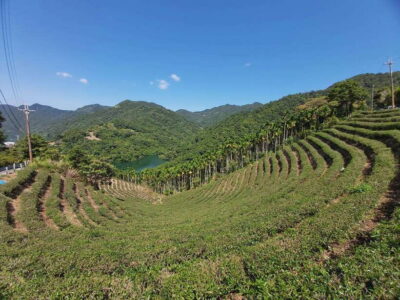
Thousand Island Lake and Pinglin Tea Plantation
Read our review →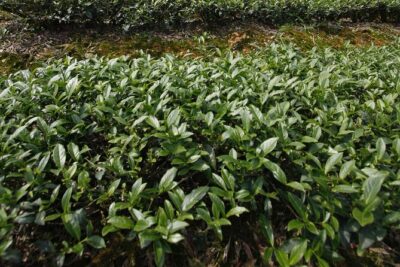
Thousand Island Lake and Pinglin Tea Plantation from Taipei
Read our review →
Pinglin Tea Culture and Maokong Guided Day Tour
Read our review →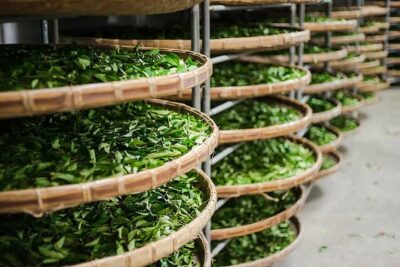
Tea of Taipei: Small-Group Tour with Taipei City Sightseeing
Read our review →
Pinglin Tea Culture & Maokong Day Tour from Taipei
Read our review →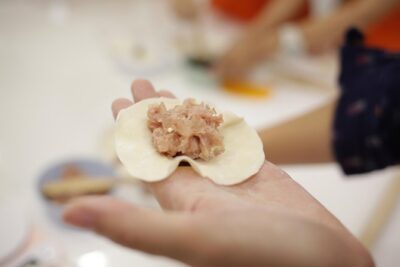
Xiao Long Bao & Boba Tea Cooking Class in Taipei
Read our review →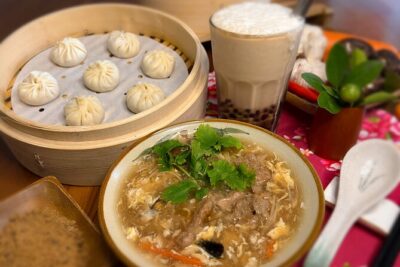
Xiao Long Bao, Pork thick soup, Bubble milk tea. Taiwan Traditional Light Meals Experience-B (Taipei Cooking Class)
Read our review →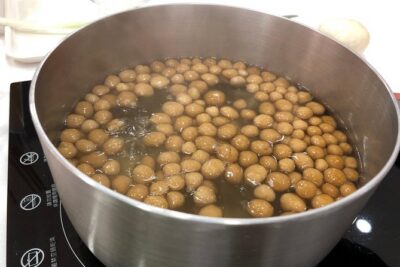
Street Food Cooking Class in Taipei : Gua Bao/Lu Rou Fan/Boba Tea
Read our review →Browse the lists this tour appears in