
Review · SRI LANKA
Nandana Tea Walking Tour in Sri Lanka
The most interesting part of the Nandana Tea Walking Tour is its mix of tea making, medicinal plants, and family hospitality. You do not simply look at finished tea packets. You follow the process inside an old factory, then walk through a garden where Sri Lankan herbs are explained and sometimes tasted.
I like the seven-tea tasting, which gives you a useful way to compare leaf sizes and flavors. I also like the small scale: the group is limited to 10 people, and guides such as Gunasoma and members of his family can give the visit a personal feel. The main consideration is the price, $78 for about two hours, especially since lunch costs extra.
Key points to know before booking
- Seven teas to compare: The tasting helps you notice differences between tea varieties and leaf sizes.
- A tea factory with a garden: The visit includes production rooms, a tea estate area, an Ayurvedic herb garden, and a small jungle-like section.
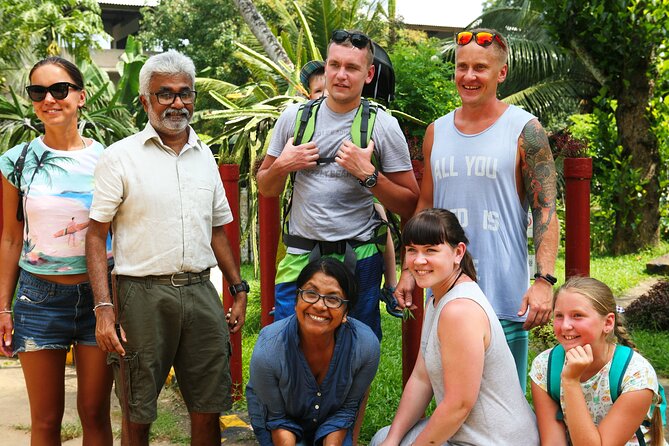
- Family-run hospitality: Gunasoma, his wife, and other staff members may guide parts of the experience.
- Optional leaf-wrapped meal: You can add an organic home-cooked lunch served in a banana or lotus leaf.
- Tea purchase credit: If you buy tea at the end, purchases up to $39 are free under the tour offer.
- Small groups: The maximum is 10 people, and the activity ends where it begins at Nandana Tea Factory.
Why this tea visit feels different
Many tea stops in Sri Lanka focus on a quick factory walk and a shop. Nandana offers a wider look at the world around the cup. You begin with plants, move into production, then finish with tasting and, if you choose, a meal.
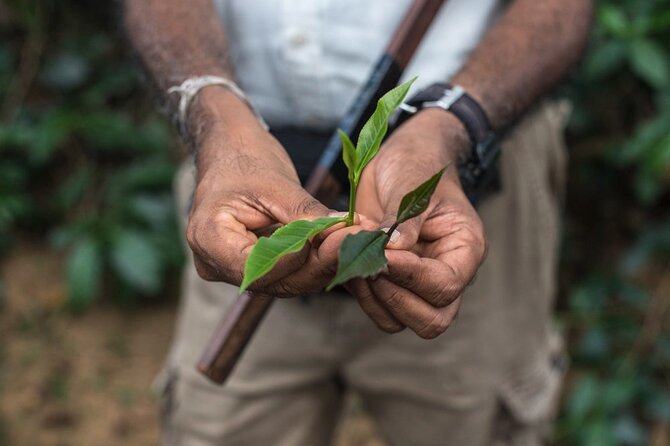
That order matters. When you see a tea plant beside other herbs and spices, tea feels less like an isolated crop and more like one part of Sri Lanka’s daily plant life. You may learn about the uses of aloe vera and other local plants before you ever reach the factory machinery.
The setting is in Akuressa, in Sri Lanka’s Southern Province, near the Nilwala Ganga, also known as the Blue River. The area around Matara is linked with fishing, paddy cultivation, varied vegetation, and early tea planting. Tea reached this part of the south in a notable way through D. A. Wanigasekara, one of the region’s early tea planters, in 1910.
You do not need to be a tea expert to enjoy the visit. The appeal is practical and sensory. You see the leaves, smell them, taste the finished drink, and watch the work that connects the plantation to your teapot.
More Walking Tours in Sri Lanka:
- Haputale Tea Estate Walking Tour From Ella
★ 5.0 · 2 reviews - Great Ocean Road Tour Plus Koalas, Forest Walk and Morning Tea
★ 4.5 · 1,068 reviews - Great Ocean Road 12 Apostles & Rainforest Walk with Morning Tea
★ 4.5 · 549 reviews
Starting in the herbal garden
The tour begins at Nandana Tea Factory, where you can expect a garden visit before or alongside the factory walk. The herbal garden contains Ayurvedic plants said to be endemic to Sri Lanka, with explanations of their traditional uses.
This is one of the strongest parts of the experience for anyone interested in food, natural remedies, or local plant life. Instead of passing through a decorative garden, you are encouraged to look closely, smell leaves, and in some cases taste them. One guide even used aloe vera on a sunburn, which shows the hands-on nature of the visit.
You may also walk through a jungle-like area attached to the grounds. The tour information refers to a spice garden and a garden with a wide range of plants. Monkeys have been seen in this area, so keep your eyes open, but treat wildlife sightings as a bonus rather than a promise.
An iced tea is included during the garden tour. That is a smart touch in Sri Lanka’s warm southern climate. It gives you an early taste of the factory’s work and a short pause before the more technical part of the visit.
The garden can take more or less time depending on your guide and group. If you are eager to reach the machines, say so politely. If you enjoy plants, ask questions and give this section room to breathe.
Inside the old Nandana factory
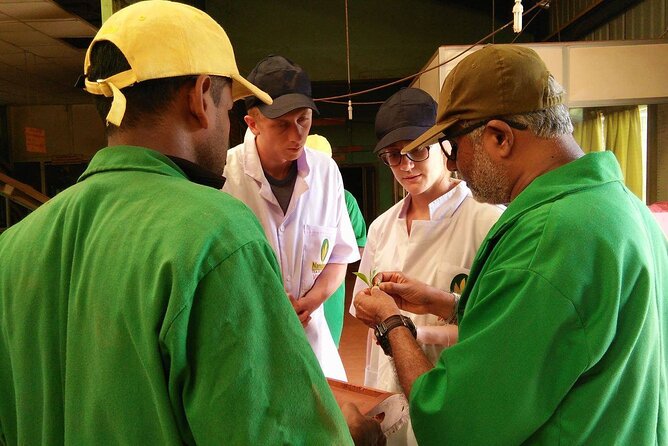
The factory uses traditional methods to produce premium orthodox black tea. Orthodox production generally involves more careful handling of the leaves than the quick crushing and processing used for some mass-market teas. Here, the point is not simply to watch equipment run. It is to understand how the leaf changes along the way.
You can expect an explanation of the main stages of tea making, from fresh leaves to finished tea. The exact amount of machinery in operation can vary, but the visit is designed to show each process inside the factory.
The building is described as an ancient factory, and that gives the stop a useful sense of place. This is a working family business rather than a large industrial estate built mainly for sightseeing. You may notice a more modest setting, fewer polished displays, and a closer connection between the people explaining the tea and the people producing it.
That also means you should set your expectations properly. This is not a grand plantation tour with a long drive across vast tea fields. The experience centers on Nandana’s factory, grounds, and nearby tea-growing area. If you want a broad survey of Sri Lanka’s export tea industry, this two-hour visit will feel limited. If you want a close look at one small producer, it is a better fit.
Tasting seven teas side by side
The tasting is the part I would value most if I were deciding how to spend $78. You get to compare around seven teas produced at the factory, rather than sampling just one cup and being asked to buy a box.
You may notice differences in flavor, strength, aroma, and leaf size. The tasting also helps explain why tea labels can be confusing. A large leaf and a small leaf can create different results in the cup, even when both come from the same broad tea-producing tradition.
Take your time here. Smell each tea before drinking it, and ask which variety is best for drinking plain, with milk, or chilled. The available information confirms the tasting but does not list every tea by name, so the exact selection may change.
The included iced tea and the tasting serve different purposes. The iced tea is a refreshing drink during the garden visit. The tasting is a more focused comparison of the factory’s teas. If you enjoy buying tea as a travel souvenir, this gives you a better basis for choosing.
At the end, tea purchases up to $39 are free under the tour offer. Read that condition carefully: it applies when you buy tea, not as a general discount on the booking price. The offer can make the outing better value for someone who already plans to take tea home, but it should not push you into buying more than you want.
A few more tea experiences around Sri Lanka worth a look
- Uva Halpewatte Tea Factory Tour in Ella Sri Lanka
★ 5.0 · 653 reviews - Tea Plantation Tour in Ella, Sri Lanka
★ 5.0 · 319 reviews - Nuwara Eliya: Tea Factory and Pickle Waterfalls Tuk Tuk Tour
★ 4.7 · 113 reviews - From Colombo: Kandy, Pinnawala and Tea Factory Full-Day Trip
★ 4.4 · 99 reviews
The optional banana-leaf lunch
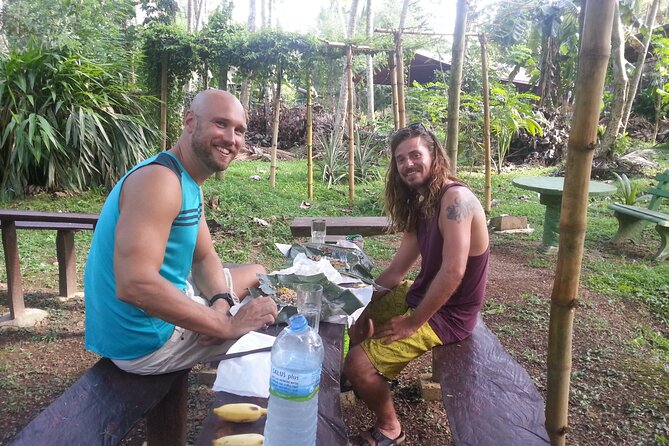
Lunch is not included in the $78 price, but you can add an organic home-cooked meal. It may be served wrapped in a banana or lotus leaf, giving the meal a clear Sri Lankan character without turning it into a formal restaurant stop.
This is a good choice if you want the tea visit to feel like a complete half-day outing. The meal adds time, food, and another look at local customs. A clean, air-conditioned dining space is available, which matters after a warm garden walk and factory visit.
Still, check the meal cost before confirming. The supplied information does not state the lunch price or the exact menu. It is best to treat lunch as an optional extra, not part of the base admission.
If you are on a tight schedule, you can skip it and finish after the tea tasting. If you have time and want a more personal food experience, the leaf-wrapped meal is likely the better choice than rushing off to find food elsewhere.
A personal, small-group style
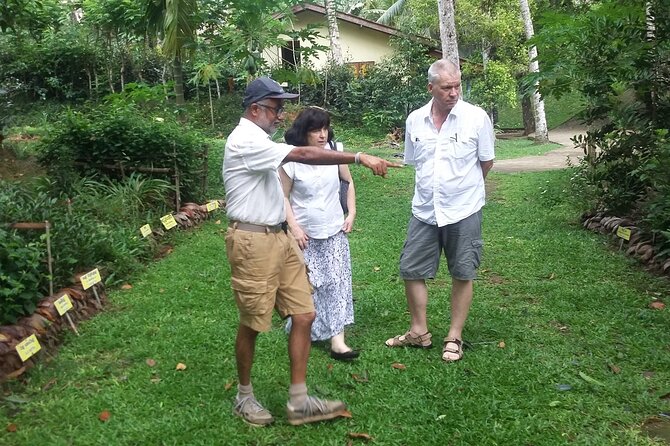
The group limit is 10 people, which makes a real difference in a factory setting. You have a better chance of hearing explanations, asking about individual plants, and getting close enough to see what is happening.
The people associated with the visit include Gunasoma, his wife, Manshijt, and ChoopoolMandrit. The exact guide depends on the day, but the operation is presented as a family business with direct involvement from its owners and staff. English-language guiding is available, and the experience can feel more like a hosted visit than a scripted attraction.
That personal style is a major reason to choose Nandana. You are not only looking at objects behind glass. You can ask about the tea, the plants, the factory, and the food in the same place.
The trade-off is that a family-run operation may be less uniform than a large commercial attraction. One group might spend longer in the garden, while another might receive more detail in the factory. That flexibility can be a strength, but anyone seeking a tightly timed, highly polished presentation should know what to expect.
Is $78 a fair price?
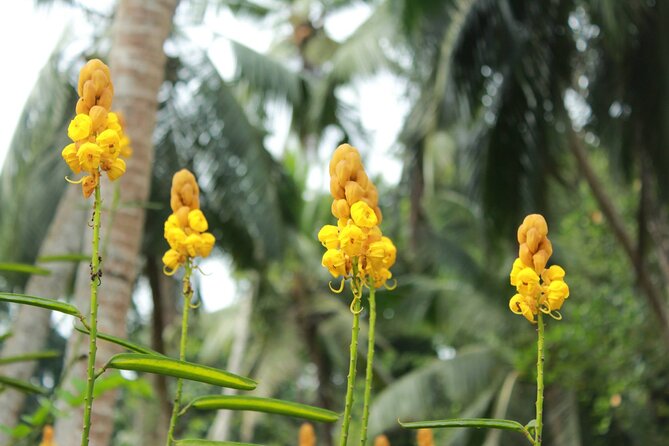
At $78 for roughly two hours, this is not a budget tea stop. The value depends on what you want from the visit.
The price makes more sense if you care about several parts of the experience at once: the herbal garden, the factory process, the seven-tea tasting, the small group, and the chance to meet a family-run producer. The tea credit can also offset part of the cost if you intend to buy up to $39 worth of tea.
The price is harder to justify if your only goal is to drink a cup of tea or take a quick factory photograph. You can find simpler tea stops for less. Nandana charges for a guided experience with food and plant elements, not merely entry to a shop.
Lunch is extra, so build that into your budget. The iced tea is included, while lunch is not. The mobile ticket makes the booking easy to carry, and admission is included once you arrive, but transportation to Akuressa is not listed as part of the tour.
Timing, transport, and practical details
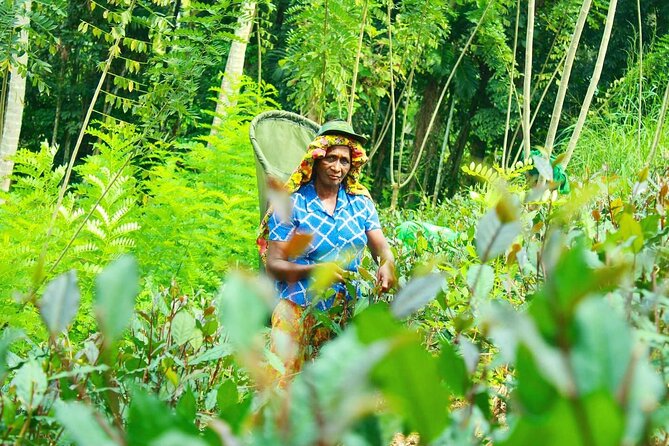
The meeting point is Nandana Tea Factory in Akuressa, postal code 81400, Sri Lanka. The activity ends at the same location. The factory is open from 9:30 a.m. to 4:30 p.m., Monday through Sunday, during the stated operating period.
The tour itself lasts about two hours. Leave extra time if you add lunch, browse the tea selection, or linger in the garden. Since the experience is in the Southern Province rather than a central tourist district, check your route to Akuressa before booking.
The factory is near public transportation, although the supplied details do not specify the bus route, fare, or travel time. You should confirm your transport plan locally rather than assuming the tour includes a pickup.
Service animals are allowed, and most people can participate. The experience requires good weather. If poor weather forces cancellation, you can receive a different date or a full refund. You can also cancel for a full refund up to 24 hours before the start time. Inside 24 hours, no refund is offered, and changes are not accepted.
Who will enjoy Nandana most?
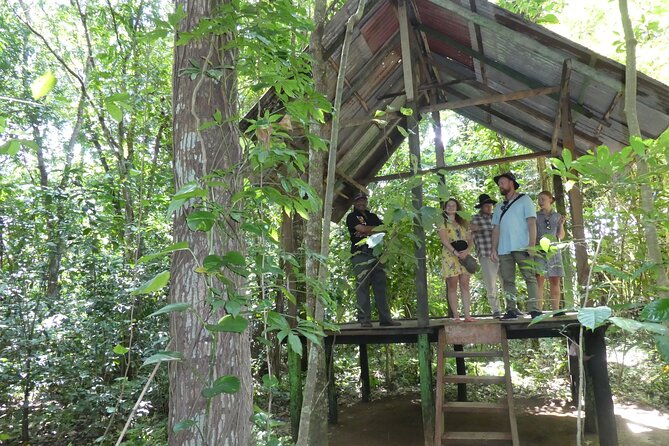
I would recommend this experience to you if you want more than a standard plantation photo stop. It suits people who enjoy food, plants, local business, and small-group guiding.
It is especially good for:
- Tea drinkers who want to compare several varieties before buying.
- Couples and families seeking a relaxed cultural activity.
- Anyone interested in Ayurvedic herbs and traditional plant uses.
- People who prefer a personal family business to a large commercial attraction.
- Visitors with enough time to reach Akuressa without rushing.
You may want to skip it if you have only a short window, dislike guided tastings, or want dramatic highland tea scenery. The Southern Province setting offers a different experience from the famous hill-country estates. Here, the focus is the factory, garden, and people rather than sweeping mountain views.
Should you book the Nandana Tea Walking Tour?
Book it if you want a close, human-scale look at how tea connects with Sri Lankan plants, food, and family business. The seven-tea tasting, herbal garden, and optional leaf-wrapped meal give the two-hour visit more range than a basic factory tour.
I would be more cautious if $78 feels high for a short activity or if you are not planning to buy tea. In that case, the tea credit may not help much, and lunch adds another cost.
For the right person, Nandana is a thoughtful stop near Akuressa: personal, hands-on, and grounded in local production. Go for the full experience, ask questions, and allow enough time for the garden rather than treating it as a quick shop visit.
FAQ
Where does the Nandana Tea Walking Tour begin?
It begins at Nandana Tea Factory, Nandana Tea Factory, Akuressa 81400, Sri Lanka.
How long does the tea tour last?
The experience lasts approximately two hours.
What does the tour include?
It includes admission, a garden and factory visit, tea-related explanations, tea tasting, and an iced tea during the garden tour.
Is lunch included?
No. Lunch is optional and costs extra. The meal may be served wrapped in a banana or lotus leaf.
How many people can join the tour?
The activity has a maximum group size of 10 people.
Can I buy tea at the end?
Yes. If you purchase tea at the end of the tour, purchases up to $39 are free under the tour offer.
Is the tour available every day?
The stated opening hours are Monday through Sunday, from 9:30 a.m. to 4:30 p.m.
What happens if the weather is poor?
The experience requires good weather. If it is canceled because of poor weather, you will be offered another date or a full refund.
Just added around Sri Lanka
- Tuk Tuk safari and Picnic in The Tea Plantation from Ella,Haputale & Bandarawela★ 5.0 · 7 reviews
- Tea Experience Tour in Haputale with Lunch at a Village house★ 5.0 · 19 reviews
- Trekking & Picnic in The Tea Plantation From Ella, Haputale & Bandarawela★ 5.0 · 4 reviews
- Nuwara Eliya: All Inclusive Horton Plains & Tea Plucking Day Trip★ 4.5 · 10 reviews
- Explore Nuwara Eliya | Experience the Best Tea in the World★ 4.5 · 3 reviews
- Tea Plucking and Tea Factory Visit from Nuwara Eliya.★ 3.5 · 3 reviews
- Tea Tasting in Nuwara Eliya★ 5.0 · 2 reviews
- Explore Nuwara Eliya – Waterfall & Tea Factory Tour★ 5.0 · 2 reviews
Walking Tours, compared.

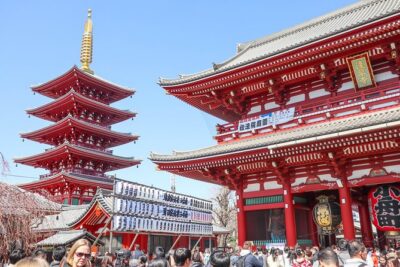
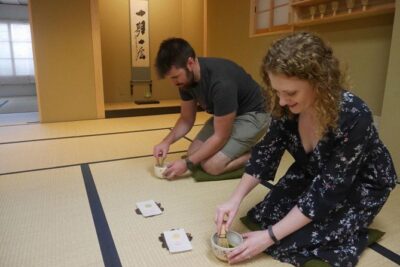
Kyoto Tea Ceremony & Kiyomizu-dera Temple Walking Tour
Read our review →
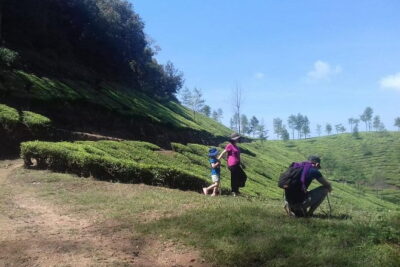
Tea planation walking In Munnar- (by Munnar Info)
Read our review →
Buckingham Palace Walk & Tea at Kensington Palace
Read our review →
The Way of Tea: Kyoto Crafts, Hidden Temples & Wabi-Sabi Walk
Read our review →
Antalya: Old Town Walking Tour incl. Turkish Tea and Baklava
Read our review →Browse the lists this tour appears in