
Review · THAILAND
Chiang Rai: 7 Major Sites, Golden Triangle & Tea Plantation
Chiang Rai’s best sights come in surprising colors and shapes. This full-day trip links the White Temple, Blue Temple, and Black House with the Golden Triangle, a tea plantation, and the Opium Museum, giving you both modern Thai art and northern Thailand’s borderland story in one long day.
I like the way the tour combines major sights that are scattered around Chiang Rai, and I like the small-group format, limited to 10 people. Guides such as Guitar, Ping, Meo, and Muew have been praised for clear English, good humor, and useful local advice. The main drawback is the pace: seven stops in one day means you will see a lot, but you may want extra time at the White Temple.
Key points at a glance
- Three very different art temples: The White Temple is polished and surreal, the Blue Temple is dramatic and colorful, and the Black House is a museum rather than a temple.
- The Golden Triangle adds regional context: You visit the meeting area of Thailand, Laos, and Myanmar, then learn more about the opium trade at the museum.
- Chui Fong Tea Plantation changes the mood: After temples and museums, you get open views, tea plants, and a calmer stop.
- A guide makes the art easier to read: Guitar, Ping, Meo, and other guides have been praised for explaining legends, symbols, and local customs.
- The day is designed for convenience: Pickup within 6 kilometers of central Chiang Rai, air-conditioning, lunch, water, and evening return are included.
- Check the ticket option carefully: One booking choice includes admission tickets, while the other excludes them.
Why this Chiang Rai day trip works
Chiang Rai is not a city where every important sight sits within walking distance of the center. The White Temple is south of town, while the Golden Triangle and tea plantation take you farther north. Seeing all of these places independently can mean arranging several rides and keeping track of opening hours and entrance fees.
This trip solves that problem with one vehicle and a guide. You leave Chiang Rai in the morning and return in the evening, with an air-conditioned minibus between stops. The group is capped at 10 people, which should feel more manageable than a large coach tour, though pickup time can still vary because the van collects people from different hotels.
The listed price is $72 for a group of up to one, but check the exact price shown for your party before paying. The value depends partly on which ticket option you choose. With lunch, transport, a private English-speaking guide, drinking water, and insurance included, the basic package covers the practical parts of a full day. You still need to account for admission tickets if you select the option that excludes them.
The tour offers free cancellation up to 24 hours before departure and lets you reserve now and pay later. Those terms are useful if your Chiang Rai plans are still shifting.
More Tea Plantation Tours in the world:
- From Taipei: Thousand Island Lake and Pinglin Tea Plantation
★ 4.7 · 519 reviews - Active Volcano, Rice Field, Hot Spring, Fruit market, Tea Plantation with Lunch
★ 5.0 · 513 reviews - São Miguel: Furnas Volcano & Tea Plantation Tour with Lunch
★ 4.9 · 375 reviews
The White Temple, an artist’s modern vision
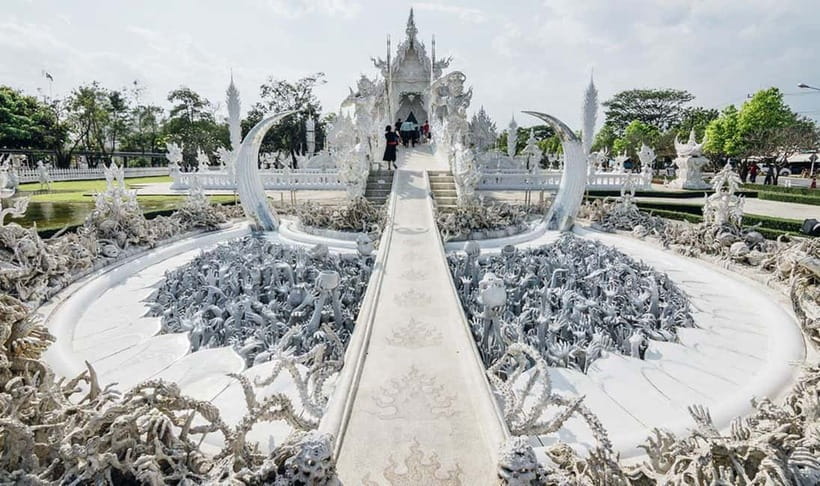
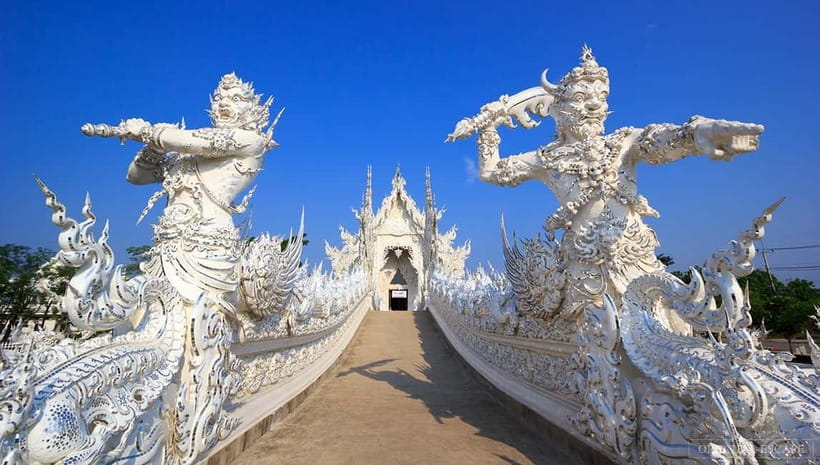
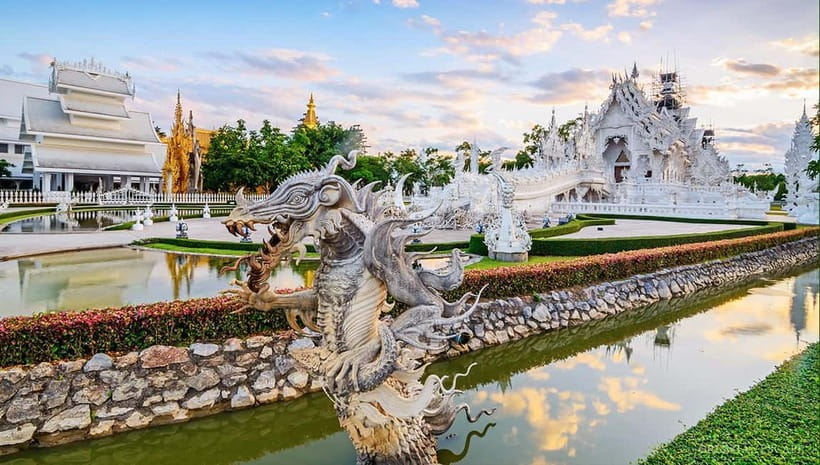
Wat Rong Khun, better known as the White Temple, is the day’s most famous stop and likely its visual high point. It is not an old temple passed down unchanged through centuries. It is a modern work created by the Thai artist Chalermchai Kositpipat, whose vision gave Chiang Rai a landmark unlike the usual gold-painted Buddhist architecture.
The white surfaces and mirrored details catch the light, making the complex look almost unreal. The design uses Buddhist ideas, religious symbols, and startling contemporary images. Your guide can help explain what you are seeing, which matters here because the temple is meant to provoke thought as much as admiration.
Allow yourself time to look beyond the main photo spot. The grounds contain several artistic details, and the experience is better when you pause instead of rushing from one picture to the next. Still, this is where the itinerary can feel tight. One guest wanted more time here, and I understand why. If the White Temple is your main reason for visiting Chiang Rai, ask your guide how long you will have before the day begins.
The supplied information notes a White Temple ticket of 200 baht per person. It also says that standard tickets are included under one option, so read the booking choice closely. This is the kind of small detail that can affect the final value.
The Blue Temple and a different kind of drama
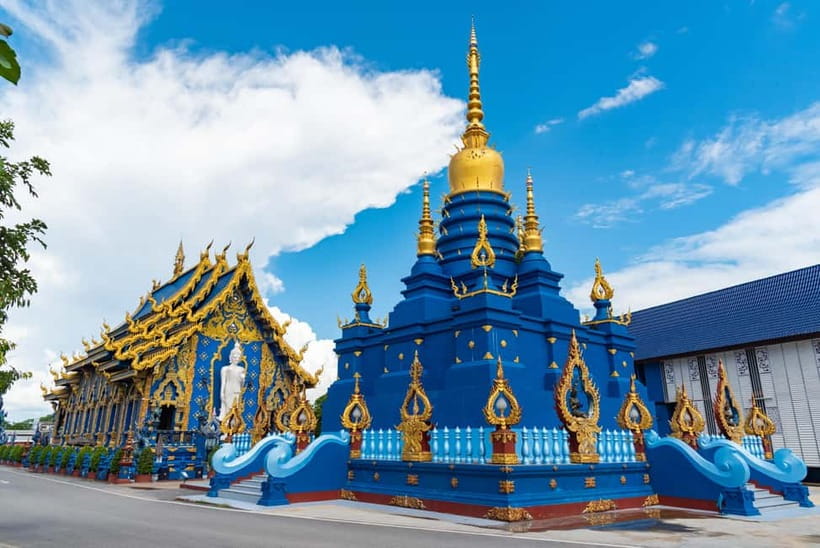
Wat Rong Suea Ten, called the Blue Temple, gives you a sharp contrast to the White Temple. Instead of pale surfaces and silver details, the building uses strong blue tones and elaborate decoration. The result feels theatrical, but it remains connected to Buddhist religious art.
This stop is useful because it shows that modern Thai temple design does not follow one visual formula. The Blue Temple blends traditional religious imagery with a more recent artistic approach. Your guide can point out the meaning behind the figures and patterns, rather than leaving you with only a quick photo.
The stop is also a reminder to dress and behave respectfully. These places are active religious sites, not just art installations. Wear clothing that covers shoulders and knees where possible, and follow the guide’s advice about entering buildings and taking pictures.
Black House, museum rather than temple
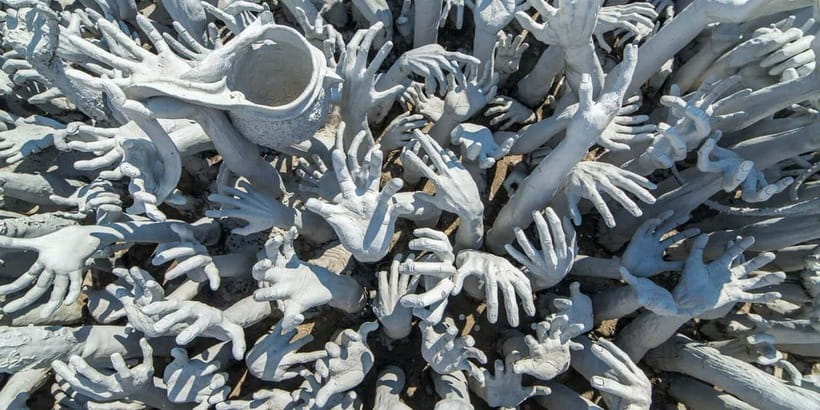
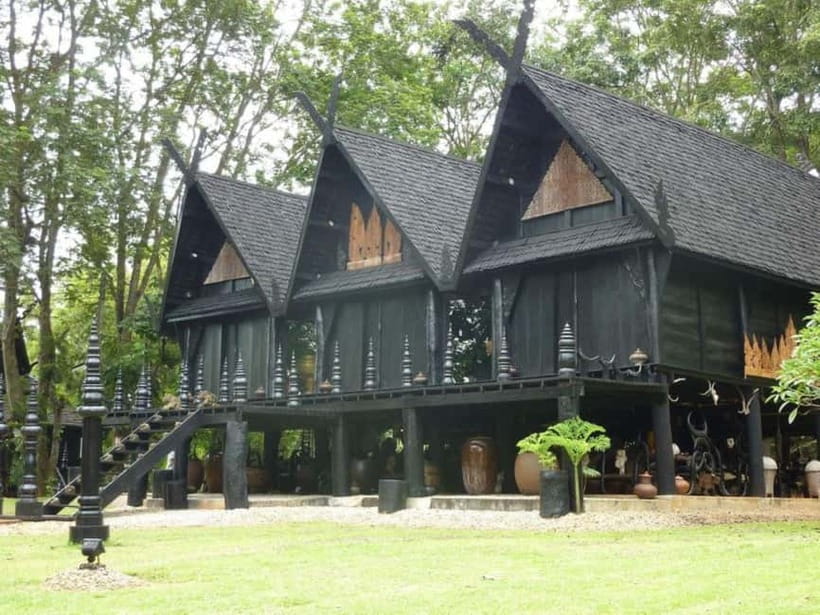
The Black House is often grouped with Chiang Rai’s famous temples, but it is not really a temple. It is a museum and art compound created by the Thai artist Thawan Duchanee. Its dark buildings and unusual displays create a much moodier experience than the White and Blue temples.
This is the stop that may not suit everyone. The art can be strange, severe, or unsettling, and the displays are not designed as a gentle introduction to Thailand. If you enjoy art, symbolism, and stories with rough edges, you may find it fascinating. If you prefer traditional temples with a calm devotional atmosphere, you may be ready to move on sooner.
I appreciate having this contrast in the itinerary. Without the Black House, the day could become a parade of similar temple visits. Here, you get a chance to think about how modern Thai artists use religious ideas, animals, color, and architecture in very different ways.
A few more tea experiences around the world worth a look
- Kyoto: Tea Ceremony in a Traditional Tea House in Kiyomizu
★ 4.9 · 3,519 reviews - London: Afternoon Tea Cruise on the River Thames
★ 4.4 · 3,274 reviews - Kyoto: Tea Ceremony Ju-An at Jotokuji Temple
★ 4.9 · 3,207 reviews - Afternoon Tea Bus Tour in Dublin
★ 5.0 · 2,791 reviews
The Golden Triangle and the northern borderlands
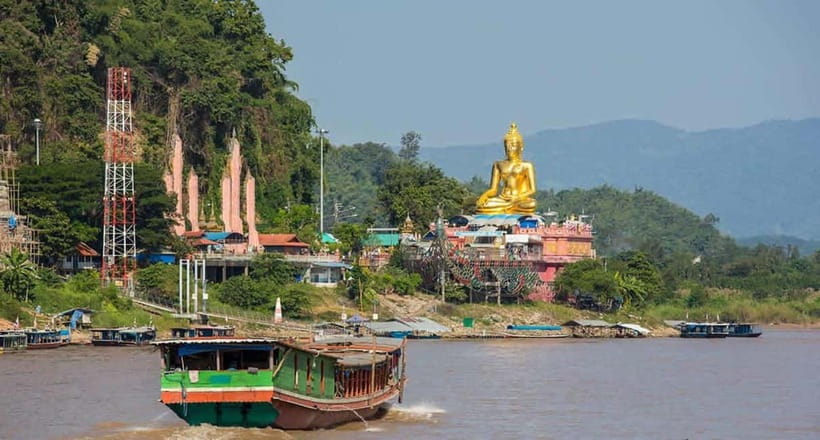
The Golden Triangle is the day’s major change of setting. This is the area where Thailand meets Laos and Myanmar, and its name is closely tied to the long history of opium production and trade in the border region.
The stop gives you a broader view of northern Thailand. The temples show you Chiang Rai’s artistic identity, while the Golden Triangle connects the province to trade routes, border politics, and a complicated past. Do not expect a single monument to tell the whole story. The value lies in the setting and in the explanation provided by your guide.
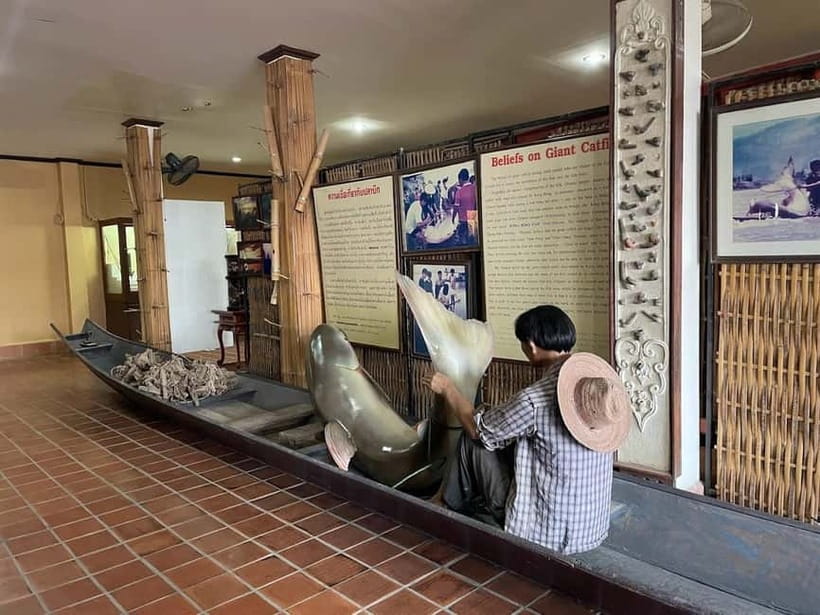
The tour includes the Opium Museum, which gives the border region more context. This is important because a quick viewpoint visit can otherwise feel detached from the forces that shaped the area. The museum helps explain why the Golden Triangle became internationally known and how opium affected communities and governments.
If you have limited energy, this portion of the day may feel long after the morning temples. On the other hand, it is one of the reasons this tour offers more than a standard Chiang Rai temple circuit. You are not only looking at buildings. You are also getting a basic introduction to a major chapter in the region’s past.
Chui Fong Tea Plantation for a quieter pause
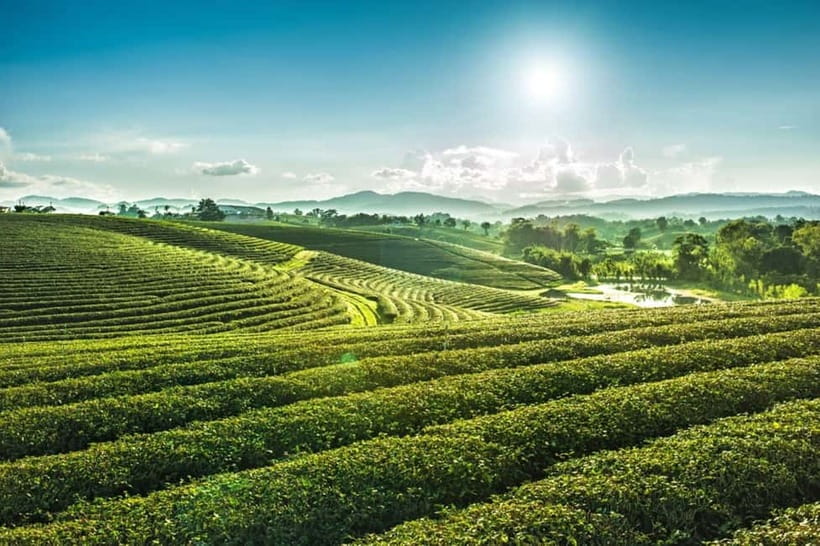
Chui Fong Tea Plantation brings a different rhythm. After several built-up cultural sites and the Golden Triangle, the tea fields give you open space and a chance to slow down. The plantation is one of the more photogenic stops, but it also shows an important part of northern Thailand’s agricultural identity.
The information provided does not promise a formal tea tasting or a detailed farming demonstration, so do not book this expecting a long specialist tea experience. Think of it as a scenic plantation visit within a wider sightseeing day.
Bring a hat and sunscreen. The tour takes place outdoors, and northern Thailand can be bright and hot even when the day begins comfortably. Good walking shoes will also help, although the tour does not provide a detailed account of walking distances at each site.
Optional Karen hilltribe village visit
The itinerary includes a Karen hilltribe village as an option. Ask exactly how this works before you book, since the supplied details do not say whether the stop is included in every departure or requires a separate choice.
This is a place to approach with respect. You are visiting a living community, not a themed attraction. Listen to your guide about appropriate behavior, photography, and purchases. The tour notes that souvenirs and other personal expenses are not included, so budget separately if you decide to buy something.
Because the village is optional and the day already covers many stops, choosing it may affect the time available elsewhere. If the White Temple or tea plantation matters most to you, ask the guide how the schedule will be balanced.
Lunch, transport, and the people who shape the day
A Thai buffet lunch is included, with vegetarian food available if you request it in advance. You should also tell the guide about allergies or other dietary restrictions before departure. One useful detail from the experience is that guides have taken care to arrange meals around individual food limits, but you should still explain your needs clearly.
The minibus has air-conditioning, and the driver handles the long connections between sites. Several guides and drivers have been praised for smooth driving and a comfortable, fresh vehicle. That matters on this route because a large part of the day is spent on the road.
The guide can make or break a schedule-heavy tour. Guitar has been praised for remembering names, keeping the group involved, and explaining the sites in good English. Ping has been noted for answering questions about Thai culture and giving practical suggestions for food and massages in Chiang Rai. Meo and Muew have also been described as friendly, careful, and entertaining.
Guide quality can vary by departure, so you cannot book a particular person unless the operator confirms it. Still, the repeated praise for the guiding team is a strong reason to choose a guided day rather than simply hiring transport.
Pickup is offered within 6 kilometers of central Chiang Rai. The stated pickup window is 8:00 to 8:30 a.m., rather than one exact minute, so be ready early. Give the operator your hotel name because some city locations can be difficult for the driver to find. If you stay outside the city, contact the operator for a meeting point.
Who should book this day?
I would choose this tour if you have only one full day in Chiang Rai and want to cover the main sights without arranging separate transport. It suits first-time visitors, couples, small groups, and anyone who wants explanations rather than a list of stops.
It also works well for people who like variety. You move from contemporary religious art to a museum, from a border region to a tea plantation, then possibly to a Karen village. That range keeps the day interesting, although it also makes the schedule full.
This is less suitable if you want a slow temple study day. The tour is not suitable for wheelchair users or people over 70, according to the activity information. Anyone with limited stamina should also think carefully about the long duration and repeated entries and exits from the minibus.
Pack sunscreen, a hat, water-friendly patience, and clothing suitable for temples. Alcohol and drugs are not allowed, and pets cannot join the tour.
Should you book the Chiang Rai seven-site tour?
Book it if you want maximum sightseeing in one organized day and value a guide who can explain the art, local customs, and border-region history. The strongest parts are the range of places, the small group, the comfortable transport, and the consistently warm comments about guides such as Guitar and Ping.
Think twice if you dislike early starts, long drives, or tightly planned days. You may wish for more time at the White Temple, and the ticket choices require careful checking. Select the all-tickets option if you want fewer costs to manage, then confirm exactly what it covers, especially the 200-baht White Temple admission.
For a first visit to Chiang Rai, this is a practical way to see far more than the city center alone. It gives you the famous images, but also adds the Black House, the Golden Triangle, the Opium Museum, and Chui Fong Tea Plantation, which makes the day feel broader than a simple temple tour.
FAQ
How long does the Chiang Rai tour last?
It lasts one full day, with departure from Chiang Rai in the morning and return to Chiang Rai in the evening.
What time is pickup?
Pickup takes place during the stated 8:00 to 8:30 a.m. window. Be ready during that period.
Is hotel pickup included?
Yes. Free pickup and drop-off are included within 6 kilometers of Chiang Rai city center.
What if my hotel is outside the city?
Contact the operator before the tour. You will be given a meeting point if your accommodation is outside the city pickup area.
Which temples are included?
The tour visits Wat Rong Khun, known as the White Temple, the Blue Temple, and the Black House.
Is the Black House a temple?
No. Despite its common grouping with Chiang Rai’s temples, the Black House is a museum and art compound.
Are entrance tickets included?
There are two options. One includes tickets and one excludes them, so check your selected option before booking. The White Temple ticket is listed as 200 baht per person.
Is lunch included?
Yes. A Thai buffet lunch is included. Vegetarian food can be provided if requested.
Can I request food for an allergy or dietary restriction?
Yes. Tell the guide about allergies or dietary restrictions in advance. Vegetarian meals are available upon request.
Is this tour suitable for wheelchair users?
No. The activity is listed as unsuitable for wheelchair users and people over 70 years old.
Just added around the world
- Yogyakarta: Prambanan Tour, Sukuh Temple & Tea Plantation★ 5.0 · 3 reviews
- Xi’an Chinese Calligraphy Workshop: Ink Art & Tea Tasting★ 5.0 · 4 reviews
- Yokohama : Tea Ceremony with Sweets and Souvenir★ 5.0 · 5 reviews
- Washington, D.C.: Tea Around Town Bus Tour with Landmarks★ 3.4 · 7 reviews
- Tea Route: Lake, Forest, Tea Plantation & 3 Course Lunch★ 3.6 · 7 reviews
- Wadi Rum: 2-Hour Jeep Tour with Bedouin Tea★ 5.0 · 11 reviews
- Walking Tour: Yanaka,Nezu& Sendagi: Tea Ceremony & Old Tokyo★ 5.0 · 3 reviews
- Volcano, Hot Spring, Mud Bath & Tea plantation all included★ 5.0 · 5 reviews
Tea Plantation Tours, compared.
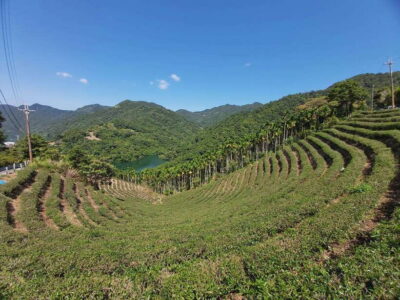
Thousand Island Lake and Pinglin Tea Plantation
Read our review →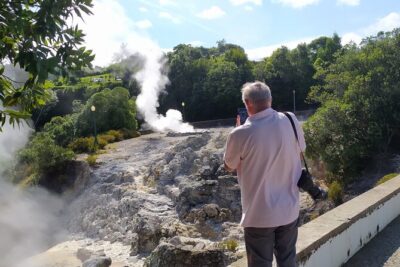
Furnas Volcano & Tea Plantation With Traditional Lunch, East Tour
Read our review →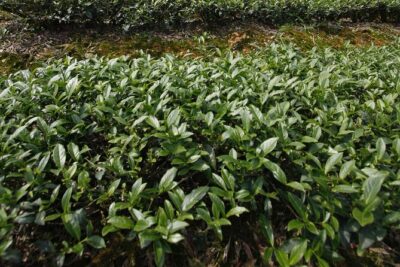
Thousand Island Lake and Pinglin Tea Plantation from Taipei
Read our review →
Furnas: Volcano Wonders, Tea Plantation & Waterfall Tour
Read our review →
Mauritius: Tea and Sugar Plantation Guided Tour with Lunch
Read our review →
Wadmalaw Island Wine Tasting and Tea Garden Trip
Read our review →Browse the lists this tour appears in