
Review · TOKYO
Walking Tour: Yanaka,Nezu& Sendagi: Tea Ceremony & Old Tokyo
The best part of this tour is the tea ceremony, where you drink from antique tea bowls in a traditional setting and enjoy wagashi, a Japanese sweet. It is a fine way to meet old Tokyo without giving up the pleasures of the modern city.
I like the mix of quiet streets, temples, a cemetery, a museum, and a shrine. I also like the personal style of the guiding. Beth shaped the day around her group’s interests, while Jeff made the walk feel like an easy conversation rather than a formal lecture.
The main drawback is the amount of walking. You will spend the day on foot, and the route includes several neighborhoods, so this is not the right pick if you want a short or low-effort sightseeing stop. At $135 per person, the value depends on how much you want the guide and tea ceremony, rather than simply a walk through Tokyo.
Key points to know before booking
- Tea from antique bowls: The cultural highlight includes a traditional tea ceremony, wagashi, and antique tea bowls selected for the occasion.
- Three old Tokyo districts: Yanaka, Sendagi, and Nezu show a quieter side of Tokyo known as Yanesen.
- A well-rounded day: The route combines a cemetery, local food, a museum, park and nature, temples, architecture, and a shrine.
- Asakura Museum admission included: You visit the Asakura Museum of Sculpture and its rooftop terrace for city views.
- Friendly English guidance: Guides such as Beth and Jeff bring history and daily Japanese life into the conversation.
- Careful meeting point required: Meet outside Nippori Station’s West exit, not Nishi-Nippori Station.
Why Yanesen feels different from central Tokyo
Tokyo can seem like a city of towers, neon, department stores, and packed train platforms. Yanaka, Sendagi, and Nezu offer another picture. Together, they are often called Yanesen, and they have held on to the older Shitamachi character of Tokyo.
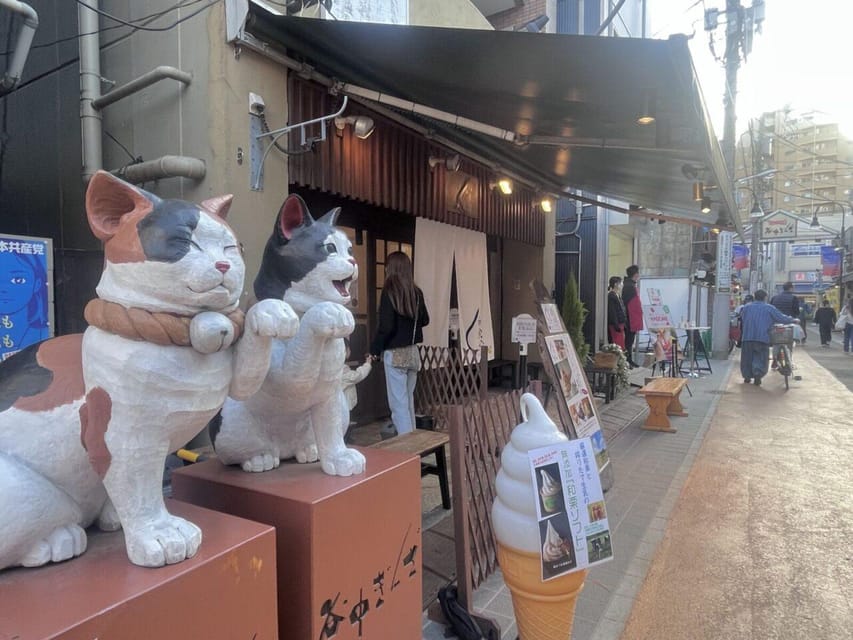
Shitamachi means the lower city, a term tied to the working neighborhoods that developed away from the grander parts of the capital. Here, you get traditional architecture, narrow streets, temples, small local businesses, and a slower rhythm. The area is still part of Tokyo, but it does not feel like the Tokyo of the main shopping districts.
I like this setting for a guided walk because the appeal is not one enormous sight. It is the way the parts fit together. A cemetery leads to a neighborhood, a neighborhood leads to a museum, and the day ends at one of the city’s most beautiful shrines.
You will also get a useful contrast. The tour is not trying to present old Japan as a museum piece. Yanesen includes trendy areas as well as historic ones, so you can see how an older district continues to function in present-day Tokyo.
More Tea Ceremony Experiences in Tokyo:
- Kimono Tea Ceremony at Tokyo, Asakusa Maikoya
★ 5.0 · 638 reviews - Tokyo: Traditional Tea Ceremony with a Tea Master
★ 5.0 · 528 reviews - Tea Ceremony Workshop in Tokyo by the Experienced Instrucor
★ 5.0 · 189 reviews
Meeting at Nippori Station at 10:30
The day begins at 10:30 outside the West exit of Nippori train station. Follow the signs for the West exit and come through the ticket gates. The meeting point is directly in front of a red information board and a post box.
Pay close attention to the station name. You need Nippori Station, not Nishi-Nippori Station. That small difference could create a needless start to the morning, so check your route before leaving.
From the station, the group walks for about 10 minutes to the first stop. This is a useful start to the day because you move into the neighborhood quickly, without spending the morning on a bus or inside another train.
The tour finishes back at Nippori Station. That makes the end of the route simple, especially if you plan to continue elsewhere in Tokyo.
Yanaka Cemetery and the first taste of old Tokyo
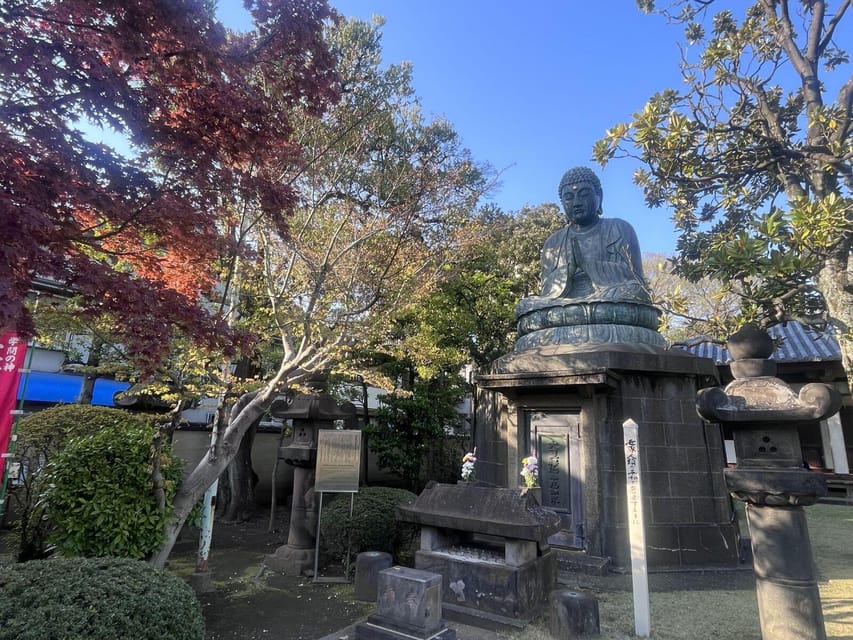
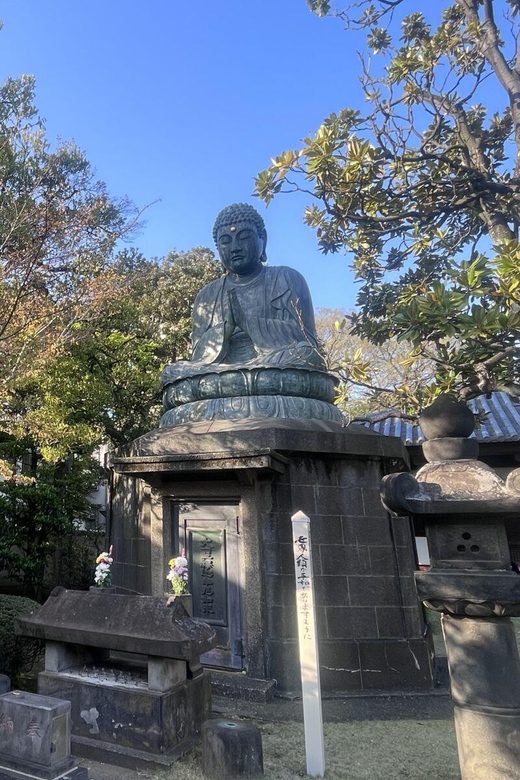
Yanaka Cemetery is the first major stop, with about 30 minutes for a guided visit and passing through the area. A cemetery may not be the first attraction you think of for Tokyo, but it suits this tour well.
The site helps explain the older character of Yanaka. Instead of beginning with a shopping street or a major landmark, you start with a quiet place where history and daily life sit close together. The cemetery also gives the guide room to explain the area rather than rushing you toward a photo stop.
This is the kind of place where an English-speaking guide adds real value. Without context, you might simply see rows of graves and paths. With guidance, the stop becomes part of the story of old Tokyo and the Shitamachi way of life.
Keep in mind that this is a walking tour with a cultural focus, not a checklist of famous sights. The cemetery may appeal most to people who enjoy local atmosphere and context. If you only want major monuments, this opening stop may feel understated.
A secret stop for local food and tea
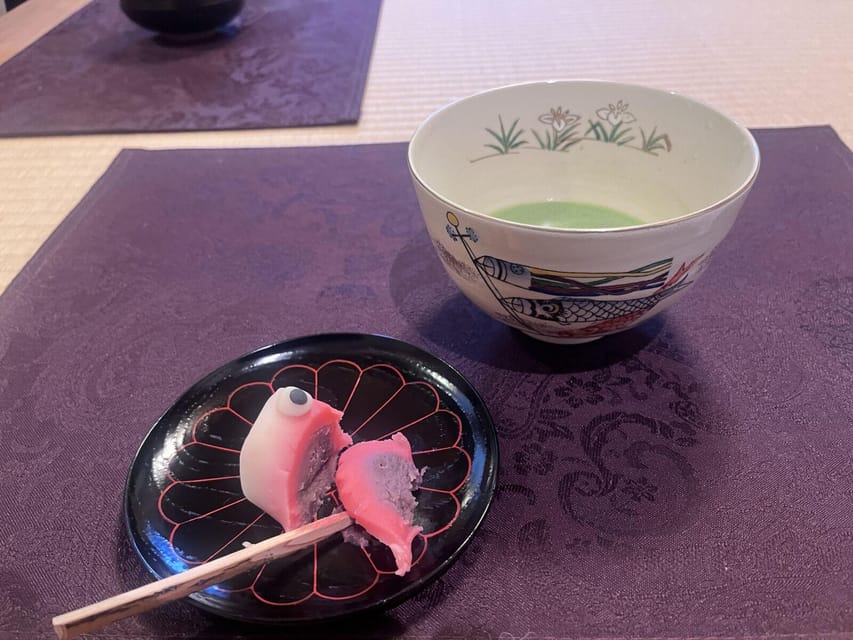
The next stop lasts about an hour and includes a local food tasting. The exact character of the stop is described as a secret, so you should expect a small surprise rather than a named attraction you can research in advance.
This pause breaks up the walking and gives you a direct taste of the neighborhood. Food is often one of the easiest ways to understand a place, and here it is part of the old Tokyo experience rather than an add-on at the end.
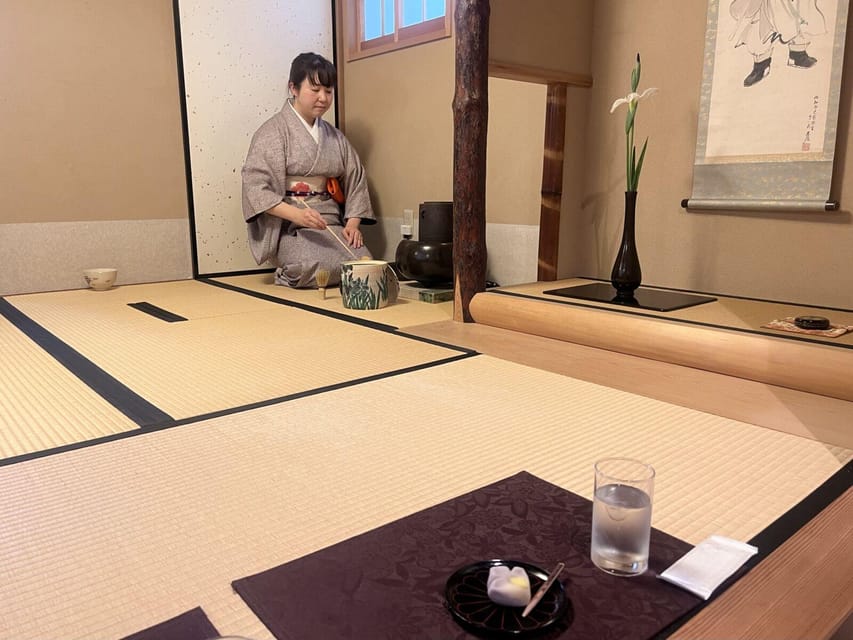
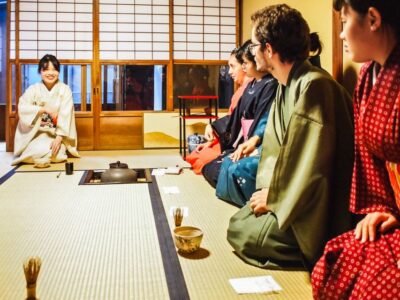
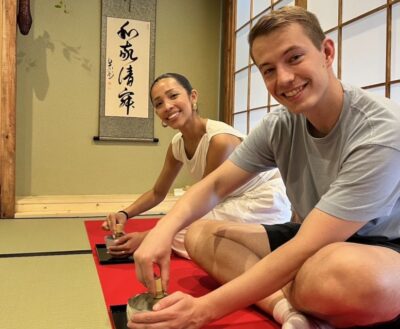
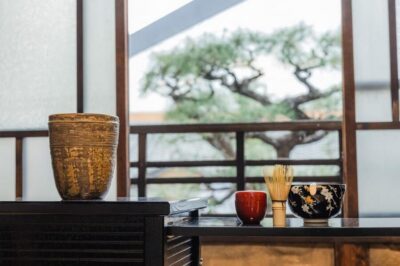
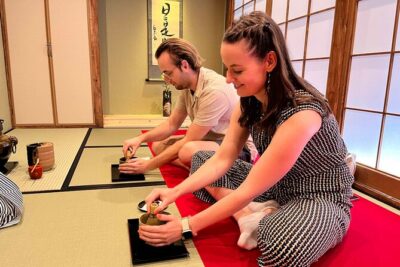
The tea ceremony is also one of the central reasons to choose this tour. You will drink tea from antique bowls, and the experience includes wagashi. One especially unusual detail is that the owner of the tea house drew a portrait featuring the antique tea bowls selected for the ceremony. That gives the visit a personal and artistic touch that you would not get from a standard tea served in a hotel or tourist center.
The ceremony may be the strongest part of the day for anyone interested in Japanese culture. It is also a slower experience, so you have time to notice the bowl, the sweet, the setting, and the care given to the ritual.
More Walking Tours in Tokyo:
- Asakusa Cultural Walk & Matcha Making Tour
★ 5.0 · 245 reviews - Tokyo Walking Tour : Sumo, Sushi, Tea, Temples and Tokyo Tower
★ 5.0 · 21 reviews - Great Ocean Road Tour Plus Koalas, Forest Walk and Morning Tea
★ 4.5 · 1,068 reviews - Great Ocean Road 12 Apostles & Rainforest Walk with Morning Tea
★ 4.5 · 549 reviews
Yanaka streets, local atmosphere, and free time
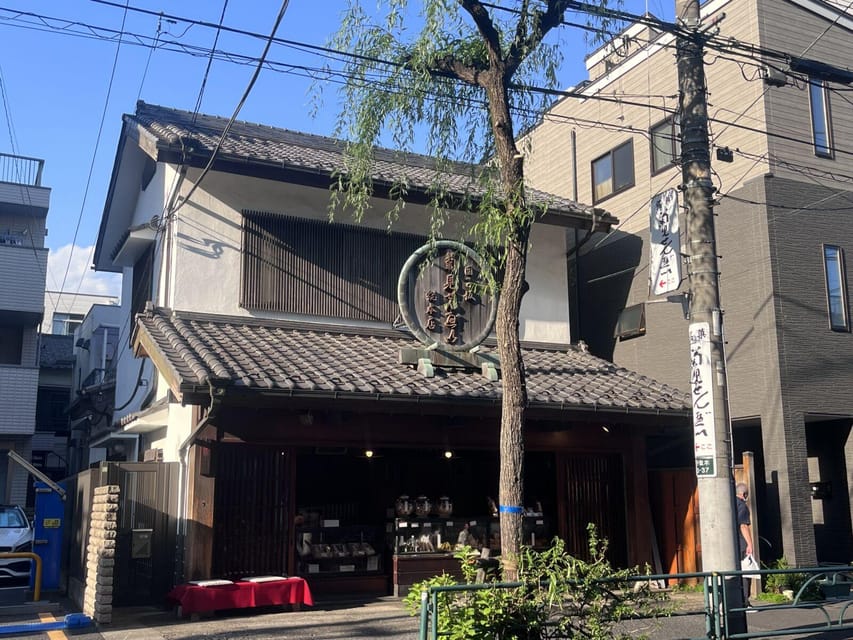
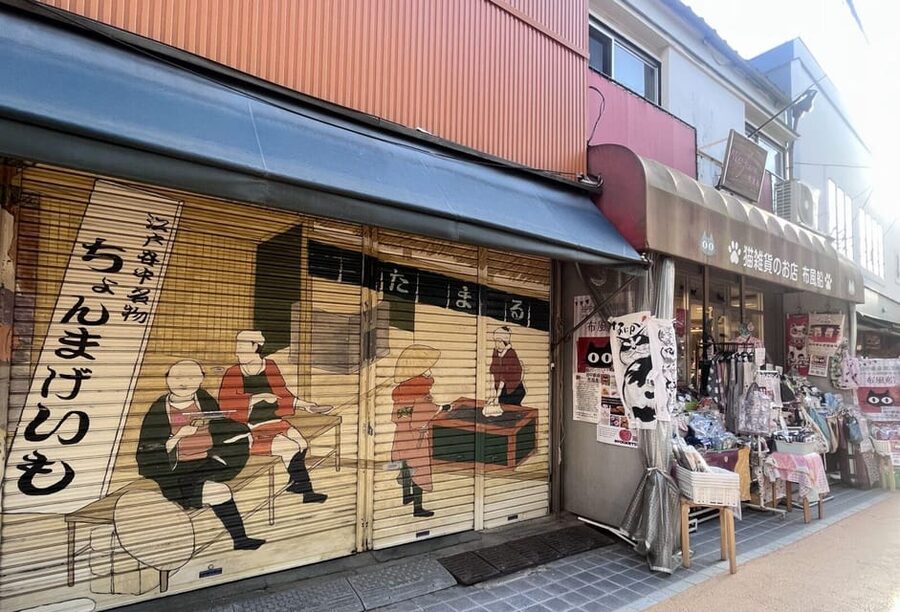
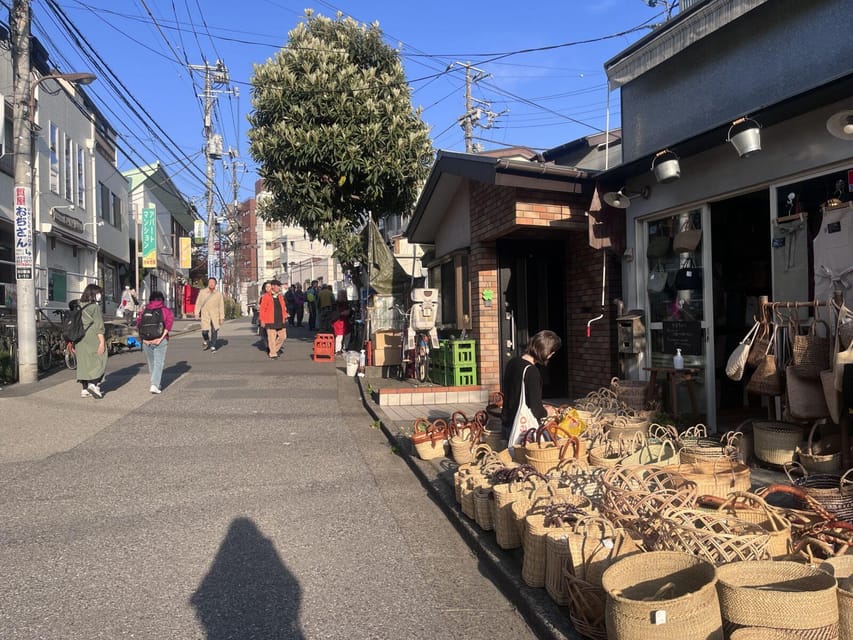
You then spend about 80 minutes in the Yanaka district, with guided touring and free time. This is where the tour’s central idea comes into focus. Yanaka is a historic and artistic neighborhood, and its traditional feel makes it a useful counterpoint to the larger Tokyo districts.
I like having free time built into this section. A guide can point out details you might miss, then give you room to look around at your own pace. You are not being moved from one timed photo stop to another.
The neighborhood is also a good place to compare old and new Tokyo. Traditional buildings and local streets share space with newer, more fashionable businesses. That combination makes Yanaka feel lived in rather than preserved only for sightseeing.
The guide’s style matters here. Jeff is described as making the outing feel like a friendly walk and conversation. Beth brought information about both present-day and older Japan, while also shaping the day around the group’s wishes. Those details suggest that the experience can feel more personal than a fixed script, although the exact style will depend on the guide assigned to your date.
Asakura Museum of Sculpture and rooftop views
The Asakura Museum of Sculpture is the day’s main museum visit, and admission is included in the price. You spend about an hour here with the guide.
The museum adds an art-focused stop to a day that could otherwise lean heavily toward temples and traditional streets. That balance is useful. You see the Yanaka area not only as an old neighborhood, but also as a place connected with artists and creative work.
The rooftop terrace is another reason to pay attention to this stop. It offers views over Tokyo, giving you a chance to look back at the city from above after walking through its quieter lanes. The change in scale is valuable: on the ground, Yanesen feels intimate and local; from the terrace, you can place it within the much larger capital.
The museum is likely to appeal most to people who enjoy sculpture and historic buildings. If you are not interested in art, the guided visit may feel slower than the shrine stops. Still, its inclusion helps keep the itinerary balanced, and the rooftop view gives the hour a clear payoff.
Lunch and a relaxed middle of the day
After the museum, you return to Yanaka for lunch and free time, with about an hour set aside. Lunch is listed as part of the route, but the provided details do not specify a restaurant, menu, or whether the meal cost is included.
That means you should treat this as a flexible meal break rather than a promised dining experience. The free time is useful because it gives you a pause after the morning’s walking and lets you decide how to spend the break according to your own appetite.
This is also a practical point when judging the $135 price. The tea ceremony and museum admission are included, but you should not assume every food or meal cost is covered unless confirmed when booking.
Walking through Sendagi
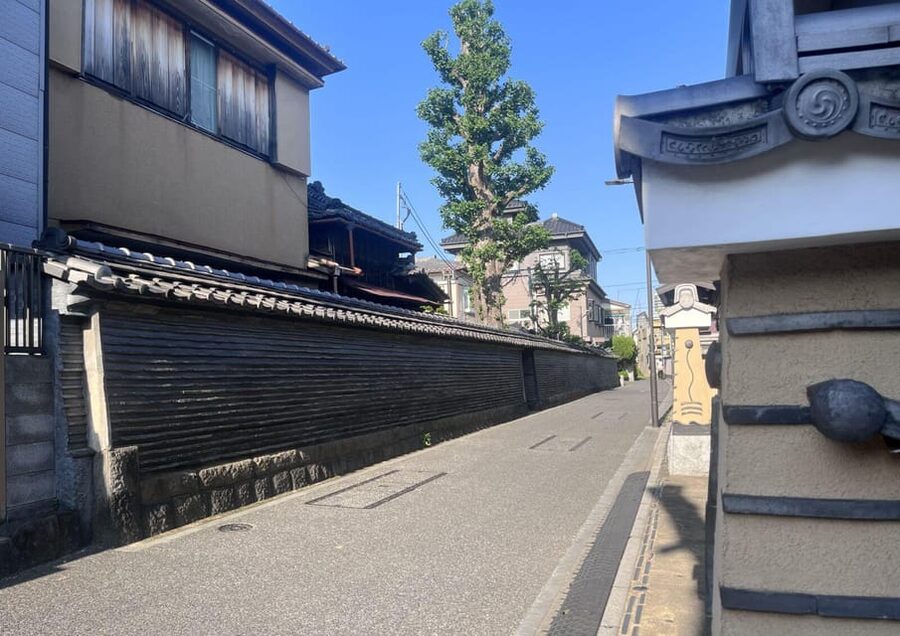
The route continues into Sendagi for about 40 minutes of guided walking. Sendagi is known here for its temples and park, so this section adds more greenery and religious sites to the day.
The shorter length makes sense after the museum and lunch. You continue on foot, but the pace shifts back toward neighborhood observation. Your guide can connect the streets of Sendagi with the larger Yanesen story, showing how these districts sit beside one another while retaining their own feel.
This is another part of the tour where comfortable shoes matter. There is no single attraction carrying the whole section, so the pleasure comes from moving through the area and listening to the guide explain what you are seeing.
Nezu Shrine, a fitting final stop
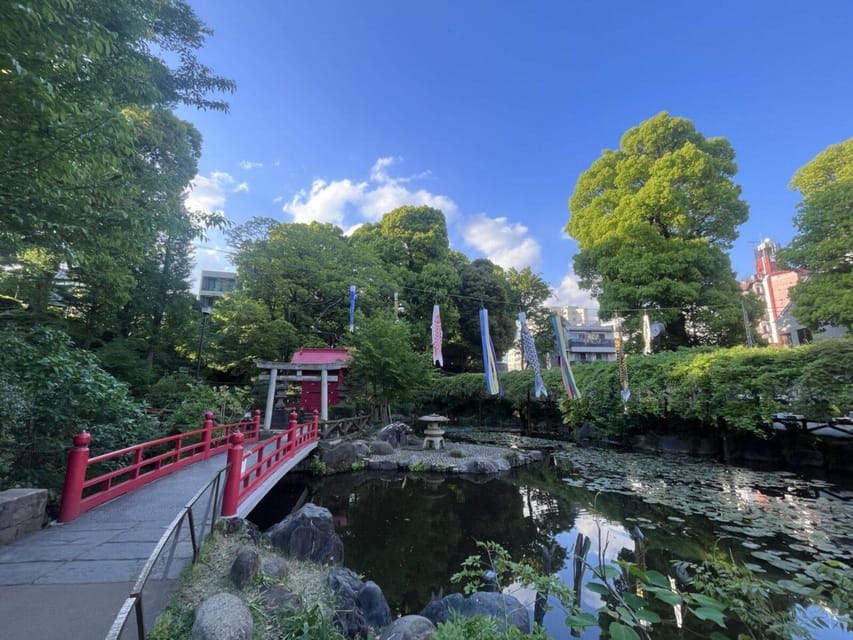
The final major visit is Nezu-jinja Shrine, with about an hour for a guided visit. It is described as one of Tokyo’s most beautiful shrines, and it gives the day a strong closing point.
After the cemetery, food stop, old streets, museum, and Sendagi walk, the shrine brings together many of the tour’s themes: religion, traditional design, and the continuing presence of older Tokyo within the modern city.
A full hour allows more than a quick photograph. You can take in the shrine grounds, listen to the guide, and appreciate the setting before heading back to Nippori Station. The route then returns to the station, keeping the day easy to finish.
The shrine is likely to be one of the most immediately impressive places on the route. Still, the tour works best when you value the sequence of stops rather than judging it only by the final sight.
What the $135 price includes
At $135 per person, this is not a bargain walking tour in the narrow sense. You are paying for a full-day English-speaking guide, a planned route through three districts, admission to the Asakura Museum of Sculpture, and the tea ceremony.
The strongest value comes from the combination. Booking each element separately could be difficult, especially the tea ceremony with antique bowls and the local context provided by a guide. You also avoid spending time planning how to link Yanaka, Sendagi, and Nezu on your own.
The price is less attractive if you only want to stroll through Yanaka or visit Nezu Shrine. Those parts can be approached independently, and the tour does not list every meal or food expense as included.
I would see the cost as reasonable for someone who wants interpretation and a special cultural activity, not simply transportation between sights. The personal guiding style described for Beth and Jeff is important here. If your guide makes the day conversational and adjusts to your interests, the service is doing much of the work you are paying for.
The tour offers free cancellation up to 24 hours before the start and allows you to reserve now and pay later. That gives you some flexibility while you finalize your Tokyo plans.
Who should book this Yanesen walk
I would recommend it to first-time visitors who want a softer introduction to Tokyo than the usual major districts. It suits people who enjoy walking, neighborhood details, temples, architecture, art, and food in one day.
It is also a strong choice if you want a tea ceremony but would prefer one tied to a broader local route. The antique bowls, wagashi, and tea house setting make this more distinctive than simply adding tea to a general sightseeing schedule.
Art lovers will appreciate the Asakura Museum, while history-minded visitors will enjoy the cemetery and traditional neighborhoods. The tour also works well for anyone who wants an English-speaking guide to explain both older and current Japan.
I would skip it if you dislike walking, want a very short activity, or prefer to spend the day inside Tokyo’s major museums and shopping areas. You should also confirm the lunch arrangements if meal costs matter to your budget.
Should you book the Yanaka, Nezu, and Sendagi tour?
Book it if you want to see a quieter side of Tokyo and value the guide as much as the sights. The best reasons are the old Shitamachi neighborhoods, the unusual tea ceremony with antique bowls, the included museum visit, and the chance to finish at Nezu Shrine.
The day is long and costs more than an independent neighborhood walk. But for a visitor who wants context, good pacing, and a cultural experience that feels connected to its setting, the $135 price can be justified. Arrive at the correct Nippori Station exit, wear comfortable shoes, and keep enough room in your schedule to enjoy the walk rather than rush it.
FAQ
Where does the tour begin?
The tour begins at 10:30 outside the West exit of Nippori train station. Look for a red information board and a post box directly in front of the ticket gates.
Should I go to Nippori Station or Nishi-Nippori Station?
You need to go to Nippori Station. The meeting point is not at Nishi-Nippori Station.
What language is the tour conducted in?
The tour has a live English-speaking guide.
How long does the experience last?
It is a full-day experience, valid for one day, and finishes back at Nippori Station.
Is the tea ceremony included?
Yes. The tea ceremony experience is included, along with the chance to drink from antique tea bowls.
Is admission to the Asakura Museum of Sculpture included?
Yes. The museum admission fee is included in the tour price.
Does the tour include lunch?
Lunch is part of the route, but the provided details do not state whether the meal cost is included or identify the restaurant.
How much does the tour cost?
The listed price is $135 per person.
Can I cancel the booking?
You can cancel up to 24 hours in advance for a full refund. You can also reserve now and pay later.
Just added around Tokyo
- Yokohama : Tea Ceremony with Sweets and Souvenir★ 5.0 · 5 reviews
- 2 Hours Mochi &Nerikiri Making & Matcha Class in Bunkyo★ 5.0 · 21 reviews
- Private Kimono and tea ceremony at local home near Tokyo Disney★ 5.0 · 6 reviews
- Private Mochi・Matcha sweets Making Class Near Shibuya Area★ 5.0 · 22 reviews
- Tokyo Sweets Tour: Hidden Gems & Matcha at an Old Tea House★ 5.0 · 6 reviews
- Giant Sushi Cooking Class: Make a 1.5m Sushi Roll in Tokyo★ 5.0 · 9 reviews
- Tokyo Tea Ceremony Class at a Traditional Tea Room★ 5.0 · 2 reviews
- Tokyo: Tea Ceremony & Japanese Sweets Making★ 5.0 · 10 reviews
Tea Ceremony Experiences, compared.
Tea Ceremony in a Traditional Tea House in Kiyomizu
Read our review →
Browse the lists this tour appears in