
Review · TEA EXPERIENCES
90minutes Tea Preparation and Tasting Experience in Como
Chinese tea is not just a drink here. In this private Como experience, it becomes a way to explore Buddhism, Daoism, and Confucian thought, then put that tradition into practice with a small pot, careful pouring, and several tea tastings. You will also learn why water quality and temperature can change the same tea.
I especially like the combination of hands-on Gongfu cha practice and tea dimsum pairing. The session also gives you a useful framework for understanding the six main tea families, rather than simply handing you a cup and calling it a tasting. The main consideration is the caffeine: people with anemia or caffeine sensitivity should take care before booking.
Key points
- Private two-hour session: Only your group participates, making it easier to ask questions and practice the tea ceremony.
- Chinese culture in context: The opening lesson connects tea with Buddhism, Daoism, and Confucianism.
- Six tea families: You get a basic map of Chinese tea styles and how tea has changed in modern times.
- Gongfu cha practice: After a demonstration, you try the traditional brewing method yourself.
- Tea and food pairing: Tea dimsum and sweets help show how food can change the taste of tea.
- Useful health and age notes: The activity accepts adults and visitors aged 14 and over with an adult, but it is not recommended for people with anemia.
A quiet tea lesson in the middle of Como
Lake Como is famous for villas, water views, and grand hotels. This experience offers a different kind of afternoon: a seated, private introduction to Chinese tea culture at Viale per S. Fermo della Battaglia, 11, in Como.
The scheduled session runs from 3:00 PM to 5:00 PM, Monday through Friday, from March 25, 2025, through January 21, 2026. The title refers to a 90-minute tea preparation and tasting experience, but the stated schedule and description indicate approximately two hours. I would plan for the full two-hour window.
That timing works well after a morning in Como. You do not need to rush from one major sight to another. Instead, you spend an afternoon paying attention to small changes: the scent of a dry leaf, the effect of hot water, and the way a food pairing alters the finish of a tea.
The activity is private, so only your own group takes part. That matters with a subject like this. You can ask about a tea more freely, repeat a brewing step, or admit that you cannot tell one flavor from another without holding up a larger group.
More Tea Tastings in the world:
- Private Tea Ceremony and Sake Tasting in Kyoto Samurai House
★ 5.0 · 163 reviews - Twinings 2-Hour Tea Tasting Masterclass in London
★ 5.0 · 105 reviews - Charleston: Wadmalaw Island Wine Tasting and Tea Garden Trip
★ 4.9 · 94 reviews
The opening lesson: tea, Buddhism, Daoism, and Confucian thought
The first part sets tea inside Chinese culture. You will study how tea developed alongside Buddhism, Daoism, and Confucianism, described here as the three major philosophies shaping Chinese culture.
This is a short introduction, lasting about 10 minutes, so you should not expect a university lecture. Its value is practical. Tea preparation can seem fussy if you only see the tiny cups and repeated pours. The cultural background explains why care, balance, attention, and ritual matter.
I like this approach because it keeps the tasting from becoming a simple list of flavors. You are given a reason to notice the calm pace and repeated movements. The lesson also gives first-time tea drinkers a little context before the equipment appears.
The cultural material is still only one part of the afternoon. If you want a long historical lecture, this may feel brief. If you prefer a clear introduction followed by tasting and practice, the balance should work better.
Six tea families and the modern tea story
Next comes a tour of the six main tea families, along with a brief look at how tea has evolved in modern times. This section takes about 10 minutes.
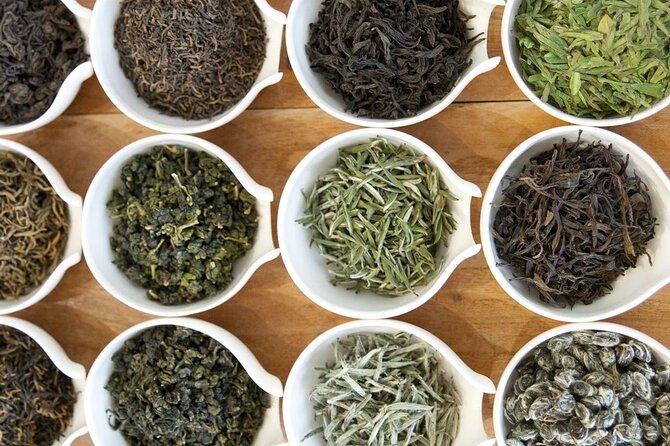
The six-family overview should help you organize what you taste later. Instead of treating every tea as an isolated sample, you can start to compare broad styles and production choices. The experience does not promise a technical tea certification, so think of this as a useful foundation rather than a specialist course.
The mention of modern tea evolution adds a welcome current note. Chinese tea is presented as a living tradition, not something frozen in an old ceremony. That makes the lesson more useful if you want to keep exploring tea after your time in Como.
You may find that this part passes quickly. Ten minutes is enough to introduce the categories, but not enough to examine every family in depth. Still, for a tasting experience, a short map is more helpful than an overloaded lecture.
From tea leaf to teacup
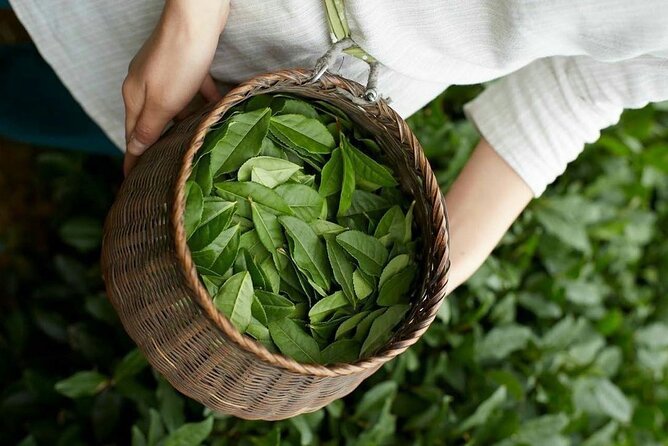
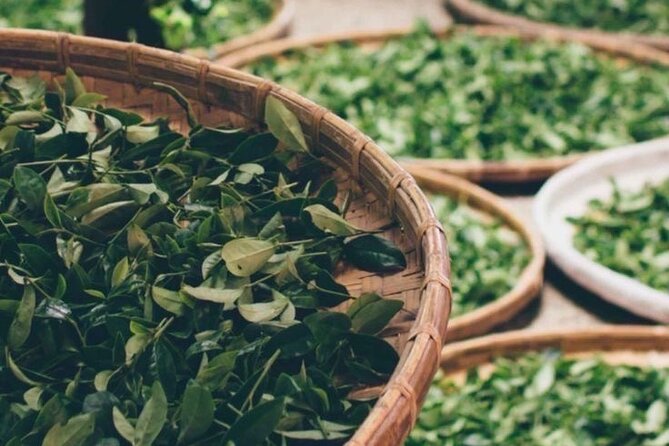
The host then gives a brief introduction to tea-picking seasons and tea-making procedures. This is where the drink begins to make more sense as an agricultural product.
Picking season can affect the character of a tea, while production methods help explain why different leaves look, smell, and taste so different. The experience does not claim to take you into a tea-growing region or show every stage in detail. Instead, it gives you the basic chain from leaf to finished drink.
I find this useful because many tastings focus only on the final cup. Here, you get a short explanation of what happened before the water was added. That can make later comparisons more meaningful.
Keep your expectations in check. The supplied plan calls this a brief introduction, so it will not replace a full tea-farm visit or a detailed manufacturing workshop. Its role is to prepare you for tasting.
More Food and Drink Tours in the world:
- Jakarta: Volcano, Tea/Rice Fields, Hot Spring, Local Food
★ 4.9 · 515 reviews - SF’s Chinatown: Tea & Dim Sum Food Tour – Includes full meal, 3hr
★ 5.0 · 153 reviews - Experience all of Japanese culture and Japanese food experience classes “origami, udon, Japanese food, green tea, calligraphy” in 4 hours
★ 5.0 · 105 reviews - Cairo Food Tour in local places & Egyptian Mint Tea
★ 4.5 · 102 reviews
Water, temperature, and the small details of service
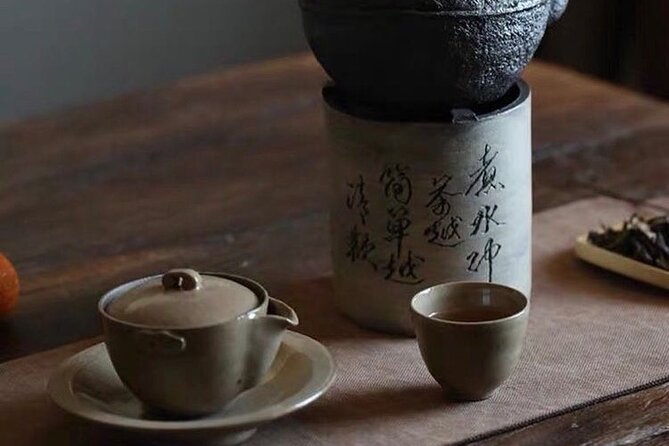
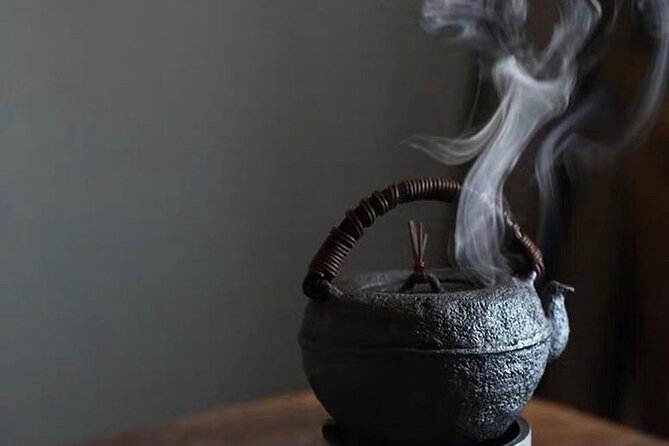
The tasting section looks at tea service and variety pairing, with special attention to water quality and temperature. This is one of the most practical parts for anyone who drinks tea at home.
Two cups of the same tea can taste different if the water changes or if one is brewed too hot. The session helps you see that brewing is not just about dropping a bag into a mug and waiting. Temperature, timing, and water all affect the final cup.
You will also discuss the best times to drink tea. That does not mean there is one rigid rule for every person. It gives you a chance to consider tea as part of a daily routine, including how strongly brewed tea and caffeine fit your own habits.
This is also the point where caffeine becomes important. If you are caffeine-sensitive, you need to inform the provider ahead of time. The activity is not recommended for people with anemia, so this is not a minor footnote. Consider your health before booking, and do not assume every sample will be caffeine-free.
Learning the 2,000-year-old Gongfu cha method
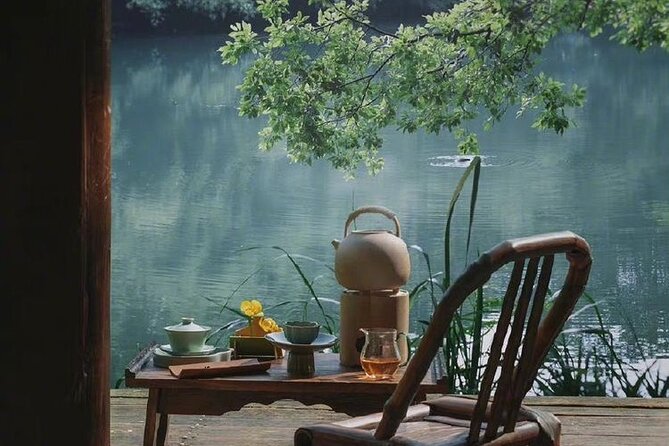
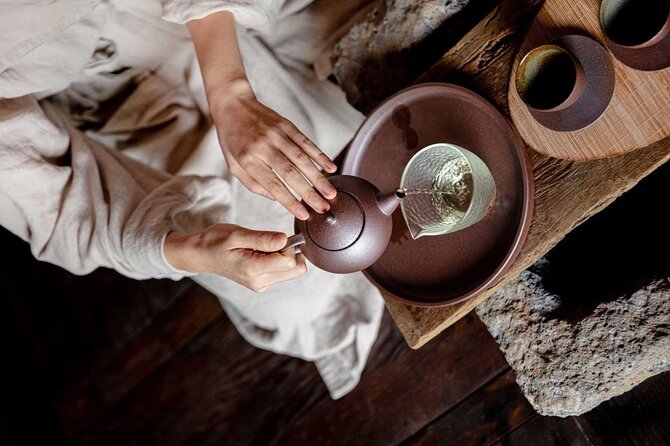
After a demonstration, you will practice Gongfu cha, the traditional Chinese tea ceremony described as roughly 2,000 years old in the experience details.
The point is not to perform for an audience. You practice the sequence and learn how the method handles a small amount of tea through repeated, careful infusions. Small cups and controlled pouring make the process feel precise, but the private format should keep it approachable.
This hands-on element is a major reason to choose the experience. You can read about tea ceremony, watch a video, or drink a carefully brewed cup. Practicing the movements yourself is more memorable. It also gives you something you can try again after returning home.
The ceremony may feel slow if you are hoping for a fast-moving food tour. That is part of the bargain. The experience asks you to focus on preparation rather than racing through a long menu of samples.
The spelling varies between Kongfu cha and Gongfu cha in the supplied details. The activity refers to the same traditional tea preparation practice.
Tea, dimsum, and the logic of food pairing
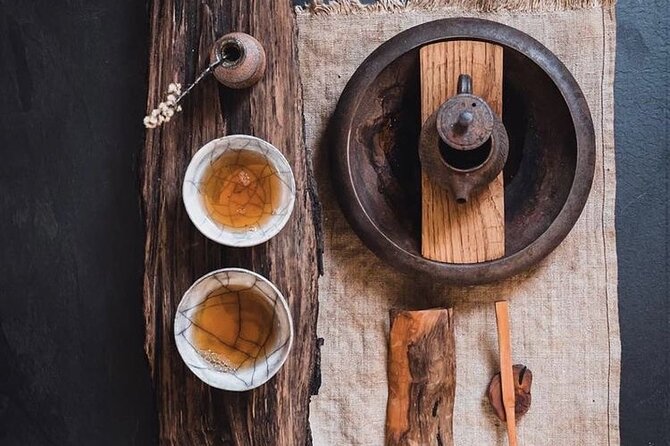
The final section looks at pairing different teas with food, followed by tea dimsum tasting. The tasting also includes sweets, giving you more than tea alone to compare.
Food pairing is valuable because tea can change when you eat. A sweet bite may make a tea seem sharper or more balanced. Savory dimsum can bring out different notes than a dessert. You are not simply asked if you like a tea. You can consider how it works with something on the plate.
The food component is described as tea dimsum tasting, but the exact dishes are not specified. I would not book this expecting a full lunch or a large dimsum spread. Think of it as a small tasting that completes the lesson.
For me, this is a smart finish. After learning about tea categories, picking, water, temperature, and ceremony, you get an easy way to apply those ideas. It also keeps the afternoon social and relaxed instead of ending with a final lecture.
What $34.70 means for your afternoon
The price is $34.70 per person. For a private, approximately two-hour session with instruction, several tea tastings, Gongfu cha practice, and tea dimsum, that is a reasonable price if you have a genuine interest in tea.
Value depends on what you want. If you only want a quick cup in a pretty setting, this costs more than an ordinary café visit. You are paying for a structured cultural lesson and guided tasting, not just the ingredients.
The private format improves the value for couples, families, or friends who want a slower activity together. You do not have to fit into a large group’s pace. You also get direct practice, which gives the session more substance than a demonstration-only tasting.
The activity accepts mobile tickets, which makes the booking side simple. Confirmation is normally provided at booking, though bookings made within two hours of departure are confirmed as soon as possible and remain subject to availability.
Who will enjoy this Como experience most
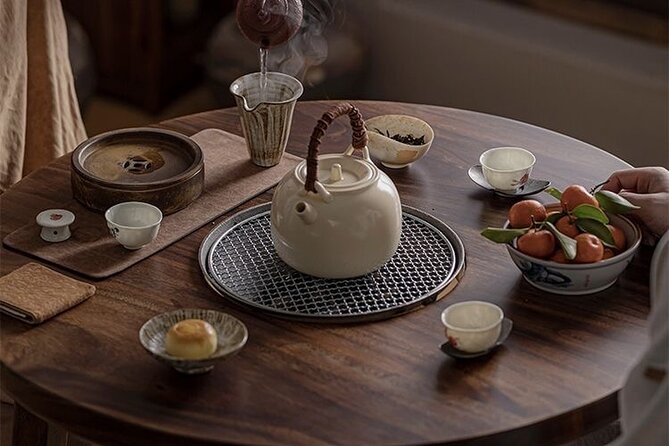
I would recommend this for adults who already enjoy tea or want a calm cultural activity away from the usual sightseeing circuit. It is also a good fit for visitors who like learning by doing, since the Gongfu cha section is not just a talk.
Visitors aged 14 and over may participate with a parent or adult companion. Younger children are not accepted under the stated rules, so families should check the age limit before planning around this activity.
The private setup suits people who prefer questions and conversation over a fixed group presentation. It may also work well for couples looking for a shared afternoon activity that is quieter than a food market or cooking class.
You should think twice if you dislike caffeine, have anemia, or want a large meal. The provider asks anyone with caffeine sensitivity to give advance notice, but the experience is still built around tea tasting. It is not a caffeine-free event.
Timing, meeting point, and cancellation details
You meet at Viale per S. Fermo della Battaglia, 11, 22100 Como CO, Italy, and return to the same meeting point. The location is near public transportation, and the activity is scheduled on weekday afternoons from 3:00 PM to 5:00 PM.
Because no transport pickup is listed, plan to reach the meeting point yourself. Allow enough time to arrive before 3:00 PM, especially if you are coming from another part of Lake Como.
Free cancellation is available if you cancel at least 24 hours before the start time. Cancellations made less than 24 hours ahead are not refunded, and changes inside that window are not accepted. The cut-off uses local time.
The activity requires good weather and a minimum number of participants. If poor weather cancels the session, you are offered another date or a full refund. If the minimum is not reached, you are offered another date or experience, or a full refund.
What to know before you book
The provider is Jastea-ling. No individual guide name is supplied, so you should not book expecting a particular named host.
The experience is described as suitable for most participants, but the health restrictions matter more than the general accessibility note. Tell the provider in advance about caffeine sensitivity, and do not ignore the warning concerning anemia.
The main subject is Chinese tea culture, not Italian tea tradition. That makes it a particularly good choice if you want a cultural change of pace while staying in Como. It is less suitable if your main aim is to learn about local Lombard food and drink.
I would also keep the schedule flexible around it. The session is meant to last about two hours, and the tea service works best when you are not watching the clock.
Should you book it?
Book this experience if you want a small, thoughtful cultural activity with real tasting and practice rather than a quick photo stop. The strongest reasons are the private format, the clear introduction to six tea families, the Gongfu cha demonstration and practice, and the tea dimsum pairing.
Skip it if you want a substantial meal, a local Italian food tour, or an outdoor Lake Como excursion. Also skip it, or ask careful questions first, if caffeine, anemia, or the weekday afternoon schedule creates a problem.
At $34.70, the experience offers fair value for a private two-hour lesson with tastings and food. For tea lovers, it is an easy way to add something different to a Como itinerary. For everyone else, the deciding question is simple: do you want to spend two quiet hours learning why tea tastes the way it does?
FAQ
Where does the tea experience take place?
It starts at Viale per S. Fermo della Battaglia, 11, 22100 Como CO, Italy, and ends back at the same meeting point.
How long does the activity last?
The experience lasts approximately two hours, from 3:00 PM to 5:00 PM. Its title refers to 90 minutes, so allow the full two-hour period.
How much does it cost?
The listed price is $34.70 per person.
When is the experience available?
It runs Monday through Friday from 3:00 PM to 5:00 PM, during the stated operating period of March 25, 2025, through January 21, 2026.
Is this a private activity?
Yes. Only your group participates in the activity.
What age is allowed?
Adults and visitors aged 14 and over may participate. Anyone under 14 is not accepted, and visitors aged 14 and over must be accompanied by a parent or adult.
Is the experience suitable for people with caffeine sensitivity?
Anyone with caffeine sensitivity should inform the provider ahead of time. The activity is centered on tea tasting, so you should consider this before booking.
Is it recommended for people with anemia?
No. The activity is not recommended for people who have anemia problems.
Is public transportation available nearby?
Yes. The meeting point is near public transportation.
Can I cancel for a refund?
You can cancel at least 24 hours before the start time for a full refund. Cancellations made less than 24 hours ahead are not refunded, and changes inside that period are not accepted.
Just added around the world
- Yogyakarta: Prambanan Tour, Sukuh Temple & Tea Plantation★ 5.0 · 3 reviews
- Xi’an Chinese Calligraphy Workshop: Ink Art & Tea Tasting★ 5.0 · 4 reviews
- Yokohama : Tea Ceremony with Sweets and Souvenir★ 5.0 · 5 reviews
- Washington, D.C.: Tea Around Town Bus Tour with Landmarks★ 3.4 · 7 reviews
- Wadi Rum: 2-Hour Jeep Tour with Bedouin Tea★ 5.0 · 11 reviews
- Walking Tour: Yanaka,Nezu& Sendagi: Tea Ceremony & Old Tokyo★ 5.0 · 3 reviews
- Tea Route: Lake, Forest, Tea Plantation & 3 Course Lunch★ 3.6 · 7 reviews
- Visit local home for music and tea ceremony near Disney★ 4.9 · 13 reviews
Tea Tastings, compared.
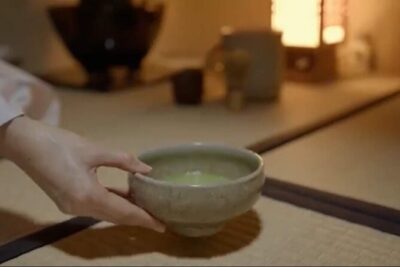
Private Tea Ceremony and Sake Tasting in Kyoto Samurai House
Read our review →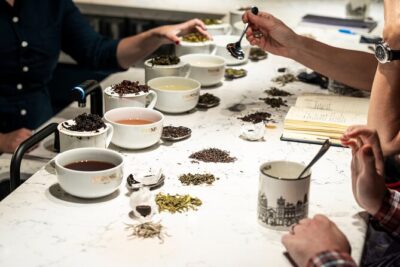
Twinings 2-Hour Tea Tasting Masterclass in London
Read our review →
Wadmalaw Island Wine Tasting and Tea Garden Trip
Read our review →
Matcha Experience with of Japanese Tea Tasting in Tokyo
Read our review →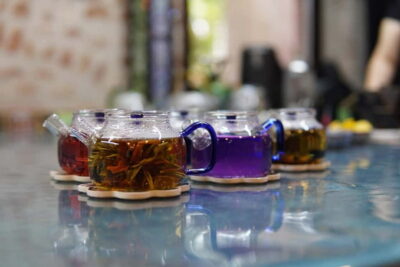
World Teas & Turkish Tea Brewing, Tasting Workshop
Read our review →Browse the lists this tour appears in