
Review · SOUTH KOREA
Full-day Hadong, Gwangyang, Cherry blossom, Green Tea Fields Private Tour
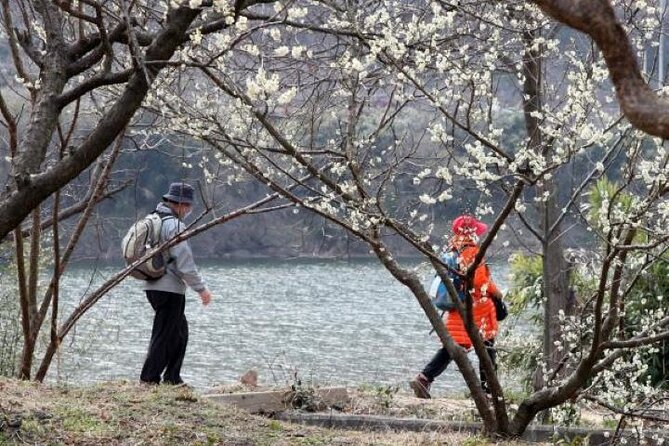
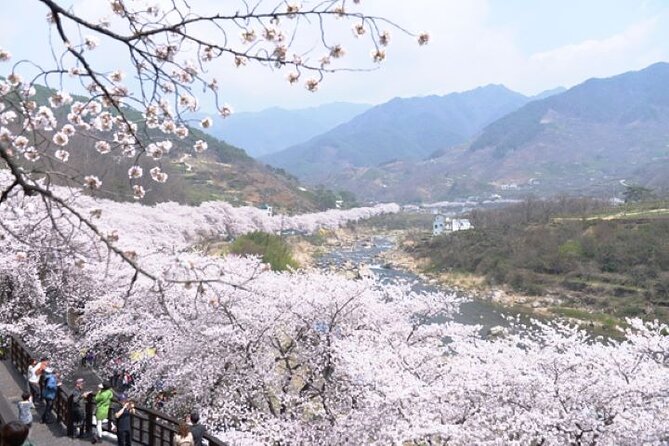
Hadong’s spring route gives you far more than a quick cherry blossom stop. You follow the 4-kilometer Shimni Beotkkot road, known as the Wedding Road, then move through Hwagae Market, Ssanggyesa Temple, old tea fields, and Gwangyang’s plum-growing country. I especially like the private door-to-door transport from Busan and the way the day joins flowers, food, and local culture rather than stopping at one photo point.
The catch is distance. You spend about nine to ten hours on the road, with a long drive south from Busan and seven planned stops. Spring timing also matters: cherry blossoms and plum flowers do not peak together, and one family visit arrived about a week before the cherry blossoms opened.
Key points to know before booking
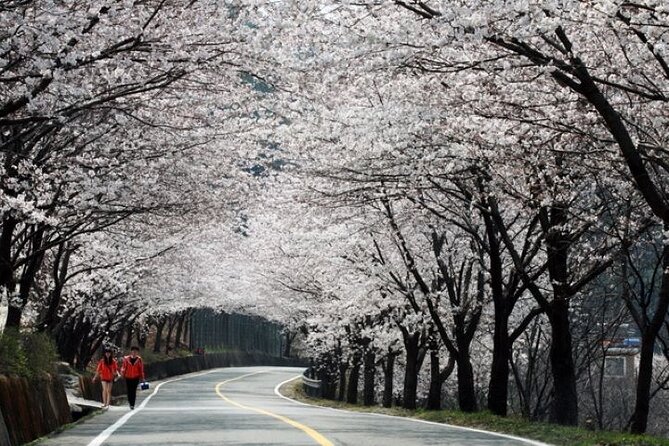
- Shimni Beotkkot: Walk a famous 4-kilometer cherry blossom road beside the Seomjin River.
- Seven stops in one day: Add Hwagae Market, Ssanggyesa Temple, a tea museum, Dosim Dawon, Maehwa Village, and Gwangyang bulgogi.
- Private transport: Pickup, drop-off, fuel, tolls, parking, and a guide-driver are included.
- Seasonal planning matters: Plum flowers may be in bloom before the cherry trees reach their best display.
- Flexible for families: Guide Frank Yi adjusted the pace for older relatives and regular toilet breaks on one family booking.
- Food costs extra: Meals and admission fees are paid separately, with dinner planned in Gwangyang.
Why Hadong makes a better spring day trip than a city park
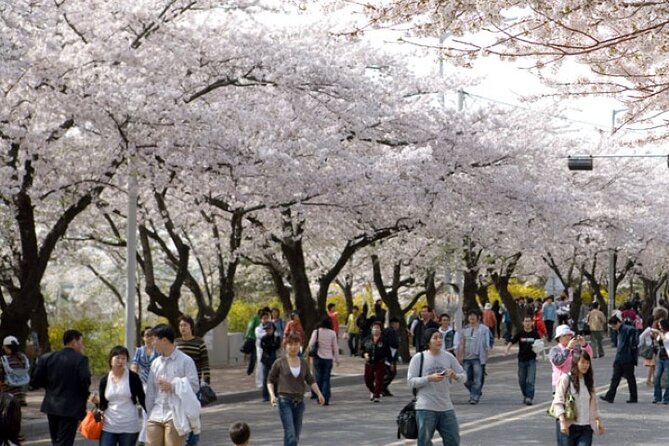
Busan has plenty of spring flowers, but Hadong offers a broader rural setting. The cherry trees line roads and riverbanks between Hadong and Hwagae, with Jirisan Mountain rising nearby. The result is a full day of changing scenery instead of one crowded urban avenue.
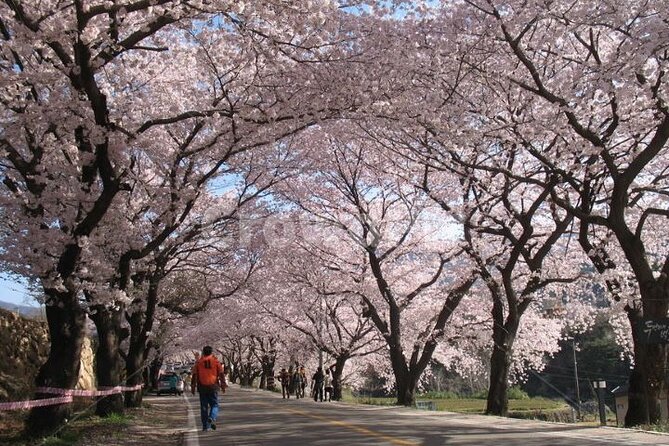
The best-known stretch is Shimni Beotkkot, a name that means 4 kilometers of cherry blossoms. It is also called the Wedding Road because local legend says couples who walk it hand in hand will stay happy together. You do not need to take the legend seriously to enjoy the walk. It gives the road a warm local character, and couples from around Korea visit during the spring season.
The wider Hwagaedongcheon route extends for about 25 kilometers. The road follows the flower-growing area and connects several of the day’s stops. Spring events take place in the area, but exact event timing can vary, so you should treat the flowers, not a festival program, as the main reason to book.
More Tea Plantation Tours in the world:
- From Taipei: Thousand Island Lake and Pinglin Tea Plantation
★ 4.7 · 519 reviews - Active Volcano, Rice Field, Hot Spring, Fruit market, Tea Plantation with Lunch
★ 5.0 · 513 reviews - São Miguel: Furnas Volcano & Tea Plantation Tour with Lunch
★ 4.9 · 375 reviews
Seomjin River and the first cherry blossom walk
Pickup is planned for about 9:00 a.m., followed by the drive from Busan to Hadong. The first major stop is the Seomjin River cherry blossom road, reached at roughly 10:30 a.m. The planned visit lasts around two hours.
This is your main flower walk. The cherry trees create a long, open corridor rather than a compact garden, so you can stroll, take photographs, and enjoy the river setting at your own pace. Admission is listed as free, which keeps the first stop simple.
You should expect the road to be popular during peak bloom. The private vehicle helps because you do not need to work out rural bus connections or carry your day around a fixed public timetable. It also means you can return to the vehicle more easily after walking.
Timing is the key issue here. Cherry blossom season is short, and a visit only one week early can miss the main display. The itinerary is marketed for April, but the exact best date changes each year. If cherry blossoms are your top priority, ask about current bloom conditions before finalizing your date.
Hwagae Market, a useful break after the flowers
Hwagae Market is scheduled for about 40 minutes. That is enough for a look around, but not a long meal and extensive shopping.
This traditional market was once a major meeting place and is linked with the literary work Yeokma by Kim Dong-ri. Its location near the cherry road, Ssanggyesa Temple, and Jirisan Mountain has made it one of the area’s best-known stops. You can look for local produce, regional foods, and small items that give the day a more ordinary, lived-in feel.
I like this stop because it breaks up the flower photography with something practical. You can see what the region sells and eats, rather than moving from one scenic viewpoint to the next. The limitation is the short visit. If you want a leisurely market meal, you may need to discuss the timing with your guide.
Ssanggyesa Temple and Jirisan’s old tea country
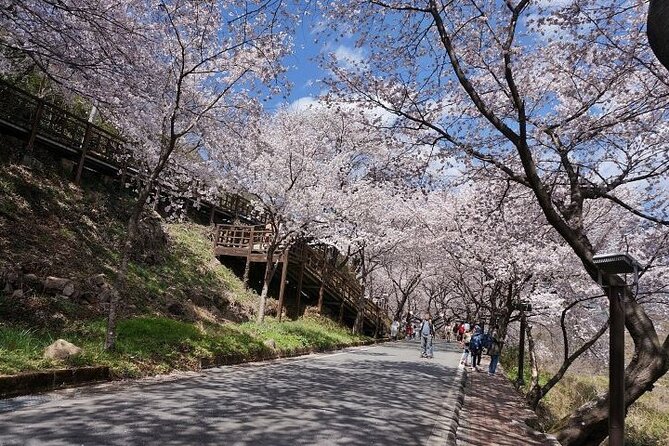
The route continues to Ssanggyesa Temple for about an hour. The temple was founded in 722 during the Silla period, renamed in 887, and rebuilt in 1632 after damage during the Imjin War. Those dates give the site a long historical arc, while the nearby trees and mountain setting keep the visit visually appealing.
Ssanggyesa is also linked to a roughly 6-kilometer cherry tree stretch that flowers in spring. The grounds include access toward Burilpokpo Falls and nearby tea-growing areas, though this day plan does not promise a hike to the falls. You should see the temple as a calm cultural stop, not a major walking excursion.
Admission is listed as free in the supplied schedule, but the tour terms also say meals and admission fees are paid at the spot. That means you should confirm any current temple or attraction charges with the guide on the day.
The one-hour allocation is sensible for seeing the temple without turning the day into a rushed race through every building. If you want a longer visit, the private format gives you a better chance of discussing small timing changes than a fixed group coach would.
More Full-Day Trips in the world:
- Hampton Court Guided Tour. Full day Access & High Tea
★ 5.0 · 270 reviews - Tokyo: Full-Day Tour w/Tea Experience,Buffet Lunch & Cruise
★ 4.9 · 151 reviews - From Colombo: Kandy, Pinnawala and Tea Factory Full-Day Trip
★ 4.4 · 99 reviews - Full-Day Furnas Tour: Hot Springs, Traditional Lunch & Tea
★ 5.0 · 36 reviews
Hadong Tea Museum and the story of Korean tea
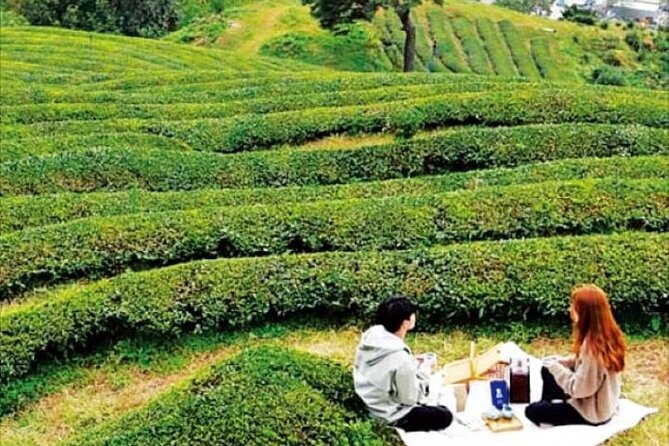
The Hadong Tea Museum is planned for about 40 minutes. It sits near the foot of Jirisan and explains the tea culture of Hadong, an area described as Korea’s first tea-producing region.
The museum includes an exhibition hall covering Korean tea history and culture, along with a tea-related experience. This is a useful introduction before you visit the fields themselves. Without it, the green rows on the hills could look like pretty scenery with no context. Here, you learn why Hadong tea matters and why hand-made production remains part of the area’s identity.
The short time means you should not expect a long museum visit or an elaborate class. Think of it as a compact explanation of the region’s tea tradition, followed by a more visual stop at Dosim Dawon.
Dosim Dawon and the oldest tea-growing tradition
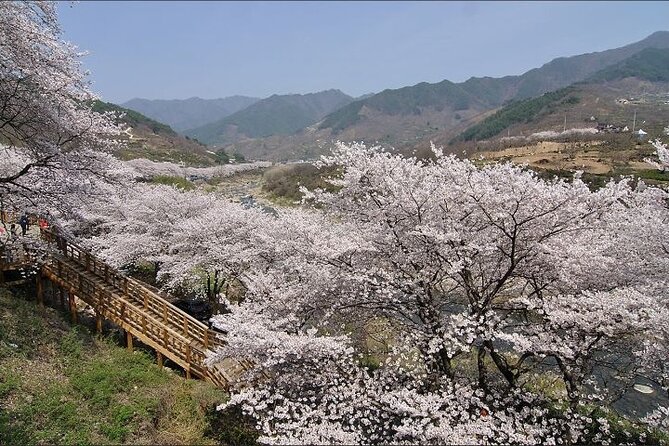
Dosim Dawon is scheduled for one hour. The tea fields lie around Hwagae-myeon, along the Seomjin River and on the lower slopes of Jirisan. Tea bushes grow among rocks, creating a very different view from the level cherry road.
The area is associated with early Korean tea cultivation and hand-made tea production. It also contains an ancient tree known as Korea’s Oldest Tea Tree, or the Thousand-Year Tree. The nearby tea fields connected with Ssanggyesa Temple are presented as part of the original tea-growing tradition.
This is one of the most distinctive parts of the day. Many flower trips could be copied in another region, but Hadong’s tea fields give this outing a stronger sense of place. I like that you see both the cultural explanation at the museum and the working agricultural setting afterward.
The description does not promise a formal tea tasting, so do not book this expecting a long seated ceremony. You are primarily visiting the fields and learning about their place in Korean tea culture. Wear shoes suitable for uneven ground, since the fields are described as growing among rocks and on sloping land.
Gwangyang Maehwa Village and Korean plum syrup
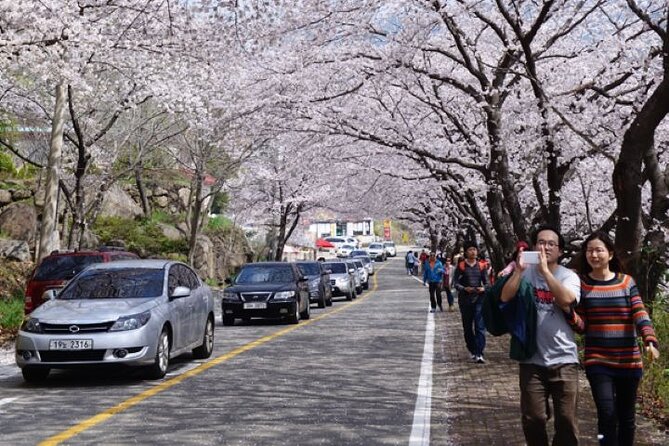
The next stop is Gwangyang Maehwa Village, scheduled for one hour. Maehwa means plum blossom, often translated as apricot flower in English descriptions, and the village is tied to a long-running plum farm.
Hong Ssang Ri began cultivating about 2,000 plum trees in 1965. The farm is also associated with maesil-cheong, a Korean plum extract syrup made by aging locally grown plums with an oligosaccharide in traditional onggi jars for about six months.
Maesil-cheong is used in Korean home cooking as a sweetener and in drinks such as iced plum tea. It is also valued for its tart flavor and use in digestion-friendly refreshments. If products are available during your visit, this is a good place to look for a regional food item with a clear connection to the area.
Flower timing needs careful attention here. Plum blossoms can appear before cherry blossoms, so this stop may be at its best on a different week from the Seomjin River road. One family visit took place about a week before the cherry trees bloomed, while the Maehwa festival was already crowded. That is useful planning information: you may get an excellent plum blossom day and a disappointing cherry blossom day, or the reverse.
Gwangyang bulgogi for the final meal
The last major stop is Gwangyang Bulgogi Alley, scheduled for about an hour. Gwangyang bulgogi is known for thin, tender beef seasoned with a sweet sauce, along with a spread of Korean side dishes.
This is not just a generic barbecue suggestion. Gwangyang has its own beef preparation and a dedicated street of restaurants serving it. Dinner gives you a proper regional meal after a long day of walking and driving.
Meals are not included, so budget separately for dinner. The tour price also does not include admission fees, although many listed stops are described as free. Ask your guide about restaurant choices, portion sizes, and dietary needs. Specific dietary requirements should be provided when booking.
After dinner, the drive back to Busan takes about one hour and 40 minutes, with drop-off at the original pickup point. The return makes this a full day, not an evening stroll. You should expect to arrive back in Busan late enough that a flexible evening plan is wise.
What the $300 price really buys you
At $300 per person, this is not a budget day trip, especially if only two people book. The value comes from the route and the private transport. Fuel, tolls, parking, pickup, drop-off, and a guide-driver are included, and the itinerary covers rural places that are difficult to combine efficiently by public transport in one day.
You are paying to avoid arranging several intercity connections, checking rural bus schedules, and finding parking during flower season. That matters most if you are staying in Busan and want Hadong, Hwagae, and Gwangyang in one outing.
The price looks better for a family or small private group, especially when older relatives are included. Guide Frank Yi has adjusted the schedule for a large family with two grandmothers, allowing a slower pace and more toilet stops. Another booking was led by Robin, who handled the route and spoke very good English according to the supplied account.
The tradeoff is that food remains extra, and a private day with seven stops can feel busy. You should choose this for convenience and coverage, not for long, unhurried time at every location.
Who should book this private spring tour
I would suggest it to you if you want cherry blossoms but also care about Korean food, tea, temples, markets, and farming traditions. It is especially useful for first-time visitors who do not want to manage a difficult rural route from Busan.
It also fits families and mixed-age groups. Private transport makes the long day easier to manage, and the guide can respond to slower walking or extra breaks more readily than a fixed group excursion.
You may want another plan if your only goal is perfect cherry blossom photography. The season is uncertain, the drive is long, and the itinerary includes several non-flower stops. You may also find the day too packed if you prefer spending half a day at one temple or tea field.
Pickup is offered from your location, and airport transport for passengers with luggage at PUS is possible. The activity is private, so only your group participates. A minimum of two people applies, and the booking can be canceled with an alternative or full refund if that minimum is not met. Free cancellation is available up to 24 hours before the start time; later cancellations and changes are not refunded or accepted.
Should you book it?
Book this tour if you want a convenient private route through Hadong and Gwangyang and are happy to trade some free time for a full program. The combination of cherry blossoms, tea fields, Maehwa Village, and bulgogi gives you a better sense of the region than a single flower-viewing stop.
Before paying, confirm the current bloom forecast and ask how much time can be spent at your top stop. If the blossoms are open and you enjoy a full day on the road, this is a strong spring choice from Busan. If your dates are fixed around peak cherry bloom, build in some flexibility, because nature will not follow the calendar printed on the booking page.
FAQ
Where does the tour begin?
The tour begins with pickup from your requested location in Busan, with pickup planned around 9:00 a.m.
How long does the tour last?
The experience lasts approximately nine to ten hours, including the journey from Busan to Hadong and the return from Gwangyang.
Is this a private tour?
Yes. Only your group participates in the activity.
What transportation is included?
Private transportation, fuel, tolls, parking fees, guide-driver service, pickup, and drop-off are included.
Are meals included?
No. Meals are paid for separately. Dinner is planned in Gwangyang’s bulgogi area.
Are admission fees included?
The tour information says admission fees are not included and should be paid at the spot. Several listed stops are described as free admission.
Can the tour pick me up at Busan airport?
Airport transport for passengers with luggage at PUS is possible. You should provide the airport details when arranging the booking.
Who may lead the tour?
The experience is operated by Frank Yi. Previous bookings have also been led by a guide named Robin.
Can I request dietary accommodations?
Yes. You should advise the provider of any specific dietary requirements when booking.
What is the cancellation policy?
You can cancel at least 24 hours before the local start time for a full refund. Cancellations or changes made less than 24 hours before the start time are not accepted, and the minimum group requirement can also affect confirmation.
Just added around the world
- Xi’an Chinese Calligraphy Workshop: Ink Art & Tea Tasting★ 5.0 · 4 reviews
- Yokohama : Tea Ceremony with Sweets and Souvenir★ 5.0 · 5 reviews
- Yogyakarta: Prambanan Tour, Sukuh Temple & Tea Plantation★ 5.0 · 3 reviews
- Washington, D.C.: Tea Around Town Bus Tour with Landmarks★ 3.4 · 7 reviews
- Tea Route: Lake, Forest, Tea Plantation & 3 Course Lunch★ 3.6 · 7 reviews
- Wadi Rum: 2-Hour Jeep Tour with Bedouin Tea★ 5.0 · 11 reviews
- Walking Tour: Yanaka,Nezu& Sendagi: Tea Ceremony & Old Tokyo★ 5.0 · 3 reviews
- Visit local home for music and tea ceremony near Disney★ 4.9 · 13 reviews
Tea Plantation Tours, compared.
Thousand Island Lake and Pinglin Tea Plantation
Read our review →
Furnas Volcano & Tea Plantation With Traditional Lunch, East Tour
Read our review →
Thousand Island Lake and Pinglin Tea Plantation from Taipei
Read our review →
Furnas: Volcano Wonders, Tea Plantation & Waterfall Tour
Read our review →
Chiang Rai: 7 Major Sites, Golden Triangle & Tea Plantation
Read our review →
Mauritius: Tea and Sugar Plantation Guided Tour with Lunch
Read our review →
Browse the lists this tour appears in