
Review · ELLA
Uva Halpewatte Tea Factory Tour in Ella Sri Lanka
Uva Halpewatte gives you a close look at how Sri Lanka’s famous Ceylon tea is made. You move through a functioning factory, follow each stage from fresh leaf to finished tea, and finish with a tasting that puts the process in your cup.
I like the step-by-step explanations and the chance to see the machinery at work. I also like the small-group size, capped at 15 people, which leaves room for questions. The main catch is timing: production may be limited later in the day, and Sunday factory operations may not match the published daily hours.
Key points
- See the full tea-making process: Follow the factory stages with an English-speaking guide.
- Arrive early: The factory is most useful when production is active, with several visitors advising a morning visit.
- Meet strong guides: Siva, Lahiru, and Rajha are praised for clear explanations, humor, and tea expertise.
- Taste the finished product: The tour ends with a tea tasting, though the strength can vary.
- Pair it with a plantation visit: The factory explains processing, while the fields show where the leaves begin.
- Budget-friendly stop: At about $18, the hour-long visit offers a practical introduction to Ceylon tea.
Entering Uva Halpewatte’s Working Tea Factory
The Uva Halpewatte Tea Factory sits on Badulla Road in Hela Halpe, a short distance from Ella. This is not only a display room with old photographs. It is an operating tea factory and one of the larger producers of Ceylon tea in the area.
That distinction matters. You are not simply told how tea is made. You are taken through the working process, with the guide explaining what the equipment does and why each stage matters. The visit gives you a better sense of the labor, machinery, and timing behind an ordinary cup of black tea.
The tour lasts about one hour. That is long enough to learn the process without turning into a full-day commitment. You begin and end at the factory, so the visit fits neatly into a morning or afternoon around Ella.
The group can include up to 15 people. That is still small enough for questions, although the quality of the experience depends partly on the guide assigned to your group. Guides named Siva, Lahiru, and Rajha have been praised for clear explanations, humor, and serious knowledge of tea production.
More Tea Factory Tours in Sri Lanka:
- Nuwara Eliya: Tea Factory and Pickle Waterfalls Tuk Tuk Tour
★ 4.7 · 113 reviews - From Colombo: Kandy, Pinnawala and Tea Factory Full-Day Trip
★ 4.4 · 99 reviews - Ella: Tea Factory, Train, and Nine Arch Day Tour with Pickup
★ 4.8 · 98 reviews
Following Tea From Fresh Leaf to Finished Product
The heart of the visit is the factory walk. Your guide explains the tea-making process one step at a time, with attention to both traditional methods and modern manufacturing procedures.
The factory tour helps you understand that tea is not a single product. The leaf changes through a series of controlled stages, and those stages affect the final type and flavor. The guide explains the process in plain terms, while the machinery gives you a real sense of the scale involved.
You may see factory equipment up close and, when production is running, watch the work as it happens. One especially useful feature is the chance to walk through the factory floor rather than viewing everything from a distance. That makes the visit more direct and less like a museum lecture.
The work is also a reminder of how much effort goes into a simple morning drink. Tea production involves repeated handling, careful timing, and a mix of human labor and machines. After this visit, you will have a clearer idea of why different teas taste and look different.
The factory has a long connection with Ceylon tea production, but the tour is strongest when it focuses on the practical process. Do not expect an elaborate presentation about every part of Sri Lankan tea history. You are here mainly to see how tea is made.
Why Morning Timing Matters
The listed opening hours are 8:00 a.m. to 4:30 p.m., Monday through Sunday. Still, the useful hours for a factory visit may be narrower than those times suggest.
A practical tip is to arrive in the morning, ideally before noon. Several accounts point out that you are more likely to see active production early in the day. One account specifically warns that after about 8:30 a.m. there may be no production, which conflicts with the advice to visit before noon. The safest conclusion is simple: arrive as early as you can, and confirm the day’s operating schedule if seeing the machinery in action matters to you.
Sunday also deserves caution. The published schedule lists every day, but one visitor arrived for a Sunday factory tour and found that the factory was not working, receiving a plantation visit instead. The plantation option was considered worthwhile, but it is not the same experience.
This is an important distinction. If your main goal is a live factory walk, do not treat the posted opening hours as a guarantee that every machine will be running. A quiet factory can still offer an explanation of the process, but it will feel less immediate.
The Guides Make the Difference
The guide is central to this experience. The best version of the tour is not just a walk past machines. It is a clear explanation of what you are seeing and why it matters.
Siva is praised for explaining the science and chemistry behind tea production before taking the group onto the factory floor. Lahiru is singled out for an excellent explanation and for the striking views from the factory hill. Rajha is described as having strong knowledge, energy, and a sense of humor.
Those details tell you what to look for in a good tour: clear answers, useful context, and a willingness to explain the process rather than rush you through it. The group size of 15 helps, since you should have a reasonable chance to ask questions.
Not every guide will deliver the same presentation. One less favorable account describes the talk as rehearsed and focused too much on tips. That is a fair point to keep in mind. The experience can feel polished and structured, which some people appreciate, while others may want more discussion of tea history, working conditions, and the lives of tea workers.
A few more tea experiences around Sri Lanka worth a look
- Tea Plantation Tour in Ella, Sri Lanka
★ 5.0 · 319 reviews - Handmade Tea Tour in Ella Sri Lanka
★ 5.0 · 77 reviews - Tea Fields & Factory Tour
★ 5.0 · 67 reviews - Ella Private Day Trip with Train Ride & Tea Factory-All Inclusive
★ 5.0 · 61 reviews
The Tea Tasting at the End
The tasting is the natural finish to the factory visit. After seeing the stages of production, you get to try the result and connect the machinery to something familiar.
A tasting is useful here because it gives you a reason to pay attention to differences between tea types. The tour covers Ceylon tea production and its varieties, so the cup at the end is more than a refreshment. It is a chance to think about how processing affects flavor and color.
The tasting does not receive universal praise. Some visitors find it enjoyable and buy tea for family afterward. One tea enthusiast found the sample weak and watery. Your expectations should be modest: this is a brief tasting included in a factory visit, not a formal tea seminar with an extensive flight of carefully prepared samples.
The factory-fresh tea shop and cafe add value after the tour. You can browse the tea made at the site and decide if you want to take some home. Buying is optional, and the shop gives you a convenient way to compare the experience with a packaged product.
Factory Tour or Plantation Visit?
The factory and plantation experiences answer different questions.
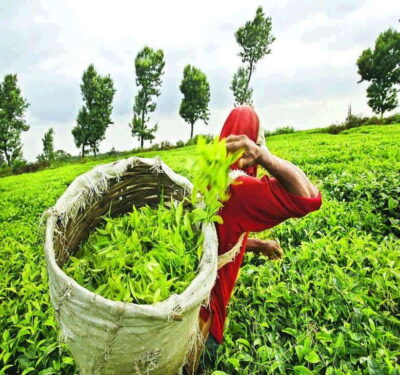
The plantation shows you where tea begins. You can see the fields and, in some versions of the visit, take part in hand-made tea activities using your own leaves. The factory explains what happens after the leaves are collected.
That is why pairing the two can work well. A plantation visit gives you the human and agricultural side of tea production. The factory gives you the machinery, timing, and processing side. Together, they form a fuller picture than either one alone.
Do not assume that a factory ticket automatically includes a plantation tour. The supplied details describe the factory visit, factory tour, tea tasting, shop, and cafe. Plantation activities appear in separate experiences or as a substitute when factory production is not operating.
If you have time for only one activity, choose the factory when you want to understand tea processing. Choose the plantation when you care more about the fields, leaf picking, and the work done before the tea reaches the factory.
What the $18 Price Gets You
At about $18, this is a reasonably priced educational stop in Ella. You receive admission, a guided English-language tour, an explanation of the manufacturing stages, and a tea tasting. The small-group format adds value because you are not simply walking through on your own.
The price makes the most sense when production is active and the guide gives a full explanation. If the factory is quiet, the value drops somewhat, although you still receive the tour and tasting.
I would treat the tea shop as an extra, not part of the financial calculation. You may want to buy tea after tasting it, but you should not feel that shopping is required to make the visit worthwhile.
The one-hour duration also helps the value. You get a focused introduction without giving up half a day in Ella. It suits visitors who want substance but also need room for viewpoints, walks, or other local activities.
Who Will Enjoy This Visit Most
This tour suits tea drinkers, curious families, and anyone who likes seeing how everyday products are made. It is also a good choice if you want an indoor activity that does not depend entirely on walking through the hills.
You will get the most from it if you ask questions. Ask about the stages of production, the differences between tea varieties, and what you are seeing on the factory floor. The guides have been able to handle detailed questions, so there is room to go beyond the basic explanation.
The visit may be less satisfying if you expect a long cultural history of Sri Lankan tea or a detailed account of the plantation workers’ lives. The tour’s focus is manufacturing. One criticism is that the presentation could do more to explain the wider history and importance of the tea industry.
Accessibility information is limited, but the activity is described as suitable for most people. Confirmation is provided when you book, and the meeting point is the Uva Halpewatte Tea Factory on Badulla Road. The activity returns to that same point.
A Few Practical Cautions Before Booking
Book with the factory visit in mind, not just the word tea. The key attraction is seeing the production process and asking questions in a working setting.
Try to go early. This is the single most useful timing advice. Early arrival gives you the best chance of finding active production, though exact factory operations can vary.
Keep Sunday flexible if the factory machinery is essential to your plans. The official hours list Sunday opening, but a factory may not be operating that day. Confirm before setting out, especially if you are arranging transport around this one stop.
Allow a little extra time after the one-hour tour for the tasting and tea shop. The formal visit is short, but you may want to look at the tea products afterward.
Cancellation is free if you cancel at least 24 hours before the start time. Changes or cancellations made later are not accepted for a refund.
Should You Book the Uva Halpewatte Tour?
I would book this tour if you want a clear, practical look at how Ceylon tea is produced. The strongest reasons are the working factory, the step-by-step English explanation, the small group, and the chance to connect the process with a tasting.
Book early in the day, and confirm that production will be running if live machinery is your priority. If you want tea fields, leaf picking, or a longer cultural story, pair this with a plantation visit rather than expecting the factory tour to cover everything.
At $18, it is a fair-value hour in Ella, especially for tea drinkers and curious first-time visitors. The experience is not flawless, and the tasting may seem weak to serious tea fans, but the factory walk and strong guides can make it a worthwhile part of your Sri Lankan itinerary.
FAQ
Where does the Uva Halpewatte Tea Factory Tour begin?
The tour begins at Uva Halpewatte Tea Factory on Badulla Road, Hela Halpe, Ella, Sri Lanka 90090.
Where does the tour end?
The activity ends back at the factory meeting point.
How long does the factory tour last?
The tour lasts approximately one hour.
How much does the experience cost?
The listed price is $18.
Is the tour guided in English?
Yes. The tour includes an English-speaking guide who explains the tea-making process step by step.
What does the tour include?
It includes admission to the factory, a guided tea manufacturing tour, and a tea tasting session.
How many people can join the tour?
The maximum group size is 15 travelers.
What are the listed opening hours?
The listed hours are 8:00 a.m. to 4:30 p.m., Monday through Sunday.
Is factory production guaranteed on Sunday?
No. Although the listed hours include Sunday, one account reports that the factory was not operating on a Sunday. Confirm the schedule if live production is important to you.
Can I cancel for a full refund?
Yes. You can cancel at least 24 hours before the experience start time for a full refund. Cancellations or changes made less than 24 hours before the start time are not accepted.
Just added around Sri Lanka
- Tuk Tuk safari and Picnic in The Tea Plantation from Ella,Haputale & Bandarawela★ 5.0 · 7 reviews
- Tea Experience Tour in Haputale with Lunch at a Village house★ 5.0 · 19 reviews
- Trekking & Picnic in The Tea Plantation From Ella, Haputale & Bandarawela★ 5.0 · 4 reviews
- Nandana Tea Walking Tour in Sri Lanka★ 5.0 · 16 reviews
- Nuwara Eliya: All Inclusive Horton Plains & Tea Plucking Day Trip★ 4.5 · 10 reviews
- Explore Nuwara Eliya | Experience the Best Tea in the World★ 4.5 · 3 reviews
- Tea Plucking and Tea Factory Visit from Nuwara Eliya.★ 3.5 · 3 reviews
- Tea Tasting in Nuwara Eliya★ 5.0 · 2 reviews
Tea Factory Tours, compared.
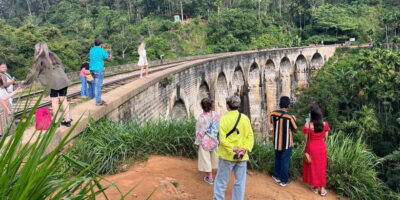
Tea Factory, Train, and Nine Arch Day Tour with Pickup
Read our review →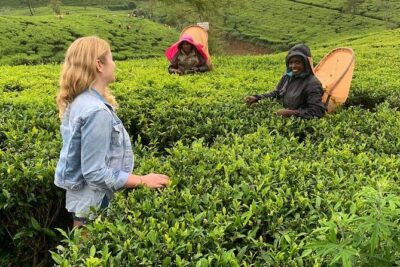

Ella Private Day Trip with Train Ride & Tea Factory-All Inclusive
Read our review →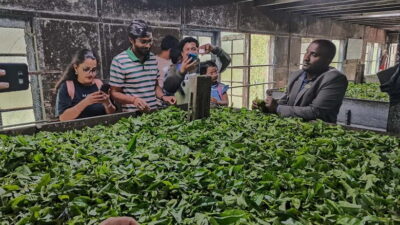

Nuwaraeliya Tea Factory and WaterFall Tour’s With DMJ Tours
Read our review →
9 Arches Bridge, Little Adam’s Peak, Tea Factory
Read our review →
Browse the lists this tour appears in