
Review · FRANCE
Alsatian Immersive Wine Tour, Wine Tasting & wine/tea time
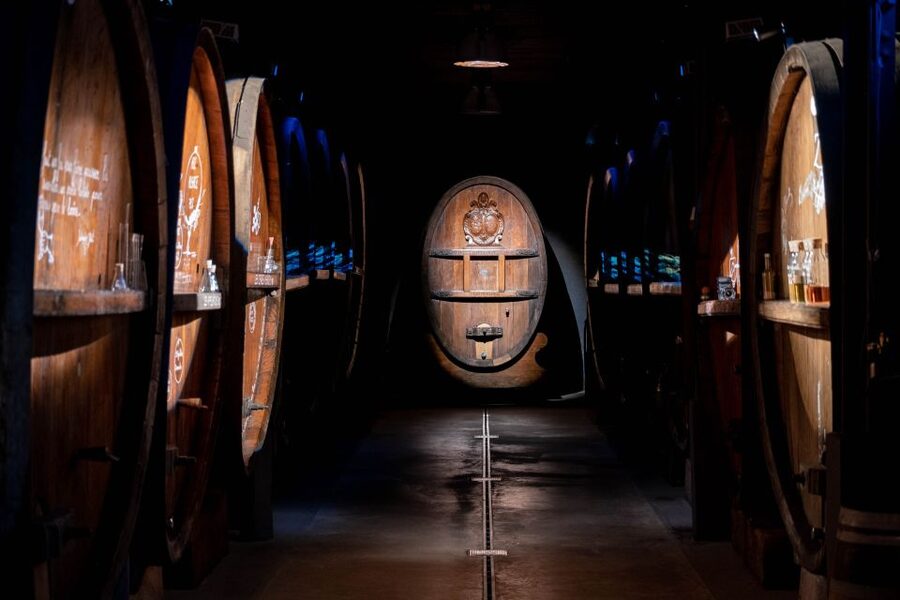
The most unusual part of this Gertwiller visit comes before the main tasting: a 180-degree film projected onto century-old oak barrels. It turns the cellar into a small cinema, telling the winemaker’s story and showing how the estate works. I like the film because it gives the tasting a personal face, and I like the old cellar because the barrels are still used rather than displayed as museum pieces. The main consideration is language: tours are offered in French and English, so check carefully before booking.
I also like the way the tasting is built around a wine tea time, with both savory and sweet food instead of a few crackers on a plate. Families can bring children, who may choose a snack rather than join the wine tasting. At about two hours and $46 per person, this is a generous introduction to Alsace wine, though serious wine collectors may prefer a longer, more technical cellar visit.
Key points to know before you go
- Barrel-screen cinema: A 180-degree projection covers century-old oak barrels, a format described as unique in France.
- A family estate since 1778: The cellar dates from 1850, and one barrel was made for the Universal Exhibition of 1900.
- Five Alsace wines: The tasting is guided and explained rather than left to guesswork.
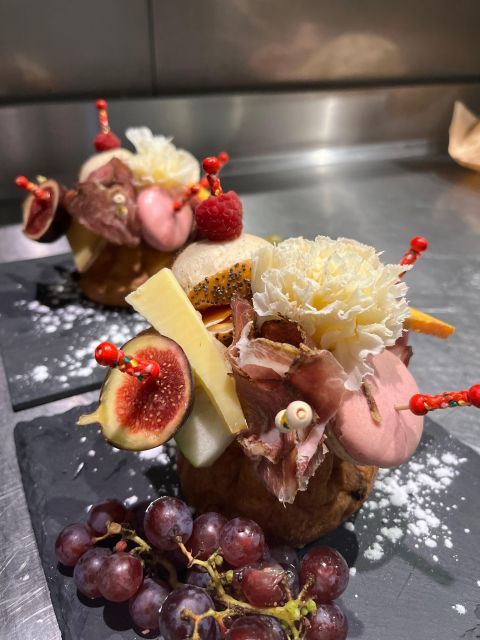
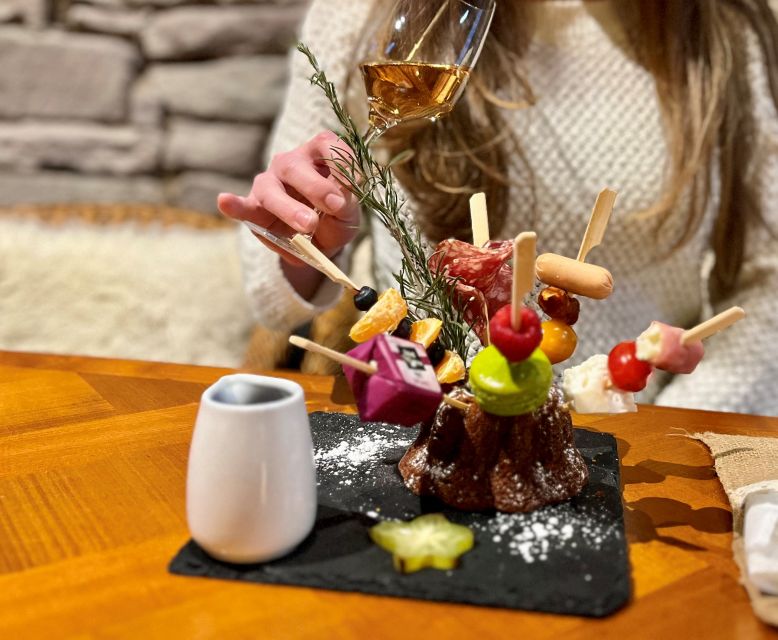
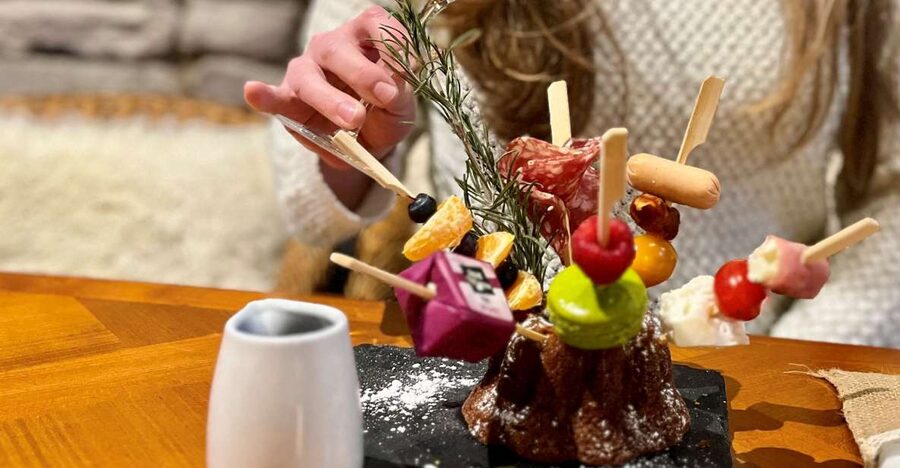
- Wine tea time: Cheese, charcuterie, macarons, gingerbread, fruit, and sauces accompany the wines.
- Good for families: Children are welcome and can choose a snack directly at the winery.
- Two languages only: The guide speaks French or English, so confirm the selected language when reserving.
Why this winery visit feels different
Many Alsace tastings follow a familiar pattern: walk into a shop, sample a few wines, hear a quick explanation, and perhaps buy a bottle. This experience adds a visual show and a proper food break, making it feel more like a small cultural visit than a simple tasting.
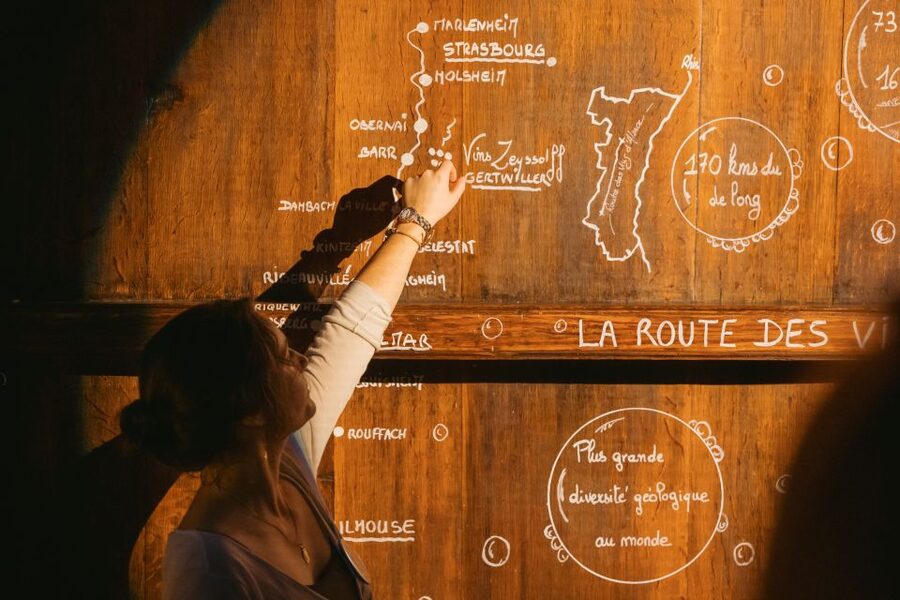
The setting is Vins Zeyssolff, also known as Au Péché Vigneron, in Gertwiller. The estate has been in the same family since 1778. That long connection matters because the visit is not only about tasting finished bottles. You also see the place where the wine is made, learn about the family’s working methods, and hear the personal story behind the winery.
The visit is especially useful if Alsace wine is new to you. The region is known for white wines and Crémants d’Alsace, but a label alone does not tell you how each bottle fits into the wider tradition. A guide explains the winemaking process before you taste, so you have something to look for in the glass.
The activity has also received an Alsace Tourism trophy in 2021 and a French Outstanding Trophy of Wine Tourism in 2022. Those awards do not guarantee that it will suit every palate, but they help explain why the winery has invested in a more theatrical presentation.
More Tea Tastings in the world:
- Private Tea Ceremony and Sake Tasting in Kyoto Samurai House
★ 5.0 · 163 reviews - Twinings 2-Hour Tea Tasting Masterclass in London
★ 5.0 · 105 reviews - Charleston: Wadmalaw Island Wine Tasting and Tea Garden Trip
★ 4.9 · 94 reviews
Arriving at Au Péché Vigneron in Gertwiller
The meeting point is easy to identify if you follow the directions carefully. The winery is in Gertwiller, with a large parking area nearby. The entrance to the shop is across the street, in a wooden cube set between two houses.
That detail is worth noting because the entrance may not look like a grand historic winery. You are looking for the wooden shop structure, not a large château gate. Arriving a little early gives you time to park, cross the street, and find the correct door without rushing.
The visit returns to the same location, so you do not need to arrange separate transport between stops. The experience lasts two hours, and starting times vary, so check availability for the date you want.
Starting with a glass of Alsace wine
The visit begins in the cellar with a glass of wine. This is a pleasant way to start, but it also serves a practical purpose: you are tasting before the explanations become too technical, then learning how the wine fits into the estate’s work.
The tasting includes five Alsace wines, with comments from the guide. This is more useful than a self-serve lineup because you can ask what makes each wine different and connect the flavors to the winemaking process shown earlier.
The exact five wines are not specified in the activity information, so you should not book expecting a particular grape or vintage. The focus is on an introduction to Alsace wines rather than a promised list of rare bottles.
Guides speak French and English. Marie and Marthe are named as guides associated with the visit, and the guide remains available for questions throughout the experience. That matters if you are unsure how to pronounce a wine name, want to understand a production method, or simply need a plain explanation of what you are tasting.
The family cellar, old oak barrels, and the 1900 exhibition piece
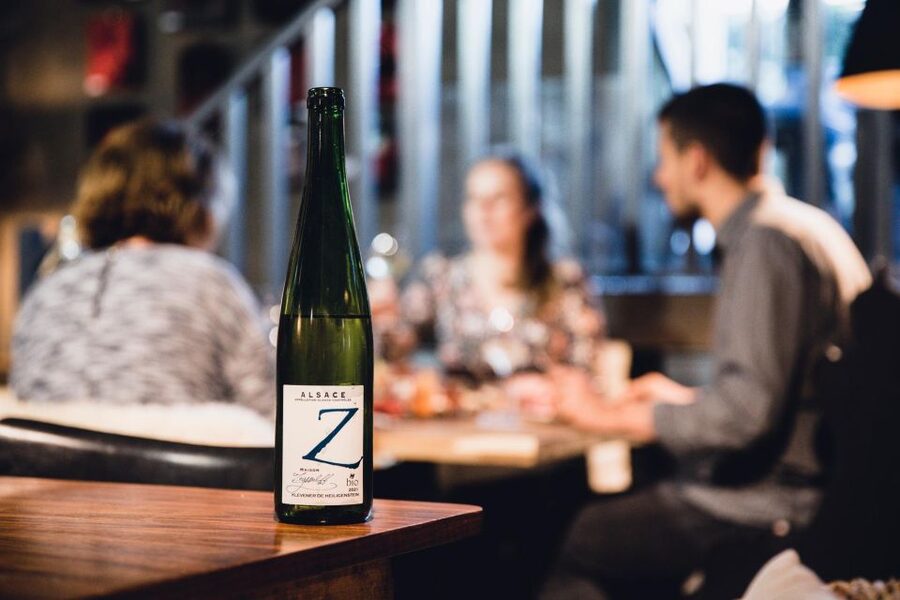
After the opening wine, you visit the family cellar dating from 1850. The estate itself reaches back to 1778, while the cellar gives you a more tangible sense of the winery’s working past.
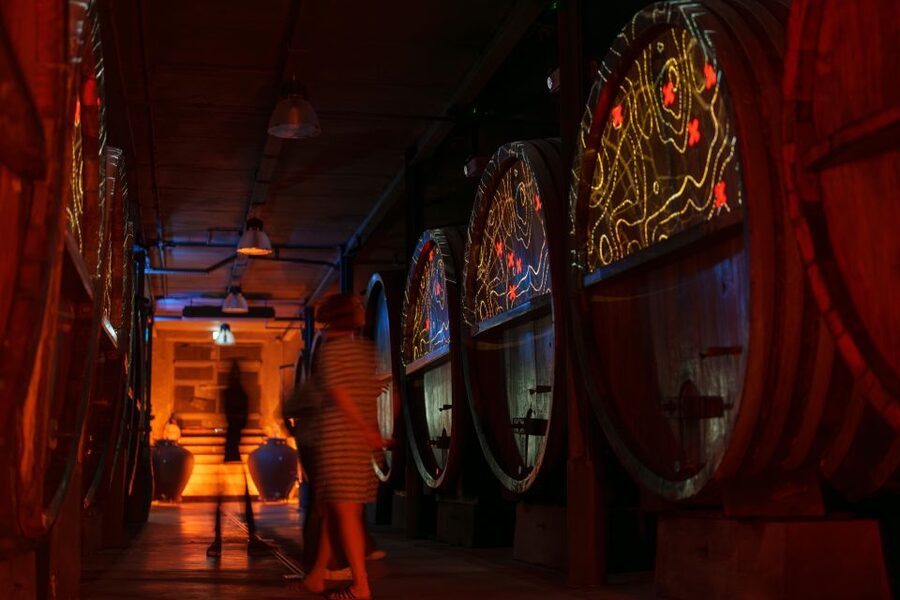
The old oak barrels are still used to make wine. I like that detail because it keeps the visit connected to present-day production. You are not just walking through a room decorated with old equipment. The barrels remain part of the process.
One barrel has an especially good story: it was made for the Universal Exhibition of 1900. That gives you a clear historical marker without turning the visit into a long lecture. It also helps you see how winemaking once depended on large-scale wooden vessels made by hand and built to last.
The cellar is not presented as a dusty relic. The space was renovated in 2020, after the estate completed its conversion to organic production. The combination of old barrels and a modern visitor area is central to the experience. You get the family story and working cellar, then a new presentation designed for visitors.
A few more tea experiences around the world worth a look
- Wine Sippin’-Tea Drinkin’-Tree Huggin’ Lowcountry Sightseeing
★ 5.0 · 88 reviews - Coffee – Wine – Tea Da Lat’s Agricultural Treasures Tour
★ 4.8 · 63 reviews - London: Afternoon Tea at The Milestone with Champagne Option
★ 4.8 · 36 reviews - Coffee – Wine – Tea: Dalat Treasures tour
★ 3.5 · 5 reviews
The 180-degree film projected onto the barrels
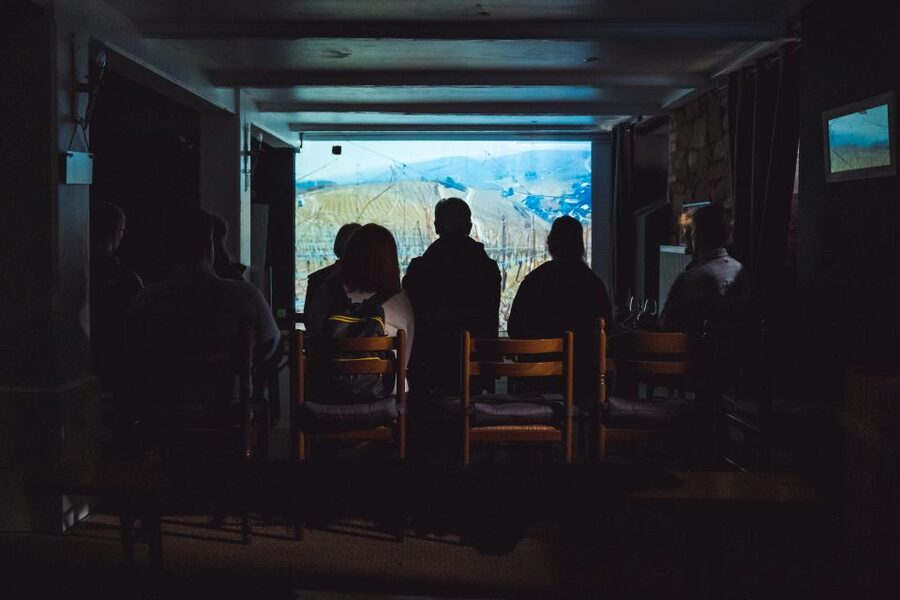
The most distinctive part of the visit is the cellar film. It is projected across the barrels in a 180-degree format, with sound and mapping used in some sequences. The result places the audience inside the story rather than in front of a standard flat screen.
The film focuses on the winemaker’s personal story and work philosophy. It also explains the Alsace winemaking process, with a version adapted for children. That makes the presentation useful for mixed-age groups, especially when adults want the wine information but children need something more visual.
I would treat this as a short cultural performance rather than a substitute for a detailed technical lecture. The format is designed to create atmosphere and explain the estate’s identity. If you want a close study of soil types, fermentation choices, or individual vineyard parcels, you may need to ask questions during the tasting.
Still, the barrel projection gives the visit a clear sense of place. You are watching the story in the same cellar where the wine is made, with the oak vessels forming part of the screen. The activity describes this presentation as unique in France, which is a strong reason to choose it over a standard tasting if you are comparing several winery visits in Alsace.
Five wines and a guided tasting
The tasting is commented, not simply poured. That distinction is important for first-time visitors. Alsace labels can include grape names, regional terms, and styles that are unfamiliar if you usually drink French wines from Bordeaux or Burgundy.
A guide helps you approach the five wines in sequence. You can pay attention to aroma, sweetness, acidity, and the way food changes the taste. The activity does not provide a detailed wine list, so keep your expectations flexible. The value is in the guided range and the chance to ask questions, not in a guaranteed bottle-by-bottle comparison.
This format suits couples, friends, and families with adults who want a gentle introduction. It is also useful for people who already know a little about wine but want to understand this particular family estate.
The tasting plates have earned especially strong praise for their quality and size. The food includes cheese, delicatessen, macarons, gingerbread, fruit, chocolate coulis, and fruit coulis. A vegetarian version is available, according to the activity information, and one detailed account specifically notes that the savory and sweet portions worked for both meat eaters and vegetarians.
Wine tea time in the winery tearoom
The final food service is called wine time, a play on tea time. You sit down with sweet and salty delicacies rather than treating food as a token extra beside the wine.
This is one of the tour’s best ideas. Wine can taste very different with cheese, cured meat, fruit, gingerbread, or chocolate. The plate gives you several ways to compare the wines, and the sweet course makes the experience feel complete rather than like a quick stop between sightseeing activities.
The food selection includes regional-style savory items and familiar sweets. You should expect a tasting plate, not a full restaurant meal, but the supplied details describe it as copious. If you are hungry enough for lunch or dinner, plan another meal later.
Children do not need to be registered for the wine tasting. They are welcome and can choose a snack directly at the winery. This makes the activity more practical for families than many cellar visits, where children are tolerated but have little to do.
The child-friendly film and snack option also help adults relax. You will not need to divide the group or leave one parent outside with a child. Still, the visit remains wine-centered, so families should decide if a two-hour cellar and tasting format matches their children’s attention span.
The shop and time to browse
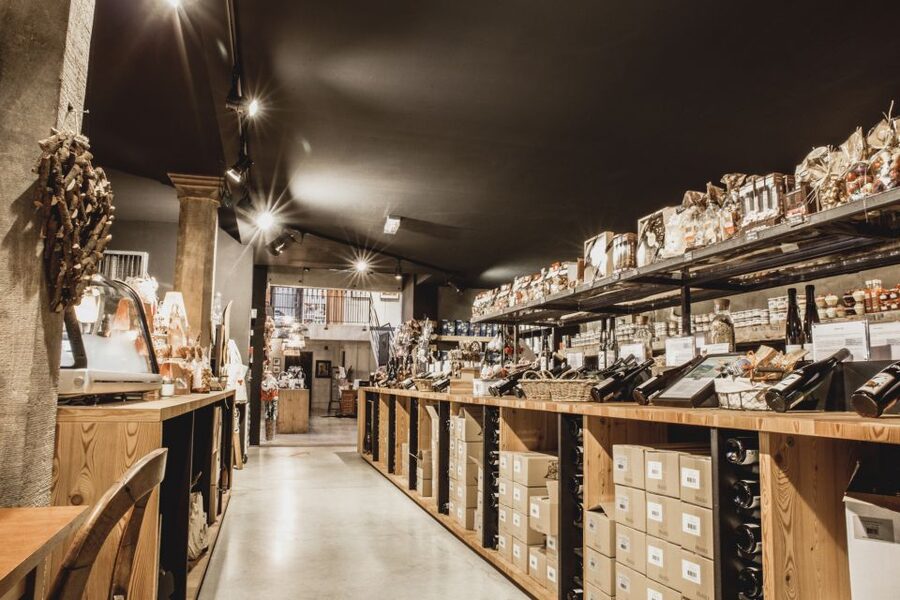
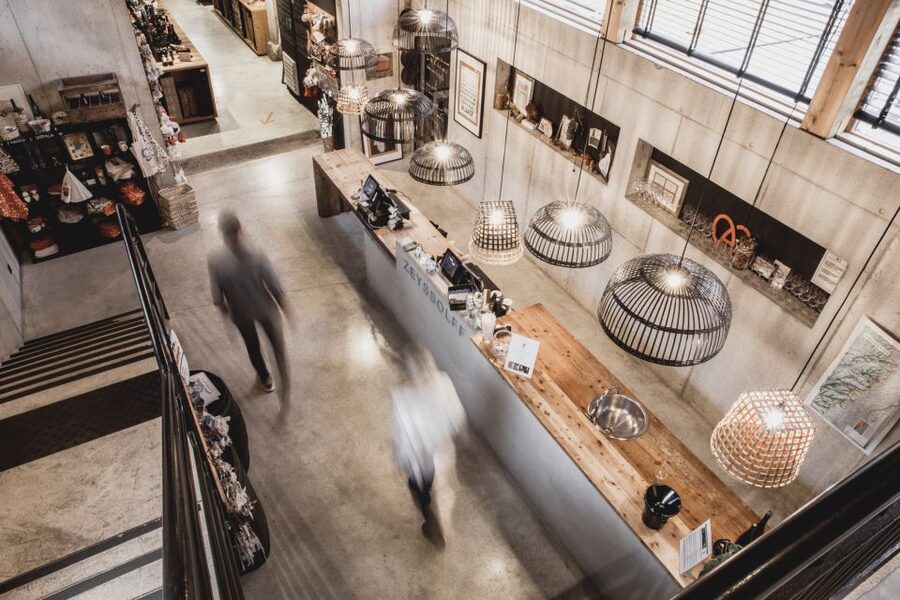
The experience begins and ends at the winery shop. Shopping is part of the stop, giving you a chance to consider bottles after tasting them rather than making a rushed purchase at the start.
The provided information does not list bottle prices, shipping arrangements, or the full range of products. I would use the shopping time to ask about the wines you tasted, the organic conversion, and which bottles are best suited to the foods served during wine time.
Because the visit is held at a working family estate, buying directly can also be a practical way to support the producer. Just remember that transport rules for carrying wine home depend on your destination and method of travel. The tour itself does not provide those details.
Is $46 a fair price?
At $46 per person, this is not the cheapest wine tasting in Alsace. A basic tasting may cost less, especially if it involves only a few pours at a shop counter.
The price makes more sense when you count what is included: a cellar visit, an educational film, the unusual barrel projection, five guided wines, and a sweet-and-savory food service. You are paying for a two-hour experience with both production context and entertainment, not just for the liquid in the glasses.
I see the strongest value for people who want one substantial winery activity in Gertwiller. It is also a sensible choice for a mixed group, since children are welcome and adults get a full tasting with food.
The value is less clear if your main goal is a specialist tasting of many vintages or a long technical discussion of organic vineyard work. This activity is designed to be accessible and visual. It gives you a broad introduction rather than a collector’s seminar.
Language, timing, and who should book
Choose the language carefully when you reserve. French and English are available, but Spanish is not listed. One Spanish-speaking participant specifically wished the activity were offered in Spanish, so do not assume that another language can be arranged.
The two-hour length works well in a day of Alsace sightseeing. You can fit it into a visit to Gertwiller without giving up an entire afternoon. Starting times vary, so check the schedule before planning transport or another appointment.
I would recommend it most strongly to:
- First-time Alsace wine drinkers who want explanations with their tasting
- Couples looking for a relaxed winery activity with food
- Families who need a child-friendly option
- Visitors who enjoy local history presented through objects and storytelling
- People who prefer a structured experience to an informal shop tasting
I would be more cautious if you dislike audiovisual presentations or want a quiet, highly technical cellar conversation. The film is a major part of the visit, and the food service makes the activity social and leisurely rather than strictly focused on wine analysis.
You can cancel up to 24 hours before the activity for a full refund, and the reserve-now, pay-later option keeps your plans flexible. Those terms are useful in Alsace, where weather and transport can affect a full day of sightseeing.
Should you book this Gertwiller wine experience?
Book it if you want an easy-to-follow introduction to Alsace wine with a real family cellar, five tastings, and enough food to make the stop feel substantial. The barrel-projected film is the feature that separates it from a routine tasting, while the old oak vessels and 1900 exhibition barrel give the visit a genuine link to the estate’s past.
Families should pay attention to the child policy, since children can attend and choose a snack. English speakers should confirm the language at booking. Wine specialists may want something more technical, but for most visitors, the mix of history, film, tasting, and food makes $46 a reasonable price for two hours in Gertwiller.
FAQ
Where does the Alsatian wine experience take place?
It takes place at Au Péché Vigneron, also called Vins Zeyssolff, in Gertwiller in France’s Grand Est region.
How long does the experience last?
The experience lasts two hours.
How much does the tour cost?
The listed price is $46 per person.
How many wines are included?
The experience includes a commented tasting of five Alsace wines.
Is the cellar visit included?
Yes. The visit includes the family cellar, the old oak barrels still used for winemaking, and the barrel made for the Universal Exhibition of 1900.
What is the 180-degree film about?
The film explains the winemaking process and tells the winemaker’s personal story and work philosophy. It is projected onto century-old oak barrels, with sound and mapping used in parts of the presentation.
Are children allowed to join?
Yes. Children are welcome, and they can choose a snack directly at the winery instead of registering for the wine tasting.
What food is served with the wine?
The wine tea time includes sweet and savory delicacies such as cheese, delicatessen, macarons, gingerbread, fruit, chocolate coulis, and fruit coulis.
Which languages are available?
The live guide is available in French and English. Check the selected language carefully when booking.
More Food and Drink Tours in the world
- Jakarta: Volcano, Tea/Rice Fields, Hot Spring, Local Food
★ 4.9 · 515 reviews - SF’s Chinatown: Tea & Dim Sum Food Tour – Includes full meal, 3hr
★ 5.0 · 153 reviews - Experience all of Japanese culture and Japanese food experience classes “origami, udon, Japanese food, green tea, calligraphy” in 4 hours
★ 5.0 · 105 reviews - Cairo Food Tour in local places & Egyptian Mint Tea
★ 4.5 · 102 reviews
Just added around the world
- Xi’an Chinese Calligraphy Workshop: Ink Art & Tea Tasting★ 5.0 · 4 reviews
- Yokohama : Tea Ceremony with Sweets and Souvenir★ 5.0 · 5 reviews
- Yogyakarta: Prambanan Tour, Sukuh Temple & Tea Plantation★ 5.0 · 3 reviews
- Washington, D.C.: Tea Around Town Bus Tour with Landmarks★ 3.4 · 7 reviews
- Tea Route: Lake, Forest, Tea Plantation & 3 Course Lunch★ 3.6 · 7 reviews
- Wadi Rum: 2-Hour Jeep Tour with Bedouin Tea★ 5.0 · 11 reviews
- Walking Tour: Yanaka,Nezu& Sendagi: Tea Ceremony & Old Tokyo★ 5.0 · 3 reviews
- Visit local home for music and tea ceremony near Disney★ 4.9 · 13 reviews
Tea Tastings, compared.
Private Tea Ceremony and Sake Tasting in Kyoto Samurai House
Read our review →
Twinings 2-Hour Tea Tasting Masterclass in London
Read our review →
Wadmalaw Island Wine Tasting and Tea Garden Trip
Read our review →
Matcha Experience with of Japanese Tea Tasting in Tokyo
Read our review →
World Teas & Turkish Tea Brewing, Tasting Workshop
Read our review →Browse the lists this tour appears in