

Review · USA
Boston Harborwalk & Tea Party Self-Guided Walking Audio Tour
Boston’s Tea Party story gets better when you leave the museum and walk the waterfront where Boston’s trade, politics, and daily life once collided. This self-guided route links South Station with Long Wharf, using GPS-triggered narration to turn ordinary streets, towers, and wharves into history stops.
I like the freedom to start, pause, and stop whenever you wish, and I like the useful mix of major events with less obvious subjects, such as tea smuggling, harbor cleanup, housing costs, and Brutalist architecture. The main drawback is that you must manage the app yourself. If your phone is low on battery, you forget your earbuds, or you download the tour poorly, there is no guide waiting to rescue the afternoon.
Key points to know before you go

- Follow Boston’s waterfront from South Station to Long Wharf, with more than 18 audio stories along a route of roughly 1 to 1.5 miles.
- Hear stories automatically through GPS, so you can walk hands-free instead of checking a map at every stop.
- Expect more than Tea Party facts, including colonial trade, John Rowe, the Federal Reserve, Brutalist towers, and harbor renewal.
- Pay $9.99 per person for lifetime access, with no expiry and permission to use the tour again on future Boston visits.
- Download everything before arriving, since the tour works offline after setup but needs a good Wi-Fi or cellular connection first.
- Bring earbuds, especially if you want to hear the narrator clearly in the open waterfront setting.
What this Boston waterfront walk actually feels like

This is not a traditional walking tour with a guide holding a flag. It is a private, self-guided route that lives on your phone. You reach South Station, open the Action Tour Guide app, enter the password sent after booking, and let GPS trigger the first story.
From there, the app points you toward the next stop. Audio begins when you reach the right location, then guides you onward. You can pause for a photo, stop for lunch, or skip a story that does not interest you. You can also listen to extra material if one subject catches your attention.
That format works well in Boston because the waterfront invites detours. You may want to look at a ship, linger near the water, visit the aquarium, or stop for a meal. A fixed group tour keeps moving. This one lets you set the rhythm.
The route takes about two to three hours if you include pauses, although the actual walking and audio content may take closer to one to two hours. The route is described as more than 1.5 miles in one place and about one mile in another, so think of it as a compact waterfront walk, not a full trip along Boston’s 43-mile Harborwalk.
More Walking Tours in the USA:
- Great Ocean Road Tour Plus Koalas, Forest Walk and Morning Tea
★ 4.5 · 1,068 reviews - Great Ocean Road 12 Apostles & Rainforest Walk with Morning Tea
★ 4.5 · 549 reviews - London: Kensington Palace Afternoon Tea & Guided Walk
★ 4.6 · 341 reviews
South Station begins with a giant eagle
South Station is an excellent starting point because many people use it only as a transport hub. The tour asks you to look up at the building’s facade and notice the large eagle and clock, two details easy to miss when you are hurrying for a train.
The opening story sets up Boston as a working city shaped by movement, commerce, and public life. It also gives you a clear first objective, which matters on a self-guided route. You are not wandering around hoping to find the next point.
Allow about ten minutes here. Admission is free, and the station is close to public transportation. Since this is the starting point, arrive with the app already downloaded and the tour loaded. Doing that at home is wiser than trying to solve passwords and downloads beside a busy station.
The Federal Reserve adds a modern turn
Across the street, the Federal Reserve Bank of Boston changes the mood. Its modern architecture may look stern and plain at first, but the audio uses the building as a way into stories about money, banking, and the forces behind Boston’s economy.
This stop helps keep the tour from becoming a narrow retelling of the Tea Party. Boston’s past was not only ships and revolution. It was also finance, international trade, taxes, and the cost of moving goods.
The stop takes about ten minutes and is viewed from outside. There is no attraction ticket included, but you do not need one for the audio route itself.
Russia Wharf explains why tea mattered

At Atlantic Wharf, near Russia Wharf, the tour begins its main Harborwalk stretch. This is where the story of colonial commerce becomes useful. Tea did not simply appear in Boston shops. It moved through a web of international trade, merchants, taxes, shipping, and political power.
The narration looks at the larger causes behind the Tea Party. You hear about the taxes that made tea costly and the distant war that helped create those financial pressures. That context gives the famous protest more shape. Instead of treating it as a quirky act of colonial mischief, you begin to see it as one result of larger economic and political trouble.
The route also looks out across the harbor for a view of a colonial ship loaded with tea crates. The sight ties the story to the water in front of you. History feels more useful when you can connect the event to the place where goods arrived and were handled.
A few more tea experiences around the USA worth a look
- London: Gin and Afternoon Tea Bus Tour with Audio Guide
★ 4.8 · 11 reviews - Discover the Lake Agnes Tea House Trail with an Audio Nature Tour
★ 4.0 · 7 reviews
Harbor Towers bring housing and harbor cleanup into the story

The Harbor Towers are hard to miss. Their Brutalist design uses heavy forms and a fortress-like look. You may find the buildings striking, severe, or simply unattractive. The audio does not ask you to admire them. Instead, it uses them to discuss Boston’s arguments over affordable housing, luxury development, and how a city should use valuable waterfront land.
This is one of the route’s better choices. It shows that Boston’s waterfront is not frozen in colonial time. Buildings from the 1970s sit beside older wharves, and each period reflects a different idea about who should live, work, and spend time near the harbor.
The stop also brings in the long effort to clean up Boston Harbor. That subject gives the walk a present-day connection without turning it into a generic sightseeing stroll. Plan on about ten minutes here, with time to look at the towers and water before moving on.
Rowes Wharf and John Rowe’s complicated reputation

At Rowes Wharf, the route returns to the Tea Party story through John Rowe, the merchant whose name remains attached to this part of the waterfront. The audio looks at his connection to tea smuggling and his dealings with the law.
This is a good reminder that the colonial waterfront was not neatly divided into heroes and villains. Merchants wanted profit. Officials wanted taxes and control. Colonists wanted access to goods at prices they could tolerate. People who broke rules could also be respected members of the community.
The stop takes about ten minutes. Rowes Wharf is also a natural place to pause, take pictures, or slow down before the next section.
The Harbor Hotel dome rewards a careful look upward
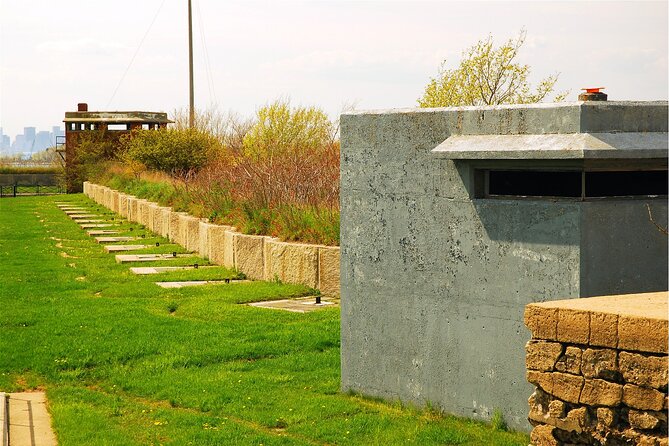
Near the marina at Rowes Wharf, the Harbor Hotel provides an architectural pause. Its design combines modern and colonial references, while the large copper dome rises above the archway.
The useful tip here is simple: walk to the center of the archway and look straight up. From that position, you can see through the dome toward the glass cupola above. It is the kind of small detail a guide can point out in seconds, yet an independent visitor could easily miss.
This stop takes about ten minutes. It is a good example of how the audio works best when you follow its exact location cues instead of listening while rushing ahead.
Long Wharf closes the main waterfront story

Long Wharf is the route’s final major history stop and a fitting place to finish. It has links to colonial conflict with Britain, trade, shipping, and Boston’s modern tourist life.
You get time to look across the harbor and absorb the change from South Station’s urban traffic to the open waterfront. The end point is different from the start, so you should not expect to return to South Station automatically. That is not a problem, but it is worth planning around if you have a train, reservation, or meeting afterward.
The audio ends at a scenic spot rather than at an indoor attraction. You can keep exploring after the final story, walk toward the New England Aquarium, or stop for food nearby.
The New England Aquarium is a landmark, not an included ticket
The route approaches the New England Aquarium, one of the best-known sights along this part of the harbor. The building extends partly over the water, giving the aquarium direct contact with the harbor environment.
The audio helps you understand why the aquarium belongs in this route, but entrance is not included. If you want to go inside, you need to arrange and pay for admission separately. Treat the aquarium as an optional add-on, not part of the $9.99 walking experience.
That distinction matters when you budget your afternoon. The tour itself is inexpensive, but the waterfront has several attractions where extra tickets can quickly cost more than the audio.
Why the GPS format works, and where it can fail
The strongest feature is the GPS narration. You do not need to stare at a map while walking. When you reach the next point, the story plays automatically, and the route tells you where to go next.
The narration is clear, engaging, and paced for a walk. It gives enough information to keep the story moving without burying you in dates. The material also includes less familiar subjects, from high rental and hotel costs to the economic pressures behind the Tea Party.
Still, this format depends on your phone. Download the separate Action Tour Guide app, enter the password, and load the tour while you have strong Wi-Fi or cellular service. It works offline afterward, but only if the download is complete.
Use an iPhone with iOS 15 or later, an Android device with version 9 or later, or an iPad or tablet with GPS and cellular connectivity. Bring earbuds. You can split one set of headphones between two people to save money, although separate earbuds make it easier for both people to hear.
The password can be used on the same number of devices as the number of people booked. If you book for two, you can use it on two devices. No one meets you at South Station, so support is available through the provider if you have audio trouble, but you are responsible for getting the tour started.
The $9.99 price and lifetime access
At $9.99 per person, this is a good value if you want historical context but do not need a live guide. You receive the route, GPS-triggered stories, offline maps, extra content, and lifetime access with no expiry.
That last point is useful if you return to Boston. You can pause the walk and continue another day, or reuse it on a future trip. You can also share one tour between two people by splitting headphones, though the stated access terms are based on the number of people booked.
A live walking tour may offer more conversation and the chance to ask questions. This audio version costs less and gives you privacy, but it cannot adjust its stories to your interests in real time. The choice comes down to what you want from the afternoon.
Timing, weather, and route planning
The published duration is about two to three hours, while the core route is described as taking about one to two hours. The difference comes from your pace and stops. Add time for photographs, food, the aquarium, or any side trip.
The route covers the historic Waterfront District from South Station toward Long Wharf. It is not a 43-mile Harborwalk expedition. Think of it as a manageable section with more than 18 audio stories and roughly one to 1.5 miles of walking.
The tour is available daily from 6:00 AM to 9:00 PM during the stated operating period. Starting early can give you a quieter walk, while an afternoon start leaves room for lunch and the aquarium. The app can be used on any day and over multiple days because access does not expire.
You should also remember that much of this experience happens outdoors. Weather can affect how long you want to linger by the water, and wind or street noise may make earbuds especially helpful.
Who should book this self-guided walk
I would choose this tour if you like setting your own pace, want a short introduction to Boston’s waterfront, or have already seen the central sights and want something less formal. It suits couples, independent visitors, families who need snack breaks, and anyone with only part of an afternoon.
It is also useful if you are short on time but want more than a map. The route gives you a clear line through the city and a story to follow at each point.
I would choose a live guide instead if you want conversation, personal recommendations, or help adapting the walk to your group. This tour is not the best fit if you dislike using your phone while sightseeing or if you want indoor attractions included in the price.
Final verdict: a smart way to frame Boston’s waterfront
Book this tour if you want an inexpensive, flexible walk that connects the Boston Tea Party with the city’s modern waterfront. Its best quality is not just the GPS technology. It is the way the route links colonial trade, taxes, tea smuggling, modern finance, housing debates, architecture, and harbor cleanup in a short distance.
Before you start, download the app on strong Wi-Fi, bring earbuds, charge your phone, and allow more than the bare walking time. If you do that, the $9.99 price buys a useful story-led introduction to Boston, plus access you can keep for future visits.
FAQ
How long does the Boston Harborwalk and Tea Party tour take?
The experience takes about two to three hours, depending on your walking speed and how long you pause. The audio route itself is described as taking about one to two hours.
Where does the tour begin?
The tour begins at South Station in Boston. No guide meets you there. You open the Action Tour Guide app at the first story point, and the audio starts through GPS.
Where does the tour end?
The route ends at Long Wharf, near the New England Aquarium area. The activity finishes in a different location from its South Station starting point.
Is the New England Aquarium admission included?
No. Attraction admission, entry tickets, and reservations are not included. The aquarium is a stop along the route, but you must arrange admission separately if you want to visit inside.
Do I need Wi-Fi or cellular service during the walk?
You need strong Wi-Fi or cellular service to download the tour before starting. After the tour is downloaded, it works offline with the included maps and GPS features.
What phone or device do I need?
The recommended devices are an iPhone running iOS 15 or later, an Android device running version 9 or later, or an iPad or tablet with GPS and cellular connectivity.
Can I use the tour more than once?
Yes. The tour provides lifetime access with no expiry. You can use it on another Boston trip, on multiple days, or pause and resume it whenever you like.
Just added around the USA
- Washington, D.C.: Tea Around Town Bus Tour with Landmarks★ 3.4 · 7 reviews
- Tea By The Sea★ 5.0 · 9 reviews
- Tea Blending★ 4.5 · 8 reviews
- Tea Around Town: A Charming Tea Experience in Philadelphia★ 3.5 · 24 reviews
- Premium Loose Leaf Tea and Chocolate Tasting★ 3.0 · 4 reviews
- St. Johns River High-Tea Cruise Tour in Sanford★ 5.0 · 2 reviews
- Seftel Gallery Art Experience – Meet the Artist near Santa Fe★ 5.0 · 6 reviews
- Beach Yoga & Tea Experience on South Beach★ 5.0 · 19 reviews
Walking Tours, compared.



Kyoto Tea Ceremony & Kiyomizu-dera Temple Walking Tour
Read our review →

Tea planation walking In Munnar- (by Munnar Info)
Read our review →
Buckingham Palace Walk & Tea at Kensington Palace
Read our review →
The Way of Tea: Kyoto Crafts, Hidden Temples & Wabi-Sabi Walk
Read our review →
Antalya: Old Town Walking Tour incl. Turkish Tea and Baklava
Read our review →Browse the lists this tour appears in