
Review · KYOTO
The Way of Tea: Kyoto Crafts, Hidden Temples & Wabi-Sabi Walk
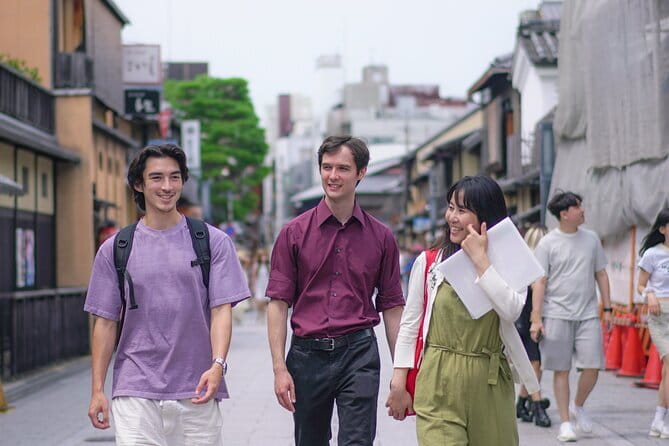
Kyoto’s tea culture makes the most sense when you see it beside the temples, gardens, ceramics, and old streets that shaped it. This small-group walk connects Gion and Kennin-ji Temple with a hands-on matcha ceremony, so you get both the setting and the ritual.
I like the easy route, especially the meeting point outside Gion Shijo Station, and I like that the guide handles temple admissions while you focus on the city. The final hour in a traditional house gives the outing a clear purpose: you learn about tea bowls, simplicity, and wabi-sabi before preparing and drinking matcha yourself.
The main caution is communication. One recorded experience found the guide’s English too soft to hear and some explanations less complete than expected. The group is capped at seven, which helps, but stand near the guide and ask questions early if you need more volume or detail.
Key points to know before booking
- A compact route through Gion: Start outside Gion Shijo Station and walk through one of Kyoto’s best-known historic districts.
- Kennin-ji is the anchor stop: You visit one of Kyoto’s old temples, with admission to two temples included in the tour price.
- Ceramics give the tea ceremony context: A tea bowl shop introduces raku cups and the idea that each bowl has its own character.
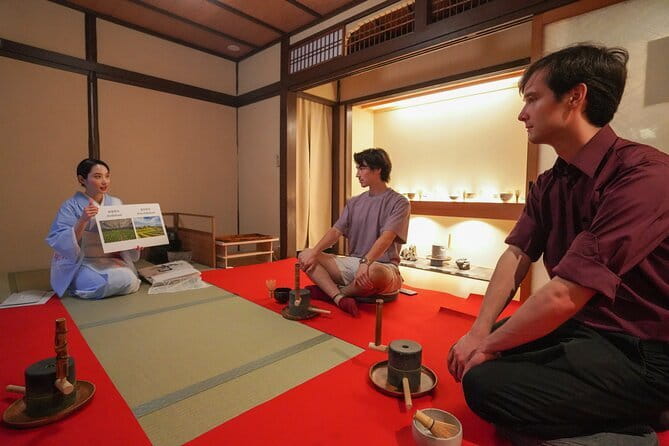
- The final hour is hands-on: A tea master leads the matcha experience inside a traditional Japanese house.
- Small group, fixed start: The maximum is seven people, but late arrivals cannot join, reschedule, or receive a refund.
- Good value at $94.45: You pay for a local guide, temple admissions, photos, and the tea ceremony, not just a walk through Gion.
Why this Kyoto walk works
Many Kyoto outings divide the city into separate pieces. You visit a temple in the morning, then book a tea ceremony somewhere else, and the connection between the two can be lost. This route puts those pieces together in about three and a half hours.
The order is sensible. You first walk through Gion and learn how matcha is made. Then you see a working tradition in the form of temple architecture, crafts, and tea bowls. Only after that do you sit down for the ceremony.
That progression matters. A tea ceremony can feel formal or puzzling if you arrive without context. Here, the guide introduces the ideas of wabi-sabi during the walk, then the tea master shows how those ideas appear in a bowl, a room, and a carefully prepared cup of tea.
You should expect a walking tour rather than a long sightseeing stop at every location. Each listed stop lasts about 30 minutes, and the tea ceremony takes one hour. The timing gives you a useful introduction, but it does not allow for a slow, detailed study of every temple room or shop.
More Walking Tours in Kyoto:
- Kyoto Tea Ceremony & Kiyomizu-dera Temple Walking Tour
★ 5.0 · 115 reviews - Matcha Grinding Experience and Walking Tour in Uji Kyoto
★ 5.0 · 26 reviews - Kyoto Gion Tea ceremony & Wabi-sabi Walking Tour
★ 4.5 · 7 reviews
Meeting the orange sign in Gion
The meeting point is the Statue of Izumo-no-Okuni, directly outside Exit 5 of Gion Shijo Station on the Keihan Line. Look for a guide holding an orange sign marked Magical Trip Tour.
This is a practical place to begin. Gion Shijo Station has a clear transit connection, and meeting outside a station avoids the confusion of finding a small shop or temple gate. Still, Kyoto’s streets can be crowded and the start time is strict. Give yourself enough time to come up from the platform, find Exit 5, and locate the sign.
The company says the guide will wait with the orange board, but the outing cannot hold the group for late arrivals. If you miss the start, you cannot join later or receive a refund. That policy is firm, so build in extra time rather than trying to arrive at the exact minute.
The walk ends at the tea experience location in the Kiyomizu area, at 4-chome-172-7 Kiyomizu. This is not a return-to-station tour. Plan your next Kyoto activity from the eastern side of the city, not from Gion Shijo.
A first look at Gion and matcha
The opening 30 minutes take you through Gion, Kyoto’s traditional entertainment district. The point is not simply to photograph old-looking lanes. Your guide introduces the history of Japanese tea and explains how matcha is made, then brings you to a well-known matcha shop.
That makes the first stop more useful than a quick street walk. You begin learning what the drink is, how it is prepared, and why it carries such weight in Japanese culture. The shop visit should appeal to you if you like food and drink with a cultural explanation attached.
The time is short, so do not expect an extended tasting menu or a meal. Additional food and drinks are not included. You receive the tea ceremony later, but any extra purchases at shops are your responsibility.
Gion is also a public neighborhood, not a private museum. The route may include regular street traffic and other people using the area. Stay with the guide, listen for crossing instructions, and remember that the walk takes place in a living district rather than a staged historical set.
Kennin-ji and two temple admissions
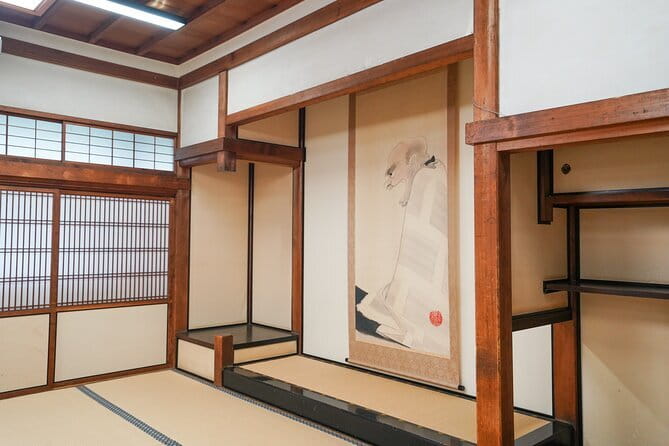
Kennin-ji Temple receives about 30 minutes. It has stood for centuries and provides the tour’s main temple setting. Your guide supplies the background while you look at the architecture and grounds.
The short visit is a strength if you want an overview without giving up half a day. You can see a major Kyoto temple, ask questions, and keep moving toward the craft and tea portions. I also like that admission to two temples is included, which removes small cash or ticket-line decisions during the walk.
At the same time, half an hour is not enough for an unhurried temple visit. You may need to choose between listening closely and taking your time with the site. If Kennin-ji is a top priority for you, consider returning on your own for a longer visit.
The tour description specifically includes two temple admissions, but the schedule names Kennin-ji and a later hidden temple and garden. Ask the guide at the beginning which admission covers each site if you want to keep track of the included entries.
A few more tea experiences around Kyoto worth a look
- Kyoto: Tea Ceremony in a Traditional Tea House in Kiyomizu
★ 4.9 · 3,519 reviews - Kyoto: Tea Ceremony Ju-An at Jotokuji Temple
★ 4.9 · 3,207 reviews - Kyoto: 45-Minute Tea Ceremony Lesson Experience
★ 4.3 · 2,378 reviews - Kyoto: Table-Style Tea Ceremony at a Kyo-Machiya
★ 4.9 · 1,211 reviews
Kyoto crafts and the meaning of a tea bowl
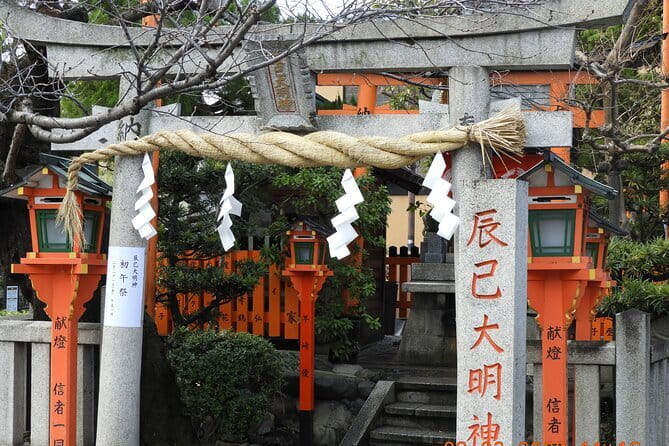
The craft portion takes you to local craft shops, followed by a tea bowl shop where raku ceramics receive special attention. This is one of the most distinctive parts of the route because it gives you something tangible to look at before the ceremony.
Your guide explains that each raku cup has its own character, history, and meaning. That idea fits the wabi-sabi theme introduced during the city walk. A handmade bowl does not need to look factory-perfect to be valuable. Its shape, surface, and marks are part of what makes it individual.
The schedule allows about 30 minutes for the craft stop. That is enough for an introduction, but you should not expect a full workshop or pottery lesson. The experience is about seeing and understanding the objects used in tea, not making one yourself.
The shops may also tempt you to buy ceramics. The tour price does not include extra food or drinks, and no shopping allowance is listed. Bring your purchase decisions back to your own budget. A tea bowl can be meaningful, but it is not an automatic bargain simply because it appears in a traditional setting.
A quiet temple and garden between the streets
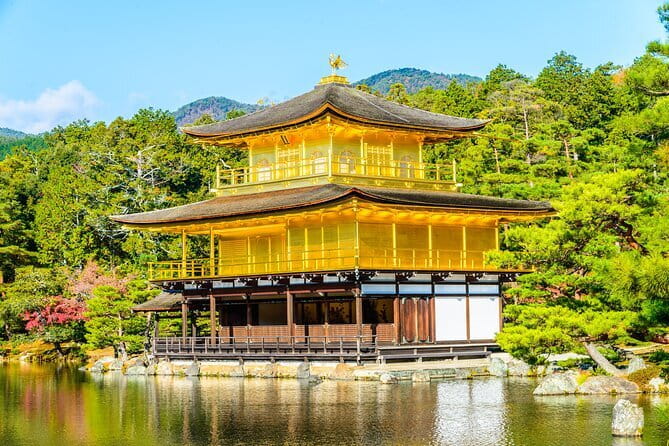
The next half-hour includes a hidden temple and garden in Kyoto Prefecture. The supplied details do not name this temple, so you should treat it as a quieter stop rather than booking the tour for one specific famous sight.
That uncertainty can be a plus. The route is designed to show you a less obvious side of Kyoto after the better-known Kennin-ji. The garden also gives the wabi-sabi discussion a visual setting, with attention likely directed toward restraint, age, and small details rather than grand scale.
Keep your expectations measured. You are not getting a full temple circuit, and the stop lasts about 30 minutes. The value is in the contrast: Gion’s streets, a major temple, craft shops, and a peaceful garden all lead toward the tea house.
If you have mobility concerns, note that the tour is a walking experience through historic areas and includes temples, shops, and a garden. The information says most people can participate, but it does not provide a detailed route assessment. Contact the provider before booking if you need specific help with steps, surfaces, or seating.
The one-hour tea ceremony
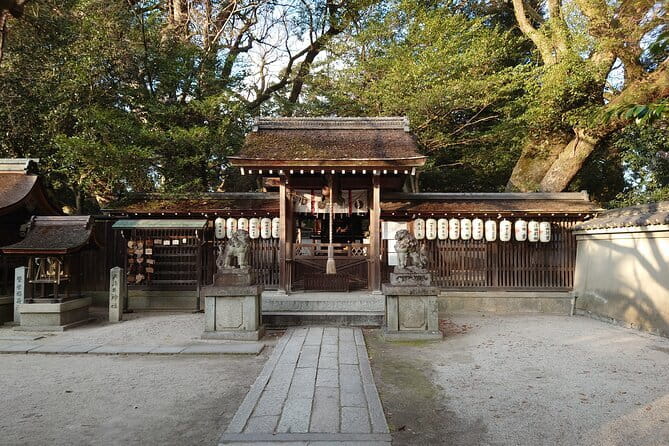
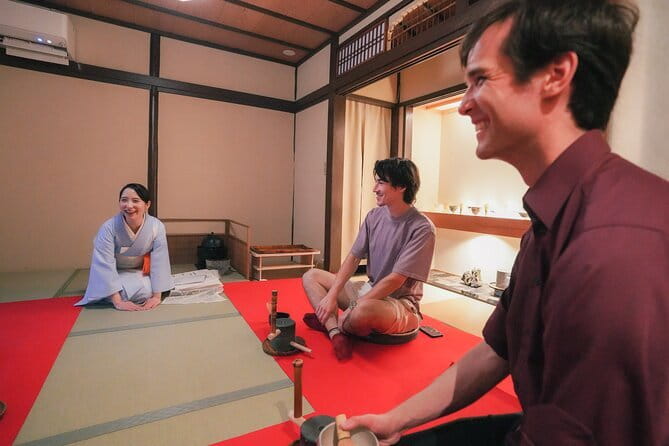
The final stop is the heart of the experience. In a real tea house inside a traditional Japanese house, a tea master gives instructions and leads you through a matcha ceremony.
You do not simply watch a demonstration. The experience includes making tea and drinking matcha, with the tea master guiding you. For many people, this will be more memorable than a formal explanation because your hands become part of the lesson.
The hour-long format is useful. It gives the ceremony enough room to feel deliberate rather than squeezed between sightseeing stops. You can connect the earlier discussion of wabi-sabi, ceramics, and matcha culture with the movements and objects in front of you.
Children must be at least six years old to take part in the tea ceremony. Younger children may come on the tour, but one adult must stay outside the facility with them during that portion. This is important for families, since the adults may not all be able to attend together.
The ceremony ends the tour, and the meeting point is not the same as the starting point. You finish in the Kiyomizu area, with the tea experience location listed at 4-chome-172-7 Kiyomizu. The guide also takes photos during the tour, so you should not need to spend the whole walk managing a camera.
Guide quality and group size
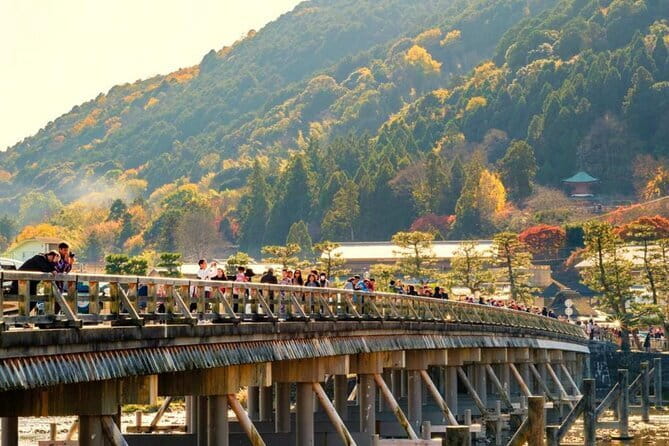
The group maximum is seven people. That is small enough for direct questions and easier movement through narrow streets and shops. It also means the group cannot disappear into the background if communication is unclear.
The guide is English-speaking, but one recorded experience described the guide’s voice as very soft and difficult to understand. That same account felt the guide was trying to help but did not always seem familiar with some of the places. This is the main weakness to keep in mind.
I would stand close to the guide, especially at the start, and ask for clarification if you miss a point. A small group makes that easier. The guide’s role is especially important here because the tour’s value depends on explanations about tea, temples, ceramics, and wabi-sabi, not just on being led from one address to another.
The overall rating is 4.9 from 41 ratings, with 98 percent recommending the experience. Those numbers suggest strong satisfaction overall, while the communication concern gives you a useful practical warning. If detailed historical interpretation is your top reason for booking, a private guide with confirmed language ability may suit you better.
Is $94.45 a fair price?
At $94.45 per person, this is not the cheapest way to walk through Gion. It becomes easier to justify when you count what is bundled: an English-speaking local guide for roughly three to three and a half hours, admission to two temples, the tea ceremony, matcha, and photos.
The tea ceremony is the key value. Booking a separate ceremony can cost a significant part of the same amount, and this tour adds a guided city walk before it. You also avoid the work of connecting the temple, shops, and tea house yourself.
The price is less attractive if you mainly want free time at Kennin-ji or a long shopping stop. The itinerary moves at a set pace, and each sightseeing stop lasts around 30 minutes. You are paying for a structured introduction, not an open-ended day in eastern Kyoto.
There are no extra food or drink charges included beyond the tea experience. You should also budget for anything you choose to buy at the craft shops or matcha shop.
Weather, clothing, and timing
Kyoto’s weather can make a short walking tour feel very different from one season to another. The climate now reaches summer highs of about 40°C, or 110°F, and winter lows near -5°C, or 20°F. Wear suitable clothing and prepare for outdoor walking between indoor stops.
Summer heat can make Gion and temple paths tiring. Winter cold can be sharp when you are waiting outside the station or moving between locations. Comfortable shoes are a practical choice, even though the tour is not described as a strenuous hike.
The tour may be cancelled for unsuitable weather when safety is a concern. Free cancellation and rescheduling are available until 24 hours before the starting time. Inside that window, changes are not accepted and the amount paid is not refunded.
Who should book this experience?
I would recommend it to you if you want Kyoto’s tea tradition explained through places and objects rather than through a ceremony alone. It suits first-time visitors who prefer a guide-led route, people who enjoy crafts, and anyone who wants a manageable introduction to Gion, temples, and matcha in one outing.
It also works well for a short Kyoto stay. The tour gives you a fixed plan and ends near Kiyomizu, so you can continue sightseeing from the eastern side of the city.
You may want another option if you have already spent a lot of time in Gion, need a slow temple visit, or want a highly detailed art-history lecture. The schedule is compact, and the quality of the experience depends heavily on how clearly the guide explains the stops.
My booking verdict
Book this tour if you value connection and convenience: Gion leads to tea culture, tea culture leads to ceramics, and the route ends with your own matcha ceremony. The included admissions and small group make the $94.45 price reasonable, especially for a first visit.
Before paying, make sure you can reach Gion Shijo Station on time, handle several hours of walking in the season’s weather, and accept a guided pace. If you need deep historical detail, confirm the guide’s English communication with the provider. For a balanced introduction to Kyoto’s tea world, temples, and wabi-sabi, this is a well-shaped half-day choice.
FAQ
Where does the tour begin?
It begins at the Statue of Izumo-no-Okuni, directly outside Exit 5 of Gion Shijo Station on the Keihan Line in Kyoto.
How will I recognize the guide?
The guide will hold an orange signboard marked Magical Trip Tour.
Where does the tour finish?
It finishes at the tea experience location in the Kiyomizu area, listed as 4-chome-172-7 Kiyomizu, Higashiyama Ward, Kyoto.
How long does the experience last?
The tour takes approximately three hours and 30 minutes. The included information also describes three hours with a local guide, so allow at least three and a half hours in your schedule.
What is included in the price?
The price includes an English-speaking local guide, the matcha tea ceremony in a traditional Japanese house, matcha, admission to two temples, and photos taken during the tour.
Is food included?
Additional food and drinks are not included. The matcha served as part of the tea ceremony is included.
How many people can join?
The maximum group size is seven people.
Can children join the tea ceremony?
Children must be at least six years old to take part in the tea ceremony. Younger children may join the wider tour, but one accompanying adult must remain outside the facility during the ceremony.
What happens if I arrive late?
The tour starts on time. If you miss the group, you cannot join later, reschedule, or receive a refund.
Can I cancel for free?
Yes. You can cancel for a full refund up to 24 hours before the experience starts. Cancellations or changes made less than 24 hours before the start time are not accepted.
Just added around Kyoto
- Whisk Your Own Matcha: A Zen Matcha Experience at Temple★ 3.6 · 7 reviews
- Uji Walking Tour – Byodo-in temple and Tea Ceremony from Kyoto★ 3.5 · 3 reviews
- Kyoto: Authentic Tea Ceremony in a Small Group★ 5.0 · 7 reviews
- Tea ceremony at Kyoto’s Zen Temple Teahouse★ 5.0 · 2 reviews
- Traditional Tea Ceremony in Kyoto★ 4.5 · 3 reviews
- Tea Ceremony in 150 Years Old Townhouse with Tables and Chairs★ 5.0 · 22 reviews
- Silent Beauty of Kyoto Zen Walk and Tea Experience★ 5.0 · 2 reviews
- Tea Ceremony Experience in Traditional Kyoto Townhouse★ 5.0 · 19 reviews
Walking Tours, compared.

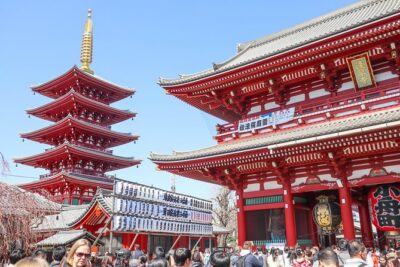
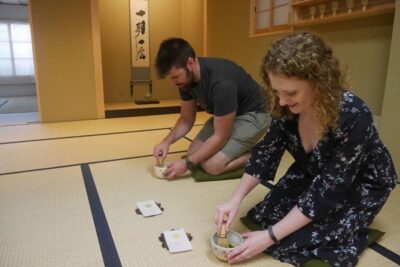
Kyoto Tea Ceremony & Kiyomizu-dera Temple Walking Tour
Read our review →
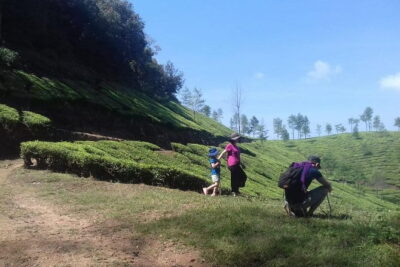
Tea planation walking In Munnar- (by Munnar Info)
Read our review →
Buckingham Palace Walk & Tea at Kensington Palace
Read our review →
Antalya: Old Town Walking Tour incl. Turkish Tea and Baklava
Read our review →
Delhi Street Art Walk in Lodhi Art District with Chai & Food
Read our review →Browse the lists this tour appears in