
Review · KYOTO
Kyoto Tea Ceremony & Kiyomizu-dera Temple Walking Tour
Kiyomizu-dera is one of Kyoto’s essential sights, but the approach can feel confusing and crowded if you do not know where to go. This tour gives you a guide, a clear route, and a quiet cultural counterpoint: after the temple walk, you sit for a traditional tea ceremony and drink matcha.
I like the small six-person limit, which gives you room to ask about Shinto, Buddhism, temple customs, and local streets. I also like the mix of sights and tastes, from Otowa Waterfall and the wooden temple stage to Kyoto snacks and tea. The main drawback is the uphill walking on busy historic lanes, plus the early start and hot summer weather.
Key points to know before booking
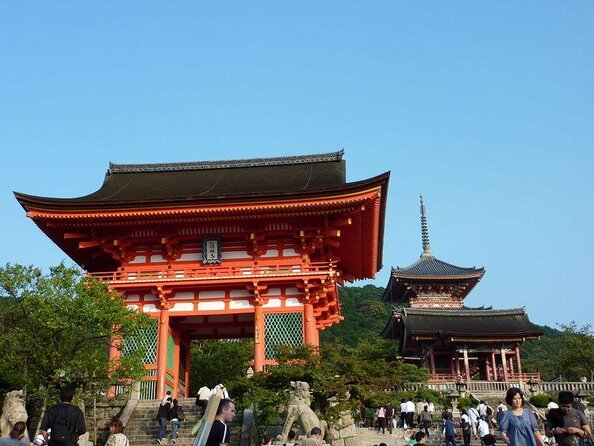
- Kiyomizu-dera from the best angle: Visit the famous wooden stage, set 13 meters above the ground, with views toward Kyoto and seasonal trees.
- A real neighborhood walk: Follow Kiyomizu-zaka, Sannenzaka, and Ninenzaka past old teashops, sweet shops, and souvenir stores.
- Tea with cultural context: Learn the basic manners of a Japanese tea ceremony rather than simply drinking a cup of matcha.
- A very small group: The maximum is six people, a useful size for questions and photographs.
- Guides who add personality: Hide is praised for explaining Shinto and Buddhism in a relaxed way, while Haruki leads the tea ceremony.
- Plan for slopes and heat: Wear good shoes, bring water, and use a hat in summer. Children under six cannot join.
Why this three-hour Kyoto tour works well
Kyoto has enough temples to fill several days, but a first visit can become a checklist of gates, pagodas, and courtyards. This experience gives you a simple half-day shape: meet at Yasaka Shrine, walk through the old Higashiyama streets, visit Kiyomizu-dera, sample a few foods, and finish with tea.
That order matters. The streets and temple provide movement and visual interest, while the tea ceremony slows the pace. You get both the famous Kyoto picture and a more formal cultural activity.
The tour begins at 9:00 am at the west tower gate of Yasaka Shrine. Starting here puts you near Gion and the eastern temple district. It also gives you a useful fixed meeting point, though the meeting instructions deserve attention. One person had trouble finding the guide at the start, so I would arrive early and identify the Yasaka Shrine western gate before the tour day.
The activity returns to the same meeting point. It lasts about three hours, uses a mobile ticket, and is offered with a maximum of six people. That small size is one of the strongest reasons to consider it. You can ask a question without holding up a coachload, and the guide can keep the pace more personal.
More Tea Ceremony Experiences in Kyoto:
- Kyoto: Tea Ceremony in a Traditional Tea House in Kiyomizu
★ 4.9 · 3,519 reviews - Kyoto: Tea Ceremony Ju-An at Jotokuji Temple
★ 4.9 · 3,207 reviews - Kyoto: 45-Minute Tea Ceremony Lesson Experience
★ 4.3 · 2,378 reviews
From Yasaka Shrine into old Kyoto streets
The first part leads toward Kiyomizu-zaka, an area made up of several traditional streets. You pass old-style tea shops, Japanese sweet shops, and stores selling preserved foods. The route also includes photo stops, so you have chances to take pictures rather than walking past every scene.
Kiyomizu-zaka is not a quiet museum set apart from modern life. It is a working sightseeing district filled with shops and people heading to the temple. That mix is part of the appeal, but you should expect slopes and busy stretches, especially near the main approach.
The guide points out Yasakakoshindo, a small and colorful temple in the area. It gives the walk some variety before the grand scale of Kiyomizu-dera. Rather than seeing only Kyoto’s most famous monument, you get a sense of how smaller religious sites fit into the neighborhood.
This is also where a local guide earns the fee. The buildings and streets are attractive on their own, but their meaning can be easy to miss. Hide, one of the guides associated with this tour, explains Shinto and Buddhist traditions and the formal behavior expected at temples. His approach is described as relaxed, with room for humor, including the occasional baseball conversation or dad joke.
That personal tone may suit you if you want cultural information without a lecture. If you prefer a silent photography walk, the explanations and group stops may feel slower than exploring alone.
Kiyomizu-dera and the famous wooden stage
Kiyomizu-dera was built on the site of Otowa Waterfall about 1,200 years ago. Its name refers to the waterfall’s pure water, which connects the temple directly to the spring below.
The main visual prize is the wooden stage, about 13 meters above the ground. From here, you can look across trees toward Kyoto. Cherry blossoms and maple leaves make the view especially appealing in their seasons, though the tour remains worthwhile outside those periods because the temple structure and city view do not depend on flowers.
A guide helps you understand the place instead of simply pointing at the view. You can ask about the temple’s background, worship customs, and the difference between the religious traditions found in Japan. That context is particularly useful if this is your first temple visit in Kyoto.
The temple is also the busiest part of the route. You should not expect a private visit or an empty wooden stage. The small tour group does not remove the crowds around a major UNESCO World Heritage Site, but it does make it easier to stay together and hear the guide.
Otowa Waterfall and the three streams
The route includes Otowa Waterfall, the feature that gave Kiyomizu-dera its name. Water flows into three separate streams, and each is linked with a different benefit. You choose one stream, use a cup attached to a long pole, and drink the water as part of the temple’s worship practice.
This is a simple activity, but it helps turn a visit into participation. You are not just looking at a famous feature. You are learning how people approach it and why the three streams matter.
The practical advice is to follow the guide’s instructions and be mindful of the shared cup and pole. The tour gives you the chance to try the custom, but it does not promise that you can choose several benefits or spend unlimited time at the waterfall.
More Walking Tours in Kyoto:
- The Way of Tea: Kyoto Crafts, Hidden Temples & Wabi-Sabi Walk
★ 5.0 · 41 reviews - Matcha Grinding Experience and Walking Tour in Uji Kyoto
★ 5.0 · 26 reviews - Kyoto Gion Tea ceremony & Wabi-sabi Walking Tour
★ 4.5 · 7 reviews - Kyoto Tea Ceremony & Kiyomizu-dera Temple Walking Tour
★ 4.5 · 4 reviews
Sannenzaka, Ninenzaka, and Kiyomizu-zaka
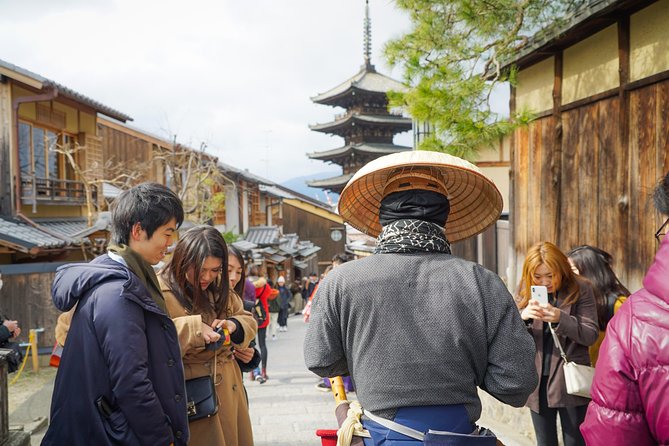
The approach to Kiyomizu-dera is almost as memorable as the temple itself. Kiyomizu-zaka includes a roughly one-kilometer pilgrimage route, with the slope rising toward the temple gate. Near the top, the Niomon Gate and three-story pagoda create a classic Kyoto view.
The route also passes Sannenzaka and Ninenzaka. These historic lanes are lined with shops selling Kyoto souvenirs, pickles, yatsuhashi, sweets, and traditional goods. A Kiyomizu doll shop sits near the temple gate, adding another small detail to watch for.
Sannenzaka comes with an old warning: fall on the slope and you will die within three years, or lose three years from your life. The story is linked to the road’s connection with the old burial area of Toribeno, though several explanations for the name exist. In plain terms, it is a colorful way to tell you to watch your step.
The streets are photogenic, but they are not flat or empty. Comfortable shoes matter more here than stylish footwear. You may also want to keep your shopping modest until the end, since you will be walking for the rest of the tour.
The tea ceremony and matcha
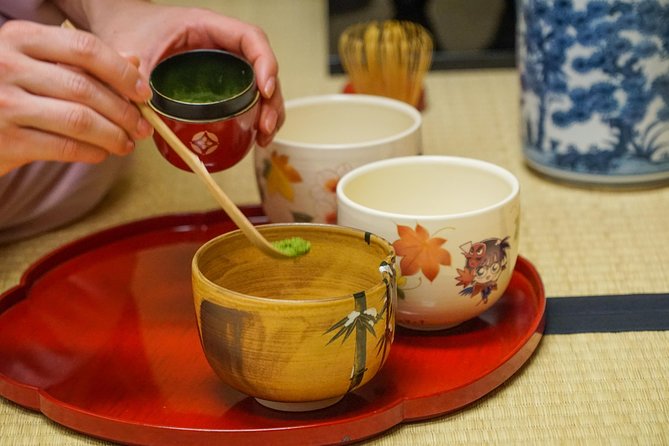
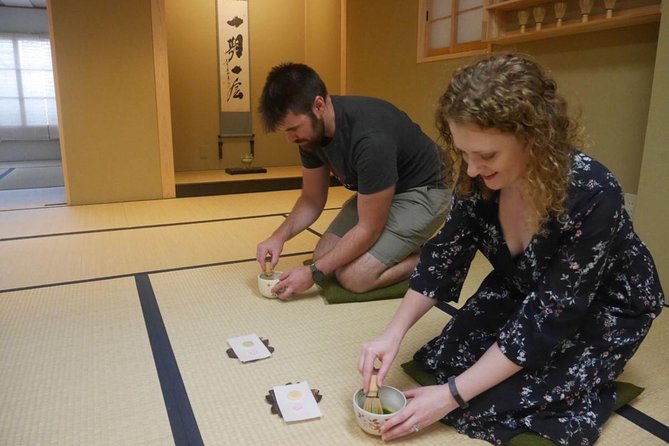
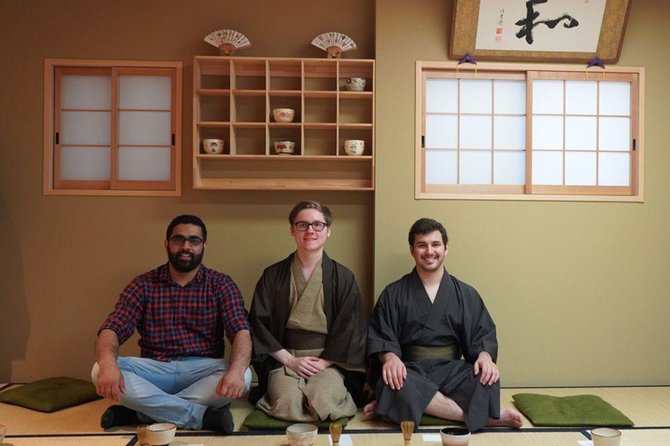
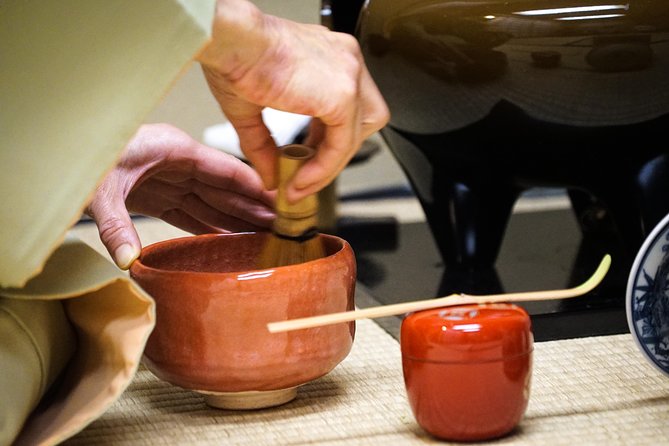
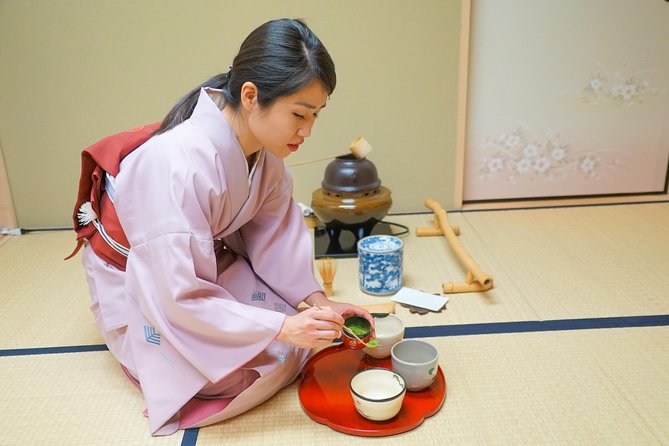
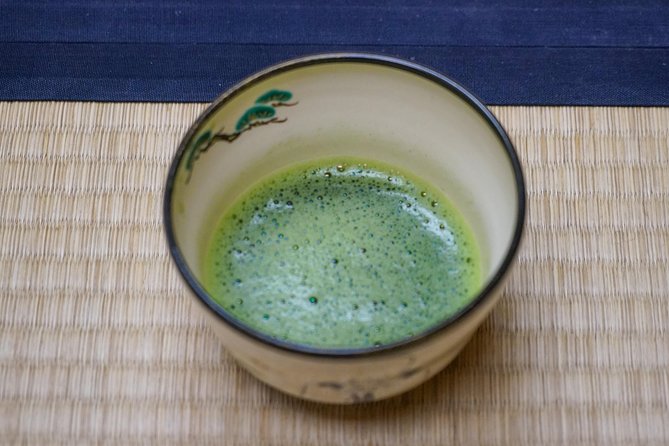
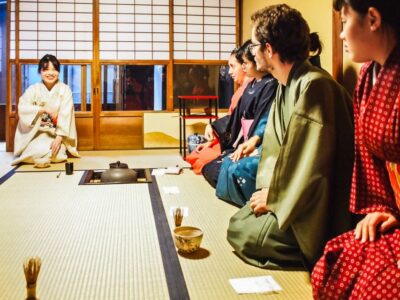
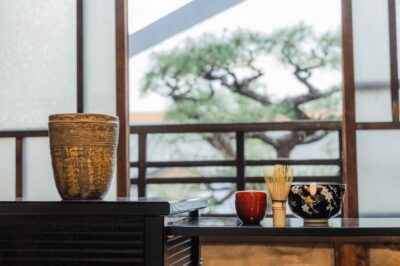
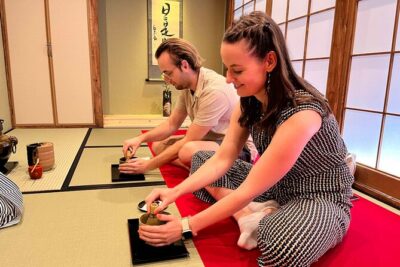
The tea ceremony is the experience’s cultural anchor. You sit down after the temple and street walking, learn about the formal gestures, and drink matcha. This change of pace is valuable because it lets you notice the care given to movement, preparation, and presentation.
The ceremony is not presented as a rushed demonstration. The person leading it, Haruki, is described as warm and entertaining, and the available feedback also praises the gentle way the ceremony is introduced. Another account specifically appreciated watching a woman perform the ceremony and seeing the skill behind it.
You should not book this expecting a full course on every school of tea or a long private lesson. The supplied details promise a traditional tea ceremony experience and matcha, not an advanced workshop. Still, for a first introduction, the format gives you a clear taste of the customs without requiring a separate cultural booking.
The ceremony also works well for people who want something beyond temple photos. You can learn the basic formalities, ask questions, and see why tea preparation is treated as an art rather than a quick drink.
Snacks, photos, and what is included
The price is $109.39 per person. That is not the cheapest way to walk through Higashiyama, since you can reach Yasaka Shrine and Kiyomizu-dera independently. The value comes from combining the temple entrance, a local guide, the tea ceremony, matcha, food samples, and photographs in one three-hour outing.
Included food consists of a few samplings and snacks. Additional food and drinks cost extra. This is important if you are expecting a full breakfast or lunch. Think of the tastings as small introductions to Kyoto flavors, not a meal replacement.
Photos taken during the tour are another useful extra. If you are traveling alone or want pictures with the streets and temple behind you, this can make the experience more practical. It also lets you pay attention to the guide instead of constantly managing your phone.
The entrance fee for Kiyomizu-dera is included, along with the tea ceremony and matcha. Since admission and a separate tea experience would otherwise need planning, the package makes sense for a first morning in Kyoto, especially if you value explanation and structure.
The rating is 4.9 from 115 ratings, with 97 percent recommending the activity. Those numbers suggest a consistently strong experience, but they do not remove the basic tradeoff: you pay for convenience, interpretation, and a small group rather than simply for admission.
Timing, fitness, and seasonal comfort
The 9:00 am start is useful for making the most of your day. It also gets you onto the route before the later part of the morning, though famous Kyoto streets and temples can still be busy.
You need to be comfortable walking uphill on stone and paved streets. The tour does not list a special accessibility service, but it does say most people can participate. If you have difficulty with slopes or prolonged walking, ask the provider before booking.
Summer requires extra care. Kyoto can be very hot and humid, so bring water and wear a hat. The route includes open streets, hills, and a temple complex, making heat more noticeable than it would be during an indoor activity.
Children under six are not allowed. Food allergies and dietary restrictions may not be accommodated because the food comes from kitchens outside the tour company. Substitutions are not guaranteed at every stop, although efforts may be made to compensate at other stops. If food safety is a major concern, contact the provider before reserving.
Who should book this experience
I would choose this tour for a first morning in Kyoto, especially if you want help with the layout of Higashiyama. It is a good fit for anyone who wants temple context, a few local tastings, and a calm tea experience without joining a large group.
It also suits solo visitors and couples who want photographs, since the guide takes pictures during the walk. Families with older children may enjoy the waterfall custom and colorful streets, but the age rule excludes children under six.
You may prefer to explore independently if you already know Kiyomizu-dera, want a slower shopping day, or dislike walking in a group. A self-guided visit can also cost less. The tour earns its price through the guide’s explanations, the planned route, the tea ceremony, and the small group size.
Free cancellation is available if you cancel at least 24 hours before the 9:00 am start. Changes or cancellations made inside that window are not accepted for a refund, so keep the local cut-off time in mind.
Should you book the Kiyomizu-dera tea tour?
Book it if you want Kyoto’s famous temple paired with a real cultural activity. The combination of Kiyomizu-dera, Otowa Waterfall, old Higashiyama streets, snacks, and matcha gives you more range than a simple temple visit.
I especially like the six-person limit and the chance to ask direct questions. Hide’s relaxed explanations, the temple customs, and Haruki’s tea ceremony add human detail to places you could otherwise see only as attractive backdrops.
Skip it if you want a low-cost, unhurried walk or if steep streets and summer heat would be a problem. For most first-time visitors who want an organized introduction to eastern Kyoto, the price is reasonable for what is included.
FAQ
How long is the Kyoto tea ceremony and Kiyomizu-dera tour?
The experience lasts approximately three hours.
What time does the tour begin?
The tour begins at 9:00 am.
Where does the tour meet?
The meeting point is the Yasaka Jinja Nishiromon Gate, also called the Western Tower Gate, at 625 Gionmachi Kitagawa in Kyoto’s Higashiyama Ward.
Where does the tour end?
The activity ends back at the meeting point at Yasaka Shrine.
Is admission to Kiyomizu-dera included?
Yes. The Kiyomizu-dera entrance fee is included in the tour price.
Is the tea ceremony included?
Yes. A traditional tea ceremony experience and matcha are included.
Are food and drinks included?
A few food samples, snacks, and matcha are included. Additional food and drinks are not included.
How many people can join the tour?
The maximum group size is six people.
Are young children allowed?
Children under six years old are not allowed to join this tour.
Can the tour accommodate food allergies or dietary restrictions?
Allergy-free food and dietary substitutions cannot be guaranteed. Food is prepared in kitchens that do not belong to MagicalTrip, although the company will try to compensate at other stops when possible.
Just added around Kyoto
- Whisk Your Own Matcha: A Zen Matcha Experience at Temple★ 3.6 · 7 reviews
- Uji Walking Tour – Byodo-in temple and Tea Ceremony from Kyoto★ 3.5 · 3 reviews
- Traditional Tea Ceremony in Kyoto★ 4.5 · 3 reviews
- Kyoto: Authentic Tea Ceremony in a Small Group★ 5.0 · 7 reviews
- Tea ceremony at Kyoto’s Zen Temple Teahouse★ 5.0 · 2 reviews
- Tea Ceremony in 150 Years Old Townhouse with Tables and Chairs★ 5.0 · 22 reviews
- Silent Beauty of Kyoto Zen Walk and Tea Experience★ 5.0 · 2 reviews
- Tea Ceremony Experience in Traditional Kyoto Townhouse★ 5.0 · 19 reviews
Tea Ceremony Experiences, compared.
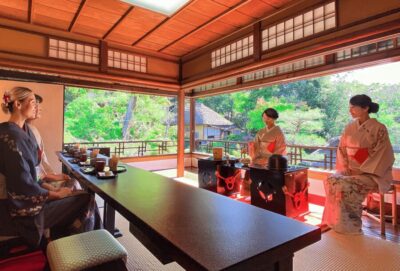
Tea Ceremony in a Traditional Tea House in Kiyomizu
Read our review →
Browse the lists this tour appears in