
Review · UJI
Uji: Private immersion into Kyoto’s tea and reglious culture
Uji gives you a quieter side of Kyoto, where high-grade gyokuro tea and Buddhist tradition meet beside the Uji River. This private morning tour moves from a careful tea tasting to Ujigami Shrine, Koshoji Temple, Byodoin Temple, and the old tea street leading to it.
I like the small group size, capped at eight, and the way the tour joins food, faith, art, and local history rather than treating each temple as a separate photo stop. I also like the guide-led access and context at Byodoin, especially since the temple appears on Japan’s 10-yen coin. The main caution is the price, $162.41 per person, plus a route with many stairs and little time for a slow, unplanned wander.
Key points at a glance
- Gyokuro tasting first: Learn how Japan’s finest green tea is prepared, with a Japanese sweet included.
- Two UNESCO sites: Visit Ujigami Shrine and Byodoin Temple, with admission to the Byodoin museum.
- Private group format: The maximum is eight people, allowing room for questions and route changes.
- Tea and Buddhism together: Koshoji Temple helps explain how Zen influenced the Japanese tea ceremony.
- A peaceful Uji setting: Walk through Uji Park and along the river, with a look at traditional cormorant fishing.
- Plan for stairs and cash: The route requires moderate fitness, and having cash is a useful practical tip.
Why Uji is a good break from central Kyoto
Uji sits south of Kyoto and feels more measured than the city’s best-known temple districts. The river, tea shops, shrines, and wooded temple grounds give the morning a calm rhythm. You still see important Japanese sights, but you are not simply moving from one crowded gate to the next.
The theme here is unusually clear. Tea is not treated as a snack added to a sightseeing tour. You learn how tea customs connect with Buddhism, Japanese spirituality, craftsmanship, and daily life. That makes the stops easier to remember.
The tour begins at 9:00 a.m. at the Keihan Uji Station Information Centre, inside the Keihan Uji Building on the first floor. That early start matters. Byodoin is a major attraction, and beginning in the morning can help you reach it before the busiest part of the day.
The experience lasts about four hours and returns to the same meeting point. You receive admission to the temples and the Byodoin museum, plus the gyokuro experience and Japanese sweet. Food and drinks outside that tasting are not included, so plan for a separate meal afterward.
More Private Experiences in Uji:
- Uji and Wazuka Matcha Farm Half Day Private Guided Tour
★ 5.0 · 21 reviews - 7 Hours Private Guided Tour Uji and Wazuka Matcha Farm
★ 5.0 · 2 reviews - Private Abu Dhabi Sheikh zayed mosque with Louver Museum & Emirates Place Tea
★ 5.0 · 173 reviews
Gyokuro at Takumi-no Yakata
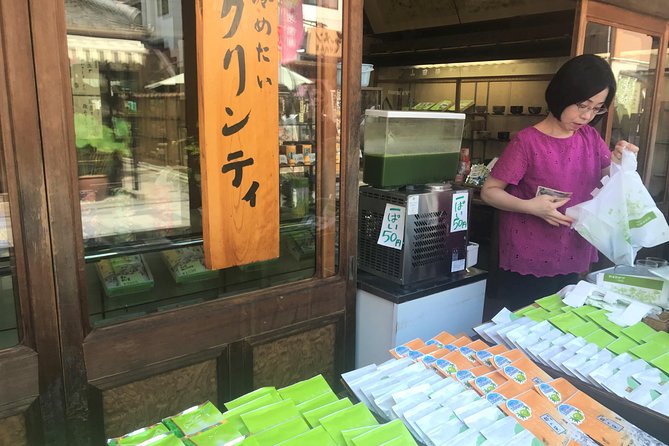
The first stop, Takumi-no Yakata, sets the tone. Instead of drinking an ordinary cup of green tea, you taste gyokuro, one of Japan’s highest grades of green tea. The preparation is slow and deliberate, with the leaves steeped in increasingly warm water.
That process gives you something useful to watch and understand. Japanese tea is not just about pouring hot water over leaves. Water temperature, timing, leaf quality, and the manner of serving all affect the result. The guide helps explain the customs while you drink, so the tasting feels like a lesson in Japanese culture rather than a quick sample.
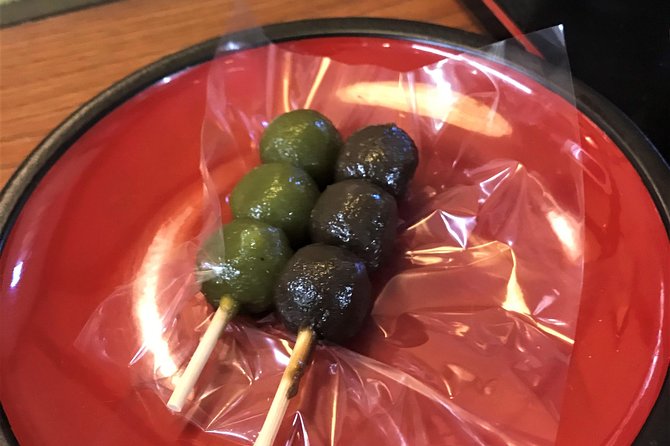
A Japanese sweet is included. That small pairing helps balance the concentrated flavor of gyokuro and gives you a proper pause before the walking begins.
This is one of the strongest parts of the experience for anyone who wants to understand tea beyond souvenir packets. It is also a good match for curious beginners. You do not need a trained palate to appreciate the differences, but you should be willing to slow down and pay attention.
The stop lasts about 30 minutes. That is enough time for a focused introduction, not a long tea ceremony with every formal movement. If you are hoping for an elaborate ceremonial performance, keep your expectations in check. This is primarily a guided tasting and explanation.
Ujigami Shrine and the spring beneath it
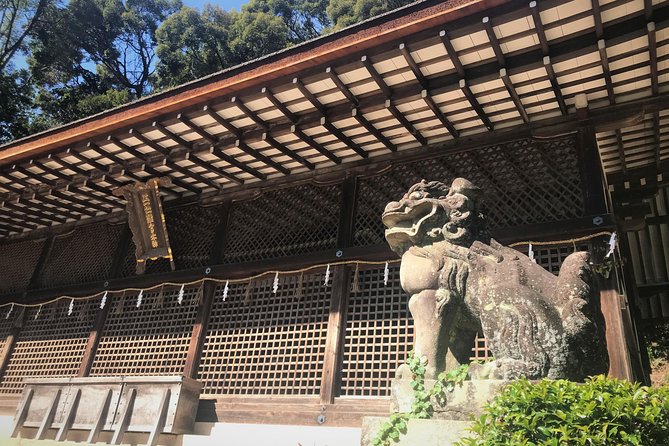
From tea, the tour turns to Ujigami Shrine, a UNESCO World Heritage site described as Japan’s oldest original shrine. The shrine also has the last of Uji’s underground spring water that naturally rises to the surface. Local tea shops collect this water, which adds a practical link between the town’s sacred places and its tea trade.
This stop helps you see how spirituality in Japan can be tied to the natural world. Water is not simply scenery here. It supports the town’s identity and connects the shrine to the tea culture you have just encountered.
You spend about 30 minutes at the shrine. That is enough for an introduction, a look at the grounds, and time to notice the setting. It is not a long architectural study, so your guide’s explanations matter. Guides including Ferdi, Damian, Kevin, Mika, David, and Lito have led this experience at different times, and the quality of the morning depends in part on who is assigned.
The private format is useful at a site like this. You can ask why a feature matters instead of trying to absorb a guide’s speech from the edge of a large group. Kevin, for example, has been praised for explaining Japanese culture clearly and communicating in both English and Japanese.
Koshoji Temple and the Zen connection
Koshoji Temple is the oldest Soto Zen temple in Kyoto, according to the tour description. This is the stop that gives the tea theme its religious context. Zen Buddhism came to Japan from China and helped shape the tea ceremony.
You do not have to be interested in religious studies to enjoy this connection. It explains why Japanese tea culture places such weight on attention, restraint, preparation, and the setting around the cup. The tea tasting at the beginning becomes more meaningful after you see the Buddhist tradition that influenced it.
The stop lasts around 30 minutes. Expect a quiet temple visit rather than a long service or meditation session. Since this is a walking tour with several stops, the time is designed to give you a useful introduction while keeping the morning moving.
Koshoji also provides a change of pace. Ujigami Shrine connects tea with spring water and local belief. Koshoji connects tea with Zen practice. By the time you reach Byodoin, you have a broader frame for understanding Uji.
A few more tea experiences around Uji worth a look
- Kyoto: Tea Museum Tickets and Matcha Grinding Experience
★ 4.9 · 739 reviews - Uji: Green Tea Tour with Byodoin and Koshoji Temple Visits
★ 4.8 · 72 reviews - Uji: UNESCO Heritage & Tea Ceremony Walking Tour
★ 4.6 · 54 reviews - Slow Cycling Tour at Uji’s Matcha Green Tea Fields and Heritage
★ 5.0 · 25 reviews
Byodoin Temple and the museum
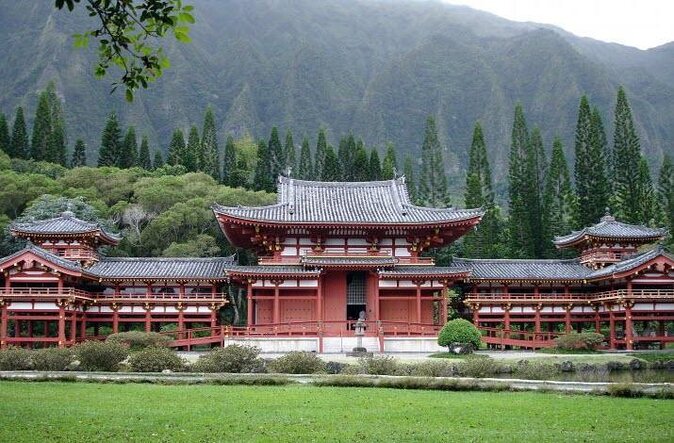
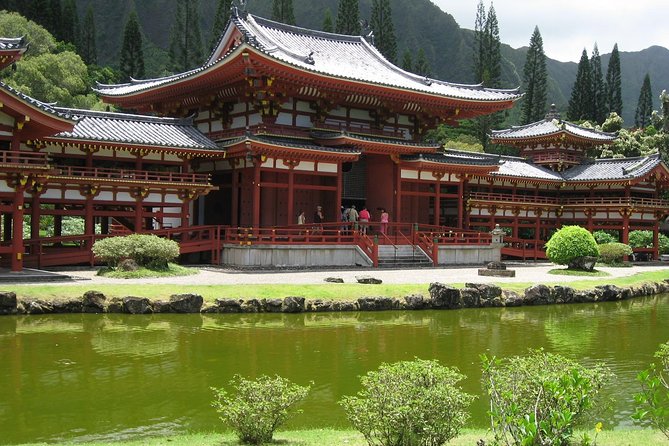
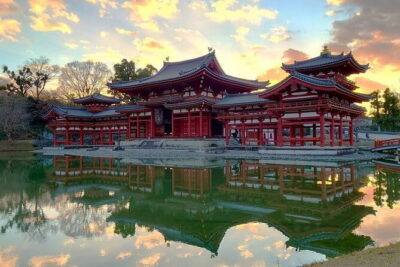
Byodoin is the visual centerpiece of the morning. The temple dates from the Heian period, and its main hall sits on a man-made lake. It is also a UNESCO World Heritage site and the building shown on Japan’s 10-yen coin.
That coin detail is worth remembering. Once you know it, you can look at the temple with a sharper sense of how deeply it is tied to everyday Japanese life. You are not just seeing an old building. You are seeing an image that many people carry in their pockets.
The temple visit takes about 45 minutes, followed by access to the museum. The museum is important because the grounds alone cannot explain all the sculpture, religious art, and architectural detail associated with Byodoin. Admission to the temple and museum is included, which adds real value to the fixed price.
The guide can also help you move through the site with purpose. One guide, Kevin, was able to get his group into the area ahead of the crowds and point out the 10-yen connection. Access and timing can vary, but a private guide gives you a better chance of understanding what you are seeing instead of simply following the flow.
The possible drawback is time. Forty-five minutes for the temple, plus the museum, is enough for a well-organized visit but not for lingering over every detail. If Byodoin is your main reason for coming to Uji, you may want extra time on another day. If you want a well-rounded introduction, the stop works nicely.
Byodoin Omotesando and Uji tea shops
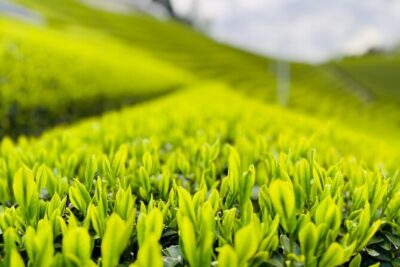
After the temple, you walk down Byodoin Omotesando, the historic pilgrimage street leading to Byodoin. Tea shops line the route, some with roots reaching back to the medieval period. You can smell fresh tea and see the range of tea produced in the area.
This is where Uji becomes a living tea town rather than a set of historic sites. The street lets you connect the polished temple visit with shops, products, smells, and local commerce. It also gives you a chance to notice how tea shapes the town’s identity.
The scheduled time is about 45 minutes. You may want to buy tea or snacks, but those purchases are not included. Carrying cash is wise. One visitor specifically found cash useful, and smaller shops may not offer the same payment options as major attractions.
Do not expect a free shopping period with no guidance. The street is part of the cultural route, so your guide will likely keep the group moving and explain what makes Uji tea distinctive. If you want to shop at length, ask how much spare time you can have.
Uji Park, cormorant fishing, and the river
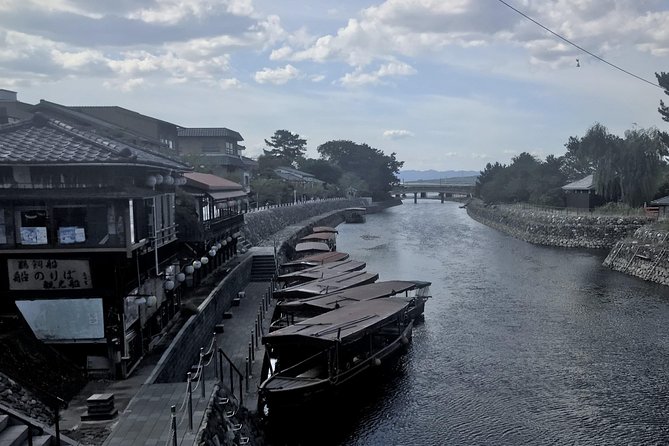
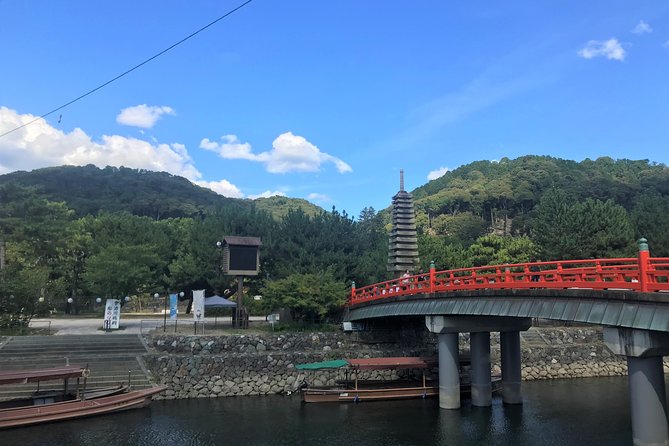
The final major stop is Prefectural Uji Park, an island in the middle of the river. You walk through the park and learn about cormorant fishing, an old practice using birds to catch fish.
The river also gives Uji its wider historical setting. Though shallow now, it once supported trade between Kyoto and Nara, carrying tea, sake, and other goods from Japan and other parts of Asia. That makes the river more than a pleasant backdrop. It helps explain why Uji became an important place for movement, trade, and settlement.
This portion lasts about 30 minutes. It is a welcome outdoor pause after the temple interiors and formal grounds. You can look across the water, notice the surrounding greenery, and think about how tea culture depends on both place and commerce.
The walking is not described as strenuous, but the full morning includes stairs. The activity asks for moderate physical fitness. If stairs are a problem, the operator says suitable modifications can be made, but you should raise the issue before the tour begins.
The price, group size, and overall value
At $162.41 per person, this is not a budget way to see Uji. You are paying for a private guide, several admissions, the gyokuro tasting, a Japanese sweet, and a carefully connected four-hour route. You are also paying for interpretation, which is particularly useful when the sites involve Shinto customs, Zen, tea preparation, and Japanese history.
The value improves if you would otherwise book several separate admissions and struggle to connect the sites yourself. The small group maximum of eight is another advantage. A private morning can be more flexible and personal than a large coach tour, especially at the shrine and tea house.
The price makes less sense if you only want to photograph Byodoin or browse the tea street. You could spend less by visiting selected sites independently. This experience earns its cost through explanation and structure, not simply transportation.
The 94 percent recommendation rate and 4.8 rating from 17 ratings point to a strong record, though the sample is still small. The most consistently praised qualities are the guides, the peaceful pace, the distinctive tea tasting, and the balance between culture and relaxation.
Guide quality matters. Ferdi has been described as friendly and clear, Damian as especially good at making the tea stop informative, and Kevin as attentive before the tour as well as during it. Mika hosted a particularly well-liked visit centered on Byodoin and the shrines. Lito has also helped connect the cultural stops with a local lunch afterward, though lunch is not part of the included experience.
One practical weakness has been meeting-point clarity. The meeting point is now specified as the information centre at Keihan Uji Station, but confirm the exact location in your booking details and arrive early.
Who should book this Uji morning

I would recommend this tour if you want a guided introduction to Uji that goes beyond the famous temple. It suits you especially well if:
- You want to taste serious Japanese tea but do not know how gyokuro is prepared.
- You enjoy learning how religious traditions shape food, art, and daily customs.
- You prefer a small private group over a large sightseeing bus.
- You want Byodoin, Ujigami Shrine, Koshoji, the tea street, and the river in one morning.
- You appreciate a guide who can answer questions in English and explain cultural details clearly.
It may not suit you if you need a slow, unstructured day, dislike stairs, or want a long tea ceremony. The schedule is compact, and the number of stops means you should be ready to keep moving.
Free cancellation is available up to 24 hours before the 9:00 a.m. start. Changes or cancellations inside that window are not accepted for a refund.
Should you book this Uji tea and temple tour?
Book it if you want the connections between Uji’s sights explained rather than simply photographed. The tea tasting, Ujigami’s spring, Zen at Koshoji, Byodoin’s lake, and the river all fit into one clear story.
Skip it if your main goal is an extended visit to one temple or an elaborate ceremonial tea event. For most people seeking a focused first look at Uji, the private format, included admissions, and thoughtful mix of tea, Buddhism, and scenery make the $162.41 price defensible. Bring comfortable shoes, some cash, and enough curiosity to let Uji slow you down.
FAQ
Where does the tour start?
It starts at 9:00 a.m. at the Keihan Uji Station Information Centre, Japan, 611-0021 Kyoto, Uji, Otsukata 713, on the first floor of the Keihan Uji Building.
How long does the experience last?
The tour lasts approximately four hours and ends back at the meeting point.
What is included in the price?
Admission to the temples and the Byodoin museum is included. You also receive the gyokuro tea house experience and a Japanese sweet.
Is food included?
Food and drinks outside the gyokuro tea experience are not included.
How large is the group?
The activity has a maximum of eight people.
Is the tour physically demanding?
You need a moderate level of physical fitness. The route includes many stairs. The operator says modifications can be made if stairs are a problem.
Which major sites are visited?
The route includes Takumi-no Yakata, Ujigami Shrine, Koshoji Temple, Byodoin Temple, Byodoin Omotesando, and Prefectural Uji Park.
Can I cancel for a refund?
Yes. You can cancel at least 24 hours before the local start time for a full refund. Cancellations or changes made less than 24 hours before the start are not refunded or accepted.
Just added around Uji
- Kyoto tea town for matcha lovers★ 5.0 · 16 reviews
- Uji and Wazuka Matcha Farm Half Day Private Guided Tour★ 5.0 · 21 reviews
- Uji Tea Ceremony and UNESCO Heritage Walking Tour★ 5.0 · 20 reviews
- Utilising upcycled Matcha! Creating matcha incense (Uji, Kyoto)★ 5.0 · 6 reviews
- Kyoto Matcha Green Tea Tour★ 4.5 · 23 reviews
- 7 Hours Private Guided Tour Uji and Wazuka Matcha Farm★ 5.0 · 2 reviews
- Half Day Matcha Tour in Uji, home of culture, with a local★ 4.8 · 14 reviews
- Kyoto: Tea Museum and Tsuen Teahouse Guided Tour★ 5.0 · 2 reviews
Uji Tea Experiences, compared.
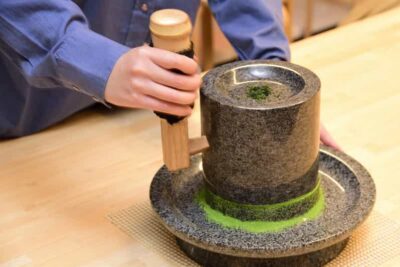
Tea Museum Tickets and Matcha Grinding Experience
Read our review →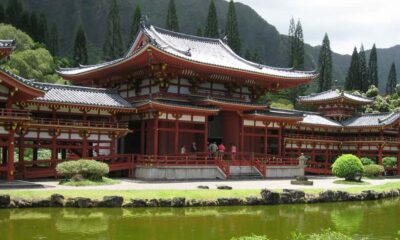
Green Tea Tour with Byodoin and Koshoji Temple Visits
Read our review →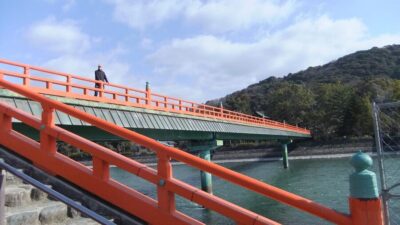
Slow Cycling Tour at Uji’s Matcha Green Tea Fields and Heritage
Read our review →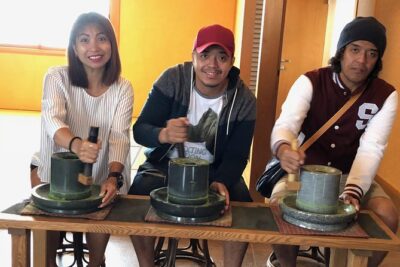
Uji and Wazuka Matcha Farm Half Day Private Guided Tour
Read our review →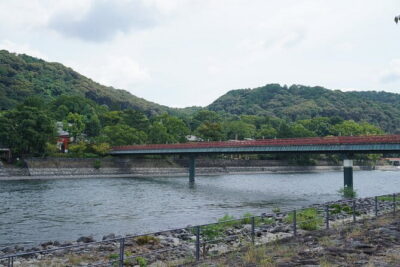
Uji Tea Ceremony and UNESCO Heritage Walking Tour
Read our review →
Browse the lists this tour appears in