
Review · UJI
Uji Tea Ceremony and UNESCO Heritage Walking Tour
Uji’s appeal comes into focus when you connect its Byodoin Temple, old shrines, bridges, and tea traditions on foot. This three-hour tour gives you that broad picture, then slows down for a traditional ceremony at Taihoan, where you learn how tea is prepared rather than simply ordering another matcha drink.
I like the mix of major sights and quieter walking, especially the included admission to Byodoin and the small group size of no more than nine people. I also like that guides such as Naoki, Maru, and Katsuhiko have helped visitors understand both Uji’s past and its tea culture, with useful suggestions for matcha shops after the tour.
The main consideration is the tea ceremony’s length. The schedule gives Taihoan 40 minutes, while the included details describe 30 minutes of ceremony time. One person found this part too short, so book this for a compact introduction, not a long formal lesson.
Key points to know before booking
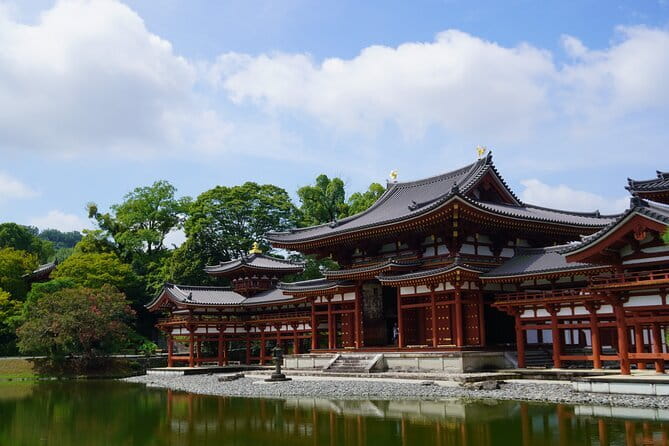
- Byodoin admission is included: You get time at Uji’s best-known UNESCO World Heritage site, including the famous Phoenix Hall.
- The tea ceremony is brief but hands-on: Taihoan offers a practical introduction to tea preparation in Uji, Japan’s great green-tea center.
- The group is capped at nine: That makes it easier to hear your guide and ask questions while walking.
- You cover several sights without rushing: The route includes temples, shrines, bridges, and tea stops in about three hours.
- Guides shape the experience: Naoki, Maru, Katsuhiko, Maru, and Nobumasa Myake are among the guides praised for clear explanations and friendly conversation.
- You finish near Uji Bridge: The end point puts you in a useful area for trying more green tea and local food on your own.
Why this Uji walking tour works
Uji is easy to visit from Kyoto, but its sights make more sense when someone explains the links between religion, court culture, tea, and the river. This tour keeps those threads together. You are not just walking from one photo stop to another. You are building a picture of why Uji became important.
The route is also well judged for a short visit. In three hours, you see Byodoin, take part in a tea ceremony, cross or view suspension bridges, visit Uji Shrine and Ujigami Shrine, and end near Uji Bridge. That is a fair amount of ground, but the schedule gives each major part a clear purpose.
You should expect a walking tour rather than a bus tour. The meeting point is at Uji Station at 9:45 a.m., and the end point is Uji Bridge. Hotel pickup and return are not included, so you need to make your own way to and from Uji. The area is near public transportation, which helps if you are staying in Kyoto.
More Tea Ceremony Experiences in Uji:
- Uji: UNESCO Heritage & Tea Ceremony Walking Tour
★ 4.6 · 54 reviews - Kyoto: Tea Ceremony in a Traditional Tea House in Kiyomizu
★ 4.9 · 3,519 reviews - Kyoto: Tea Ceremony Ju-An at Jotokuji Temple
★ 4.9 · 3,207 reviews
Byodoin Temple and the Phoenix Hall
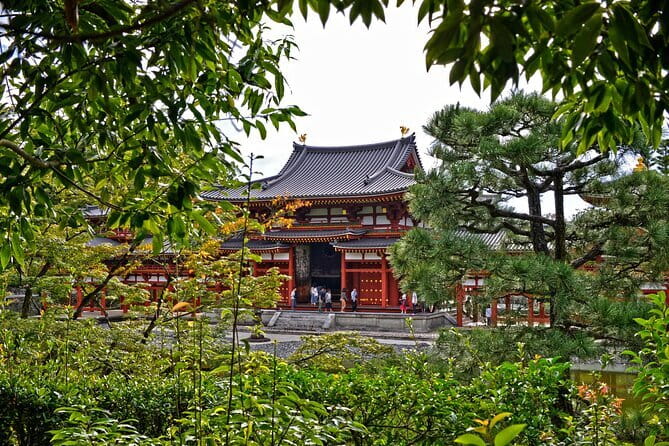
The tour begins with about an hour at Byodoin Temple, and this is the visual centerpiece. The temple is a UNESCO World Heritage site with more than 1,000 years of history. Its Phoenix Hall is the image most people associate with Uji, and seeing it with context is far better than making a quick visit alone.
The included entrance fee adds real value here. Byodoin is not just a brief outside photo stop. You have time to take in the temple grounds and the museum, an especially useful part of the visit if you want to understand the objects and art connected with the site.
A good guide can make a major difference at Byodoin. Nobumasa Myake was praised for explaining the temple and surrounding area clearly, while other guides have been noted for making the history easy to follow without turning the walk into a lecture. That matters because the architecture can be striking even when the background is unfamiliar.
Allow yourself to look closely. The Phoenix Hall is beautiful from a distance, but the pleasure is in noticing its balance, details, and setting. The tour’s hour gives you enough room to appreciate the place before moving on.
Taihoan and Uji’s tea tradition

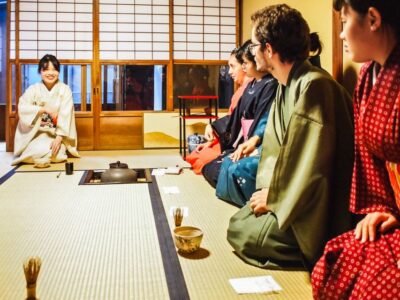
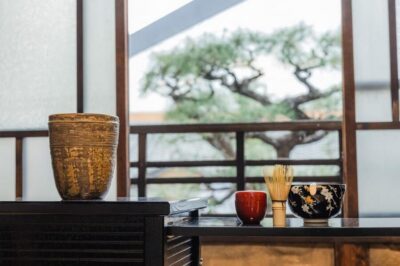
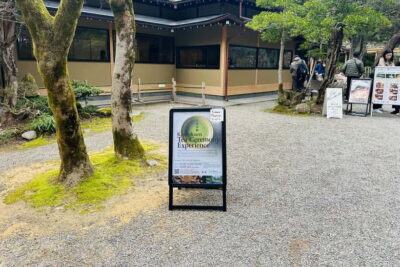
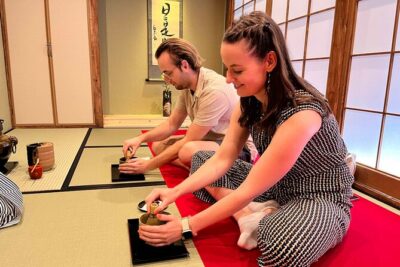
At Taihoan, you take part in a traditional Japanese tea ceremony. The setting connects the ceremony to Uji itself, described here as the birthplace of Japan’s green tea tradition. You learn how the tea is prepared and gain a better sense of the care behind a bowl of matcha.
This is not designed as a long specialist course. The ceremony portion lasts about 30 minutes, with the itinerary allowing 40 minutes at Taihoan. You can expect an introduction to the customs and preparation rather than an extended study of tea schools, utensils, or advanced technique.
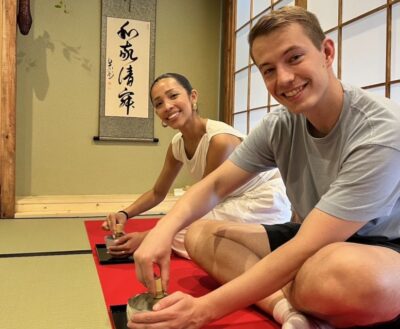
That shorter format is useful if you are curious but do not want to devote half a day to a formal ceremony. It also works well for families. One family found the ceremony particularly enjoyable for a child, and the pace was described as suitable for a group with children.
Still, set your expectations correctly. If the tea ceremony is your main reason for visiting Uji, you may want a longer, more specialized experience. Here, it is one important part of a wider walking tour. The strength is the combination: you learn about tea, then continue through the town where that tradition developed.
You also get a taste of Uji green tea and local delicacies during the route or near the final stop. Personal expenses are not included, so carry money if you want to buy additional sweets, drinks, or tea to take home.
Bridges, river views, and the quieter side of Uji
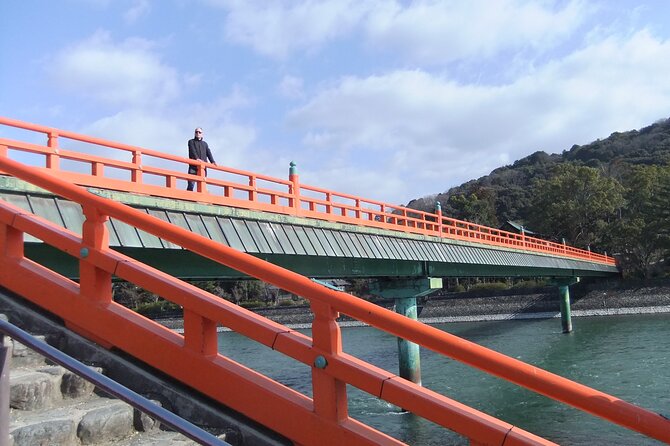
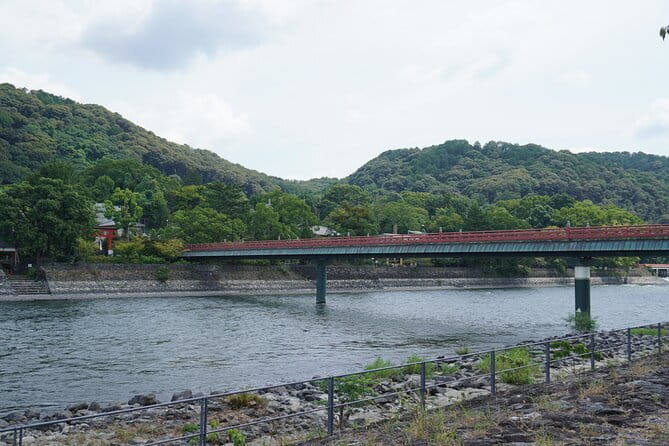
After the main temple and tea stop, the tour moves through Uji’s river setting. Asagiri Bridge and Tachibara Bridge provide short scenic pauses, with about 15 minutes set aside for views and photographs.
Do not expect a long nature walk here. These bridge stops are brief, but they break up the temple visits and give you a look at Uji beyond its historic buildings. The river and suspension bridges also help you understand the town’s layout as you move between the religious sites.
This is one reason the tour works better than a temple-only outing. You get changes of pace: architecture, tea, water, and streets. In autumn, the route can be especially attractive, and one family enjoyed the fall colors and the quieter areas along the way.
The short timing means you should be ready to keep moving. If you like spending 20 minutes at every viewpoint, this tour may feel brisk. If you want an efficient introduction to Uji, the pace is sensible.
More Heritage Tours in Uji:
- Slow Cycling Tour at Uji’s Matcha Green Tea Fields and Heritage
★ 5.0 · 25 reviews - World Heritage Kyoto & Nara Uji Authentic Matcha Experience
★ 5.0 · 1,573 reviews - Beijing Culture: Tea Ceremony, Heritage Instrument & Calligraphy
★ 5.0 · 57 reviews - Old Delhi’s heritage, Spice market, Masala Chai & food sampling
★ 5.0 · 30 reviews
Uji Shrine and Ujigami Shrine
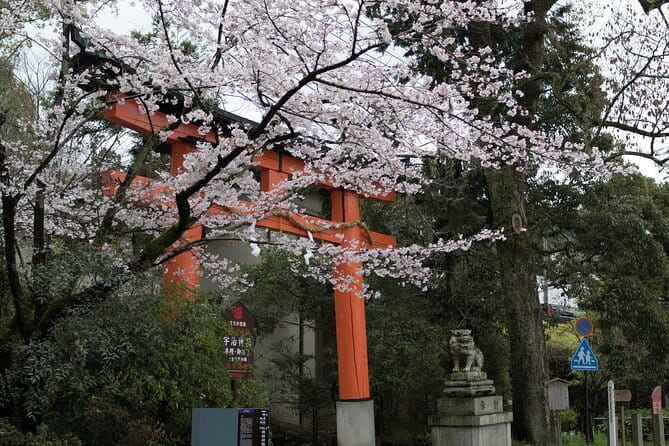
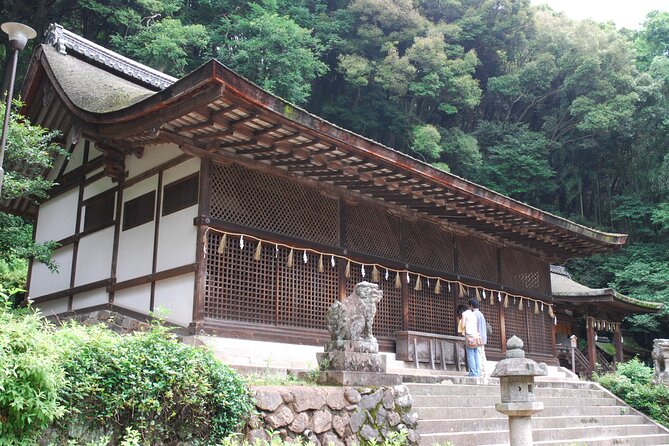
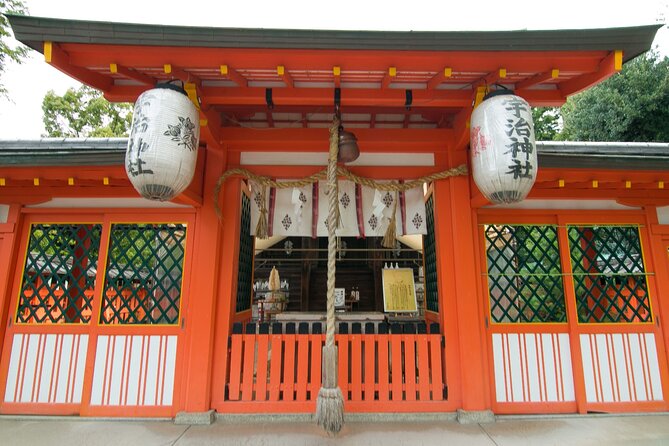
The walk continues to Uji Shrine and Ujigami Shrine, with about 20 minutes devoted to these historic sites. Their calmer atmosphere gives the tour a useful contrast with Byodoin.
A guide is valuable here because shrines can seem similar when you visit them without background. Your guide can explain their cultural role, point out details you might otherwise pass, and place them within Uji’s wider religious history.
The stop is not built around a long ceremony or extended free time. It is a focused visit. You will see the sites, hear why they matter, and continue along the route. That format suits someone who wants a well-shaped overview rather than a private, slow study of shrine architecture.
The walk also lets you notice the change in mood between the larger temple grounds and these more restrained sacred spaces. Uji’s appeal is partly in that contrast.
Ending at Uji Bridge with room for more tea
The tour ends around Uji Bridge after about 45 minutes in the final part of the route. This gives you time to experience the local food and green tea culture around one of Uji’s best-known public areas.
The end point is practical. You are not dropped at an isolated site. You can continue exploring on your own, return toward Uji Station, or follow your guide’s suggestions for matcha places. Naoki was specifically praised for recommending places to visit afterward, which is useful if you want to turn the tour into a fuller tea-focused afternoon.
I would treat the final stretch as an introduction, not a complete food tour. The tour includes a taste of local tea and delicacies, but it does not cover personal purchases or promise a long series of tastings. If you want more, use the advice you receive and plan extra time after the tour.
Guide quality and group size

The guide is one of the biggest reasons to book this experience. The tour is conducted in English, and several guides have earned praise for being friendly, funny, clear, and easy to talk with. Katsuhiko was also noted for prompt communication before the tour, which can make the morning less stressful.
A maximum of nine people is a useful middle ground. You get the social feel of a group walk without the crowd of a large coach tour. You can usually hear explanations more easily, and there is a better chance to ask about tea, temples, food, or places to visit later.
The guide style appears to vary a little by person, but the consistent strength is explanation. This is not simply a route through pretty places. The best guides help you connect each stop to Uji’s culture and past.
The tour has also worked for families with children. The schedule covers a lot, but it is not presented as an exhausting full-day outing. Still, children who need frequent breaks may find the steady walking and short stop times demanding.
Is $70 a fair price?
At $70 per person, the value depends on what you would otherwise arrange yourself. The fee includes an English-speaking guide, admission to Byodoin, and the tea ceremony. You are also paying for a planned route and local orientation across several sites.
That is reasonable if you want context. Byodoin admission alone does not explain the town, and visiting the tea ceremony without a guide may not give you the same sense of why Uji’s tea culture matters. The small group adds to the value.
It is less compelling if you prefer to move slowly, spend a long time at one temple, or choose every tea shop yourself. You also need to pay for your transport to Uji, hotel pickup is not provided, and extra food or shopping comes out of your pocket.
Group discounts may be available, which could improve the price for families or friends booking together. The tour has had more than 10 bookings in the past month and is rated 4.9 from 20 reviews, with 100 percent recommending it. Those figures suggest strong satisfaction, but the tea ceremony length remains the one point to weigh carefully.
Who should book this tour?
I would recommend it to first-time visitors to Uji who want a clear introduction in half a day. It is especially good for people staying in or near Kyoto who want to see another town without building a complicated plan.
It also suits you if you want:
- A balance of temples, shrines, bridges, and tea culture
- An English-speaking guide who explains cultural meaning
- A small group rather than a large organized outing
- A family-friendly introduction to the tea ceremony
- Suggestions for matcha shops after the tour
- Included entry to Byodoin Temple
You may want a different plan if you have already seen Byodoin and want a deep study of tea ceremony practice. You may also prefer independent travel if you want to linger, shop, or photograph each site at your own speed.
The tour requires reasonably good weather. If poor weather cancels it, you are offered another date or a full refund. You can cancel for a full refund up to 24 hours before the 9:45 a.m. start, but changes or cancellations inside that window are not accepted.
My booking verdict for Uji
Book this tour if you want Uji to make sense, not just look pretty. The combination of Byodoin, a short tea ceremony, sacred sites, river bridges, and practical local advice gives you a strong three-hour introduction.
The deciding question is simple: do you want a broad cultural walk or a long tea lesson? If you choose the first, $70 is a fair price for the guiding, entrance fee, and small group format. If you choose the second, look for a dedicated tea ceremony with more time. For most visitors making a first trip to Uji, this tour offers a useful balance and a good way to get your bearings fast.
FAQ
Where does the tour start?
It starts at Uji Station in Uji, Kyoto, at 9:45 a.m. The listed station address is 17 Uji Umonji, Uji, Kyoto 611-0021, Japan.
Where does the tour end?
The tour ends at Uji Bridge, Otsukata, Uji, Kyoto 611-0021, Japan.
How long does the experience last?
The tour lasts approximately three hours.
Is admission to Byodoin Temple included?
Yes. Entrance to Byodoin Temple is included in the tour price.
Is the tea ceremony included?
Yes. The experience includes a tea ceremony at Taihoan. The included details specify 30 minutes of tea ceremony time, while the itinerary allows 40 minutes at Taihoan.
Is the tour conducted in English?
Yes. An English-speaking guide is included.
How many people can join the group?
The tour has a maximum of nine participants.
Can I cancel for a full refund?
Yes, if you cancel at least 24 hours before the experience start time. Cancellations made less than 24 hours in advance are not refunded. If poor weather causes the tour to be canceled, you are offered a different date or a full refund.
More Walking Tours in Uji
- Great Ocean Road Tour Plus Koalas, Forest Walk and Morning Tea
★ 4.5 · 1,068 reviews - Great Ocean Road 12 Apostles & Rainforest Walk with Morning Tea
★ 4.5 · 549 reviews - London: Kensington Palace Afternoon Tea & Guided Walk
★ 4.6 · 341 reviews - Notting Hill Walking Tour with Cream Tea
★ 5.0 · 319 reviews
Just added around Uji
- Kyoto tea town for matcha lovers★ 5.0 · 16 reviews
- Uji: Private immersion into Kyoto’s tea and reglious culture★ 5.0 · 17 reviews
- Uji and Wazuka Matcha Farm Half Day Private Guided Tour★ 5.0 · 21 reviews
- Utilising upcycled Matcha! Creating matcha incense (Uji, Kyoto)★ 5.0 · 6 reviews
- Kyoto Matcha Green Tea Tour★ 4.5 · 23 reviews
- 7 Hours Private Guided Tour Uji and Wazuka Matcha Farm★ 5.0 · 2 reviews
- Half Day Matcha Tour in Uji, home of culture, with a local★ 4.8 · 14 reviews
- Kyoto: Tea Museum and Tsuen Teahouse Guided Tour★ 5.0 · 2 reviews
Tea Ceremony Experiences, compared.
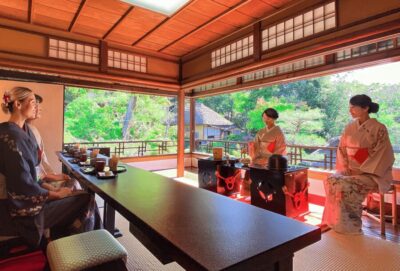
Tea Ceremony in a Traditional Tea House in Kiyomizu
Read our review →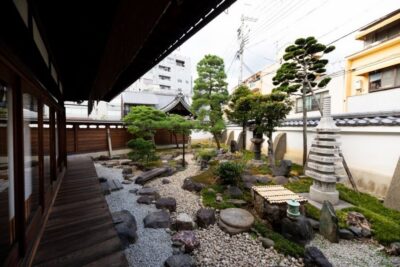
Browse the lists this tour appears in