
Review · UJI
Kyoto: Tea Museum and Tsuen Teahouse Guided Tour
Uji’s tea story comes alive in two very different places: the modern Chazuna Museum and Tsuen, a teahouse serving tea beside Uji Bridge since 1160. You move from hands-on displays about growing and processing tea to a room shaped by centuries of hospitality.
I like the sharp contrast between the stops, and I like that the tea lesson ends with something you can taste. The guide also adds value by explaining how tea fits into Japanese life rather than treating it as just a drink. The main consideration is time: 90 minutes gives you a focused introduction, not a long tea ceremony or a full day in Uji.
Key points
- Chazuna makes tea easy to understand: Modern exhibits, multimedia material, and hands-on displays explain cultivation, processing, and daily use.
- Tsuen dates to 1160: This historic teahouse has served people at the foot of Uji Bridge for more than eight centuries.
- Tea and sweets are included: The tasting gives the museum lesson a pleasant, practical finish.
- Your guide speaks English or Japanese: The tour is offered as a private group experience.
- The route is compact: One hour at Chazuna and 30 minutes at Tsuen keeps the visit simple to fit into a day in Uji.
- Teppei may be your guide: A family booking specifically found him kind and accommodating, a useful detail for anyone seeking a warm, personal introduction to tea.
Starting with Uji’s modern tea museum
Meet your guide in front of the entrance to Chazuna, officially called the Tea and Uji Town Exchange Center. Look for a yellow sign marked DeepExperience. That simple meeting point matters because the tour begins at the museum rather than at a train station or a general city landmark.
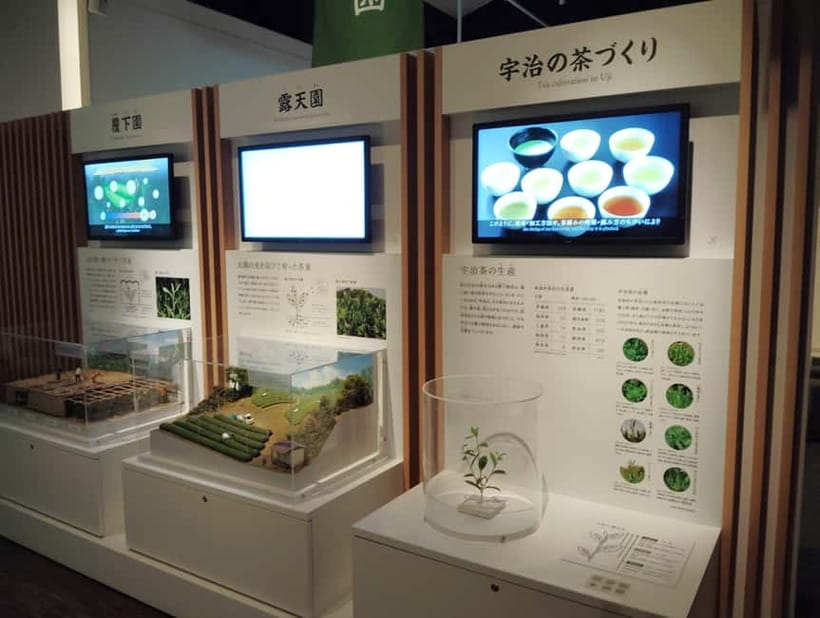
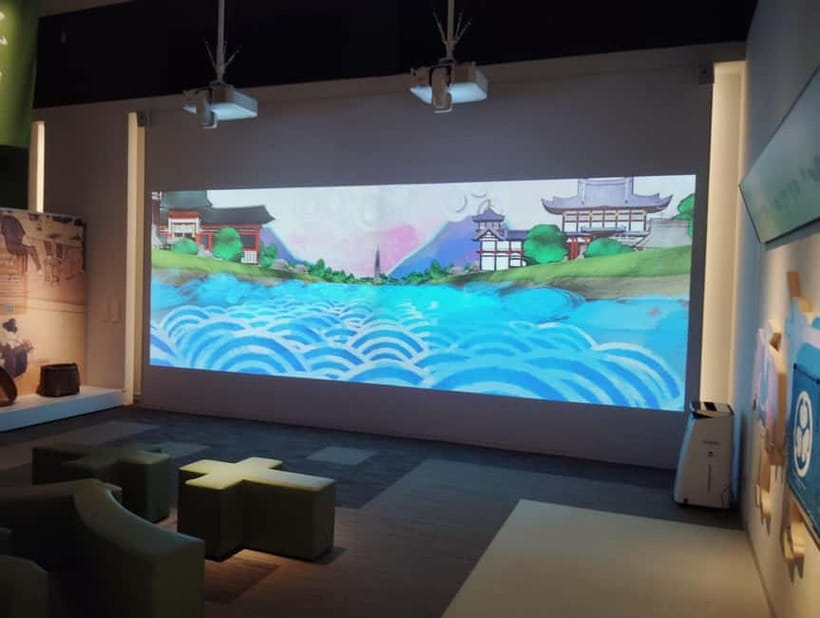
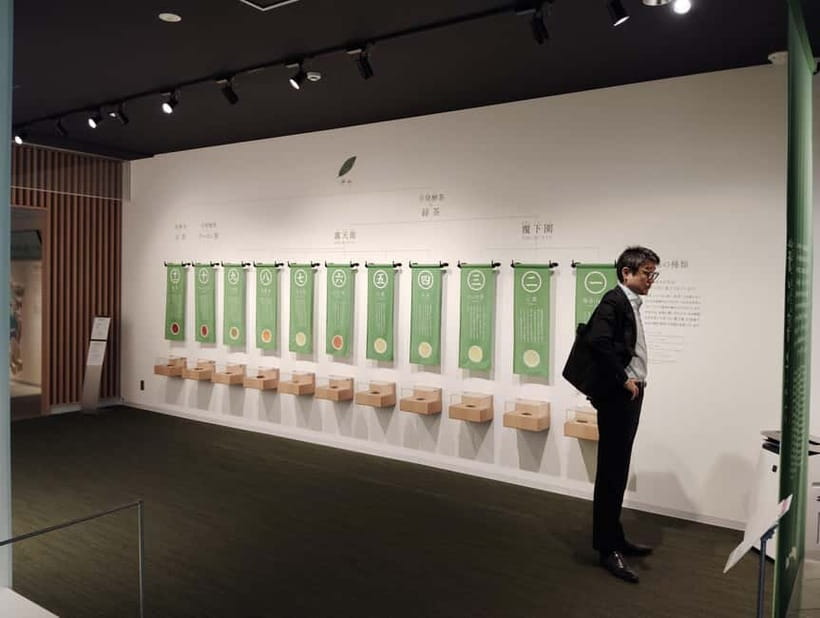
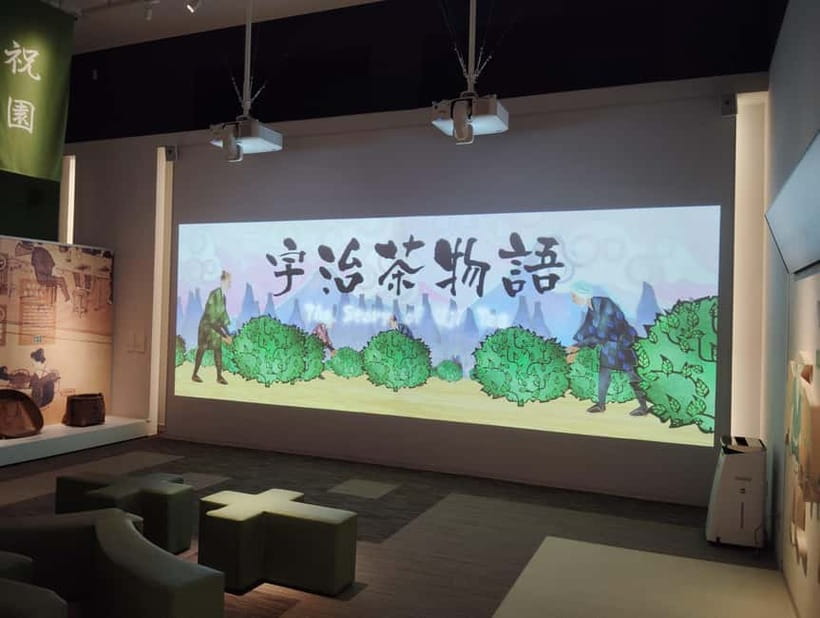
Chazuna is not built like a quiet display room filled with labels. Its design draws on the relationship between tea and nature, with a calm modern style that gives the visit a sense of order. You get an introduction to Uji tea through multimedia material, hands-on displays, and exhibits that explain how tea moves from plant to finished drink.
The first hour gives you the best chance to understand the work behind a cup of Japanese tea. You learn about cultivation, including the role of Uji as a major tea-producing area, then follow the basic stages of processing. That context helps you notice the difference between tea as an everyday drink and tea as a carefully shaped part of Japanese culture.
I find this kind of museum visit useful because it gives you a framework before the tasting. Without it, tea can seem like a collection of unfamiliar names and formal customs. With it, you can connect the color, aroma, preparation, and presentation of tea to the farming and craft that came earlier.
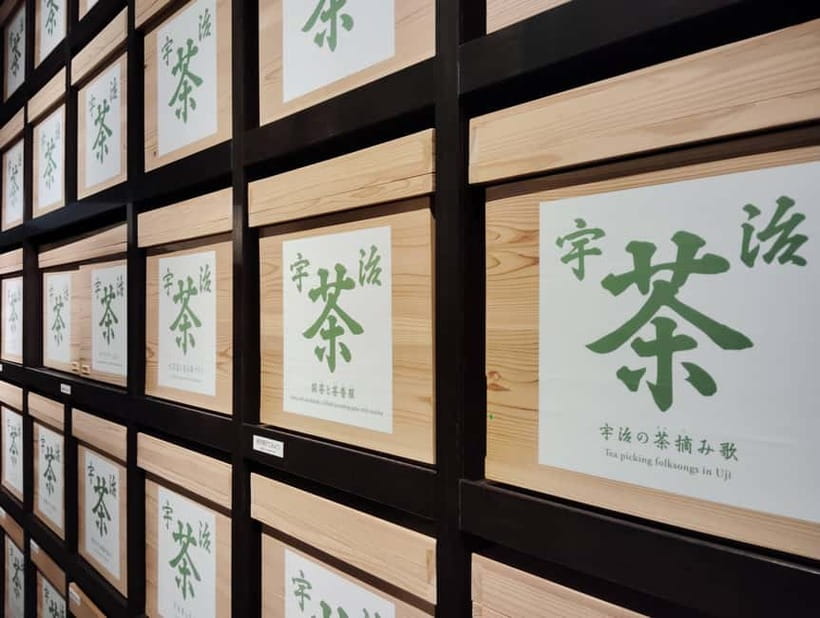
The museum also explains tea’s place in Japanese life and tradition. The focus is not only on production. You get a sense of tea as a social practice, a form of hospitality, and an activity tied to ideas of harmony and attention.
The hands-on parts should appeal to families and anyone who prefers learning by seeing and doing. Children may find the interactive displays easier to follow than a long historical explanation, while adults can focus on the connection between agriculture, trade, culture, and daily routines.
One limitation is that the available details do not promise a full tea-making workshop at Chazuna. You should think of this stop as a guided museum visit with interactive learning, not as a lengthy practical class where you prepare several kinds of tea yourself.
A few more tea experiences around Uji worth a look
- Kyoto: Tea Museum Tickets and Matcha Grinding Experience
★ 4.9 · 739 reviews - Afternoon Tea at the British Museum
★ 4.2 · 511 reviews - Private Abu Dhabi Sheikh zayed mosque with Louver Museum & Emirates Place Tea
★ 5.0 · 173 reviews
From museum exhibits to an eight-century teahouse
After about an hour, you walk to Tsuen’s main branch for the final 30 minutes. The shift in mood is the heart of the experience. Chazuna is clean-lined and contemporary, while Tsuen offers an older setting at the foot of Uji Bridge.
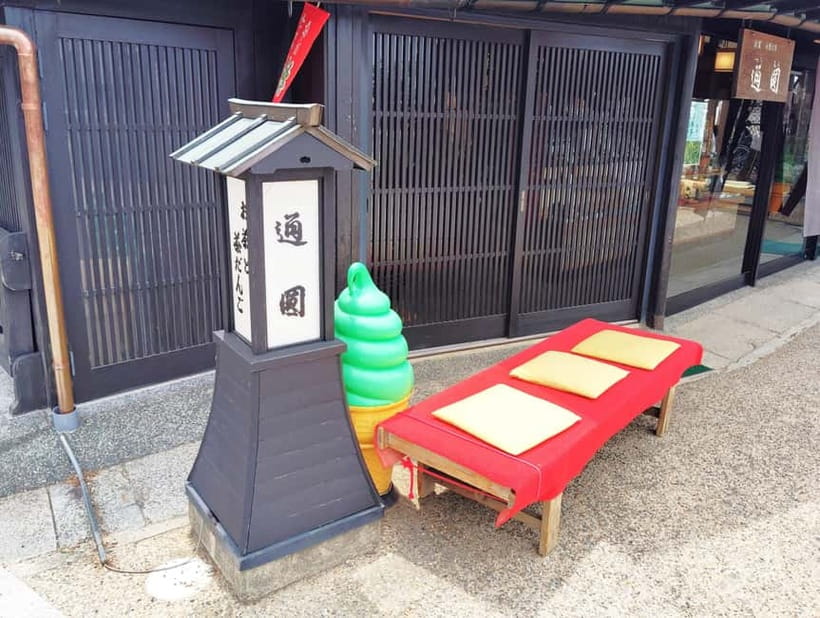
Tsuen was founded in 1160 and has served tea to people crossing through Uji for more than 800 years. Its long list of visitors includes samurai, monks, and emperors. That detail is not just a date to memorize. It explains why the building feels tied to movement, travel, and welcome.
You enter a place that has served people for generations, rather than a museum display about the past. The old doors and timeworn character give the visit a direct connection to Uji’s tea tradition. I like that the tour does not leave history behind in a glass case. You finish by sitting with tea and sweets in a working teahouse setting.
Tsuen also introduces the idea of omotenashi, the Japanese practice of thoughtful hospitality. Here, the concept is practical. It appears in the way tea is presented, in the care given to a short visit, and in the sense that offering refreshment is part of welcoming someone into the town.
The 30-minute stop is brief, so keep your expectations in line. You are not getting an extended tea ceremony with every formal movement explained. Instead, you get a compact visit, a guided account of Tsuen’s past, and a tasting that lets you experience the setting through taste as well as sight.
What the tea and sweets add
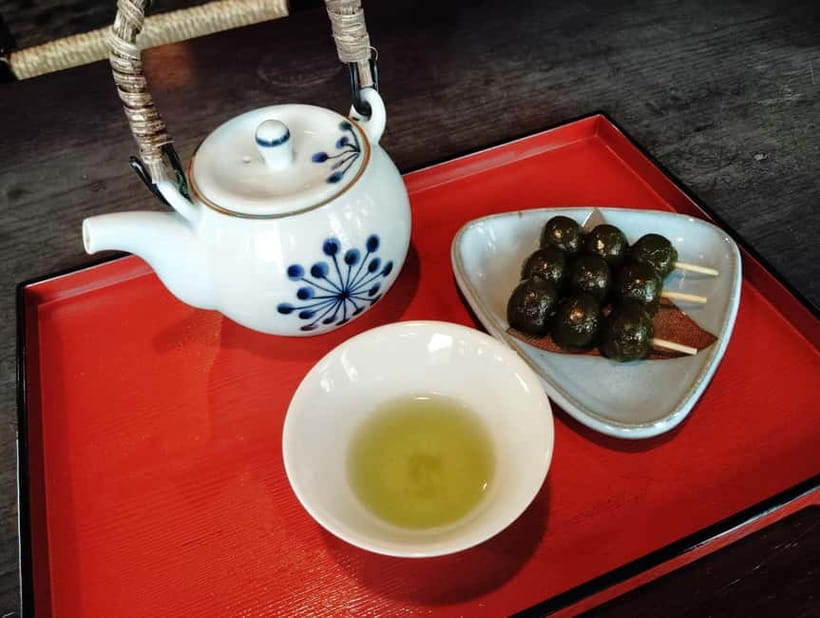
Tea and traditional tea sweets are included in the price. This is more important than it may sound. A museum can explain tea clearly, but tasting it at Tsuen turns an idea into a memory.
The tasting also gives your guide a natural opening to discuss how tea is served and enjoyed. You can ask questions about Uji tea, the teahouse, and the customs connected with hospitality. Since the tour is private, the conversation can be shaped around your interests instead of following the pace of a large group.
The provided details do not specify the exact tea variety or sweets served. That is useful to know before booking, especially if you have a strong preference for a certain tea or need to check ingredients. The safe expectation is a traditional tea and sweet tasting, not a full meal or a broad sampling menu.
One family booking singled out the tea house items as delicious and found the guide, Teppei, kind and accommodating. If Teppei leads your tour, you can expect a friendly approach that should work well for families or anyone who prefers a relaxed introduction rather than a stiff lecture.
Why the private format matters
The tour is offered for a private group, with English and Japanese available. That format is one of the strongest reasons to consider the $68 price.
A private guide can spend more time on the parts that interest you. You might want to ask about growing tea, focus on the age of Tsuen, or keep the explanation simple for children. The provided information does not give a maximum group size, so I would confirm the exact number allowed when booking if that affects your decision.
The private setting may also make the tasting feel more comfortable. Tea customs can seem formal when you are unsure what to do. A guide can explain the setting without making you feel as if you are being tested.
The tradeoff is that private tours often cost more per person than a large shared group. At $68 per person, this is not the cheapest way to see Uji. You are paying for a guide, two contrasting stops, a tasting, and the chance to ask questions in a private setting.
I think the price is reasonable for visitors who want cultural context in a short block of time. It is less compelling if you only want to drink tea, browse a museum on your own, or spend hours exploring Uji’s other sights.
Same place, a different pot:
- Uji: Green Tea Tour with Byodoin and Koshoji Temple Visits
★ 4.8 · 72 reviews - Uji: UNESCO Heritage & Tea Ceremony Walking Tour
★ 4.6 · 54 reviews - Slow Cycling Tour at Uji’s Matcha Green Tea Fields and Heritage
★ 5.0 · 25 reviews - Kyoto Matcha Green Tea Tour
★ 4.5 · 23 reviews
The 90-minute schedule and its limits
The timing is easy to understand: one hour at Chazuna, followed by 30 minutes at Tsuen. The tour begins at Chazuna and ends at Tsuen Main Branch, so you finish in a different place from where you started.
That route works well if you plan to continue exploring Uji afterward. The end point is at Tsuen, not back at the museum, so you should account for that when planning the rest of your day. The information provided does not state the walking distance between the two stops, but the itinerary identifies walking as part of the experience.
Ninety minutes is enough for a clear introduction. It is not enough for a slow, reflective visit to both places, especially if you want many photographs or a long conversation. Arrive ready to keep moving between the museum sections and allow the guide to manage the pace.
The compact schedule is also helpful for families, first-time visitors, and anyone fitting Uji between other plans. You get a complete theme without surrendering half a day.
Who will get the most from this experience
I would recommend this tour to anyone who wants to understand why Uji is linked so strongly with tea. It suits first-time visitors who want a guide to connect local production, Japanese tradition, and a historic teahouse.
Families should find the mix of interactive museum displays, walking, history, tea, and sweets easy to handle. The positive experience described by a family booking, particularly the kind and flexible approach of Teppei, makes this a sensible option for parents who want a cultural activity without a long formal ceremony.
Tea lovers will appreciate the chance to see both the production story and the serving tradition. The visit is also a good fit for people who enjoy architecture and historic buildings, since Chazuna offers modern design while Tsuen provides an older setting.
You may want something else if your main goal is an expert-level lesson on tea grades, a formal tea ceremony, or a hands-on session where you prepare tea yourself. Those details are not promised here. This experience is a broad, welcoming introduction.
Practical details before you book
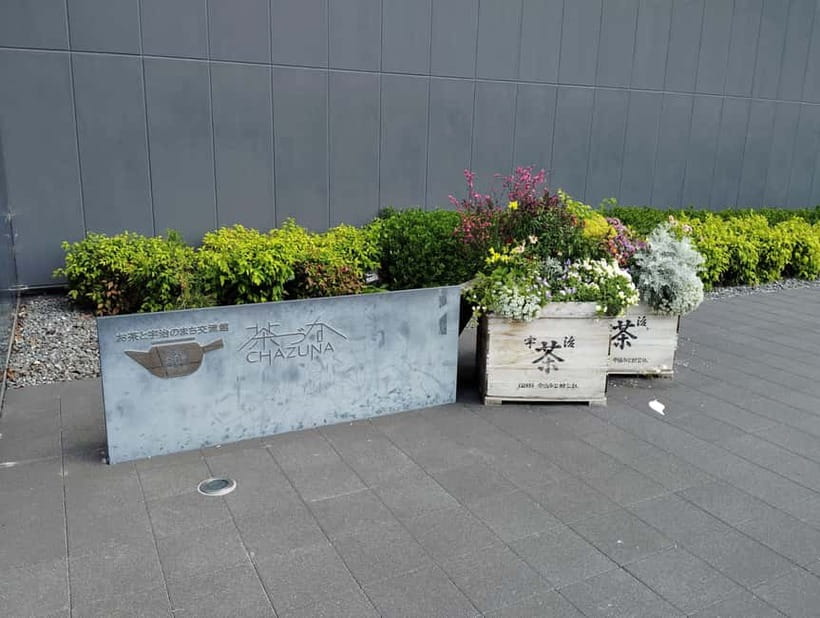
The meeting point is in front of Chazuna’s entrance. Your guide carries a yellow DeepExperience sign, and the tour is provided in English or Japanese.
The price is $68 per person. You can reserve now and pay later, and cancellation is free up to 24 hours before the start time. Starting times vary, so check availability before building the rest of your Uji plans around the visit.
The activity is based in Uji, not central Kyoto. That distinction matters when you plan your day. The tour is best paired with other Uji sights, rather than treated as a quick stop you can easily squeeze into any Kyoto neighborhood itinerary.
The experience provider is DeepExperience, Inc. The tour lasts 1.5 hours, uses a private-group format, and includes a professional local guide, entry to Chazuna and Tsuen, plus tea and sweets.
Should you book the Chazuna and Tsuen tour?
Book it if you want a short, guided introduction to Uji that combines modern exhibits with a historic teahouse. The strongest features are the clear two-part route, the included tasting, and the private guide who can explain both the facts and the customs.
At $68, it offers good value for visitors who would otherwise struggle to make sense of tea production and Japanese tea culture on their own. I would skip it if you want a long ceremony, detailed tasting notes, or a full day devoted to tea.
For most people, the key question is simple: do you want to understand Uji tea as well as taste it? If yes, this focused 90-minute visit makes a sensible addition to a Uji day.
FAQ
Where does the tour begin?
The tour begins in front of the entrance to Chazuna, the Uji Tea Museum. Your guide will hold a yellow sign marked DeepExperience.
Where does the tour end?
The tour ends at Tsuen Main Branch, also written as 通圓本店.
How long does the experience last?
The tour lasts 90 minutes, or 1.5 hours.
What languages are available?
The live guide is available in English or Japanese.
Is this a private tour?
Yes. The experience is offered as a private group tour.
What places are included?
The tour includes Chazuna, the tea museum, and Tsuen, one of Japan’s oldest teahouses.
Is tea included?
Yes. Tea and tea sweets are included at the traditional teahouse.
How much does the tour cost?
The listed price is $68 per person.
Can I cancel for a full refund?
Yes. You can cancel up to 24 hours in advance for a full refund.
Can I reserve now and pay later?
Yes. The booking option allows you to reserve your place and pay later.
Just added around Uji
- Kyoto tea town for matcha lovers★ 5.0 · 16 reviews
- Uji: Private immersion into Kyoto’s tea and reglious culture★ 5.0 · 17 reviews
- Uji and Wazuka Matcha Farm Half Day Private Guided Tour★ 5.0 · 21 reviews
- Uji Tea Ceremony and UNESCO Heritage Walking Tour★ 5.0 · 20 reviews
- Utilising upcycled Matcha! Creating matcha incense (Uji, Kyoto)★ 5.0 · 6 reviews
- Kyoto Matcha Green Tea Tour★ 4.5 · 23 reviews
- 7 Hours Private Guided Tour Uji and Wazuka Matcha Farm★ 5.0 · 2 reviews
- Half Day Matcha Tour in Uji, home of culture, with a local★ 4.8 · 14 reviews
Museums, compared.
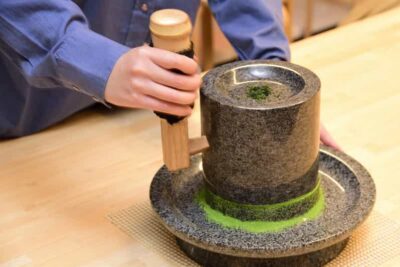
Tea Museum Tickets and Matcha Grinding Experience
Read our review →

Private Abu Dhabi Sheikh zayed mosque with Louver Museum & Emirates Place Tea
Read our review →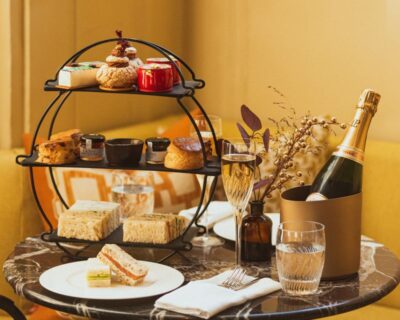

Official National Gallery Highlights Tour and Afternoon Tea
Read our review →
Seftel Gallery Art Experience – Meet the Artist near Santa Fe
Read our review →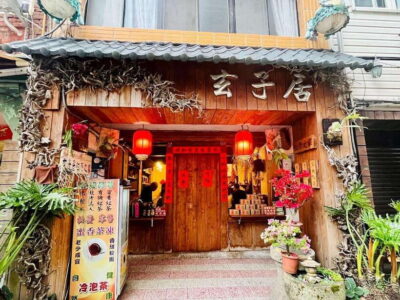
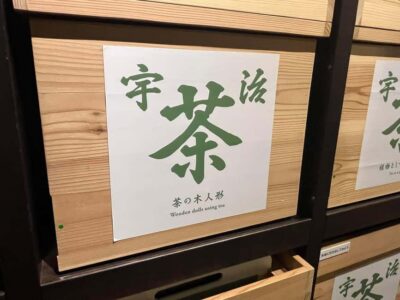
Browse the lists this tour appears in