
Review · UJI
Kyoto tea town for matcha lovers
Uji is Japan’s matcha town, and this tour gets past the green sweets. You’ll walk through old streets, visit tea shops and fields, learn about tea production, grind your own matcha, and take part in a traditional ceremony. I especially like the hands-on matcha workshop and the chance to meet local tea merchants rather than simply buy a tin in a souvenir shop.
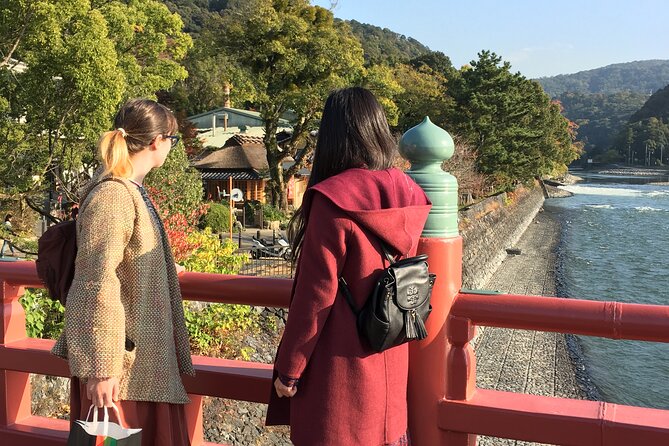
I also like the small-group setup, capped at seven people, and the personal guiding from Terumi, who is praised for answering questions, taking photos, adjusting the pace, and helping with translation. The main drawback is price: at $157.65 per person, this is not a casual stroll. Five hours of walking in June heat can also feel long, so bring water and wear comfortable shoes.
What makes this Uji tour worth considering
- You grind your own matcha before drinking it, turning tea preparation into a real activity rather than a tasting alone.
- Terumi guides the day personally, with a calm, helpful style suited to questions and family groups.
- Tsuen Main Branch is more than a tea stop, with a history of more than 850 years and matcha rice cake skewers to try.
- The day covers several sides of Uji, including shrines, tea shops, tea fields, local merchants, a tea-making workshop, and a tea ceremony.
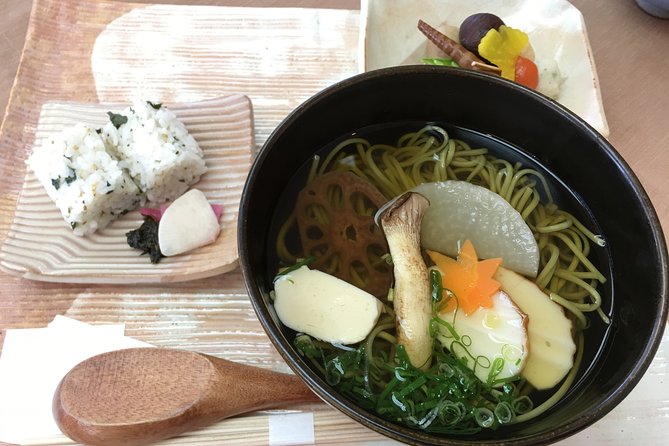
- Lunch features tea dishes, giving you a taste of how tea can appear in Japanese cooking.
- The group stays small, with no more than seven people, which matters during tastings and hands-on activities.
Why Uji is the right place for a matcha tour
Uji sits near Kyoto and is closely linked with Japanese tea. Here, tea is not just a flavor added to cookies and ice cream. It is part of local work, trade, hospitality, and daily culture.
That makes Uji a better setting for this experience than a standard tea workshop in a city hotel. You see the town where tea is sold, learn how matcha is prepared, and visit places connected with the area’s religious and cultural life. The tour also includes some of Uji’s older shrines, so you get a broader sense of the town instead of spending the whole morning indoors.
The focus is matcha, but the experience is not only for experts. You do not need to know the difference between tea grades before arriving. Terumi explains the process as you go, and the small group gives you room to ask basic questions without feeling rushed.
More Matcha Experiences in Uji:
- Kyoto: Tea Museum Tickets and Matcha Grinding Experience
★ 4.9 · 739 reviews - Slow Cycling Tour at Uji’s Matcha Green Tea Fields and Heritage
★ 5.0 · 25 reviews - Kyoto Matcha Green Tea Tour
★ 4.5 · 23 reviews
Starting at Uji Station at 9:30 a.m.
The tour begins at Uji Station at 9:30 a.m. and ends back at the same meeting point. That simple arrangement is useful if you are building a day around Uji, since you are not left trying to find your way back from an unfamiliar tea house.
The experience lasts about five to five and a half hours. That is enough time for a full introduction to Uji, but it is also a substantial morning and early afternoon on foot. A moderate level of physical fitness is recommended. The walking itself is not presented as strenuous, but you should expect to move between shrines, shops, tea-related sites, and the tea house.
Weather matters. The tour can be canceled in poor weather, with a different date or full refund offered. On a clear summer day, heat is the bigger concern. One June visit felt hot for walking, so light clothing, water, sun protection, and comfortable shoes are sensible choices.
Uji Shrine and the first look at town
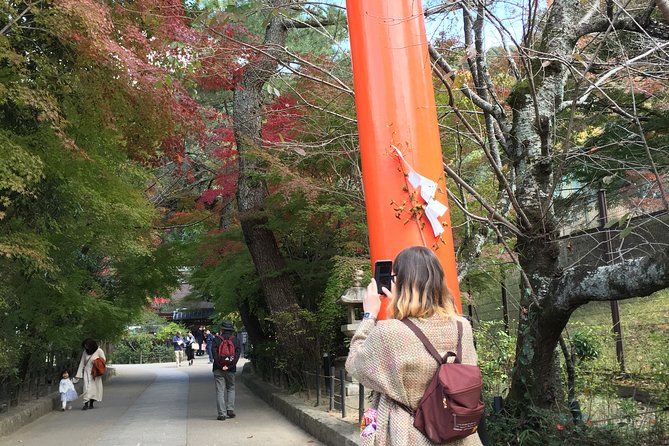
The first listed stop is Uji Shrine, with about 20 minutes set aside and no admission charge. This gives the morning a quiet start before the food and tea tasting begin.
The shrine visit also places tea within a wider setting. Uji is known for its water, and the opening stop introduces the town as more than a shopping district. Terumi can explain the local background as you walk, connecting the shrine, the town, and the role of tea in Uji.
Twenty minutes is not enough for a long, detailed shrine visit. That is worth knowing if you want to study every building or spend time taking photographs. The benefit is that the stop does not consume the whole tour. You get a taste of Uji’s religious side, then move on to the tea businesses that make the town famous.
Tsuen Main Branch and matcha rice cake skewers
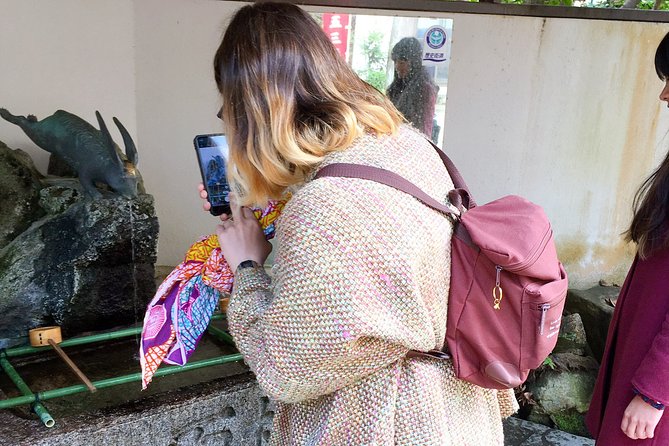
Tsuen Main Branch is one of the most distinctive stops. The shop is more than 850 years old, making it a direct link to Uji’s long tea trade. You are given time to try matcha rice cake skewers made with pure matcha powder.
The stop is short, about 10 minutes in the listed schedule, so think of it as a focused tasting rather than a long shopping visit. The matcha flavor appears in a familiar Japanese sweet, which makes the stop easy to enjoy even if you are new to powdered tea.
This is also where the tour starts to show its balance. You are not only looking at old buildings or listening to facts. You taste something made locally, hear why the ingredient matters, and continue through the town with a better sense of what you are sampling.
If you hope to buy a large amount of tea or sweets, ask Terumi about the best timing. The schedule includes several tea shops and local stores, but the exact amount of free shopping time can depend on the group and the day.
A few more tea experiences around Uji worth a look
- Uji: Green Tea Tour with Byodoin and Koshoji Temple Visits
★ 4.8 · 72 reviews - Uji: UNESCO Heritage & Tea Ceremony Walking Tour
★ 4.6 · 54 reviews - Uji Tea Ceremony and UNESCO Heritage Walking Tour
★ 5.0 · 20 reviews - Uji: Private immersion into Kyoto’s tea and reglious culture
★ 5.0 · 17 reviews
From tea fields to the making of matcha
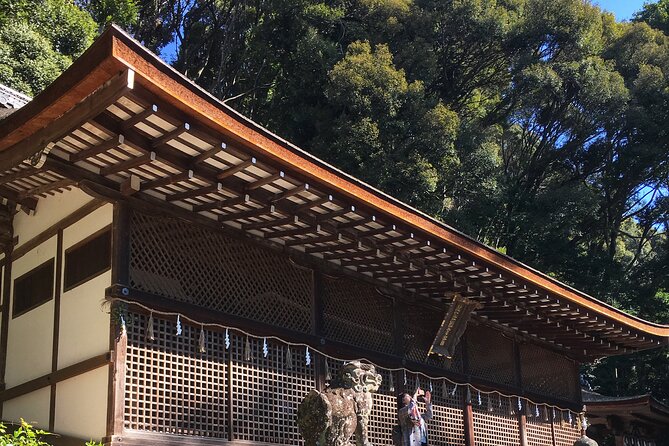
The strongest part of the experience is the connection between finished tea and the work behind it. The route includes tea fields and tea-related sites, along with a matcha-making workshop. The workshop lets you grind tea yourself with a stone mill before preparing it to drink.
That detail changes the experience. Matcha can seem like a simple powder when it arrives in a bowl or dessert. Grinding it by hand shows that preparation takes care and patience. You get a physical sense of how the tea reaches the cup, rather than treating matcha as just another flavor.
The tour also offers a look at tea production in Uji, including a visit connected with one of the oldest tea farms in the area. The supplied details do not specify how long you spend in the fields or exactly what part of production you see, so I would treat this as an introduction rather than a technical farming course.
Still, this is valuable for anyone who wants more than a tasting. You learn where tea fits into Uji’s economy and local identity, while seeing the difference between a finished product and the steps needed to prepare it.
Tea dishes for lunch
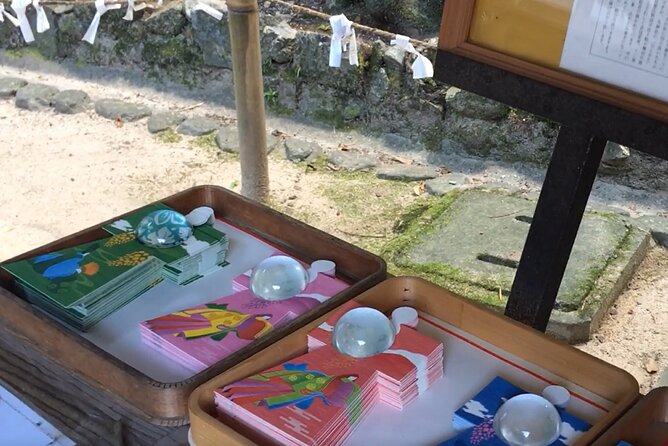
Lunch is served at a famous tea house, where you enjoy tea dishes. This is one of the more unusual parts of the day because it moves tea from the cup to the plate.
The details of the menu are not fixed in the information provided, so do not book this expecting a specific dish. The point is to try food made with tea and to see how the ingredient works in Japanese cooking.
For me, this helps break up a morning of sweets and drinks. Matcha treats can be excellent, but a half-day centered on tea needs a proper meal. The tea-house setting also keeps lunch tied to the main subject instead of feeling like an unrelated restaurant stop.
If you have strict dietary needs, ask before booking. No special dietary arrangements are listed, and the menu may vary.
A traditional tea ceremony to finish the day
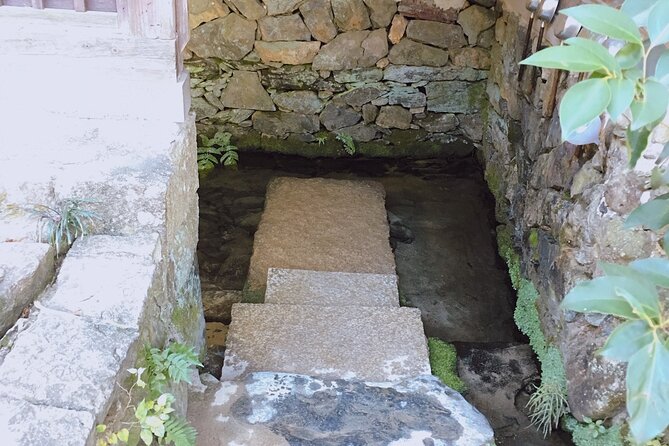
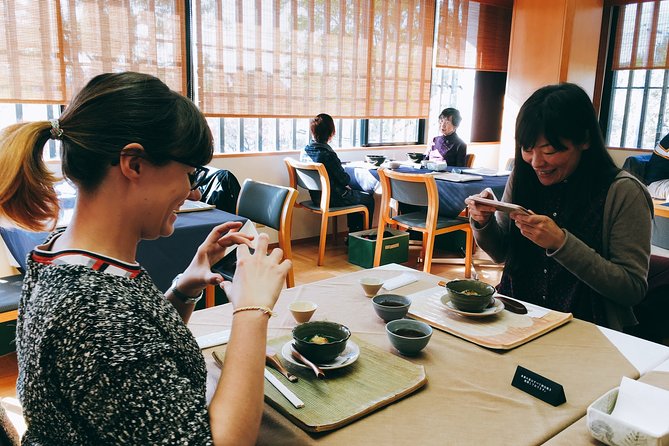
The traditional Japanese tea ceremony is the tour’s main cultural experience. You visit a traditional tea house and learn how the ceremony works, rather than only watching a demonstration from a distance.
The ceremony rewards patience. It is structured, deliberate, and more about attention than speed. Terumi can explain the meaning behind the movements and objects, including the role of tea utensils and pottery. Several accounts of the experience point to the way she connects the ceremony with broader Japanese culture.
You should not expect a quick photo opportunity. The ceremony is intended to be an authentic cultural activity, and its slower pace may be a welcome change after walking and tasting. If you prefer casual food stops and independent wandering, this portion may feel formal. If you want context for one of Japan’s best-known traditions, it is a strong reason to choose this tour.
The day may also include time at historic shops and meetings with local merchants. Terumi’s ability to explain and translate is especially useful here. One participant even continued to a tea shop after the tour with her help as an interpreter. That kind of assistance can make shopping less confusing, though it should not be treated as a guaranteed extra stop.
Terumi and the value of a small group

Terumi is repeatedly praised for her warmth, patience, and ability to explain tea, shrines, pottery, and local customs. More important than a long list of facts, she appears to adjust the day to the people in front of her.
That matters in a tour built around tasting and questions. You may want to know why one tea tastes different from another, how matcha is ground, or what a gesture in the ceremony means. A group of no more than seven makes those questions practical.
The small group also helps with photographs and pacing. Terumi has taken pictures along the route and has been willing to slow down for the group. That is useful for families, couples, and anyone who wants a personal introduction instead of a large guide-led march.
The tradeoff is that the experience depends partly on the guide and the group. A small group is usually more personal, but the pace may shift according to other participants. The published feedback is uniformly positive, with a 5.0 rating from 16 reviews and a 100 percent recommendation rate. That is a good sign, though it is still wise to choose the tour for its subject and format, not just its score.
Is $157.65 a fair price?
At $157.65 per person, this is expensive for a five-hour walking tour. You are paying more than you would for a self-guided visit to Uji’s shrine, tea shops, and riverside streets.
The value comes from the number of separate elements packed into the day: a personal guide, matcha tasting, tea fields, a hands-on grinding workshop, tea dishes, a traditional ceremony, historic tea businesses, and help understanding local culture. Recreating that combination independently would require research, reservations, and confidence navigating Japanese-language settings.
I would consider the price fair if matcha and Japanese tea culture are central interests for you. It is less convincing if you only want to see Uji’s main sights and sample a few sweets. In that case, a simple visit to Uji with your own tea-shop stops may suit you better.
The tour is also best value for people who will ask questions and take part fully. The more you engage with the workshop and ceremony, the more you gain from the guide’s time.
Who should book this experience?
I would recommend it to:
- Matcha fans who want to understand how tea is made
- First-time visitors to Uji who prefer a planned introduction
- Families seeking an activity with food, culture, and hands-on elements
- Couples who want a slower cultural day outside central Kyoto
- Visitors interested in tea ceremony, pottery, shrines, and local customs
- People who value a small group and personal guiding
I would hesitate if you dislike walking, hot weather, formal cultural activities, or fixed schedules. The tour is also not the right choice if your priority is a long, technical visit to a tea farm. The available information points to an overview with several stops, not an agricultural study program.
Should you book the Uji matcha tour?
Book it if you want Uji explained through tea, not simply photographed as a pretty town. The best reasons are the stone-mill matcha workshop, the old Tsuen tea shop, the tea dishes, and the traditional ceremony. Terumi’s personal guidance adds real value, especially if you want help with questions, photographs, or local shopping.
Skip it if $157.65 feels too high for a half-day or if you would rather explore Uji at your own speed. For serious matcha lovers, though, this is one of the better ways to turn a tea-shop visit into a fuller understanding of how tea shapes the town.
FAQ
Where does the tour begin?
The tour begins at Uji Station in Uji, Japan, at 9:30 a.m.
Where does the tour end?
The activity ends back at the meeting point at Uji Station.
How long does the tour last?
The tour lasts approximately five to five and a half hours.
How much does the experience cost?
The listed price is $157.65 per person.
How large is the group?
The tour has a maximum of seven participants.
What level of fitness is needed?
A moderate level of physical fitness is recommended. The experience includes walking between shrines, tea shops, tea-related sites, and a tea house.
Can I cancel for a full refund?
Yes. You can cancel at least 24 hours before the start time for a full refund. Cancellations or changes made less than 24 hours before the start time are not accepted for a refund.
What happens if the weather is poor or the minimum group size is not met?
If poor weather causes cancellation, you are offered a different date or a full refund. If the minimum number of participants is not reached, you are offered a different date or experience, or a full refund.
Just added around Uji
- Uji: Private immersion into Kyoto’s tea and reglious culture★ 5.0 · 17 reviews
- Uji and Wazuka Matcha Farm Half Day Private Guided Tour★ 5.0 · 21 reviews
- Uji Tea Ceremony and UNESCO Heritage Walking Tour★ 5.0 · 20 reviews
- Utilising upcycled Matcha! Creating matcha incense (Uji, Kyoto)★ 5.0 · 6 reviews
- Kyoto Matcha Green Tea Tour★ 4.5 · 23 reviews
- 7 Hours Private Guided Tour Uji and Wazuka Matcha Farm★ 5.0 · 2 reviews
- Half Day Matcha Tour in Uji, home of culture, with a local★ 4.8 · 14 reviews
- Kyoto: Tea Museum and Tsuen Teahouse Guided Tour★ 5.0 · 2 reviews
Matcha Experiences, compared.
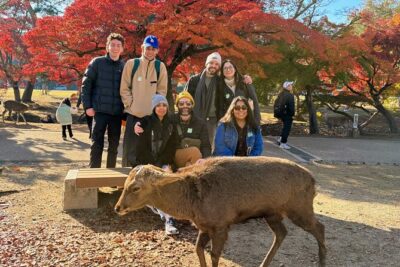
World Heritage Kyoto & Nara Uji Authentic Matcha Experience
Read our review →
Matcha Making Class in Tokyo with Authentic Japanese Sweets Set
Read our review →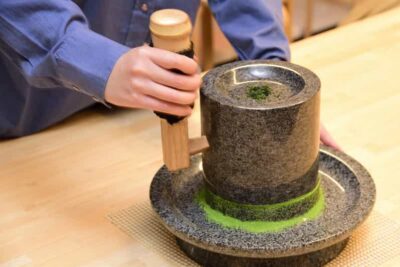
Tea Museum Tickets and Matcha Grinding Experience
Read our review →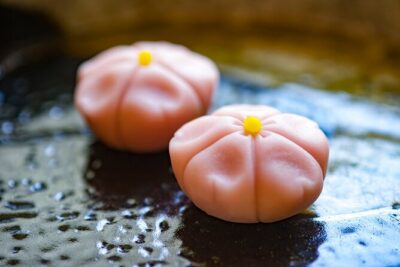
Matcha Making Class in Osaka with Authentic Japanese Sweets Set
Read our review →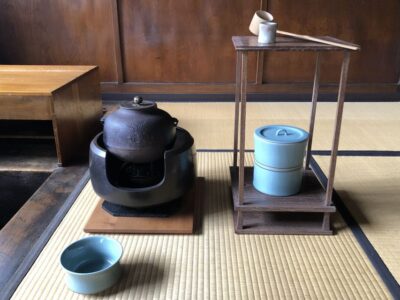
Tea Ceremony Meditation – Make Matcha with Tea Master
Read our review →
Matcha Making Experience with Mochi Sweets in Asakusa
Read our review →
Browse the lists this tour appears in