
Review · UJI
Kyoto Matcha Green Tea Tour
Uji is Kyoto’s matcha center, and this tour gets you beyond the usual green-tea souvenir stop. You’ll visit local tea shops, watch matcha being made, taste the powder in several forms, and see Byodoin Temple, the UNESCO-listed landmark on the Uji River.
I like the small maximum of 10 people, which should make translation and questions easier, and I like that lunch is built into the day. The catch is the $221 price: it can be good value for a food-and-culture outing, but less so if you mainly want a quick temple visit or a single cup of tea.
Key points at a glance
- Uji is the main event: This is a matcha-focused outing in the tea-producing district, not a general Kyoto sightseeing walk.
- Several tastes are included: Expect matcha, wagashi sweets, matcha ice cream, and other tea experiences.
- Lunch is covered: A set meal at a restaurant is included, though vegan and gluten-free diets are not recommended.
- Byodoin adds major cultural weight: You’ll finish near one of Japan’s best-known Buddhist temples and a UNESCO World Heritage Site.
- The group stays small: Up to 10 people can join, a useful feature when translation and tea preparation are involved.
- Plan your own transport: Hotel pickup, drop-off, and transportation costs are not included.
Why Uji is the right place for a matcha tour
Uji gives this experience a stronger sense of place than a tea tasting held in central Kyoto. The city is known for high-quality green tea, and tea shops are part of the local character rather than a staged add-on for visitors.
That matters because matcha can look simple in a bowl, yet its use covers a wide range of flavors and textures. Here, you get to compare tea in several settings and forms. You’ll see matcha being prepared, taste it directly, and try it alongside wagashi sweets and ice cream.
The guide also helps with translation. That is useful in small tea shops, where product labels, preparation methods, and local customs may not be easy to follow on your own. The point is not only to drink tea, but to understand what you are tasting and why Uji is associated with it.
The tour lasts about 3 hours and 15 minutes. That is long enough for a proper meal and several stops, yet short enough to fit into a broader Kyoto itinerary. You begin at 11:00 a.m., so this works best as a late-morning and lunchtime activity rather than an early start.
More Matcha Experiences in Uji:
- Kyoto: Tea Museum Tickets and Matcha Grinding Experience
★ 4.9 · 739 reviews - Slow Cycling Tour at Uji’s Matcha Green Tea Fields and Heritage
★ 5.0 · 25 reviews - Uji and Wazuka Matcha Farm Half Day Private Guided Tour
★ 5.0 · 21 reviews
Starting at Uji Station and finding your bearings
The meeting point is Uji Station in Uji, Kyoto. You’ll need to make your own way there, since hotel pickup and drop-off are not included. Transportation costs are also your responsibility, so add those to the advertised tour price when planning your day.
Starting at the station is practical. It gives you a clear meeting place and puts you near the town’s tea shops and cultural sights. Bring your mobile ticket, since the booking includes mobile admission.
The tour has a maximum of 10 people. That size is worth noting. Tea preparation often involves small details, and a large group can turn a demonstration into a distant display. With fewer people, you should have a better chance to hear explanations, ask questions, and keep up while moving through the shops.
The operator is Arigato Japan KK. No individual guide names are provided, but the experience includes local guidance and translation support. Children must be accompanied by an adult, and children aged 10 and above require a copy of passport information.
Tea shops, tasting, and the craft of matcha

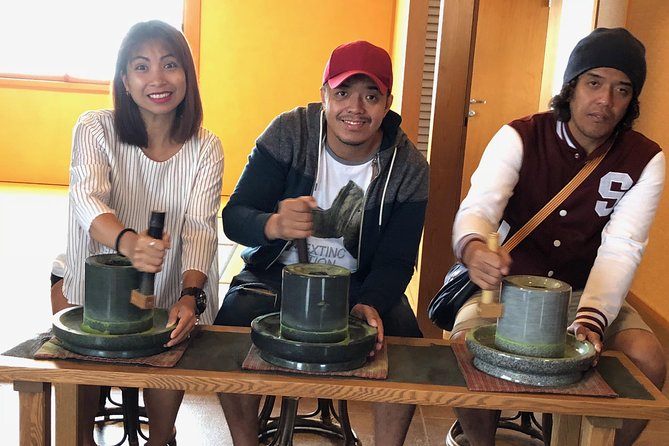
The first part of the outing takes you into Uji’s tea culture. You’ll visit local shops, learn about different varieties of matcha, and watch the tea being made. This is the most distinctive part of the tour, especially if you usually buy matcha without knowing how it is prepared or graded.
The tasting is not limited to one ceremonial bowl. The included experience covers matcha tasting, matcha making, wagashi sweets, and matcha ice cream. That range lets you see how the same ingredient can work in a traditional drink, a small sweet, and a modern dessert.
Wagashi is a useful pairing here. These Japanese sweets are often served with tea because their sweetness balances matcha’s sharper, grassy taste. The combination can help you appreciate why tea and sweets are presented together instead of treating the tea as an isolated beverage.
You also get shopping time. Uji is a good place to look for tea-related souvenirs, and the tour can point you toward shops that are less obvious to someone walking around alone. Still, keep your expectations sensible. The tour does not state that purchases are included, so anything you buy will cost extra.
If you are new to matcha, this guided setting is more useful than simply ordering a green drink. You can ask how to prepare it, compare flavors, and get help reading or understanding products. If you already know a great deal about tea, the value will depend more on the food, the local shop access, and the cultural stops.
Lunch gives the tour its midday rhythm
A set lunch at a restaurant is included, so you do not need to find a place to eat during the tour. That is a real convenience in a compact 3-hour-15-minute schedule. It also makes the outing feel like a complete half-day experience rather than a series of tastings that leaves you searching for food afterward.
The exact restaurant and menu can change. Restaurant schedules, public holidays, weather, and other conditions may require substitutions. The tour specifies that it is vegetarian-friendly, but it is not recommended for vegans or people following a gluten-free diet.
That restriction deserves attention before booking. If you avoid meat but eat dairy, eggs, and wheat, the vegetarian option may suit you. If you need strict control over ingredients, this is not the safest choice. Food and drinks are not included outside the items specifically listed, so do not assume every snack or beverage during the outing is covered.
A minimum drinking age of 21 is listed. The tour is family-friendly overall, but adults should check the arrangements for younger children and remember that every child needs adult supervision.
A few more tea experiences around Uji worth a look
- Uji: Green Tea Tour with Byodoin and Koshoji Temple Visits
★ 4.8 · 72 reviews - Uji: UNESCO Heritage & Tea Ceremony Walking Tour
★ 4.6 · 54 reviews - Uji Tea Ceremony and UNESCO Heritage Walking Tour
★ 5.0 · 20 reviews - Uji: Private immersion into Kyoto’s tea and reglious culture
★ 5.0 · 17 reviews
Uji Shrine and the quieter side of town
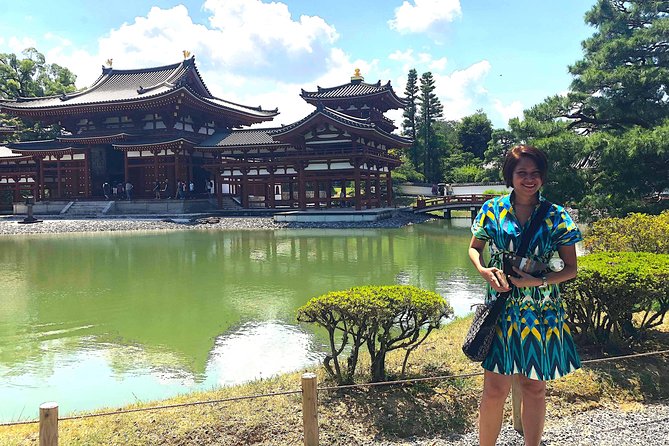
Uji Shrine is included as part of the route. This historic Shinto shrine has spiritual and cultural importance, and it is often visited with nearby Ujigami Shrine. The stop gives the tour a needed change of pace after the tea shops.
A shrine visit also helps place tea culture in its broader setting. Uji is not only a food destination. Its religious sites, river scenery, shops, and tea traditions are close together, making the area well suited to a short walking tour.
The supplied schedule gives the Uji portion about three hours, while some individual stop descriptions are brief. That means the precise amount of time at Uji Shrine may depend on the group, shop schedules, and the day’s route. You should expect an overview rather than an extended shrine study.
Crossing Amagasetsuri Bridge
Amagasetsuri Bridge is a scenic wooden suspension bridge over the Uji River. It adds a pleasant walking section to the food-focused itinerary and gives you views toward the river and nearby tea shops.
This is a useful stop for anyone who wants more than indoor tastings. The bridge connects the culinary side of the outing with Uji’s outdoor setting, and it offers a natural pause between food, shopping, and temple visits.
Wear comfortable shoes. The tour calls for a moderate level of physical fitness, and the route includes walking between shops, shrines, the bridge, and Byodoin Temple. No special hiking ability is required, but this is not a seated tasting with door-to-door transport.
Byodoin Temple and the famous Phoenix Hall setting
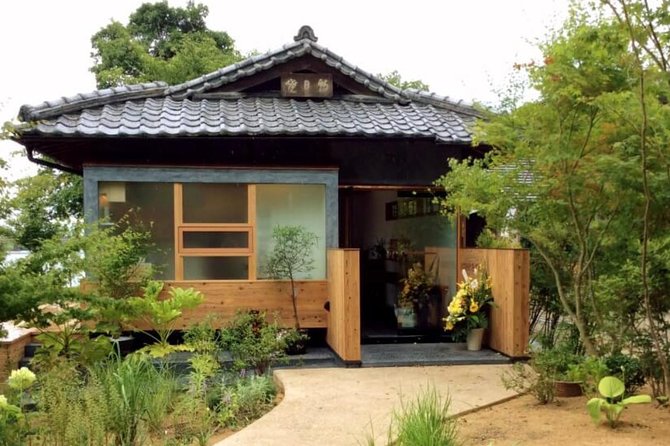
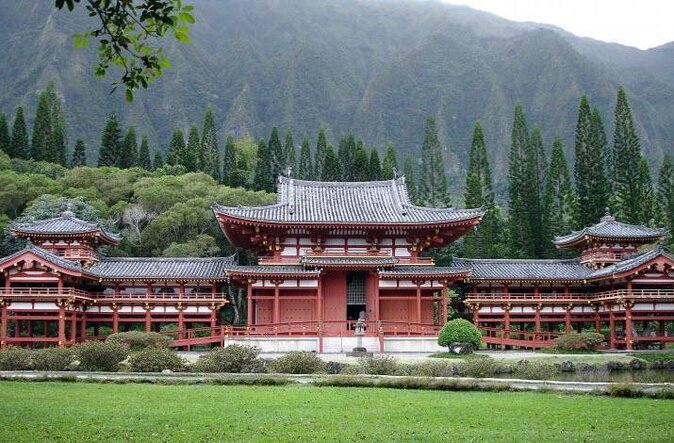
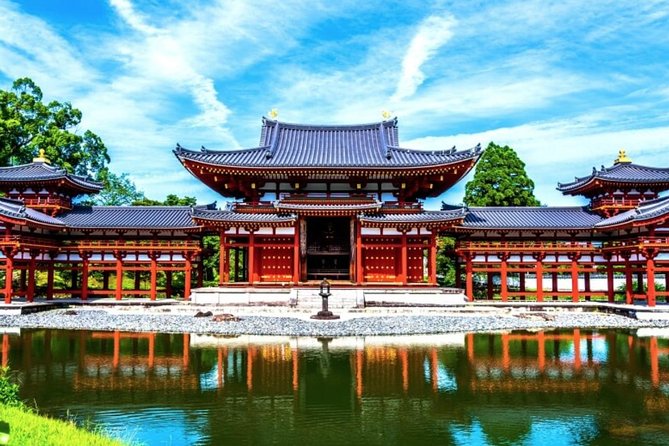
The tour includes Byodoin Temple, a UNESCO World Heritage Site. Its location near the end of the route gives the day a strong cultural finish, particularly if you have come to Uji for more than tea.
The temple is one of the area’s major draws, so its inclusion adds value to a tour that might otherwise feel focused only on food. You get a chance to connect Uji’s tea identity with its religious and architectural importance.
The listed schedule gives the Byodoin stop five minutes and says admission is free for that stop. Treat that timing carefully. Five minutes is enough for a brief look or orientation, but not enough for a slow temple visit. The tour ends near Byodoin and the shopping streets in the area, so you may want to return independently if you wish to spend more time there.
This is one of the main limitations of the experience. If Byodoin is your priority, you may prefer to plan a separate visit before or after the tour. If you mainly want tea and appreciate having the temple added to the route, the short stop works as an introduction.
Ending at Masuda Chaho and the Byodoin shopping streets
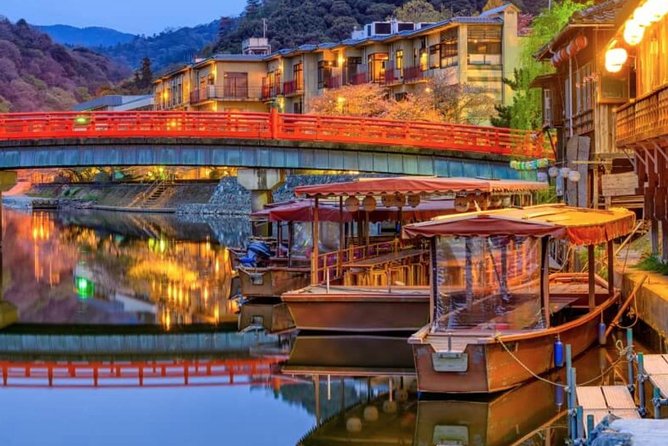
Masuda Chaho is described as the final tea-shop stop, where you can relax with premium Uji matcha or hojicha. Hojicha, a roasted green tea, gives you a useful contrast to matcha’s powdered, more concentrated character.
The shop provides another chance to taste tea in a calmer setting after the walking and meal. It also leaves you near Byodoin’s shopping streets, where you can continue browsing once the guided portion ends.
The end point is not your hotel and not Uji Station. That is helpful if you want to continue exploring, but you must arrange your own return transport. Check the route back before you arrive, especially if you are heading to Kyoto after the tour.
Is $221 a fair price?
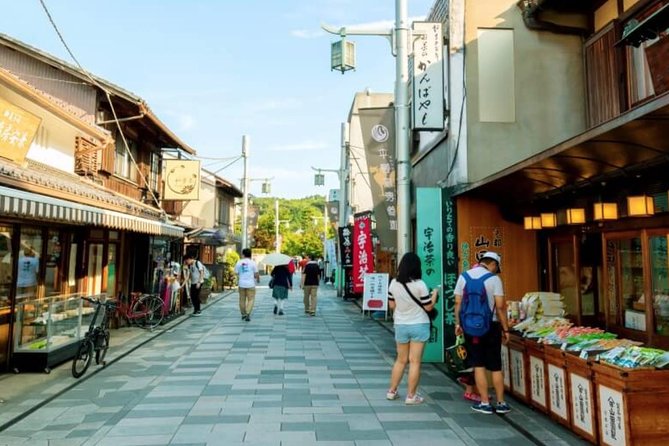
At $221 per person, this is not a budget tea walk. The price makes more sense when you count everything included: a local guide, translation help, multiple matcha-related tastings, a tea-making experience, wagashi sweets, matcha ice cream, a set lunch, shopping time, Uji Shrine, Amagasetsuri Bridge, and Byodoin Temple.
You are paying for structure and interpretation as much as for food. A visitor who wants to find a tea shop, order a drink, and walk past Byodoin can spend far less. A visitor who wants help navigating local shops, understanding matcha, and fitting food and major sights into one compact visit may find the price reasonable.
The small group also supports the price. A maximum of 10 people is more personal than a large coach outing, and translation is more useful when the guide can address individual questions.
Still, the value drops if you do not eat the included lunch or cannot take part in the food tastings. It also drops if your main goal is a long Byodoin visit, since the listed temple time is very short. Think of this as a guided Uji food and tea experience with a temple stop, not as a full temple tour.
Who will enjoy this Uji experience most?
I would choose this tour for a first-time visitor to Uji who wants the area explained rather than simply photographed. It is also a good match for people who enjoy Japanese sweets, want to compare tea styles, or feel unsure about finding smaller local tea shops alone.
Families can consider it, since the experience is family-friendly and children are allowed with an adult. The walking, food schedule, and moderate fitness requirement mean you should judge it against your child’s stamina.
Vegetarians may be comfortable, but vegans and people who require gluten-free food should skip it. Tea specialists may find the demonstrations familiar, although the local setting, tastings, and temple visit can still make the day worthwhile.
The tour is also a good choice for solo visitors, but solo customers are asked to email the operator. That is a small step, so handle it before booking rather than waiting until the day of the tour.
Booking advice and final verdict
The experience has a 4.7 rating from 23 ratings, with 91 percent recommending it. The strongest positive theme is the warm welcome and close attention given during the cultural outing. That fits the tour’s small-group format and translation support.
Free cancellation is available up to 24 hours before the 11:00 a.m. start time for a full refund. Changes made within 24 hours are not accepted, and late cancellations are not refunded. The tour requires good weather and a minimum number of participants. If weather or insufficient participation cancels the outing, you can choose another date or receive a full refund.
Book it if you want a guided introduction to Uji’s tea culture, a proper lunch, several matcha tastes, and a short look at the town’s religious sights. Skip it if you want a low-cost tea stop, need a vegan or gluten-free meal, or plan to spend most of your time inside Byodoin Temple.
For the right visitor, the appeal is simple: you get the tea, the sweets, the local streets, the river, lunch, and a major temple in one well-shaped morning and afternoon. Just budget for your own transportation and give yourself extra time after the tour if Byodoin is high on your list.
FAQ
Where does the Kyoto Matcha Green Tea Tour begin?
The tour begins at Uji Station, at Otsukata Uji, Kyoto 611-0021, Japan.
What time does the tour start?
The start time is 11:00 a.m.
How long does the experience last?
The tour lasts approximately 3 hours and 15 minutes.
Where does the tour end?
The guided experience ends near Byodoin Temple, with the end point listed as the shopping streets in the Byodoin area.
Is lunch included?
Yes. A set lunch at a restaurant is included.
What tea and food experiences are included?
The experience includes matcha tasting, matcha making, wagashi sweets, matcha ice cream, and a tea experience with lunch.
Is admission to Byodoin Temple included?
The tour includes a visit to Byodoin Temple, and the listed stop shows admission as free.
Is the tour suitable for vegans or people following a gluten-free diet?
The tour is not recommended for vegans or people following a gluten-free diet. It is described as vegetarian-friendly.
Can I cancel for a full refund?
Yes. You can cancel at least 24 hours before the start time for a full refund. Cancellations or changes made less than 24 hours before the tour are not accepted for a refund.
Just added around Uji
- Kyoto tea town for matcha lovers★ 5.0 · 16 reviews
- Uji: Private immersion into Kyoto’s tea and reglious culture★ 5.0 · 17 reviews
- Uji and Wazuka Matcha Farm Half Day Private Guided Tour★ 5.0 · 21 reviews
- Uji Tea Ceremony and UNESCO Heritage Walking Tour★ 5.0 · 20 reviews
- Utilising upcycled Matcha! Creating matcha incense (Uji, Kyoto)★ 5.0 · 6 reviews
- 7 Hours Private Guided Tour Uji and Wazuka Matcha Farm★ 5.0 · 2 reviews
- Half Day Matcha Tour in Uji, home of culture, with a local★ 4.8 · 14 reviews
- Kyoto: Tea Museum and Tsuen Teahouse Guided Tour★ 5.0 · 2 reviews
Matcha Experiences, compared.
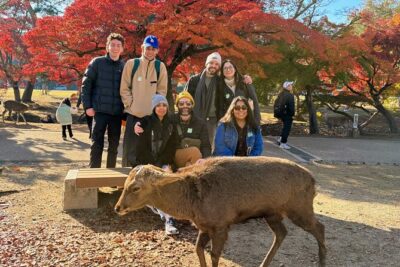
World Heritage Kyoto & Nara Uji Authentic Matcha Experience
Read our review →
Matcha Making Class in Tokyo with Authentic Japanese Sweets Set
Read our review →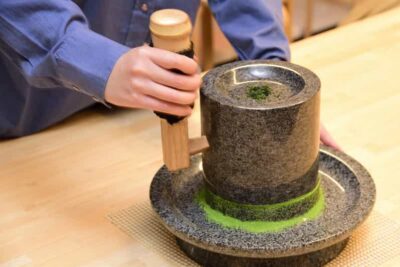
Tea Museum Tickets and Matcha Grinding Experience
Read our review →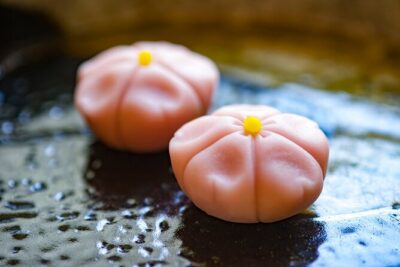
Matcha Making Class in Osaka with Authentic Japanese Sweets Set
Read our review →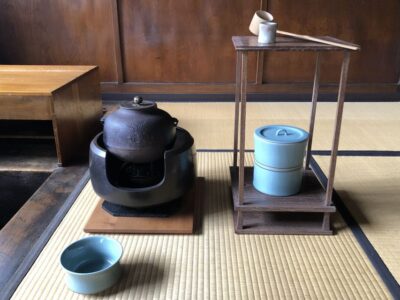
Tea Ceremony Meditation – Make Matcha with Tea Master
Read our review →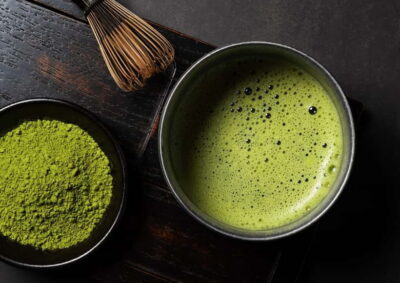
Matcha Making Experience with Mochi Sweets in Asakusa
Read our review →
Browse the lists this tour appears in