
Review · TOKYO
Giant Sushi Cooking Class: Make a 1.5m Sushi Roll in Tokyo
The main event here is wonderfully oversized: you and your classmates build a 1.5-meter sushi roll, then cut it into pieces and eat the result. It is part cooking lesson, part group challenge, and part very good excuse to make sushi far larger than any sensible Japanese chef would normally serve.
I like the practical instruction and the relaxed setting near Meguro. You learn how sushi rice, nori, fish, avocado, sesame seeds, and pressure all work together, using ordinary kitchen tools that you can use again at home. I also like the small social touches, including Japanese snacks, conversation, and traditional social games.
The main thing to consider is the listed duration of about 12 hours, which is unusually long for a single cooking class. The available details do not explain the exact schedule, so confirm the start time and expected length before booking, especially if you have evening plans.
Key points to know before you book
- A 1.5-meter maki is the star: You work as a group to assemble, roll, cut, serve, and eat one giant sushi creation.
- Hands-on from the start: You prepare the fish and avocado, arrange the nori and rice, add the fillings, and apply the pressure needed to shape the roll.
- A small group helps: The maximum is 12 people, a useful size for a class where everyone needs room to take part.
- Meguro location: The meeting point is at 2 Chome-3 Senzoku in Meguro City, near public transportation and about a 10-minute walk from the station according to the available visitor information.
- More than sushi: Japanese snacks, conversation, and social games add a friendly local touch before or during the cooking session.
- Good value at $50: You receive instruction, food, a shared activity, and a recipe idea you can recreate with everyday kitchen equipment.
Why make a giant sushi roll in Tokyo?
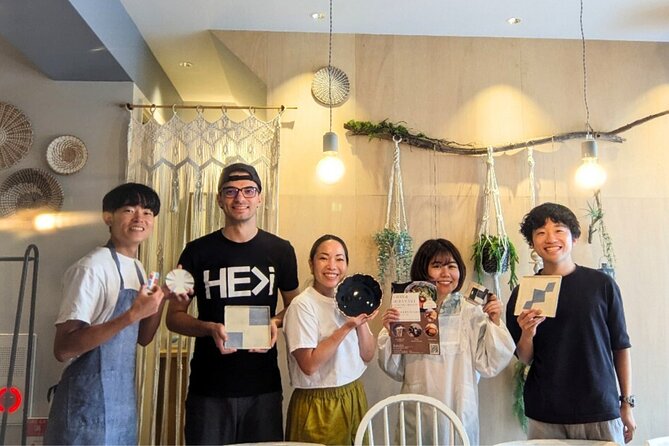
Tokyo offers plenty of polished food experiences, but this one is less about watching a chef work and more about getting your hands into the process. Sushi is usually served in neat, individual portions. Here, the fun comes from the scale and teamwork.
The size changes the job. You cannot casually roll a 1.5-meter maki by yourself and hope for the best. You need to spread the rice evenly, place the fillings with care, and coordinate with the people beside you. That gives the class a clear shared goal, which can make it easier to chat with other participants even if you arrive alone.
I also like that the experience does not stop at a novelty photo. The hosts explain the basic elements that make sushi work. You learn why sushi rice has its familiar texture, how the ingredients are arranged, and how pressure shapes the finished log. Those lessons matter when you try the dish at home, even if your own roll is only a fraction of the size.
The activity is offered by Japanese Cooking Home, also known as Wagaya. No individual host names are provided, so you should not expect to book a class with a specific named chef. The focus is instead on instruction from local hosts and on working together around one large creation.
More Cooking Classes in Tokyo:
- Xiao Long Bao, Beef Noodles & Boba Tea Cooking Class in Taipei
★ 5.0 · 159 reviews - Xiao Long Bao, Chicken vermicelli with mushroom and sesame oil, Tofu strips salad, Bubble milk tea. Taiwan Traditional Delicacies Experience-A (Taipei Cooking Class)
★ 5.0 · 79 reviews - Private Kyoto Sushi Cooking Class & Tea Ceremony with Emika
★ 5.0 · 66 reviews
Starting in Meguro, near Senzoku
The meeting point is 2 Chome-3 Senzoku, Meguro City, Tokyo 152-0012. The class ends back at the same point, so you do not need to arrange a separate return transfer or wonder where the final serving takes place.
The area is near public transportation. Allow roughly 10 minutes to walk from the station, based on the available directions from someone who attended. I would still leave a little extra time on your first visit. Tokyo station exits can be confusing, and arriving late to a food class can make the opening instructions harder to follow.
Meguro is a useful setting for this kind of activity. It is a Tokyo neighborhood associated with food, local streets, and easy access by train, but the exact meeting point is in Senzoku, within Meguro City. You get a class that is not set in a major sightseeing attraction, which can make the experience feel more like a visit to a local cooking space than a packaged city tour.
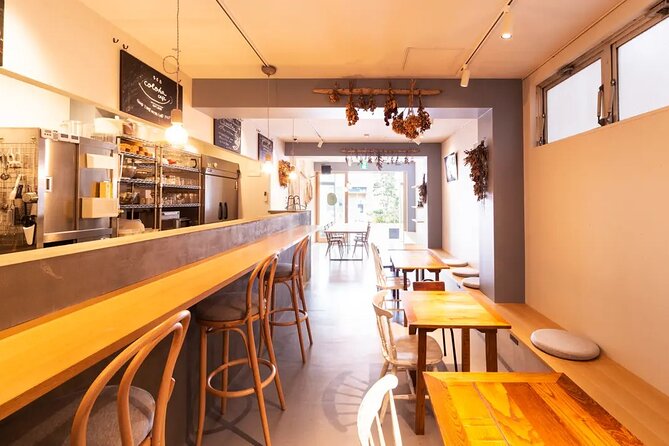
The venue is described as a cafe, and the setting appears relatively new. That may appeal to you if you prefer a fresh, informal place rather than a formal culinary school. It also means the atmosphere may feel more social than technical.
Preparing the rice, nori, fish, and avocado
The class begins with the building blocks of the roll. You learn about the sushi rice first, including what gives it a distinctive character. Rice is the quiet foundation of sushi, and getting its texture right matters more than adding a long list of fillings.
You also prepare the fish and avocado. These fillings give the roll a mix of savory and creamy textures, while the nori provides the outer sheet that holds everything together. The information provided does not identify the type of fish or describe special dietary substitutions, so ask the provider about ingredients if you have an allergy or avoid seafood.
The nori is handled as part of the group setup. You lay out the seaweed sheets, then add the rice and fillings in the correct order. With an ordinary sushi roll, a small mistake may affect only one piece. With a 1.5-meter roll, uneven filling or rice can affect the whole shape, which makes the instruction useful.
You also finish the filling with sesame seeds. That small detail adds texture and gives the finished cut pieces a familiar sushi look. The class is not simply about stuffing a giant tube with food. You are shown a selection of traditional techniques that have been passed down through generations, then asked to apply them with common cooking utensils.
The teamwork behind a 1.5-meter maki
Rolling is the moment when the class becomes a group project. Everyone must apply the right amount of pressure so the rice and fillings form a firm log without crushing the ingredients.
That sounds simple until you consider the length. A 1.5-meter roll gives you plenty of chances to press too hard at one end or leave a loose section at the other. The hosts guide the group through the motion, and the shared task creates the class’s most memorable moment.
I would expect this part to suit families, couples, and solo participants for different reasons. Families can divide the work among several people. Couples get a cooperative activity that is more interesting than taking turns at a standard sushi counter. Solo participants have an easy opening for conversation because the roll requires several pairs of hands.
The group limit is 12 people. That is large enough to create a proper team effort but small enough that the class should not feel like a crowd. The available details do not promise that every person will perform every task for the same amount of time, so if you want a highly technical, individual lesson, this may not be the best format.
More Workshops in Tokyo:
- Matcha Making Class in Tokyo with Authentic Japanese Sweets Set
★ 5.0 · 744 reviews - Tea Ceremony Workshop in Tokyo by the Experienced Instrucor
★ 5.0 · 189 reviews - Experience all of Japanese culture and Japanese food experience classes “origami, udon, Japanese food, green tea, calligraphy” in 4 hours
★ 5.0 · 105 reviews - Tokyo Sushi Making Class : Sake Ceremony & Matcha Experience
★ 5.0 · 44 reviews
Cutting, serving, and eating the finished sushi
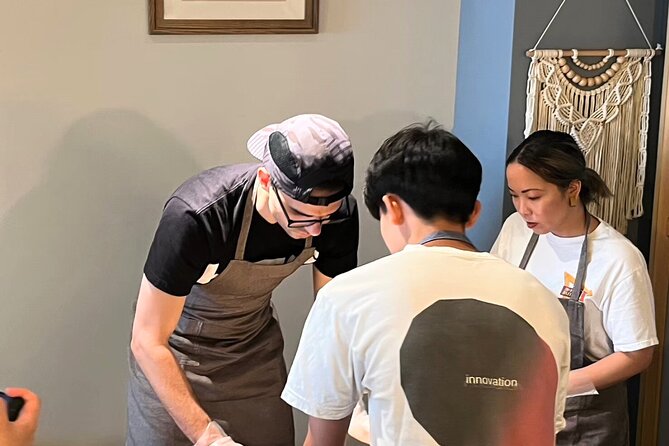
Once the roll is ready, the group cuts it into portions. This is where you finally see whether the rice and fillings were spread evenly and whether the log held its shape.
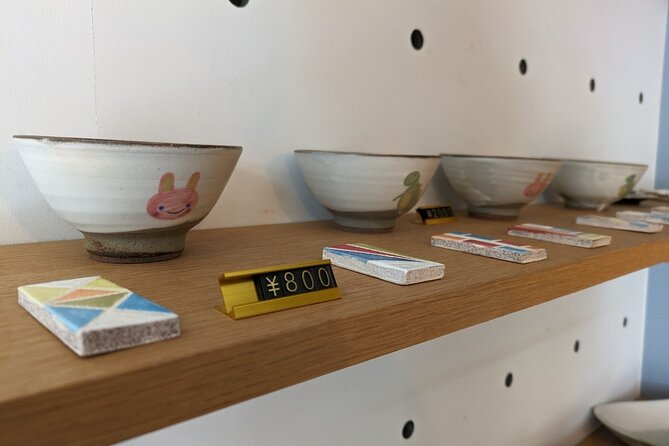
The sushi is served on Japanese dishware that has been crafted and painted by hand. Each plate is described as a unique piece made by local artists, and an onsite shop allows you to purchase the dishware after the class. That detail gives the serving stage more character than a meal served on standard disposable plates.
The dishware is not included as a take-home item, so treat the shop as an optional extra rather than part of the $50 price. If you are trying to keep spending under control, you can enjoy the presentation without buying anything. If you collect ceramics or want a useful souvenir tied to the meal, the shop adds a choice that many cooking classes do not offer.
You then eat the sushi you helped make. This matters because the food is not just a demonstration prop. You see the full process from raw ingredients and rice preparation to the final cut pieces. The finished meal also gives you a chance to judge the balance of rice, filling, nori, and sesame for yourself.
Snacks, games, and the social side
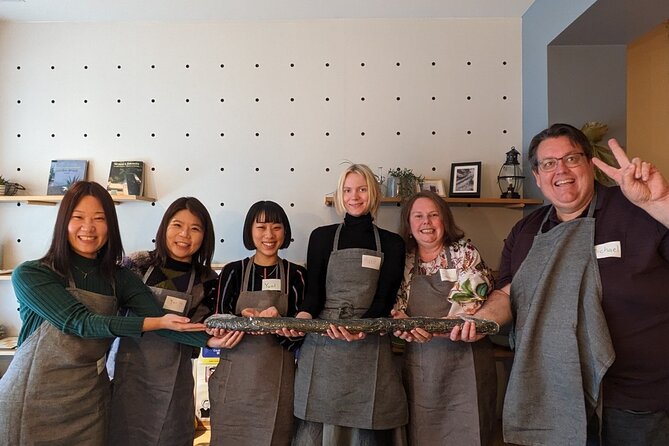
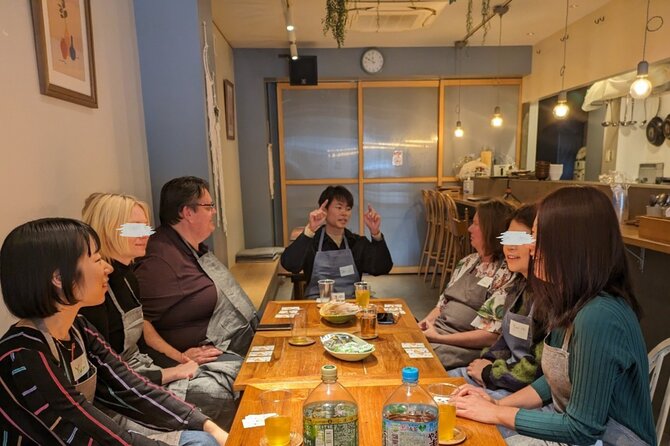
The cooking is the main reason to book, but the surrounding activities help set the tone. Japanese snacks and conversation are part of the experience, and social games are included as another way to spend time with the hosts and other people in the class.
I like this addition because a group cooking lesson can otherwise begin with an awkward stretch of silence. Snacks and games give you an easy way to get comfortable before the large roll takes shape. They also make the activity less formal and better suited to people who want a cultural experience rather than a strict technical workshop.
The social element can be especially useful if you arrive alone. You are not left to hover at the edge of the class while a chef performs in front of you. The main task requires cooperation, and the surrounding conversation gives you more chances to take part.
Still, this is not described as a quiet, private lesson. If you want one-on-one feedback or a carefully paced class focused only on knife work and rice technique, ask for more detail before booking. The group format is part of the appeal, but it may not suit every cooking style.
What the $50 price really covers
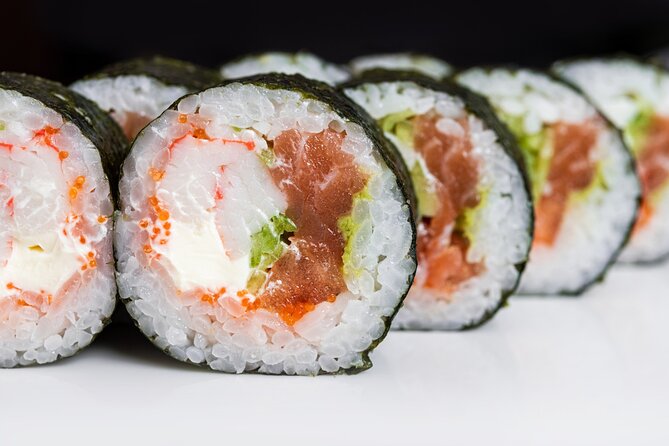
At $50, the experience offers a reasonable mix of food, instruction, and entertainment. You are not paying only for a sushi meal. You receive a guided preparation session, the chance to work on a giant roll, the shared meal at the end, Japanese snacks, and social activities.
The value is strongest if you care about participation. A restaurant meal might give you more choice and perhaps more refined presentation, but it would not teach you how to assemble the dish or give you the satisfaction of rolling a 1.5-meter maki with a group.
The price also makes sense for families and couples who want one memorable activity rather than several separate food purchases. For a solo visitor, the value depends on how much you enjoy group activities. The class is built around shared work, so you are paying for the social setting as much as the food.
The listing gives an approximate duration of 12 hours. That figure deserves attention because the described cooking process sounds like one activity, while 12 hours suggests a much longer schedule. The available information does not break down the timing, so contact the provider before booking to confirm how long you will actually be at the venue. This is the most important unanswered practical point.
Who will enjoy this class most?
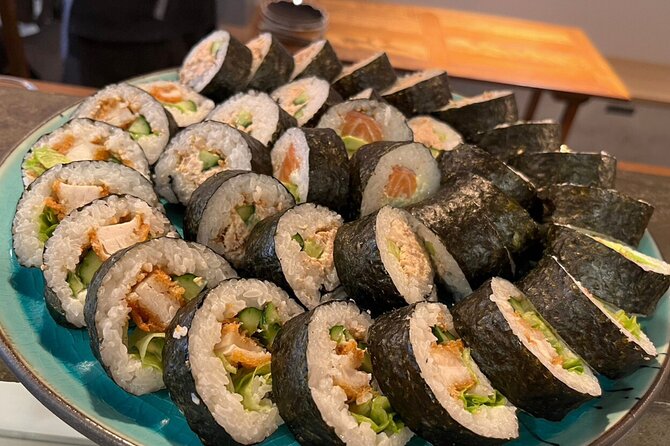
You should consider this experience if you want a food activity with a clear visual payoff. The giant roll is easy to understand, fun to photograph, and different from a standard sushi workshop.
It is a strong fit for:
- Families looking for a hands-on activity in which children and adults can share jobs
- Couples who want a cooperative food experience
- Solo visitors who enjoy meeting people through a shared task
- Sushi fans who want to understand the basic construction of a maki
- Visitors interested in Japanese tableware and locally made ceramics
- Anyone who wants a recipe they can adapt at home with ordinary kitchen equipment
You may want another option if you need a private class, have strict dietary requirements, or want detailed information about the exact fish used. The available details do not list ingredient substitutions, individual instruction levels, or a precise schedule.
The class also may not be ideal if your Tokyo plans are tightly packed. The stated approximate duration is long enough to affect a full sightseeing day, even if the actual hands-on cooking time is shorter. Confirm the timing before you fit it between other plans.
Practical details that matter
Confirmation is provided when you book, and the activity accepts a mobile ticket. You can keep the booking on your phone rather than printing paperwork.
The experience begins and ends at the same meeting point in Senzoku. It is near public transportation, with a walk of around 10 minutes from the station, so check the route before leaving. Tokyo navigation is easier when you identify the correct station exit in advance.
The maximum group size is 12 people. That limit is worth noting because the roll needs space, and the group must be able to work along its full length.
Free cancellation is available if you cancel at least 24 hours before the start time. A cancellation made less than 24 hours ahead is not refunded, and changes inside that period are not accepted. The cut-off follows local Tokyo time, so check the clock carefully if you are arranging plans from another time zone.
Is the giant sushi class worth booking?
I would book this class if you want a playful Tokyo food experience that gives you something to do, not just something to eat. The giant maki, hands-on preparation, Japanese snacks, social games, and handmade serving plates create a fuller experience than a basic sushi lesson.
The $50 price is fair for the combination of instruction, food, and group entertainment. I would be cautious only about the unclear 12-hour duration and any dietary needs that are not addressed in the details. Confirm those points first.
For families, couples, and solo visitors who like making things with other people, this is an easy recommendation. You leave with a full stomach, a better sense of how sushi is built, and a practical idea you can try at home, even if your next roll is only 30 centimeters long.
FAQ
Where does the sushi class meet?
The meeting point is 2 Chome-3 Senzoku, Meguro City, Tokyo 152-0012, Japan.
Where does the experience end?
The activity ends back at the same meeting point.
How large is the sushi roll?
The group makes one sushi maki measuring approximately 1.5 meters.
How many people can join the class?
The maximum group size is 12 participants.
How much does the experience cost?
The listed price is $50.
Can I cancel for a full refund?
Yes. You can cancel for a full refund at least 24 hours before the experience start time. Cancellations or changes made less than 24 hours before the start time are not accepted, and the amount paid is not refunded.
Just added around Tokyo
- Yokohama : Tea Ceremony with Sweets and Souvenir★ 5.0 · 5 reviews
- Walking Tour: Yanaka,Nezu& Sendagi: Tea Ceremony & Old Tokyo★ 5.0 · 3 reviews
- Private Kimono and tea ceremony at local home near Tokyo Disney★ 5.0 · 6 reviews
- Private Mochi・Matcha sweets Making Class Near Shibuya Area★ 5.0 · 22 reviews
- 2 Hours Mochi &Nerikiri Making & Matcha Class in Bunkyo★ 5.0 · 21 reviews
- Tokyo Sweets Tour: Hidden Gems & Matcha at an Old Tea House★ 5.0 · 6 reviews
- Tokyo Tea Ceremony Class at a Traditional Tea Room★ 5.0 · 2 reviews
- Tokyo: Tea Ceremony & Japanese Sweets Making★ 5.0 · 10 reviews
Cooking Classes, compared.
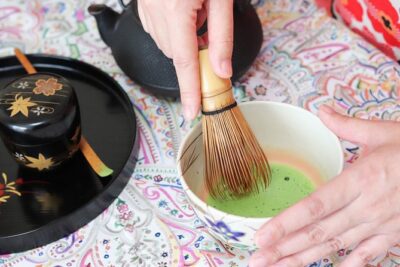
Private Kyoto Sushi Cooking Class & Tea Ceremony with Emika
Read our review →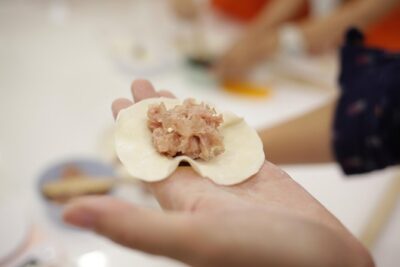
Xiao Long Bao & Boba Tea Cooking Class in Taipei
Read our review →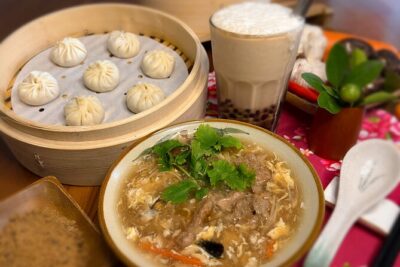
Xiao Long Bao, Pork thick soup, Bubble milk tea. Taiwan Traditional Light Meals Experience-B (Taipei Cooking Class)
Read our review →
Traditional Afternoon Tea Experience and Baking Class in Stratford-upon-Avon
Read our review →
Osaka Japanese Cooking And Matcha Class near Osaka Castle
Read our review →
Street Food Cooking Class in Taipei : Gua Bao/Lu Rou Fan/Boba Tea
Read our review →
Xiao long bao, Pork thick soup, Bubble milk tea. (Taiwan Cooking Class)-B
Read our review →
Home Made Onigiri and Matcha Cooking Class in Hiroshima
Read our review →Browse the lists this tour appears in