
Review · HIROSHIMA
Home Made Onigiri and Matcha Cooking Class in Hiroshima
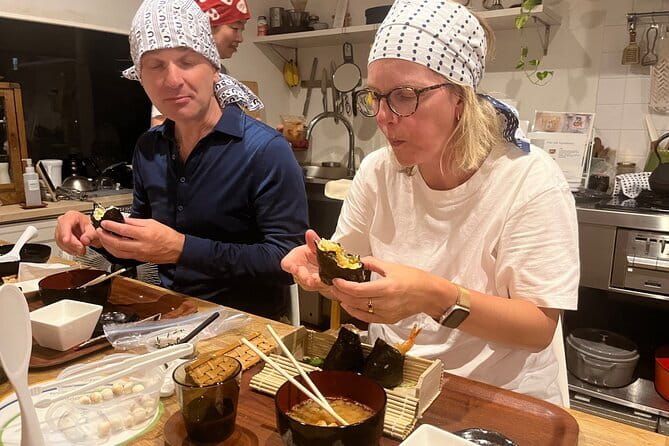
Hiroshima’s most human food lesson is a rice ball made by hand while it is still warm. In this 90-minute class near Peace Park, you’ll shape two onigiri, make miso soup, and finish with matcha and wagashi alongside local mothers who speak English. Midori may collect you from your hotel, and classes can sometimes take place at Weiko’s home.
I like the easy, social format and the way it fits a sightseeing day: start at 10:30 am, eat lunch, then walk back toward the Atomic Bomb Dome or Peace Memorial Museum. I also like the thoughtful family setup, including a toy area for children. The main consideration is the price, $81.65 per person, which is fair for a small meal-and-culture lesson but more than a simple lunch.
Key points at a glance
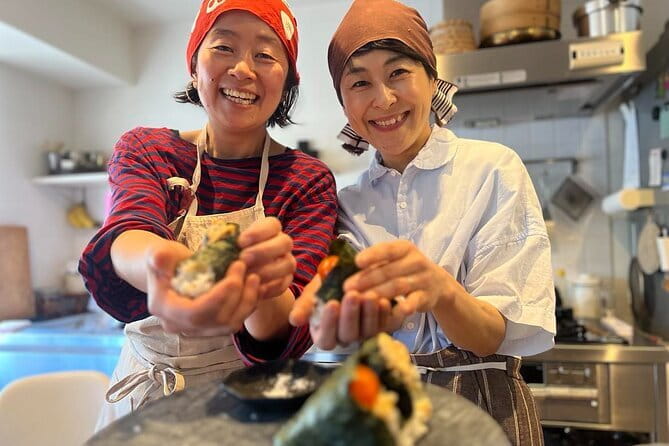
- Warm onigiri by hand: Shape fresh rice while it is still hot, then eat the food you helped prepare.
- Two standard fillings: The class includes tuna mayonnaise and shrimp tempura, with fresh egg yolk available by advance request.
- A small English-speaking setting: The class has a maximum of six people, with local hosts who can explain the food and customs.
- A complete Japanese lunch: Your meal includes two onigiri, miso soup, matcha, and Japanese wagashi sweets.
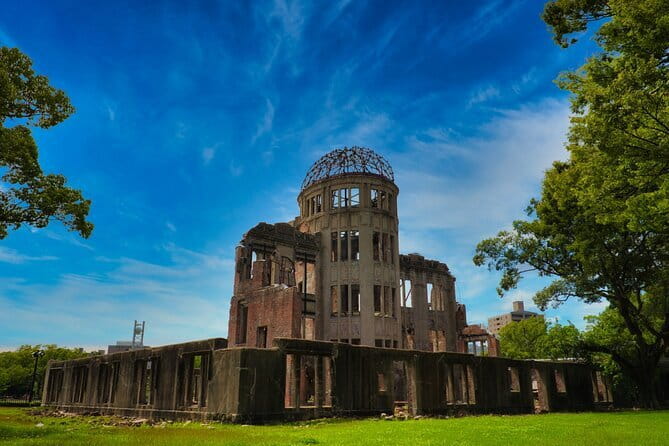
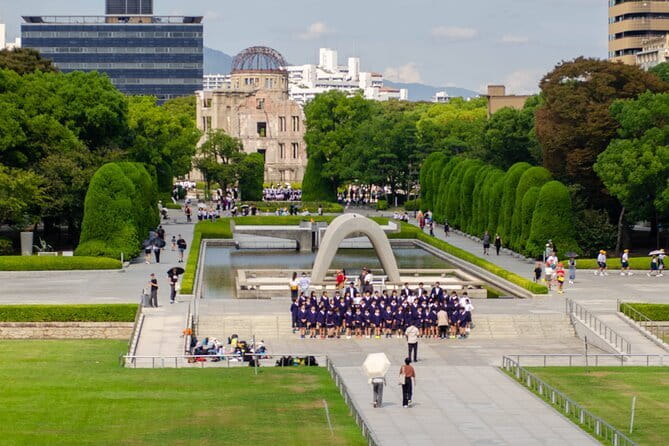
- Easy Peace Park timing: The meeting point is about a five-minute walk from the Atomic Bomb Dome and six minutes from the Peace Museum.
- Good for families: Children are welcome, and a play area with toys is provided.
Why onigiri makes a good Hiroshima food lesson
Onigiri is simple food, but that is exactly why this class works. You are not watching a chef perform a complicated recipe from across a counter. You are holding warm rice, learning how to shape it, and seeing how a few everyday ingredients become a portable Japanese meal.
The class also gives you a useful bit of food context. Onigiri has a longer history than sushi, and it remains an ordinary part of life in Japan. You may know it from anime, films, or convenience stores, but making one yourself gives the food a more personal meaning.
The method is designed for all ages. That matters if you are cooking with children, or if you want a relaxed activity rather than a technical culinary course. You should expect guidance and conversation, not a formal professional kitchen lesson.
The local hosts add to the character of the morning. Midori and Weiko speak English, and they have lived overseas, so communication should be comfortable for English-speaking visitors. The tone is warm and informal, with time to talk while the food comes together.
More Matcha Experiences in Japan:
- World Heritage Kyoto & Nara Uji Authentic Matcha Experience
★ 5.0 · 1,573 reviews - Kyoto: Arashiyama Bamboo Forest, Monkeys, Matcha & Temple Tour
★ 5.0 · 759 reviews - Matcha Making Class in Tokyo with Authentic Japanese Sweets Set
★ 5.0 · 744 reviews
What you make: two fillings, miso soup, and a sweet finish
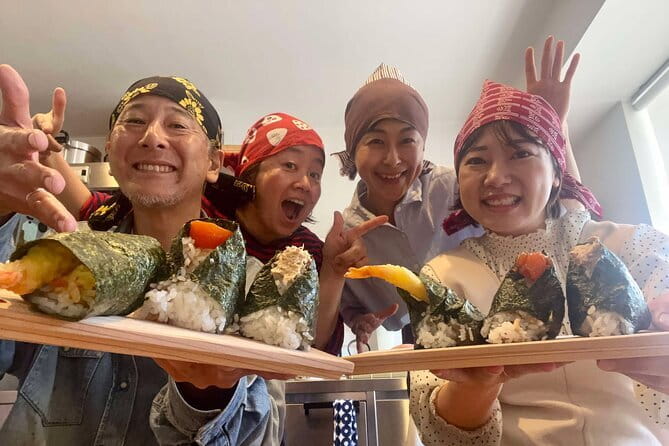
The standard class includes two onigiri flavors. One is tuna mayonnaise, a familiar and mild choice. The other is shrimp tempura, which gives the rice ball a richer, more textured filling.
Fresh egg yolk can also be placed on the rice balls using a special cooking method, but you need to ask for it when you reserve. It is not part of the standard pair, so do not assume it will be available on the day.
Vegetarian and vegan menus are being prepared, but the information provided does not confirm that they are already offered as a regular choice. If you need one, ask before booking. The same advice applies to allergies. Tell the hosts in advance rather than waiting until the class begins.
You also make miso soup and eat it with the onigiri. The hosts may share a recipe that can be made in a cafe au lait bowl at home, which is a small but useful touch. It turns the lesson into something you can repeat after Japan, instead of a meal that ends when you leave the table.
Dessert is a matcha lesson. You make the tea yourself, then enjoy it with wagashi, a traditional Japanese sweet. The hosts introduce basic tea ceremony manners, known as sadou. Do not expect a long formal ceremony. Think of it as a friendly introduction to the gestures and care behind serving matcha.
No alcohol is served. Bottled water, soda, coffee, and other drinks are not included, so plan on the listed food and tea rather than a broad drinks menu.
A 10:30 am start that fits a Peace Park morning
The class begins at 10:30 am at Guitar Top, 1-3-1 Sakaimachi, Naka Ward, Hiroshima. It ends at the same meeting point. The location is close to Hiroshima’s main memorial sights, making the timing especially useful.
The Atomic Bomb Dome is about a five-minute walk away. The Peace Memorial Museum is about six minutes away. You can visit either before or after the class, although starting with the cooking lesson may be easier if you want to eat lunch soon afterward.
The schedule is compact. At roughly one and a half hours, it should finish around lunchtime and leave your afternoon open. I like that balance. A longer cooking school can take over half a day, while this class gives you a local food activity without sacrificing Hiroshima’s major sites.
From Hiroshima Station, a taxi to Sheba Cafe is listed at about 12 minutes. Public transport takes longer: the Hiroshima Dentetsu Line 2 streetcar reaches Honkawacho Station, the nearest listed station to Sheba Cafe, in about 21 minutes. From the Hilton Hotel, the walk is listed as 26 minutes.
Pickup is offered, but the details can vary. One family booking included Midori collecting the group from its hotel, taking them to Weiko’s home, and returning them afterward. Ask about pickup when you reserve, especially because classes are sometimes held at home rather than at the usual cafe meeting point.
The small group changes the feel
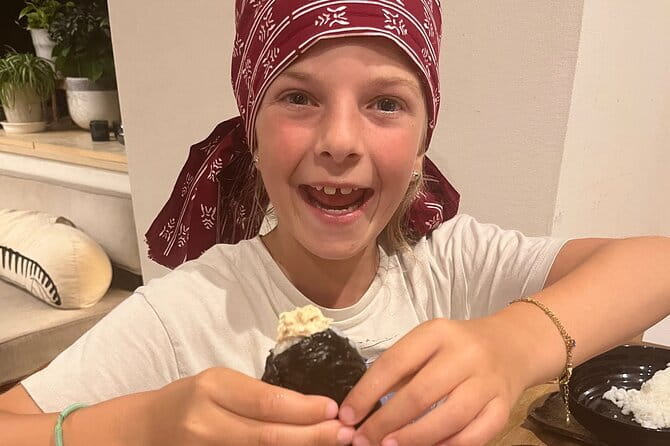
The maximum group size is six people. That is a useful limit for a hands-on food lesson. You should have a better chance to see the shaping technique, ask questions, and get help with rice or fillings than in a large commercial class.
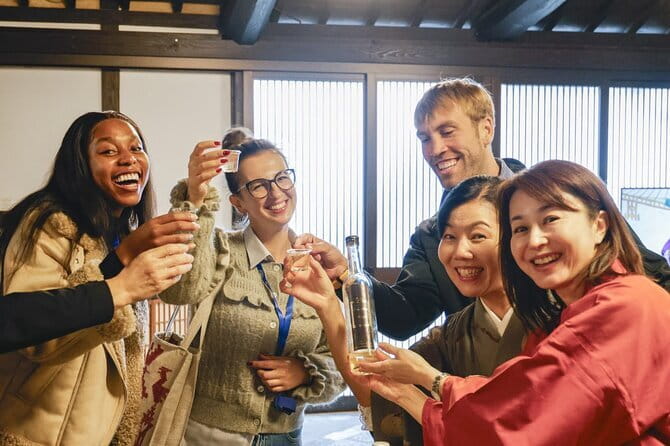
A small group also suits the social side of the morning. The hosts encourage conversation with Hiroshima locals while you cook. You are not simply passing through a set of stations. The food gives you an easy reason to talk about daily life, Japan, and the city.
The class has been rated 5.0 from 11 ratings, with a 100 percent recommendation rate. That is a small sample, but the pattern is clear: the strongest praise focuses on the hosts’ communication, the traditional feel, the fun, and the quality of the food.
One especially useful detail for parents is the play area with toys. Children are welcomed, and the class does not require them to sit still through a long lecture. For families, this can be a better choice than a quiet tea lesson with strict rules.
More Cooking Classes in Japan:
- Private Kyoto Sushi Cooking Class & Tea Ceremony with Emika
★ 5.0 · 66 reviews - Osaka Japanese Cooking And Matcha Class near Osaka Castle
★ 5.0 · 22 reviews - Giant Sushi Cooking Class: Make a 1.5m Sushi Roll in Tokyo
★ 5.0 · 9 reviews - Osaka: Japanese Cooking Class with Matcha Experience
★ 5.0 · 4 reviews
What makes the hosts important
The food itself is easy to understand. The hosts are what give the class its personality.
Midori has been involved with hotel pickup, and Weiko’s home has been used for some sessions. Both hosts speak English, and their overseas experience helps bridge small cultural gaps. You can ask why an ingredient is used, how the food fits into everyday life, or how to repeat the recipe at home.
The teaching style appears to include stories and background, not just instructions. You learn how to form the rice, but you also get some context about why onigiri matters and how it differs from the sushi most visitors already know.
I would choose this class if you prefer personal contact over a polished cooking studio. The tradeoff is that the setting may be less fixed. Because classes can sometimes take place at home, confirm the exact location and pickup plan before you set out.
Is $81.65 a fair price?
At $81.65 per person, this is not the cheapest way to eat onigiri in Hiroshima. You can buy rice balls at a convenience store for very little. That comparison misses the point, though.
The fee includes a meal of two onigiri, miso soup, matcha, and wagashi, plus instruction, local conversation, and gratuities. You are paying for access to a small English-speaking class and the chance to make food with local hosts, not just for the ingredients.
The value is strongest for families, solo visitors, and people who enjoy food as a way to meet local people. It is also useful for anyone who wants a light morning plan near the memorial district.
The value is weaker if your main goal is a serious cooking qualification, a long market visit, or a broad menu. You make two rice ball flavors, soup, and matcha. That is a focused introduction, not a full-day culinary course.
Group discounts are available, so the cost may work better for a family or small party. Since gratuities are included, there is no need to calculate an extra tip at the end.
Who should book this morning?
Families are a natural fit. Children can take part in the food preparation, and the toy area gives them another option if their attention fades. The easy recipe also means that different ages can work together.
Solo visitors can benefit from the social setting. A small class with English-speaking local hosts gives you a chance to talk without needing to organize your own introduction to Hiroshima residents.
This also suits people who like practical souvenirs. You leave with recipes and techniques you can try at home, including the suggestion for making miso soup in a cafe au lait bowl. The hosts even encourage an onigiri party or sushi roll party after you return home.
You might skip it if you want a formal tea ceremony, a broad range of dishes, or a class centered on advanced knife skills. The tea portion teaches basic manners, but the main subject is friendly food making.
The class requires good weather. If poor weather causes a cancellation, you are offered another date or a full refund. That condition is worth remembering when building a tightly packed Hiroshima schedule.
Practical details before you reserve
The class is offered with a mobile ticket, and confirmation arrives at booking. It is near public transportation, but the exact meeting location can vary if the session is held at home.
Ask about these points before committing:
- Tell the hosts about allergies in advance.
- Request the fresh egg yolk option when making the reservation.
- Ask about vegetarian or vegan food, since those menus are still being prepared.
- Confirm whether pickup applies to your hotel.
- Recheck the meeting point if the class is being held at a home.
- Remember that the class starts at 10:30 am and ends back at the meeting point.
Free cancellation is available until 24 hours before the start time for a full refund. Cancellations or changes made inside that window are not refunded or accepted. The cutoff uses Hiroshima local time.
Should you book the onigiri and matcha class?
Book it if you want a personal, family-friendly morning that combines food, conversation, and a little Japanese custom close to Hiroshima’s memorial sites. The small group, English-speaking hosts, warm rice, and matcha finish give the class more character than a quick food demonstration.
I would be especially likely to recommend it to families with children, solo visitors, and anyone who wants to meet local people without giving up an afternoon. The $81.65 price makes sense when you value the hosts and setting as much as the meal.
Skip it if you only want an inexpensive lunch or a long, technical cooking course. For the right reader, though, this is a gentle way to connect everyday Japanese food with a meaningful morning in Hiroshima.
FAQ
Where does the class start?
The listed meeting point is Guitar Top, 1-3-1 Sakaimachi, Naka Ward, Hiroshima, 730-0853, Japan.
What time does the class begin?
The start time is 10:30 am.
How long does the class last?
The activity lasts approximately one hour and 30 minutes.
What food is included?
Lunch includes two types of onigiri, miso soup, matcha, and wagashi.
Which onigiri fillings are offered?
The standard fillings are tuna mayonnaise and shrimp tempura.
Can I request fresh egg yolk on my onigiri?
Yes. Fresh egg yolk can be requested when you make the reservation.
Are children allowed to join?
Yes. Children are welcome, and there is an area with toys for them to play in.
Is the class suitable for dietary restrictions?
You should tell the hosts about allergies in advance. Vegetarian and vegan menus are being prepared, so ask about those options when booking.
More Workshops in Japan
- Kyoto: 45-Minute Tea Ceremony Lesson Experience
★ 4.3 · 2,378 reviews - Matcha Making Class in Osaka with Authentic Japanese Sweets Set
★ 5.0 · 509 reviews - Tea Ceremony Workshop in Tokyo by the Experienced Instrucor
★ 5.0 · 189 reviews - Experience all of Japanese culture and Japanese food experience classes “origami, udon, Japanese food, green tea, calligraphy” in 4 hours
★ 5.0 · 105 reviews
Just added around Japan
- Yokohama : Tea Ceremony with Sweets and Souvenir★ 5.0 · 5 reviews
- Whisk Your Own Matcha: A Zen Matcha Experience at Temple★ 3.6 · 7 reviews
- Walking Tour: Yanaka,Nezu& Sendagi: Tea Ceremony & Old Tokyo★ 5.0 · 3 reviews
- Visit local home for music and tea ceremony near Disney★ 4.9 · 13 reviews
- Yokohama: Sushi & Gyoza Cooking with Matcha & GreenTea Experience★ 5.0 · 3 reviews
- Trip to Kamakura & Enoshima: Shrines, Seaside, Temples &Tea★ 5.0 · 11 reviews
- Kyoto tea town for matcha lovers★ 5.0 · 16 reviews
- Uji: Private immersion into Kyoto’s tea and reglious culture★ 5.0 · 17 reviews
Matcha Experiences, compared.
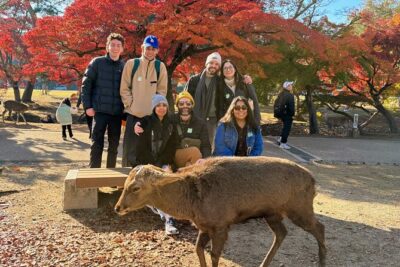
World Heritage Kyoto & Nara Uji Authentic Matcha Experience
Read our review →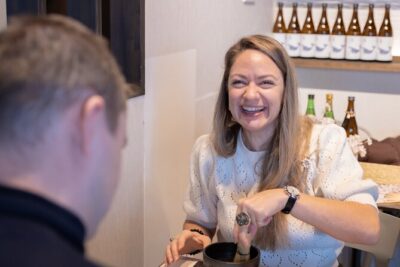
Matcha Making Class in Tokyo with Authentic Japanese Sweets Set
Read our review →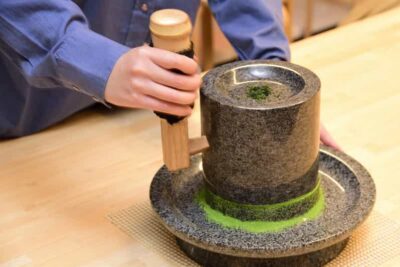
Tea Museum Tickets and Matcha Grinding Experience
Read our review →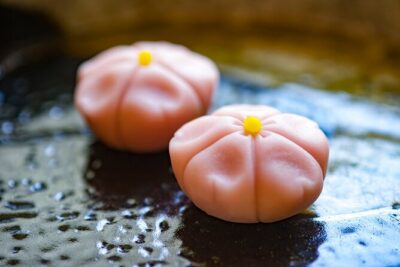
Matcha Making Class in Osaka with Authentic Japanese Sweets Set
Read our review →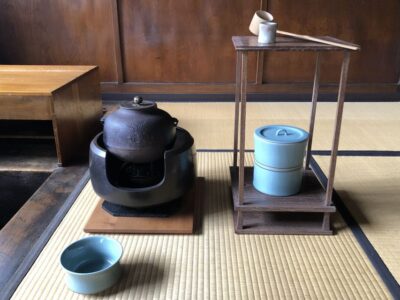
Tea Ceremony Meditation – Make Matcha with Tea Master
Read our review →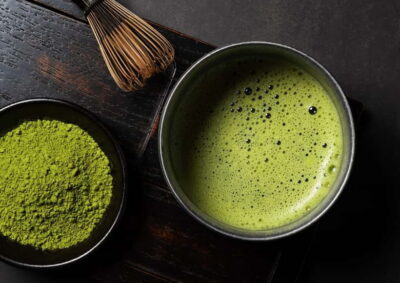
Matcha Making Experience with Mochi Sweets in Asakusa
Read our review →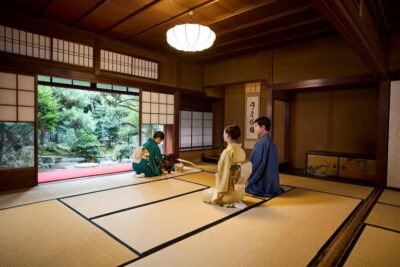
Browse the lists this tour appears in