
Review · OSAKA
Osaka Japanese Cooking And Matcha Class near Osaka Castle
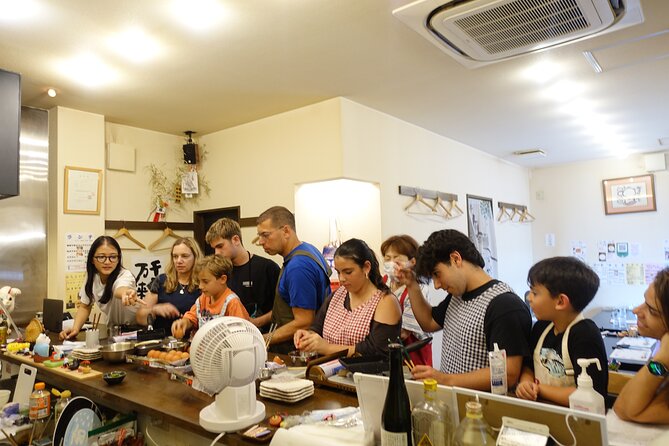
Osaka food is easy to eat and harder to recreate. This small class gives you a practical way to make Japanese dishes at home, then adds a matcha lesson and, if you choose, a sake tasting. Ikuko leads the cooking, with her son Takumi helping with English.
I like the small group limit of 10, since you should have room to ask questions and get hands-on help. I also like the family setting: Ikuko and Takumi bring a personal touch, and past classes have included dishes such as salmon, rolled omelette, and takoyaki.
The main consideration is timing. The listed start is 5:30 pm, so this works best as an evening food activity, even though lunch and dinner options are advertised. The class lasts about two hours, and English support may come partly through Takumi.
Key points to know before booking
- Choose your cooking style: Make home-cooked dishes, okonomiyaki, or a bento.
- Learn matcha at home: The class includes instruction on preparing authentic matcha.
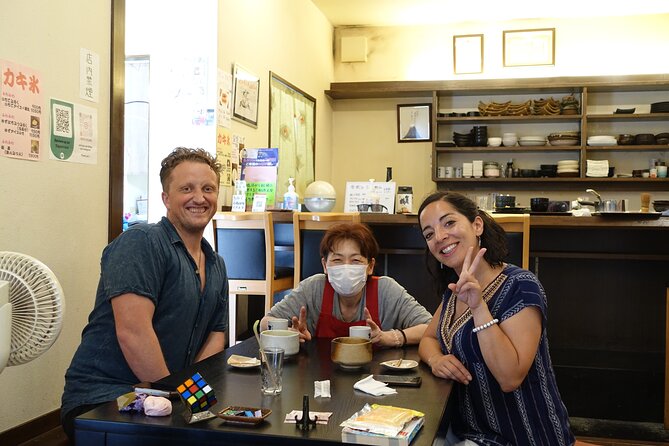
- Cook with Ikuko and Takumi: Ikuko leads the experience, while Takumi can help with translation.
- Add sake tasting: An optional upgrade pairs sake with your meal.
- Stay near Osaka Castle: The meeting point is one JR station from Osaka Castle Station and a seven-minute walk from Morinomiya Station.
- Expect a compact class: The maximum group size is 10 people, with the activity lasting about two hours.
A family kitchen near Osaka Castle
This is not a class built around a long list of sights. You come to one location, put on your cooking hat, and spend the evening making food with a local family. That focus is the point.
The meeting address is 3-chōme-8-2 Nakamichi in Higashinari Ward. It is one station from Osaka Castle Station on JR and about a seven-minute walk from Morinomiya Station. You can also reach the area from Shinsaibashi and Namba, making it a useful food stop after sightseeing in central Osaka.
The venue also operates as a cafe. If you arrive early, you can relax with a coffee before class begins. That small detail matters in Osaka, where a tightly packed sightseeing day can leave you racing from one appointment to the next.
The setting is especially appealing if you prefer a personal introduction to Japanese food over a polished demonstration. Ikuko and Takumi are named hosts, not anonymous staff members. Ikuko’s English is limited, but Takumi helps translate, and the family atmosphere comes through clearly in the way the class is presented.
More Matcha Experiences in Osaka:
- Matcha Making Class in Osaka with Authentic Japanese Sweets Set
★ 5.0 · 509 reviews - Osaka: Matcha Making Experience with Japanese Sweets
★ 5.0 · 146 reviews - Osaka Temple Cool Foot Bath & Matcha Experience〈45min〉
★ 4.9 · 82 reviews
What you cook: three choices with an Osaka angle
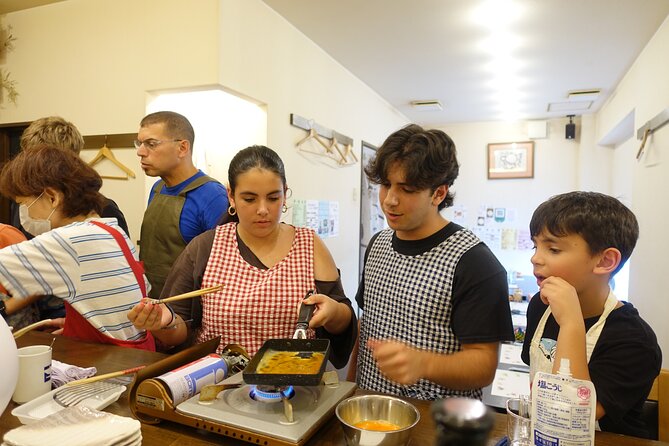
You can choose one of three cooking directions: home-cooked dishes, okonomiyaki, or bento. The information provided does not give a fixed recipe list for every session, so your exact menu may depend on the class schedule.
That flexibility is useful. If you want food that fits daily Japanese life, choose the home-cooked option. This is the best route for learning dishes you might actually prepare after returning home, rather than making one famous specialty and calling it a night.
Okonomiyaki is the most obviously Osaka choice. This savory pancake is closely linked with the city’s food culture, and making it yourself gives you a better feel for the mixing, cooking, and finishing steps than simply ordering one at a restaurant. The class information also notes that takoyaki has been made in a past session, so the Osaka-style menu can include more than one local favorite, depending on the day.
The bento option offers a different lesson. A bento is not just a meal placed in a box. It is about arranging several parts so the food is easy to eat, attractive, and balanced. If you are interested in everyday Japanese meals, this option may be more useful than a single street-food dish.
Past class details include salmon and daishiki rolled omelette. The omelette is a good example of why technique matters: Japanese rolled omelette looks simple, but getting neat layers takes care and practice. You may not cook those exact items, but they show the kind of home-style food that can appear in the class.
The two-hour cooking flow
The class is designed as a lunch or dinner experience and lasts about two hours. The listed start time is 5:30 pm, so you should plan on an evening session unless the provider confirms another time for your booking.
You begin by choosing or receiving your selected menu, then follow Ikuko through the preparation. The small group gives you a better chance to see what is happening and ask for help. This matters more in a cooking class than it does on a sightseeing walk. A quick demonstration can look easy until you try to repeat the motion yourself.
Expect to practice Japanese cooking methods rather than simply watch a chef work. The class description specifically focuses on authentic techniques, and the hands-on format lets you take part in the preparation of the meal you later eat.
Takumi’s translation help is important for clear instructions. If you have food questions, cooking questions, or need a step repeated, ask early. The friendly family approach should make that comfortable, but the language support may not be as formal or constant as it would be in a large professional cooking school.
The class then moves from cooking to eating. You enjoy the food you prepared, which gives the activity a satisfying finish and lets you judge the results right away. Several dishes described from previous sessions were filling as well as flavorful, so this can function as a real meal rather than a small snack.
Matcha without the ceremony pressure
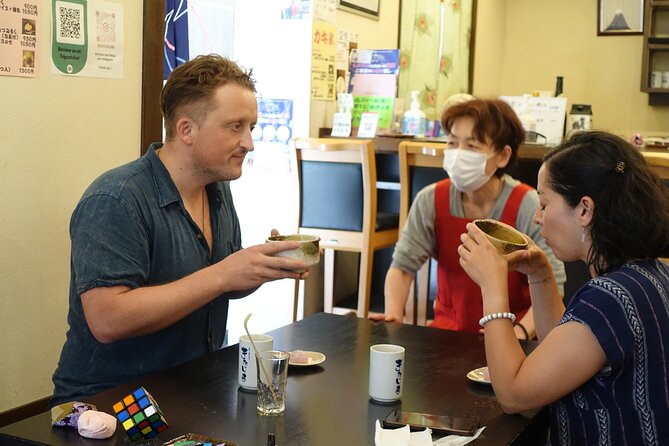
The matcha portion adds a second skill to the class. You learn how to make authentic matcha at home, which gives the experience more lasting value than a quick tasting alone.
The supplied details do not specify the exact utensils, sequence, or length of the matcha lesson. You should therefore expect an introduction to preparation, not assume that this is a full tea ceremony. That distinction is useful. A visitor who wants a formal ceremonial performance may need a different activity, while someone who wants to prepare matcha in their own kitchen should find this format more practical.
Matcha also gives the class a calmer change of pace after cooking. You have already been handling ingredients and following steps, then shift to a drink with its own preparation method. It makes the experience feel like an introduction to a wider part of Japanese food culture rather than a single recipe workshop.
More Cooking Classes in Osaka:
- Osaka: Japanese Cooking Class with Matcha Experience
★ 5.0 · 4 reviews - Osaka : Exclusive Tea Ceremony & Wagashi Cooking
★ 5.0 · 2 reviews - Xiao Long Bao, Beef Noodles & Boba Tea Cooking Class in Taipei
★ 5.0 · 159 reviews - Xiao Long Bao, Chicken vermicelli with mushroom and sesame oil, Tofu strips salad, Bubble milk tea. Taiwan Traditional Delicacies Experience-A (Taipei Cooking Class)
★ 5.0 · 79 reviews
Add the sake tasting if you want a fuller evening
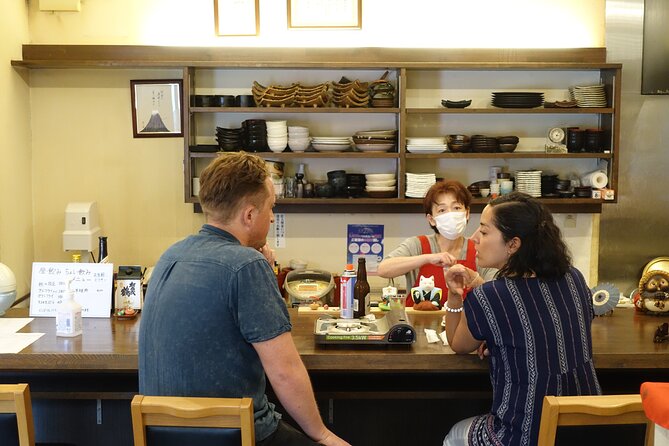
A sake tasting is available as an upgrade with the meal. This is a good choice if you are curious about Japanese drinks and want the meal to feel more like a complete evening activity.
The available information does not specify the number of sake samples or the producers served, so you should not book expecting a detailed brewery presentation. Think of it as an optional pairing and tasting element added to the cooking class.
The upgrade may be most useful for couples or adults who want a food-and-drink experience in one place. If you are mainly interested in learning recipes, skip it and keep the base price lower. If you would otherwise spend money on drinks after class, the added option may offer better value, though the exact upgrade price is not provided.
Why the small group matters
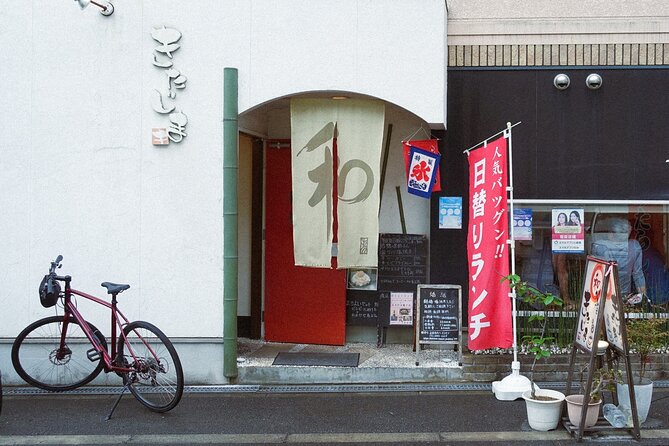
The maximum group size is 10 people. That is small enough to make the class feel personal without requiring the price of a private lesson.
For you, the biggest benefit is access to the instructor. Cooking involves small corrections: how to hold a utensil, how to fold an omelette, when to stop mixing, or how to arrange food in a bento. Those are easy to miss in a crowded workshop.
A small group also suits families. The class has welcomed families, and Ikuko and Takumi are described as warm and fun to spend time with. Children may enjoy the hands-on element, though the provided information does not state a minimum age or list child-specific activities. If you are bringing young children, ask about age suitability before booking.
The group size does not guarantee total quiet or one-to-one attention. Ten people can still mean a busy kitchen, especially if everyone chooses the same dish. Still, it is a better setup for questions and personal feedback than a large demonstration class.
The personal style of Ikuko and Takumi
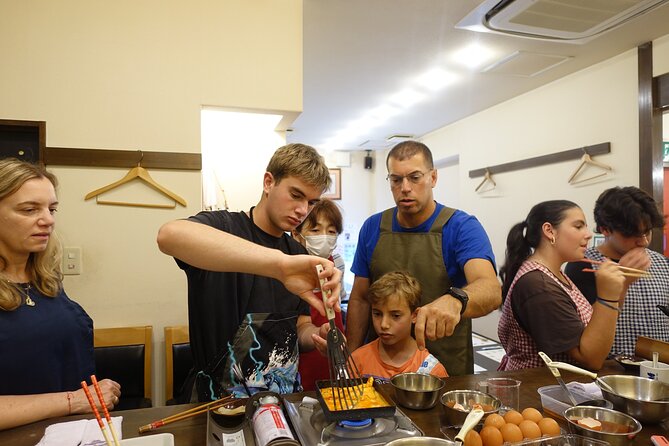
The strongest feature here is the human side of the activity. Ikuko is described as eager to interact, warm, and enthusiastic about making people feel comfortable. Takumi supports her with translation and helps bridge the language gap.
That family teamwork can make the class feel less formal. You are not just following printed instructions. You are cooking alongside hosts who want you to enjoy the food and try the recipes again at home.
There is a tradeoff. Because Ikuko has limited English, some explanations may pass through Takumi or rely on demonstration. For many people, that is part of the charm. If you need highly technical instruction in fluent English, you may find the communication less exact than in a fully English-language school.
The cooking examples show a broad range. Salmon, rolled omelette, and takoyaki have all appeared in class experiences, while the standard choices include home cooking, okonomiyaki, and bento. Ask about the current menu if one particular dish is the reason you want to book.
Location, timing, and price value
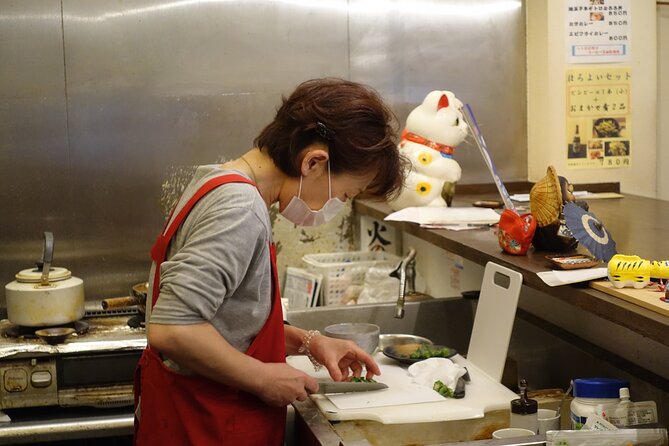
At $65.69 per person, the price covers about two hours of instruction, the cooking experience, the meal, and matcha preparation. That is reasonable if you value a hands-on activity and would like dinner included rather than simply watching a demonstration.
The value is strongest for people who enjoy learning by doing. You are paying for time with a local host, cooking practice, and a meal in a small group. The price is less compelling if you only want to sample Osaka food, since restaurants and food stalls let you eat more quickly and often for less.
The location helps. You can combine the class with Osaka Castle, then travel one JR station or walk from Morinomiya. It is also reachable from Shinsaibashi and Namba, so you do not need to build a separate day around it.
The activity is booked about 14 days ahead on average. That does not guarantee that every date sells out, but it suggests you should reserve early if your Osaka schedule is tight. A mobile ticket is provided, and confirmation arrives at booking.
Free cancellation is available if you cancel at least 24 hours before the start time. Changes or cancellations inside that window are not accepted for a refund, with cut-off times based on local Osaka time.
Who should book this Osaka class?
I would choose this class if you want a personal food experience rather than a formal restaurant meal. It suits couples, families, and small groups who like asking questions and taking part.
It is also a good pick for repeat visitors to Japan. Instead of seeing another major sight, you spend two hours learning food skills that can continue at home. The matcha lesson adds a useful extra layer, and the sake upgrade can turn the class into a full evening plan.
First-time visitors can also fit it into a sightseeing day near Osaka Castle. Just leave enough time to reach the Nakamichi meeting point. The class starts at 5:30 pm, and the activity ends back at the same meeting point.
You should think twice if you need a fixed menu, a fully fluent English instructor, or a formal tea ceremony. The menu can vary, English help comes partly through Takumi, and the matcha lesson is described as home preparation rather than a complete ceremonial event.
Should you book it?
Book this class if you want to cook Osaka food with a friendly local family, eat what you make, and learn a matcha method you can repeat at home. The strongest reasons are the small group, the personal attention from Ikuko and Takumi, and the choice between everyday dishes, okonomiyaki, and bento.
Skip it if your Osaka schedule is already packed or you only want a quick tasting. For everyone else, the $65.69 price is fair for a two-hour meal, lesson, and cultural activity in a convenient location. Add sake if that matters to you, and confirm the menu if you have your heart set on takoyaki, salmon, or rolled omelette.
FAQ
How long does the Osaka cooking and matcha class last?
The class lasts about two hours.
What time does the class start?
The listed start time is 5:30 pm.
Where does the class meet?
It meets at 3-chōme-8-2 Nakamichi, Higashinari Ward, Osaka, 537-0025, Japan.
How many people can join the class?
The maximum group size is 10 people.
What dishes can I choose to make?
You can choose home-cooked dishes, okonomiyaki, or bento. Menus from previous sessions have also included items such as salmon, rolled omelette, and takoyaki.
Is sake tasting included?
Sake tasting is available as an upgrade with the meal. It is not included in the standard experience details.
Can I cancel for a full refund?
Yes. You can receive a full refund if you cancel at least 24 hours before the experience starts. Changes or cancellations made less than 24 hours before the start time are not accepted for a refund.
More Workshops in Osaka
- Learn Zen in a class of making Matcha tea near Osaka Castle
★ 4.8 · 17 reviews - Osaka: Tea Ceremony and Matcha Tea Bowl Making Workshop
★ 5.0 · 6 reviews - Kyoto: 45-Minute Tea Ceremony Lesson Experience
★ 4.3 · 2,378 reviews - Matcha Making Class in Tokyo with Authentic Japanese Sweets Set
★ 5.0 · 744 reviews
Just added around Osaka
- Osaka: Tea Ceremony, Calligraphy, and Kimono Experience★ 5.0 · 6 reviews
- Osaka: Nara, Todaiji, Uji Matcha, and Hot Spring Tour★ 4.0 · 7 reviews
- Nara Deer Park, Uji Matcha, & Hot Spring Full-Day Tour from Osaka★ 4.0 · 21 reviews
- Osaka:Zen Tea Ceremony and Foot Bath Experience<45min>★ 5.0 · 7 reviews
- Premium Kimono Dressing, Tea Ceremony, Calligraphy, Samurai show★ 5.0 · 18 reviews
- ZEN therapy | Shiatsu-style massage, EnergyTherapy & Japanese Tea★ 5.0 · 5 reviews
- Discover Japanese Tea Blending Techniques in Osaka★ 5.0 · 19 reviews
- Tea and Calligraphy Session at a Table in Osaka★ 5.0 · 4 reviews
Matcha Experiences, compared.
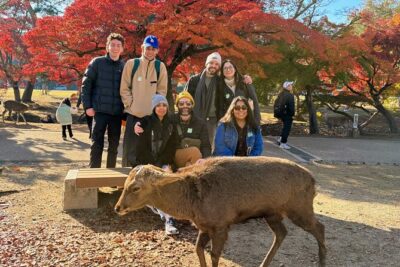
World Heritage Kyoto & Nara Uji Authentic Matcha Experience
Read our review →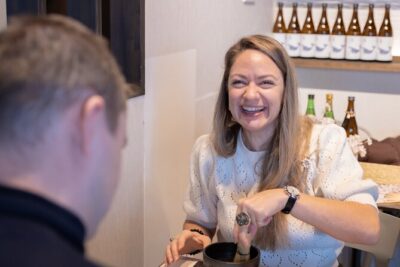
Matcha Making Class in Tokyo with Authentic Japanese Sweets Set
Read our review →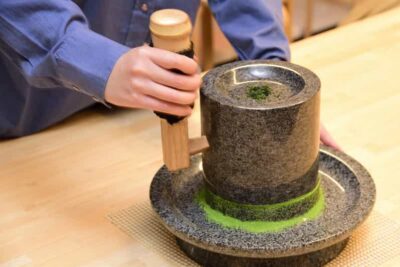
Tea Museum Tickets and Matcha Grinding Experience
Read our review →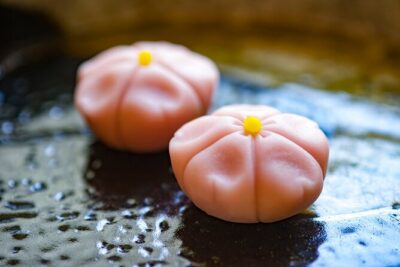
Matcha Making Class in Osaka with Authentic Japanese Sweets Set
Read our review →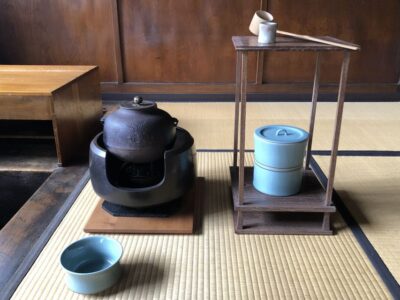
Tea Ceremony Meditation – Make Matcha with Tea Master
Read our review →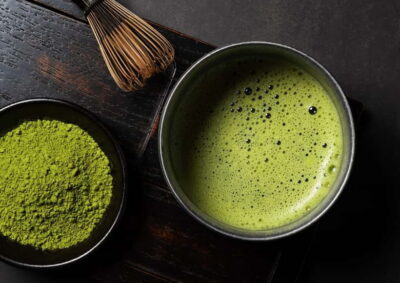
Matcha Making Experience with Mochi Sweets in Asakusa
Read our review →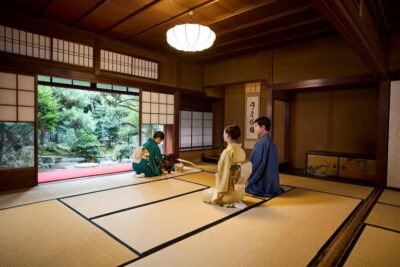
Browse the lists this tour appears in