
Review · KYOTO
Private Kyoto Sushi Cooking Class & Tea Ceremony with Emika
The best part of this Kyoto cooking class is the setting: you enter Emika’s home, cook beside a local family, and sit down to eat what you made. The menu may include sushi, miso soup, seasonal vegetables, tofu dishes, or even Osaka-style okonomiyaki, depending on your choice.
I like the private format, which gives couples and families room to ask questions and adjust the menu. I also like the use of Emika’s organic garden vegetables, since you learn how ordinary Japanese home cooking depends on the season. The main consideration is location: the home is about a 10 to 15 minute walk from Kasura Station through residential streets, so allow extra time to find the address.
Key points to know before booking
- Cook inside Emika’s Kyoto home: This is a personal home meal, not a large demonstration class.
- Choose your main menu: Tell Emika at booking if you prefer sushi or Kyoto-style Obanzai cooking.
- Use seasonal garden produce: Some vegetables come from Emika’s own organic garden.
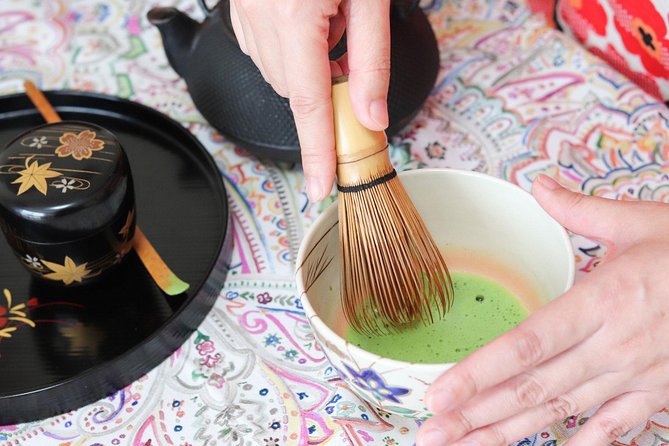
- Finish with Japanese tea: Matcha is prepared by Emika or her father, and the meal ends with a tea ceremony.
- Add the local market visit: The optional supermarket and produce tour takes place after the meal, not before it.
- Plan for about three hours: The class includes cooking, eating, conversation, drinks, and tea.
Cooking in Emika’s Kyoto home
A meal cooked in a private home tells you more about daily life than a polished restaurant meal can. Here, you do not simply watch a chef prepare food. You handle ingredients, ask questions, learn small techniques, and then eat the result at the same table.
Emika welcomes you at her home in Kyoto’s Nishikyo Ward. The address is near public transportation, but it is not a door-to-door hotel pickup experience. You meet at 31-30 Katsurainariyamachō, and the activity ends at the same place.
The walk from Kasura Station takes roughly 10 to 15 minutes. You may need Google Maps to guide you through the winding neighborhood streets, so arrive with your phone charged and the address saved. The walk itself passes through a quieter residential part of Kyoto, far from the city center’s busiest sightseeing areas.
This private setup suits you if you want time for conversation. Emika can answer questions about food, customs, etiquette, and daily life as you cook. Families also benefit from the format because children and teenagers can take part instead of standing behind a crowd.
More Tea Ceremony Experiences in Kyoto:
- Kyoto: Tea Ceremony in a Traditional Tea House in Kiyomizu
★ 4.9 · 3,519 reviews - Kyoto: Tea Ceremony Ju-An at Jotokuji Temple
★ 4.9 · 3,207 reviews - Kyoto: 45-Minute Tea Ceremony Lesson Experience
★ 4.3 · 2,378 reviews
Picking between sushi and Kyoto Obanzai
You should tell Emika your menu preference when you book. The class can focus on sushi, or you can choose a more traditional Kyoto-style meal built around Obanzai cooking.
Obanzai is home cooking associated with Kyoto. It often uses simple, seasonal ingredients in dishes such as marinated mushrooms, slow-cooked vegetables, tofu preparations, and miso soup. The appeal is not elaborate restaurant presentation. It is the way these dishes show careful seasoning and respect for the ingredients.
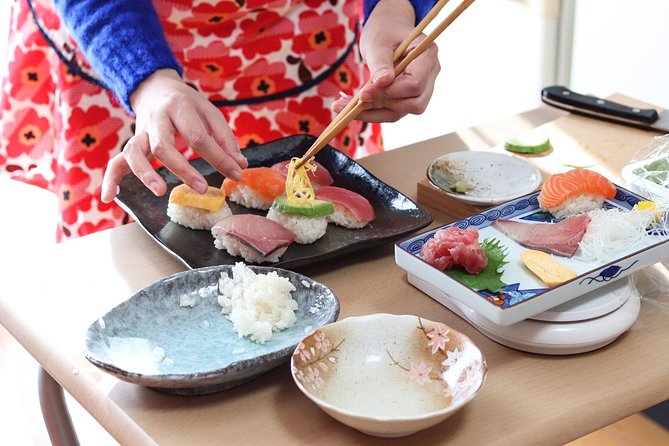
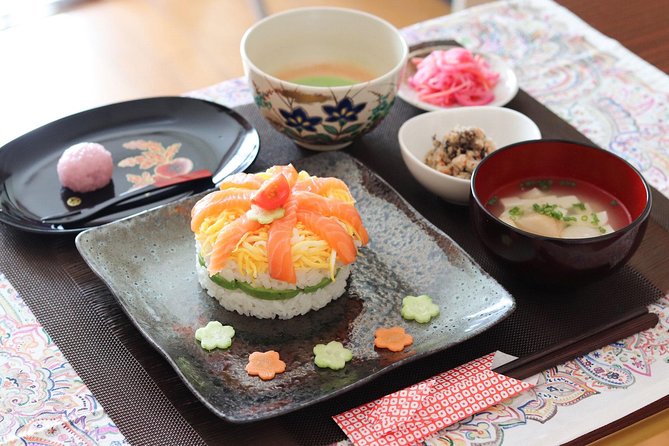
A sushi-focused class may include sushi rice, fish, hand-shaped sushi, or seaweed-wrapped pieces. You learn how to prepare the rice and how to form the sushi, rather than simply arranging ingredients on a plate. One useful lesson is that there are several ways to shape and serve sushi, and the class allows you to practice instead of chasing perfect results.
Past menus have also included Osaka-style okonomiyaki. That is worth clarifying before you arrive, since the exact meal depends on the option you select and the arrangement made with Emika. The cooking may take about an hour, while the full meal and conversation extend the experience to roughly three hours.
If you have allergies, dietary restrictions, or strong food preferences, tell Emika at booking. Vegetarian needs have been accommodated, and private instruction makes adjustments easier than in a large group class. Still, you should not wait until the day of the class to explain what you cannot eat.
Garden vegetables and the value of simple food
One of the most appealing details here is Emika’s organic garden. Some of the vegetables used in the class come from her own garden, giving you a direct link between the cooking lesson and the local growing season.
That detail matters because Japanese home cooking is often less about a long list of ingredients and more about treating a few good ones properly. A vegetable side dish, miso soup, or tofu preparation can seem modest on paper. In the kitchen, you learn how seasoning, timing, and texture shape the final dish.
The class also gives you practical ideas for cooking at home. You may learn which Japanese seasonings to buy, how sushi rice should be handled, or how to make a vegetable dish with ingredients available outside Japan. Emika explains the techniques clearly and offers tips about supplies you can find when you return home.
This is not a professional chef training course. You will not leave with a formal culinary qualification. You will leave with recipes, food knowledge, and a better sense of how Japanese families use everyday ingredients.
From preparation to the shared meal
The cooking portion is hands-on and relaxed. Emika demonstrates the steps, then lets you prepare the dishes yourself. The private format means you can ask for another explanation or repeat a technique without holding up a larger class.
A typical meal can include a main dish plus two Obanzai-style vegetable dishes and miso soup. Sushi participants may prepare the rice, add toppings, and shape pieces by hand. The exact combination depends on the menu selected in advance.
Once the food is ready, you sit down and eat together. This is where the class becomes more than a recipe lesson. You have time to ask Emika about Kyoto, Japanese customs, food etiquette, and places to shop in the city. The meal also gives you a chance to slow down after a day of temple visits and busy streets.
Drinks are included. You can have one or two glasses of local alcohol, or choose matcha to pair with the food. If you prefer not to drink alcohol, make that clear when arranging the experience.
The food itself is part of the value. At $109 per person, this is not the cheapest way to eat lunch or dinner in Kyoto. But the price covers private instruction, the meal, conversation with a local host, drinks, and a tea ceremony. For a couple or family that values personal contact and cooking skills, the cost is easier to justify than it would be for someone looking only for a quick meal.
More Cooking Classes in Kyoto:
- Xiao Long Bao, Beef Noodles & Boba Tea Cooking Class in Taipei
★ 5.0 · 159 reviews - Xiao Long Bao, Chicken vermicelli with mushroom and sesame oil, Tofu strips salad, Bubble milk tea. Taiwan Traditional Delicacies Experience-A (Taipei Cooking Class)
★ 5.0 · 79 reviews - Xiao Long Bao & Boba Tea Cooking Class in Taipei
★ 5.0 · 28 reviews - Xiao Long Bao, Pork thick soup, Bubble milk tea. Taiwan Traditional Light Meals Experience-B (Taipei Cooking Class)
★ 5.0 · 24 reviews
Matcha with Emika and her father
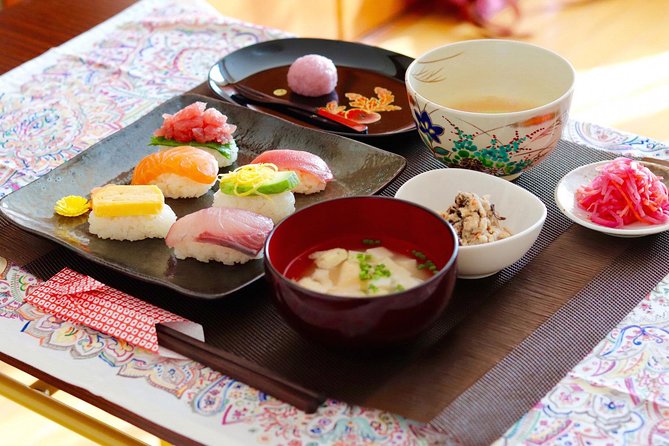
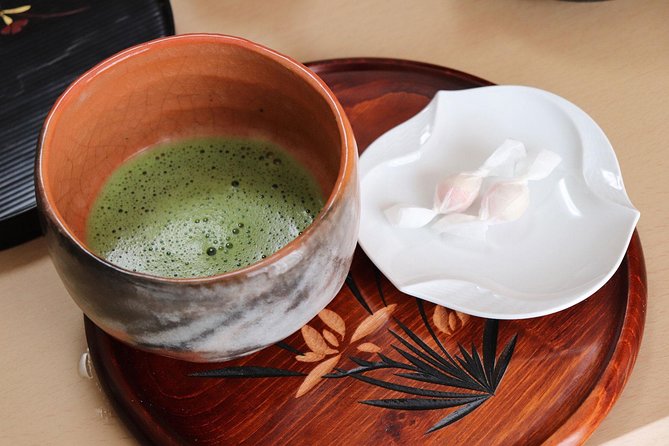
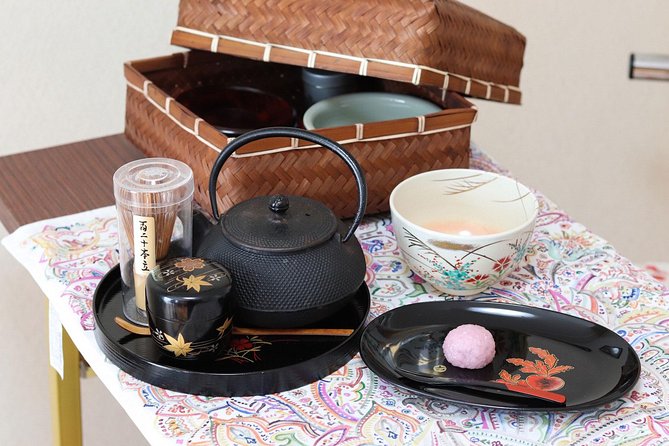
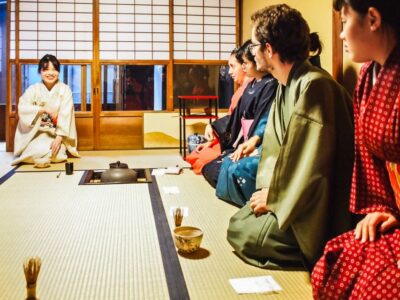
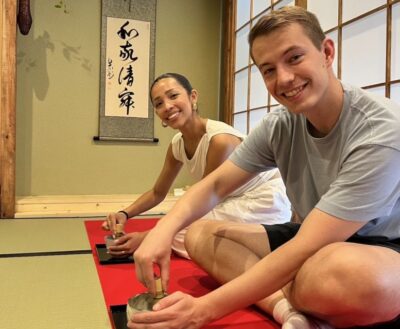
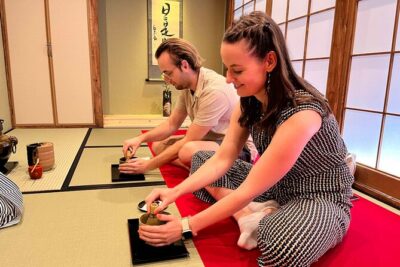
The tea portion may open or close the experience, with the meal ending in a tea ceremony. Emika or her father prepares a fresh cup of matcha, giving you a calm cultural element alongside the cooking.
This is not presented as a formal, highly staged tea-school lesson. Instead, it forms part of a home visit. You learn through the act of sharing tea and asking questions, with the ceremony tied to the meal rather than separated from it.
Matcha can be an acquired taste, especially if you expect sweet green tea. It has a distinct grassy and slightly bitter flavor. That makes it a useful contrast to the meal and a chance to try something that may not appear in an ordinary restaurant visit.
The tea also helps shape the pace of the class. You are not rushing through a cooking demonstration, taking a photograph, and leaving. You prepare food, sit down, talk, and finish with a traditional drink.
The optional supermarket and produce walk
If you choose the market tour option, the visit takes place after lunch or dinner. This timing is important. You do not begin by shopping and then cook. You first prepare and eat the meal, then walk with Emika for about 10 minutes to a supermarket and produce store used by local shoppers.
The market walk adds practical value because ingredients make more sense after you have used them. You can see the seasonings, sauces, vegetables, and packaged foods that appeared in the kitchen. Emika can point out products and help you buy ingredients to take home.
This is especially useful if you want to recreate the class later. A recipe is only half the problem when you are unfamiliar with Japanese labels. Seeing the products in a real store helps connect the cooking lesson to what you can actually purchase in Japan.
The market option is not essential if your main goal is the home meal. If your schedule is tight, the cooking and tea experience already fills about three hours. If you are curious about Japanese food shopping or want to take home seasonings, the extra walk makes the day more useful.
Getting there and fitting it into your Kyoto plan
The class is offered for lunch or dinner, so it can fit around sightseeing. A lunch booking leaves the afternoon open for temples or shopping. A dinner booking works well after exploring Kyoto, but remember to allow time for the walk from the station and for finding the home.
The activity starts and ends at the meeting address. Hotel pickup and drop-off are not included. This is a small but important detail if you are staying in central Kyoto and assume a host will collect you.
The experience is normally booked well ahead, with an average booking time of about 49 days. That suggests planning several weeks in advance, particularly if you need a certain lunch or dinner time. Confirmation arrives at booking, and mobile tickets make it easy to keep the details on your phone.
Only your group takes part. That makes this a better choice than a large cooking school if you want a quieter lesson or need menu changes. Service animals are allowed, but you should still share any relevant needs before the class.
Who will get the most from this class
I would choose this experience for couples who want a personal Kyoto memory, families looking for an activity that includes teenagers, and home cooks who want techniques they can use later.
It also suits you if you have already seen several temples and want a cultural activity with less standing and sightseeing pressure. Cooking gives you a different view of Kyoto, one tied to ingredients, family routines, and the way people eat at home.
The class is friendly to beginners. You do not need advanced cooking skills, and the instruction is designed to let you take part. Children can participate, though the adults in the group should consider how much hands-on work suits each child.
I would be more cautious if you want a formal culinary school, a broad restaurant tasting, or a central Kyoto location. The home address requires a walk, and the class focuses on a shared meal rather than a long list of dishes.
Free cancellation is available up to 24 hours before the local start time. Cancellations or changes made inside that window are not accepted for a refund, so check your plans before the deadline.
Should you book the Kyoto sushi and tea class?
Book it if you want to cook, eat, and talk with a Kyoto resident in a private home. The strongest reasons are the personal attention, the chance to use garden vegetables, and the practical lessons you can repeat at home.
Choose the sushi menu if shaping rice and preparing fish is your main interest. Choose Obanzai if you want a closer look at everyday Kyoto cooking. Add the market tour if Japanese ingredients and shopping are part of your interest.
Skip it if you want a centrally located activity with no walking or if you prefer a formal chef-led course. For everyone else, the $109 price is fair for a private three-hour meal experience with cooking, drinks, matcha, and local conversation.
FAQ
Where does the cooking class take place?
The class takes place at Emika’s home at 31-30 Katsurainariyamachō, Nishikyo Ward, Kyoto, 615-8025, Japan.
How long does the experience last?
The experience lasts about three hours, including cooking, the shared meal, drinks, and tea.
Is the activity private?
Yes. Only your group participates in the cooking class and tea ceremony.
Can I choose sushi or Obanzai cooking?
Yes. You should tell Emika when booking whether you prefer a sushi menu or a Kyoto-style Obanzai menu.
What food is included?
The meal may include sushi or a traditional main dish, two Obanzai-style vegetable dishes, miso soup, tofu dishes, or other agreed menu items. The exact menu depends on your selection.
Are drinks included?
Yes. Local alcohol, usually one or two glasses, is included. Matcha is also prepared as part of the experience.
Is the market tour included?
The supermarket and produce market tour is included if you choose the Market tour option. It takes place after the cooking class and meal, followed by a walk of about 10 minutes.
Can dietary restrictions be accommodated?
You should tell Emika about allergies, dietary restrictions, or cooking preferences when booking. Vegetarian adjustments have been made for private participants.
Is hotel pickup provided?
No. Hotel pickup and drop-off are not included. You meet at Emika’s home, and the activity ends there.
What is the cancellation policy?
You can cancel up to 24 hours before the experience start time for a full refund. Cancellations or changes made less than 24 hours before the start are not accepted.
More Workshops in Kyoto
- Sencha-do the Japanese Tea Ceremony Workshop in Kyoto
★ 5.0 · 21 reviews - Nerikiri and Matcha Making Class in Kyoto
★ 5.0 · 13 reviews - Matcha Making Class in Tokyo with Authentic Japanese Sweets Set
★ 5.0 · 744 reviews - London: Traditional English Scone Making and Tea Workshop
★ 5.0 · 702 reviews
Just added around Kyoto
- Whisk Your Own Matcha: A Zen Matcha Experience at Temple★ 3.6 · 7 reviews
- Uji Walking Tour – Byodo-in temple and Tea Ceremony from Kyoto★ 3.5 · 3 reviews
- Traditional Tea Ceremony in Kyoto★ 4.5 · 3 reviews
- Kyoto: Authentic Tea Ceremony in a Small Group★ 5.0 · 7 reviews
- Tea ceremony at Kyoto’s Zen Temple Teahouse★ 5.0 · 2 reviews
- Tea Ceremony in 150 Years Old Townhouse with Tables and Chairs★ 5.0 · 22 reviews
- Silent Beauty of Kyoto Zen Walk and Tea Experience★ 5.0 · 2 reviews
- Tea Ceremony Experience in Traditional Kyoto Townhouse★ 5.0 · 19 reviews
Tea Ceremony Experiences, compared.
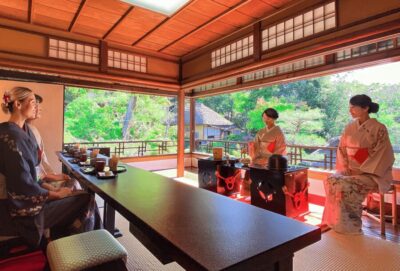
Tea Ceremony in a Traditional Tea House in Kiyomizu
Read our review →
Browse the lists this tour appears in