
Review · TOKYO
Tokyo Sweets Tour: Hidden Gems & Matcha at an Old Tea House
Tokyo’s sweetest surprise is not a grand department-store food hall. It is a three-hour walk through Jiyugaoka, a quieter Tokyo neighborhood where bakeries, cafés, and small shops give you a look at local daily life. The stops cover a broad range, from fluffy Japanese-style pancakes to Mont Blanc and creamy Hokkaido ice cream, ending with matcha in an old Japanese building.
I like the small group size, capped at six, because it should be easier to ask questions and keep the pace relaxed. I also like that your guide, Soren, works as a baker, so the food comes with practical insight rather than just a quick name and a photo.
The main consideration is simple: this is a sweets-heavy morning. You will eat several desserts in about three hours, and the tour may not suit you if you prefer savory food or want a long sit-down meal. Weather also matters, since poor conditions can lead to a change of date or a full refund.
Key points to know before booking
- Jiyugaoka setting: Explore a lesser-known Tokyo neighborhood with quiet streets, local shops, cafés, and traditional houses.
- Six food-focused stops: Expect pancakes, Asian bakery items, Japanese donuts, Hokkaido ice cream, Mont Blanc, and matcha.
- Baker as guide: Soren brings professional baking experience and conducts the tour in English.
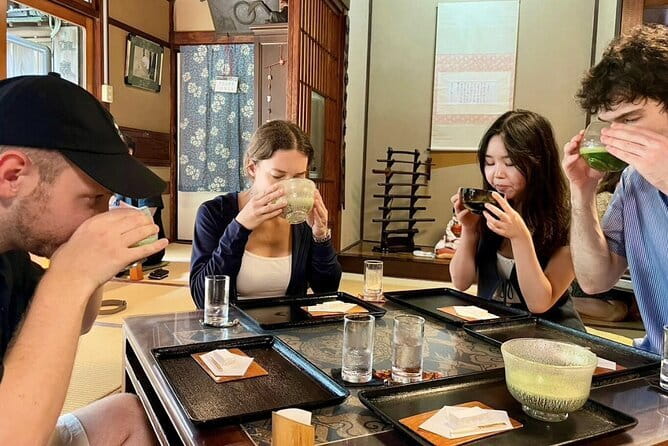
- Traditional finish: Sit on tatami mats and drink matcha inside a Japanese building more than 100 years old.
- Small group: The maximum group size is six, useful for a more personal food walk.
- Price and timing: The tour costs $109, lasts about three hours, starts at 10:30 a.m., and returns to the meeting point.
Why Jiyugaoka makes a good sweets base
Jiyugaoka gives this tour a different feel from a dessert crawl around Tokyo’s biggest shopping districts. The neighborhood is described as less crowded with tourists, with quiet streets, small cafés, distinctive shops, and traditional homes beside newer businesses.
That mix matters. You are not simply moving between anonymous chain stores. The setting helps you see how sweets fit into ordinary Tokyo life: as a morning treat, a café stop, a gift, or a carefully made pastry bought for later.
The tour begins at Excelsior Caffé Jiyugaoka-ekimae, at 10:30 a.m. The meeting point is near public transportation, and the activity ends back there. That return is useful if you plan to continue exploring Jiyugaoka afterward or need a clear place to collect yourself after three hours of sugar.
I would allow a little extra time to find the café before the start. The supplied address is 2-11-1 Jiyugaoka, Meguro City, in the Kuriyama Building. Since this is a mobile-ticket experience, keep your booking confirmation easy to access on your phone.
More Matcha Experiences in Tokyo:
- Matcha Making Class in Tokyo with Authentic Japanese Sweets Set
★ 5.0 · 744 reviews - Tokyo: Matcha Making Experience with Mochi Sweets in Asakusa
★ 4.9 · 388 reviews - Asakusa Cultural Walk & Matcha Making Tour
★ 5.0 · 245 reviews
Starting with fluffy Japanese pancakes
The first food stop features Japanese-style pancakes that are fluffier and sweeter than standard pancakes. This is a good opening because the texture sets the tone for the morning: you are not getting a generic Western breakfast with a Japanese label, but a local interpretation of a familiar food.
The pancake course also functions as brunch. Coffee or tea is included, along with snacks and other food during the tour, so you are not paying only for a guided walk. Still, the exact portion sizes are not specified. You should think of the experience as a series of tastings rather than a full restaurant breakfast.
Soren’s baking background should be most useful here. Pancakes may look simple, but texture, lift, sweetness, and cooking time all affect the result. A guide who works as a baker can point out details that are easy to miss if you are tasting quickly.
If you are sharing the tour with someone, it may help to treat the food as a progression rather than filling up at the first stop. There are several more sweets ahead.
A cozy Korean bakery with Asian flavors
The next stop is a Korean bakery, where you try a variety of Asian treats. This broadens the tour beyond strictly Japanese pastry and shows how Tokyo’s bakery scene draws from across Asia.
The description does not list the exact pastries or flavors, so you should expect some choice and variety without assuming a particular item. That uncertainty is part of the fun, but it also means you cannot plan around one specific dessert.
This stop may be especially useful if you have already eaten classic Japanese sweets elsewhere in Tokyo. The tour is not limited to wagashi or matcha-flavored products. It looks at the wider bakery culture found in a modern Tokyo neighborhood, where Korean and Japanese food traditions sit close together.
The bakery is also described as cozy, which suggests a more intimate pause rather than a major attraction. For me, that is a strength. The point is not to collect famous storefronts. It is to notice the small food businesses that make a neighborhood worth walking through.
Japanese donuts with plenty of choice
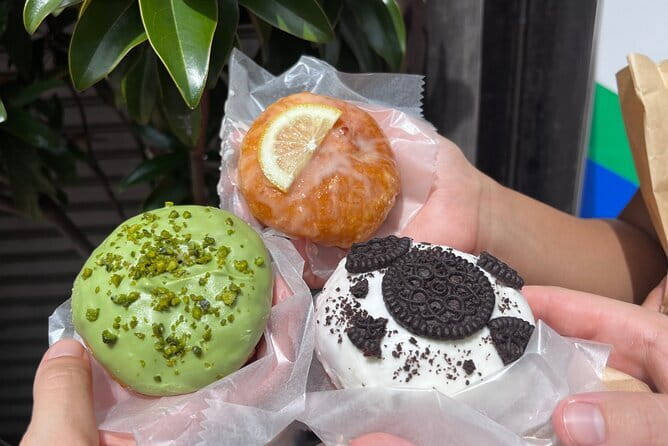
A popular donut shop follows, and this is likely the stop for people who want the greatest range of sweet flavors. The menu is described as having a wide assortment of Japanese-style treats, though the exact selection can change.
Do not expect this to be just an ordinary American donut stop. Japanese bakeries often play with fillings, coatings, shapes, and flavors, and the supplied experience specifically emphasizes unusual choices that you may not find in Canada or elsewhere outside Japan.
This is one of the places where Soren’s food knowledge can add value. He can help explain what makes a Japanese donut different and point out flavors you might pass over because the name or appearance is unfamiliar.
The practical issue is portion control. A broad assortment sounds tempting, but you will still have Hokkaido ice cream, Mont Blanc, and matcha ahead. If you have a sensitive sweet tooth, ask the guide how much to try at each stop. The small group should make that kind of question easy.
More Dessert Stops in Tokyo:
- Make Traditional Nerikiri Sweets & Matcha experience in Shibuya
★ 5.0 · 130 reviews - Sweets Making and Kimono Tea Ceremony at Tokyo Maikoya
★ 5.0 · 57 reviews - Japanese Traditional Sweets making and Tea Ceremony
★ 4.7 · 50 reviews - Mochi Matcha Gluten Free Japanese Sweets Class near Shibuya area
★ 5.0 · 26 reviews
Creamy Hokkaido ice cream
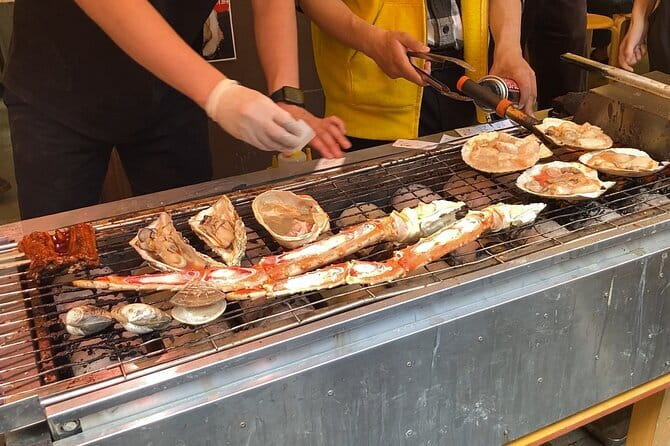
The ice cream stop focuses on Hokkaido milk, known for a creamy and sweet style. It provides a change in temperature and texture after the baked goods, although it remains firmly on the dessert side of the tour.
Hokkaido is famous in Japan for dairy products, and this tasting gives you a chance to notice the milk-forward character rather than treating ice cream as an afterthought. The description calls it extra creamy and sweet, so anyone who prefers less-sugary desserts should keep that in mind.
The ice cream also makes the route feel varied. You are not eating six pastries in succession. The morning moves from warm or baked foods to chilled dairy, then back to a more composed pastry before the final tea service.
Because the tour is outdoors at points, weather may affect this part of the experience and the walk between stops. Poor weather can result in a new date or a full refund, according to the cancellation terms. You can cancel for a full refund if you do so at least 24 hours before the 10:30 a.m. start time. Changes or cancellations within 24 hours are not refunded.
Mont Blanc, a Japanese patisserie favorite
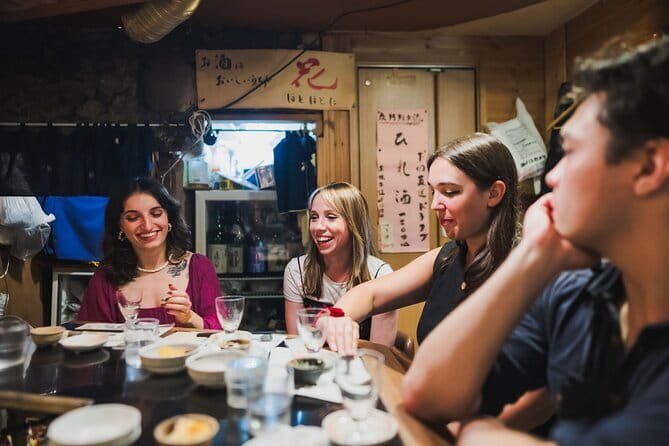
The itinerary includes a Japanese patisserie called Mont Blanc. The name may be familiar, but Japanese Mont Blanc often receives its own treatment, usually with a carefully piped chestnut topping and a cake or cream base.
The supplied details do not specify the exact shop or recipe, so I would not book this expecting one particular presentation. Instead, consider it a chance to try a classic patisserie item in its Japanese setting.
This stop helps keep the tour from being only about novelty. Some food walks chase unusual flavors at every turn. Here, you also get a dessert with a strong place in Japanese café and pastry culture.
If you are comparing this tour with a standard bakery walk, Mont Blanc is one reason this one feels broader. You move between pancakes, Korean bakery goods, donuts, ice cream, and a composed patisserie dessert. The common thread is sweetness, but the techniques and textures keep changing.
Matcha on tatami in a century-old building
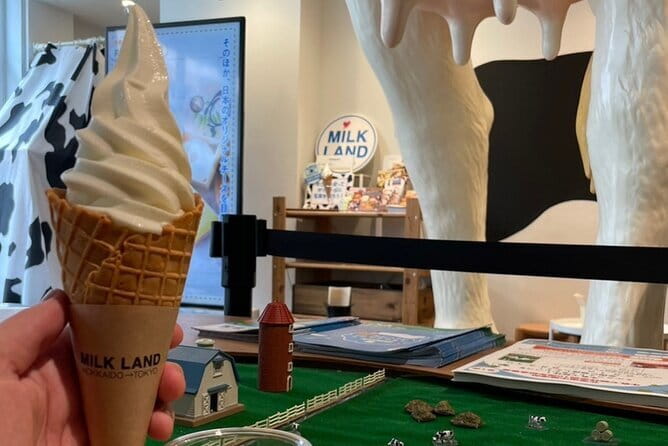
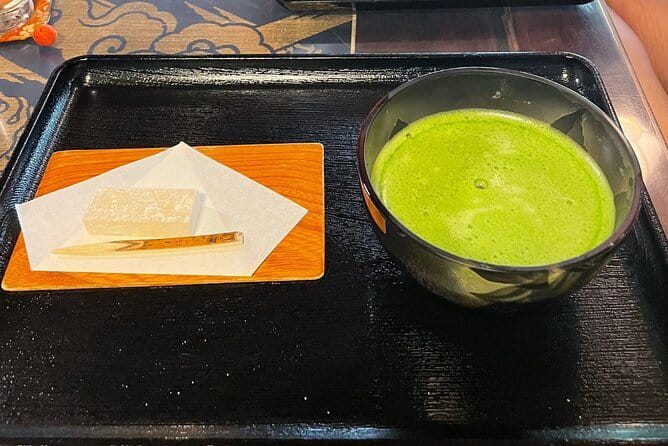
The final stop is the most cultural part of the morning. You visit a traditional matcha shop in a Japanese building more than 100 years old, sit on tatami mats, and drink authentic matcha.
That setting gives the tour a proper finish. After sampling modern bakery foods and Japanese adaptations, you end with a beverage tied to older Japanese customs. The building itself adds atmosphere without requiring a separate museum visit.
Do not confuse this with a full tea ceremony unless the guide specifically says otherwise. The information provided promises authentic matcha and tatami seating, but it does not describe a formal ceremony, utensils, sweets served with the tea, or instruction in tea etiquette.
For many people, this will be the most memorable stop because it slows the pace. A dessert tour can become a list of bites. Sitting on tatami in an old building gives the final drink a sense of place and lets you think about how different Tokyo’s food traditions can be within a single neighborhood.
Matcha can taste grassy, bitter, or intense compared with sweetened tea. That contrast may be welcome after the earlier desserts. If you usually prefer coffee or milky tea, ask Soren about the flavor before you take your first sip.
How Soren shapes the experience
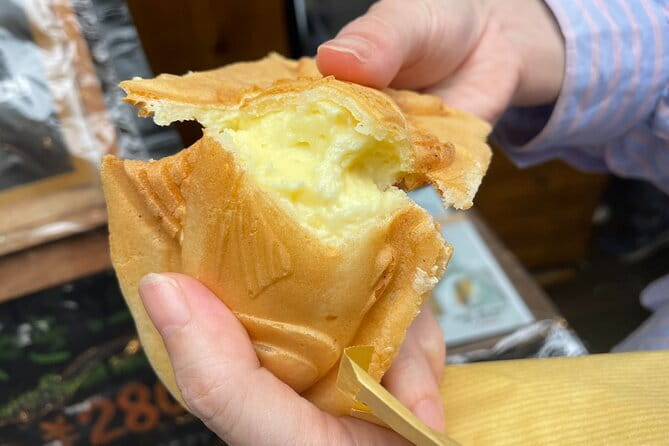
The guide is Soren, an English-speaking baker who is described as both entertaining and thoughtful. Those qualities matter on a food tour. A guide who simply leads you from shop to shop can make three hours feel like a shopping list. A guide who understands baking can explain why an item is shaped, flavored, or cooked a certain way.
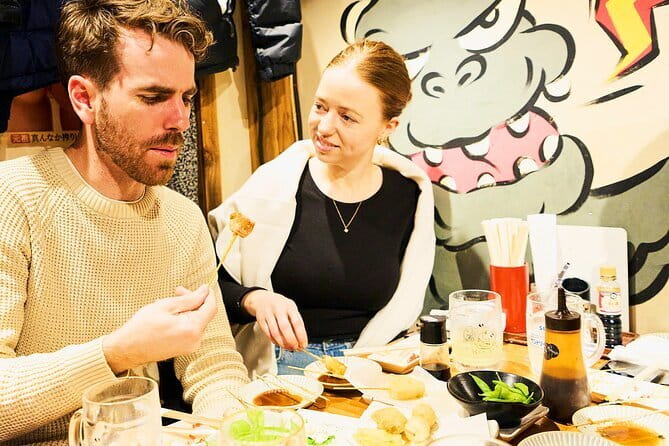
You can also expect a comfortable social setting. With a maximum of six people, the group is small enough for questions and conversation without the awkward scale of a large bus tour.
The available feedback gives Soren particularly strong praise for his English, his friendly manner, and his ability to make guests feel at ease. Several people singled out the fresh baked goods, unusual flavors, and relaxed pace. One person wished they had found the tour earlier in their trip, which is useful advice: this is best placed early enough in your Tokyo stay that you can return to a favorite café afterward.
That last point is practical. The tour is not only about eating what is placed in front of you. You are also shown places you may want to visit again on your own. Keep your phone ready for shop names and locations.
Is $109 a fair price?
At $109, this is not a cheap breakfast. The value depends on what you want from the morning.
You are paying for about three hours, an English-speaking guide, brunch, snacks, coffee or tea, several sweet tastings, and the convenience of moving between selected places without doing the research yourself. The small group limit adds value, especially if you want to ask about ingredients and baking methods.
The price is harder to justify if you only want a large meal or a single famous dessert. Portions are not listed, and the tour is built around sampling many items. You are buying access, guidance, neighborhood context, and variety rather than a fixed restaurant menu.
I think the cost makes the most sense for a solo visitor, a couple, or a small group that enjoys trying many foods and wants a calmer side of Tokyo. It also suits anyone who would rather have a baker explain the food than spend the morning guessing what to order.
Who should book this sweets walk?
You should consider it if you:
- Enjoy pastries, ice cream, donuts, pancakes, and matcha.
- Want to see a quieter Tokyo neighborhood beyond the major sightseeing areas.
- Prefer a small group, with no more than six people.
- Like learning about food from someone who works as a baker.
- Want several tastes instead of one large meal.
- Are comfortable spending three hours focused mainly on sweets.
You may want to skip it if you need a savory-heavy breakfast, avoid dairy, or do not enjoy sweet foods. The available details do not identify allergy procedures, dietary substitutions, or exact ingredients, so you should ask before booking if those issues affect your decision.
Most people can participate, and the meeting point is near public transportation. Still, this is a neighborhood walking tour with stops in shops and an old building with tatami seating. Specific accessibility features are not provided, so contact Sunrise Adventure before booking if you need them.
Practical details for your morning
The tour begins at 10:30 a.m. and lasts approximately three hours. It starts and ends at Excelsior Caffé Jiyugaoka-ekimae, making the meeting point easy to use as your anchor for the morning.
A mobile ticket is provided, and confirmation arrives when you book. The price is $109, and the group can include up to six people.
Wear something comfortable for walking and plan your appetite. Since the tour includes several sweet stops, a heavy breakfast beforehand would work against the experience. You may also want water between tastings, especially if you find rich desserts tiring.
The weather policy is worth noting. If bad weather causes cancellation, you are offered another date or a full refund. For your own cancellation, give at least 24 hours’ notice for a full refund. Inside that window, refunds are not available and changes are not accepted.
My call: book it for the food and the neighborhood
I would book this tour if I wanted a friendly, focused introduction to Tokyo’s bakery culture rather than a major sightseeing circuit. The strongest combination is the small group, Soren’s baking experience, and the contrast between modern sweets and matcha served on tatami in a century-old building.
The tour is less appealing if you want a conventional lunch, exact menu choices, or a formal tea ceremony. But if your ideal Tokyo morning includes unusual donuts, Hokkaido ice cream, Mont Blanc, and a quieter neighborhood walk, $109 buys a useful mix of food, guidance, and local atmosphere.
FAQ
Where does the Tokyo sweets tour start?
The tour starts at Excelsior Caffé Jiyugaoka-ekimae, located at 2-11-1 Jiyugaoka, Meguro City, Tokyo. The meeting point is near public transportation.
What time does the tour begin?
The tour begins at 10:30 a.m.
How long does the experience last?
The experience lasts approximately three hours.
What foods are included?
The tour includes Japanese-style pancakes, Asian treats at a Korean bakery, Japanese-style donuts, Hokkaido ice cream, Mont Blanc, and matcha. Coffee or tea, brunch, and snacks are included.
How many people can join the tour?
The tour has a maximum of six participants.
Can I cancel for a full refund?
Yes. You can cancel at least 24 hours before the start time for a full refund. Cancellations and changes made less than 24 hours before the start are not refunded or accepted.
Just added around Tokyo
- Yokohama : Tea Ceremony with Sweets and Souvenir★ 5.0 · 5 reviews
- Walking Tour: Yanaka,Nezu& Sendagi: Tea Ceremony & Old Tokyo★ 5.0 · 3 reviews
- 2 Hours Mochi &Nerikiri Making & Matcha Class in Bunkyo★ 5.0 · 21 reviews
- Private Kimono and tea ceremony at local home near Tokyo Disney★ 5.0 · 6 reviews
- Private Mochi・Matcha sweets Making Class Near Shibuya Area★ 5.0 · 22 reviews
- Giant Sushi Cooking Class: Make a 1.5m Sushi Roll in Tokyo★ 5.0 · 9 reviews
- Tokyo Tea Ceremony Class at a Traditional Tea Room★ 5.0 · 2 reviews
- Tokyo: Tea Ceremony & Japanese Sweets Making★ 5.0 · 10 reviews
Matcha Experiences, compared.
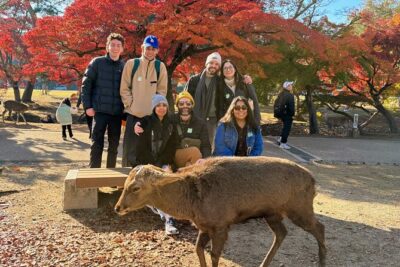
World Heritage Kyoto & Nara Uji Authentic Matcha Experience
Read our review →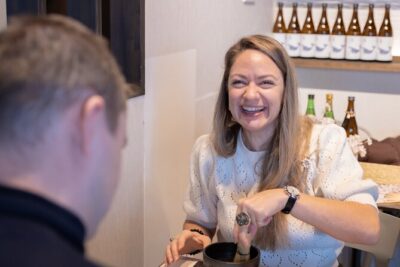
Matcha Making Class in Tokyo with Authentic Japanese Sweets Set
Read our review →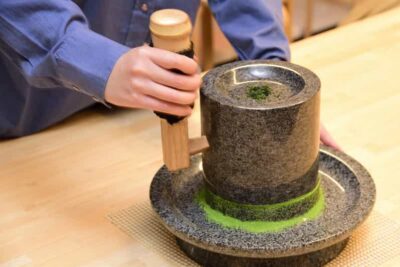
Tea Museum Tickets and Matcha Grinding Experience
Read our review →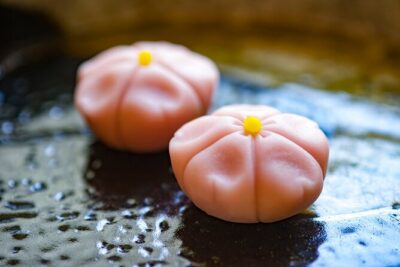
Matcha Making Class in Osaka with Authentic Japanese Sweets Set
Read our review →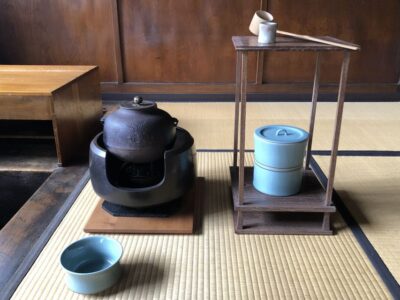
Tea Ceremony Meditation – Make Matcha with Tea Master
Read our review →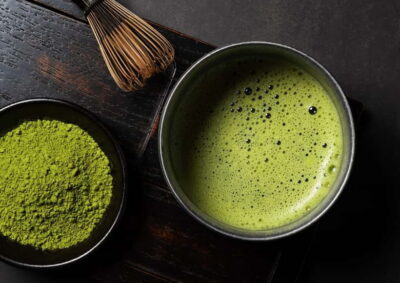
Matcha Making Experience with Mochi Sweets in Asakusa
Read our review →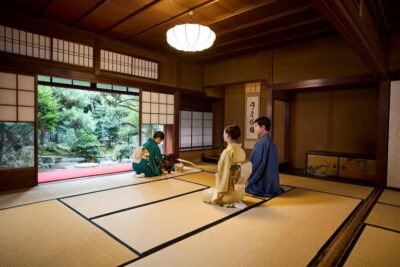
Browse the lists this tour appears in