
Review · MOROCCO
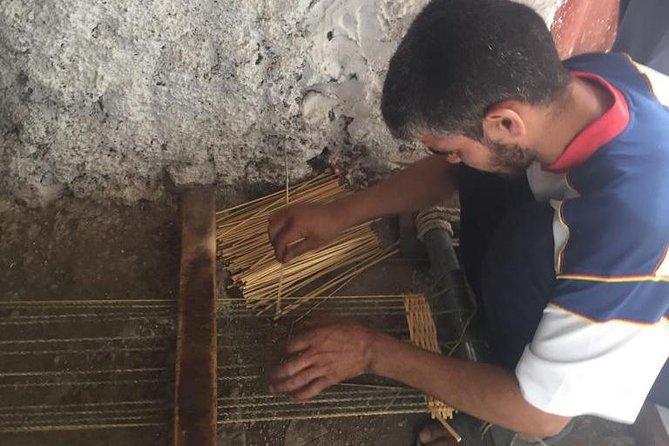
Visit the Oasis & Tea at the basket maker.
A spring-fed oasis, a giant argan tree, olive groves, old irrigation channels, and tea with a basket-making family make this a fine change of pace from Essaouira’s medina. I especially like the walk’s local focus and the chance to see how rush is woven by hand, rather than simply buying another souvenir.
I also like the small-group limit of 12 and the fact that transport is included. The main drawback is that the outing depends on weather and minimum numbers, and bottled water is not provided. Bring your own, along with shoes suited to walking across fields and gardens.
Key things to know before you go
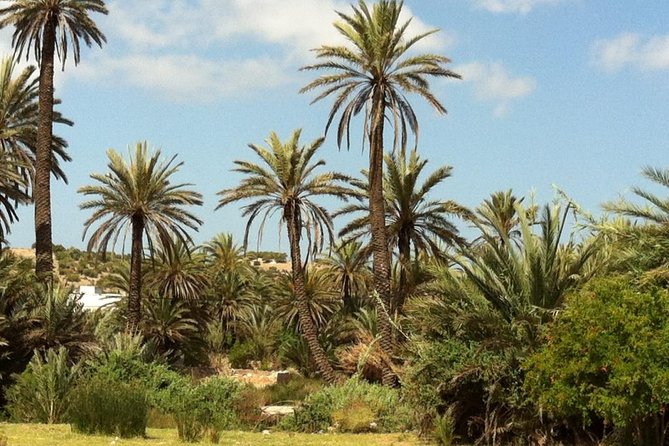
- The oasis is built around a spring: Ain el Hajar’s water supports olive trees, market gardens, and the wider area.
- The walk begins at a notable argan tree: The starting point is described as the biggest argan tree in the region.
- You visit Sidi Bourahmoune’s mausoleum: The route crosses fields and gardens before reaching this local religious site.
- Tea comes at a family basket maker’s home: You see rush weaving and share traditional Moroccan tea as part of the visit.
- The outing lasts about four hours: Transport is private, and the activity returns to its starting point.
- The price is $47.12 per person: That is a fair rate if you value transport, a guided walk, and a personal cultural visit.
Why Ain el Hajar makes a good half-day outing
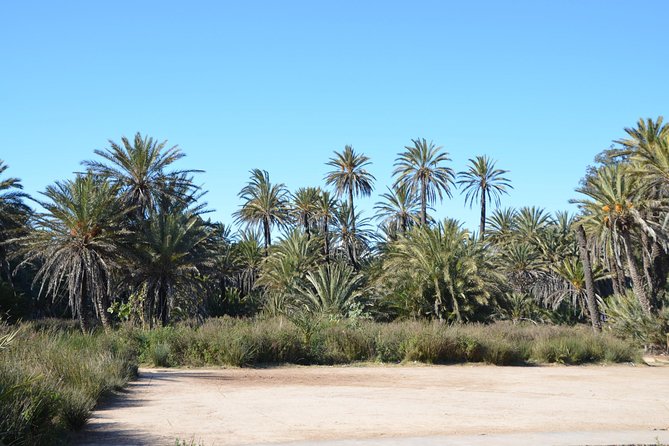
Essaouira is best known for its sea air, whitewashed streets, and busy port. Ain el Hajar gives you a different view of the region. Here, water shapes daily life. A spring feeds the oasis, and irrigation channels help turn dry ground into productive gardens.
The area once had many palm trees. Over time, olive trees became more common, and market gardening grew with the introduction of irrigation systems. That change gives the walk a useful sense of place. You are not just walking through greenery. You are seeing how farming has adapted to the available water.
I like this kind of excursion because it connects several parts of Moroccan life without forcing them into a staged performance. You see agriculture, religious tradition, local craft, and hospitality in one morning. The experience is modest rather than grand, but that is part of its appeal.
The tour is priced at $47.12 per person. That is not the cheapest way to spend a morning around Essaouira, yet the cost includes private transportation and tea at the basket maker. For many visitors, the value comes from having the route arranged and interpreted, with a local family visit included. If you only want a short countryside walk, you may find it expensive. If you want transport and several connected experiences, the price makes more sense.
A few more tea experiences around the world worth a look
- Kyoto: Tea Ceremony in a Traditional Tea House in Kiyomizu
★ 4.9 · 3,519 reviews - London: Afternoon Tea Cruise on the River Thames
★ 4.4 · 3,274 reviews - Kyoto: Tea Ceremony Ju-An at Jotokuji Temple
★ 4.9 · 3,207 reviews
Starting at the great argan tree
The morning begins at 9:00 a.m. at Labo Abdelkrim Khatabi d’Analyses Médicales, 287 Rue Oued El Makhazine, Essaouira 44000. That specific meeting point matters, so give yourself time to find it rather than assuming the guide will collect you from your hotel.
From there, private transportation takes you toward Ain el Hajar. The route begins beside an argan tree described as the biggest in the region. Argan trees are closely tied to southwestern Morocco, both as a native tree and as a source of the oil used in cooking and cosmetics.
This opening stop sets up the rest of the outing. The argan forest is not treated as a backdrop for quick photographs. It is part of the area’s working countryside, where trees, gardens, and water systems share the same space.
The pace is built around walking, so this is best for anyone comfortable spending part of a morning outdoors. The exact walking surface is not specified, but the route crosses fields and gardens. Wear practical shoes, and bring water since bottled water is not included.
One past outing changed route because too few people had booked the original plan. Instead, the group took an argan-tree walk with a guide named Naima. That route included the argan forest, the mausoleum, and tea with a Berber family. This suggests that the operator may adjust the plan when needed, so it is sensible to confirm the day’s exact route if your booking changes.
Following fields, gardens, and irrigation channels
The walk continues across the oasis, where olive trees have replaced many of the palms once found here. You may also see garden plots made possible by irrigation. This is the part of the experience that rewards a slower pace.
A guide can help you notice details that would be easy to miss on your own: where water moves, how the gardens fit between trees, and how the spring supports more than one household or plot of land. The provided information does not promise a particular crop or farming demonstration, so you should think of this as an observational walk rather than a hands-on farm visit.
The setting also gives you a break from Essaouira’s town center. There are no listed shops, performances, or large attractions along the route. Instead, the interest comes from the relationship between water, trees, food production, and village life.
That quiet character may not suit someone looking for constant activity. I would choose this outing for the chance to walk and look around, not for a packed schedule. The four-hour duration leaves room for pauses and conversation, but it also means you should be comfortable with a fairly unhurried morning.
Visiting the mausoleum of Sidi Bourahmoune
The route heads toward the mausoleum of Saint Sidi Bourahmoune. The information provided does not give a detailed account of the building or explain whether you enter it, so expect a visit to the site rather than a full architectural tour.
Even with limited detail, the stop adds a spiritual layer to the countryside. A mausoleum associated with a local saint reflects the way religious places can sit close to farms, springs, and everyday village life. It is a useful reminder that rural Morocco is not divided neatly into tourist sights and ordinary places. The two often share the same path.
Approach the site respectfully. Dress in a way that feels appropriate for a religious setting, and follow your guide’s instructions about where to walk and what you may photograph. The tour does not promise a ceremony or a formal religious explanation, so keep your expectations focused on seeing the place and learning about its role in the area.
A past route led by Naima included this mausoleum. Her ability to explain the area and answer questions was especially appreciated, which is useful to know if you want a guide who can add context rather than simply lead the way.
Same place, a different pot:
- Afternoon Tea Bus Tour in Dublin
★ 5.0 · 2,791 reviews - Kyoto: 45-Minute Tea Ceremony Lesson Experience
★ 4.3 · 2,378 reviews - London: Afternoon Tea Bus Tour – 1960s Routemaster Bus
★ 4.5 · 2,032 reviews - London: Afternoon Tea Bus with a Glass of Prosecco
★ 4.4 · 1,853 reviews
Looking down from the oasis viewpoint
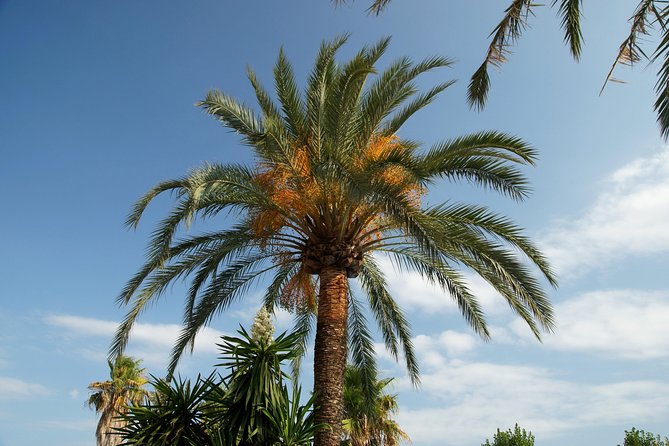
After crossing the fields and gardens, the group reaches a vantage point overlooking the oasis and extending toward the spring. This should be one of the morning’s best visual moments.
From above, the connection between the water source and the cultivated land becomes easier to understand. You can see why this spot developed around the spring and how the olive groves and gardens occupy the available ground. The view is not a grand mountain panorama based on the information available. Its appeal is more specific: you are looking across a working oasis shaped by water.
The route may also bring you across a stone mason carving stones used as millstones for olive-oil extraction. This is not guaranteed, but it is an intriguing possibility. If the craftsperson is working when you pass, you may see a traditional piece of agricultural equipment being made by hand.
That detail gives the walk an extra connection to olive production. You are not only seeing olive trees. You might also see the tools once used to process their fruit. Since the encounter depends on timing and chance, do not book the experience solely for this stop.
Tea and rush weaving with a local family
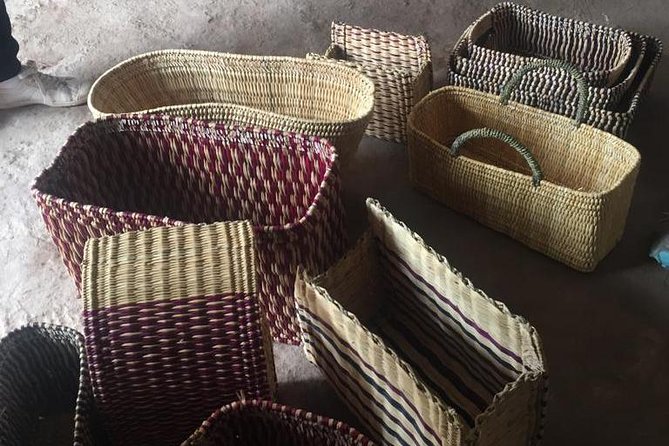
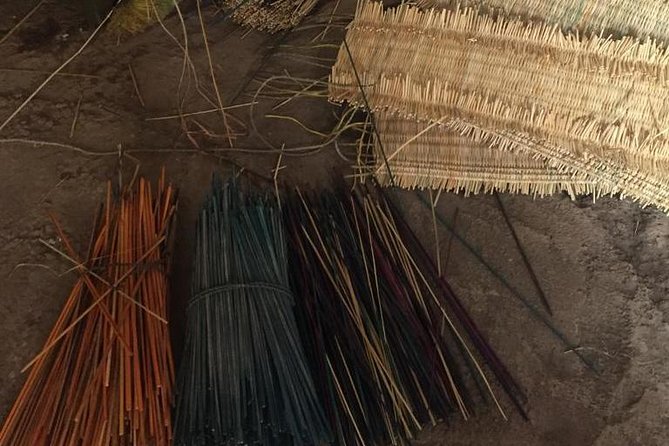
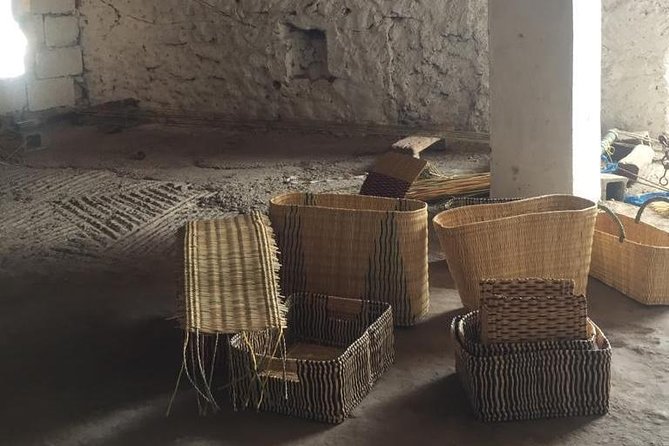
The final part of the morning visits a basket maker. You see how rush is woven into baskets and other practical items, and you share traditional tea with the family. This is the tour’s most personal element.
The basket maker’s business is family-run, which gives the visit a direct connection to working life. You are not just passing through a craft market and choosing from finished goods. You get to see the material and the method, then sit down for the hospitality that accompanies the demonstration.
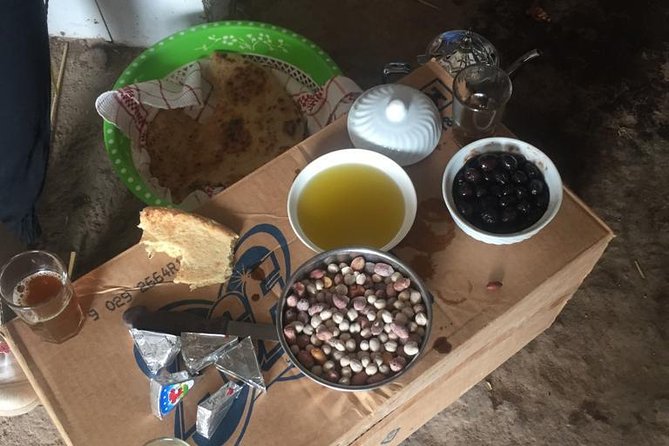
Moroccan tea is often as much about welcome as refreshment. Here, it is included in the visit, and the setting offers a closer look at a family business than you would get from a shop in town. The available information does not say whether basket purchases are expected or available, so bring only the level of interest you genuinely have. The point is the meeting and the weaving process.
This stop has earned the strongest praise from the supplied account of the experience. The family offered a warm welcome, and Naima was singled out for her kindness and clear answers. That combination matters. A craft demonstration can feel thin if you only watch for a few minutes. Time for tea and conversation gives the visit more substance.
You should also remember that this is a family home or family business, not a museum. Be polite, ask before photographing people or work, and accept that the pace may be informal. That is part of what makes the stop feel connected to local life.
What the transport and group size mean
Private transportation is included, and the tour ends back at the same meeting point in Essaouira. That makes the experience easier than arranging your own way to Ain el Hajar, especially if you are unfamiliar with the countryside.
The activity accepts mobile tickets, and confirmation is provided at booking. It is near public transportation, although the tour itself uses private transport. The group can include up to 12 people, which is small enough to keep the walk manageable without promising a private guide for every booking.
Most people can participate, and service animals are allowed. The details do not specify the length of the walking route, the condition of paths, or wheelchair access. If you have limited mobility, ask the operator before booking. Fields and gardens can be uneven, and the experience is built around walking.
The 9:00 a.m. start is sensible. It leaves time to visit the oasis and basket maker before the hottest part of the day, though the actual comfort will depend on local weather. Since poor weather can cancel the outing, keep some flexibility in your Essaouira plans.
Who will enjoy this outing most
I would recommend this tour to you if you want a countryside experience with a human element. It suits visitors who enjoy walking, local agriculture, traditional crafts, and small-scale encounters more than big attractions.
It is also a good choice if you have already explored Essaouira’s medina and want to see how the surrounding region works. The spring, olive trees, market gardens, stonework, and rush baskets create a fuller picture of local life than a town-only visit.
You may want to skip it if you dislike walking across rural ground, need a tightly timed schedule, or want a major monument with extensive interpretation. The mausoleum and viewpoint are meaningful stops, but they are not presented as long guided visits. Much of the pleasure comes from the setting and the explanations along the way.
Families may find the basket weaving and tea especially appealing, though no specific child age guidance is provided. Older visitors or anyone with mobility concerns should ask about the route before paying.
Practical details that matter
Plan to bring your own bottled water. It is not included, and the walk crosses open countryside.
Wear comfortable shoes and clothing suitable for an outdoor walk and a visit to a religious site. The tour description does not specify a dress code, but modest clothing is a respectful choice around the mausoleum and family home.
Keep your phone charged for the mobile ticket and for photos, but ask before photographing the basket maker, family members, or religious places. A small amount of cash may also be useful if you want to buy a basket, though purchases are not listed as part of the tour.
The cancellation terms are reasonable. You can cancel at least 24 hours before the 9:00 a.m. start for a full refund. Changes or cancellations inside that window are not accepted for a refund. If bad weather or insufficient numbers cancel the activity, you are offered another date or experience, or a full refund.
Should you book the Ain el Hajar experience?
Book it if you want to spend a quiet, useful morning seeing the countryside around Essaouira, with transport handled and a family tea visit at the end. The spring-fed oasis, the argan trees, and the basket maker give the outing a clear sense of place.
The best reason to go is the mix of ordinary local life and guided explanation. The main caution is that you should be ready for walking, bring water, and accept that some parts of the route, including the stone mason, depend on what is happening that day.
At $47.12 per person, I see solid value for visitors who want more than a scenic drive. If you prefer a major attraction or a highly structured tour, spend your money elsewhere. If you want an easy way to connect Essaouira with its rural surroundings, this is a thoughtful choice.
FAQ
Where does the tour start?
It starts at Labo Abdelkrim Khatabi d’Analyses Médicales, 287 Rue Oued El Makhazine, Essaouira 44000, Morocco.
What time does the activity begin?
The start time is 9:00 a.m.
How long does the experience last?
The tour lasts approximately four hours.
Where does the tour end?
It ends back at the original meeting point in Essaouira.
Is transportation included?
Yes. Private transportation is included.
Is tea included?
Yes. Tea at the basket maker is included.
Is bottled water included?
No. You need to bring or purchase your own bottled water.
How many people can join the tour?
The activity has a maximum group size of 12 people.
Can service animals participate?
Yes. Service animals are allowed.
Can I cancel for a full refund?
Yes, if you cancel at least 24 hours before the experience starts. Cancellations made less than 24 hours before the start time are not refunded.
Just added around the world
- Yogyakarta: Prambanan Tour, Sukuh Temple & Tea Plantation★ 5.0 · 3 reviews
- Xi’an Chinese Calligraphy Workshop: Ink Art & Tea Tasting★ 5.0 · 4 reviews
- Yokohama : Tea Ceremony with Sweets and Souvenir★ 5.0 · 5 reviews
- Washington, D.C.: Tea Around Town Bus Tour with Landmarks★ 3.4 · 7 reviews
- Tea Route: Lake, Forest, Tea Plantation & 3 Course Lunch★ 3.6 · 7 reviews
- Wadi Rum: 2-Hour Jeep Tour with Bedouin Tea★ 5.0 · 11 reviews
- Walking Tour: Yanaka,Nezu& Sendagi: Tea Ceremony & Old Tokyo★ 5.0 · 3 reviews
- Volcano, Hot Spring, Mud Bath & Tea plantation all included★ 5.0 · 5 reviews
Morocco Tea Experiences, compared.
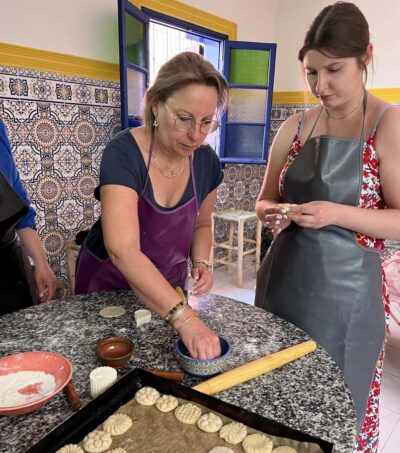
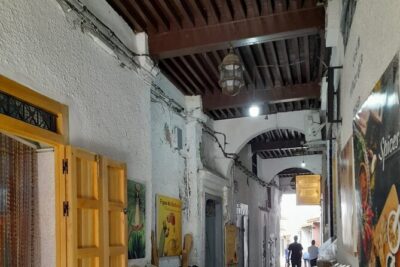
Tangier Private Tour with a Local Writer (Includes Tea & Sweet)
Read our review →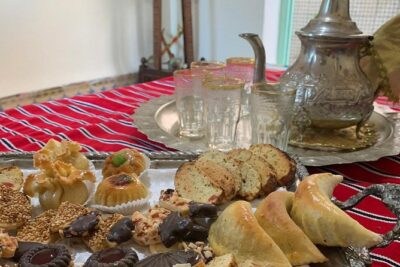
Moroccan Hands on traditional pastries & Tea class in Marrakech
Read our review →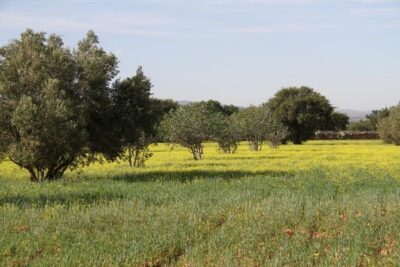
Argan Forest, tea time at a Berbers family & Visit of an Argan cooperative.
Read our review →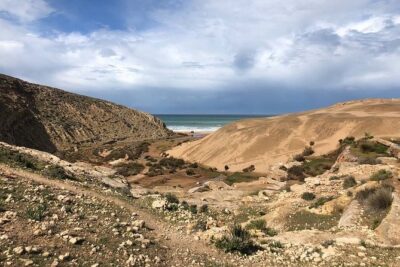
Walk to the cascade and marabout of Sidi Mbark & for a tea to Kaouki
Read our review →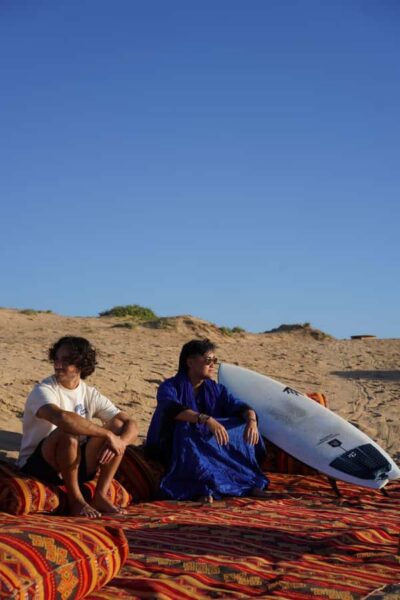
Agadir/Taghazout: Sandboarding & Sunset Tea with Fire Show
Read our review →
Sunset Sandboarding & Mint Tea in Timlaline Dunes
Read our review →Browse the lists this tour appears in