
Review · MOROCCO
Marrakech: Moroccan Pastries and Tea Class with a Local
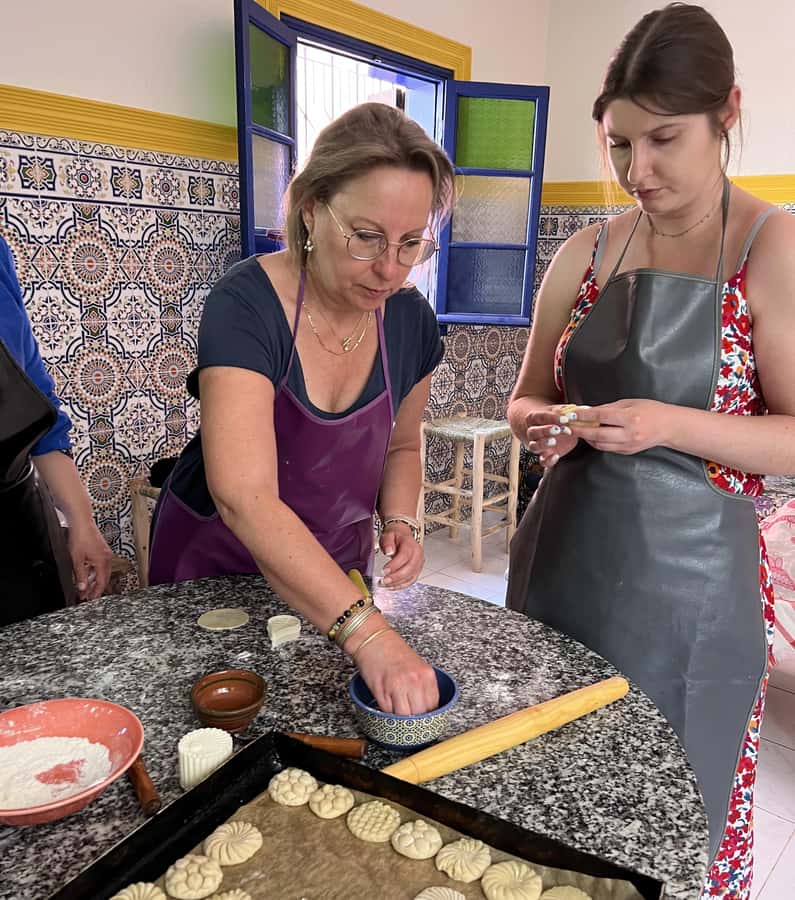
Moroccan pastry making looks simple until you try it. This Marrakech class shows you the precise folding, shaping, and flavoring behind treats such as fekkas and Kaab el Ghazal, along with the proper way to prepare and pour mint tea.
I like the hands-on pace and the small groups, capped at 10 people. I also like the useful finish: you eat what you make, then leave with a box of pastries. The main drawback is practical rather than culinary: the meeting address arrives before the date, and you must arrange your own taxi or other transport.
Key points to know before booking
- You learn by making, not simply by watching a demonstration.
- Fennel seeds and orange blossom water bring distinctive Moroccan flavors to the pastries.
- The 150-minute class ends with fresh pastries, mint tea, and a takeaway box.
- Groups are limited to 10, and a small booking may become a private session.
- Teenagers can join with an adult, but children under 4 cannot participate.
- Ask for the recipes before leaving if you want to repeat the pastries at home.
Why a pastry class makes a good Marrakech break
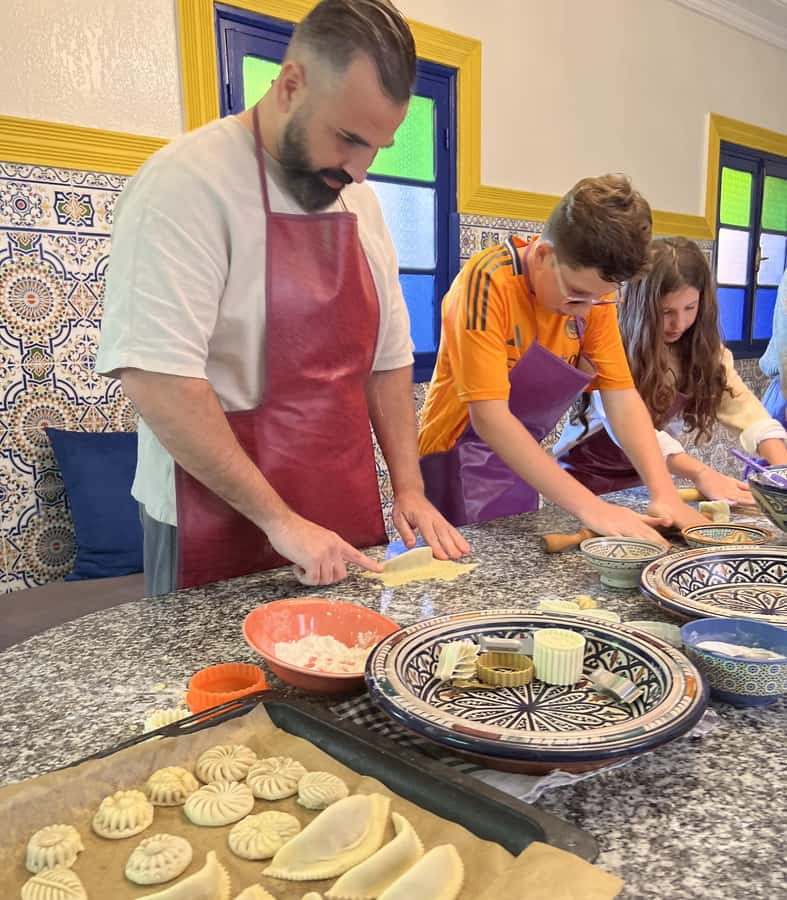
Marrakech can fill your senses quickly. The souks demand attention, the streets can feel busy, and a morning or afternoon of shopping may leave you ready for a slower activity. This pastry workshop gives you a practical way to spend two and a half hours away from the usual sightseeing circuit.
You are not just handed a sweet and told what it is. You work with the ingredients and techniques that give Moroccan baking its character. The class focuses on simple methods that require care, so you get a better sense of why these pastries taste and look different from standard biscuits or cakes.
I especially like the cultural value of the tea portion. Moroccan mint tea is not treated as an afterthought. You learn how to make it, then everyone has a turn pouring it. That final ritual turns the class into more than a baking lesson, and it gives families and friends something amusing to do together.
The experience is also useful for people who do not bake. One participant with no baking background found the class a good introduction, while a more experienced cook might prefer the separate cooking class offered by the same provider. You do not need to arrive with advanced skills, but you should be ready to follow careful instructions.
More Tea Making Classes in the world:
- London: Traditional English Scone Making and Tea Workshop
★ 5.0 · 702 reviews - London Traditional English Scone Making and Tea Workshop
★ 5.0 · 271 reviews - Nara:Authentic Tea Ceremony(Max 5 ppl) -Master Matcha Making
★ 5.0 · 119 reviews
Arriving at the workshop
The exact workshop address is sent before your experience date. Since hotel pickup and drop-off are not included, you need to plan the journey yourself and allow time to find the door.
That last detail matters. One couple arrived by taxi and was running late, but the guide helped direct the driver and showed them where to enter. I would still avoid cutting it close. Marrakech addresses and entrances can take extra time to locate, particularly if you are unfamiliar with the area.
The meeting point is not provided in advance as a fixed public address in the activity details, so check your messages before leaving your hotel. Save the location on your phone if possible, and carry water as recommended. Comfortable clothes are the sensible choice because you will be working with food for much of the session.
The class is available in Arabic, French, and English. That gives you useful flexibility, especially if your group includes people with different language needs.
The first stage: learning Moroccan pastry technique
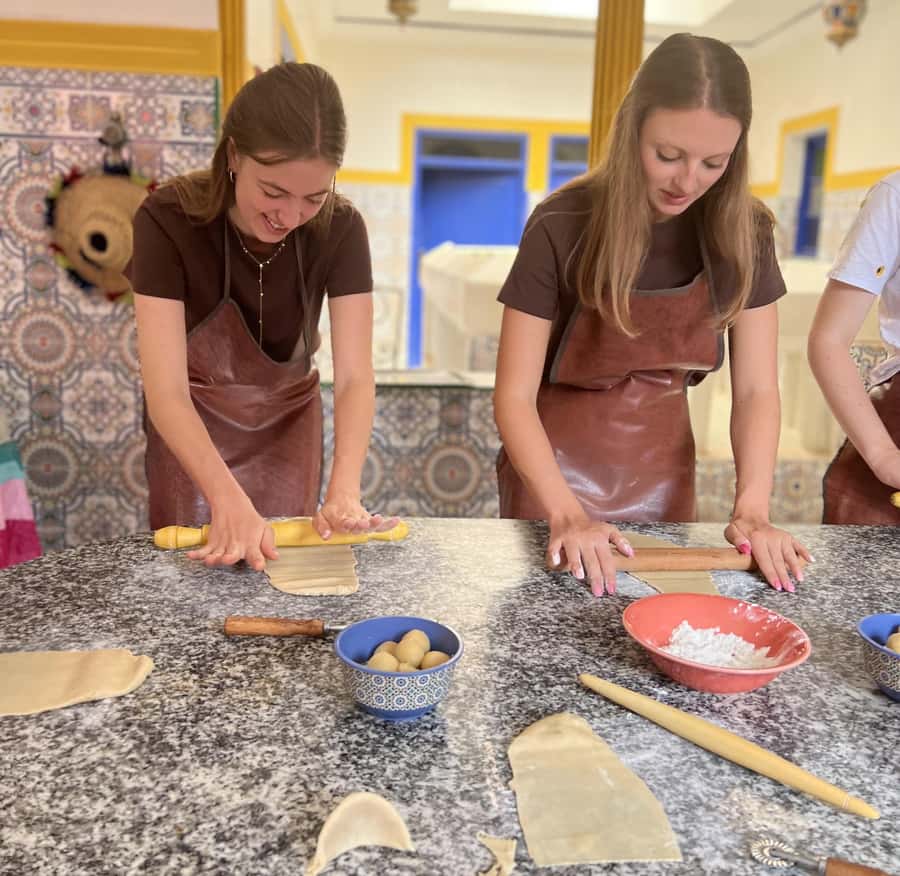
The pastry class is the main event. Your local chef takes you through the methods behind Moroccan pastries, showing how small details affect the final result.
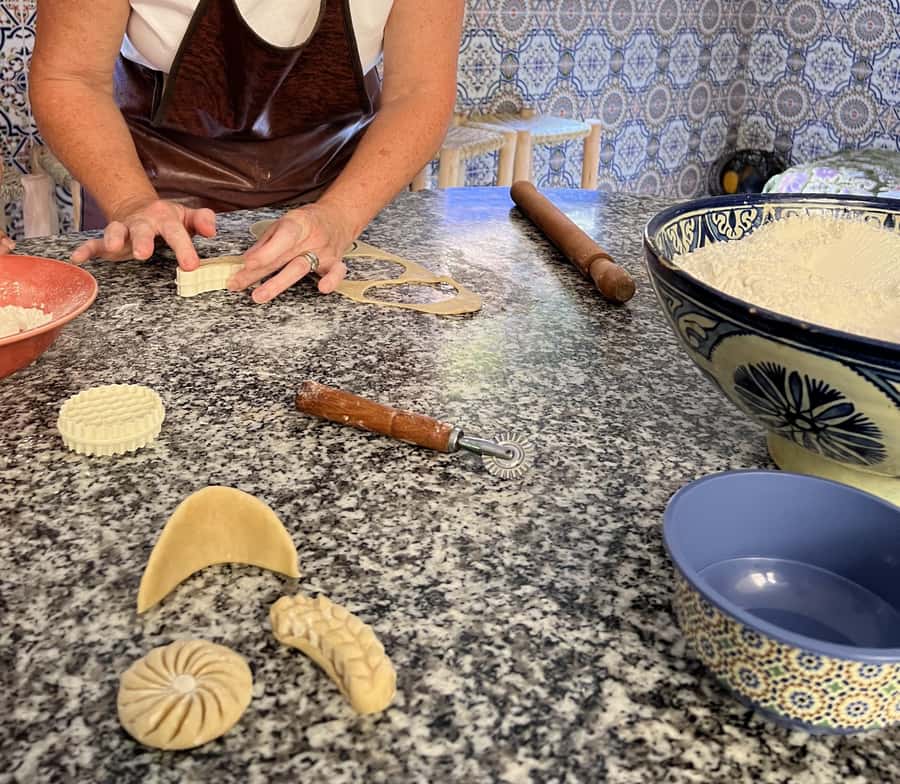
The appeal is in the precision. Moroccan pastries may use familiar ingredients, but the shaping, folding, and flavor balance require attention. You might work with ingredients such as fennel seeds and orange blossom water, flavors that give the finished pastries a clear Moroccan identity.
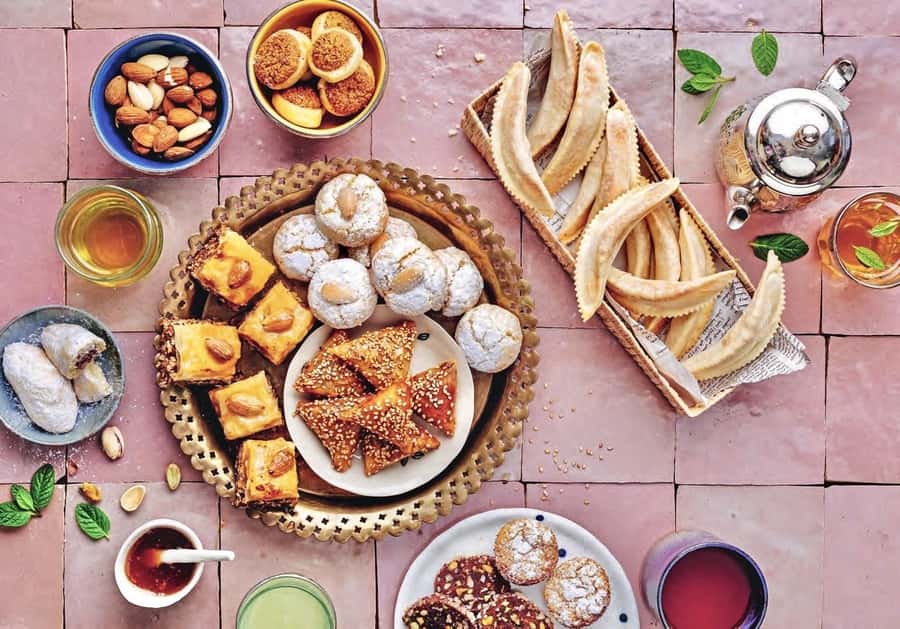
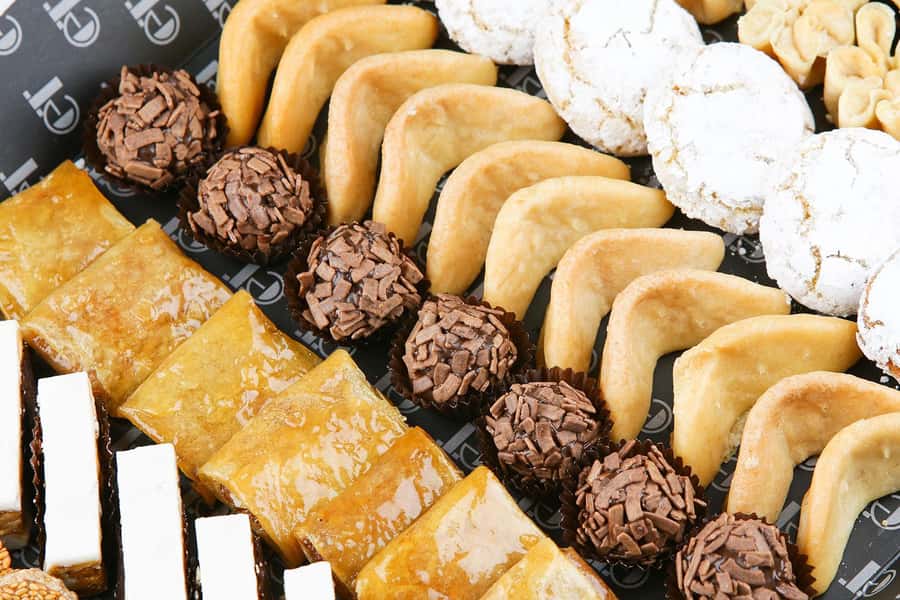
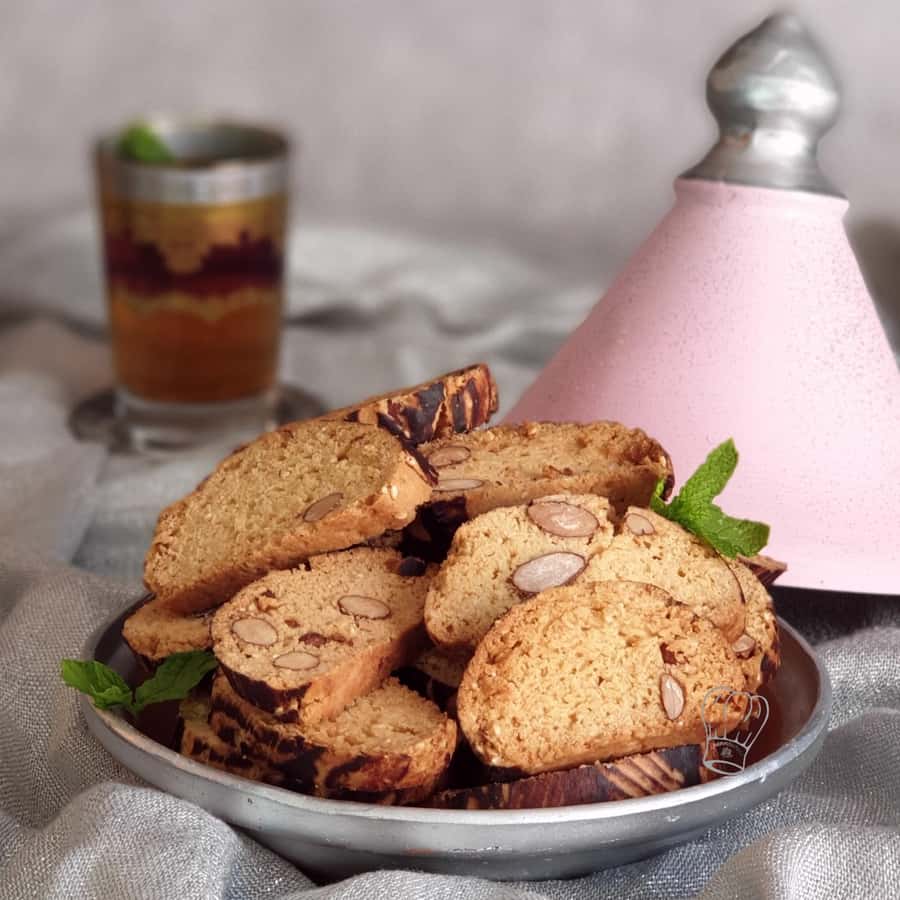
The class can include traditional biscuits and pastries such as fekkas and Kaab el Ghazal. Fekkas is often associated with a firm, biscuit-like texture, while Kaab el Ghazal is known for its delicate crescent shape and almond filling. The exact selection may vary, but these examples show the range you can expect: one pastry is crisp and practical for serving with tea, while the other demands more careful shaping.
I like that the experience treats pastry making as a skill rather than a quick photo opportunity. You have to follow each step, and one participant described the work as difficult but satisfying. That is a fair warning. If you want a completely passive activity, this is not it. If you enjoy learning through your hands, the challenge is part of the fun.
The instructor also explains when the pastries are eaten. That context helps you understand the food beyond its ingredients. A pastry is not just a sweet snack here. It can be part of a welcoming tea service, a family table, or a special occasion.
Fresh pastries, mint tea, and the best part of the schedule
Once the pastries are prepared and baked, the class shifts into its most relaxed stage. You sit down to taste what you made with Moroccan mint tea.
Fresh-from-the-oven pastries are a strong reason to book this experience. You are eating the result of your own work, not sampling a standard plate prepared hours earlier. The tasting also gives you a chance to compare textures and flavors while the baking process is still fresh in your mind.
The tea lesson adds a second skill. You learn how to prepare Moroccan mint tea and how to pour it. Each person may have a turn with the pouring, which can be especially entertaining if you are attending with teenagers or friends.
The tea is also a useful part of the experience for anyone planning to spend more time in Morocco. After the class, you will recognize the familiar combination of sweet pastries and hot mint tea, and you will have a better idea of the care involved in serving it.
Do not expect a full lunch. The included food is the pastry tasting and tea, while additional food and drinks are not included. If you are booking this around mealtime, plan accordingly.
More Dessert Stops in the world:
- Kyoto: Japanese Traditional Sweets Making and Tea Ceremony
★ 4.4 · 314 reviews - Osaka: Japanese Traditional Sweets Making and Tea Ceremony
★ 4.7 · 118 reviews - Nagoya: Japanese Traditional Sweets making and Tea Ceremony
★ 4.9 · 76 reviews - Sweets Making and Kimono Tea Ceremony at Tokyo Maikoya
★ 5.0 · 57 reviews
The takeaway box adds real value
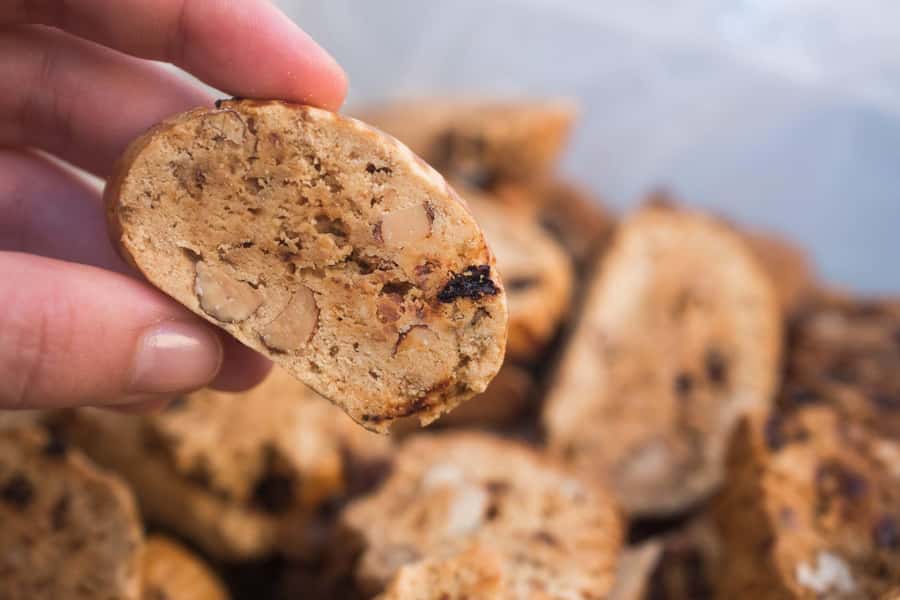
At the end, you receive a box of pastries to take with you. This is one of the strongest features of the class because the value continues after the 150 minutes are over.
You can eat the pastries later at your accommodation, share them with friends, or carry them as a snack for the next part of your trip. One participant specifically liked having a supply before heading toward Merzouga. That makes the class a practical choice if you have a long travel day coming up.
The box also gives you a chance to revisit the flavors when you are not rushing through the tasting. Just remember that recipes are not automatically guaranteed as part of the experience. Ask for them before you leave if you want to recreate the pastries at home.
That small request could make a big difference. Several people found the techniques approachable enough to try again later, and one person had already made the recipes at home. I would bring a phone or small notebook for notes, though you should keep it away from the working area.
What makes the small group format useful
The maximum group size is 10 people. That is small enough for the chef to demonstrate techniques and keep an eye on your work, but it is not necessarily a private lesson.
The actual group can be smaller. A booking for four people became a private session, and a booking for two also had close guidance because they were the only participants. You should not assume every date will be private, but a low-demand session may feel more personal.
A small class is particularly helpful when you are learning shapes and folds. You can see the demonstration clearly, ask questions, and receive corrections before ruining a batch. It also gives you room to work without the crowded feeling of a large cooking demonstration.
At the same time, the group setting can add a social element. You may meet other people, compare your pastry shapes, and share the tea-pouring ritual. Families may appreciate that balance. You get instruction, but the atmosphere is not overly formal.
Who will enjoy this class most
I would recommend this workshop to you if you want a calm, hands-on activity with a clear result. It works well for couples, friends, solo visitors, and families with older children.
It is especially suitable for:
- People who want a break from the souks
- First-time bakers
- Visitors interested in Moroccan food traditions
- Families with teenagers
- Anyone who enjoys taking edible souvenirs home
- Home cooks looking for new pastry ideas
Teenagers can take part if accompanied by an adult. Children under 4 are not suitable for the activity, and younger children may find the detailed pastry work difficult even if they meet the age requirement.
Experienced bakers may want to compare this class with the provider’s cooking class. The pastry workshop is still worthwhile if you want Moroccan-specific methods, but it may feel introductory if you already make similar pastries regularly.
Price, time, and overall value at $40
At $40 per person, the class is not the cheapest way to eat pastries in Marrakech. You can buy Moroccan sweets for far less. The value comes from the combination of instruction, equipment, tasting, tea, and the takeaway box.
You are paying for a 150-minute activity with a local chef, not just a plate of food. The class also includes all necessary cooking equipment, so you do not need to bring anything beyond water and suitable clothes.
The takeaway box strengthens the deal. If you are traveling as a couple or family, you leave with food to share later, which makes the price easier to justify. The private-session possibility can make the experience feel even better value for a small group, though that depends on the date and bookings.
I would call the price fair for a food activity that combines participation and a substantial edible finish. It is less compelling if you only want to sample Moroccan pastries or if your schedule is already packed with cooking activities.
Practical details that affect your decision
The class lasts 150 minutes, so set aside a full block of time rather than trying to squeeze it between two tightly timed sights. You will need enough flexibility for the journey to the workshop and the return trip.
Cancellation is free up to 24 hours before the experience for a full refund. You can also reserve now and pay later, which helps if you are still arranging your Marrakech schedule.
Tell the provider about allergies in advance. This is important because the class involves shared ingredients and prepared food. Do not wait until you arrive.
Wear comfortable clothing suitable for cooking. You do not need to bring cooking equipment, but water is recommended. Hotel transfers are not part of the price, and extra food or drinks are also excluded.
The activity has a rating of 4.7 from 84 bookings, with particularly strong praise for the friendly instruction, the large amount of pastry produced, the family-friendly format, and the relaxed break from the souks. The recurring practical lesson is simple: arrive prepared, ask for the recipes, and keep room in your bag for the pastry box.
Should you book the Marrakech pastry class?
Book this class if you want to do something with your hands and come away with both a new skill and something tasty. The fresh pastry tasting, mint tea lesson, and takeaway box give the experience a clear beginning, middle, and end.
I would choose it for a family with teenagers, a couple looking for a quieter Marrakech activity, or a first-time baker who wants close guidance. It is also a smart choice before a road trip, since the pastry box can serve as a ready-made snack.
Skip it if you are looking for a full meal, a large cultural tour, or a highly advanced baking course. You must also be comfortable arranging your own transport and sharing the class unless your date happens to have only a few bookings.
For most visitors, the combination of useful technique, Moroccan flavors, mint tea, and food to take away makes $40 reasonable. Just confirm the meeting point, mention allergies early, and ask for the recipes before you leave.
FAQ
How long does the Moroccan pastry and tea class last?
The experience lasts 150 minutes, or two and a half hours.
What is included in the price?
The price includes the Moroccan pastry cooking class, cooking equipment, a box of pastries to take home, and a tasting session with Moroccan mint tea.
Is hotel pickup included?
No. Hotel pickup and drop-off are not included, so you must arrange your own transport to the workshop.
What languages are available?
The instructor can teach in Arabic, French, or English.
Can children join the class?
Children under 4 are not suitable for the experience. Participants under 18 must be accompanied by an adult.
What should I bring and tell the provider?
Bring water and wear comfortable clothing suitable for cooking. You must provide allergy information in advance.
More Workshops in the world
- Kyoto: 45-Minute Tea Ceremony Lesson Experience
★ 4.3 · 2,378 reviews - Tea Ceremony Workshop in Tokyo by the Experienced Instrucor
★ 5.0 · 189 reviews - Xiao Long Bao, Beef Noodles & Boba Tea Cooking Class in Taipei
★ 5.0 · 159 reviews - Experience all of Japanese culture and Japanese food experience classes “origami, udon, Japanese food, green tea, calligraphy” in 4 hours
★ 5.0 · 105 reviews
Just added around the world
- Yogyakarta: Prambanan Tour, Sukuh Temple & Tea Plantation★ 5.0 · 3 reviews
- Xi’an Chinese Calligraphy Workshop: Ink Art & Tea Tasting★ 5.0 · 4 reviews
- Yokohama : Tea Ceremony with Sweets and Souvenir★ 5.0 · 5 reviews
- Washington, D.C.: Tea Around Town Bus Tour with Landmarks★ 3.4 · 7 reviews
- Tea Route: Lake, Forest, Tea Plantation & 3 Course Lunch★ 3.6 · 7 reviews
- Wadi Rum: 2-Hour Jeep Tour with Bedouin Tea★ 5.0 · 11 reviews
- Walking Tour: Yanaka,Nezu& Sendagi: Tea Ceremony & Old Tokyo★ 5.0 · 3 reviews
- Visit local home for music and tea ceremony near Disney★ 4.9 · 13 reviews
Tea Making Classes, compared.
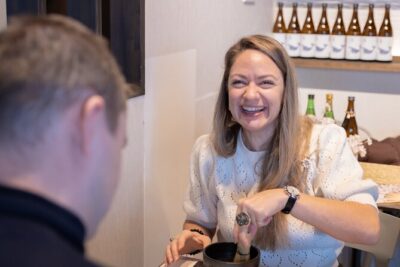
Matcha Making Class in Tokyo with Authentic Japanese Sweets Set
Read our review →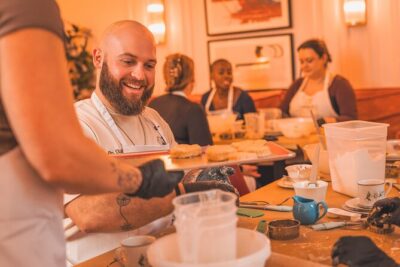
Traditional English Scone Making and Tea Workshop
Read our review →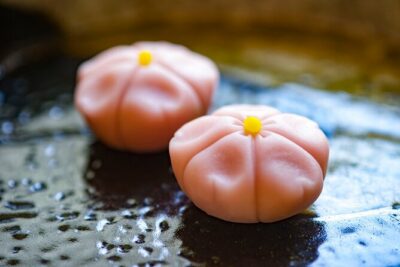
Matcha Making Class in Osaka with Authentic Japanese Sweets Set
Read our review →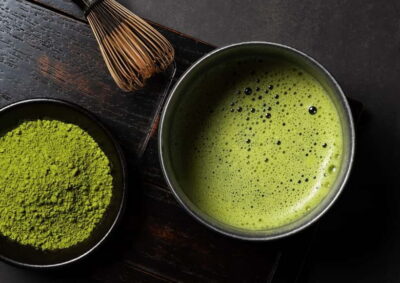
Matcha Making Experience with Mochi Sweets in Asakusa
Read our review →London Traditional English Scone Making and Tea Workshop
Read our review →
Nara:Authentic Tea Ceremony(Max 5 ppl) -Master Matcha Making
Read our review →Browse the lists this tour appears in