
Review · HANGZHOU
Authentic Hangzhou Longjing Tea Culture Experience Tour
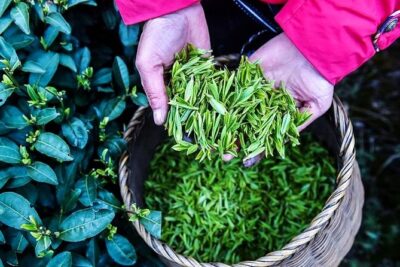
Hangzhou’s famous Longjing tea makes more sense once you have handled the fresh leaves yourself. This private outing takes you into Longjingshan Tea Cultural Village to see the Dragon Well, walk among the tea terraces, watch leaves become dry tea, and finish with a traditional ceremony.
I like the private pickup and flexible timing, especially for families or anyone arriving by train. I also like the chance to pick tea, wear traditional clothing if available, and take home tea connected to the experience rather than simply buying a tin in a shop. Guide Forrest Gan receives repeated praise for his English and his clear explanations of Hangzhou and tea.
The main caution is duration and price. The hands-on picking may last only about 15 minutes, while tea tasting and shopping can take much of the visit. At $52.99 per group of up to 15, it can be good value for a full group, but a small party may find the cost high for roughly two hours.
Key points to know before you book
- Pick fresh leaves in Longjingshan: You get a real look at the tea fields and may join local pickers.
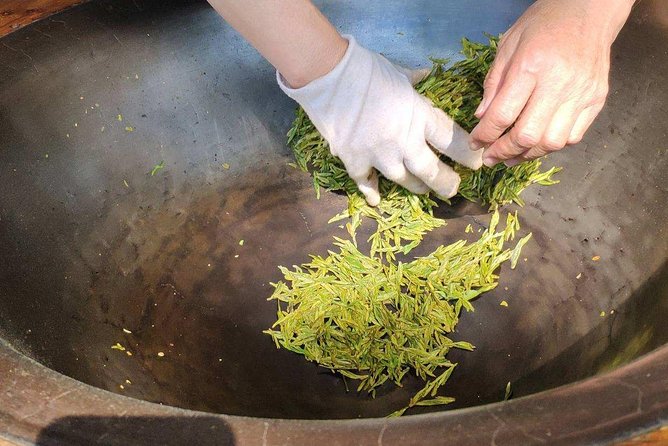
- Watch the roasting process: The visit shows how fresh green leaves are turned into dry tea.
- Finish with a tea ceremony: Tasting is part of the experience, along with an introduction to Chinese tea customs.
- Forrest Gan is a major part of the experience: He is praised for easy-to-understand English, local knowledge, and flexible help.
- Private transport saves time: Hotel pickup and drop-off are included, with some flexibility for train-station pickup or a different drop-off point.
- Expect a sales element: Tea tasting may include a chance to buy tea, so set your expectations before you arrive.
Why Longjing tea is worth your morning
Longjing, often called Dragon Well tea in English, is one of Hangzhou’s best-known products. This experience gives you the useful context that a tasting alone cannot provide. You see the plant, touch the leaves, watch the processing, and then drink the finished tea.
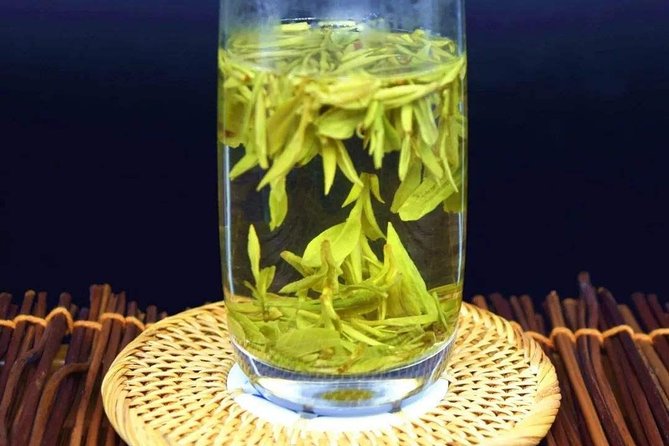
That order matters. Fresh leaves do not look like the neat, flat green leaves in your cup. The roasting process changes their shape and helps produce the flavor associated with Longjing tea. Seeing that step makes the tea ceremony at the end feel connected to a real place and a real craft.
You also visit the Dragon Well itself, the spring that gives Longjing tea its name. The experience is not only about drinking tea. It links the name, the village, the fields, and the finished product in one compact outing.
For me, the best part is that this is a quiet alternative to a packed city sightseeing schedule. Hangzhou has major attractions and busy streets, but the tea village offers a slower few hours. You get green hills, tea rows, and a chance to ask questions as you go.
A few more tea experiences around China worth a look
- One-Day Hangzhou Dragon Well Tea Culture & West Lake Private Tour
★ 5.0 · 98 reviews - Traditional Chinese Tea Ceremony Experience
★ 4.7 · 74 reviews - Beijing: Dumpling Making Workshop with Meal and Tea
★ 4.7 · 69 reviews
Private pickup makes the outing easy
The tour includes private transportation, bottled water, and pickup and drop-off at your Hangzhou hotel. One particularly useful detail is the reported flexibility around pickup. Forrest has collected people from Hangzhou Railway Station and helped arrange a different drop-off point when needed.
That matters if you are fitting the tea visit between trains, hotels, or other city plans. You should still confirm the exact pickup details when booking, but private transport removes the need to work out a separate trip to the village.
The drive is also part of the experience. Forrest uses the route to explain Hangzhou, the area’s tea traditions, and local life. This gives you more than a transfer in a car, especially if you have not yet learned how Longjing tea fits into the city’s identity.
The advertised duration is about two to four hours, while the plantation visit itself is described as around two hours. Allow extra time for transport and possible changes to the schedule. Since this is a private activity, you are not tied to a large group’s pace.
Walking into the Longjingshan tea village
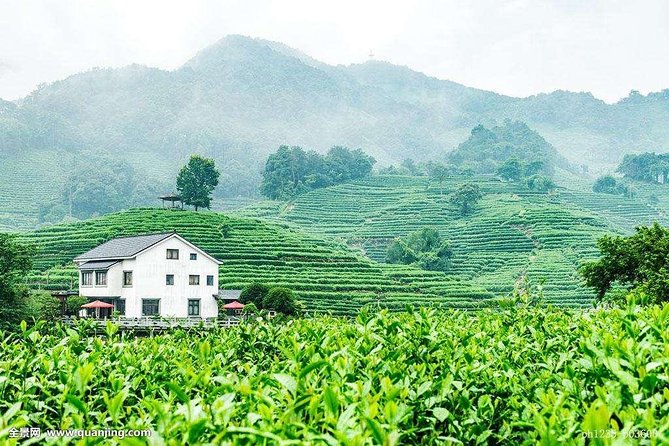
Your first stop is Longjingshan Tea Cultural Village, a scenic tea-growing area outside the center of Hangzhou. The terraces and rows of tea bushes create the setting for the rest of the visit. The area is especially appealing in spring, when tea picking is at its most natural and the plants are at their freshest.
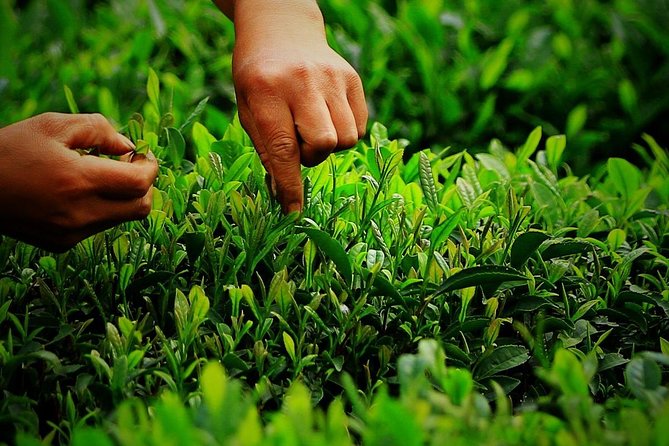
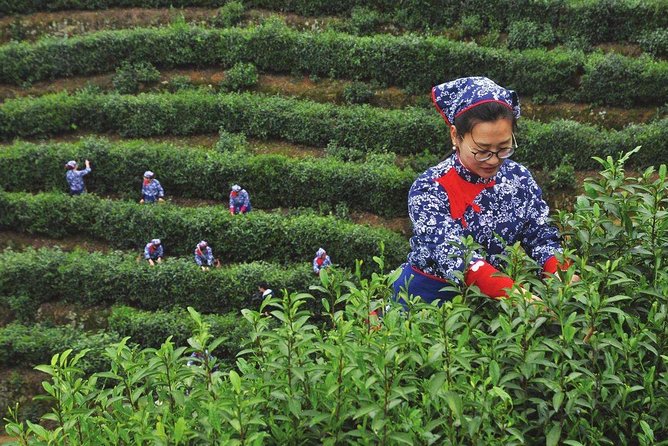
You begin with the Dragon Well and the tea plantation. The guide explains the connection between the spring and the tea’s name, then introduces the work done in the fields. You may be able to put on traditional clothing before picking, a detail that made the activity particularly appealing to families with children.
The tea picking itself is hands-on but brief. One clear description puts the field time at about 15 minutes. That is enough to understand how the leaves are selected, but not enough for a long agricultural work session. If you are booking mainly to spend hours in the fields, this tour may feel too short.
For children, though, the short format can work well. They get a simple task, a visual change of clothing, and a story they can follow from leaf to cup. Adults who want photographs will also find the plantation more rewarding than a standard indoor tea tasting.
Wear comfortable shoes and clothing suitable for a walk through a plantation. The tour can continue in rainy weather, so light rain does not necessarily end the picking portion. The exact field conditions vary by season, and spring is likely to offer the most attractive combination of picking activity and fresh scenery.
Watching fresh leaves become dry tea
After picking, you visit a roasting or processing center. This is a small but important part of the visit because it explains the step that turns raw leaves into something you can brew.
You see the drying process and learn how the leaves are handled. The supplied information describes this section as around 15 minutes for some visits, so keep your expectations realistic. It is a demonstration and explanation, not a full factory tour.
Still, the short stop gives the tea ceremony more meaning. You have seen the leaves before and after processing. You can compare the fresh leaves from the field with the finished tea in the cup.
The guide is especially useful here. Forrest Gan is described as having picked tea as a child, which gives him a personal connection to the work. He also explains the history of tea in China and the more recent situation of tea production. That local perspective is a strong reason to choose a guided visit instead of simply taking photographs at a tea farm.
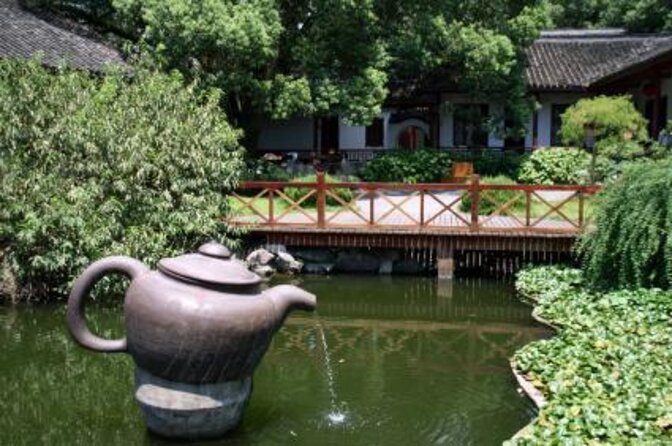
Same place, a different pot:
- Beijing Culture: Tea Ceremony, Heritage Instrument & Calligraphy
★ 5.0 · 57 reviews - Tea Tasting and Pairing Concept Workshop
★ 5.0 · 57 reviews - Biking Real Shanghai& Tea Tasting Experience
★ 4.5 · 45 reviews - Tea Village in lost Town and Buddha 1 day tour
★ 5.0 · 32 reviews
The tea ceremony and tasting
The final part takes place in a traditional tea house or tea-tasting setting. You taste Longjing green tea and take part in a tea ceremony. The guide explains the customs and the tea itself, so you are not left to guess why the leaves are prepared or served in a particular way.
This can be the longest part of the visit. One account describes roughly 50 minutes for tea tasting, compared with about 15 minutes in the field and 15 minutes watching processing. If you prefer conversation, questions, and several cups of tea, that balance may suit you.
If you want a longer outdoor visit, it may feel uneven. You are not spending most of the time among the bushes. You are spending much of it learning about, tasting, and possibly shopping for tea.
There is also a sales component. Tea products are offered during the tasting, and you may feel some pressure to buy. That is common in producer-based visits, but it is worth knowing in advance. You can enjoy the ceremony without treating the sales table as an obligation.
The package includes tea to take home, including tea connected with the leaves you picked. Some parties have also received small canisters as gifts. Confirm exactly what quantity is included, since the practical details may vary, but the take-home tea adds value for anyone who wants a physical reminder of the visit.
Forrest Gan and the value of a private guide
Forrest Gan is named repeatedly as the guide for this experience. His strongest qualities are clear English, flexibility, and a good command of Hangzhou’s tea traditions and local history.
That combination matters because tea culture can be difficult to understand through a short translation or a set of signs. You can ask why the tea is important, how production has changed, and what you are seeing at each step. Forrest also gives information during the drive, making the transfer feel useful rather than empty.
His flexibility is another practical advantage. Pickup times can be adjusted, and he has helped with luggage storage after a tour when a guest had extra time before a flight. That kind of help is not something you should assume is guaranteed, but it suggests that the private format allows more personal attention than a fixed bus tour.
The guide also seems to work well with families. Children can take part in picking and dressing up, while adults receive more background on history and production. For a small private group, you can ask for more explanation or move on when your interest fades.
Is $52.99 good value?
The listed price is $52.99 per group, with up to 15 people. That pricing changes the calculation completely depending on your party size.
For a full group, the price is excellent because it includes private transportation, hotel pickup and drop-off, an English-speaking guide, entry fees, picking, the tea ceremony, bottled water, and tea to take home. A group of four or six can still find it reasonable if private transport and a tailored schedule matter.
For one or two people, the value is less obvious. The field picking and processing sections may be brief, and the visit can last around two hours. One critical assessment found the activity expensive per person for a small group, particularly because much of the time was spent tasting tea rather than picking it.
I would book it for the access and convenience, not for a full-day farm program. The price pays for a private car and guide as much as for the tea activity itself. If you are already comfortable arranging transport to Longjingshan and only want to see a plantation, a cheaper option might suit you. If you want door-to-door service and English explanations, the price is easier to justify.
Who will enjoy this tea experience most?
This outing is a good match for:
- Tea lovers who want to connect a finished cup with the plant and production process.
- Families with children who will enjoy picking, traditional clothing, and a short, practical activity.
- First-time visitors to Hangzhou who want a calm break from city sights.
- Small private groups that value flexible pickup and personal questions.
- Food and culture enthusiasts who like tasting products at their source.
- Train passengers who can benefit from pickup or drop-off flexibility.
It is less suitable if you want a long hike, an extensive agricultural tour, or a full day of fieldwork. It is also not the best fit if you dislike sales presentations. The tea house portion is central to the experience, and buying tea is part of the setting even though it is not required.
Timing, weather, and practical details
The tour can operate in rain, and tea picking may still go ahead. Rain will change the comfort and appearance of the plantation, so spring in dry weather is likely the most pleasant time, though the activity remains possible outside perfect conditions.
Most people can participate, and service animals are allowed. The tour is private, so only your own group takes part. That gives you room to ask questions and adjust the pace, but it does not guarantee a longer picking session.
The provider confirms bookings at the time of reservation. Free cancellation is available up to 24 hours before the start time. Changes or cancellations inside that 24-hour window are not accepted for a refund, and the cut-off follows local time.
Because the tour is often booked well ahead, plan early if this is important to your Hangzhou schedule. A typical booking lead time is about 19 days. You should provide clear hotel or station details and confirm the pickup time before the day of the visit.
Should you book the Longjing tea tour?
I would book this experience if you want an easy, private introduction to Hangzhou’s tea culture, especially with children or a small group that values a flexible car and English-speaking guide. Forrest Gan appears to be the heart of the outing, and his explanations add real value to a short itinerary.
I would hesitate if you expect hours of picking or if you are traveling alone and watching every dollar. The hands-on field portion is limited, and the tea tasting can include a sales pitch. For a full group, the $52.99 price is attractive. For two people, compare it with the cost of arranging your own transport.
Book it for the complete story: Dragon Well, tea bushes, fresh leaves, roasting, ceremony, and a packet of tea to take home. Do not book it expecting a long farm workday. That distinction will make the experience much easier to enjoy.
FAQ
How long does the Longjing tea experience last?
The experience lasts approximately two to four hours. The plantation visit itself is described as taking about two hours, with additional time possible for transportation and schedule changes.
Is hotel pickup and drop-off included?
Yes. Private hotel pickup and drop-off in Hangzhou are included, along with private transportation.
Can I be picked up at Hangzhou Railway Station?
The tour information confirms hotel pickup, and the guide has also provided train-station pickup in practice. Confirm your exact station arrangement when booking.
Is tea picking included in the price?
Yes. The package includes the tea-picking fee, and you can pick fresh leaves at the plantation. The picking portion may be brief, depending on the visit.
Do I get tea to take home?
Yes. Tea to take home is included, including tea connected with the leaves you pick. The exact amount should be confirmed at booking.
Is lunch included?
No. Lunch is not included in the tour price.
Can I cancel for a full refund?
Yes, if you cancel at least 24 hours before the experience start time. Cancellations or changes made less than 24 hours in advance are not eligible for a refund.
Just added around China
- Xi’an Chinese Calligraphy Workshop: Ink Art & Tea Tasting★ 5.0 · 4 reviews
- Xi’an Noodle Making and Tea Tasting Experience★ 5.0 · 6 reviews
- Half-day Tour: Largest Tea Plantation & Amazing Xianggong Hill★ 5.0 · 9 reviews
- Xi’an Calligraphy & Tea Ceremony – Dive into Ink & Brush Artistry★ 5.0 · 4 reviews
- Full-day Tour: Spectacular Sunrise, Tea Plantation & Sunset★ 5.0 · 3 reviews
- 3 hours Xi’an Mahjong Class with Local Tea★ 5.0 · 2 reviews
- Shanghai Mahjong Experience in Local Tea Bar★ 5.0 · 4 reviews
- Unlock Chinese Tea: Culture, Science, Tasting & Hands-on Brewing★ 5.0 · 12 reviews
Hangzhou Tea Experiences, compared.
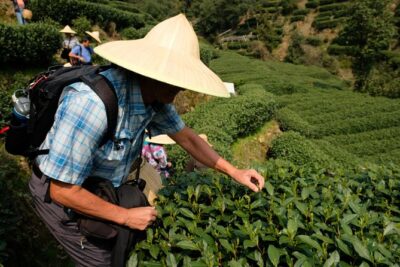
One-Day Hangzhou Dragon Well Tea Culture & West Lake Private Tour
Read our review →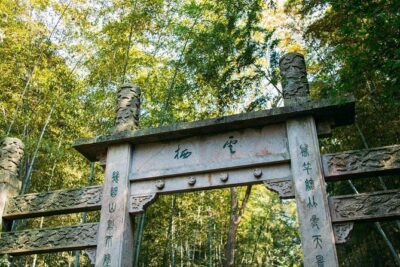
Half-Day Hangzhou Yunxi Bamboo Forest and Tea Plantation Experience
Read our review →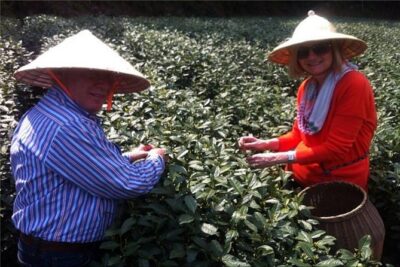
Day Tour to Discover the Secrets of Hangzhou’s Tea Culture
Read our review →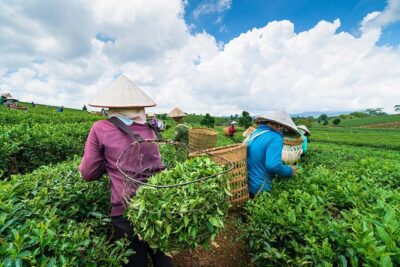
Private Hangzhou Day Tour to West Lake, Lingyin Temple, Tea Village, Old Pagoda
Read our review →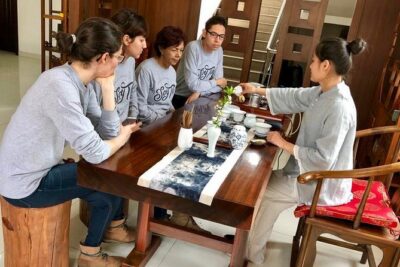
1-day Village Tea Picking, Roasting & Serving Guided Private Tour from Hangzhou
Read our review →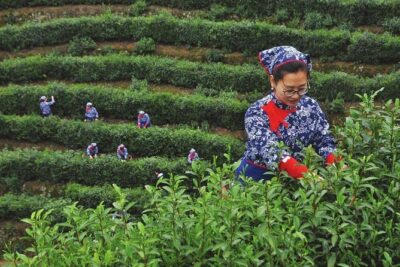
Half-Day Hangzhou Private Tour with Green Tea Village and Lingyin Temple
Read our review →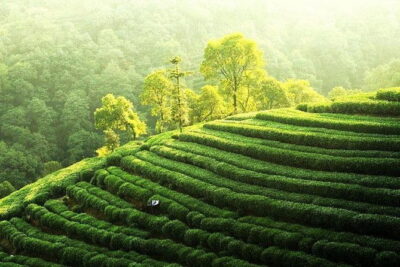
Private Tour Hangzhou West Lake and Tea Fields Discovery
Read our review →Browse the lists this tour appears in