
Review · SHANGHAI
Shanghai Mahjong Experience in Local Tea Bar
Shanghai Mahjong is best learned around a real table, not from a rulebook. This three-hour class brings you into a local tea bar in the Former French Concession, where Jenny and her friends teach the game, explain its place in Chinese life, and let you play on the automatic tables common in Shanghai.
I like the small private-group setting and the clear English help. I also like the mix of instruction and play, which keeps the afternoon social rather than turning it into a dry lesson. The main drawback is price: at $95 per person, this costs more than a casual tea-house visit, and tea or other drinks are not included.
Key points to know
- Local tea-bar setting: Learn Mahjong in a neighborhood spot on Shanxi South Road rather than in a staged tourist venue.
- Beginner-friendly teaching: No previous Mahjong experience is needed, and English translation helps you follow the rules.
- Automatic tables: You get hands-on time with the electronic tables widely used for casual and competitive play in China.
- Jenny and local friends: The class has a friendly, social feel, with instruction from people who play the game themselves.
- Easy add-on sightseeing: The meeting point is in the Former French Concession, with Tianzifang nearby for a post-class walk.
- Simple cancellation terms: Cancel at least 24 hours before the start for a full refund.
Why Mahjong makes a good Shanghai afternoon
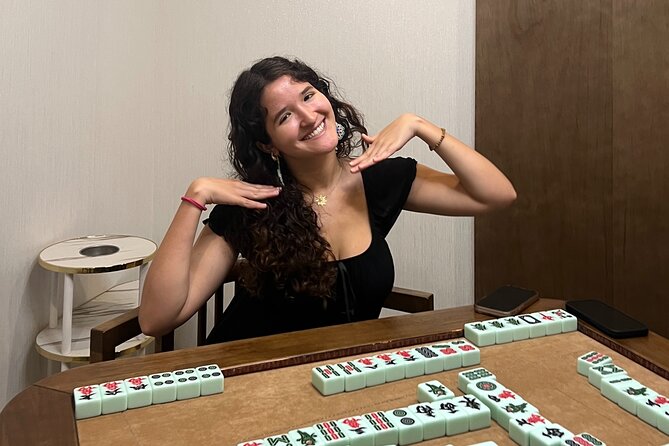
Shanghai offers plenty of grand sights, but some of the city’s character appears in ordinary leisure spaces. Mahjong is one of them. It is a game, a social habit, a test of memory and judgment, and a familiar way for people to spend time together.
This experience puts you at the table instead of leaving you to watch from the sidelines. You learn the basic rules, see how the tiles work, and then try to build a winning hand yourself. That matters because Mahjong can look baffling at first. The tiles are unfamiliar, the pace can pick up quickly, and several regional versions exist.
Here, the instructor breaks the game into manageable pieces. English translation helps you understand both the mechanics and the cultural setting. You are not expected to arrive knowing the difference between tile groups or how a winning hand is formed. You only need curiosity and a willingness to make a few mistakes.
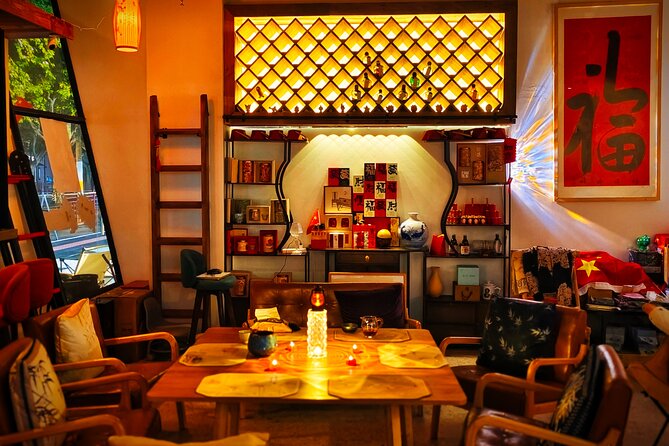
The atmosphere also gives the lesson its appeal. A local tea bar feels more connected to everyday Shanghai than a formal classroom. You can focus on the game, talk with the people teaching you, and get a small glimpse of how leisure works in Chinese social life.
A few more tea experiences around China worth a look
- Arashiyama Bamboo, Temple, Monkeys, or Secret Sake Brewery
★ 4.8 · 886 reviews - Private Tea Ceremony and Sake Tasting in Kyoto Samurai House
★ 5.0 · 163 reviews - Tokyo Sushi Making Class : Sake Ceremony & Matcha Experience
★ 5.0 · 44 reviews
Meeting Jenny at 327 Shanxi South Road
The experience starts at 327 Shanxi South Road in Huangpu District, within the Former French Concession. The activity begins and ends at this same meeting point, so you do not have to manage a second pickup location at the end.
The area is close to public transportation, which makes the meeting point practical for an afternoon outing. Still, allow time to find the exact entrance. A tea bar in a local neighborhood may not announce itself as clearly as a major attraction, so checking the address before you leave your hotel is sensible.
Jenny leads the class with help from local friends and an English translator. Some of the comments about the experience spell her name Jinny, but the main host is identified as Jenny. The important point for you is that instruction and translation are built into the session, rather than left to a few hurried explanations.
You will meet in a private group, not alongside a large crowd. That gives you a better chance to ask questions and receive help with your hand. It also makes the class suitable for couples, friends, and small groups who want an activity they can share.
First lesson: the tiles, rules, and rhythm
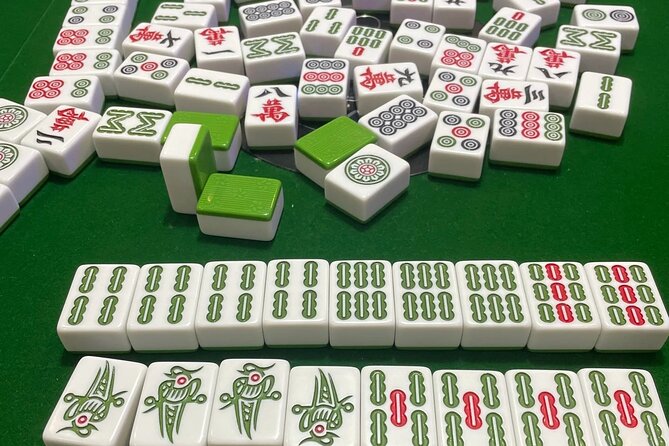
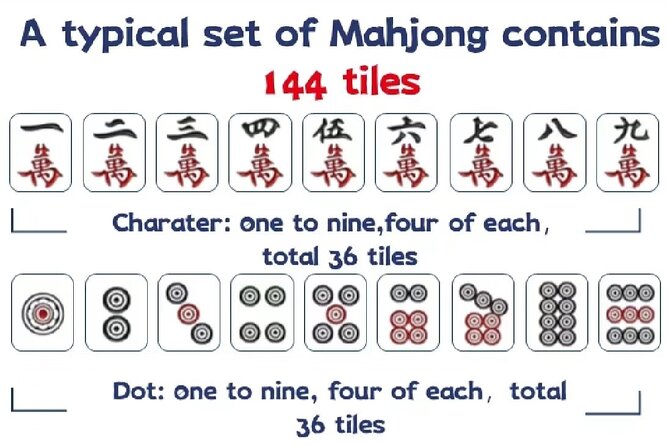
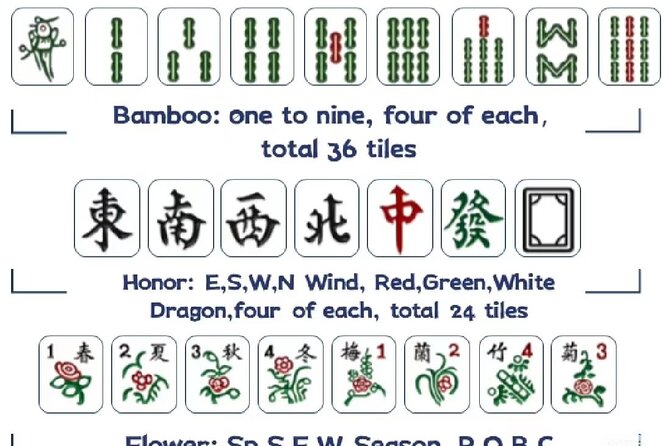
The opening portion is devoted to the fundamentals. You learn what the tiles represent, how sets are formed, and what you need to do to win. The instructor also explains basic strategy, so you are not simply memorizing a list of rules without knowing how they work at the table.
A handout is available to support the lesson. That is useful because Mahjong has several moving parts, and a printed guide gives you something to check while you play. You can concentrate on the table instead of trying to remember every detail from a spoken explanation.
The English translation is especially important here. Mahjong terms can be confusing even when explained in your own language, and a language gap would make the first round frustrating. With translation, you can ask why a move is allowed, what a particular combination means, and how the game progresses.
Do not expect to become a tournament player in three hours. The goal is to give you a working grasp of the game and enough practice to enjoy a few rounds. That is the right level for a cultural activity. You get the satisfaction of playing, without pretending that one afternoon replaces years of experience.
Playing on Shanghai’s automatic Mahjong tables
After the lesson, you move into hands-on play. This is where the class becomes more than a talk about Chinese customs. You handle the tiles, make choices, and see how the game’s pace changes once everyone knows the basic flow.
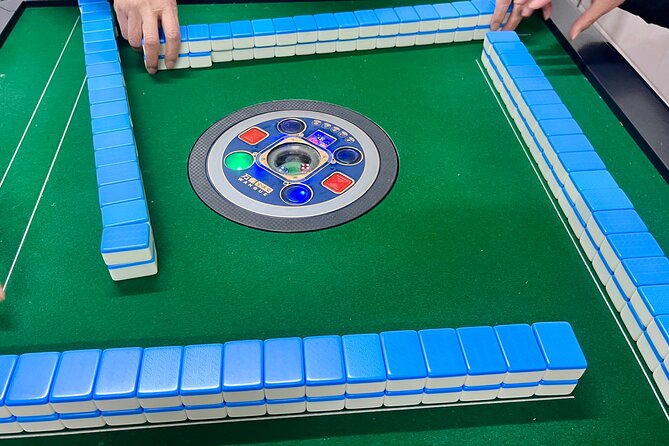
The electronic Mahjong table is a particularly useful feature. Automatic tables shuffle and arrange the tiles for you, reducing the time spent setting up each round. They also show you a piece of ordinary modern Mahjong culture, since these machines are used in both casual and competitive play in China.
For a first-time player, the machine may seem like a novelty, but it has a practical advantage. You can spend more time learning the decisions in front of you and less time sorting the tiles. The instructor can focus on your play instead of stopping to rebuild the table after every hand.
The social side is just as important as the equipment. Mahjong is not a solitary puzzle. You watch what the other players discard, adjust your plan, and talk through the choices. If you are playing with a partner or friends, the inevitable mistakes become part of the fun.
The class works for mixed ability levels because the instructor can explain the basics to newcomers while offering more detail to people who already know another version of Mahjong. If you have played a different style before, ask early how the local rules compare. The supplied information does not promise a particular regional rule set beyond Shanghai Mahjong, so it is wise to treat the session as an introduction to the version taught that day.
Same place, a different pot:
- One-Day Hangzhou Dragon Well Tea Culture & West Lake Private Tour
★ 5.0 · 98 reviews - Traditional Chinese Tea Ceremony Experience
★ 4.7 · 74 reviews - Beijing: Dumpling Making Workshop with Meal and Tea
★ 4.7 · 69 reviews - Beijing Culture: Tea Ceremony, Heritage Instrument & Calligraphy
★ 5.0 · 57 reviews
What the tea bar adds to the experience
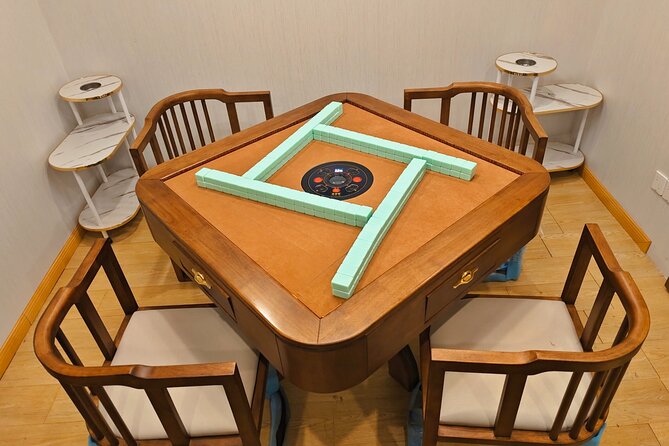
The tea bar is not just a room with tables. It sets the tone. You are learning a game in a place linked to the kind of social break the game represents, with tea-house surroundings and local people nearby.
Tea and other drinks are not included in the $95 price. Alcohol, coffee, tea, and other beverages are listed separately, so plan to pay extra if you want something to drink during the class. That is a small point, but it matters because the setting naturally makes you expect tea to be part of the package.
I would not book this activity mainly for a tea tasting. The value is the instruction, the private group, the English translation, and the opportunity to play on an automatic table. The tea bar provides the setting, but this is not presented as a formal tea ceremony or a drink-focused tour.
The setting also gives you a break from Shanghai’s major sights. You are not rushing between landmarks or trying to take in another enormous museum. For a rainy afternoon, a hot day, or a pause during a business trip, a seated game in a local tea bar can be a welcome change of pace.
The cultural side of Mahjong
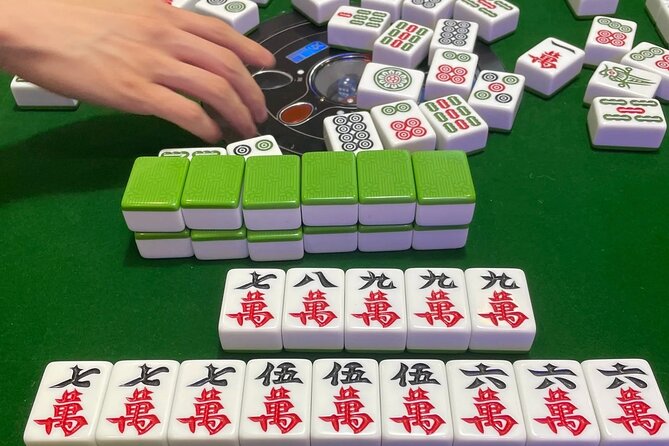
The instructor explains how Mahjong developed and why it remains important in Chinese social life. You learn that the game is not simply a pastime imported for visitors to try. It has stayed part of modern Chinese leisure, with people playing casually and competitively.
That context changes how you see the tiles. You begin to understand why the game can bring people together for a long afternoon, why skill and luck both matter, and why the table becomes a place for conversation as well as competition.
The cultural explanation is useful because Mahjong can be misunderstood from the outside. Many visitors know the name but have no idea how the game is played or why it has such staying power. A local instructor can connect the rules to real habits in a way a museum label cannot.
Still, keep your expectations sensible. In three hours, you will receive an introduction, not a full study of Mahjong across every Chinese region. The value is the direct encounter: you hear the background, then test it by playing.
Walking on to Tianzifang
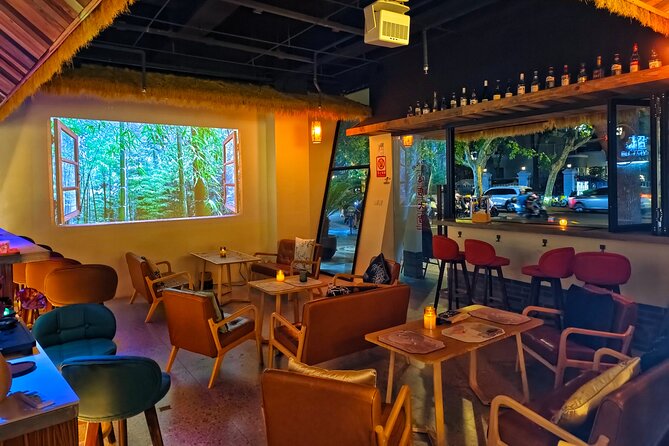
Once the class ends, you are back at the starting point. The activity does not include a guided walk through the Former French Concession, but the location gives you an easy option for continuing your afternoon.
Tianzifang is nearby and makes a natural add-on. You can stroll through its lanes after the lesson, browse small shops, and continue exploring the neighborhood at your own pace. Since the Mahjong activity itself lasts about three hours, check the day’s timing before adding another stop.
This pairing works well because the two experiences show different sides of Shanghai. At the tea bar, you spend time in a local social setting. Around Tianzifang, you get a more visitor-oriented area with lanes and shops. Neither replaces the other, and together they make a fuller afternoon in the Former French Concession.
The walk is optional, so you are not locked into a long sightseeing program. If you are tired, return to your hotel. If you want more time in the district, you already have a convenient starting point.
Is $95 per person a fair price?
At $95 per person, this is not a bargain activity. You could certainly spend less on a drink, a snack, or an independent walk through the neighborhood. You are paying for a private session, professional English translation, instruction, use of the electronic Mahjong table, and access to local hosts who can explain the game from personal experience.
For someone who only wants to try Mahjong for ten minutes, the cost is too high. For a couple or small group looking for a structured cultural activity, the price makes more sense. You do not have to organize the rules, find a local teacher, or work out how to use an automatic table on your own.
The private format is important to the value. Your group is the only group participating, so the session can stay focused on your questions and your pace. A large class might be cheaper, but it would likely give you less individual help.
Group discounts are available, which may improve the price for families or friends booking together. The supplied details do not give the discount amount, so check the total before paying rather than assuming a particular saving.
I would compare this activity with the cost of other guided cultural experiences in Shanghai, not with the price of a casual tea stop. If you value personal instruction and a local setting, the price is defensible. If you prefer to sightsee independently and avoid scheduled activities, spend your money elsewhere.
Who will enjoy this class most?
This experience suits you if you are:
- A complete beginner who wants patient instruction
- Interested in everyday Chinese leisure, not only famous landmarks
- Looking for an indoor activity in Shanghai
- Traveling as a couple, family, or small private group
- Comfortable spending three hours on one activity
- Curious about how automatic Mahjong tables work
- Visiting the Former French Concession and wanting a different kind of stop
It is also a good choice for people on a business trip. The activity offers something more memorable than another meal near a conference venue, and the private format works well when you have limited free time.
You may want to skip it if you dislike games, find rule-based activities tiring, or expect a formal tea ceremony. The class requires attention. You will need to listen, remember new terms, and make decisions at the table. The relaxed setting helps, but it is still a lesson.
Families should note that the supplied information says most people can participate, but it does not give a minimum age. If you are booking for children, confirm that point before reserving.
Timing, transport, and what to know before booking
Plan on about three hours, with the activity beginning and ending at 327 Shanxi South Road. Public transportation is nearby, but the exact transit route depends on where you are staying in Shanghai. Use the full street address when planning your route.
Wear whatever is comfortable for sitting and playing. No special equipment is needed, since the electronic table is provided. You may want to bring a phone for the mobile ticket and the meeting details.
The activity is available as a mobile ticket, and confirmation is provided when you book. Drinks are extra, so carry a little money for tea or another beverage if you want one.
The cancellation terms are straightforward: cancel at least 24 hours before the local start time for a full refund. Cancellations or changes made inside that 24-hour window are not refunded or accepted.
Should you book the Shanghai Mahjong Experience?
Book it if you want a personal, indoor cultural activity with real participation. The strongest reasons are the private group, English translation, patient teaching, and chance to use an automatic Mahjong table in a local tea-bar setting.
I would especially recommend it for first-time players and anyone who has wondered how Mahjong fits into Chinese daily life. Jenny and the local players give the activity a human touch, while the nearby Former French Concession and Tianzifang make it easy to add more sightseeing.
Skip it if $95 feels steep for a three-hour class, or if your main goal is tea tasting rather than Mahjong. For the right audience, though, this is a useful way to spend an afternoon in Shanghai: you learn a game, meet local hosts, and leave with a better feel for a familiar part of Chinese social life.
FAQ
How long does the Shanghai Mahjong experience last?
The activity lasts about three hours.
Where does the experience start and end?
It starts at 327 Shanxi South Road, Huangpu District, Shanghai, and ends back at the same meeting point.
Do I need prior Mahjong experience?
No. The class is designed for complete beginners as well as people with some previous experience.
Is English translation provided?
Yes. A professional English guide or translator helps explain the rules, strategies, and cultural context.
Is the Mahjong table included?
Yes. Use of an electronic Mahjong table is included in the activity.
Are tea and other drinks included in the price?
No. Tea, coffee, alcoholic beverages, and other drinks are not included.
Can I cancel for a full refund?
Yes, if you cancel at least 24 hours before the experience start time. Cancellations or changes made less than 24 hours in advance are not refunded or accepted.
Just added around China
- Xi’an Chinese Calligraphy Workshop: Ink Art & Tea Tasting★ 5.0 · 4 reviews
- Xi’an Noodle Making and Tea Tasting Experience★ 5.0 · 6 reviews
- Half-day Tour: Largest Tea Plantation & Amazing Xianggong Hill★ 5.0 · 9 reviews
- Xi’an Calligraphy & Tea Ceremony – Dive into Ink & Brush Artistry★ 5.0 · 4 reviews
- Full-day Tour: Spectacular Sunrise, Tea Plantation & Sunset★ 5.0 · 3 reviews
- 3 hours Xi’an Mahjong Class with Local Tea★ 5.0 · 2 reviews
- Unlock Chinese Tea: Culture, Science, Tasting & Hands-on Brewing★ 5.0 · 12 reviews
- Chinese Tea Ceremony Experience★ 5.0 · 3 reviews
Drinking Tours, compared.
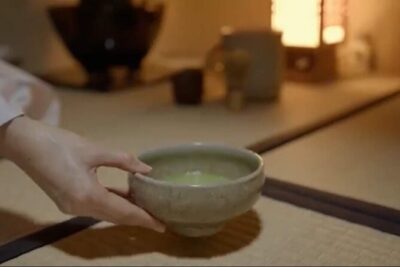
Private Tea Ceremony and Sake Tasting in Kyoto Samurai House
Read our review →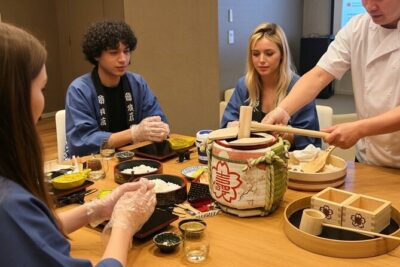
Tokyo Sushi Making Class : Sake Ceremony & Matcha Experience
Read our review →
Kyoto Local Gourmet Night Experience: Kaiseki & Izakaya & Matcha
Read our review →
Making Japanese desserts Nerikiri & drinking matcha in Tokyo
Read our review →Browse the lists this tour appears in