
Review · TOKYO
Making Japanese desserts Nerikiri & drinking matcha in Tokyo
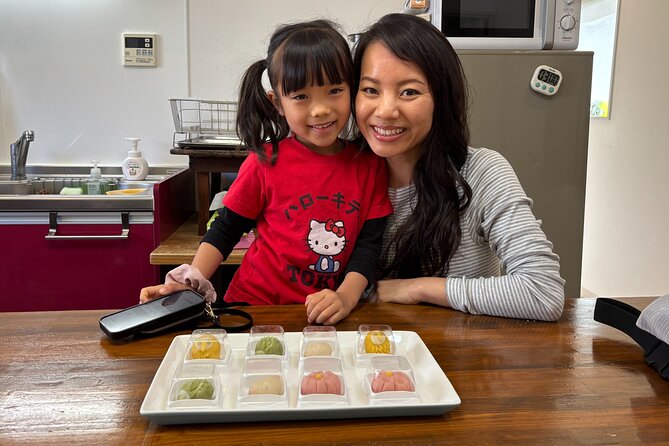
Nerikiri looks like a tiny work of art, but this Tokyo class lets you handle the dough, shape the sweets, and taste the results yourself. You’ll make three seasonal designs, then enjoy them with authentic matcha prepared by your instructor.
I like the small group of no more than eight, since shaping delicate sweets is much easier when you can get direct help. I also like the practical touch of take-home packets, so your creations do not have to disappear with the last sip of tea.
The main thing to watch is the meeting location. The class usually takes place in Shimokitazawa, but it can move to Toritsu Daigaku Station, with the instructor sending the final details by email.
Key points to know before booking
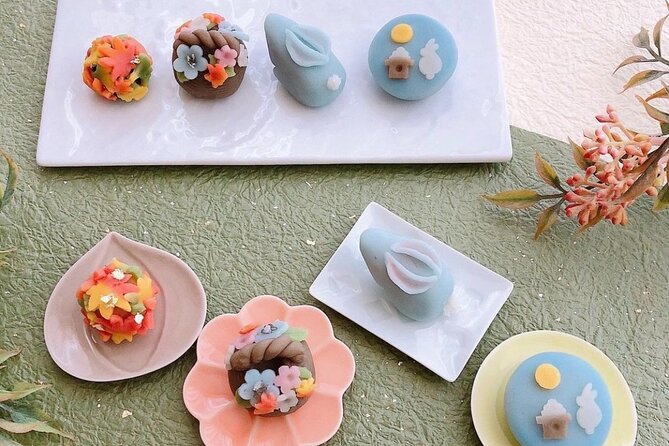
- Three seasonal nerikiri sweets: You shape three types of kneaded dough, with designs changing according to the time of year.
- A real hands-on class: The instructor explains the process, then you make the sweets yourself rather than simply watching a demonstration.
- Matcha served at the end: Your finished nerikiri is paired with powdered green tea prepared during the class.
- Small class size: The maximum is eight people, allowing for personal help with shaping and decoration.
- Take-home option: Packets are provided if you want to save your sweets for later.
- Flexible location: The normal kitchen is in Shimokitazawa, but Toritsu Daigaku Station may be used if the main space is unavailable.
Shaping Japanese sweets in 90 minutes
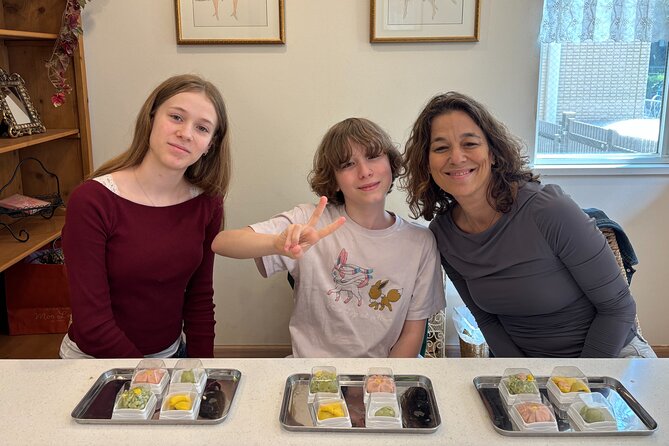
This is a compact class with a clear purpose: learn what nerikiri is, make three seasonal pieces, and eat them with matcha. The full session takes about one hour and 30 minutes, making it easy to fit into a Tokyo day without giving up half your sightseeing schedule.
The class begins with an explanation of the nerikiri-making process. You then work with the ingredients and tools supplied for the session. The important difference here is that you are not just watching someone with years of practice turn sweets into flowers and animals. You get to handle the dough and learn how the shapes are formed.
That hands-on part matters. Nerikiri is delicate, and the finished sweets can look far more exact than they feel when you first try to shape them. A small group gives the instructor room to help you correct a form, refine a detail, or understand the next step before you move on.
The class includes three types of seasonal kneaded dough. The designs depend on the season, so the exact results are not fixed throughout the year. That gives the experience a more local, time-specific feel than a standard cooking lesson with the same menu every month.
You can also request an owl and a needle mouse when you email the instructor. The request is not guaranteed, especially if made late, and seasonal designs are used when there is no special request. Still, it is a useful option if you are booking for children, a family group, or anyone with a particular interest in small animal-shaped sweets.
More Matcha Experiences in Tokyo:
- Matcha Making Class in Tokyo with Authentic Japanese Sweets Set
★ 5.0 · 744 reviews - Tokyo: Matcha Making Experience with Mochi Sweets in Asakusa
★ 4.9 · 388 reviews - Asakusa Cultural Walk & Matcha Making Tour
★ 5.0 · 245 reviews
Why nerikiri is worth learning
Nerikiri is a Japanese confectionery made from kneaded dough, shaped into seasonal designs. The point is not only sweetness. The form, color, and season all matter, which makes these treats a neat introduction to the way Japanese food can reflect the time of year.
You do not need a background in Japanese cooking to take part. The class is designed for beginners, and the work is explained before you try it. I would still expect a few uneven edges and imperfect shapes, which is part of the fun rather than a problem. Your sweets do not need to look like professional display pieces to be worth making.
The activity also gives you a better sense of the care behind Japanese confectionery. A guidebook may tell you that wagashi are linked to tea culture and seasonal events. Here, you use your hands to see how much attention goes into a small piece that may be eaten in only a few bites.
That makes this a good choice if you want more than a food sample. You learn a skill, hear about nerikiri’s background, and leave with something you made yourself. The experience is especially suited to people who enjoy craft-based activities and prefer a quiet lesson to a large food tour.
The three seasonal designs
The exact appearance of your sweets changes by season. This is one of the strongest parts of the class, but it also means you should not book expecting a particular set of designs unless you ask in advance.
You will make three types of seasonal kneaded dough. The instructor explains the process, and you shape each piece by hand. The supplied information does not specify the exact ingredients, colors, or designs for each month, so it is best to think of the menu as seasonal rather than fixed.
If you have a request, send it by email after booking. The class notes specifically mention an owl and a needle mouse. The instructor may not be able to honor the request, depending on when you apply, so treat this as a preference rather than a promise.
I like this seasonal approach because it keeps the class tied to Japan rather than turning it into a generic dessert workshop. You are making what fits the time of year, not simply repeating one permanent design. For repeat visitors to Tokyo, that could make the experience different on a later trip.
The trade-off is predictability. If you want a particular animal or flower, contact the instructor early and wait for confirmation. If you are happy to make the seasonal sweets selected for the session, the uncertainty is not much of a concern.
Matcha and the best moment of the class
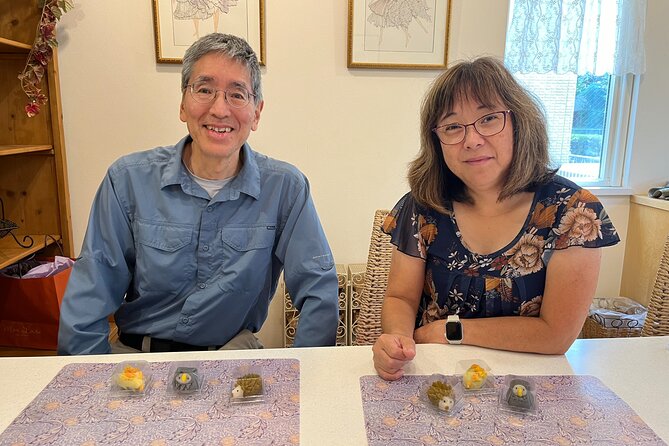
Once the nerikiri is finished, the instructor prepares popular matcha, or powdered green tea. You can eat the sweets on the spot with the tea or place them in the provided packets and take them home.
This final part gives the class a natural finish. Matcha can be quite strong and earthy, while nerikiri is sweet, so the pairing helps you understand why these two are served together. The tea is not a separate tasting added to fill time. It gives context to the sweets you have just made.
I would eat at least one piece during the class. That lets you see how the sweetness works with the matcha and gives the instructor a chance to answer questions while the experience is still underway. The take-home packets are useful for the remaining pieces, especially if you have more sightseeing planned afterward.
There is no indication that the class includes a full meal. You should treat it as a dessert and tea experience, not lunch or dinner. That is easy to manage in Tokyo, but it is worth knowing when planning your day.
A few more tea experiences around Tokyo worth a look
- Tokyo Sushi Making Class : Sake Ceremony & Matcha Experience
★ 5.0 · 44 reviews - Arashiyama Bamboo, Temple, Monkeys, or Secret Sake Brewery
★ 4.8 · 886 reviews - Private Tea Ceremony and Sake Tasting in Kyoto Samurai House
★ 5.0 · 163 reviews - Kyoto Local Gourmet Night Experience: Kaiseki & Izakaya & Matcha
★ 5.0 · 22 reviews
A small class near Shimokitazawa
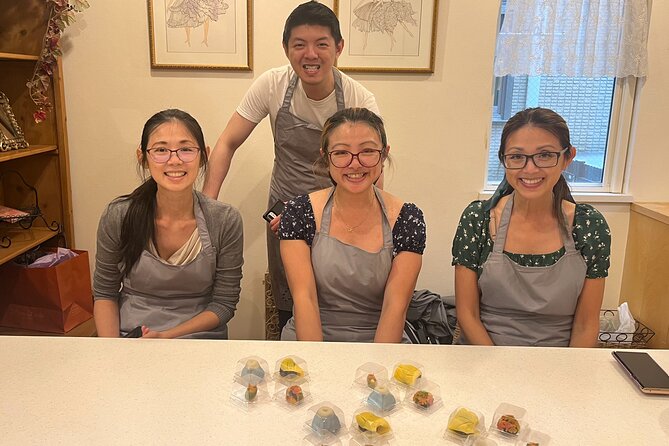
The usual meeting point is 3-chōme-20-4 Kitazawa, Setagaya City, Tokyo 155-0031. The class is generally held in a kitchen in Shimokitazawa, a useful setting if you want to pair the activity with time in Setagaya-ku.
The class ends back at the meeting point. There is no separate return transfer, so you are free to continue exploring the area once the 90 minutes are over. The activity is near public transportation, though the details you receive after booking matter more than a general map search.
There is one practical wrinkle. Because the kitchen is a rented space, the class may instead be held at Toritsu Daigaku Station if the Shimokitazawa location is unavailable. The instructor sends the location information by email, and you should check that message carefully before setting out.
Confirmation is sent within 48 hours of booking, subject to availability. I would avoid building a tight schedule around a meeting point you have not yet confirmed. Tokyo transit is efficient, but changing neighborhoods at the last minute can still cost you time.
The location change is not a reason to reject the class. It is simply the detail most likely to affect your day. Save the instructor’s email, confirm the station, and leave a little spare time before the start.
What the small group means for you
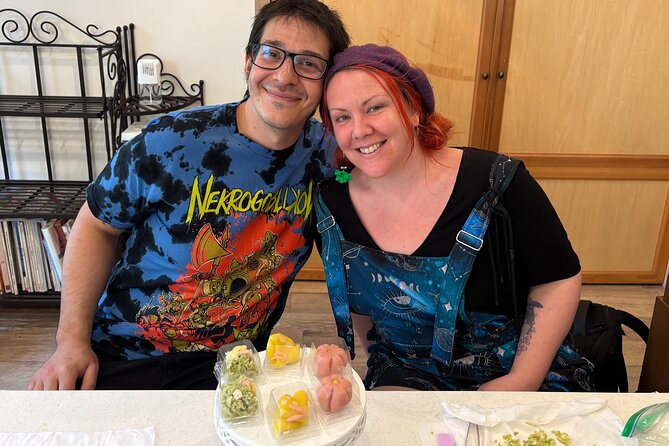
The maximum class size is eight people. That is small enough to keep the lesson personal without making it feel like a private class.
This matters because nerikiri shaping is a visual and manual skill. If your dough is not forming as expected, you want the instructor to notice. A large class could leave you copying from a distance, but this setup offers more room for direct help.
The experience is also a good fit for friends and family. One available review described it as beginner-friendly and recommended it for friends and families, which matches the structure of the class. You do not need prior dessert-making experience, and the activity gives everyone a clear task.
For solo visitors, the small format can be reassuring. You are not signing up for a large crowd or a performance-style demonstration. The focus stays on the sweets, the seasonal ideas behind them, and the process of making them.
The listing does not provide the instructor’s name, so you should not expect to choose a particular teacher. The instructor’s email is important for the meeting location and for any design request, but no personal guide details are supplied.
Is $65.69 a fair price?
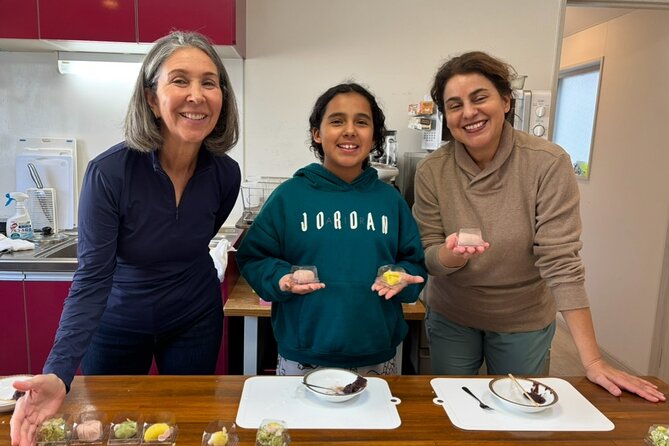
At $65.69 per person, this is not the cheapest sweet you will eat in Tokyo. You are paying for a guided activity, the ingredients, the tools, the instruction, the matcha, and a small class setting rather than simply buying nerikiri from a shop.
The value depends on what you want from the afternoon. If you only want to taste Japanese sweets, a confectionery shop will cost less. If you want to understand how the sweets are made, shape three yourself, drink matcha, and take some pieces away, the price is easier to justify.
The take-home packets add modest but real value. You are not limited to a quick tasting at the table, and the sweets can become a small edible souvenir. The greater value, though, is the chance to learn a process that is difficult to understand from a display case.
Group discounts are available, though the supplied details do not state the discount amount. If you are booking with friends or family, check how the discount applies before paying. The maximum of eight people keeps the class small even when a group discount is used.
The high 4.9 rating from 20 reviews and 100 percent recommendation rate point to strong satisfaction, especially for the friendly, beginner-focused format. I would still judge the price against your own interests. A person who likes making things will get more from this than someone looking only for a quick snack.
Who should book this experience
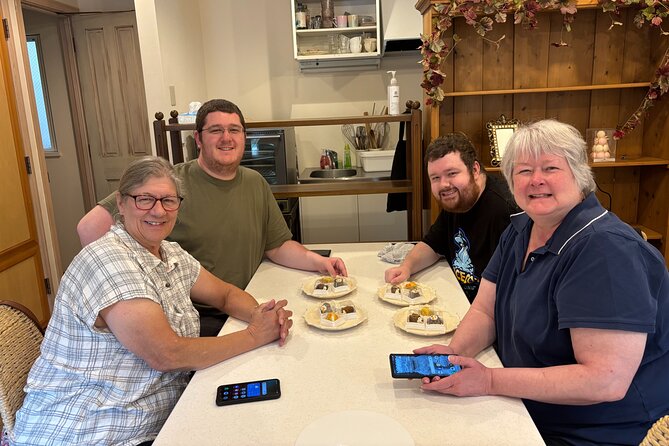
I would recommend this class to:
- First-time visitors who want a hands-on introduction to Japanese food culture
- Couples, families, and friends looking for a shared activity
- People who enjoy crafts, baking, or careful food presentation
- Matcha drinkers who want to pair the tea with traditional sweets
- Anyone with a free 90-minute window near Shimokitazawa or the confirmed alternate location
It may be less suitable if you need a full meal, dislike sweet foods, or want a fixed menu with guaranteed designs. It is also not the best choice for a tightly packed day if a location change would create stress.
Children may enjoy the animal design option, but the supplied information does not state a minimum age or specific child policy. If you are booking for young children, ask the instructor directly before confirming.
The class works best when you treat it as a slow, focused activity. You will get more from it if you pay attention to the shaping process instead of rushing to finish the three pieces.
Booking, cancellation, and practical planning
The activity can be canceled for a full refund up to 24 hours before the start time. Changes or cancellations made less than 24 hours before the start are not accepted for a refund, and the cut-off follows local Tokyo time.
Because the class is often booked 34 days in advance, plan ahead if your dates are fixed. Confirmation is subject to availability and arrives within 48 hours of booking.
After booking, watch for the instructor’s email. It will contain the event location, and that may be Shimokitazawa or Toritsu Daigaku Station. If you have a special design request, include it in your email, while understanding that seasonal designs may be used instead.
I would plan the rest of the day around the confirmed location, not the usual one. After the class, you can explore nearby Setagaya-ku if you meet in Shimokitazawa. If the class is held at the alternate station, your next stop will need a different plan.
Should you book it?
Book this experience if you want to make something with your hands and learn why Japanese sweets change with the seasons. The small group, three nerikiri designs, matcha service, and take-home packets give the 90-minute session more substance than a simple tasting.
The strongest reasons to choose it are the personal attention and the beginner-friendly format. The main cautions are the changing meeting point, the lack of a full meal, and the fact that special designs are not guaranteed.
For a food-focused Tokyo itinerary, this is a good use of a short afternoon. Contact the instructor early with any design request, confirm the final location, and leave room in your schedule for the class to be an experience rather than a rushed stop.
FAQ
How long does the nerikiri and matcha class last?
The class lasts approximately 1 hour and 30 minutes.
Where does the class meet?
The usual meeting point is 3-chōme-20-4 Kitazawa, Setagaya City, Tokyo 155-0031. The class is generally held in a kitchen in Shimokitazawa.
Can the class location change?
Yes. Because the kitchen is a rented space, the class may be held at Toritsu Daigaku Station if the Shimokitazawa kitchen is unavailable. The instructor will send the location by email.
How many people can join the class?
The activity has a maximum of eight travelers.
What will I make during the class?
You will make three types of seasonal kneaded dough used to create nerikiri sweets. The designs depend on the season.
Can I request an owl or needle mouse design?
You can request an owl and a needle mouse by email, but the instructor may not be able to meet the request depending on when you apply. If there is no request, the class uses seasonal designs.
Is cancellation free?
You can receive a full refund if you cancel at least 24 hours before the experience start time. Cancellations or changes made less than 24 hours before the start are not accepted for a refund.
Just added around Tokyo
- Yokohama : Tea Ceremony with Sweets and Souvenir★ 5.0 · 5 reviews
- Walking Tour: Yanaka,Nezu& Sendagi: Tea Ceremony & Old Tokyo★ 5.0 · 3 reviews
- 2 Hours Mochi &Nerikiri Making & Matcha Class in Bunkyo★ 5.0 · 21 reviews
- Private Kimono and tea ceremony at local home near Tokyo Disney★ 5.0 · 6 reviews
- Private Mochi・Matcha sweets Making Class Near Shibuya Area★ 5.0 · 22 reviews
- Tokyo Sweets Tour: Hidden Gems & Matcha at an Old Tea House★ 5.0 · 6 reviews
- Giant Sushi Cooking Class: Make a 1.5m Sushi Roll in Tokyo★ 5.0 · 9 reviews
- Tokyo: Tea Ceremony & Japanese Sweets Making★ 5.0 · 10 reviews
Matcha Experiences, compared.

World Heritage Kyoto & Nara Uji Authentic Matcha Experience
Read our review →
Matcha Making Class in Tokyo with Authentic Japanese Sweets Set
Read our review →
Tea Museum Tickets and Matcha Grinding Experience
Read our review →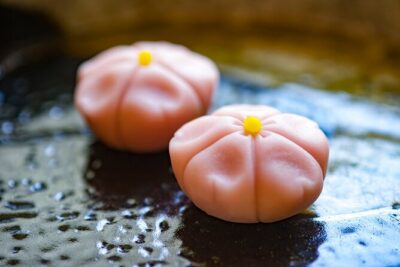
Matcha Making Class in Osaka with Authentic Japanese Sweets Set
Read our review →
Tea Ceremony Meditation – Make Matcha with Tea Master
Read our review →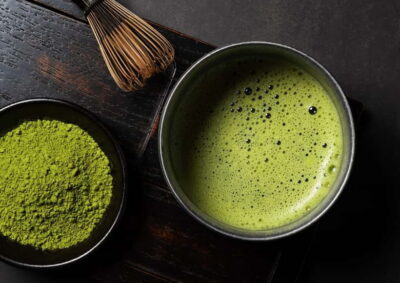
Matcha Making Experience with Mochi Sweets in Asakusa
Read our review →
Browse the lists this tour appears in