
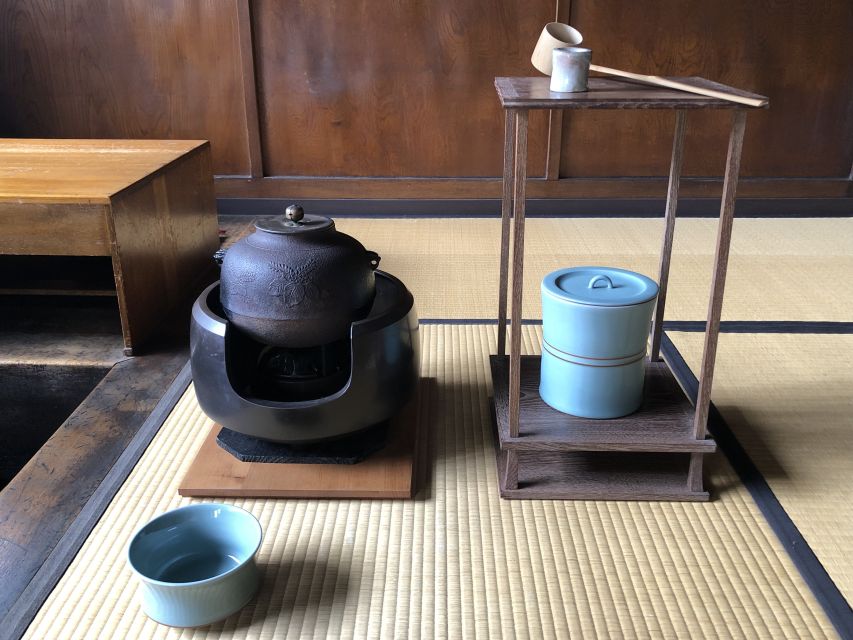
Review · KYOTO
Kyoto: Tea Ceremony Meditation – Make Matcha with Tea Master
The best part of this Kyoto experience is the setting: you make matcha inside a 100-year-old traditional townhouse, where tatami, quiet rooms, and handcrafted tea tools make the lesson feel grounded in place. Your English-speaking tea master demonstrates the Omotesenke style, then guides you through making your own bowl.
I like the small group of up to 10 people, which gives you time to ask questions and receive help with the whisk. I also like the relaxed teaching style reported by guests of hosts such as Miki, Aki, Yoko, Joko, and Kiyoka. The main consideration is time: 45 minutes is enough for an introduction, but not a long formal tea gathering. Kimono rental and extra tea are not included.
Key points to know before booking
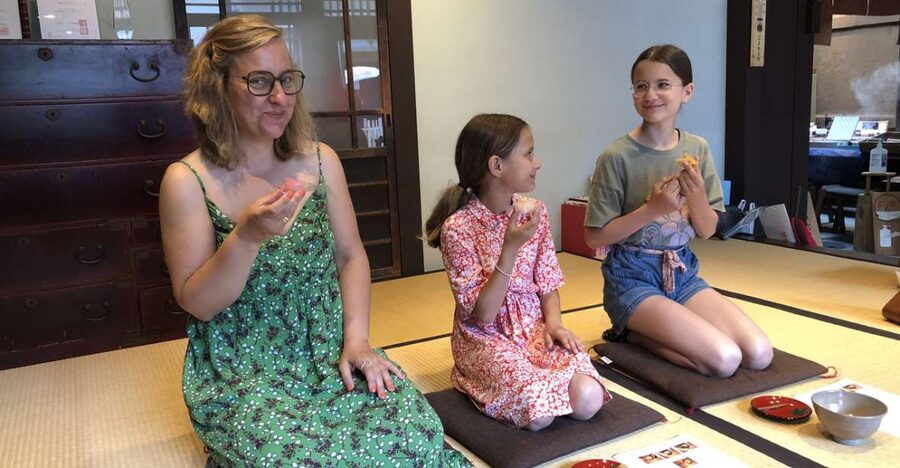
- A 100-year-old townhouse sets the mood: Tatami, quiet rooms, and traditional utensils give the activity a strong sense of place.
- You make your own matcha: This is not just a demonstration. You learn the basic whisking method and drink the tea you prepare.
- The Omotesenke tradition guides the lesson: Your host explains the gestures, etiquette, history, and meaning behind the ceremony.
- Small groups keep it personal: With no more than 10 participants, you can ask questions and get individual help.
- The 45-minute format fits a busy day: It works well between Kyoto sights, though it offers only a first lesson rather than full tea-school training.
- Budget for extras: The $45 price includes the ceremony, one bowl of matcha, and a traditional sweet, but not a kimono, hair styling, hotel transport, or additional drinks.
Entering the Kyoto townhouse
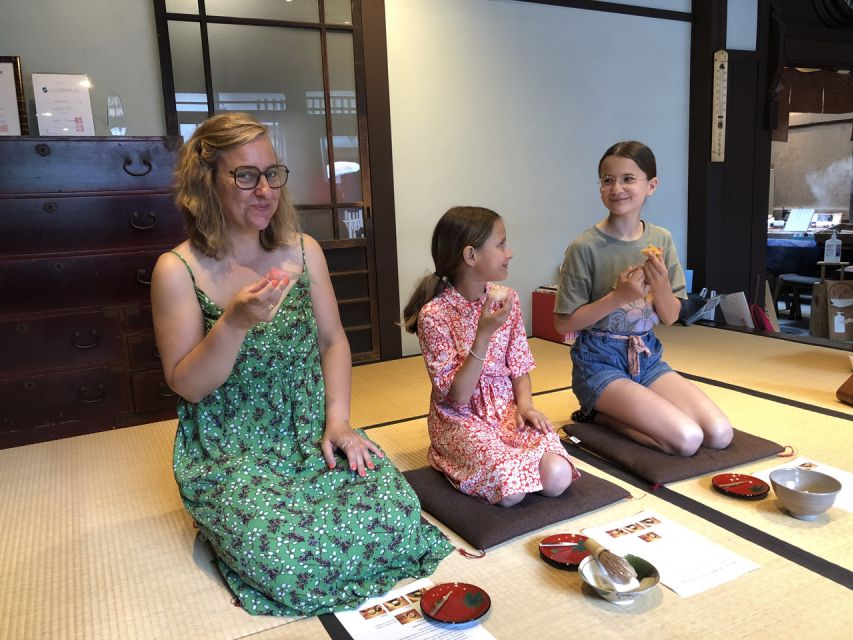
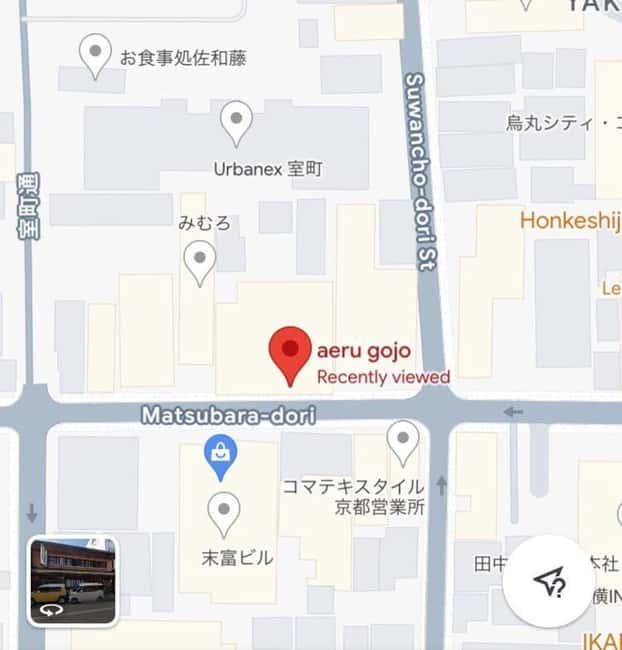
The experience begins at aeru gojo, in central Kyoto. If you come from Karasuma-dori Street, turn at the corner with the Family Mart convenience store, walk straight for one block, and look for the sign beside Only Corporation and across from Zen Kyoto.
The arrival instructions matter because this is not a large attraction with an obvious front entrance. Give yourself a few extra minutes to spot the sign, but do not arrive more than 10 minutes early. The room is small, so the hosts ask visitors not to wait inside too soon.
Once you step in, the change is immediate. The scent of tatami and the calm interior help separate this short activity from Kyoto’s busy streets. You will see Japanese crafts and tea utensils made by skilled artisans, and some items may be available to purchase after the session.
There is no parking lot. If you arrive by rental bicycle, you cannot bring the bike into the venue, so use public bicycle parking. The closest suggested parking area is listed by the operator near the meeting point.
More Matcha Experiences in Kyoto:
- Kyoto: Arashiyama Bamboo Forest, Monkeys, Matcha & Temple Tour
★ 5.0 · 759 reviews - Kyoto: Kimono Tea Ceremony with Matcha and Sweet
★ 4.9 · 249 reviews - Kyoto: Arashiyama Bamboo, Temple, Matcha, Monkeys & secret spots
★ 5.0 · 219 reviews
Watching the Omotesenke demonstration
Your tea master begins by showing how a bowl of matcha is prepared. The point is not simply to mix green tea powder with hot water. The actions are measured, quiet, and deliberate, with attention given to the bowl, scoop, whisk, and the way each object is handled.
The host explains the basic etiquette and the reason behind the movements. You learn that tea ceremony is not only about drinking matcha. It is also about hospitality, respect, care for objects, and giving full attention to a shared moment.
The lesson follows the Omotesenke tradition, one of Japan’s respected tea schools. You will not become an Omotesenke practitioner in 45 minutes, but the connection gives the demonstration a clear cultural foundation rather than presenting matcha as a simple food trend.
The hosts are accustomed to teaching international visitors. English is the working language, and the activity is designed for questions. Miki has been singled out for her clear explanations and patient manner, while Aki, Yoko, Joko, and Kiyoka have also led sessions described as warm, calm, and easy to follow.
This is helpful if you are new to tea ceremony. Japanese etiquette can seem mysterious when you only watch from a distance. Here, the guide explains what you are seeing and why it matters.
Making your own bowl of matcha
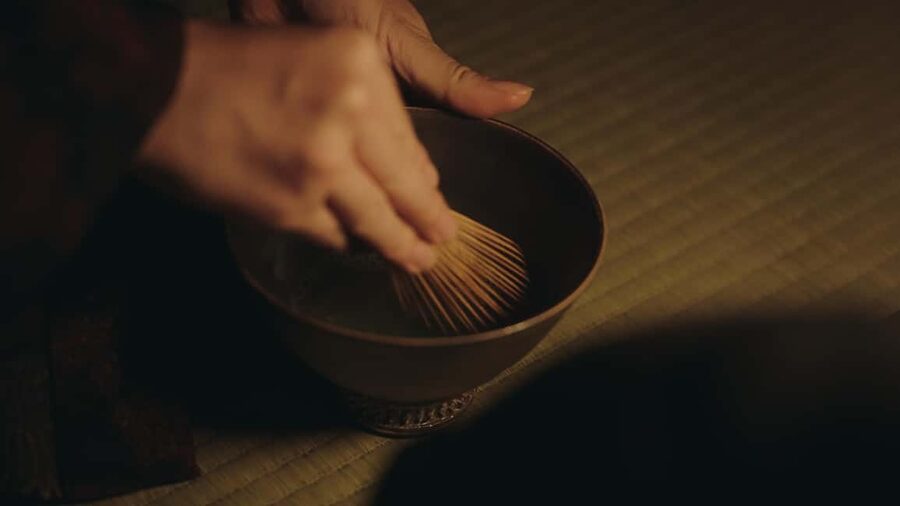
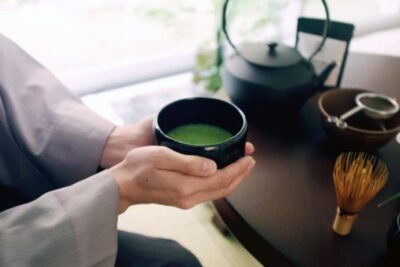
After the demonstration, you get your turn. You use authentic tea equipment, including a bamboo whisk, tea bowl, and other utensils, then follow the steps under the host’s guidance.
The hands-on portion is the heart of the activity. You are not expected to know the correct wrist movement or whisking rhythm at the start. The tea master shows you how to handle the tools and gives help as you work.
Matcha can look simple, but the texture and taste depend on how it is mixed. Your bowl should become smooth and lightly foamy rather than lumpy. The exact result may vary, especially for a first attempt, and that is part of the fun.
The atmosphere is informal enough for beginners and children. Families with children around eight to ten years old have found the mix of explanation and action manageable. One parent also appreciated the host’s patience with a restless toddler. Still, this is a quiet activity, so children who cannot settle for a calm demonstration may not enjoy it as much as older children or teenagers.
Solo visitors should feel comfortable booking. The small setting makes it easier to meet the other participants without requiring anyone to arrive as part of a group. Couples and families also benefit from having a shared task instead of simply watching a performance.
Drinking matcha with a traditional sweet
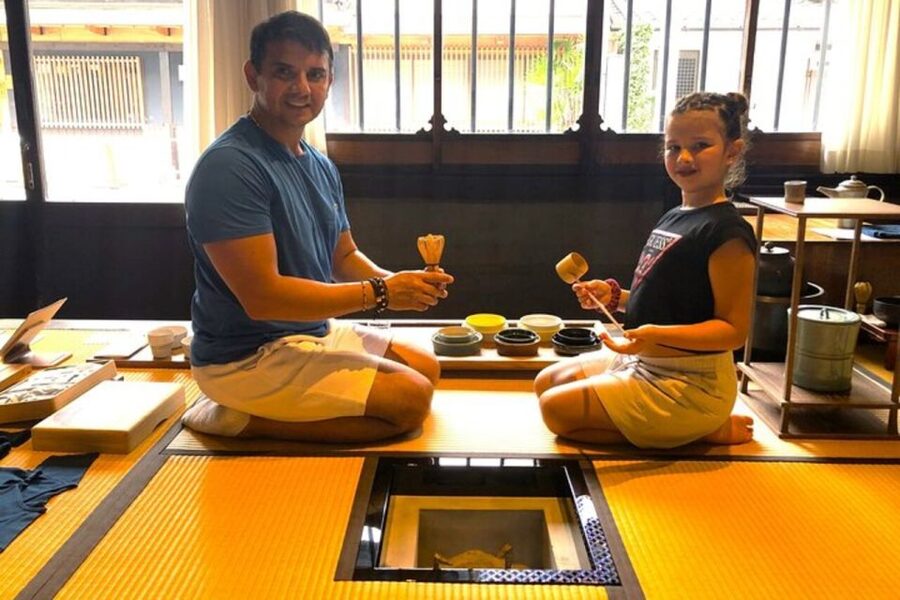
Once you have made your tea, you drink it with a Japanese traditional sweet. The sweet balances matcha’s bitter, grassy edge and gives you a small taste of the etiquette surrounding tea service.
The tea and dessert are included in the $45 price. You receive one cup of matcha, not an open-ended tea tasting or a refill service. If you want a large meal or snack before the activity, eat elsewhere because the venue is not suitable for dining.
Do not wear perfume or cologne. Matcha has a delicate aroma, and the hosts ask participants to avoid scents that could distract from the tea or affect the comfort of the group. This is a small rule, but it fits the careful atmosphere of the ceremony.
The tea quality and dessert have been warmly noted, but the experience is more about learning than food. If your main goal is to compare several grades of matcha, this is not the right format. If you want to understand how tea fits into Japanese culture while preparing a bowl yourself, it offers better value.
More Tea Ceremony Experiences in Kyoto:
- Kyoto: Tea Ceremony in a Traditional Tea House in Kiyomizu
★ 4.9 · 3,519 reviews - Kyoto: Tea Ceremony Ju-An at Jotokuji Temple
★ 4.9 · 3,207 reviews - Kyoto: 45-Minute Tea Ceremony Lesson Experience
★ 4.3 · 2,378 reviews - Kyoto: Table-Style Tea Ceremony at a Kyo-Machiya
★ 4.9 · 1,211 reviews
Time for questions about Japanese culture
A major strength is the conversation. The English-speaking tea masters invite questions not only about matcha but also about Japanese customs and daily life.
You can ask about the history of matcha, the meaning behind the ceremony, the Omotesenke tradition, or the etiquette of serving and receiving tea. The lesson is not delivered as a memorized speech with no room for interaction. Hosts have been praised for taking questions patiently and explaining details in clear English.
This makes the experience useful early in a Kyoto visit. You leave with more context for the tea shops, sweets, gardens, temples, and craft stores you may see later. It also gives you a way to think about Japanese hospitality beyond the usual sightseeing checklist.
The teaching style is friendly rather than severe. You learn proper movements, but you are not expected to perform a flawless ceremony. That balance is important. A highly formal tea-school lesson could be fascinating, but it might also feel intimidating to a first-time visitor.
Browsing Japanese crafts after the ceremony
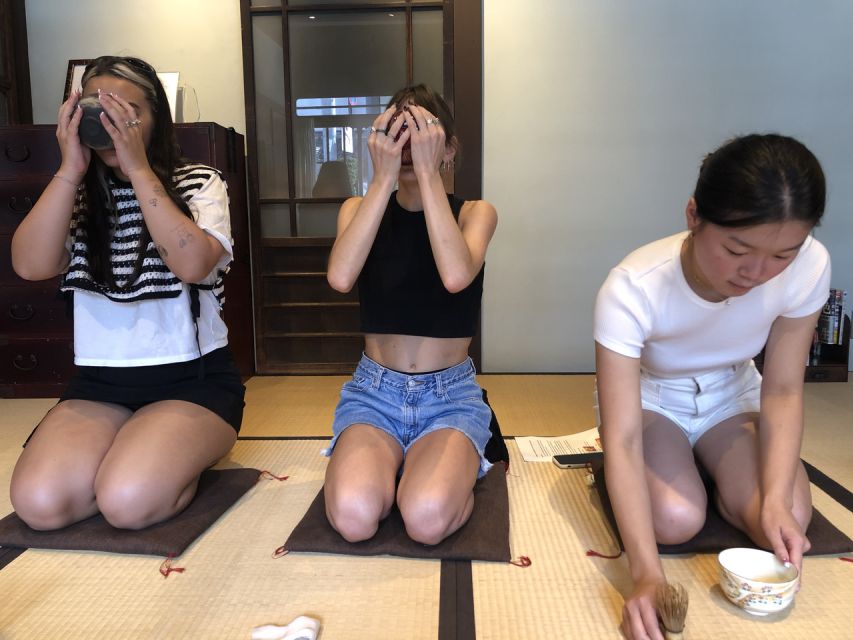
At the end, you can look at selected Japanese crafts and tea goods. The utensils used during the lesson are authentic and made by artisans, so you get a closer look at objects that are often treated as background props in a tourist activity.
You may find items to take home, giving the session a practical afterlife. A whisk, bowl, or small tea tool can remind you how to prepare matcha after returning home, though prices and available products are not specified here.
Do not feel pressured to buy anything. The main purchase is the experience itself, and the craft display works best as an optional final stop. If you are looking for a meaningful souvenir tied to a cultural activity, it is a useful addition.
Is $45 a fair price?
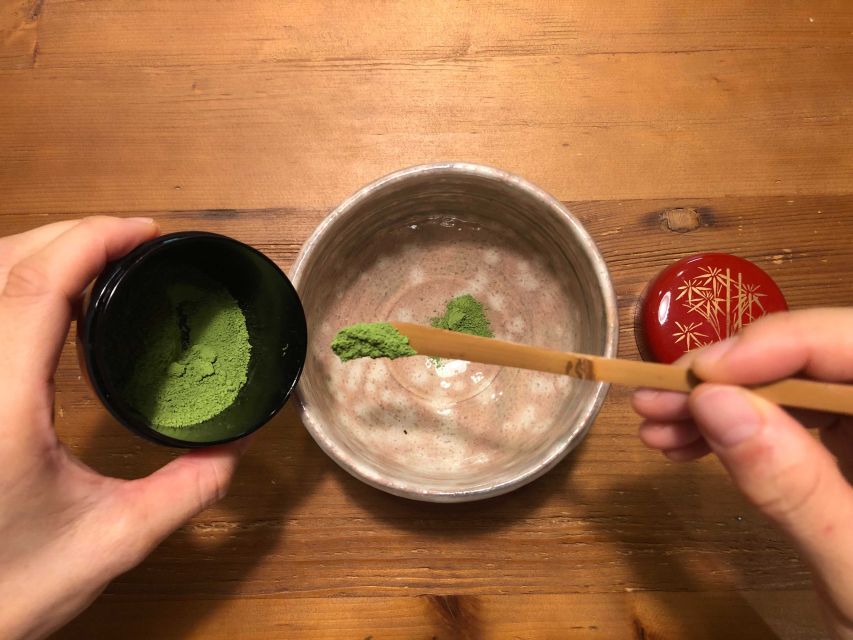
At $45 per person, this is a reasonable price for a small-group cultural lesson in central Kyoto. You receive a 45-minute tea ceremony, an English-speaking instructor, one serving of matcha, a traditional sweet, and hands-on use of proper tea equipment.
The value comes from the personal instruction and the setting. A quick cup of matcha at a café may cost much less, but it will not explain the etiquette, show the ceremony, or let you prepare the tea yourself. On the other hand, this is not a long, private ceremony with a kimono transformation, hair styling, or several courses of food.
The activity also comes from a culture-focused company with an American Express Award-winning tea program. That detail suggests an established approach to presenting Japanese culture, but you should still book it for the hands-on teaching and intimate setting rather than for an award alone.
If you are comparing similar Kyoto tea activities, check what each price includes. Here, kimono rental and hair setting are not included, hotel pickup and drop-off are not included, and only one cup of matcha is provided.
Who will enjoy this experience most?
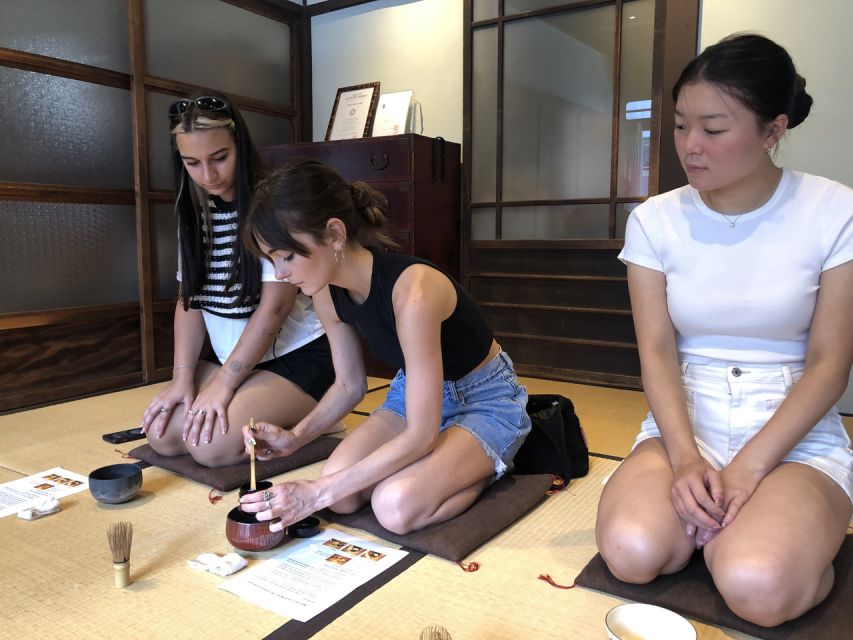
I would recommend it to first-time visitors who want an approachable introduction to tea ceremony without committing to a long or highly formal event. The hosts explain the customs clearly, and the chance to make matcha keeps the activity active.
It also suits:
- Couples looking for a calm break from sightseeing
- Solo visitors who enjoy small-group activities
- Families with older children and teenagers
- Visitors who want to ask questions in English
- Anyone interested in Japanese crafts and everyday cultural customs
- People with limited time who can spare 45 minutes
It may be less suitable if you want to wear a kimono, have your hair styled, drink several varieties of tea, or attend a full-length ceremonial performance. Those extras are not part of this booking.
The venue is wheelchair accessible, which makes it easier for visitors with mobility needs to consider. You should still check your own access requirements when booking if you need specific arrangements, since the supplied details do not describe the interior layout in full.
Practical advice for fitting it into Kyoto
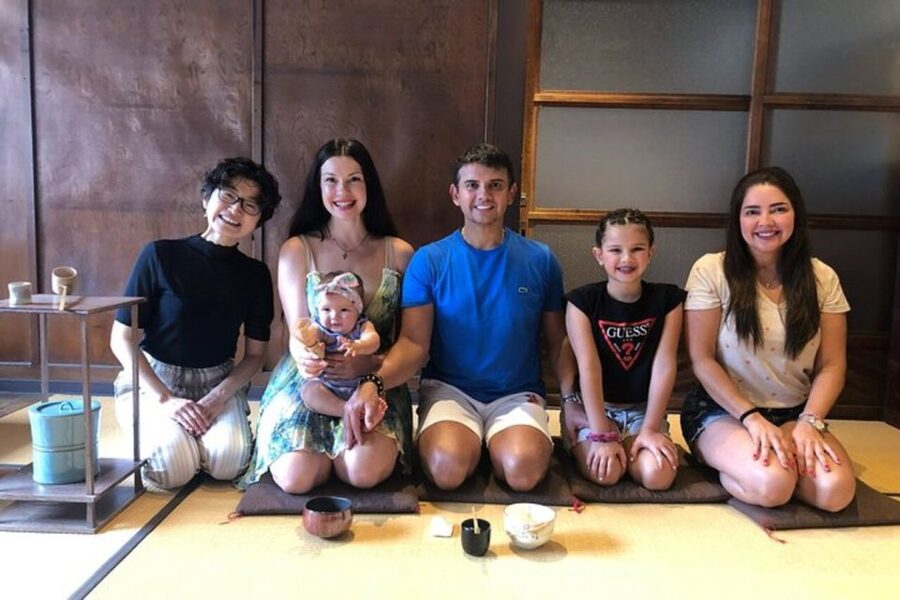
Plan this as a short central Kyoto stop rather than a full-day excursion. The 45-minute length makes it easy to place before or after other sightseeing, but allow time to find the townhouse and settle in.
The meeting point is in the Gojo area, and there is no hotel pickup. You need to make your own way there. Public bicycle parking is available nearby, but bikes are not allowed inside the venue.
Arrive between 10 minutes early and your scheduled start time. Earlier arrival is discouraged because the space is limited. Wear comfortable clothing that lets you sit and move easily, and skip perfume or cologne.
The activity has free cancellation up to 24 hours before the scheduled time for a full refund. You can also reserve now and pay later, which helps if you are arranging several Kyoto activities around changing plans.
Final decision: should you book it?
Book this tea ceremony if you want a friendly, well-explained introduction to matcha in a setting with real cultural character. The combination of a 100-year-old townhouse, Omotesenke instruction, a small group, and your own hands-on bowl makes the $45 price fair.
I would choose it over a purely staged photo opportunity. You learn what you are doing, ask questions, drink the tea you prepare, and leave with a better sense of why the ceremony matters.
Skip it if you want a full formal tea-school event, kimono rental, multiple servings, or a long meal. For everyone else, especially first-time visitors and families with older children, this is a compact and thoughtful way to add Japanese tradition to a Kyoto day.
FAQ
How long does the Kyoto tea ceremony last?
The experience lasts 45 minutes.
What is included in the price?
The price includes the tea ceremony, one cup of matcha, and Japanese traditional sweets.
Is the activity taught in English?
Yes. English-speaking tea masters lead the experience and answer questions about matcha, tea ceremony, and Japanese culture.
How many people can join the activity?
It is a small-group experience limited to 10 participants.
Is kimono rental included?
No. Kimono rental and hair setting are not included.
Can I arrive early or bring food inside?
Please arrive no earlier than 10 minutes before your scheduled time. Food and drinks are not allowed, and the venue is not suitable for eating.
Is the venue accessible by bicycle or car?
There is no parking lot, and bikes are not allowed inside. If you arrive by rental bicycle, use public bicycle parking. The venue is wheelchair accessible.
Just added around Kyoto
- Whisk Your Own Matcha: A Zen Matcha Experience at Temple★ 3.6 · 7 reviews
- Uji Walking Tour – Byodo-in temple and Tea Ceremony from Kyoto★ 3.5 · 3 reviews
- Traditional Tea Ceremony in Kyoto★ 4.5 · 3 reviews
- Kyoto: Authentic Tea Ceremony in a Small Group★ 5.0 · 7 reviews
- Tea ceremony at Kyoto’s Zen Temple Teahouse★ 5.0 · 2 reviews
- Tea Ceremony in 150 Years Old Townhouse with Tables and Chairs★ 5.0 · 22 reviews
- Silent Beauty of Kyoto Zen Walk and Tea Experience★ 5.0 · 2 reviews
- Tea Ceremony Experience in Traditional Kyoto Townhouse★ 5.0 · 19 reviews
Matcha Experiences, compared.
World Heritage Kyoto & Nara Uji Authentic Matcha Experience
Read our review →
Matcha Making Class in Tokyo with Authentic Japanese Sweets Set
Read our review →
Tea Museum Tickets and Matcha Grinding Experience
Read our review →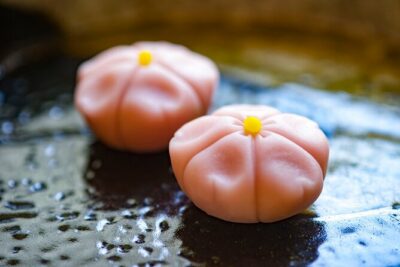
Matcha Making Class in Osaka with Authentic Japanese Sweets Set
Read our review →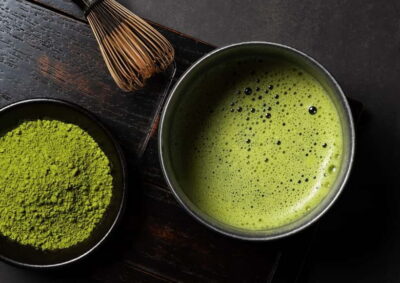
Matcha Making Experience with Mochi Sweets in Asakusa
Read our review →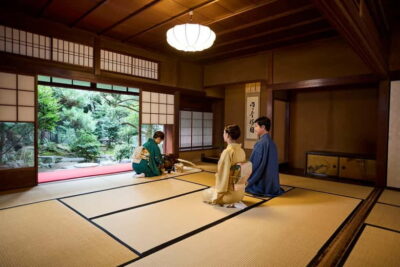
Browse the lists this tour appears in