
Review · TOKYO
Tokyo: Matcha Making Experience with Mochi Sweets in Asakusa
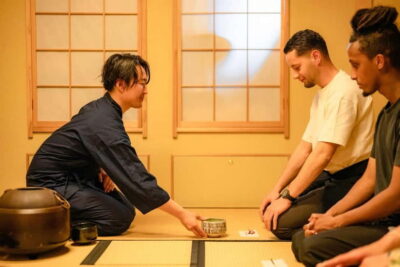
Making matcha is the point here, but the real treat is learning why the tea is prepared so carefully. In one hour, you get a short cultural lesson, a lighthearted quiz, a demonstration, and time to whisk your own bowl with traditional tools. The English instruction is clear and playful, with instructors such as Mana, Hayato, Hiyo, and Yui keeping the room relaxed.
I like the $22 price and the smart one-hour format. You can fit this into an Asakusa sightseeing day without giving up half your afternoon, and the seated setup works well if kneeling on the floor is not comfortable. The main limitation is the short running time: this is an introduction to matcha, not a full formal tea ceremony or an advanced lesson.
I also like the location. The class is one minute from Asakusa Station, close to Tokyo Skytree, so it is easy to pair with temples, shopping, and riverside sightseeing. Matcha can taste grassy and bitter if you expect sweet café drinks, so keep that in mind before booking.
Key points at a glance
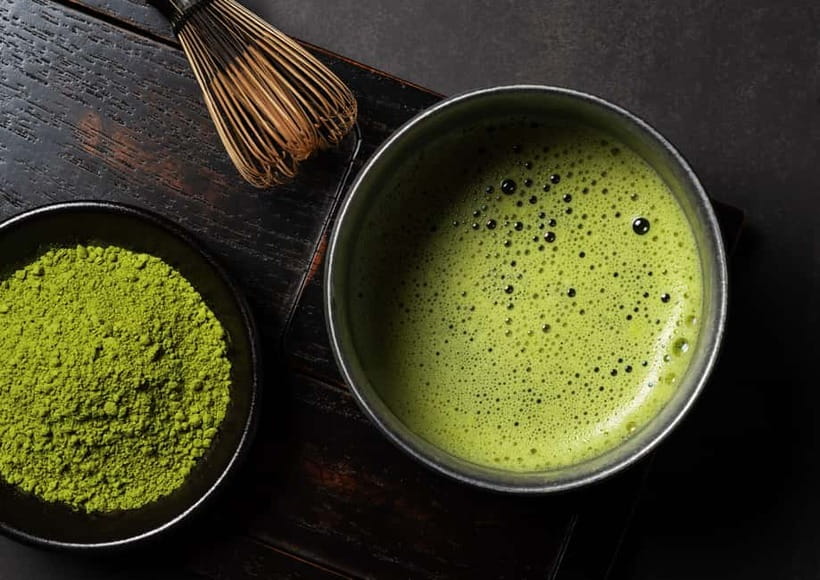
- Whisk your own bowl: Use traditional matcha tools and follow a clear demonstration before tasting your tea.
- Learn through a quiz: The history and customs are presented in an easy, playful way rather than as a long lecture.
- Meet English-speaking instructors: Staff members including Mana, Ken, Hayato, Hiyo, Yui, and Midori guide the class.
- Enjoy matcha with sweets: Traditional Japanese sweets and mochi-style treats balance the tea’s earthy flavor.
- Stay seated for the hour: The format is practical for families, older adults, and anyone who prefers not to kneel.
- Fit it into Asakusa plans: The Relink KAMINARIMON building is just one minute from Asakusa Station.
A useful first taste of Japanese tea culture
This Asakusa activity takes a familiar drink and gives it some context. You do not simply receive a cup of matcha. You learn where it comes from, how it is treated, and what changes when you prepare it yourself.
The class is designed for beginners. You do not need to know tea etiquette, own a whisk, or have any previous cooking experience. The instructors explain each step in English, then let you try it with their guidance nearby.
That balance matters. A formal tea ceremony can be quiet, precise, and hard to follow if you do not know the customs. This class keeps the cultural details but presents them in a friendly, accessible way. The quiz adds a little humor and gives you something to do while learning the basics.
You should expect a group activity rather than private instruction. Solo visitors are welcome, and the format gives you a natural way to meet people from different countries. Families can take part together, too. A 74-year-old parent and a 23-year-old family member were both able to enjoy the seated class, which tells you something about the broad age range it can suit.
More Matcha Experiences in Tokyo:
- Matcha Making Class in Tokyo with Authentic Japanese Sweets Set
★ 5.0 · 744 reviews - Asakusa Cultural Walk & Matcha Making Tour
★ 5.0 · 245 reviews - Tokyo: Matcha and Kimono Experience
★ 4.7 · 219 reviews
Finding the class beside Asakusa Station
The meeting point is the Relink KAMINARIMON building, on the sixth floor, at coordinates 35.710774, 139.7956532. It is listed as one minute from Asakusa Station, a useful detail when you are trying to fit the class between other plans.
Asakusa is one of Tokyo’s best areas for traditional culture. You can combine the class with a visit to Senso-ji, a walk around Kaminarimon Gate, shopping along Nakamise, or a trip toward Tokyo Skytree. The location makes this more than a stand-alone food lesson. It can be one stop in a full afternoon devoted to old and new Tokyo.
Allow yourself enough time to find the building and reach the sixth floor. Hotel pickup and drop-off are not included, so you make your own way there. That is not a problem for most visitors because the class is near a major station, but it does mean you should check the route before setting out.
The opening lesson and matcha quiz
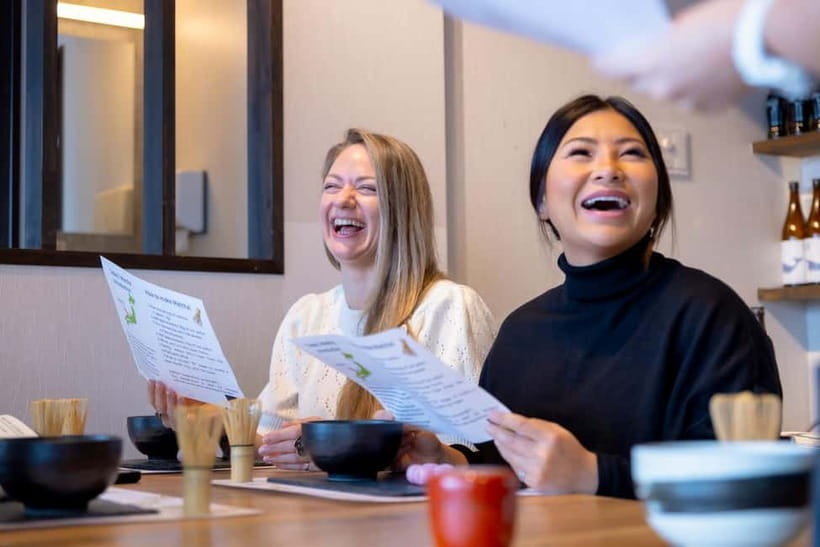
The class begins with an introduction to matcha and its place in Japanese culture. You learn basic facts about the tea and the customs connected with serving it. The information is delivered in English, with staff using a quiz to keep the session active.
This is one of the strongest parts of the format. A straight presentation could feel dry, especially for children or anyone who is only mildly interested in tea. The quiz gives the group a reason to pay attention and creates easy moments for the instructors to joke with the room.
The teachers also cover tea etiquette. You learn that matcha preparation is about more than mixing powder and water. Small actions and the order of preparation help explain the care associated with the drink.
Do not expect a detailed academic study of tea production or Japanese religious traditions. The history section is brief because the whole class lasts one hour. Still, it gives you enough background to understand the demonstration and appreciate what you are about to make.
Watching the demonstration before you whisk
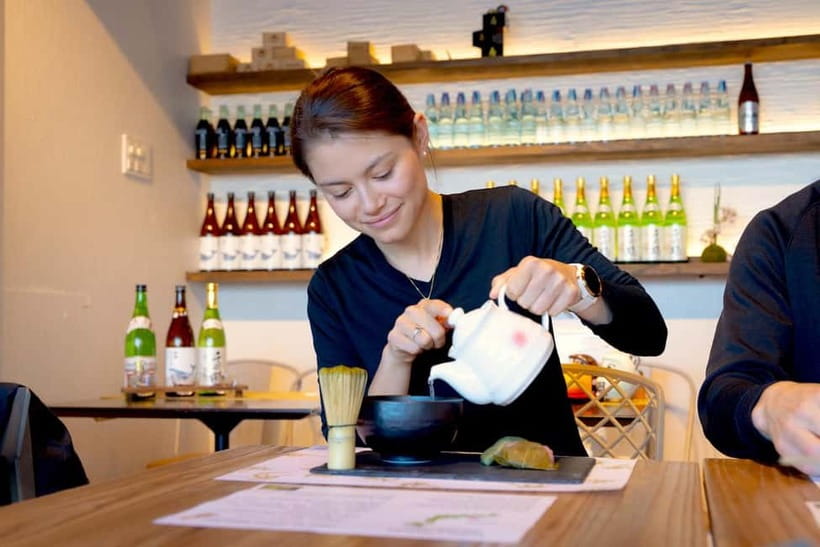
Next, an instructor shows you how to prepare matcha. The demonstration is important because the tools are simple but the technique is not obvious at first glance.
You will work with traditional equipment, including a bamboo whisk. The teacher shows how to handle the powder, add water, and whisk the tea. The aim is to create a smooth drink with a light foam rather than leave clumps at the bottom.
Instructors such as Ken, Mana, Hayato, Hiyo, and Yui are repeatedly praised for keeping explanations clear and making people feel comfortable. That matters when you are holding an unfamiliar tool and trying to copy a quick hand movement. A patient teacher can make the difference between a frustrating attempt and a satisfying one.
The demonstration also lets you see the pace before you try. You can watch the wrist movement, listen to the instructions, and then repeat the process without having to guess what comes next.
More Tea Making Classes in Tokyo:
- Matcha Making Experience in Shinjuku
★ 4.5 · 12 reviews - 【NEW】Matcha Making Experience and Matcha Comparison in Tokyo
★ 5.0 · 7 reviews - London: Traditional English Scone Making and Tea Workshop
★ 5.0 · 702 reviews - Matcha Making Class in Osaka with Authentic Japanese Sweets Set
★ 5.0 · 509 reviews
Your turn with the bamboo whisk
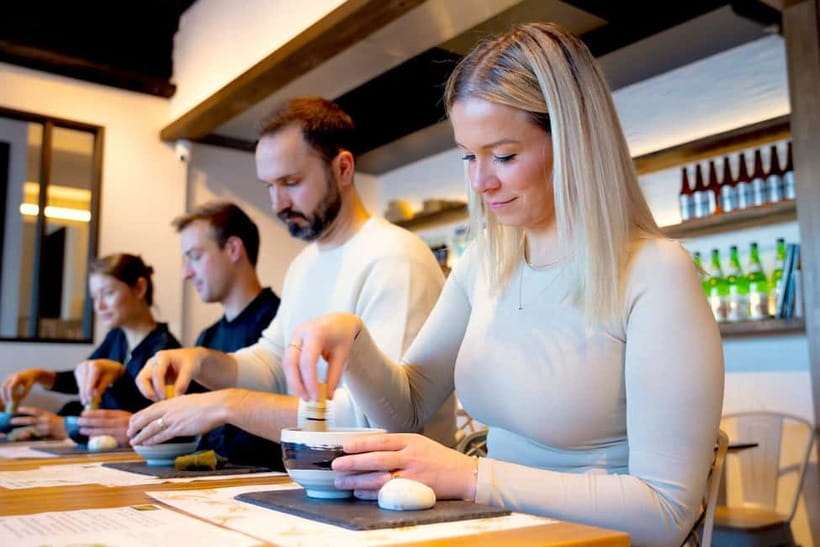
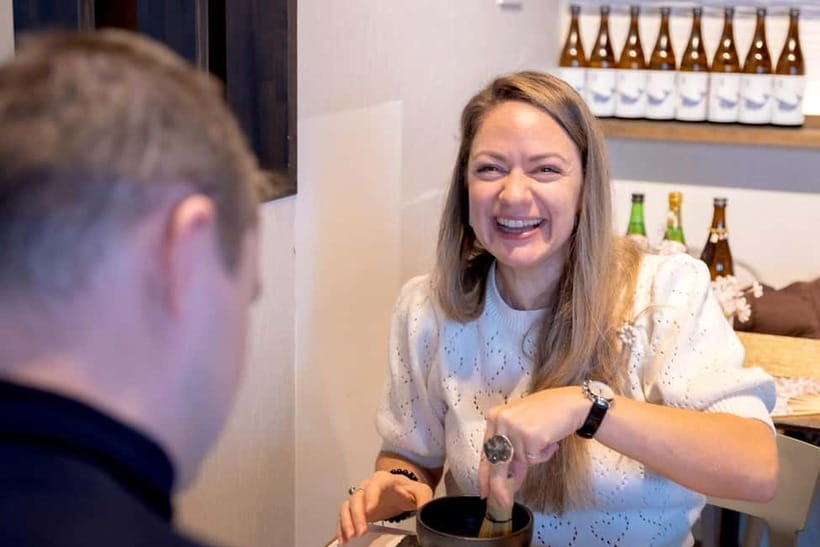
The hands-on section is the heart of the activity. You prepare your own matcha instead of watching someone else do all the work.
Your first bowl may not look perfect, and that is part of the fun. The instructors are there to guide you, answer questions, and help the process stay relaxed. The class is less about producing a flawless bowl and more about understanding the basic method through your own hands.
I like this part for practical reasons. Afterward, you can make matcha at home with a much better sense of what the whisk is doing and why the tea needs careful mixing. One participant described leaving ready to prepare matcha at home, which is a good measure of the class’s usefulness.
The tea is served without sugar. If you usually drink sweetened matcha lattes, the first taste may surprise you. Traditional matcha has a strong, earthy flavor, and the class gives you a chance to experience it in a more direct form.
That can be a benefit or a drawback. Matcha fans will likely appreciate the clean taste. If you only like sweet café-style drinks, the flavor may take some getting used to. The sweets served afterward help soften the bitterness.
Mochi sweets and the final tasting
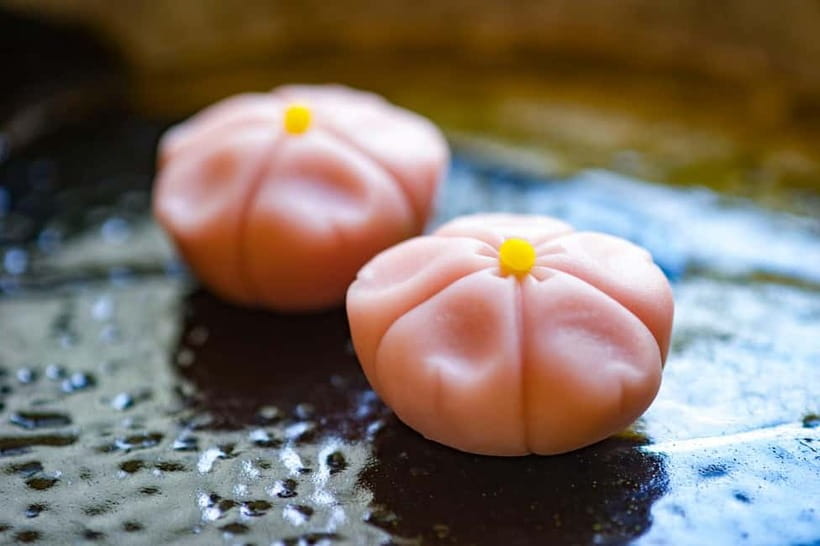
After preparing the tea, you drink it with traditional Japanese sweets. The sweets, including mochi-style treats, provide a soft and gently sweet contrast to the matcha.
This pairing is not just a snack. It shows how the flavors work together. The tea has a vegetal, slightly bitter edge, while the sweets bring sweetness and texture. Tasting both at the same time makes the drink easier to understand than sampling matcha by itself.
The sweets also give the experience a pleasant finish. You have already learned the background, watched the method, and practiced it yourself. Now you can sit with the result and enjoy it without rushing through another instruction.
The class is described as a cooking class, but you should think of it more as a preparation and tasting activity. You are not making a full Japanese meal, and there is no hotel transfer or larger food tour attached. The value comes from the cultural explanation and the chance to make the tea yourself.
Why the seated format makes a difference
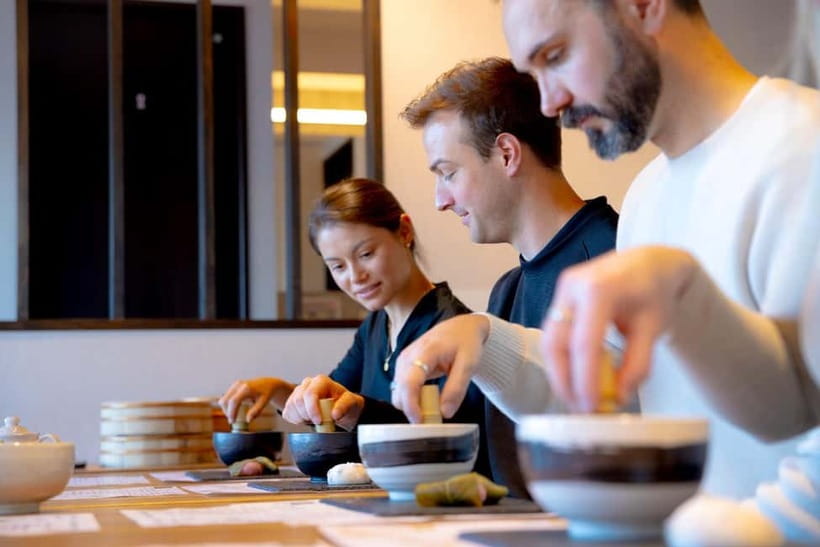
A traditional tea setting may bring to mind kneeling on the floor. That is not the format here. The activity takes place in a seated environment, which makes it easier for visitors who have knee, hip, or mobility concerns.
It is also a practical choice for families. Children can take part in the quiz and whisking, while older adults can follow the lesson without needing to hold an uncomfortable position. The one-hour length helps, too. You get a focused activity without having to commit to a long ceremony.
The seated format does change the atmosphere. If you want a highly formal tea ceremony in a traditional room, this will feel more casual. If you want a clear introduction with less physical strain, it is a sensible choice.
How the instructors shape the experience
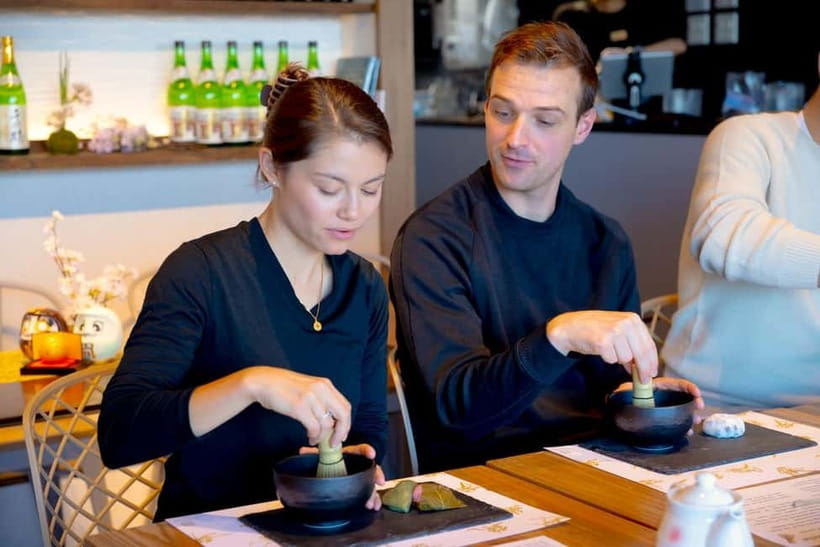
The staff are a major part of this activity. The class is conducted in English, and the instructors use humor, questions, and encouragement to keep the group involved.
Mana is frequently singled out for her energy and friendly teaching style. Hayato is noted for making the history, preparation, and etiquette easy to follow. Hiyo, Yui, Midori, Honoka, Ken, Rino, and Moe are also named as hosts or instructors in the class, so the exact teaching team can vary.
That variation is worth noting. You should not book expecting one specific instructor unless the provider confirms who will lead your session. The consistent feature is the English-language guidance and hands-on structure.
A good instructor matters here because matcha preparation can seem mysterious from the outside. The staff turn it into a series of manageable actions. They also make room for questions, which helps solo visitors and anyone curious about the customs behind the drink.
Who gets the most from this one-hour class
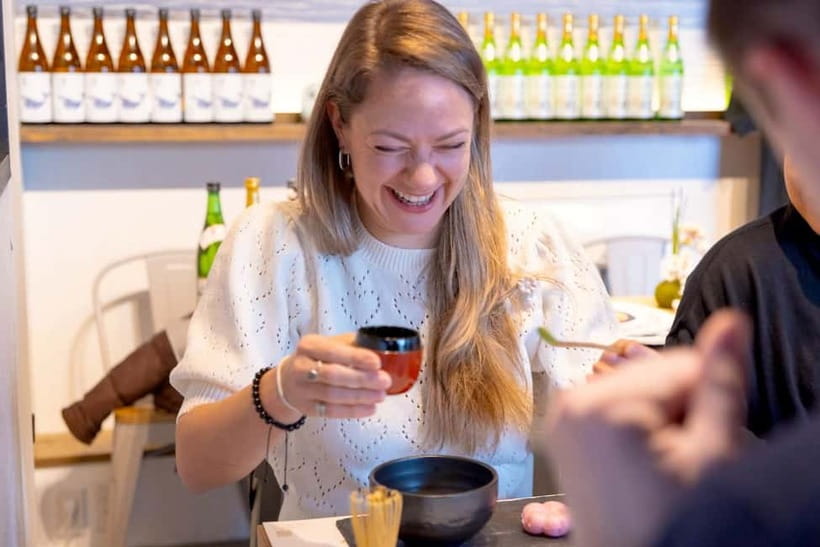
I would recommend this experience to several types of visitors:
- First-time visitors to Japan who want a simple introduction to a Japanese food tradition.
- Matcha fans who want to learn proper preparation rather than only order a sweet drink.
- Families looking for an activity that suits children and older adults.
- Solo visitors who want a social class with an easy shared activity.
- Busy sightseers who can spare one hour between Asakusa stops.
- Visitors who prefer seated activities rather than kneeling or walking all afternoon.
You may want something else if your goal is an expert-level tea lesson, a formal ceremony, or a full meal. The class gives you a pleasant first step, not a complete education in every branch of Japanese tea culture.
Is $22 a fair price?
At $22 per person, the value is strong. You receive the class, ingredients, an instructor, hands-on practice, matcha, and Japanese sweets. The one-hour duration also keeps the cost easy to fit into a larger Tokyo itinerary.
The main value is not the quantity of food. This is not a cheap lunch or a long cooking workshop. You are paying for access to traditional tools, English instruction, cultural context, and a guided activity you can repeat at home.
The price also works well for a short stay. You do not need to spend half a day traveling across Tokyo, and the Asakusa location gives you plenty to do before and afterward. If you are already visiting the area, the class adds a focused cultural experience without a major time or budget commitment.
The only caution is to keep your expectations matched to the price and schedule. One hour cannot cover every detail of tea ceremony etiquette or give you advanced whisking practice. It can, however, leave you with a basic skill, a better sense of the tradition, and a pleasant memory.
Timing, cancellation, and practical planning
The class lasts one hour, with starting times based on availability. You should check the available time before planning your Asakusa sightseeing route.
You can cancel up to 24 hours in advance for a full refund. The reserve-now, pay-later option also gives you some flexibility if your Tokyo plans are still changing.
No special experience is required. English is the listed teaching language, and ingredients and instruction are included. You arrange your own transport to the Relink KAMINARIMON building.
The activity has a 4.9 rating from 388 reviews, which fits the strongest pattern in the feedback: clear teaching, friendly instructors, an easy pace, and good value for a short class. The most praised details are the staff’s energy, the simple explanations, and the chance to prepare the tea yourself.
Should you book the Asakusa matcha class?
Book it if you want a friendly, affordable introduction to matcha that fits neatly into a day of sightseeing. The combination of a quiz, cultural background, traditional tools, hands-on whisking, and sweets gives you more substance than a simple tasting.
It is especially useful for families, solo visitors, matcha beginners, and anyone who prefers a seated activity. You should skip it only if you want a formal ceremony, an advanced lesson, or a substantial meal.
For most visitors, this is a practical way to slow down for an hour in Asakusa and learn something you can take home. You leave not just having tasted matcha, but knowing how to prepare a bowl yourself and why the process matters.
FAQ
Where does the matcha class take place?
The meeting point is the Relink KAMINARIMON building on the sixth floor, about one minute from Asakusa Station. The coordinates are 35.710774, 139.7956532.
How long does the experience last?
The activity lasts one hour. Starting times depend on availability.
How much does the class cost?
The listed price is $22 per person.
Is the class taught in English?
Yes. English-speaking local instructors lead the class and explain the history, etiquette, preparation, and tasting.
Do I need previous matcha-making experience?
No. The class is designed for beginners, and the instructor guides you through each step.
What is included in the price?
The price includes the cooking class, ingredients, and instructor.
Are hotel pickup and drop-off included?
No. You are responsible for getting to and from the meeting point.
Can I cancel my booking?
Yes. You can cancel up to 24 hours in advance for a full refund. You can also reserve now and pay later to keep your plans flexible.
More Dessert Stops in Tokyo
- Make Traditional Nerikiri Sweets & Matcha experience in Shibuya
★ 5.0 · 130 reviews - Sweets Making and Kimono Tea Ceremony at Tokyo Maikoya
★ 5.0 · 57 reviews - Japanese Traditional Sweets making and Tea Ceremony
★ 4.7 · 50 reviews - Mochi Matcha Gluten Free Japanese Sweets Class near Shibuya area
★ 5.0 · 26 reviews
Just added around Tokyo
- Yokohama : Tea Ceremony with Sweets and Souvenir★ 5.0 · 5 reviews
- Walking Tour: Yanaka,Nezu& Sendagi: Tea Ceremony & Old Tokyo★ 5.0 · 3 reviews
- Private Mochi・Matcha sweets Making Class Near Shibuya Area★ 5.0 · 22 reviews
- 2 Hours Mochi &Nerikiri Making & Matcha Class in Bunkyo★ 5.0 · 21 reviews
- Private Kimono and tea ceremony at local home near Tokyo Disney★ 5.0 · 6 reviews
- Tokyo Sweets Tour: Hidden Gems & Matcha at an Old Tea House★ 5.0 · 6 reviews
- Giant Sushi Cooking Class: Make a 1.5m Sushi Roll in Tokyo★ 5.0 · 9 reviews
- Tokyo Tea Ceremony Class at a Traditional Tea Room★ 5.0 · 2 reviews
Tea Making Classes, compared.

Matcha Making Class in Tokyo with Authentic Japanese Sweets Set
Read our review →
Traditional English Scone Making and Tea Workshop
Read our review →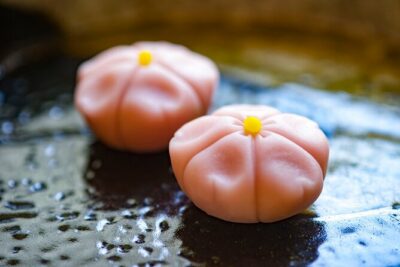
Matcha Making Class in Osaka with Authentic Japanese Sweets Set
Read our review →London Traditional English Scone Making and Tea Workshop
Read our review →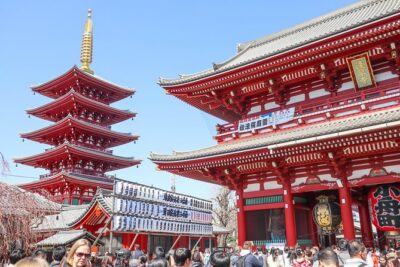
Nara:Authentic Tea Ceremony(Max 5 ppl) -Master Matcha Making
Read our review →
Browse the lists this tour appears in