
Review · HANGZHOU
Day Tour to Discover the Secrets of Hangzhou’s Tea Culture
Longjing tea is not simply something you drink in Hangzhou. It is tied to imperial stories, family farms, village work, and the hills south of West Lake. This private six-hour tour lets you follow that story from the China National Tea Museum to the tea-growing village of Meijiawu, with time for tasting and local food.
I like the way the tour connects tea with place, rather than treating it as a quick shop visit. I also like the private car and hotel pickup, which save time in a spread-out part of Hangzhou. The main consideration is price: at $161 per person, this makes the most sense if you value a private guide, included admissions, and door-to-door transport.
The key reasons to consider this tea tour
- Longjing’s full story: Learn how Dragonwell tea is grown, prepared, and presented in the Hangzhou area.
- A private six-hour outing: Your group travels by air-conditioned car with an English-speaking guide, bottled water, and onboard WiFi.
- Three different views of tea culture: Visit the National Tea Museum, the Eighteen Imperial Tea Bushes, and Meijiawu Tea Village.
- More than tea fields: The route also includes West Lake and Hefang Street, giving the day a wider look at Hangzhou.
- Flexible food choices: You can choose lunch at a local restaurant or arrange a home-cooked meal at a farmer’s home, depending on the option booked.
- Strong guide element: Guides including Bonnie, Ivy, Sharon, and Nancy have led this experience, with particular praise for local history, tea knowledge, and careful pacing.
Why Longjing tea makes this Hangzhou outing special
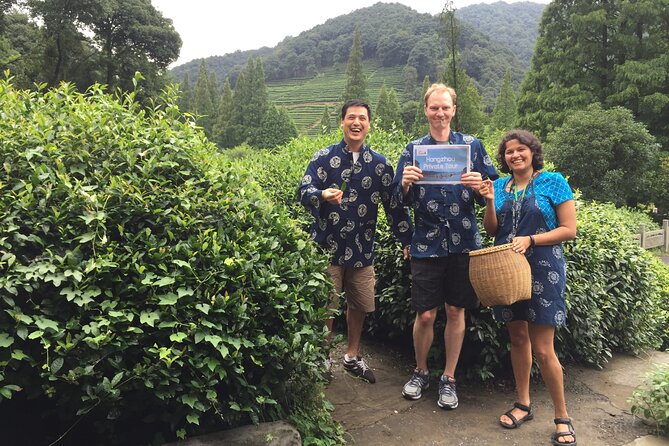
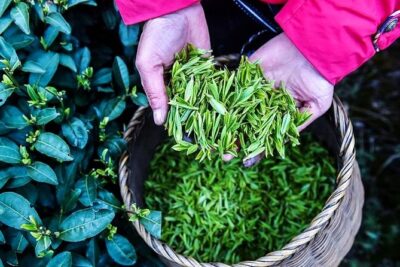
Longjing, also called Dragonwell, is one of China’s best-known green teas. The tea is grown near Hangzhou, especially around the hills south of West Lake. That setting matters. You are not only learning how leaves are processed. You are seeing the villages and gardens that give the tea its identity.
The tour also brings in the imperial connection. The Eighteen Imperial Tea Bushes are linked to an emperor’s interest in the 1700s. That detail gives the tea a useful historical frame. Longjing became more than a local crop. It gained royal attention and a place in China’s tea tradition.
I appreciate that the day does not rely on a single tasting room. You get a museum, a historic tea site, a working village, and a city-center stop. Each location answers a different question: What is tea culture? Where did the imperial story come from? How is tea connected to local families? How does tea fit into everyday Hangzhou?
A few more tea experiences around China worth a look
- One-Day Hangzhou Dragon Well Tea Culture & West Lake Private Tour
★ 5.0 · 98 reviews - Traditional Chinese Tea Ceremony Experience
★ 4.7 · 74 reviews - Beijing: Dumpling Making Workshop with Meal and Tea
★ 4.7 · 69 reviews
Starting at West Lake
The day begins with pickup from your hotel or train station. That is a practical advantage in Hangzhou, where finding the right road or arranging several separate rides can eat into a half-day visit. The vehicle is air-conditioned, and bottled water is included.
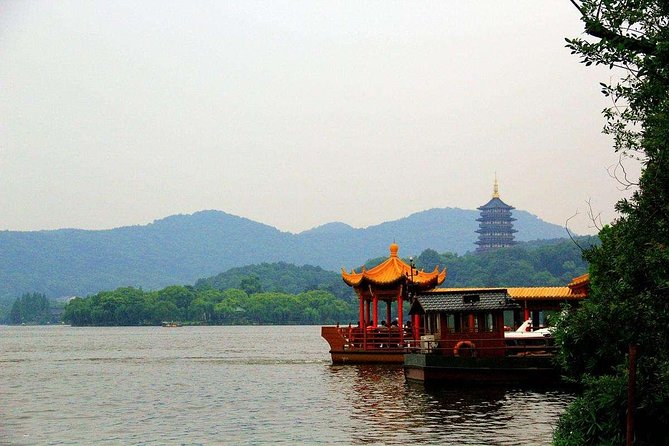
The first scheduled stop is West Lake, with about an hour set aside. West Lake is central to Hangzhou’s identity, and the tea country south of it feels connected to the lake rather than separated from it. Depending on the day’s arrangements, the West Lake portion can include a boat ride, which adds a pleasant change from traveling by car.
This stop is useful as an introduction, but you should keep your expectations in check. The tour is about tea, not a full West Lake sightseeing program. If you want long walks beside the lake, extensive gardens, or a full boat excursion, you will need extra time elsewhere in your Hangzhou schedule.
The guide helps make this brief visit count by explaining the local setting and keeping the day moving. The private format also means you can ask questions as they arise instead of waiting for a large group to gather.
Inside the China National Tea Museum
The China National Tea Museum receives about an hour and a half, making it the longest museum stop of the day. This is the intellectual center of the tour. Here, tea becomes a subject of history, production, customs, and presentation rather than just a drink in a cup.
Your guide interprets the displays and connects them with the other places on the route. That personal explanation is important. A museum can be easy to rush through if you do not know which objects or customs matter. With a guide, you can ask about tea-making methods, the role of Longjing, and how Chinese tea culture developed.
The museum is also a good place to start before seeing the village. First you learn the broad picture. Later, when you reach Meijiawu, you can better understand what the plants, tools, and preparation methods mean.
The museum may be the strongest stop for visitors who want cultural context rather than only scenery. One guide, Ivy, was particularly associated with a serious interest in tea culture, and the museum portion has been described as a major part of the day. Still, museum time can feel long if you only want to see tea bushes and sample tea. Your interests should guide your decision.
Seeing the Eighteen Imperial Tea Bushes
The Eighteen Imperial Tea Bushes provide one of the tour’s most distinctive details. Their fame comes from an emperor’s attention in the 1700s, and the site gives you a physical link to the story explained at the museum.
This is not presented as a grand palace visit. The appeal is more specific: you are seeing the plants associated with an imperial tea tradition in the area where Longjing is produced. For anyone curious about why this particular tea became so important, the stop makes the story concrete.
Allow yourself time to listen. The significance is not always obvious from the bushes alone. The value comes from the guide’s explanation of the imperial connection and the place of these plants within Hangzhou’s tea culture.
The stop also works well for photographers and tea enthusiasts, but it is less satisfying if you expect a large attraction with many displays. Think of it as a focused cultural site, not a major standalone sight.
Same place, a different pot:
- Beijing Culture: Tea Ceremony, Heritage Instrument & Calligraphy
★ 5.0 · 57 reviews - Tea Tasting and Pairing Concept Workshop
★ 5.0 · 57 reviews - Biking Real Shanghai& Tea Tasting Experience
★ 4.5 · 45 reviews - Tea Village in lost Town and Buddha 1 day tour
★ 5.0 · 32 reviews
Meijiawu Tea Village and the tea fields
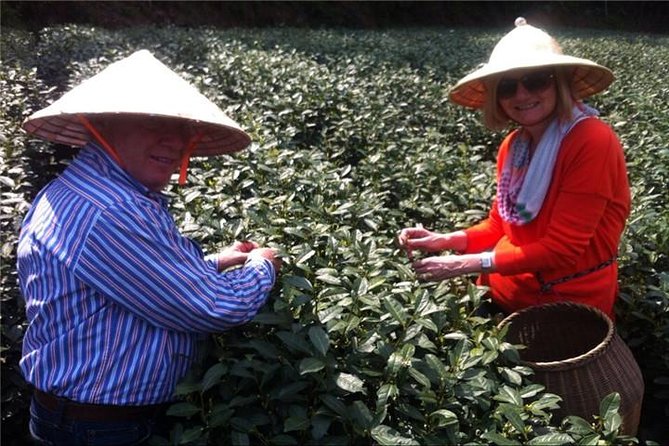
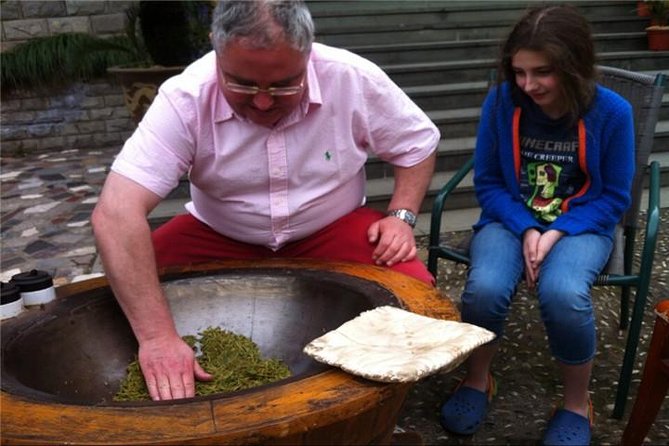
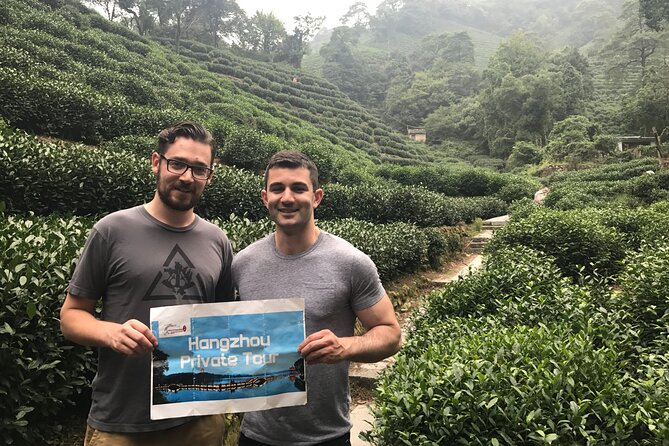
The tour then moves to Meijiawu Tea Village, with roughly two hours and twenty minutes allotted. This is where the subject becomes more local and hands-on. You see the tea-growing area, learn about production, and take part in a tea tasting at a tea house or tea villa.
Meijiawu is valuable because it connects the finished cup with the people and work behind it. Your guide acts as an interpreter between you and the local tea setting, explaining what you are seeing and helping with the tasting. You may also have the chance to meet a local tea farmer and see how the village presents its product.
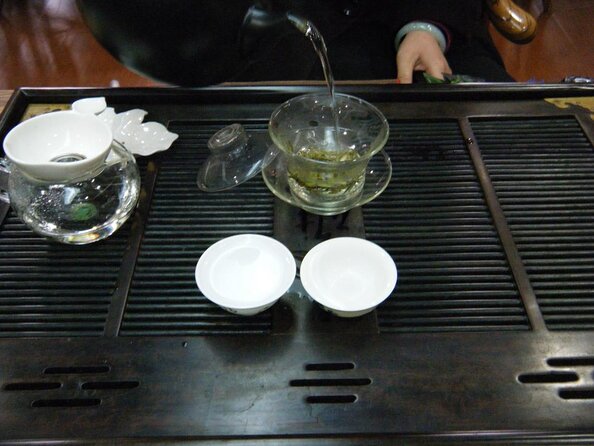
The tea tasting is an important part of the value. It gives you a chance to pay attention to flavor and preparation after learning about the crop. If you are considering buying tea, the guide can also help you understand what you are being shown. The supplied information does not promise a particular amount of tea or a required purchase, so you should feel free to treat the tasting as the main event rather than a shopping obligation.
This is also the point where lunch can fit into the day. You can select a local restaurant or arrange a home-cooked meal at a farmer’s home with the all-inclusive option. Check the exact option when booking, since lunch is not presented as part of every version of the tour.
A farmer’s home meal would likely appeal to you if you want a more personal rural experience, while a local restaurant may be simpler and easier for dietary needs. You are asked to provide dietary requirements at booking, which is worth doing early.
Hefang Street brings the day back to town
Hefang Street, also written as QingHeFang, receives about an hour. This pedestrian area gives the tour a different ending from the tea villages. Instead of focusing on farming and production, you return to Hangzhou’s urban cultural center.
Your guide leads you through the street and explains its local character. It is a useful place to see how traditional food, crafts, and shopping fit into the city experience. After a day in the tea hills, this stop gives you a chance to compare rural tea culture with Hangzhou’s more commercial side.
The trade-off is time. An hour is enough to look around, but not enough for a slow, detailed exploration of every shop and side street. If Hefang Street is high on your list, ask your guide how to use the stop well, or return independently later.
What the private format adds
This is a private activity, so only your group participates. That changes the pace. You can ask a follow-up question at the museum, spend longer at a tea site, or move on when you have seen enough. The exact rhythm will still depend on traffic, opening conditions, and the interests of your group, but you are not tied to strangers.
Hotel or train station pickup and drop-off are included. That matters here because the route joins several places outside the city center. A private air-conditioned car also gives you a break between stops, along with bottled water and complimentary WiFi.
The guides are a major part of the experience. Bonnie is associated with careful arrangements and coordination with the driver. Ivy is noted for her interest in tea culture. Sharon has led visits for people keen to reach the source of Longjing, while Nancy is associated with a considerate pace and attention to small details. Guide assignments can vary, so treat these names as examples of the kind of guide experience available rather than a guarantee of a particular person.
Is $161 a fair price?
The listed price is $161 per person. That is not a bargain-basement day trip, but it covers several items that would otherwise add cost and effort: private transport, an English-speaking guide, entrance fees, hotel or train station pickup and drop-off, bottled water, WiFi, and tea tasting.
The value is strongest for couples, families, or small groups that would rather not organize the tea villages themselves. Group discounts may also improve the per-person price. Since the activity is private, the cost buys flexibility as well as transportation.
The price is harder to justify if you mainly want a quick tea tasting or already have easy transport in Hangzhou. You could spend less by visiting a single tea venue on your own, but you would lose the connected story across the museum, imperial bushes, village, and city street.
Lunch requires attention. It is included only if you choose the all-inclusive tour option. Confirm which version you are buying before you assume a meal is covered.
Who will enjoy this experience most?
I would recommend this tour to you if you want cultural context, not just a scenic drive through tea fields. It suits first-time visitors who want to combine West Lake, tea country, and Hefang Street in one organized day.
It is also a good fit for tea drinkers, food-focused visitors, and anyone interested in how a famous regional product is grown and presented. The private setup makes it workable for families, provided children are accompanied by an adult.
You should be comfortable with walking and changing locations. Comfortable shoes are specifically advised. The tour runs in all weather, so bring clothing suited to the forecast. The route is not described as difficult, but the museum, village, pedestrian street, and tea sites mean you should expect time on your feet.
This may be less suitable if you want a quiet, unstructured day or a full-day West Lake tour. Six hours goes quickly once pickup, driving, four stops, and lunch are included.
Practical details before you book
Confirmation is provided at booking. The tour operates in all weather, and most people can participate. Service animals are allowed, and the route is near public transportation, though the included pickup makes that less important for most bookings.
Free cancellation is available if you cancel at least 24 hours before the start time. Changes or cancellations made less than 24 hours before the start time are not accepted for a refund, and cut-off times follow local Hangzhou time.
The tour is booked an average of 62 days ahead. That suggests you should reserve early if your Hangzhou dates are fixed, especially if you want a private guide during a busy travel period.
Should you book the Hangzhou tea tour?
Book it if you want the story behind Longjing tea, a private vehicle, and a guide who can connect museum exhibits with real tea-growing villages. The strongest parts are the National Tea Museum, the Meijiawu visit, the tea tasting, and the chance to see the Eighteen Imperial Tea Bushes.
Skip it if you only want a short tasting, a long West Lake cruise, or the lowest possible price. At $161 per person, this is a value-focused cultural outing rather than a cheap excursion. For the right visitor, the combination of access, transport, and personal explanation makes it a sensible way to understand Hangzhou beyond its famous lake.
FAQ
How long does the Hangzhou tea tour last?
The tour lasts approximately six hours.
Is hotel pickup included?
Yes. Pickup and drop-off are offered from your hotel or train station.
Is this a private tour?
Yes. Only your group participates in the activity.
What places are included?
The route includes West Lake, the China National Tea Museum, Hangzhou Longjingshan Tea Cultural Village in the Meijiawu area, and Hefang Street.
Is lunch included?
Lunch is included if you book the all-inclusive tour option. You can choose a local restaurant or a home-cooked meal at a local farmer’s home.
Is tea tasting included?
Yes. Tea tasting at a tea village is included.
What is included in the price?
The tour includes an English-speaking guide, transportation in an air-conditioned car, entrance fees, hotel or train station pickup and drop-off, bottled water, onboard WiFi, and tea tasting. Lunch depends on the option booked.
Can I cancel for a full refund?
Yes, if you cancel at least 24 hours before the experience start time. Cancellations or changes made less than 24 hours before the start time are not accepted for a refund.
Just added around China
- Xi’an Chinese Calligraphy Workshop: Ink Art & Tea Tasting★ 5.0 · 4 reviews
- Xi’an Noodle Making and Tea Tasting Experience★ 5.0 · 6 reviews
- Half-day Tour: Largest Tea Plantation & Amazing Xianggong Hill★ 5.0 · 9 reviews
- Xi’an Calligraphy & Tea Ceremony – Dive into Ink & Brush Artistry★ 5.0 · 4 reviews
- Full-day Tour: Spectacular Sunrise, Tea Plantation & Sunset★ 5.0 · 3 reviews
- 3 hours Xi’an Mahjong Class with Local Tea★ 5.0 · 2 reviews
- Shanghai Mahjong Experience in Local Tea Bar★ 5.0 · 4 reviews
- Unlock Chinese Tea: Culture, Science, Tasting & Hands-on Brewing★ 5.0 · 12 reviews
Hangzhou Tea Experiences, compared.
One-Day Hangzhou Dragon Well Tea Culture & West Lake Private Tour
Read our review →
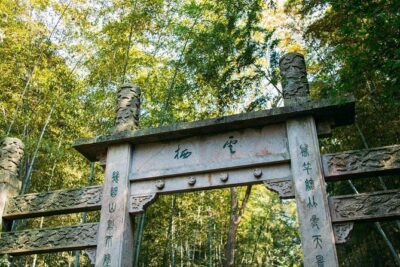
Half-Day Hangzhou Yunxi Bamboo Forest and Tea Plantation Experience
Read our review →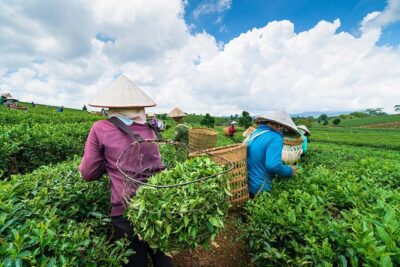
Private Hangzhou Day Tour to West Lake, Lingyin Temple, Tea Village, Old Pagoda
Read our review →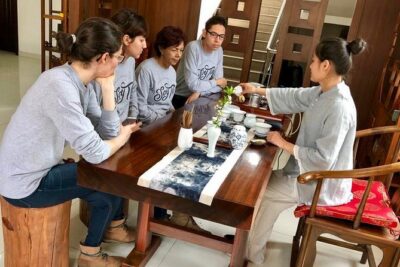
1-day Village Tea Picking, Roasting & Serving Guided Private Tour from Hangzhou
Read our review →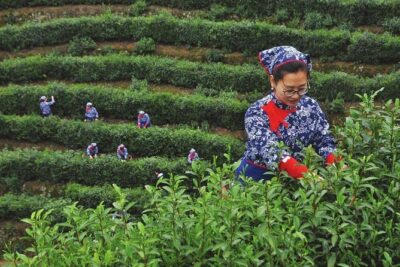
Half-Day Hangzhou Private Tour with Green Tea Village and Lingyin Temple
Read our review →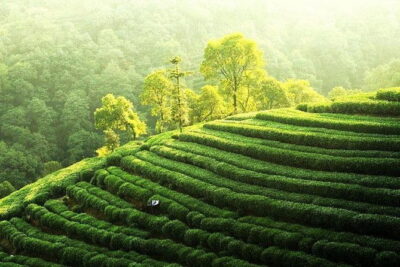
Private Tour Hangzhou West Lake and Tea Fields Discovery
Read our review →Browse the lists this tour appears in