
Review · CHINA
Tea Tasting & Brewing Experience
Tea becomes far more interesting when you stop treating it as a quick drink and start noticing its aroma, texture, and finish. This 90-minute session in Wan Chai takes you through six tea categories, professional tasting methods, and hands-on brewing with a gaiwan.
I like the small maximum of six people, which gives the tasting a personal feel, and I like that you do more than listen: you brew your own tea and test how brewing choices affect the cup. The one drawback is the price, $55.11 per person, which is a serious sum for a short indoor activity.
Key points to know
- Six tea categories: Learn what separates the main tea styles and how processing changes flavor.
- Hands-on gaiwan brewing: Brew tea yourself instead of simply watching a demonstration.
- Professional tasting skills: Practice noticing aroma and flavor through the lens of a tea taster.
- Seasonal premium teas: Sample a selection chosen for the season, with complimentary snacks.
- Small group format: The experience accepts no more than six people.
- Wan Chai location: Meet at 382 Lockhart Road, close to public transportation.
Why this Wan Chai tea session is worth your time
Hong Kong is famous for food, markets, harbor views, and late-night energy. Tea culture can be easier to miss because it often appears in small cups, quiet shops, and everyday routines rather than on a sightseeing checklist. This experience gives you a clear introduction without asking you to commit half a day.
You spend about an hour and a half with a professional tea taster, learning how tea is made, classified, brewed, and judged. The format suits you if you want more than a simple tasting but do not want a long lecture on tea production.
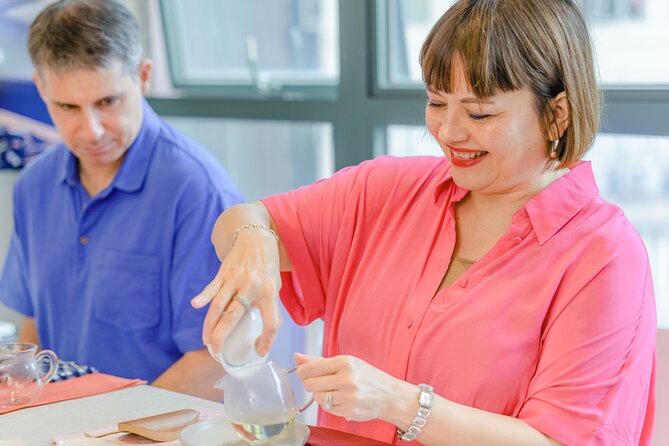
I especially like the balance between explanation and practice. You learn the facts and myths first, then put the ideas to work by smelling, tasting, and brewing tea yourself. That matters because tea can seem mysterious when someone else prepares it perfectly. With a gaiwan in your own hands, you can see how water, time, and technique shape the result.
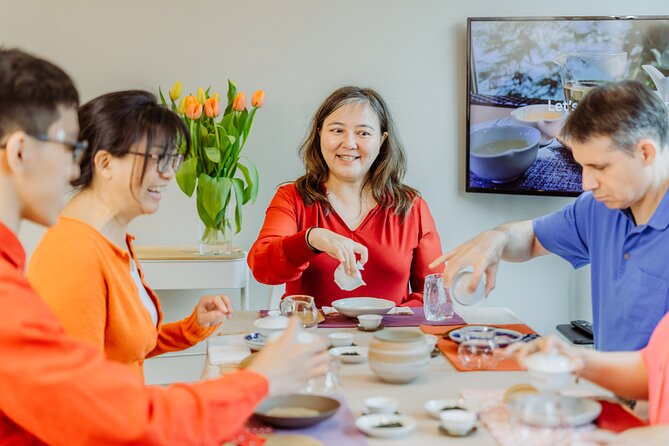
The experience is also limited to six people. That small group cap should make it easier to ask questions, compare impressions, and get help with the brewing steps. It is a better setup for learning than a large demonstration where you sit at the back and hope to catch every detail.
More Tea Tastings in China:
- Tea Tasting and Pairing Concept Workshop
★ 5.0 · 57 reviews - Biking Real Shanghai& Tea Tasting Experience
★ 4.5 · 45 reviews - Private Shanghai City and Zhujiajiao Combo Tour with Boating, Tea Tasting, Lunch
★ 5.0 · 15 reviews
Meeting Cecilia and getting started at 382 Lockhart Road
You meet at 382 Lockhart Road in Wan Chai, an area with convenient public transportation. The activity begins and ends at the same location, so you do not need to plan a separate return journey or find your way across Hong Kong after the session.
The opening portion focuses on tea facts and myths. This is useful groundwork because many assumptions about tea come from labels, marketing, or habit. The goal is not simply to tell you that one tea is better than another. You begin to see why teas taste different and how the making process affects the final drink.
Cecilia is the host named in the experience information, and her role is central to the session. She is described as friendly, passionate, and clear in her teaching. That combination is important in a tasting class. You want someone who can explain technical points without making tea feel like a school exam.
The session is designed to keep you involved. You will not just sit with a cup while a guide speaks. Expect to smell and sip, compare what you notice, and learn how to put sensory impressions into words.
Understanding the six tea categories
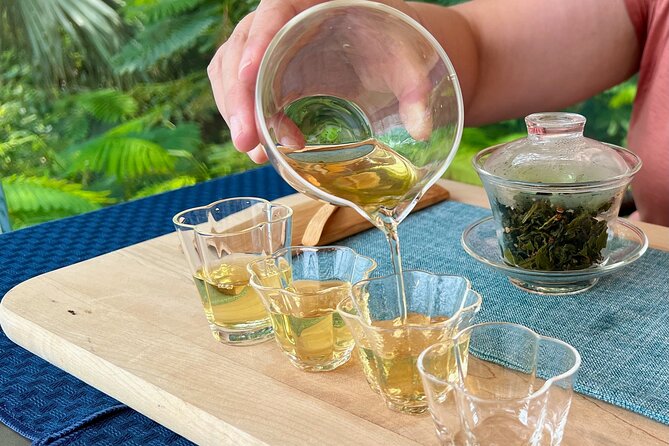
One of the main lessons is an introduction to six categories of tea. You learn what makes each type different, including the role of processing in shaping taste and aroma.
The supplied information does not name every category, so you should not expect a detailed list in advance. The useful point is the comparison. Instead of thinking of tea as one broad drink, you begin to recognize a family of styles with different appearances, aromas, and flavors.
This is where the session can change how you order tea later in Hong Kong. If you have always chosen by price or packaging, you may start paying attention to the tea category and the qualities you prefer. You might find that you like a clean aroma, a stronger body, a softer finish, or a more complex scent.
The lesson also helps you understand why brewing instructions differ. A tea that tastes good with one method may become harsh or flat with another. The class connects the category to the cup, which makes the information practical rather than purely academic.
I would not book this expecting a full course in tea farming, international trade, or Chinese history. The focus is the sensory and brewing side of tea. For a 90-minute session, that narrower approach is sensible.
Training your nose and palate like a tea taster
Tea tasting is not about finding a single correct answer. It is about learning to notice details and describe them with more confidence.
During the session, you explore the aromas and flavors in several teas and get a glimpse of how professional tea tasters evaluate them. You may notice that your first impression changes after the tea cools, or that the aroma suggests something different from the flavor.
That process is valuable because temperature, steeping time, and attention all affect what you perceive. A casual cup disappears quickly. A tasting asks you to slow down and compare.
You do not need to arrive with a trained palate. The experience is meant for tea lovers and curious beginners alike. If you already know tea well, you may appreciate the structured way of evaluating it. If you are new to the subject, you get a vocabulary and method that can make future tastings less intimidating.
The complimentary snacks add another useful element. Food can change how you experience aroma and taste, so pairing tea with a small snack gives you another point of comparison. The snacks are not presented as a full meal, and you should not book this as a food tour. Think of them as part of the tasting rather than a major part of the menu.
A few more tea experiences around China worth a look
- Unlock Chinese Tea: Culture, Science, Tasting & Hands-on Brewing
★ 5.0 · 12 reviews - Arashiyama Bamboo, Temple, Monkeys, or Secret Sake Brewery
★ 4.8 · 886 reviews - Istanbul: World Teas & Turkish Tea Brewing, Tasting Workshop
★ 4.8 · 29 reviews - World Teas and Turkish Tea Brewing & Tasting Workshop in Istanbul
★ 5.0 · 5 reviews
Brewing your own tea with a gaiwan
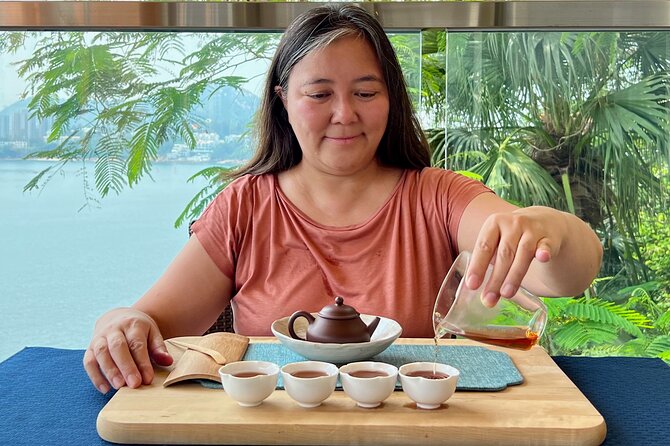
The hands-on brewing section is the heart of the experience for many people. You use a gaiwan, a traditional lidded bowl used to brew and pour tea, and experiment with the details that affect the cup.
This is more useful than watching a polished tea ceremony because you get to see the cause and effect. Small changes in brewing can alter strength, aroma, and balance. You begin to understand why a tea can taste pleasant in one cup and too strong in another.
The session teaches the key elements behind a good brew. The available information does not give exact water temperatures, steeping times, or tea quantities, so you should not arrive expecting a printed recipe for every tea. Instead, the emphasis is on learning the principles and gaining practical control.
That makes the class especially useful if you buy tea at home but often end up with uneven results. You can carry the basic technique with you, then adjust it to suit the tea and your taste.
The gaiwan also gives you a direct connection to tea culture. You are not only learning how to consume a drink. You are learning a traditional method and seeing how preparation forms part of the experience.
Premium seasonal teas and what that means for value
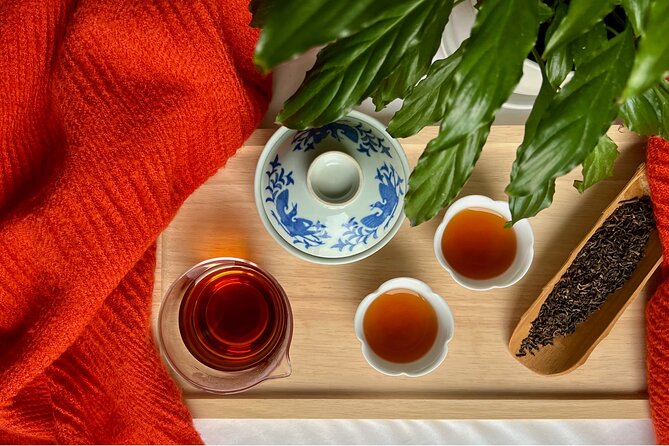
The teas are described as premium and selected for the season. That gives the tasting a sense of variety and purpose. You are not simply drinking one standard house tea while listening to a talk.
Seasonal selection can also mean that the exact lineup changes. That is good for freshness, but it means you should not book expecting a particular named tea unless the provider confirms it. The value is in the guided comparison and brewing practice rather than in a guaranteed list of bottles or leaves.
At $55.11 per person, this is not a cheap way to have tea. You are paying for instruction, several tastings, guided sensory work, hands-on equipment, snacks, and a small group capped at six people.
I see the price as reasonable for someone who truly wants to understand tea or who values a focused cultural activity. It is less appealing if you simply want a cup of tea and a quick explanation. Hong Kong offers many inexpensive places to drink tea, but they will not necessarily give you structured teaching or time to practice brewing.
The small group helps justify the cost. A private lesson would normally cost more, while a large class might feel less personal. This session sits in between. You get direct attention without paying for a fully private booking.
Timing, location, and the shape of the afternoon
The activity lasts about 1 hour and 30 minutes, long enough to cover several tea styles without taking over your day. You can fit it between other Wan Chai plans, though you should allow extra time to reach the meeting point at 382 Lockhart Road.
Because the activity ends where it starts, it is easy to continue exploring afterward. You might use the session as a calm break from Hong Kong’s faster pace, then return to sightseeing, shopping, or dining nearby.
The mobile ticket is practical. Your confirmation is issued at booking, and you can keep the ticket on your phone. The experience is near public transportation, which matters in Hong Kong, where a central address does not always mean an easy walk from your previous stop.
The activity requires good weather, and it also requires a minimum number of people. If poor weather or low enrollment causes cancellation, you are offered another date or a full refund. You can cancel for a full refund up to 24 hours before the start time. Within 24 hours, cancellations and changes are not accepted, so keep your schedule firm once the cutoff passes.
Who will enjoy this tea experience most
I would recommend this for several kinds of people:
- Tea beginners who want a friendly starting point without a long course.
- Experienced tea drinkers who want to improve tasting and gaiwan brewing skills.
- Couples and friends looking for a quieter Hong Kong activity.
- Solo visitors who prefer a small, guided setting.
- Anyone curious about local tea culture but not interested in a formal museum visit.
The session should suit you particularly well if you enjoy learning by doing. If you only want a relaxing drink, the tasting may feel too instructional. You will be asked to pay attention, compare aromas, and take part in brewing.
Families with very young children may find the format less suitable, but the available information does not set a minimum age. Ask the provider if age is important to your plans rather than assuming.
The session is also a good choice during hot or rainy weather, but poor weather can affect whether it operates. Check the local forecast and keep the cancellation terms in mind.
The main strengths and limitations
The strongest feature is the host-led teaching. Cecilia brings warmth and enthusiasm, and the class is structured to keep you involved. That matters more than fancy surroundings in an experience built around taste and attention.
The second major strength is the combination of tea theory and hands-on brewing. You learn the six categories, explore professional tasting methods, and then handle a gaiwan. The parts support one another.
The small group is another clear advantage. With no more than six people, you should have a better chance to ask questions and get useful feedback while brewing.
The limitations are straightforward. The experience is short, so it cannot cover every part of tea culture in detail. The price may also feel high if you are not especially interested in tea. Finally, the exact seasonal selection is not specified, so you should book for the learning format rather than for a promised list of rare teas.
Should you book the Wan Chai tea tasting?
Book this experience if you want to understand why teas taste different, learn how professionals assess a cup, and practice brewing with a gaiwan. The small group, friendly teaching style, seasonal teas, and snacks make it a focused cultural activity rather than a quick beverage stop.
I would skip it if you want a full meal, a long sightseeing tour, or the cheapest possible tea. At $55.11, the value depends on how much you care about learning the craft. For a tea enthusiast, curious first-timer, or anyone seeking a calm and practical Hong Kong experience, it is a sound choice.
FAQ
Where does the tea tasting take place?
The experience begins at 382 Lockhart Road in Wan Chai, Hong Kong.
How long does the activity last?
The tea tasting and brewing session lasts approximately 1 hour and 30 minutes.
Where does the activity end?
It ends back at the meeting point on Lockhart Road.
How many people can join the experience?
The activity has a maximum of six travelers.
What will I learn during the session?
You will learn about tea facts and myths, the six tea categories, tea aromas and flavors, professional tasting methods, and the key elements of brewing a good cup.
Will I brew tea myself?
Yes. You will get hands-on experience brewing tea with a gaiwan.
Are snacks included?
Yes. Complimentary snacks are served with the seasonal tea selection.
Is the activity near public transportation?
Yes. The meeting point is near public transportation.
Can I cancel for a refund?
You can cancel at least 24 hours before the start time for a full refund. Cancellations or changes made less than 24 hours before the start time are not accepted.
More Food and Drink Tours in China
- Shanghai 3-Hour Afternoon Tea Tasting and Dessert Tour
★ 4.9 · 15 reviews - 3-hour Morning/Afternoon Tea Tasting on Maliandao Street & Dimsum
★ 5.0 · 7 reviews - Puer Tea Picking and Tasting | 6 Hour Morning Trip
★ 5.0 · 7 reviews - Xi’an Noodle Making and Tea Tasting Experience
★ 5.0 · 6 reviews
Just added around China
- Xi’an Chinese Calligraphy Workshop: Ink Art & Tea Tasting★ 5.0 · 4 reviews
- Xi’an Noodle Making and Tea Tasting Experience★ 5.0 · 6 reviews
- Half-day Tour: Largest Tea Plantation & Amazing Xianggong Hill★ 5.0 · 9 reviews
- Xi’an Calligraphy & Tea Ceremony – Dive into Ink & Brush Artistry★ 5.0 · 4 reviews
- Full-day Tour: Spectacular Sunrise, Tea Plantation & Sunset★ 5.0 · 3 reviews
- 3 hours Xi’an Mahjong Class with Local Tea★ 5.0 · 2 reviews
- Shanghai Mahjong Experience in Local Tea Bar★ 5.0 · 4 reviews
- Unlock Chinese Tea: Culture, Science, Tasting & Hands-on Brewing★ 5.0 · 12 reviews
Tea Tastings, compared.
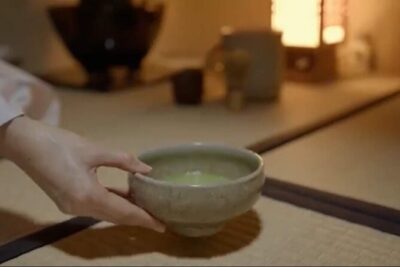
Private Tea Ceremony and Sake Tasting in Kyoto Samurai House
Read our review →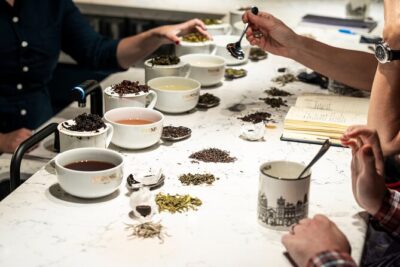
Twinings 2-Hour Tea Tasting Masterclass in London
Read our review →
Wadmalaw Island Wine Tasting and Tea Garden Trip
Read our review →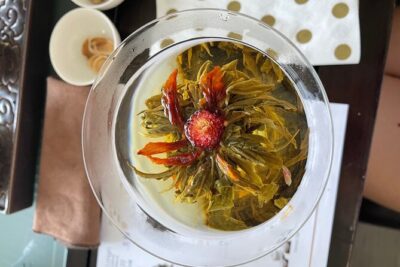
Matcha Experience with of Japanese Tea Tasting in Tokyo
Read our review →
World Teas & Turkish Tea Brewing, Tasting Workshop
Read our review →Browse the lists this tour appears in